Blue Hole Park in Salina, Oklahoma, was once a quiet local treasure where families spent lazy summer afternoons swimming in crystal-clear spring water. Word spread fast when tourists started discovering this hidden gem, and suddenly everything changed.
Now, this beloved swimming hole faces new challenges and opportunities as it balances its small-town charm with growing popularity.
A Hidden Spring That Stayed Secret for Decades
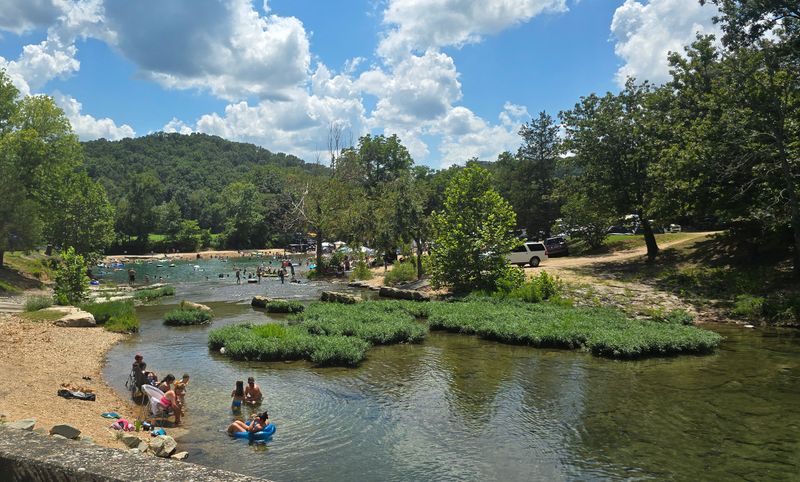
Locals in Salina kept Blue Hole Park to themselves for generations, treating it like their personal backyard oasis. Families would pack lunches and spend entire days at the spring-fed swimming hole without seeing a single outsider.
The water stayed clean, the crowds stayed small, and everyone knew each other by name.
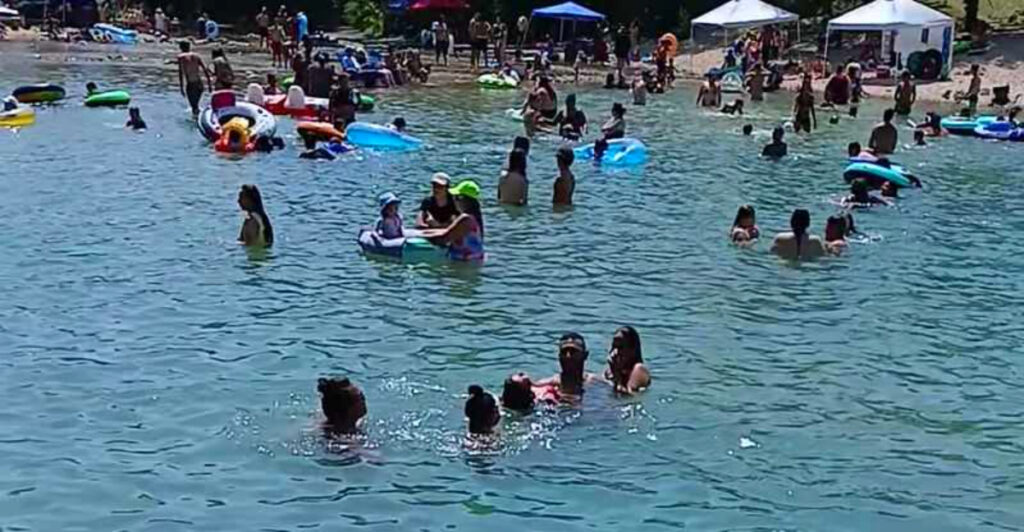
Social media changed everything when visitors started posting photos of the stunning turquoise water. Instagram and Facebook lit up with images of the pristine swimming hole, and suddenly people from Tulsa, Oklahoma City, and even out of state wanted to visit.
What was once a quiet weekend spot turned into a destination that drew thousands of curious tourists.
Old-timers remember when you could show up anytime and find plenty of space to spread out a blanket. Those days disappeared as parking lots filled up by mid-morning on summer weekends.
The secret was out, and Blue Hole would never be the same sleepy local hangout again.
Parking Nightmares Replaced Peaceful Arrivals
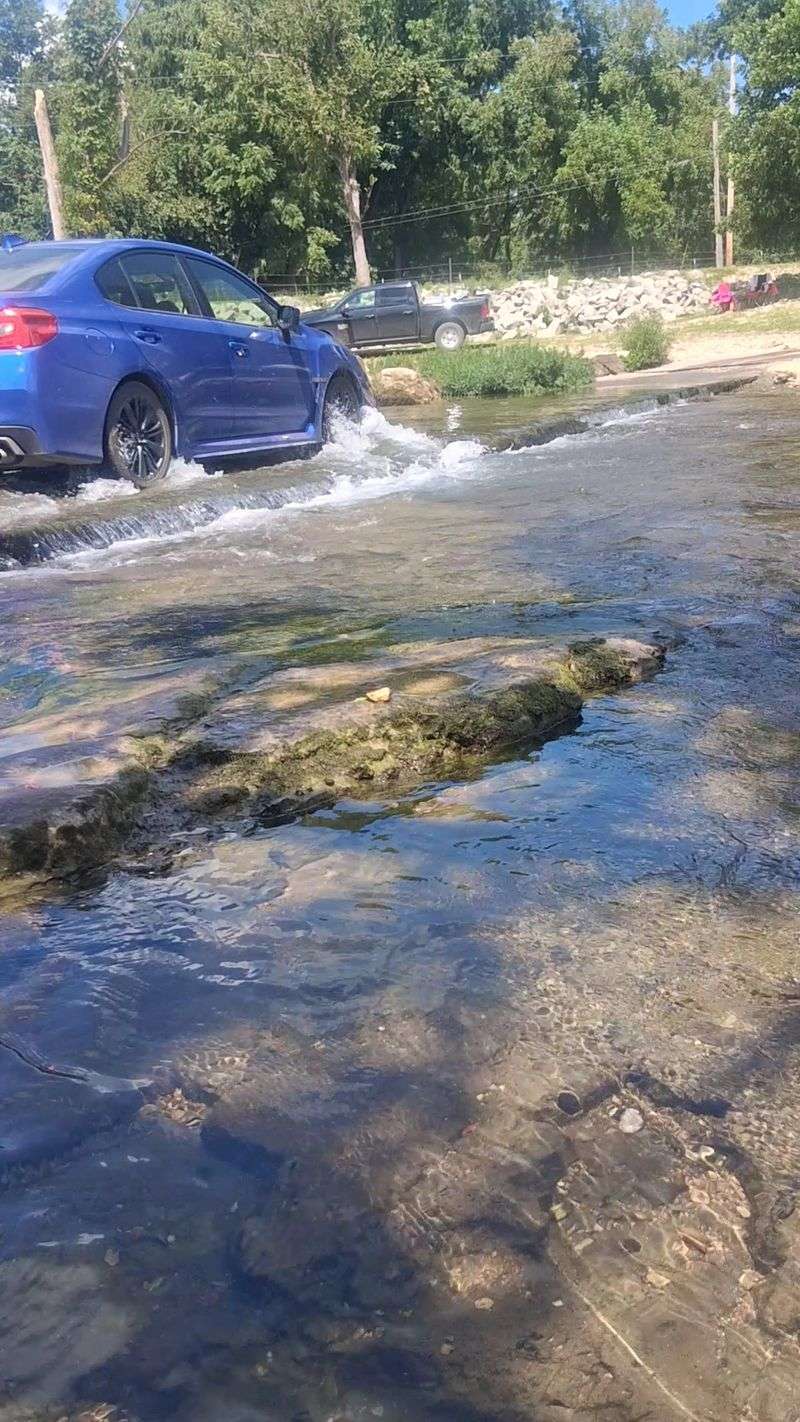
Finding a parking spot at Blue Hole used to be the easiest part of your day trip. You could roll up at noon and have your pick of shady spaces near the entrance.
Now, cars line the road for a quarter mile on busy summer days, and some visitors park in questionable spots just to get inside.
The small parking area was never designed to handle hundreds of vehicles at once. Management has tried to expand parking options, but the rural location makes it challenging to add infrastructure quickly.
Frustrated visitors sometimes leave before even getting to swim because they cannot find anywhere to park their cars.
Locals who live nearby have complained about tourists blocking driveways and creating traffic jams on roads that used to be quiet. The park now recommends arriving before 10 AM or after 4 PM to avoid the worst congestion.
Weekend parking has become such a headache that some longtime visitors have stopped coming altogether, choosing to remember Blue Hole the way it used to be instead.
Admission Prices Climbed to Control the Crowds
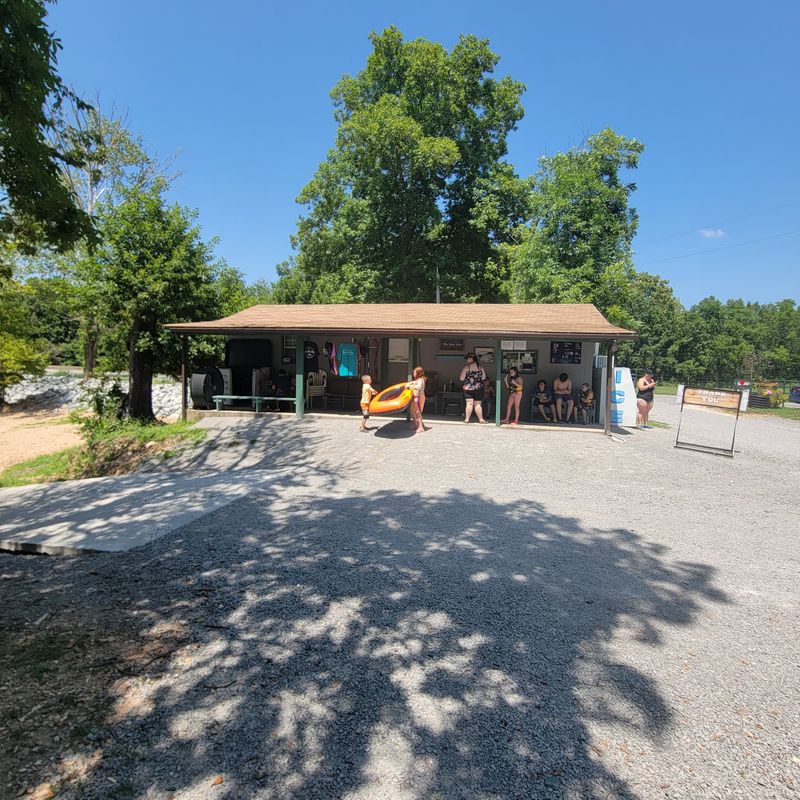
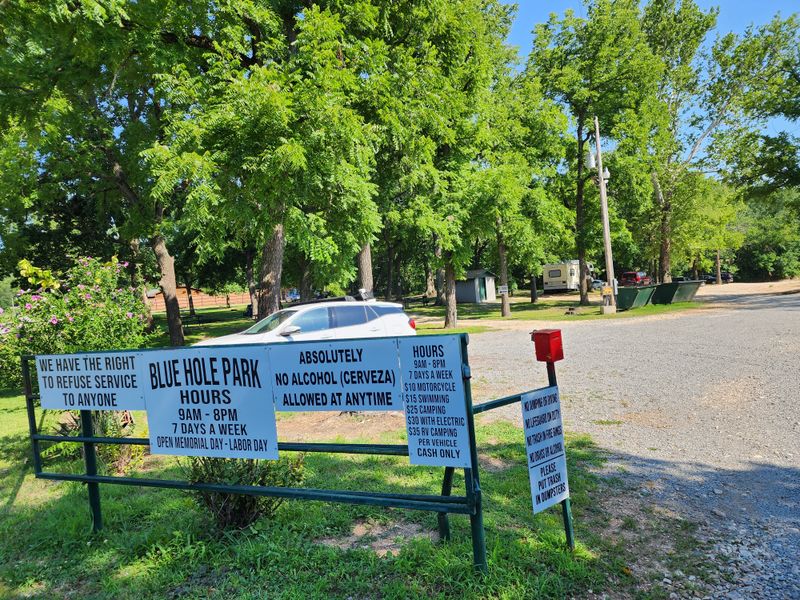
Blue Hole Park LLC had to make tough decisions when tourism exploded beyond anyone’s expectations. Raising admission prices seemed like the fairest way to manage overcrowding while funding necessary improvements.
What was once an affordable family outing became noticeably more expensive, pricing out some locals who had visited for years.
The owners explained that higher fees help pay for additional staff, maintenance, and facilities that handle increased visitor numbers. Bathrooms need more frequent cleaning, trash pickup happens multiple times daily, and lifeguards became necessary for safety reasons.
All these changes cost money that the old admission structure could not support.
Some families understand the need for higher prices, while others feel pushed out of a place that once belonged to the community. The park tries to balance affordability with sustainability, but it remains a sensitive topic.
Tourists willing to pay premium prices keep coming, which helps the business survive but changes the park’s character from a local gathering spot to a commercial attraction.
Trash and Litter Became a Constant Battle
Before the tourist boom, Blue Hole stayed remarkably clean because regular visitors treated it like their own property. People picked up after themselves, and littering was practically unheard of in the tight-knit community.
Everyone took pride in keeping their special swimming spot pristine for future generations to enjoy.
Mass tourism brought mountains of trash that overwhelmed the park’s simple waste management system. Empty bottles, food wrappers, and disposable items started piling up faster than staff could collect them.
Some visitors left behind camping gear, wet towels, and even dirty diapers, showing complete disregard for the natural environment they came to experience.
The park added dozens of trash cans and hired extra workers dedicated solely to cleanup duty. Even with these efforts, litter still appears in the water and along the banks, threatening the ecosystem that makes Blue Hole special.
Volunteers now organize regular cleanup days, but maintaining the park’s beauty requires constant vigilance that never used to be necessary back in the quiet days.
Water Quality Concerns Sparked Safety Debates
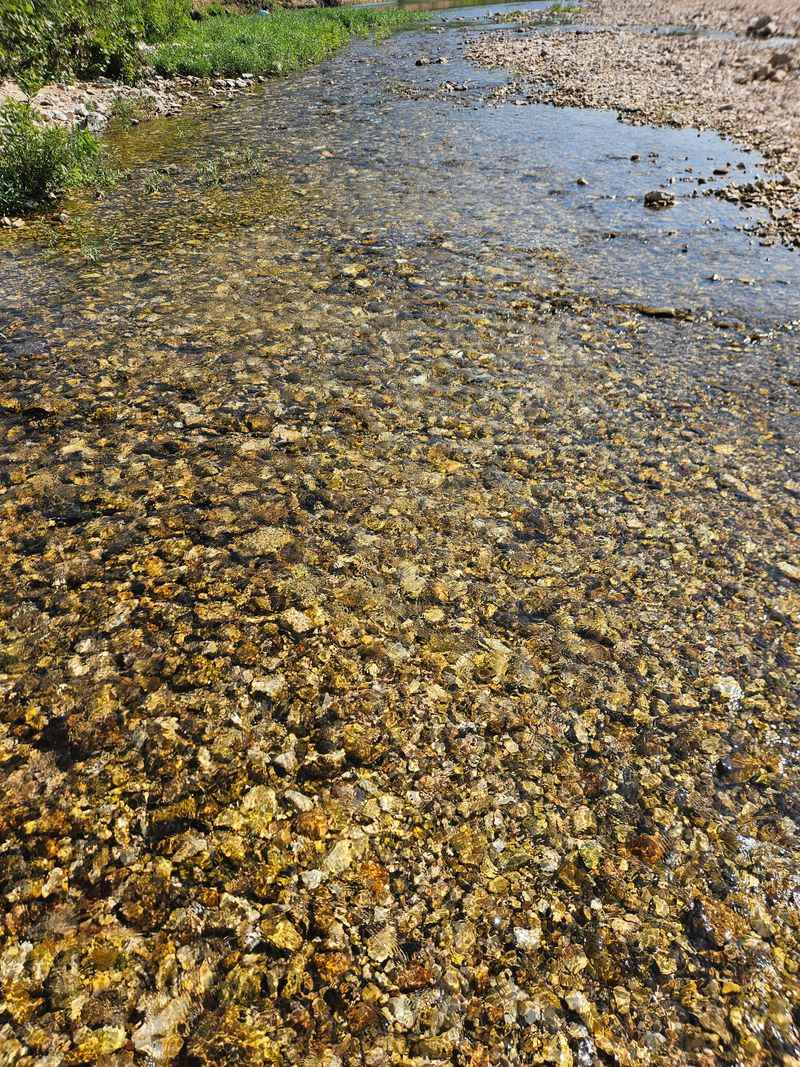
Spring-fed water at Blue Hole naturally stays cool and clear thanks to constant underground flow from limestone aquifers. The ecosystem maintained itself beautifully when visitor numbers stayed reasonable and the water could refresh itself between uses.
Nature handled the filtration without any human intervention needed.
Hundreds of swimmers entering the water daily changed the delicate balance that kept Blue Hole pristine. Sunscreen, body oils, and other contaminants started affecting water clarity and quality.
Some visitors reported skin irritation or minor infections after swimming, though official testing has not confirmed serious contamination issues yet.
Park management now monitors water quality more frequently and posts warning signs when conditions seem questionable. They encourage swimmers to rinse off before entering and limit certain products that harm aquatic life.
Despite these precautions, longtime visitors insist the water does not look or feel as clean as it did before tourism exploded, even if tests show acceptable safety levels for swimming activities.
Noise Levels Shattered the Peaceful Atmosphere
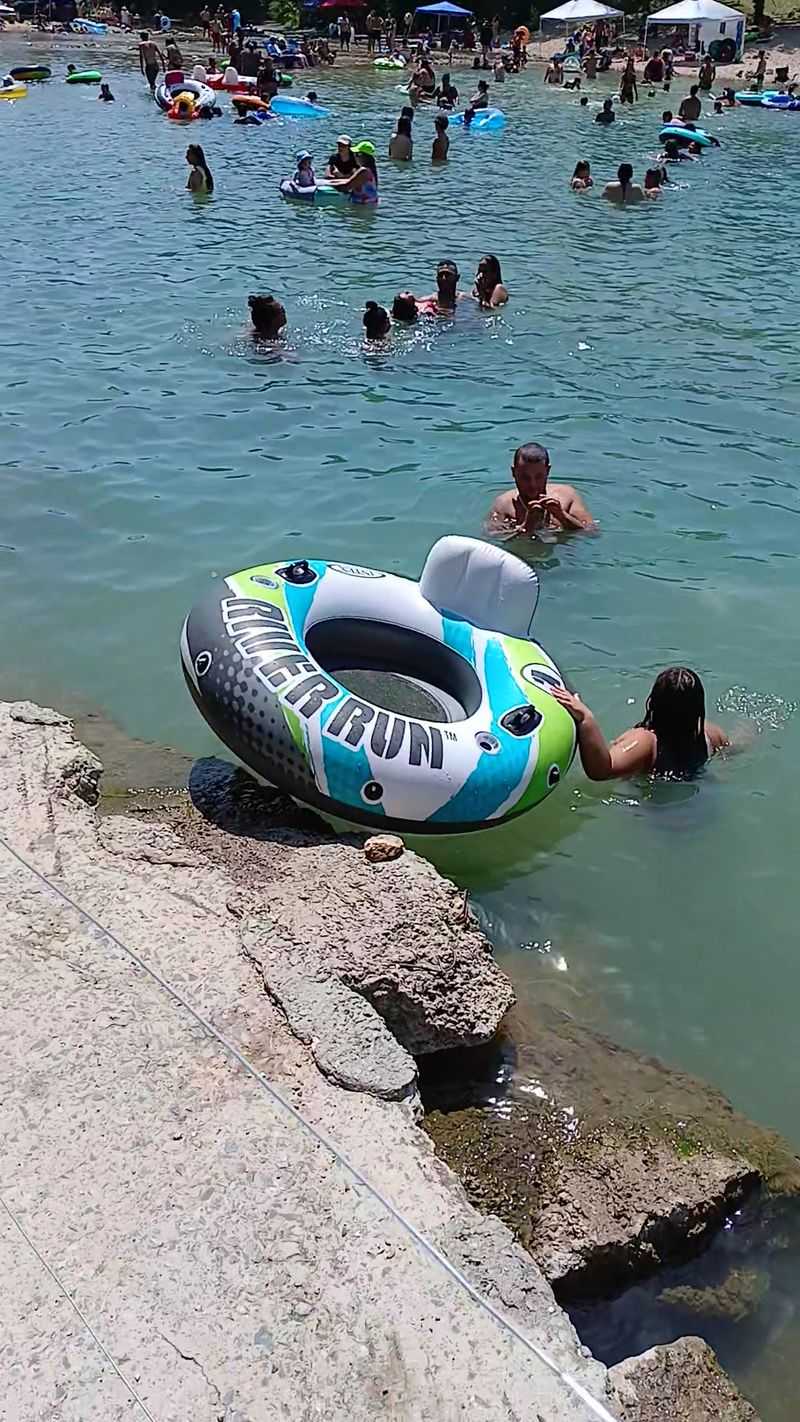
Blue Hole used to offer a tranquil escape where you could hear birds singing and water gently lapping against the shore. Conversations happened in normal tones, and children played without screaming competitions echoing across the water.
The peaceful ambiance was half the reason people loved visiting this natural retreat.
Tourist crowds brought constant noise that completely transformed the park’s character. Bluetooth speakers blasting different music genres compete with each other, creating an audio clash that drives away wildlife.
Large groups shout to communicate across distances, and excited visitors often forget they are sharing space with others seeking relaxation.
Some longtime visitors now avoid peak hours entirely, coming only during weekdays or off-season months when the park returns to something resembling its former calm. Management posted rules about noise levels, but enforcing them proves difficult without upsetting paying customers.
The serene swimming hole that once provided peaceful refuge from busy modern life now sounds more like a crowded community pool than a natural sanctuary in the Oklahoma countryside.
Camping Reservations Became Nearly Impossible
Showing up for a spontaneous camping weekend at Blue Hole used to be perfectly normal and almost guaranteed to work out. A few RV spots and tent areas stayed open most of the time, even during summer months.
Campers enjoyed a laid-back atmosphere where neighbors shared campfire stories and kids roamed freely between sites.
The camping experience transformed completely when online booking systems showed availability to thousands of potential visitors simultaneously. Sites now book solid weeks or even months in advance for popular summer weekends.
Families who made annual traditions of camping at Blue Hole suddenly found themselves shut out by faster internet connections and tourist planning.
The park tried expanding camping areas, but space limitations and environmental concerns prevent unlimited growth. RV owners with fancy setups sometimes crowd out tent campers who used to dominate the grounds.
What was once a casual, come-as-you-are camping spot now requires strategic planning and quick reflexes when reservations open, fundamentally changing how people experience this Oklahoma treasure.
Local Businesses Saw Unexpected Economic Boosts
Salina never expected to become a tourist destination, and local businesses were not prepared for the sudden influx of hungry, thirsty visitors. Gas stations ran out of ice and drinks on busy weekends, and the few restaurants in town faced lines out the door.
Small-town infrastructure struggled to keep pace with demand that seemed to appear overnight.
Smart business owners quickly adapted by expanding hours, increasing inventory, and hiring additional staff to serve the tourist crowd. Convenience stores started stocking more snacks and swimming supplies, while restaurants added outdoor seating to accommodate larger groups.
The economic injection helped struggling businesses survive and even thrive in ways they never imagined possible.
Not everyone celebrates the commercial boom, though, as some locals feel their quiet town has been invaded by outsiders who do not respect local customs. Traffic increased throughout Salina, not just at the park, and housing prices crept upward as investors saw opportunity.
The economic benefits are real, but they come with trade-offs that have divided the community between those welcoming growth and those mourning lost simplicity.
Social Media Influencers Changed Visitor Behavior
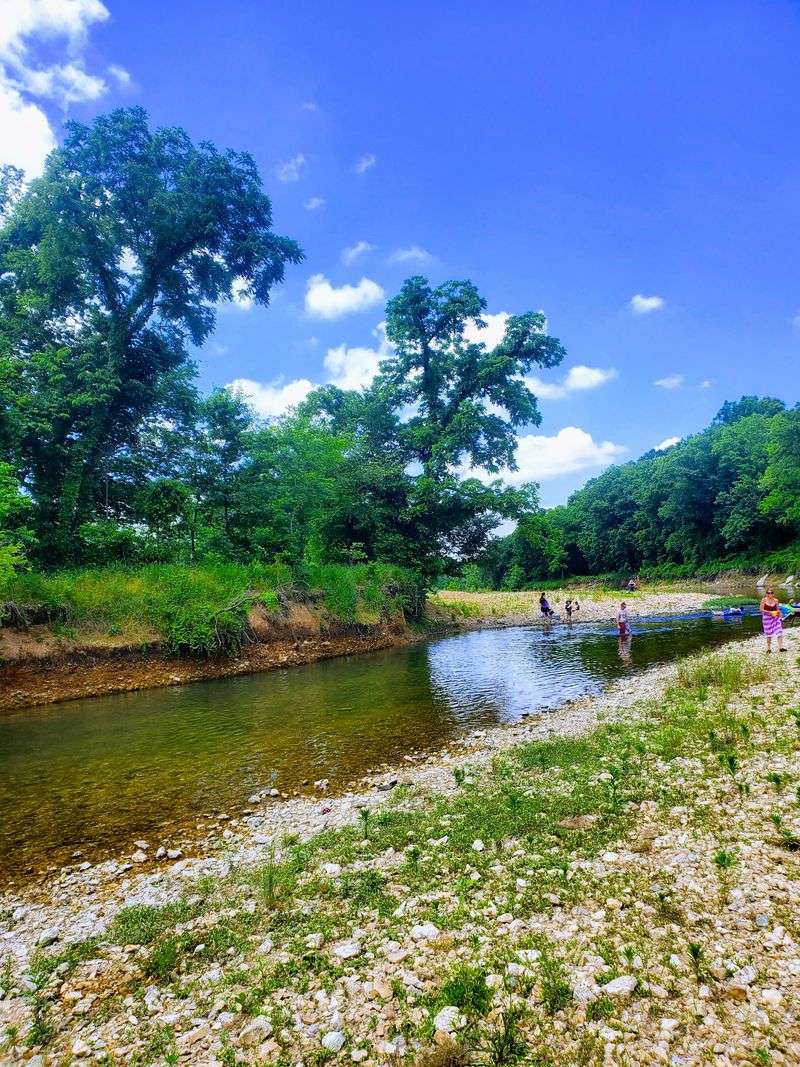
Photography at Blue Hole used to mean disposable cameras and family snapshots for personal albums. Visitors focused on swimming, relaxing, and enjoying nature rather than documenting every moment for an audience.
The experience mattered more than the evidence that you were there.
Influencers discovered Blue Hole and turned it into content gold, creating elaborate photoshoots that disrupted other visitors’ experiences. People now spend more time posing for the perfect Instagram shot than actually swimming in the water they traveled hours to reach.
Drones buzz overhead capturing aerial footage, and strangers appear in your family photos because everyone wants the same viral-worthy angle.
Park management implemented rules about commercial photography and drone usage, but enforcement remains challenging. Some visitors complain about waiting for photo shoots to finish before accessing popular spots, while influencers argue they are promoting the park for free.
The culture shift from private enjoyment to public performance has fundamentally altered how people interact with Blue Hole, prioritizing shareable moments over genuine connection with nature and each other.
Seasonal Operations Became Year-Round Pressure
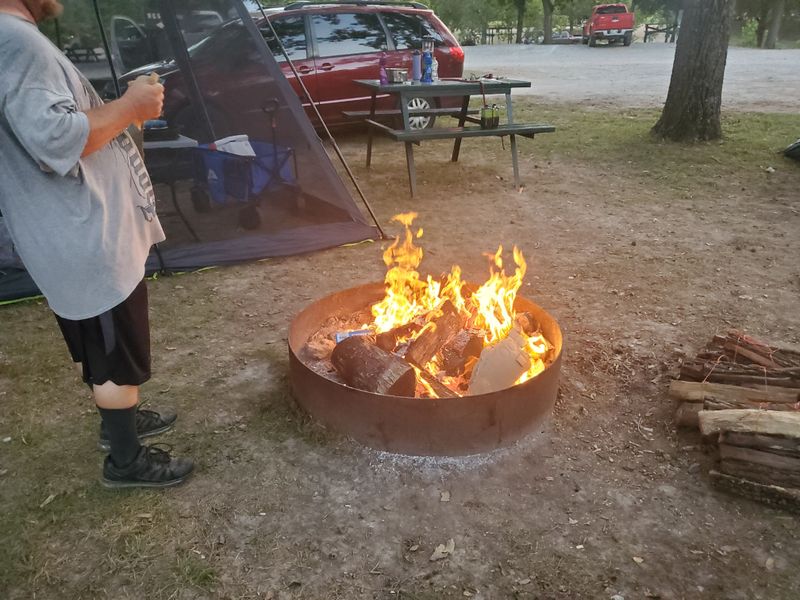
Blue Hole Park traditionally operated as a summer-only destination, closing down when temperatures dropped and giving the land time to recover. The off-season allowed natural processes to restore balance, vegetation to regrow, and the entire ecosystem to rest from human impact.
Owners took breaks too, maintaining equipment and preparing for the next season without constant visitor demands.
Tourist interest extended the season as people wanted to visit during spring and fall shoulder months. The park faced pressure to stay open longer to capture additional revenue and accommodate visitors traveling from distant locations.
What started as a June-through-August operation gradually expanded into a nearly year-round business that never truly rests.
Extended seasons mean more wear and tear on facilities, less recovery time for natural areas, and burned-out staff who used to enjoy off-season breaks. The park still closes during winter months, but the operational period keeps growing.
Locals who remember the quiet off-season town now see tourists arriving in April and staying through October, fundamentally changing Salina’s rhythm and character throughout most of the year.
Infrastructure Struggles to Keep Up with Demand
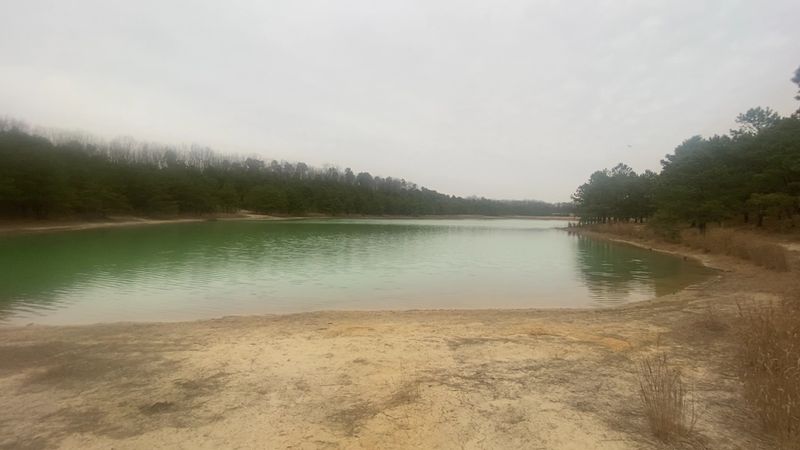
Bathroom facilities at Blue Hole were simple but adequate when serving a predictable number of local families. A few porta-potties and basic changing areas met everyone’s needs without complaint.
Nobody expected luxury amenities at a natural swimming hole in rural Oklahoma.
Massive visitor increases overwhelmed the modest infrastructure almost immediately. Bathroom lines stretched unreasonably long, and facilities could not stay clean despite frequent maintenance.
The park invested in permanent restroom buildings, additional changing rooms, and improved plumbing systems that required significant capital that a small operation struggles to generate.
Concession stands expanded to feed hungry crowds, but the kitchen facilities still cannot handle peak demand efficiently. Visitors wait 30 minutes or more for simple snacks during busy periods.
The park needs a complete infrastructure overhaul to properly serve current visitor numbers, but such improvements take time and money. Meanwhile, guests experience frustrations that never existed in the old days, and the park’s reputation suffers despite management’s best efforts to upgrade facilities as quickly as possible.
Wildlife Retreated from Constant Human Activity
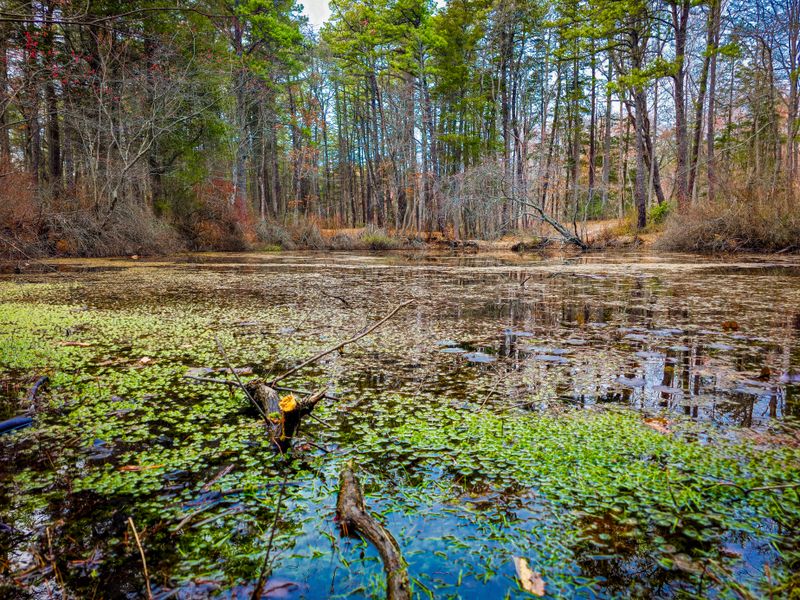
Birds, turtles, fish, and other wildlife thrived around Blue Hole when human visitors came in manageable numbers. Turtles sunbathed on logs, fish swam visibly in clear water, and birds nested in surrounding trees without disturbance.
The swimming hole functioned as a genuine natural habitat that humans shared respectfully with native species.
Constant noise, pollution, and activity drove much of the wildlife away from areas they had inhabited for generations. Turtles rarely appear anymore, and fish populations seem diminished compared to what old-timers remember.
Birds avoid nesting near the water where they once raised families undisturbed. The ecosystem that made Blue Hole special is quietly disappearing under tourism pressure.
Conservation groups have expressed concerns about long-term environmental damage from overuse. The park implemented some protective measures, but reversing wildlife displacement proves difficult once patterns change.
Children who visit now see a swimming pool in nature rather than a true natural habitat. The loss of wildlife represents an intangible change that is harder to measure than parking problems or trash, but it may be the most significant transformation of all at this once-pristine Oklahoma treasure.
Preservation Efforts Fight Against Overuse Damage
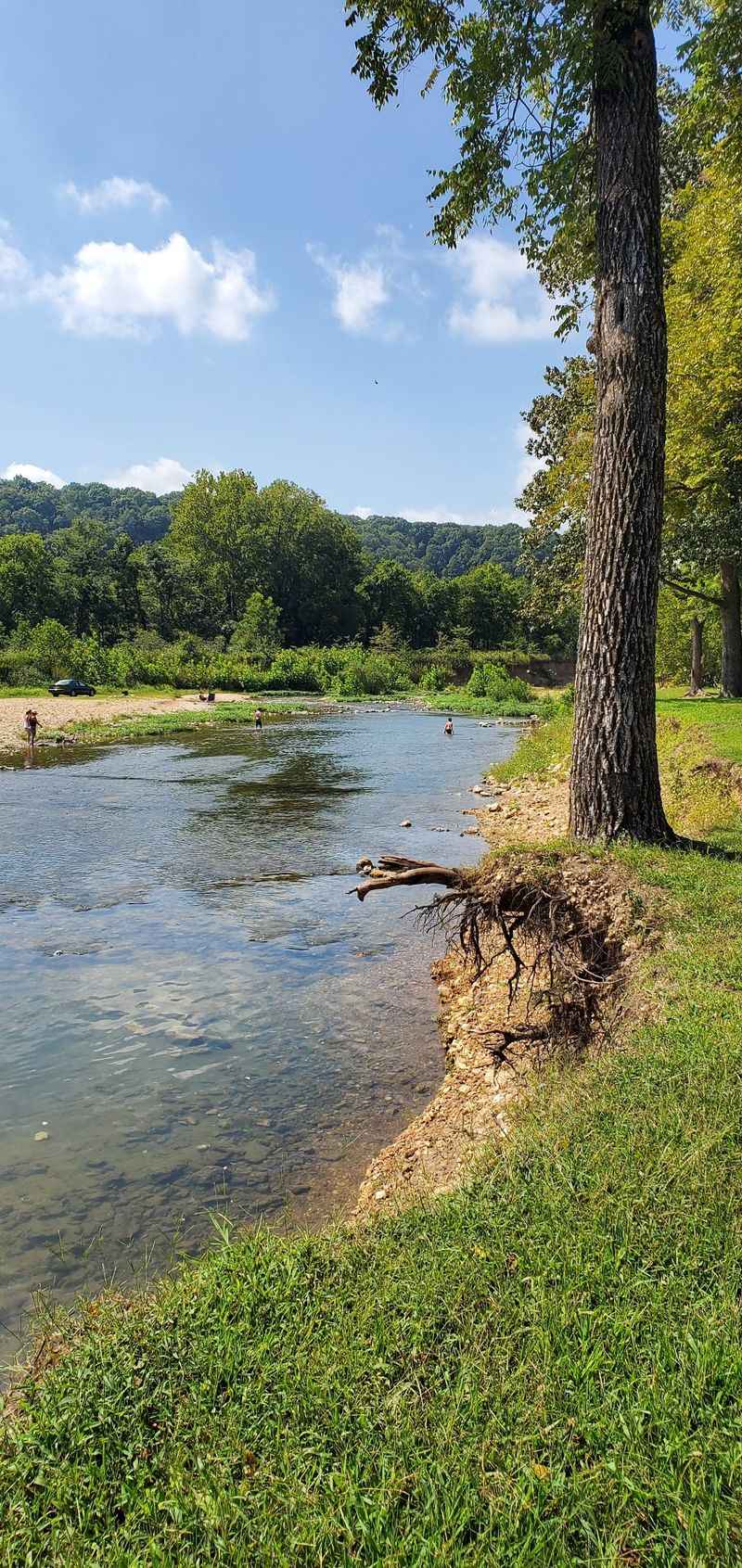
Environmental advocates now worry that Blue Hole cannot sustain current visitor levels without permanent damage to the spring and surrounding ecosystem. The natural spring has existed for thousands of years, but a few seasons of heavy tourism created more impact than the previous century combined.
Erosion, vegetation loss, and water quality changes signal that the land is suffering.
Conservation groups partner with park management to implement sustainable practices that balance public access with environmental protection. They established restoration areas where visitors cannot go, planted native vegetation to prevent erosion, and educated tourists about minimizing their impact.
These efforts help, but they work against tremendous pressure from crowds that keep growing each season.
The fundamental question remains whether Blue Hole can survive as both a popular tourist attraction and a natural treasure worth protecting. Some environmentalists argue that limiting visitors is the only solution, while the business needs revenue to fund conservation work.
Finding the right balance may determine whether future generations can enjoy Blue Hole at all or whether tourism will ultimately destroy the very beauty that attracted visitors in the first place to this Oklahoma gem.
Share this story