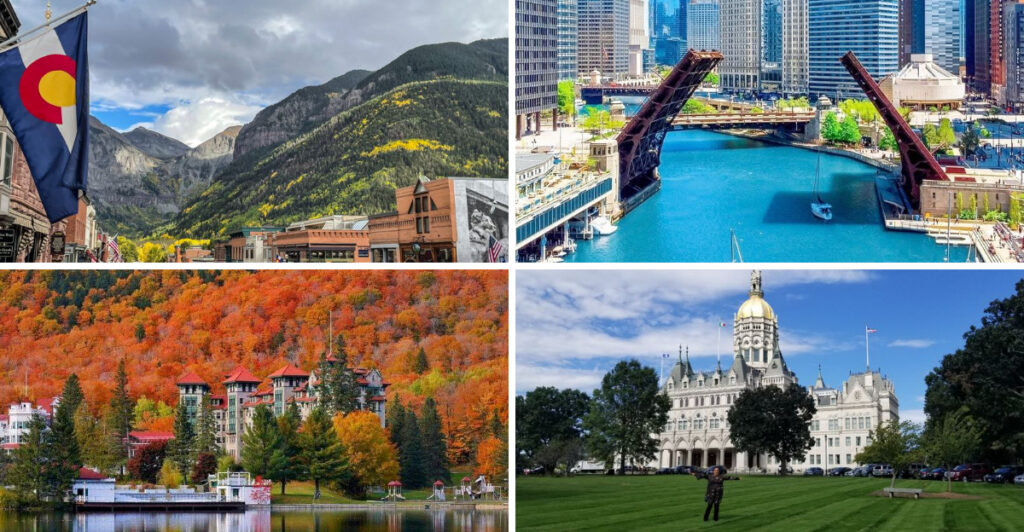
Which states lead the nation in education, and what sets them apart? This ranking highlights where degrees, skills, and strong school systems come together to create opportunity.
You will see how factors like college attainment, test scores, and workforce training reflect each state’s commitment to learning. Use this list to compare strengths and understand where education drives long term growth.
1. Illinois

Illinois blends powerhouse research universities with a deep community college network, making higher education accessible statewide. Flagship institutions like the University of Illinois Urbana-Champaign and Northwestern contribute world class research in engineering, medicine, and computing.
Chicago anchors the ecosystem with internships, incubators, and major employers that hire graduates across finance, health care, and tech.
High school attainment is strong, and statewide initiatives support dual credit, career pathways, and adult education. Public libraries, museums, and nonprofit programs extend learning beyond classrooms, providing practical skills and literacy support.
The state’s economy benefits from this talent pipeline, especially in advanced manufacturing, logistics, and analytics.
Challenges remain, including funding pressures and enrollment shifts that affect regional campuses. Still, Illinois continues to invest in need based grants and transfer pathways that help students finish degrees.
If you value options, Illinois offers choices at every level, from certificates to doctorates.
2. Delaware

Delaware’s compact size gives students close access to universities, employers, and policy makers. The University of Delaware anchors research in chemical engineering, agriculture, and materials science, supported by DuPont’s legacy and a growing biotech scene.
Community colleges and adult learning centers align programs to local industry needs, including health care and advanced manufacturing.
High school initiatives like dual enrollment and career pathways help students earn credits early and explore skilled trades. Financial aid programs and advising reduce barriers for first generation students.
Because distances are short, internships and apprenticeships fit naturally into schedules, reinforcing classroom learning.
Delaware also benefits from regional proximity to Philadelphia, Baltimore, and Washington, expanding options without losing a small state feel. Graduation rates and professional certification attainment have trended up, reflecting targeted investments.
If you want a tight network and practical routes into jobs, Delaware’s education system makes that path straightforward.
3. Rhode Island

Rhode Island punches above its weight with a cluster of selective and specialized institutions. Brown University drives research in medicine, public health, and computer science, while RISD elevates design and creative industries.
This blend attracts innovative students and spurs startups in digital media, biotech, and advanced textiles.
The state emphasizes need based aid, transfer pathways, and workforce credentials tied to local employers. Community colleges link to shipbuilding, health care, and IT support roles, giving you multiple entry points into well paid careers.
Urban campuses in Providence create a walkable learning hub with access to internships and cultural venues.
Education challenges include housing costs and limited space for campus expansion, but partnerships help stretch resources. Graduation and retention rates at leading schools remain strong, and adult learners benefit from flexible programs.
For a compact state, Rhode Island delivers a concentrated mix of academic rigor, creative energy, and job readiness.
4. Maine

Maine’s education story combines practical programs with strong public institutions. The University of Maine system emphasizes engineering, nursing, marine science, and forestry, fields that match regional needs.
Community colleges expand access through low cost credentials in trades, health care, and information technology.
Rural distance can pose challenges, so online and hybrid courses play a larger role. The state invests in broadband, early college, and adult upskilling to keep learning within reach.
Partnerships with shipyards, research labs, and hospitals create steady pipelines from classrooms to steady work.
Graduation rates vary by campus, but retention improves where advising and tutoring are expanded. Maine’s libraries, workforce boards, and apprenticeship programs offer added support, especially for career changers.
If you prefer hands on learning with clear job connections, Maine’s approach focuses on skills that meet local demand while keeping pathways affordable.
5. Utah

Utah posts high high school graduation and strong college attendance, driven by a young population and coordinated planning. The University of Utah and BYU excel in engineering, computer science, and life sciences, feeding a fast growing tech corridor known as Silicon Slopes.
Community colleges and applied technology colleges provide stackable credentials that move quickly into jobs.
Many students balance education with work and family, so flexible schedules and online courses are common. Apprenticeships in advanced manufacturing, health care, and construction create paid learning tracks.
State scholarships and tuition policies encourage timely completion and transfer.
Utah’s workforce has high rates of bilingual speakers and service experience, which employers value in customer facing roles. Challenges include keeping pace with growth and housing near campuses, but investment continues in labs and student support.
If you want a clear pathway into STEM or business, Utah’s ecosystem offers practical steps and strong employer ties.
6. Washington

Washington’s education strength aligns closely with its innovation economy. The University of Washington ranks among top research institutions in computer science, medicine, and oceanography.
Community and technical colleges partner with aerospace, cloud computing, and clean energy firms to train workers for in demand roles.
High household education levels reflect steady in migration of degree holders and strong local programs. K-12 systems emphasize STEM, dual credit, and career connected learning, giving students early exposure to technical fields.
Scholarships and need based aid help close gaps for first generation and rural learners.
Living costs can be high near Seattle, but online offerings and regional campuses broaden access. Graduation outcomes are supported by advising, internships, and cooperative education.
If you aim for tech, health, or research careers, Washington’s education infrastructure gives you proximity to world class employers and labs.
7. Minnesota

Minnesota pairs a flagship research university with a wide network of state colleges and strong K-12 outcomes. The University of Minnesota leads in public health, engineering, and agricultural sciences, while Fortune 500 companies offer internships in medical devices, retail analytics, and food science.
Reading and math performance historically rank well, supported by community literacy programs.
Tuition reciprocity with neighboring states expands choices without extreme costs. Technical colleges emphasize nursing, IT, and precision manufacturing, giving clear routes into stable careers.
Adult learners find flexible schedules and credit for prior learning to speed completion.
Equity gaps persist, and the state invests in targeted advising, scholarships, and culturally responsive teaching to narrow them. Public libraries, workforce centers, and nonprofits offer tutoring and career coaching.
If you want balanced options across urban and suburban settings, Minnesota delivers strong academics with practical employer connections.
8. New Hampshire

New Hampshire posts high rates of high school completion and bachelor degree attainment. Dartmouth College brings Ivy level research in medicine, engineering, and the social sciences, while state universities focus on teaching and applied programs.
Many residents also enroll at nearby Massachusetts campuses, expanding opportunity within the region.
Manufacturing remains strong, supported by apprenticeships and technical programs in robotics, quality control, and machining. High civic engagement translates into active school boards and community support for student services.
Scholarships and employer tuition assistance help working adults complete credentials.
Housing and tuition costs can be hurdles, but transfer pathways and online learning reduce pressure. Graduation rates benefit from small class sizes and close advising at regional campuses.
If you want a quiet setting with strong outcomes and access to Boston’s job market, New Hampshire offers an efficient route.
9. Virginia

Virginia’s education engine is powered by research universities, federal agencies, and a thriving tech corridor. The University of Virginia and Virginia Tech anchor engineering, data science, and biosciences, while community colleges connect students to cybersecurity and cloud roles.
Military and federal presence near Northern Virginia creates steady demand for advanced credentials and clearances.
High school programs emphasize dual enrollment, Advanced Placement, and career pathways, giving you a head start on college credits. State grants and transfer agreements help reduce time to degree.
Employers partner on internships and apprenticeships that lead directly to full time positions.
Cost of living can be high in the DC suburbs, but regional campuses and online formats broaden access. Graduation and employment outcomes are strong, particularly in STEM and public policy.
If you want education tied to stable, high skill jobs, Virginia’s system is organized and well resourced.
10. New Jersey

New Jersey maintains one of the nation’s highest shares of residents with bachelor and graduate degrees. Rutgers, Princeton, and a network of state colleges feed research and professional talent into pharmaceuticals, finance, and logistics.
Strong K-12 outcomes and competitive high schools position students well for selective admissions.
Community colleges support transfer through guided pathways and partnerships that keep costs manageable. The state’s location between New York City and Philadelphia expands internship and job options without long commutes.
Adult education and ESL programs help newcomers build skills quickly.
Housing and tuition can be costly, but financial aid and articulation agreements improve completion rates. Graduation outcomes are solid across many campuses, with notable strength in engineering and life sciences.
If you want proximity to major markets plus strong schools, New Jersey offers dense opportunity and reliable results.
11. Colorado
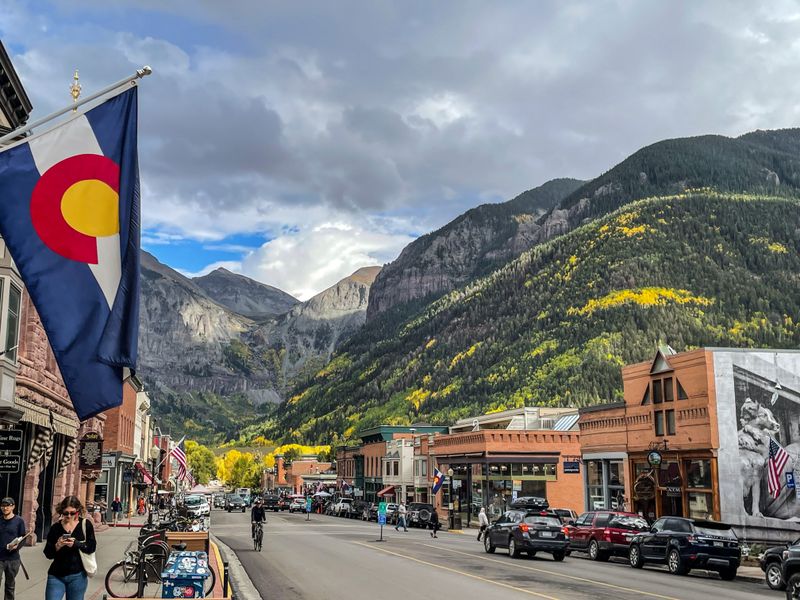
Colorado combines high educational attainment with a dynamic workforce in aerospace, software, and renewable energy. The University of Colorado system and Colorado State advance research in biosciences, climate, and engineering.
Community colleges and bootcamps offer stackable credentials that match employer demand in IT and skilled trades.
Many residents hold graduate degrees, reflecting both local programs and in migration tied to quality of life. K-12 initiatives promote computer science, dual enrollment, and career exploration.
Scholarships and state aid support rural students and veterans seeking flexible pathways.
Rapid growth challenges affordability, but online courses and regional campuses expand access. Graduation and employment outcomes remain strong due to internships and cooperative education with local firms.
If you want a mix of outdoor lifestyle and serious academics, Colorado provides both, backed by data driven workforce planning.
12. Connecticut
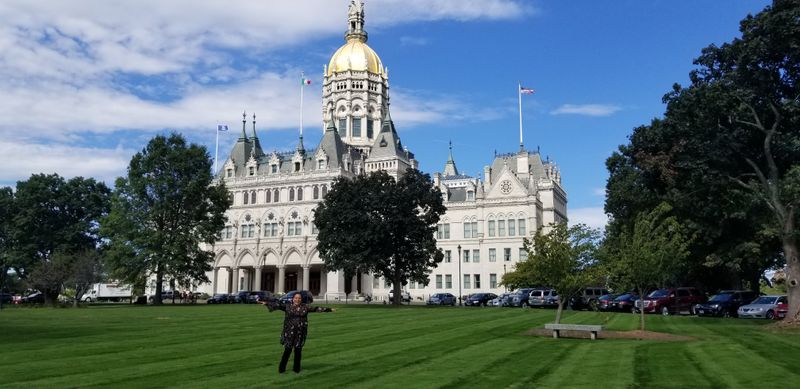
Connecticut posts high levels of bachelor and advanced degrees, supported by Yale, UConn, and a robust community college system. Research strength in medicine, biotech, and materials translates into jobs at hospitals, labs, and precision manufacturers.
Proximity to New York and Boston adds internship depth without losing a smaller campus feel.
The state invests in need based aid, early college, and workforce credentials that meet employer demand. Apprenticeships and certificate programs connect students to aerospace and submarine manufacturing roles.
Libraries and adult education centers support literacy and career coaching statewide.
Costs can be high, but financial aid and transfer pathways help students finish on time. Graduation rates at flagship campuses are strong, and regional universities provide accessible options.
If you want rigorous academics with practical industry ties, Connecticut offers a clear, well supported route.
13. Maryland
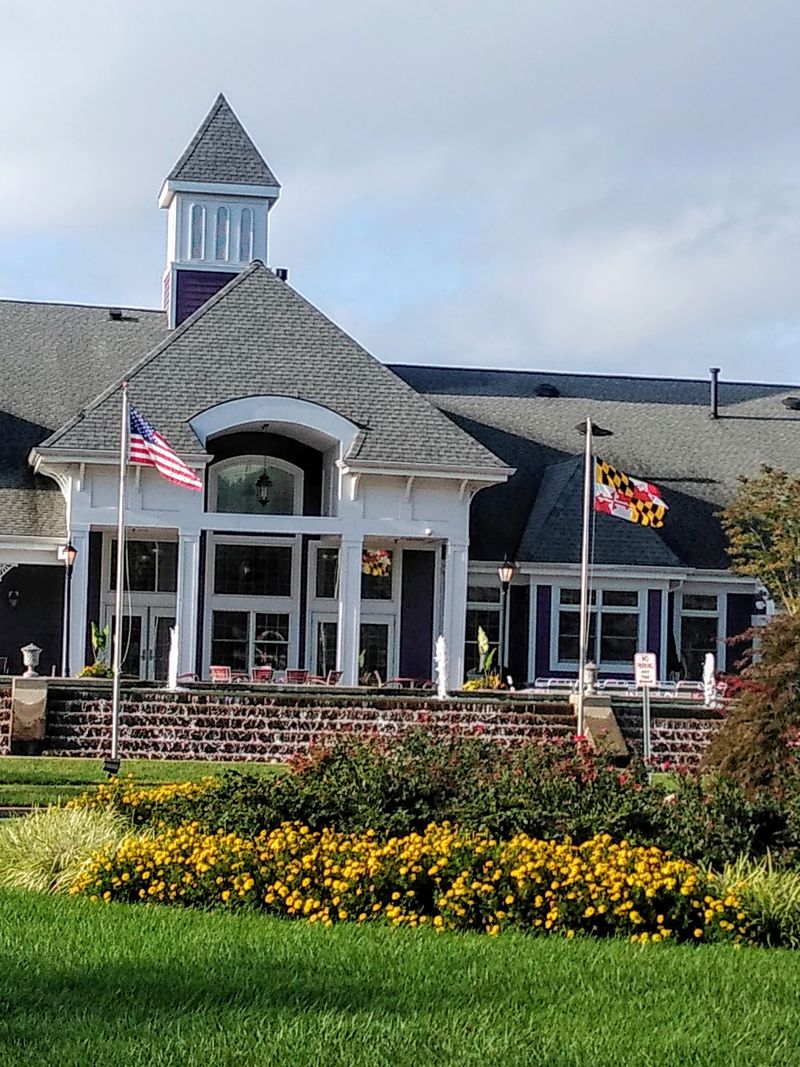
Maryland consistently ranks near the top for graduate and professional degree attainment. Johns Hopkins and the University of Maryland lead research in medicine, public health, engineering, and cybersecurity.
Federal agencies and contractors create steady demand for advanced credentials, especially around the I-95 corridor.
Community colleges offer strong transfer and workforce programs, including biotech technician training and health care pathways. K-12 systems emphasize AP, STEM, and early college opportunities.
Financial aid and dual enrollment help students control costs and accelerate progress.
Cost of living near DC and Baltimore can be steep, but regional campuses and online programs improve access. Graduation outcomes are robust thanks to internships and lab placements across hospitals and research centers.
If you want a research dense environment with clear professional routes, Maryland delivers consistent results.
14. Vermont
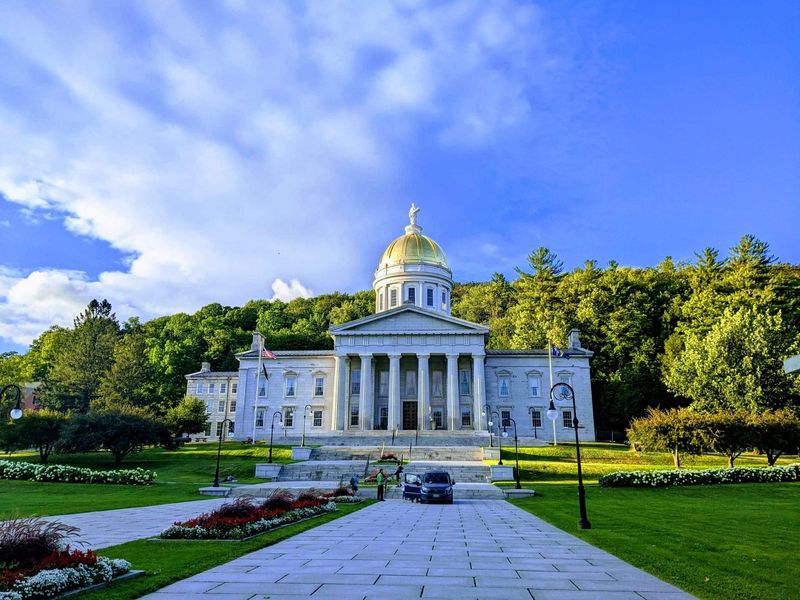
Vermont’s small scale supports close student faculty interaction and strong community ties. The University of Vermont leads in environmental science, public health, and agriculture, while liberal arts colleges emphasize critical thinking and writing.
Community colleges provide accessible pathways for nursing, early childhood education, and IT support.
High school graduation rates are solid, and many students pursue college or certificates soon after. Adult learners benefit from flexible schedules and advising that recognize work experience.
Public libraries and local nonprofits add tutoring and literacy resources in rural areas.
Affordability and population decline challenge enrollment, but targeted scholarships and transfer routes help maintain completion. Outcomes are strengthened by internships with hospitals, farms, and environmental organizations.
If you value supportive campuses and sustainability focused programs, Vermont offers a thoughtful, student centered approach.
15. Massachusetts

Massachusetts leads national rankings in educational attainment, research intensity, and innovation output. Universities like Harvard and MIT anchor a dense cluster that spans engineering, medicine, and policy.
Public universities and community colleges add scale, ensuring pathways exist from certificates to advanced degrees.
K-12 performance is among the strongest in the country, with consistent results in math and reading. Early college, AP, and vocational technical schools provide multiple routes to high skill employment.
Biotech, robotics, and clean energy companies partner closely with campuses for internships and co-ops.
Living costs are significant, but financial aid and strong post graduation earnings help balance the equation. Graduation and employment outcomes are exceptional due to concentrated employer demand and research funding.
If you want the highest density of academic and industry opportunities, Massachusetts sets a clear benchmark for the country.
Share this story