Your first international trip should feel exciting, not overwhelming. The right destination gives you clear transit, welcoming neighborhoods, and easy wins that build confidence fast.
These 15 spots deliver exactly that, plus a few places where you can snag a memorable stamp or souvenir mark to celebrate the milestone. Pack light, keep an open mind, and get ready to collect stories you will be proud to tell.
1. London, England
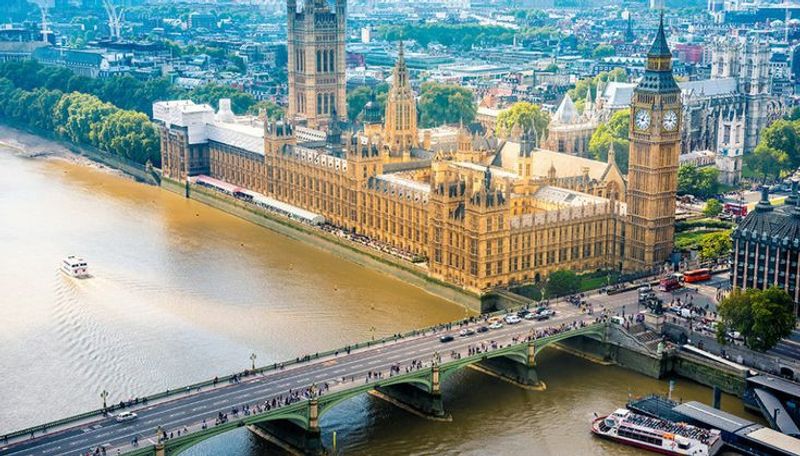
London is a newcomer’s dream because the basics are blissfully simple. English signage, contactless payments on transit, and clear wayfinding mean you can land jetlagged and still navigate with confidence.
Base near a Tube line, and most icons fall within 30 minutes. Try the 11 bus for a cheap open-top style tour past Trafalgar Square and St Paul’s.
Book timed entries for the Tower of London and Churchill War Rooms to skip queues.
To keep costs in check, prioritize free museums like the British Museum and the V&A. Markets make meals easy: Borough for variety, Maltby Street for smaller crowds, and Broadway Market on weekends.
For a first-timer route, pair Westminster and South Bank one day, then Shoreditch street art and Spitalfields the next. Data point: Transport for London reports contactless taps exceed 60 percent of Tube journeys, proof of seamless systems that reduce traveler stress.
2. Paris, France
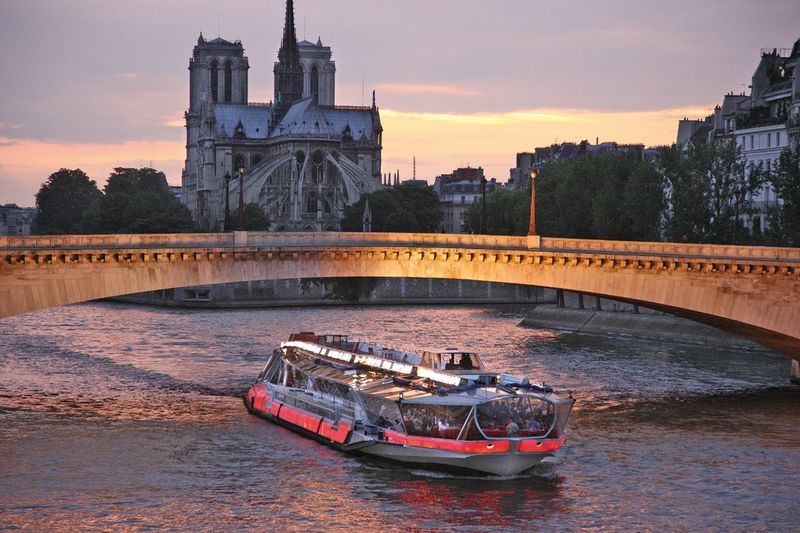
Paris rewards walkers. Stay in the 4th, 5th, or 6th arrondissements, and landmarks stack into one lovely loop: Île de la Cité, the Latin Quarter, and the Luxembourg Gardens.
Grab a Navigo Easy card for metro taps and hop off whenever a side street looks interesting. Timed entry for the Louvre in the afternoon avoids morning tour groups.
For food, prix fixe lunches at bistros offer excellent value.
To ease museum overwhelm, pick themes: Impressionism at Musée d’Orsay, Rodin’s sculptures in a tranquil garden, and a small gem like Musée de l’Orangerie. Claim a riverbank picnic at golden hour with a baguette, cheese, and fruit.
Actionable tip: learn ten phrases and you will notice warmer service. According to Paris Convention and Visitors Bureau figures, the city welcomed over 36 million visitors recently, yet stress drops when your plan focuses on just two neighborhoods per day.
3. Rome, Italy
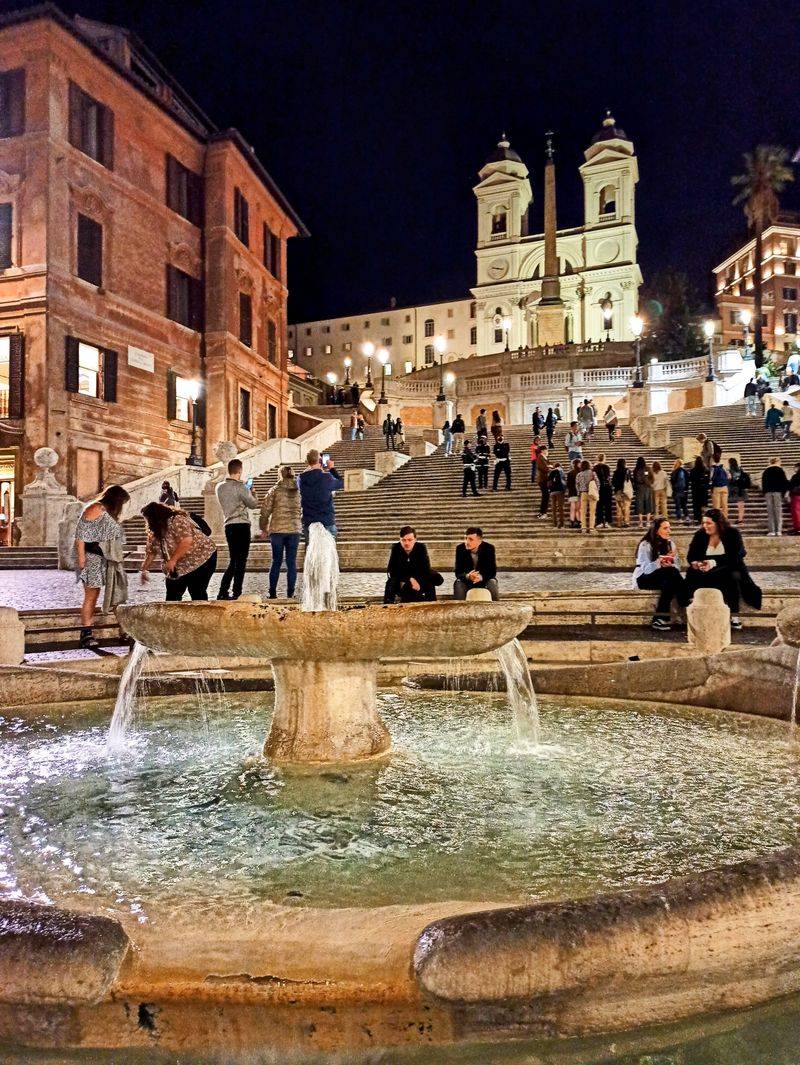
Rome is an open-air museum you can actually eat. Cluster sights by neighborhood to minimize fatigue: Colosseum and Roman Forum together, then Trastevere for dinner.
Reserve the Colosseum with arena floor access for smaller groups. Visit the Vatican Museums either very early or late, then decompress in the quiet of the Janiculum Hill overlook.
Street fountains make refilling water bottles easy, and espresso bars keep energy high.
Practical win: order at the counter for cheaper coffee. For a hands-on taste of history, tour Ostia Antica, a less crowded ancient port city.
Walkability shines as lanes narrow and piazzas open to Bernini fountains. You will navigate with intuitive landmarks rather than maps.
Italy’s national statistics agency notes tourism has rebounded strongly, so plan timed reservations to cut waits. Finish with gelato near the Pantheon, and let your first stamp taste like pistachio and late sunshine.
4. Dublin, Ireland
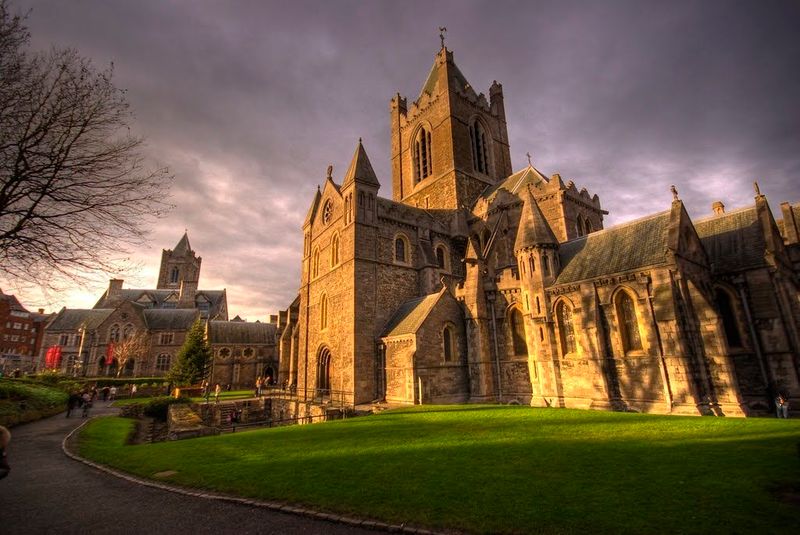
Dublin feels like a warm welcome disguised as a capital. English everywhere, compact streets, and a music-first culture create gentle momentum for new travelers.
Start at Trinity College for the Book of Kells and the Long Room, then walk the River Liffey to Dublin Castle and St Patrick’s Cathedral. Evenings are for live trad sessions at O’Donoghue’s or Cobblestone.
You will meet chatty bartenders who love giving directions.
For history that sticks, book Kilmainham Gaol and learn how independence unfolded in rooms you can step inside. Day trips by rail to Howth for cliff walks or Malahide Castle require little planning.
Actionable tip: buy a Leap Visitor Card for buses, DART, and Luas trams. Ireland regularly ranks among Europe’s safest destinations per Eurostat indicators, giving first-timers extra confidence to wander, discover new bakeries, and claim rainy days as an excuse for another creamy coffee.
5. Barcelona, Spain
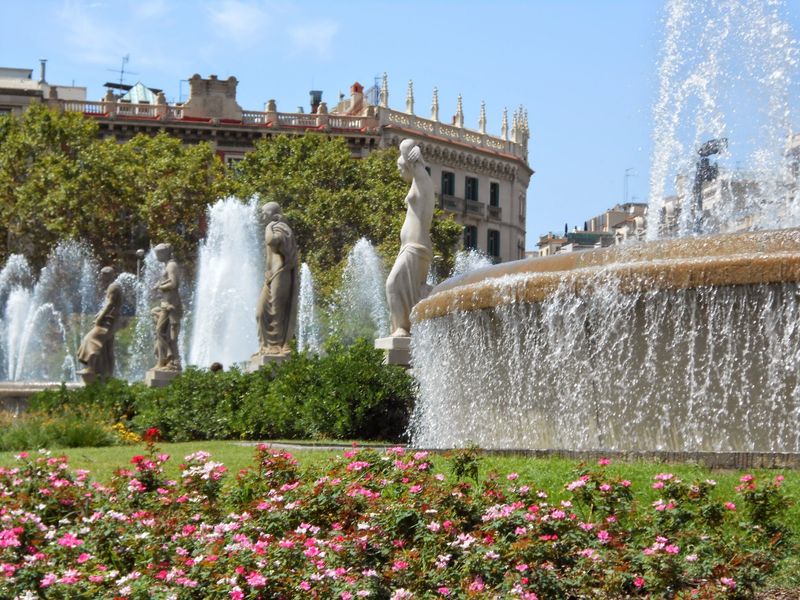
Barcelona mixes beach mornings with architectural afternoons. Start with Gaudí: book Sagrada Família and Park Güell in advance, then stroll Passeig de Gràcia for modernist facades.
The metro is intuitive and cheap, and rideshares are plentiful. Tapas hopping in El Born keeps meals flexible and affordable.
If crowds spike, head to Hospital de Sant Pau’s Art Nouveau complex for space and light.
For a first-timer path, walk from the Gothic Quarter to Barceloneta in under 30 minutes and finish with a seaside paella. Choose pickpocket-aware habits around Las Ramblas and metro stations.
The city’s tourism data shows visitor numbers remain robust, so adopt early starts. Actionable tip: buy a T-casual card for ten rides and keep days open-ended.
When energy dips, a cortado and a shady square will reset your pace. You will leave with sun-kissed confidence and a camera full of textures.
6. Amsterdam, Netherlands
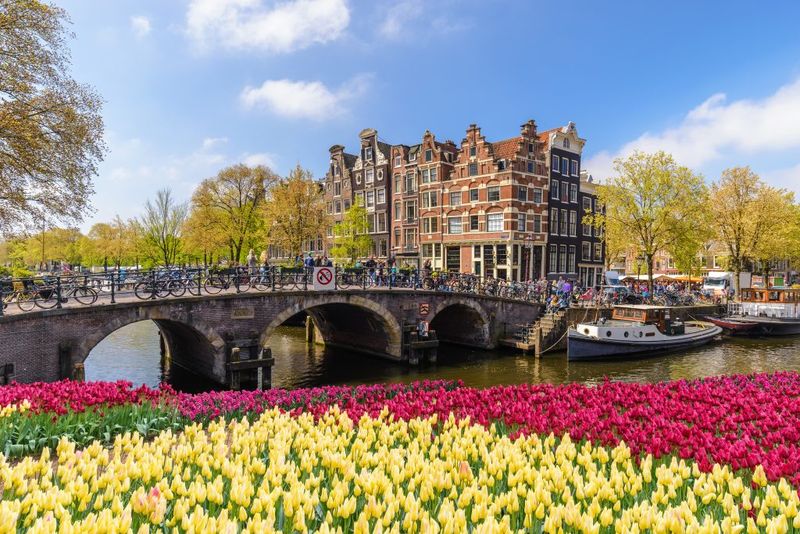
Amsterdam is a masterclass in gentle logistics. From Schiphol, trains reach Centraal Station in under 20 minutes, and trams fan out everywhere.
Buy an OV-chip card and glide between neighborhoods. Book the Anne Frank House weeks ahead, then pair the Van Gogh Museum with a canal cruise for balance.
Cycle if you feel ready, but walking along the Prinsengracht gives equally rich views.
For food that fits any schedule, Indonesian rijsttafel shares flavors across many small plates. Jordaan’s courtyards and De Pijp’s market stalls keep days varied.
Actionable tip: museum time slots are sacred, so arrive a few minutes early. The Netherlands consistently ranks among the world’s safest and most bike-friendly countries per OECD indicators, removing friction for first-timers.
End with a sunset ferry to NDSM for industrial art and skyline snaps. You will feel like a local quicker than expected, bell ding and all.
7. Reykjavik, Iceland
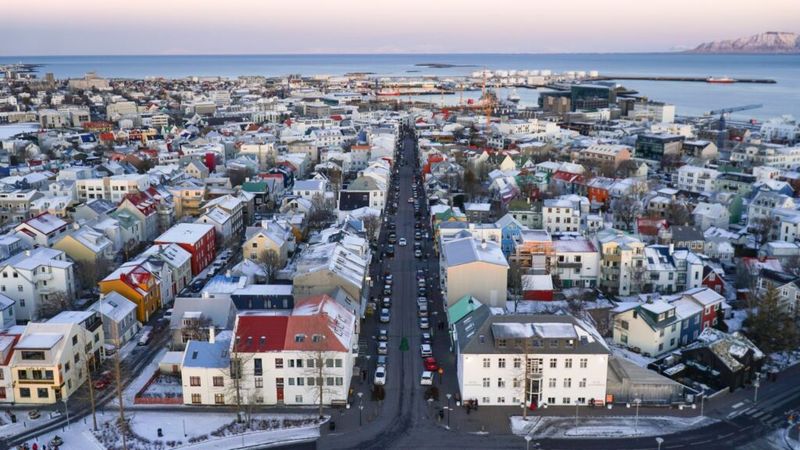
Reykjavik gives you epic landscapes with city-level simplicity. English is widely spoken, credit cards work almost everywhere, and tour operators handle driving on icy roads if you prefer.
Start with Hallgrímskirkja’s tower views, then join a Golden Circle day trip for geysers, waterfalls, and tectonic drama. Blue Lagoon or Sky Lagoon offers jetlag therapy warmed by geothermal waters.
Downtown streets are easy to learn in an afternoon.
To stretch your budget, shop Bonus supermarkets and choose one sit-down splurge like lamb at Dill or fresh fish at a harbor bistro. Winter brings northern lights tours with rebooking guarantees if skies fail.
Actionable tip: pack layers and microspikes for shoulder-season sidewalks. Iceland routinely ranks near the top of the Global Peace Index, reinforcing its reputation for safety.
Your first stamp pairs cozy coffeehouses with lunar landscapes, and the contrast is exactly what makes it unforgettable.
8. Vancouver, Canada
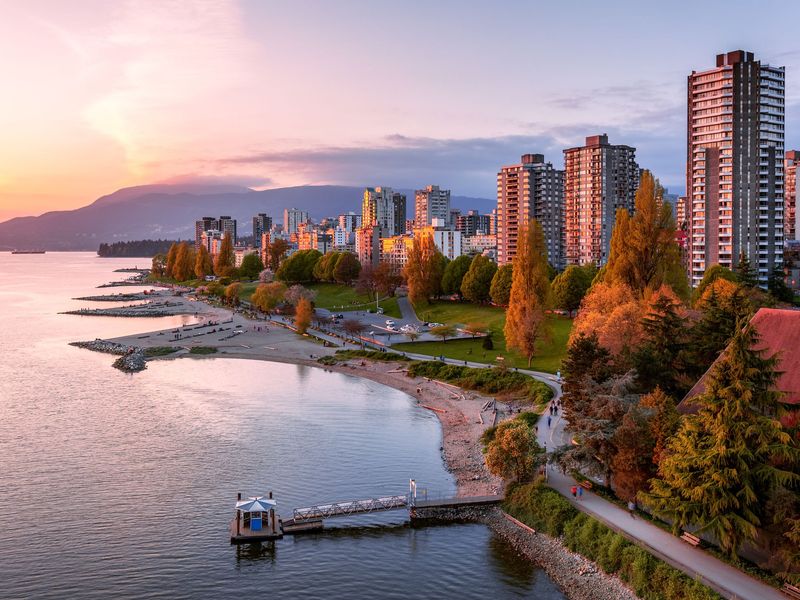
Vancouver is a soft landing where nature sits on the doorstep. The SkyTrain from the airport is seamless, and tap-to-pay keeps it simple.
Base near Yaletown or Coal Harbour for quick access to the seawall. Rent bikes for Stanley Park, stop at Totem Poles, and loop past beaches in under two hours.
Granville Island’s public market turns lunch into a casual tasting crawl.
For affordable viewpoints, hike Quarry Rock in Deep Cove or ride the SeaBus to Lonsdale Quay. If budgets allow, Capilano Suspension Bridge or Grouse Mountain adds signature photos.
Actionable tip: bring a light rain shell year-round. Statistics Canada data shows tourism recovery accelerating, and reservations help on sunny weekends.
Culinary wins range from sushi deals to farm-to-table bistros. You will leave confident in transit, pacing, and layering strategies you can replicate on later, farther adventures.
9. Montreal, Canada
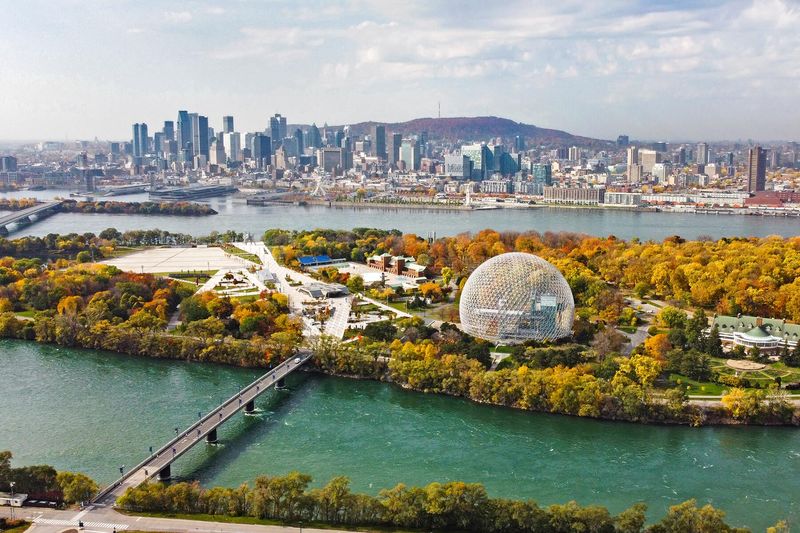
Montreal delivers European charm without the longer flight. Bilingual signage and friendly service make it easy to settle in.
Base near Old Montreal for stone streets and the St Lawrence breeze, then wander to the Plateau for murals and bagels. Climb Mount Royal for a skyline sweep and maple-scented air.
The metro grid is intuitive and safe, perfect for first-timers exploring independently.
Food is the headline: smoked meat sandwiches, poutine variations, and inventive tasting menus. Buy a 3-day STM pass and string neighborhoods together.
Actionable tip: reserve time-based tickets for the Notre-Dame Basilica’s AURA light experience. Destination Canada and provincial stats show strong year-round visitation, especially during festivals, so book lodging early.
You will appreciate how approachable the city feels, especially when a barista effortlessly switches languages to help you find the next great bakery.
10. Tokyo, Japan
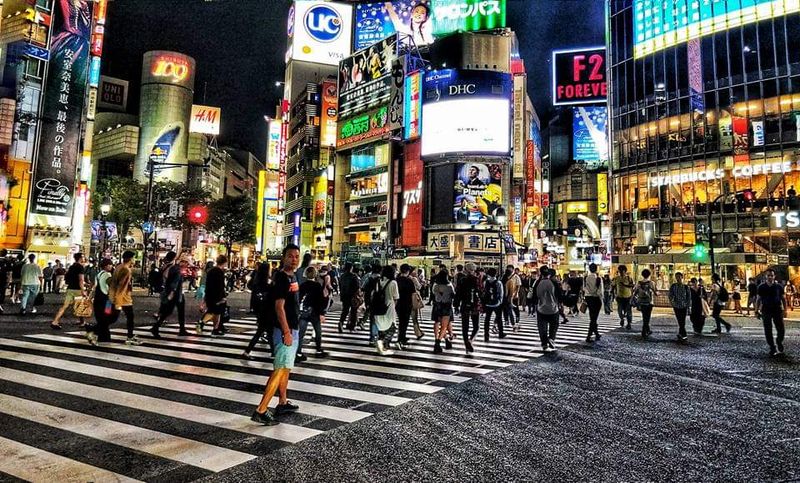
Tokyo is proof that complexity can feel calm. Trains run to the minute, stations have excellent English signage, and staff bow while offering help.
Start with Shibuya Crossing and the Sky deck, then balance neon with quiet at Meiji Shrine. Buy a Suica or PASMO card and never fumble for coins.
Ramen, sushi trains, and convenience store bento keep you fueled without stress.
Choose neighborhoods by mood: Asakusa for temples, Daikanyama for design, Kichijoji for park strolls. Book the Ghibli Museum or teamLab early.
Actionable tip: learn basic etiquette like escalator standing sides and no phone calls on trains. Japan ranks among the world’s safest countries per OECD and UN data, and cleanliness stands out immediately.
Your first stamp will come with vending-machine drinks, heated toilet seats, and a level of order that makes independent exploration remarkably easy.
11. San José, Costa Rica
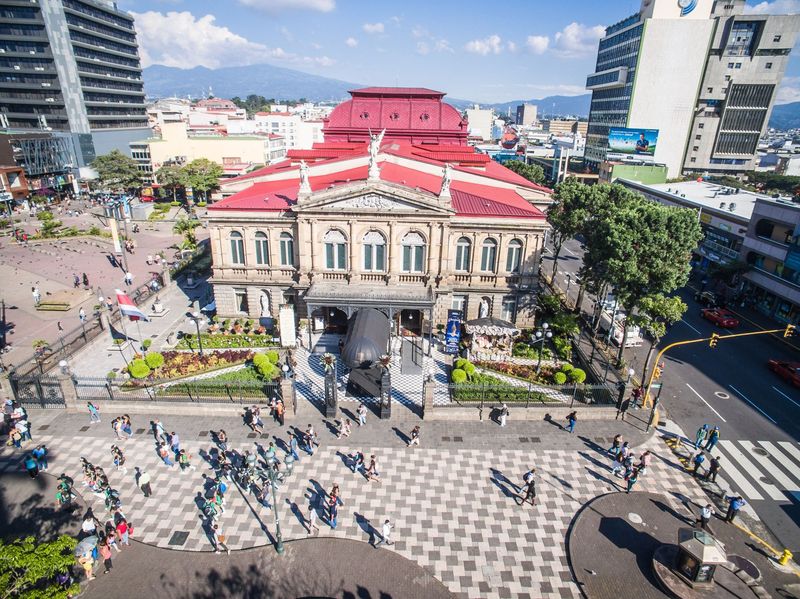
San José is your gateway to eco-adventures that still feel organized. Land, grab colones at an ATM, and arrange a shuttle to Arenal or Monteverde with reputable operators.
English is common in tourism, and guides are deeply knowledgeable. In the capital, visit the Pre-Columbian Gold Museum and the Mercado Central for casado plates.
Coffee farm tours near the city make a practical first excursion.
For first-timers, booking a few guided day trips reduces uncertainty: La Paz Waterfall Gardens, Poás Volcano, or Pacuare River rafting. Actionable tip: travel early in the day to avoid afternoon showers and traffic.
The Costa Rican Tourism Board highlights that over 25 percent of the country’s land is protected, a reassuring backdrop for responsible travel. You will return braver, a little muddier, and very ready for your next stamp.
12. Cancún, Mexico

Cancún makes beginner travel easy through infrastructure and choice. All-inclusive resorts remove decision fatigue, yet day trips unlock culture: Chichén Itzá, Valladolid’s colorful streets, and cenote swims.
Book official ADO buses or vetted shuttles to keep transfers simple. Snorkeling in Isla Mujeres is a breezy half-day, and tacos al pastor keep budgets friendly.
The Hotel Zone is straightforward to navigate, with frequent buses and clear signage.
For a balanced itinerary, mix resort downtime with one big cultural outing and a nature day. Actionable tip: choose sun-protective clothing to avoid reef-damaging sunscreen.
Mexico’s tourism figures show the Yucatán Peninsula among the country’s busiest regions, so reserve popular tours early. You will leave understanding why ease matters on trip one, and how a little curiosity transforms a beach week into a memorable chapter.
13. Lisbon, Portugal
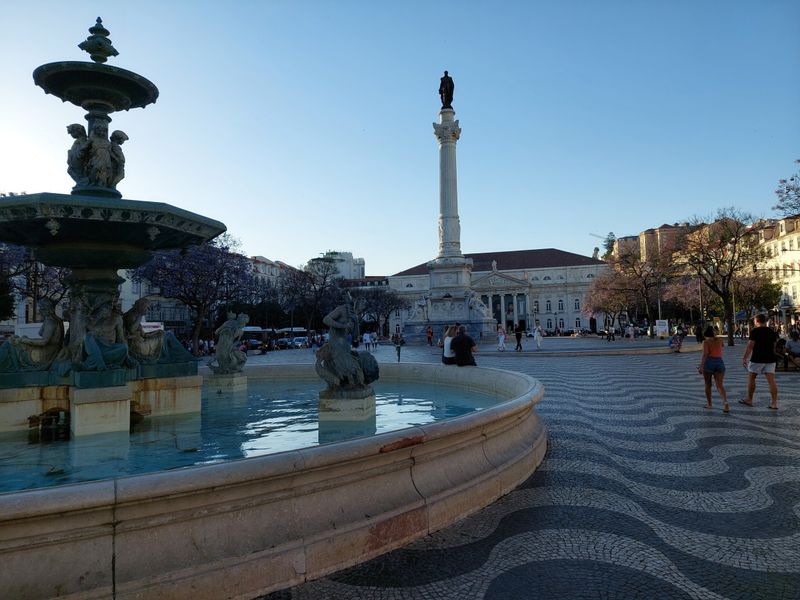
Lisbon welcomes first-timers with sunshine and sincerity. Hills add charm, trams add character, and English is widely understood in hospitality.
Base in Baixa or Chiado for central access, then wander Alfama at sunrise before crowds. Timed tickets for Jerónimos Monastery and Belém Tower keep momentum.
Try a pastel de nata taste test between Manteigaria and Pastéis de Belém, purely for research.
The Viva Viagem card covers metro, tram, and ferry, unlocking day trips to Cascais or Cacilhas for river views. Actionable tip: wear shoes with grip on polished cobblestones.
Portugal’s national tourism reports highlight affordability compared to Western Europe peers, ideal for first-time budgets. Evenings stretch long with fado and ocean air, and you will feel your confidence grow with every viewpoint climb.
14. Edinburgh, Scotland

Edinburgh looks like history you can hold. The Royal Mile connects the Castle to Holyrood Palace, making route planning effortless.
Book castle tickets early, then hike Arthur’s Seat for a rewarding panoramic view. English-speaking ease and compact streets mean you spend more time exploring than figuring things out.
Coffee shops tucked in closes offer warm breaks from drizzle.
For literary context, visit The Writers’ Museum, then sip a dram in a snug whisky bar. Day trips to Stirling or St Andrews are simple by train.
Actionable tip: layer clothing and expect quick weather changes. VisitScotland’s data shows strong year-round visitation, so morning starts help.
You will leave with a pocketful of new words and a camera roll full of closes, wynds, and rugged skyline silhouettes that make first trips feel epic yet manageable.
15. Sydney, Australia
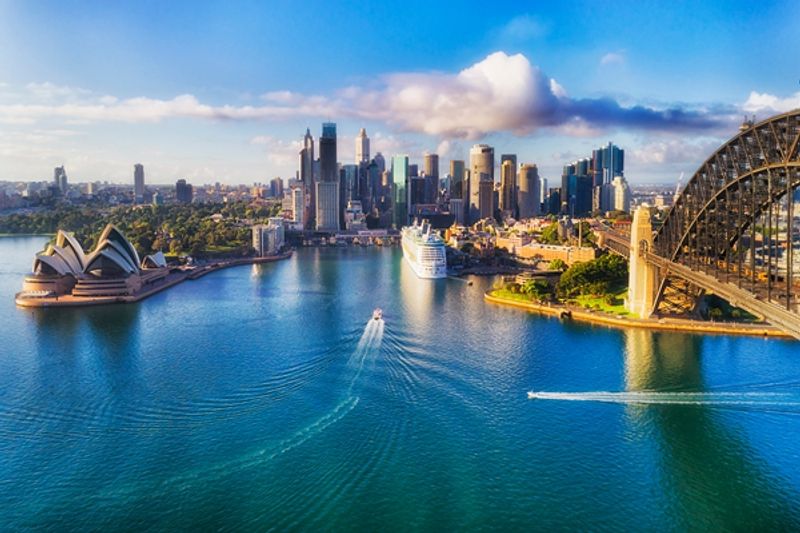
Sydney combines iconic sights with a casual rhythm. Use an Opal card to tap onto ferries, buses, and trains, then ride to Manly for an instant vacation vibe.
Walk the Harbour Bridge, book a backstage Opera House tour, and swim at Bronte before a coastal stroll to Bondi. Cafes make breakfast a daily event, and baristas speak fluent coffee.
For wildlife without big transfers, visit Taronga Zoo by ferry and return to Circular Quay at sunset. Actionable tip: plan long-haul jetlag days lightly and seek daylight to reset.
Tourism Research Australia reports strong visitor satisfaction, and safety indicators are high for urban explorers. You will depart understanding how a good transit card, a few harbor rides, and strategic naps turn a far-flung first stamp into something wonderfully doable.
Share this story