Throughout history, some people have faced such terrible misfortune that their stories seem almost impossible to believe. From natural disasters to freak accidents, these individuals experienced tragedy after tragedy in ways that make most bad days look like minor inconveniences.
Their stories remind us how unpredictable life can be and how some people endure unimaginable hardship yet still leave their mark on history.
1. Phineas Gage
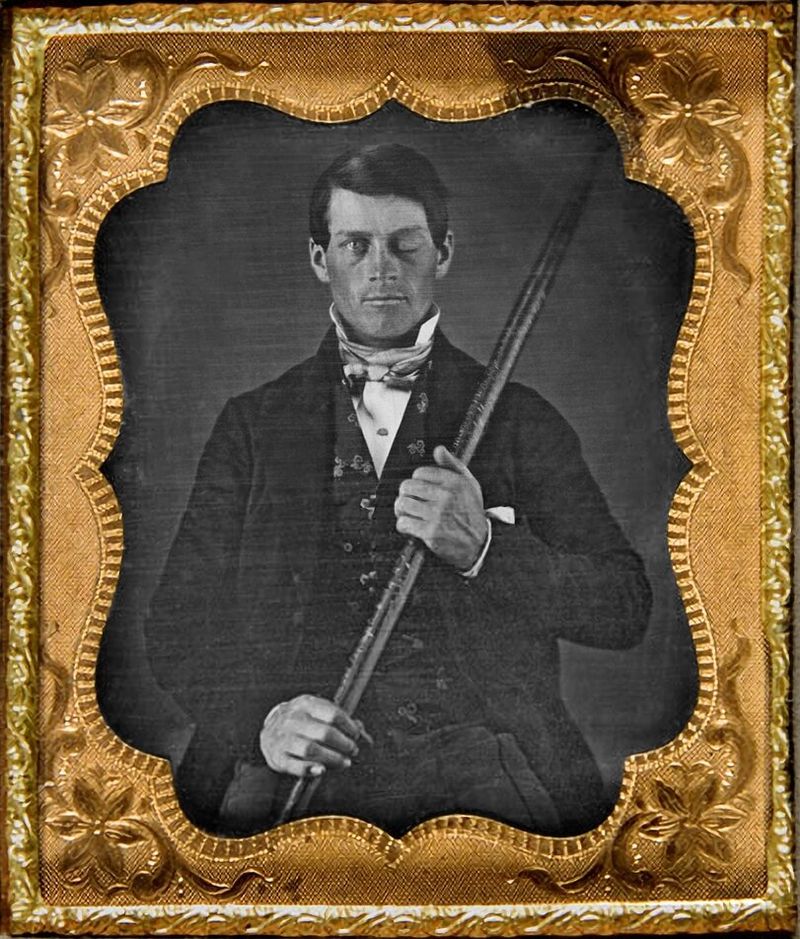
Working on the railroad in 1848 seemed like steady employment for Phineas Gage until one September afternoon changed everything. An accidental explosion sent a thirteen-pound iron rod rocketing through his left cheek, behind his eye, and out the top of his skull.
Against all odds, Gage survived the initial injury and even walked to get medical help. Doctors managed to treat his wounds, and physically he recovered remarkably well.
However, his personality transformed completely after the accident.
Once a responsible and well-liked foreman, Gage became impulsive, rude, and unable to hold down work. Friends said he was no longer himself.
His case became one of the most famous in medical history, teaching scientists about how brain injuries affect personality. Gage lived twelve more years after the accident, but his life was never the same.
His skull and the iron rod are now displayed in a medical museum.
2. Roy Sullivan
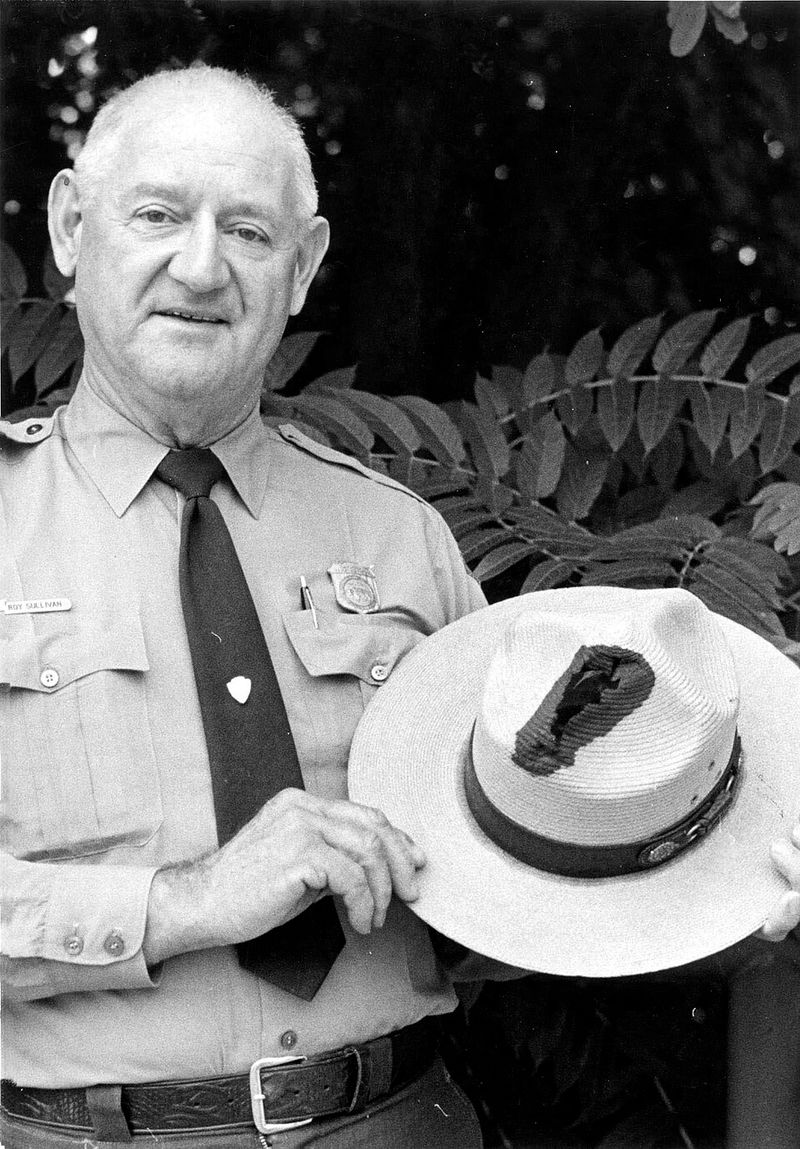
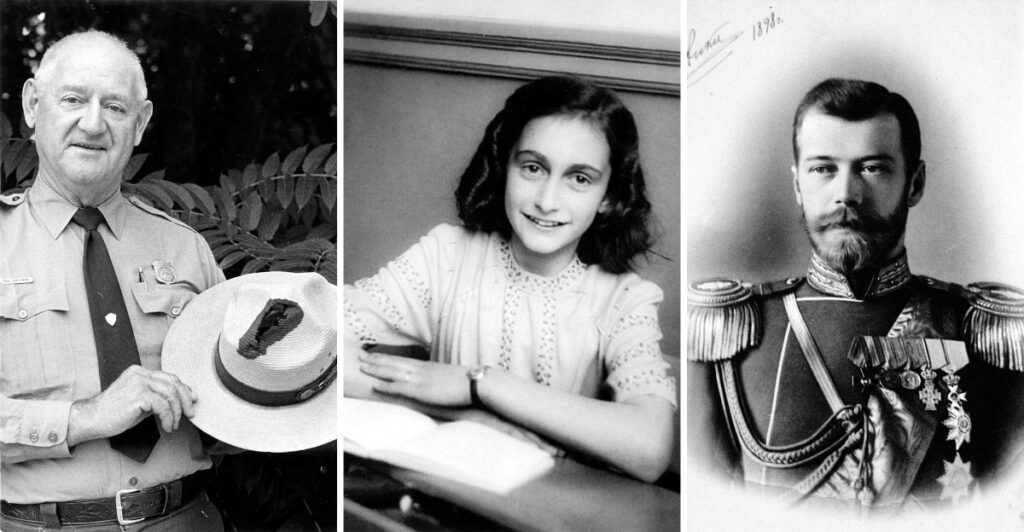
Most people worry about getting struck by lightning once in their lifetime. Roy Sullivan, a park ranger in Virginia, got hit seven different times between 1942 and 1977, all documented and verified.
Each strike left him with burns, singed hair, and injuries, but somehow he survived every single one.
The first bolt hit him in a fire lookout tower. Others struck while he was driving, walking, or even fishing.
One time lightning followed him into a ranger station. Sullivan started carrying a bucket of water in his truck because his hair caught fire so often.
People joked that storm clouds followed him around. Despite his incredible survival record, Sullivan’s life ended sadly in 1983 when he died by suicide, reportedly over relationship troubles.
His story remains one of the most statistically improbable survival tales ever recorded.
3. Violet Jessop
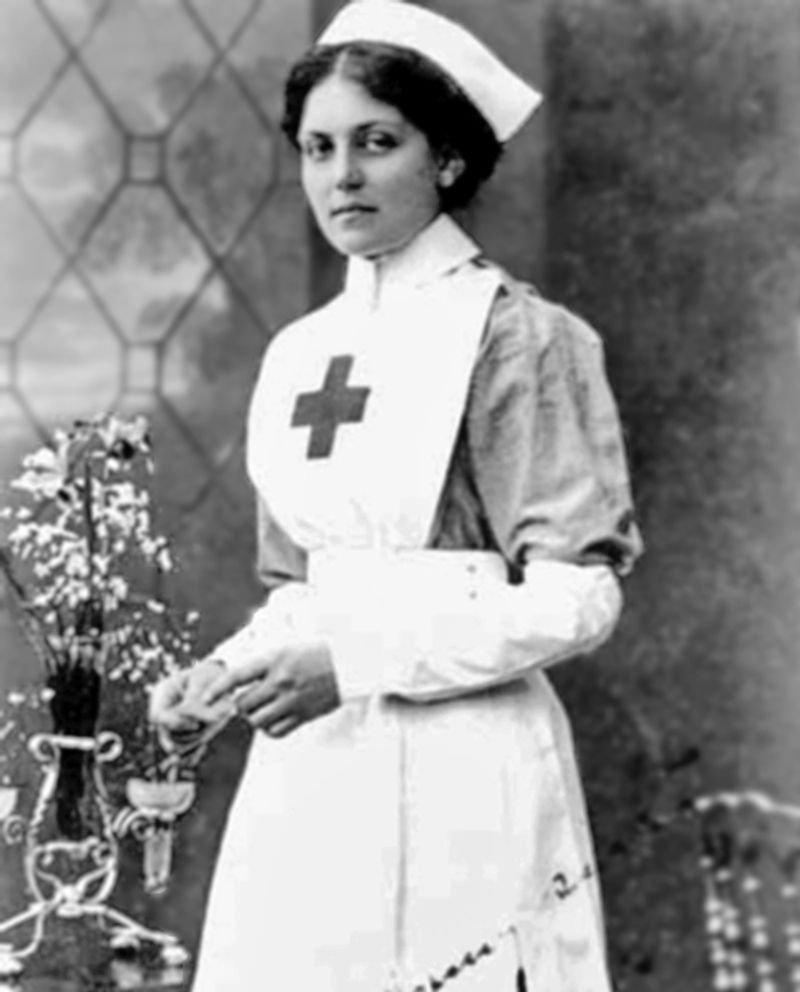
Violet Jessop earned the nickname “Miss Unsinkable” after surviving not one, not two, but three major maritime disasters. Working as a stewardess and nurse on ocean liners, she seemed to attract catastrophe wherever she sailed.
In 1911, she was aboard the RMS Olympic when it collided with a warship. Everyone survived, but the ship was badly damaged.
The following year, Jessop boarded the Titanic for its maiden voyage. When it hit an iceberg, she helped passengers into lifeboats and survived the sinking.
Most people would never board a ship again, but Jessop returned to work. In 1916, she served as a nurse on the Britannic when it struck a mine and sank.
Once again, she made it out alive. Jessop continued working at sea for years afterward, finally retiring without experiencing another disaster.
Her three brushes with death remain legendary.
4. Joseph Meister
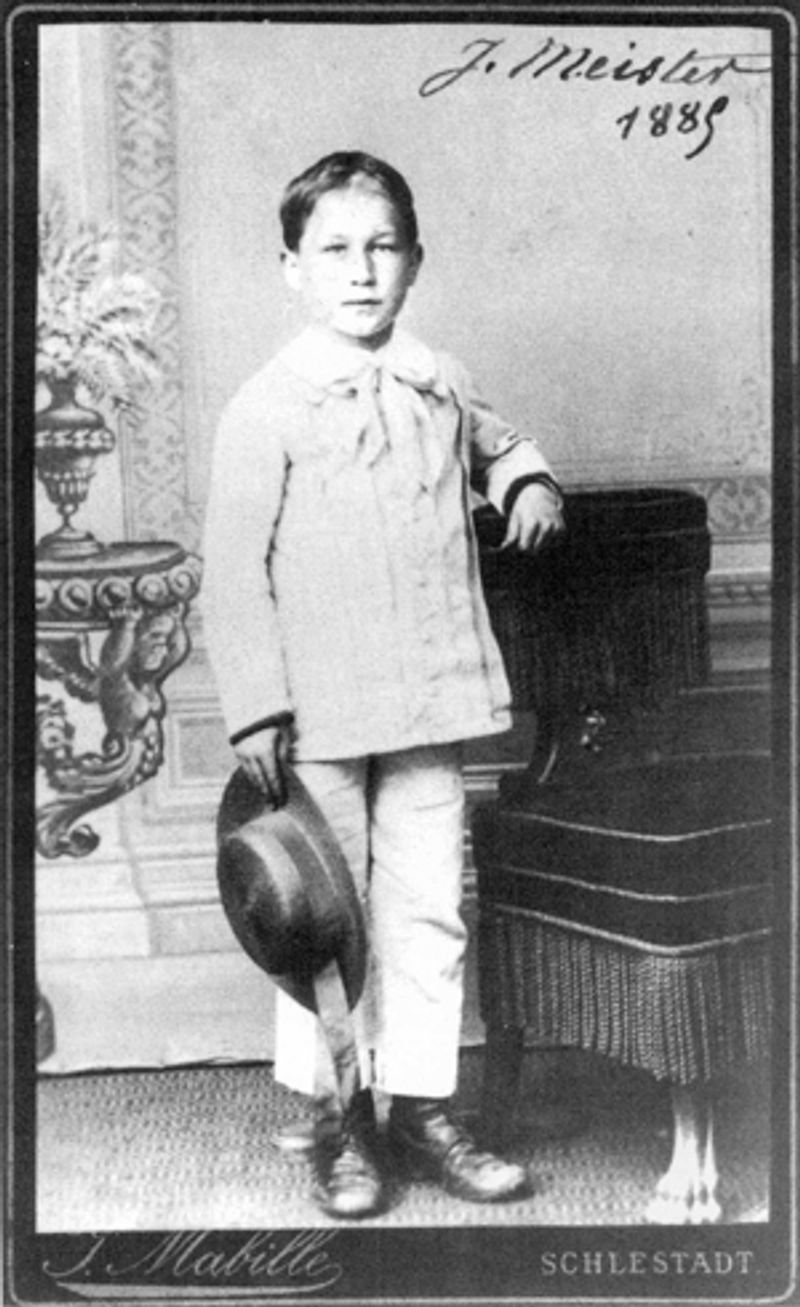
At just nine years old, Joseph Meister became famous as the first person successfully treated for rabies. In 1885, a rabid dog attacked him, biting him multiple times.
Without treatment, rabies is almost always fatal, and his mother begged scientist Louis Pasteur to try his experimental vaccine.
Pasteur had only tested the treatment on animals, never humans. Taking a huge risk, he administered the vaccine over several days.
Meister survived and never developed rabies, making medical history. Pasteur became a hero, and Meister grew up healthy.
However, tragedy followed Meister throughout his adult life. He worked as a caretaker at the Pasteur Institute in Paris.
During World War II, when German soldiers demanded he open Pasteur’s crypt, Meister refused and died by suicide rather than comply.
His early medical miracle couldn’t protect him from the horrors of war and occupation.
5. Mary Ann Nichols

Life dealt Mary Ann Nichols one bad hand after another. Born into poverty in 1845 London, she struggled with alcoholism, lost custody of her children, and ended up homeless.
She worked whatever jobs she could find, often sleeping in workhouses or on the streets of Whitechapel, one of London’s most dangerous neighborhoods.
On August 31, 1888, Nichols became the first confirmed victim of the serial killer known as Jack the Ripper. She was found brutally murdered on Buck’s Row, and her death sparked one of history’s most infamous unsolved crime sprees.
Her story represents the terrible vulnerability of poor women in Victorian England.
Nichols had tried repeatedly to improve her situation, but poverty and addiction kept pulling her back down. Her tragic end brought temporary attention to the horrible living conditions in London’s slums, though real reform came slowly.
6. Anne Frank
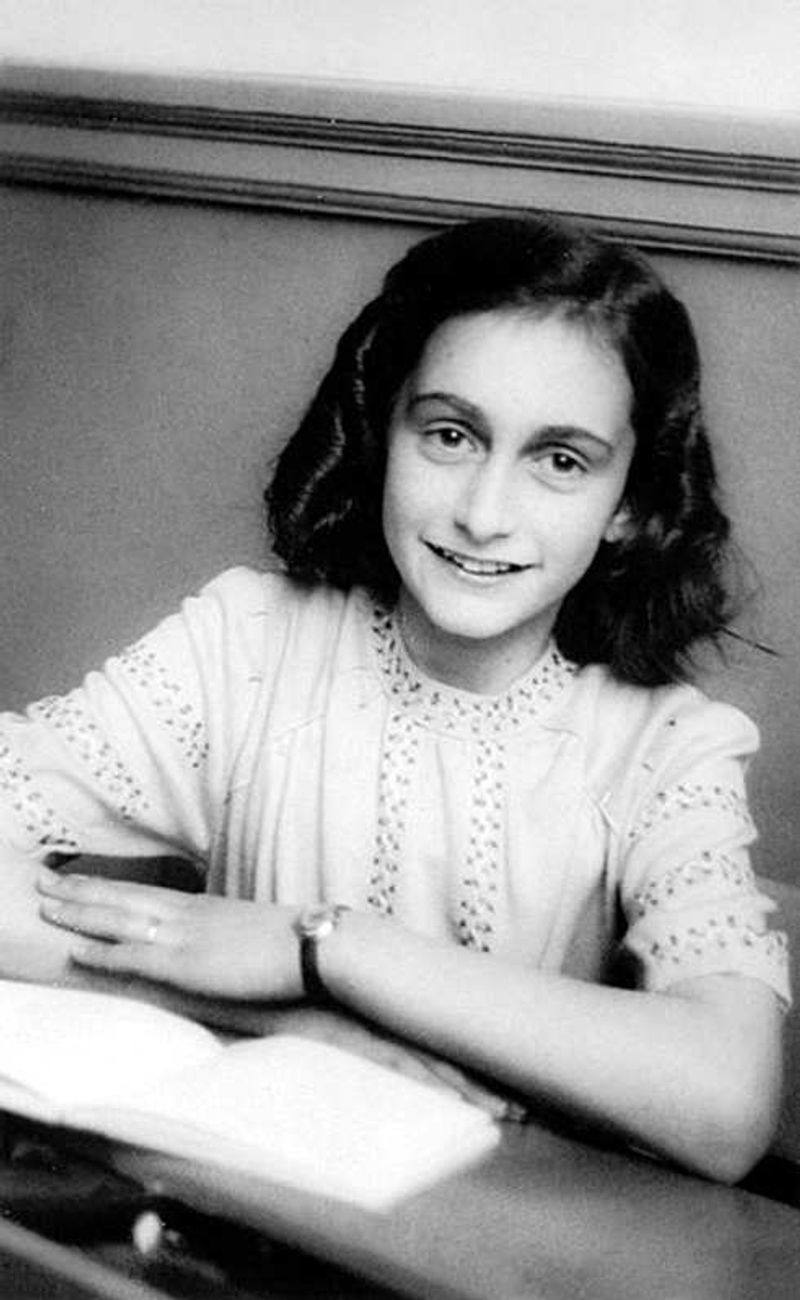
Anne Frank’s diary has touched millions of readers, but her story is one of cruel timing and heartbreaking misfortune. For over two years, her family hid in a secret annex in Amsterdam, trying to escape Nazi persecution.
Anne documented their life in hiding, writing about her hopes, fears, and dreams for the future.
In August 1944, someone betrayed their hiding place. The family was arrested and sent to concentration camps.
Anne and her sister Margot ended up in Bergen-Belsen, where conditions were horrific. Both girls contracted typhus.
Anne died in February or March 1945, just weeks before British troops liberated the camp. If she had survived just a little longer, she would have been freed.
Her father Otto was the only family member to survive, and he published her diary, ensuring her voice would never be forgotten despite her terrible luck.
7. John Jacob Astor IV
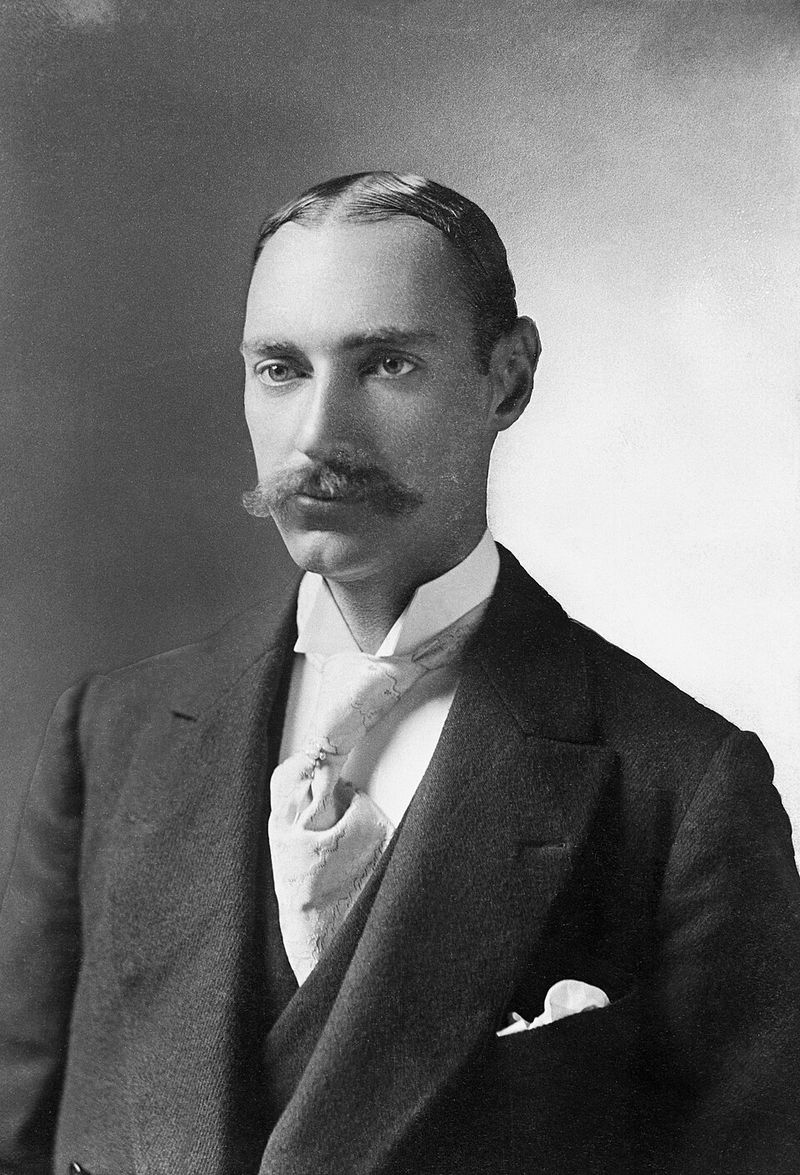
John Jacob Astor IV had everything: wealth, status, and influence as one of the richest men in America. In 1912, he decided to travel back from Europe with his pregnant young wife aboard the newest, most luxurious ship ever built, the RMS Titanic.
It seemed like a perfect choice for someone of his standing.
When the ship struck an iceberg on April 14, Astor helped his wife into a lifeboat, asking if he could join her since she was pregnant. The crew refused, enforcing the women and children first policy.
Astor stepped back and helped other passengers instead.
His body was recovered days later, and he was identified by his initials sewn into his jacket. All his money and power couldn’t save him from that terrible night.
His wife survived and gave birth to their son, naming him after his father.
8. The Romanov Children
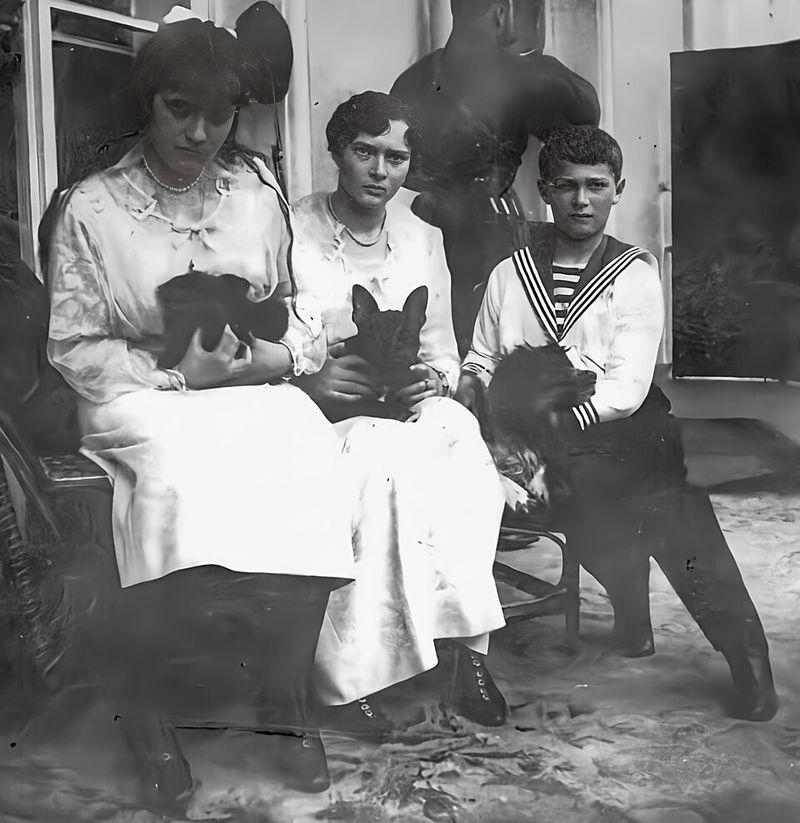
Born into unimaginable privilege as children of Tsar Nicholas II, the Romanov siblings seemed destined for lives of luxury and power. Olga, Tatiana, Maria, Anastasia, and Alexei grew up in palaces, surrounded by servants and wealth.
However, political revolution was brewing in Russia, and their royal status became a death sentence.
When the Bolsheviks overthrew the monarchy in 1917, the entire family was imprisoned. For over a year, they lived under house arrest in increasingly harsh conditions.
The children had no idea their fate was sealed.
On July 17, 1918, guards woke the family in the middle of the night and led them to a basement. There, executioners shot and bayoneted the entire family, including all five children.
Alexei was just 13 years old. Their bodies were hidden for decades.
The children went from royalty to murder victims simply because of the family they were born into.
9. Louis XVII of France
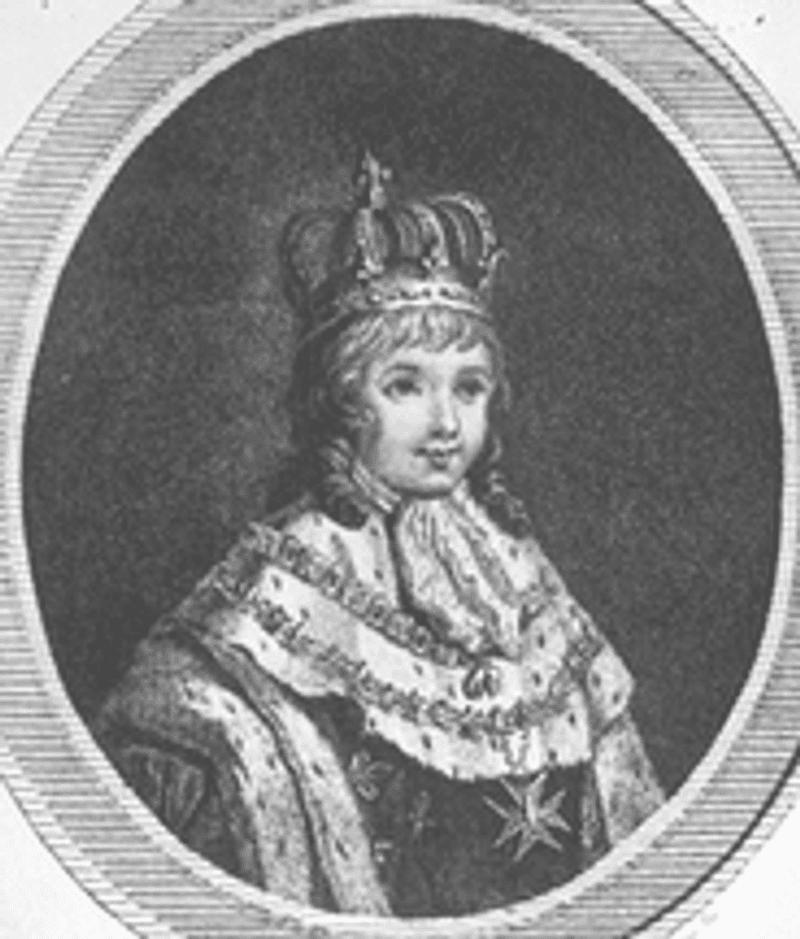
Louis-Charles was born a prince in 1785, second son of King Louis XVI and Marie Antoinette. When his older brother died, he became heir to the French throne.
Then the French Revolution erupted, and his family’s world collapsed. Revolutionaries imprisoned the royal family in 1792, and Louis-Charles watched his father get executed when he was just seven years old.
After his father’s death, royalists considered Louis-Charles the rightful king, calling him Louis XVII. However, he never ruled a single day.
Revolutionary guards separated him from his mother and locked him in a dark, cold cell. They neglected and possibly abused him for months.
The boy developed tuberculosis and other illnesses from the terrible conditions. He died in prison in 1795 at age ten, never having experienced freedom or childhood.
His short life was defined entirely by the misfortune of his birth timing and royal blood.
10. Maximilian I of Mexico
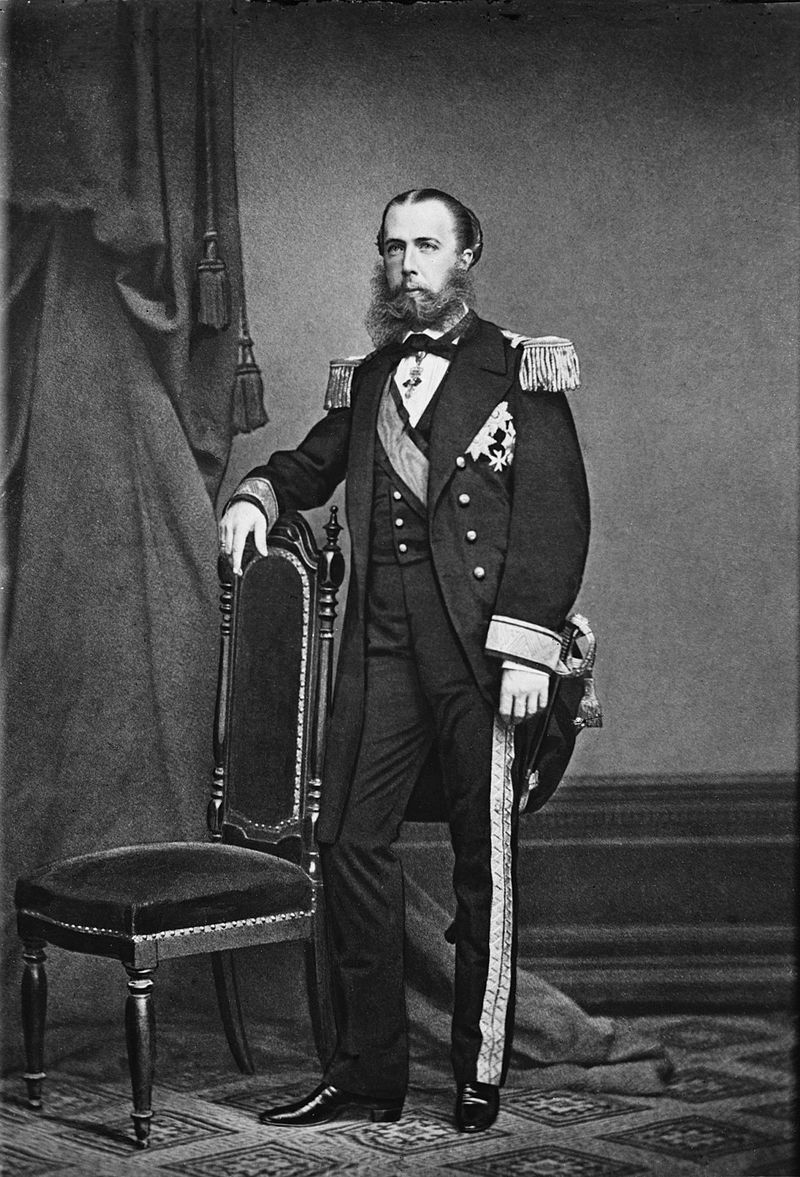
Maximilian of Austria accepted what seemed like an opportunity when France offered to make him Emperor of Mexico in 1864. A European nobleman becoming ruler of a distant country appeared prestigious, and he genuinely wanted to help modernize Mexico.
Unfortunately, he was walking into a political trap.
The Mexican people never truly accepted him as their leader. France had installed him through military force, and many Mexicans saw him as a foreign puppet.
Maximilian tried to be a good ruler, even adopting liberal policies that angered his conservative supporters. He couldn’t win either side.
When France withdrew military support in 1867, Maximilian was left defenseless. Mexican republican forces captured him, and despite pleas from European leaders for mercy, he was executed by firing squad.
His wife went insane from grief. Maximilian’s attempt at ruling ended in betrayal, abandonment, and death after just three years.
His idealism couldn’t save him from terrible political timing.
11. Archduke Franz Ferdinand
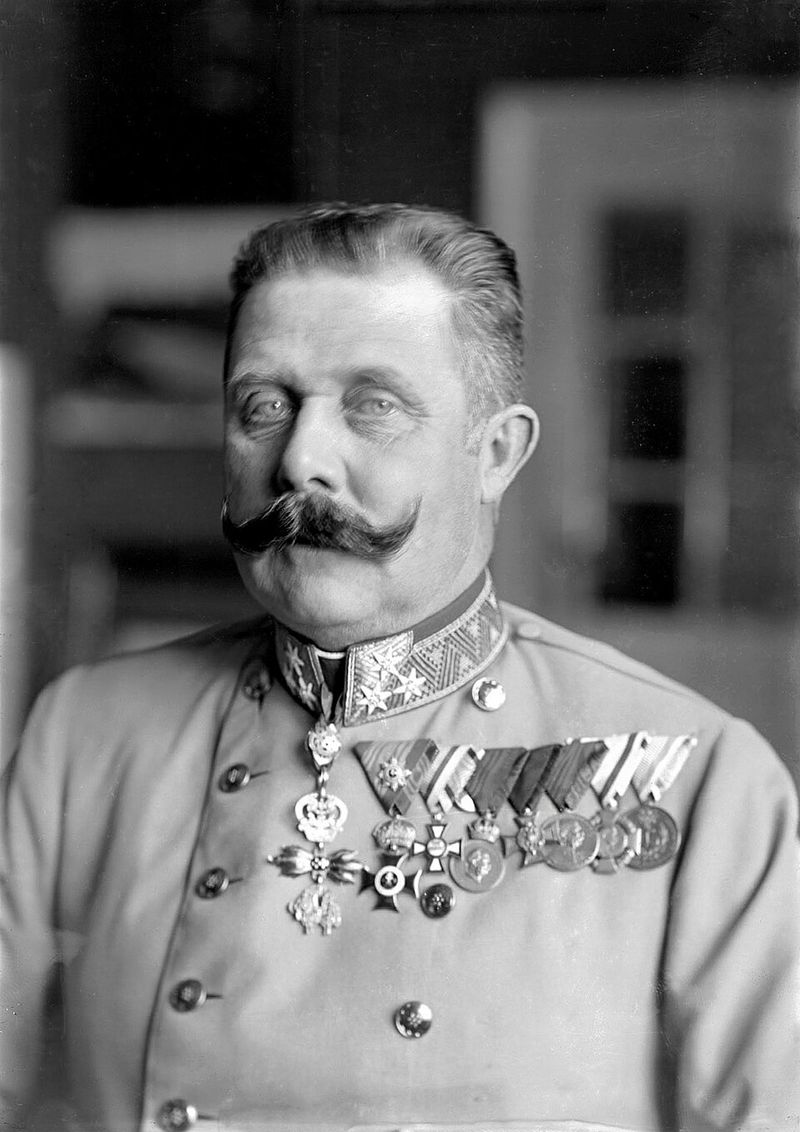
One wrong turn changed the course of world history and sealed Franz Ferdinand’s fate. The Archduke of Austria was visiting Sarajevo on June 28, 1914, when assassins tried to bomb his motorcade.
The bomb missed, and Ferdinand decided to visit the injured at the hospital, changing his planned route.
Nobody told his driver about the route change. The driver turned down the wrong street, realized his mistake, and stopped to reverse.
By pure chance, the car stopped directly in front of Gavrilo Princip, one of the assassins. Princip couldn’t believe his luck and shot both Ferdinand and his wife Sophie at point-blank range.
Their deaths triggered a chain reaction of alliances and declarations that sparked World War I. Millions died in the war that followed.
Ferdinand’s terrible luck that day didn’t just cost him his life but helped plunge the entire world into devastating conflict.
One wrong turn led to unimaginable consequences.
12. President James Garfield
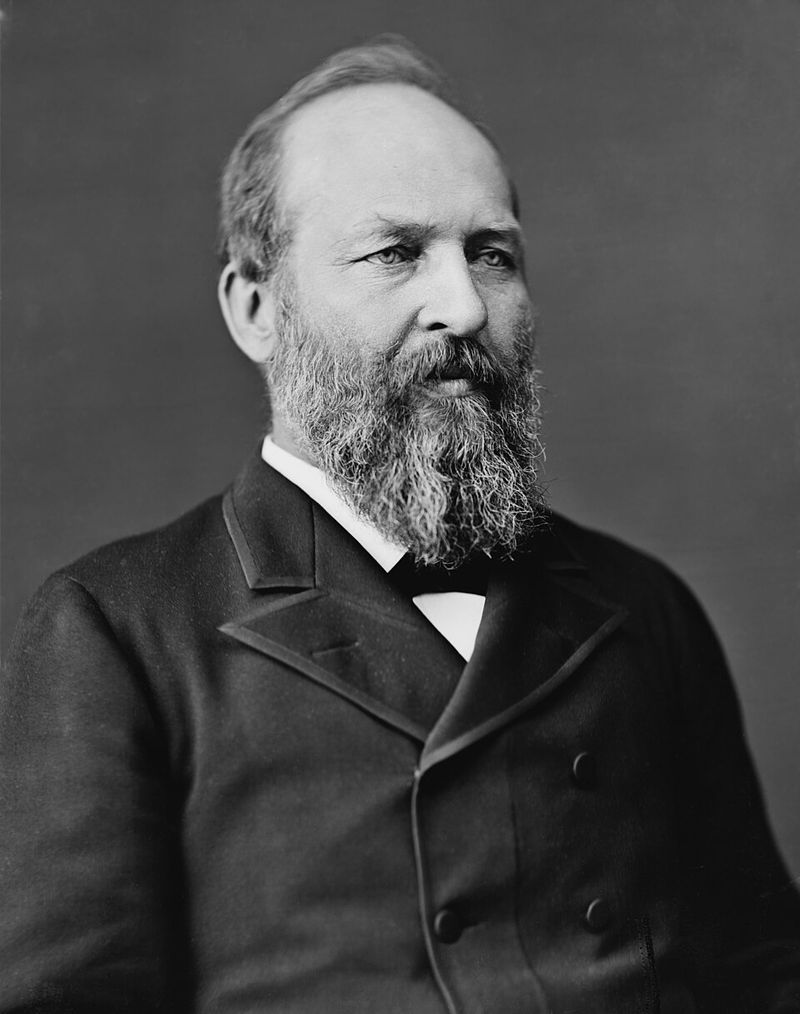
James Garfield survived the Civil War, became a congressman, and won the presidency in 1880. His luck ran out just four months into his term when a disappointed office-seeker named Charles Guiteau shot him twice at a Washington train station.
The bullets didn’t immediately kill him, and doctors believed he could recover.
What happened next made his situation far worse. Doctors repeatedly probed his wounds with unwashed hands and unsterilized instruments, trying to find the bullet.
They didn’t understand germ theory yet, and their attempts to help him introduced terrible infections. Alexander Graham Bell even invented a metal detector to locate the bullet, but it didn’t work properly.
Garfield lingered for 79 agonizing days, suffering from infections and blood poisoning that the doctors themselves likely caused. He finally died in September 1881.
Modern medical experts believe Garfield probably would have survived if doctors had simply left him alone.
Medical ignorance turned a survivable injury into a death sentence.
13. The Donner Party
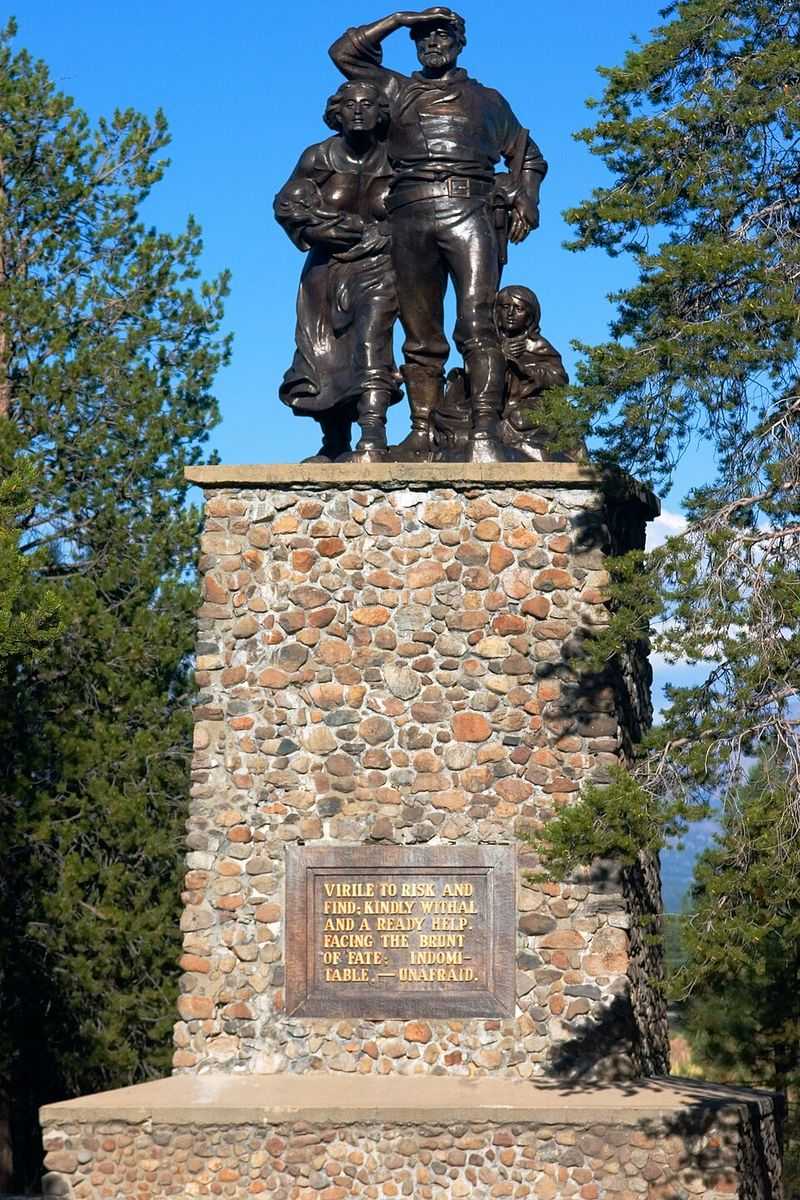
In 1846, a group of pioneers led by George Donner set out for California, hoping for better lives. They decided to try a new shortcut called the Hastings Cutoff, which was supposed to save time.
Instead, the route was a disaster, filled with rough terrain that slowed them down for weeks.
By the time they reached the Sierra Nevada mountains, winter had arrived early with massive snowstorms. The group became trapped in the mountains with dwindling food supplies.
As weeks turned to months, people began starving. Some died from exposure and hunger.
Eventually, survivors resorted to cannibalism to stay alive, eating those who had already died. Rescue parties finally reached them in early 1847.
Of the 87 people who started the journey, only 48 survived.
The Donner Party’s story became one of the most horrifying examples of how one bad decision can lead to unimaginable suffering and tragedy.
14. John McCain

Flying combat missions over Vietnam in 1967, Navy pilot John McCain was shot down over Hanoi when his plane was hit by a missile. He ejected but broke both arms and a leg during the process.
He parachuted into a lake where angry civilians pulled him out and beat him severely, breaking his shoulder.
McCain spent the next five and a half years as a prisoner of war. His captors refused to properly treat his injuries, leaving him permanently disabled.
When they discovered his father was a high-ranking admiral, they offered him early release as propaganda. McCain refused, following the military code that prisoners should be released in the order they were captured.
He endured years of torture, isolation, and abuse for his refusal. Guards beat him regularly and kept him in terrible conditions.
By the time he was released in 1973, his hair had turned white.
His injuries never fully healed, affecting him for the rest of his life.
Share this story