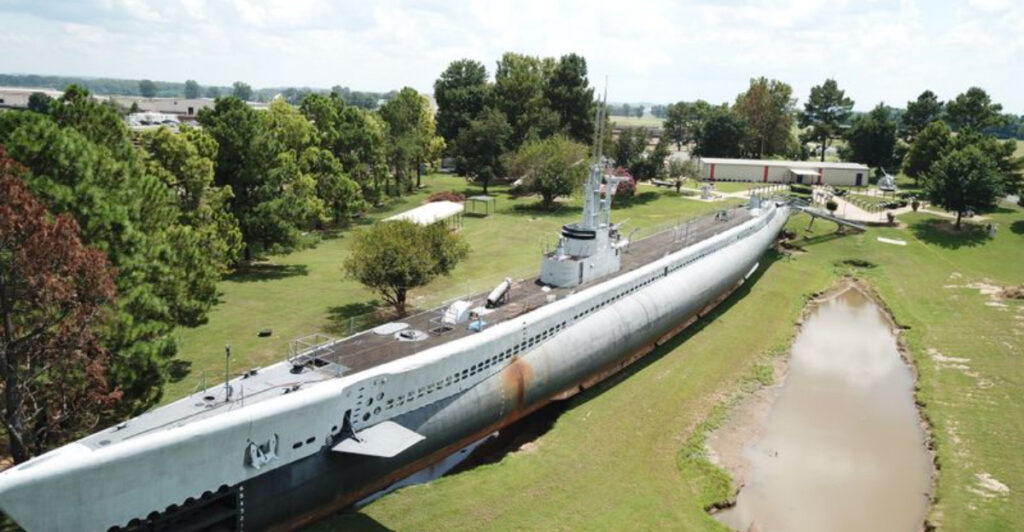
Tucked away in Muskogee, Oklahoma, sits a genuine World War II submarine that once hunted enemy ships beneath the Pacific Ocean waves. The USS Batfish is no museum replica—it’s the real deal, complete with cramped quarters, torpedo tubes, and the kind of atmosphere that makes you feel like you’ve stepped back into 1945.
At Muskogee War Memorial Park, you can climb aboard this legendary vessel and experience what life was like for the brave sailors who called it home during some of history’s most dangerous missions.
Board a Legendary War Hero That Sank Three Enemy Submarines
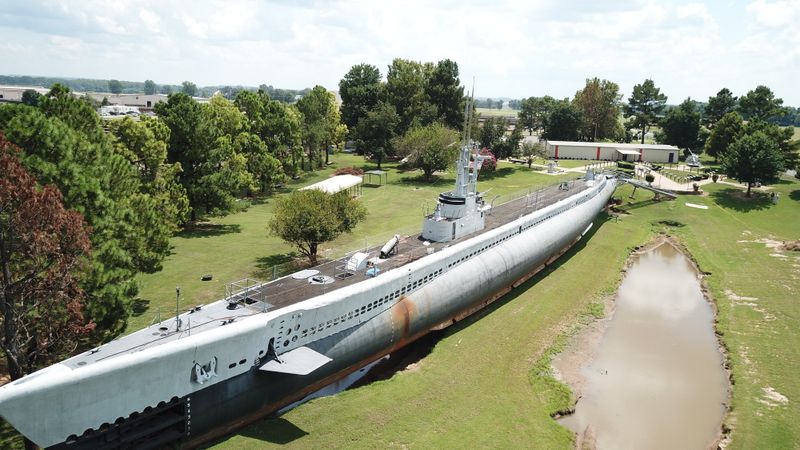
Standing before the USS Batfish feels like meeting a celebrity from another era. This submarine didn’t just float around during World War II—it actively hunted Japanese vessels and successfully sank three enemy submarines in just four days during February 1945.
That’s a record that still stands as one of the most impressive achievements in submarine warfare history.
Walking up to the vessel, you’ll notice its massive size and dark hull stretching 311 feet long. The conning tower rises dramatically against the Oklahoma sky, and you can spot the deck gun that crews once manned during surface battles.
Getting close enough to touch the metal exterior gives you chills when you realize actual sailors stood in these exact spots during wartime.
The Batfish earned nine battle stars for her service in the Pacific Theater. She completed six successful war patrols and survived countless depth charge attacks from enemy destroyers.
Today, she rests peacefully on land at the memorial park, but her battle scars and impressive history make her one of the most significant naval artifacts you can visit in the entire country.
Squeeze Through Authentic Hatches Like a Real Submariner
Forget everything you think you know about comfortable travel—submarine hatches are ridiculously small and awkward to navigate. The moment you attempt to climb through your first hatch on the Batfish, you’ll understand why submariners had to be in excellent physical condition.
These circular openings require you to duck, twist, and carefully maneuver your body through spaces that seem impossibly tight.
Each hatch features a heavy metal door with a spinning wheel mechanism that seals watertight when closed. During combat situations, sailors had to move through these openings quickly while carrying equipment or rushing to battle stations.
The worn metal around the hatches shows decades of use, and you can almost hear the urgent footsteps of crews responding to alarm bells.
Kids especially love testing their agility through these challenging passages. Parents often find themselves stuck halfway through, laughing at how cramped everything feels.
It’s a humbling experience that makes you appreciate the sailors who lived in these conditions for months at a time, never complaining about the tight spaces or lack of personal room during their dangerous missions across the Pacific.
Explore the Cramped Crew Quarters Where 80 Men Slept
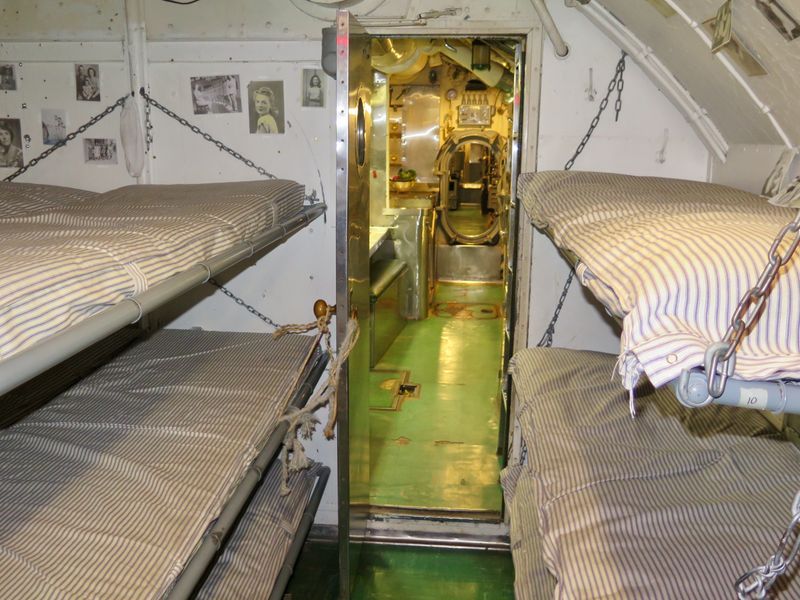
Eighty men shared living space smaller than most modern apartments, and seeing it firsthand is absolutely mind-blowing. The crew quarters on the Batfish feature stacked bunks called “racks” that are barely wide enough for one person.
Sailors slept in these narrow beds with just inches of clearance above their faces, often sharing bunks in rotation since there weren’t enough for everyone at once.
Personal belongings had to fit in tiny lockers, and privacy was basically nonexistent. The air down here would have been thick with humidity, body odor, and diesel fumes during actual patrols.
Imagine trying to sleep while the submarine dove deep or surfaced rapidly, with everything around you creaking and groaning under ocean pressure.
Visitors can sit on the bunks and lie down to get the full experience. Most people can’t last more than a few minutes before feeling claustrophobic.
The tight quarters remind you that submarine duty required special mental toughness along with physical endurance, and these sailors endured months of this environment while constantly facing danger from enemy ships hunting them above.
Stand Inside the Control Room Where Split-Second Decisions Happened
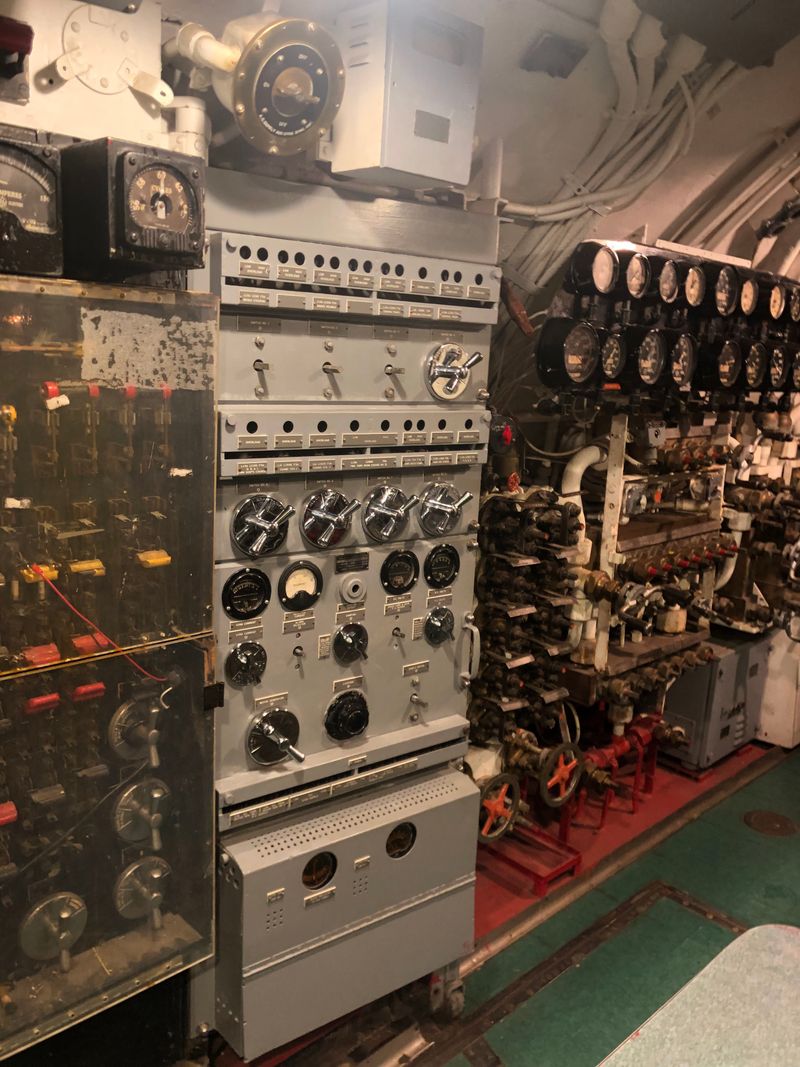
Everything important happened in this nerve center packed with valves, gauges, and mysterious equipment. The control room served as the submarine’s brain, where the captain made life-or-death decisions based on periscope observations and sonar readings.
Dozens of instruments line the walls, each monitoring critical functions like depth, speed, trim, and battery power.
The periscope stands as the room’s centerpiece—a tall optical device that allowed commanders to peek above the surface while the submarine remained hidden below. Visitors can actually look through the periscope and see the park outside, which gives you a thrilling sense of what it felt like to search for enemy ships.
The view is surprisingly clear and offers 360-degree visibility by rotating the handles.
Crew members worked in organized chaos here during combat situations. The diving officer called out depth readings while planesman operated large wheels controlling the submarine’s angle and depth.
The helmsman steered the vessel while others monitored for hull leaks or mechanical problems. Standing in this space, you can almost hear the urgent communications and feel the tension that filled this room when Japanese destroyers prowled overhead dropping depth charges.
Check Out the Torpedo Room Where Deadly Fish Were Loaded
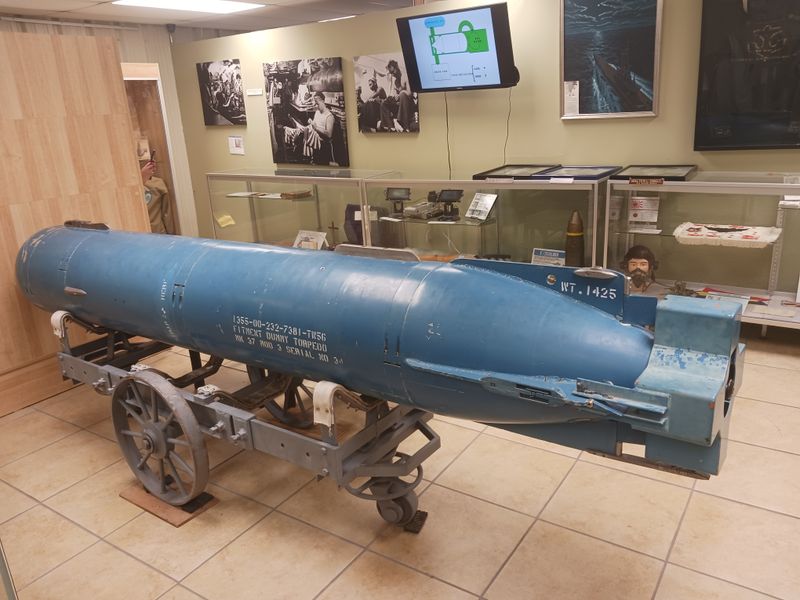
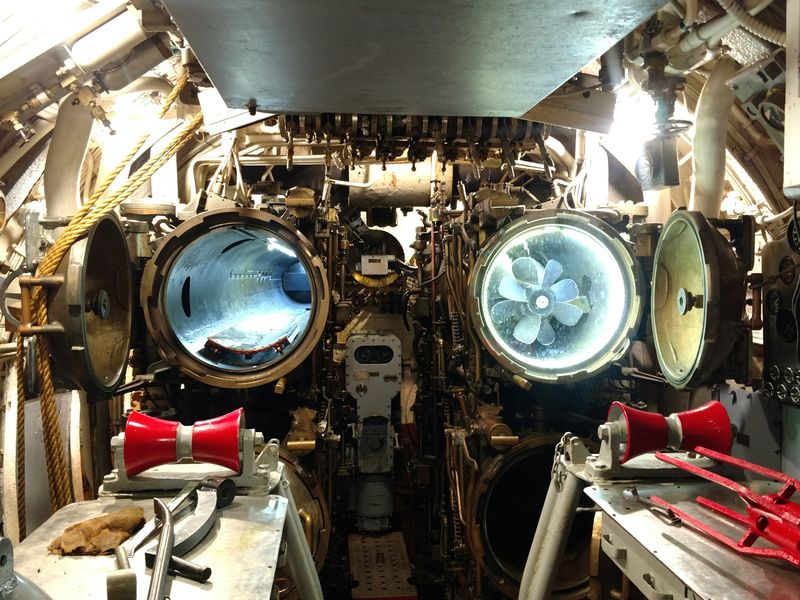
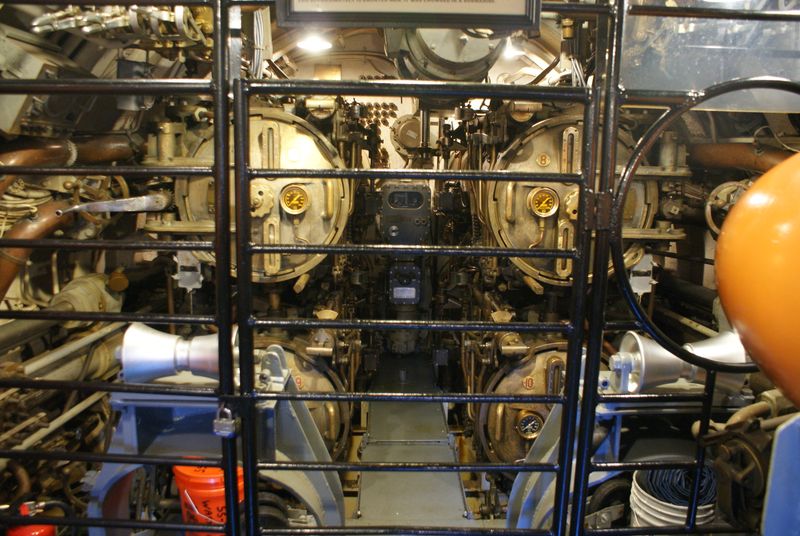
Massive metal tubes dominate the forward compartment where torpedoes nicknamed “fish” waited to be fired at enemy targets. The Batfish carried up to 24 torpedoes, each weighing over 3,000 pounds and measuring 21 feet long.
Loading these weapons into the tubes required incredible teamwork and strength, especially when the submarine was pitching and rolling in rough seas.
Each torpedo tube has a large breach door that sealed watertight before firing. The loading process involved carefully sliding the heavy torpedo along rails into the tube, then flooding the tube with seawater to equalize pressure before opening the outer door.
Firing created a distinctive whooshing sound that enemy ships could sometimes detect, making it a tense moment for everyone aboard.
Sailors actually slept among the torpedoes when all bunks were full. Can you imagine using a giant explosive as your roommate for months?
The torpedo room also served as the forward-most battle station, meaning these guys were closest to any enemy attacks. Today, practice torpedoes remain on display, and you can touch their smooth metal casings while imagining the destructive power they once carried toward enemy vessels.
Visit the Galley Where Cooks Fed the Entire Crew
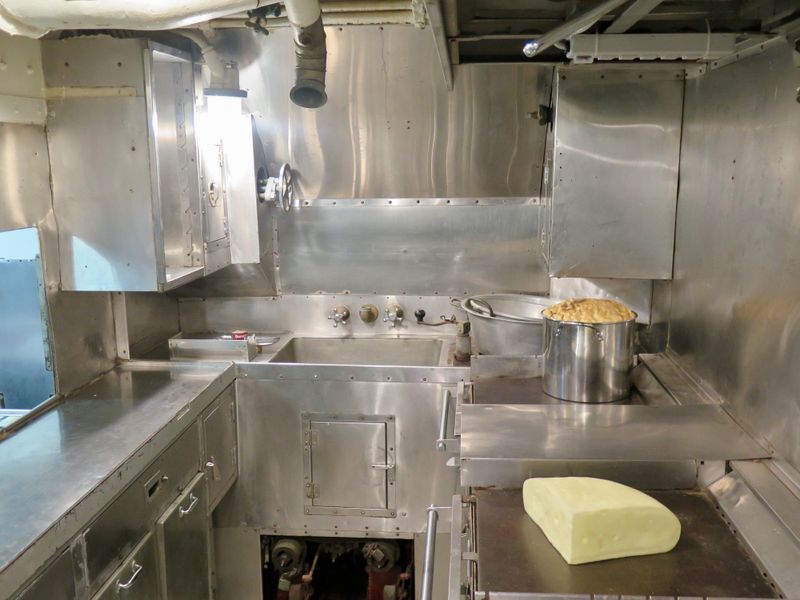
Feeding 80 hungry sailors three meals a day in a kitchen the size of a closet required serious culinary skills and creativity. The galley on the Batfish is shockingly small, with just enough room for one or two cooks to work at a time.
A compact stove, tiny preparation counter, and limited storage somehow produced thousands of meals during each patrol.
Submarine cooks ranked among the most important crew members since good food kept morale high during long, stressful missions. They worked in sweltering heat, often while the submarine performed emergency maneuvers that sent pots and pans flying.
Fresh food ran out after the first week or two, leaving cooks to create meals from canned goods, dried ingredients, and whatever they could improvise.
The galley connects directly to the mess area where sailors ate in shifts at small tables. Storage compartments held enough provisions for 75 days at sea, packed into every available space including under floor plates.
Looking at this tiny kitchen makes you wonder how anyone managed to cook anything edible, let alone meals that kept crews healthy and happy enough to perform their dangerous duties day after day.
Climb Up to the Conning Tower for Panoramic Views
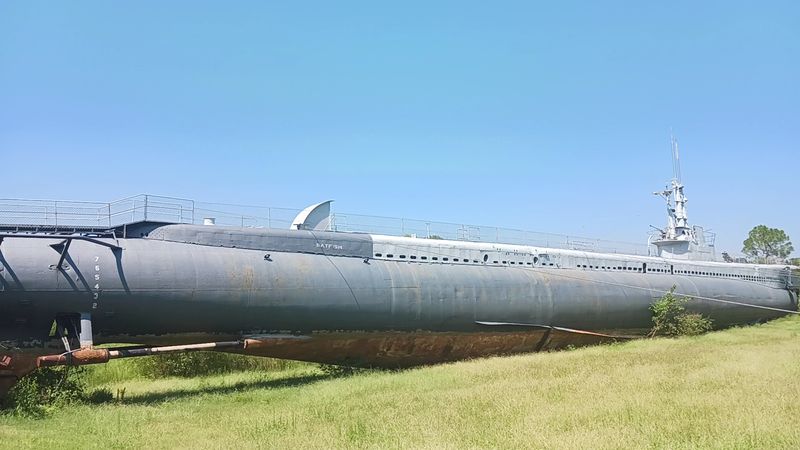
Scaling the ladder to the conning tower gives you a captain’s perspective and some fantastic photo opportunities. This elevated platform served as the submarine’s bridge when traveling on the surface, where officers could scan the horizon for threats or targets.
The climb up is steep and requires careful footing, but the view from the top makes it worthwhile.
Once you reach the top, you can see across the entire memorial park and surrounding Muskogee landscape. During wartime, lookouts stood watch here for hours, searching for enemy aircraft or ships in all directions.
They endured brutal weather conditions—baking sun, freezing rain, and massive waves that sometimes washed over the tower during storms.
The conning tower also housed the submarine’s attack center during combat operations. Officers plotted firing solutions here while tracking enemy movements through calculations and periscope observations.
Standing where commanders once directed attacks against Japanese convoys creates a powerful connection to history. You can grip the same railings they held while giving orders, and imagine the weight of responsibility they carried knowing every decision affected the lives of their entire crew below.
Discover the Engine Room’s Massive Diesel Power
Four enormous diesel engines powered the Batfish on the surface, and seeing them up close is like stepping into a mechanical beast’s belly. These engines generated the electricity that charged the submarine’s batteries and propelled her through the water at speeds up to 20 knots.
The noise when all four ran simultaneously was absolutely deafening, forcing crew members to wear hearing protection or communicate through hand signals.
Engine room sailors worked in the hottest, loudest part of the submarine. Temperatures regularly exceeded 100 degrees, and the air reeked of diesel fuel and lubricating oil.
These mechanics kept everything running smoothly despite constant vibration, humidity, and the submarine’s frequent diving and surfacing cycles that stressed every mechanical component.
The engines couldn’t run while submerged since they required air for combustion. Underwater, the submarine switched to electric motors powered by massive battery banks located beneath the deck plates.
You can see the complex systems of pipes, valves, and gauges that engine room crews monitored constantly. One mechanical failure could strand the submarine on the surface where enemy aircraft could attack, making these sailors’ technical expertise absolutely critical to everyone’s survival.
Experience the Memorial Park’s Touching Tributes to Veterans
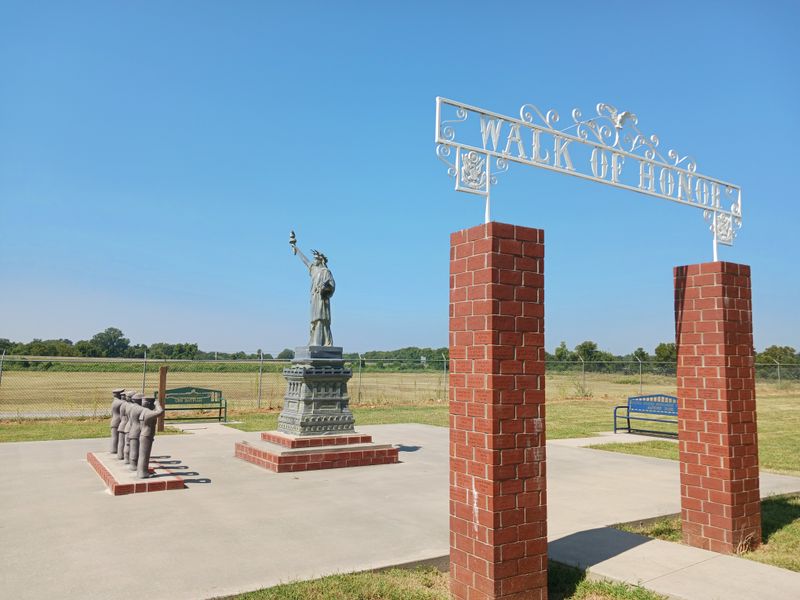
Beyond the submarine itself, the memorial park honors military service members from all branches and conflicts. Walking through the grounds, you’ll encounter monuments dedicated to Korean War veterans, Vietnam soldiers, and those who served in more recent conflicts.
Each memorial features plaques with names, dates, and sometimes personal stories that bring individual sacrifices into focus.
The park maintains beautifully landscaped areas perfect for quiet reflection. American flags wave throughout the grounds, and benches provide spots to sit and contemplate the courage displayed by generations of service members.
Many visitors leave flowers, flags, or personal mementos at various memorials, creating touching displays of remembrance and gratitude.
Special events happen throughout the year, including Memorial Day and Veterans Day ceremonies that draw large crowds. Local veterans often visit to pay respects to fallen comrades, and their presence adds powerful authenticity to the experience.
The park serves as an important community gathering place where people of all ages can learn about military history and honor those who defended our freedoms, making it much more than just a submarine museum.
Plan Your Visit to Make the Most of This Unique Attraction
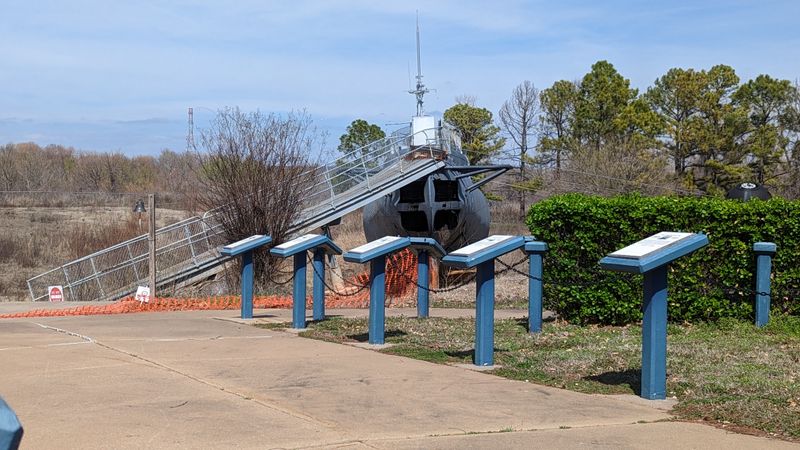
Located at 3500 Batfish Road in Muskogee, the park offers easy access and reasonable admission prices that make it perfect for family outings. The facility opens year-round, though hours vary by season, so checking their website at ussbatfish.com before visiting is smart planning.
Guided tours provide extra historical context, but self-guided exploration lets you move at your own pace through the submarine.
Wear comfortable shoes since you’ll be climbing ladders and walking through uneven spaces inside the submarine. The interior can feel warm during summer months, so bringing water bottles is recommended.
Photography is encouraged throughout your visit, and the submarine’s interior provides countless interesting shots for history buffs and casual tourists alike.
The park includes picnic areas, making it easy to spend several hours exploring everything. A small museum building near the submarine houses additional artifacts, photographs, and information about submarine warfare.
Admission fees directly support preservation efforts, keeping this incredible piece of history accessible for future generations. Most visitors spend two to three hours thoroughly exploring the submarine and memorial grounds, though military history enthusiasts could easily spend an entire day absorbing all the details and stories this remarkable location offers.
Share this story