Car enthusiasts know there’s something magical about standing face-to-face with automotive history. Museums dedicated to cars offer more than just displays—they tell stories of innovation, speed, and the people who dared to dream on four wheels.
Whether you’re passionate about vintage classics or cutting-edge supercars, these incredible destinations promise unforgettable experiences that will fuel your love for everything automotive.
Petersen Automotive Museum — Los Angeles, California, USA
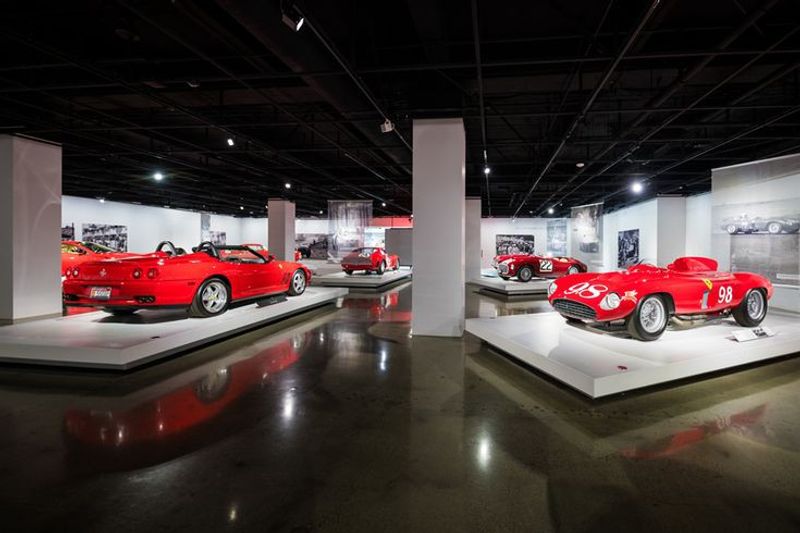
Wrapped in a striking red exterior that looks like flowing metal ribbons, this Los Angeles landmark houses over 300 vehicles across three floors. Walking through its galleries feels like time-traveling through automotive history, from early horseless carriages to futuristic concept cars that look straight out of science fiction movies.
The building itself became an instant icon when it reopened in 2015 with its eye-catching redesign.
What makes this museum truly special is its vault tour, where visitors can peek behind the scenes at hundreds of additional cars not on public display. You’ll find everything from celebrity-owned vehicles to rare racing machines that shaped motorsports history.
The rotating exhibits keep things fresh, so even repeat visitors discover something new each time.
Hollywood’s influence shines throughout the collection, with famous movie cars and vehicles owned by legendary stars. Kids and adults alike geek out over the Hot Wheels exhibit and the beautifully restored classics from every era.
The museum’s commitment to storytelling transforms each car from a static display into a chapter of human ingenuity and cultural evolution.
Mercedes-Benz Museum — Stuttgart, Germany

Shaped like a three-pointed star when viewed from above, this architectural marvel spirals upward nine floors to showcase 130 years of automotive excellence. Starting at the top, visitors wind their way down through chronologically arranged exhibits that trace the evolution of the automobile itself.
The journey begins in 1886, when Karl Benz created the world’s first patented motor car, fundamentally changing human transportation forever.
Over 160 vehicles fill the space, representing every significant milestone in Mercedes-Benz history. Racing legends, luxury sedans, and innovative prototypes demonstrate the brand’s relentless pursuit of perfection and engineering prowess.
The audio guides available in multiple languages provide fascinating context about each vehicle’s place in automotive and world history.
Interactive displays and multimedia presentations make complex engineering concepts accessible to visitors of all ages. The museum doesn’t shy away from difficult periods either, honestly addressing the company’s complicated history during wartime.
Plan to spend at least three hours here because rushing through would mean missing countless details that make this collection extraordinary.
Porsche Museum — Stuttgart-Zuffenhausen, Germany
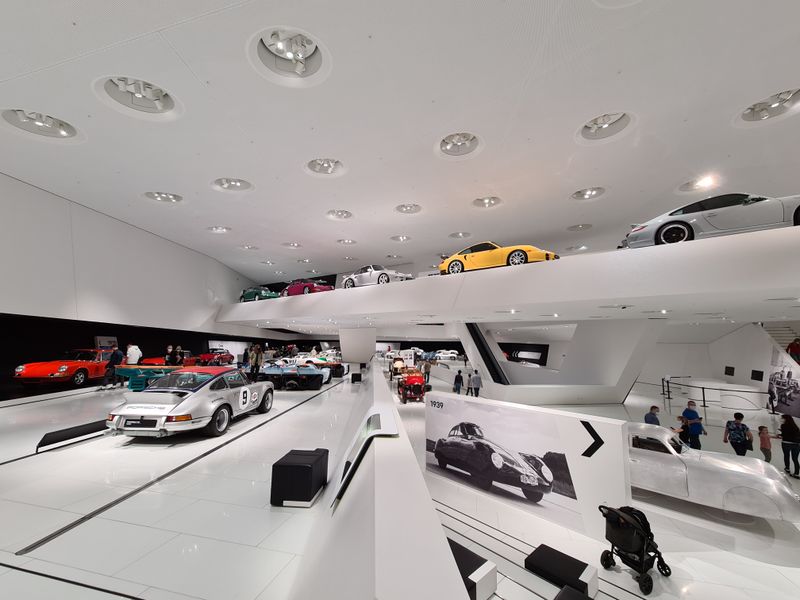
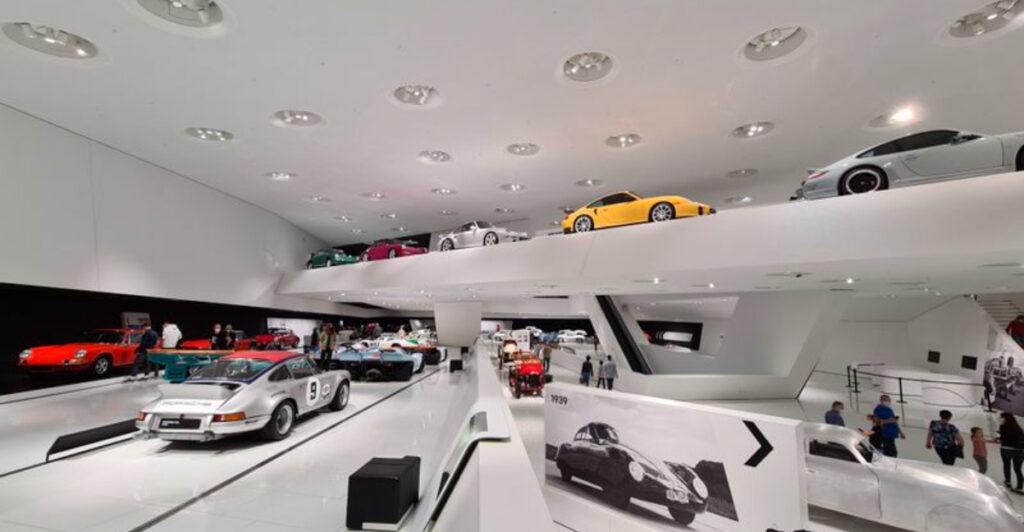
Floating above the ground on three concrete cores, this sleek white building looks as aerodynamic as the cars it houses inside. The architectural design mirrors Porsche’s philosophy—bold, innovative, and impossible to ignore.
Inside, approximately 80 vehicles represent the finest examples from Porsche’s legendary lineup, spanning from the company’s earliest days to today’s cutting-edge models.
The museum celebrates racing heritage with genuine competition cars that conquered tracks worldwide. From Le Mans winners to Formula One machines, these vehicles tell stories of victory, defeat, and the relentless drive to go faster.
The 917, 956, and various 911 generations showcase the evolution of design and performance that made Porsche a household name among automotive enthusiasts.
Visitors can book workshop tours to see restoration experts carefully bringing vintage Porsches back to life. The museum shop tempts fans with everything from model cars to genuine Porsche accessories and branded merchandise.
Stuttgart’s location makes it easy to visit both the Porsche and Mercedes-Benz museums in one trip, creating the ultimate German automotive pilgrimage.
Museo Ferrari (Ferrari Museum) — Maranello, Italy
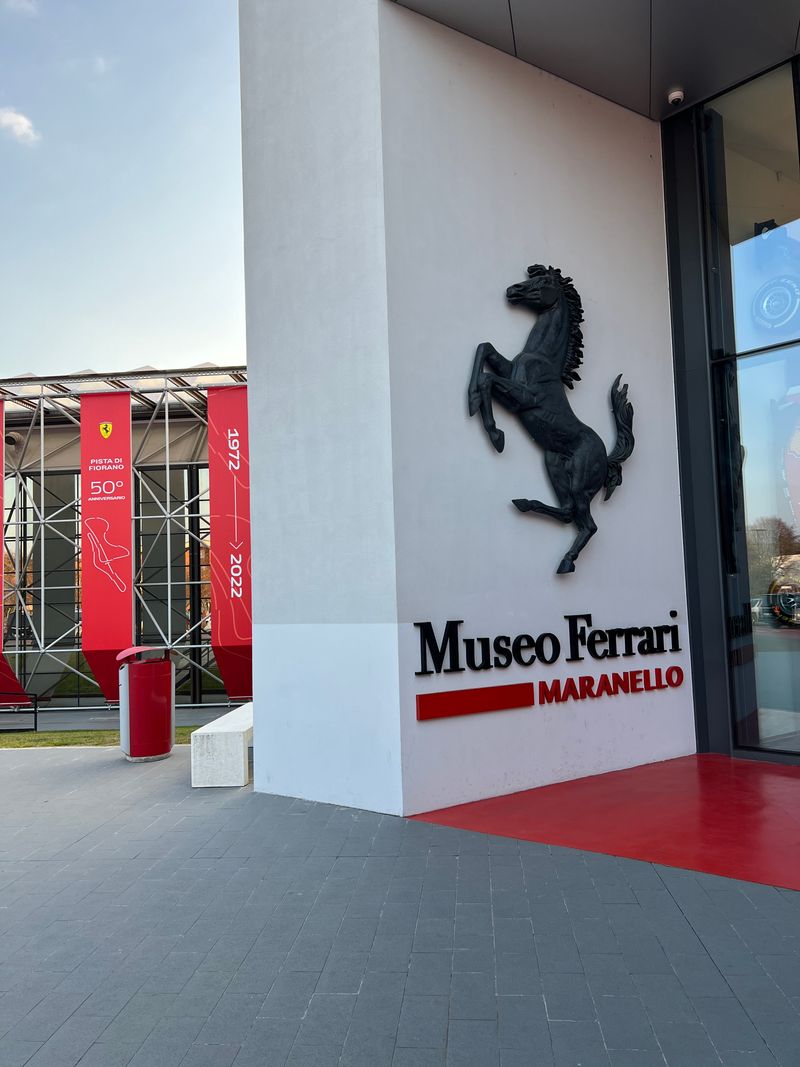
The distinctive yellow building stands in Ferrari’s hometown, where the prancing horse logo represents passion, speed, and Italian excellence. Maranello practically breathes Ferrari—the factory sits nearby, and the entire town celebrates its most famous resident with pride.
The museum showcases championship-winning Formula One cars, rare road vehicles, and the trophies that document decades of racing dominance across global circuits.
Temporary exhibitions rotate regularly, focusing on specific themes, anniversaries, or legendary drivers who piloted Ferrari to glory. The simulator experiences let visitors feel what it’s like to drive a Ferrari around famous tracks, though nothing truly compares to the real thing.
Multimedia displays share Enzo Ferrari’s story and the company’s journey from a small racing team to a global luxury powerhouse.
The gift shop overflows with Rosso Corsa merchandise, from clothing to collectibles that let fans take home a piece of the Ferrari mystique. Consider combining your visit with a factory tour to see where these incredible machines come to life.
The nearby Enzo Ferrari Museum in Modena offers additional perspectives on the founder’s life and legacy, making the region essential for serious Ferrari devotees.
The Louwman Museum — The Hague, Netherlands
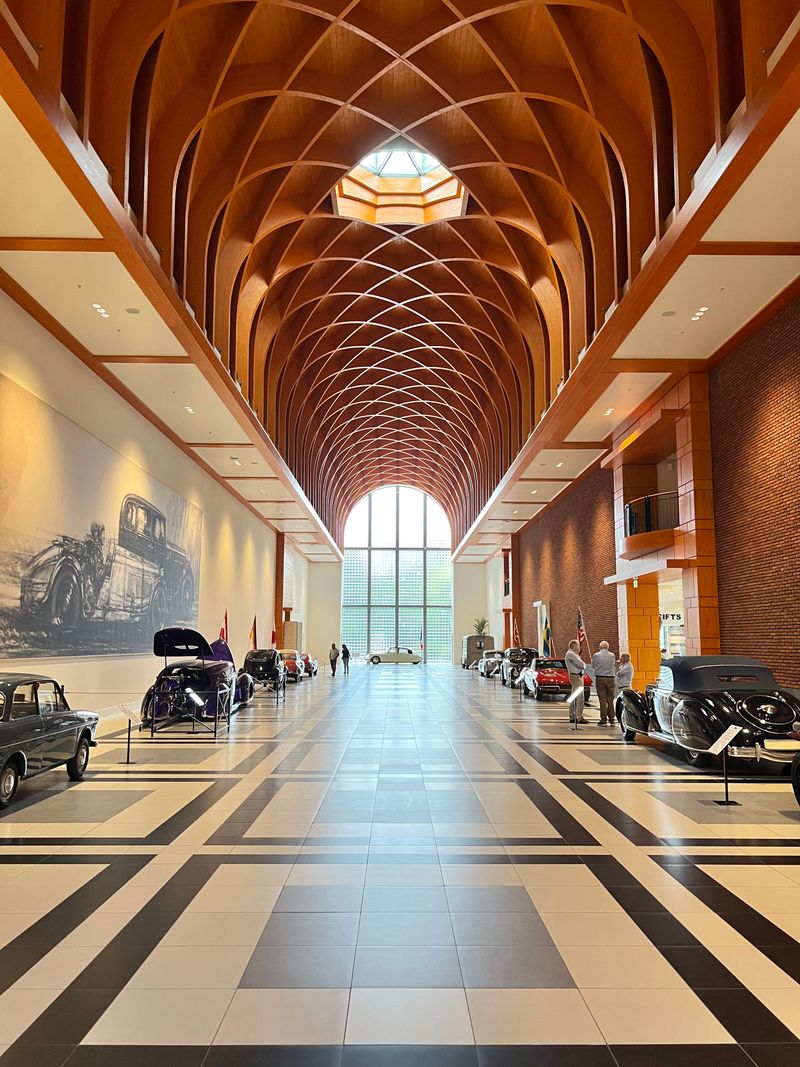
Housing the world’s oldest private car collection, this Dutch treasure contains over 250 vehicles spanning automobile history from 1886 to present day. The Louwman family spent generations assembling this remarkable collection, driven by genuine passion rather than investment potential.
Their dedication shows in the incredible variety and condition of vehicles, from steam-powered pioneers to modern supercars that still turn heads today.
The museum’s layout tells automotive history as a continuous story of human innovation and cultural change. You’ll encounter oddities like three-wheeled microcars alongside elegant pre-war luxury vehicles that transported royalty and dignitaries.
The collection includes significant racing cars, including the Spyker that competed in the first-ever Grand Prix in 1907, connecting visitors directly to motorsport’s earliest days.
Beyond the cars themselves, the museum displays automotive art, posters, and memorabilia that provide cultural context for each era. The building’s design incorporates natural light beautifully, making photography a joy for visitors wanting to capture their favorite vehicles.
English information is readily available, making the museum accessible to international visitors exploring The Hague’s many cultural attractions.
Musée National de l’Automobile / Cité de l’Automobile — Mulhouse, France
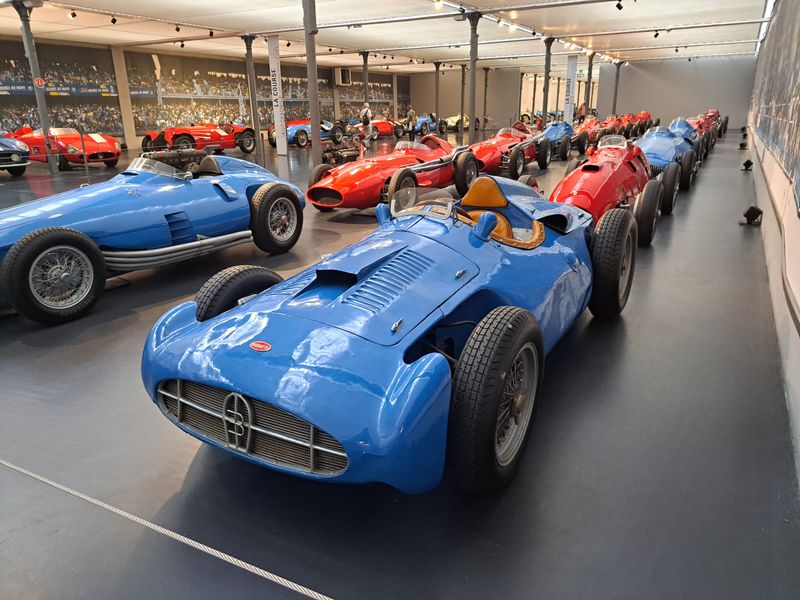
Boasting the largest automobile museum collection on the planet, this French institution houses over 400 vehicles in a massive former wool mill. The Schlumpf Collection forms the heart of the museum, assembled by two Swiss brothers whose obsession with cars became legendary.
Their particular love for Bugatti resulted in the world’s finest collection of these elegant French masterpieces, including extremely rare models that exist nowhere else.
Walking through the enormous halls feels overwhelming in the best possible way, with row after row of automotive treasures. The presentation balances historical significance with visual impact, creating displays that educate while dazzling the eyes.
From the earliest steam-powered vehicles to modern Formula One cars, the chronological arrangement helps visitors understand how automobiles evolved over 130-plus years.
Interactive exhibits let children and adults explore automotive technology through hands-on experiences and simulators. The museum regularly hosts special events, including vintage car rallies and themed exhibitions that celebrate specific manufacturers or automotive eras.
Mulhouse’s location in the Alsace region makes it a perfect addition to any European road trip, surrounded by beautiful countryside and excellent French cuisine.
The Henry Ford Museum — Dearborn, Michigan, USA
American innovation takes center stage at this massive complex celebrating not just automobiles but the ingenuity that shaped modern life. Henry Ford revolutionized manufacturing with the assembly line, making cars affordable for ordinary families rather than just the wealthy.
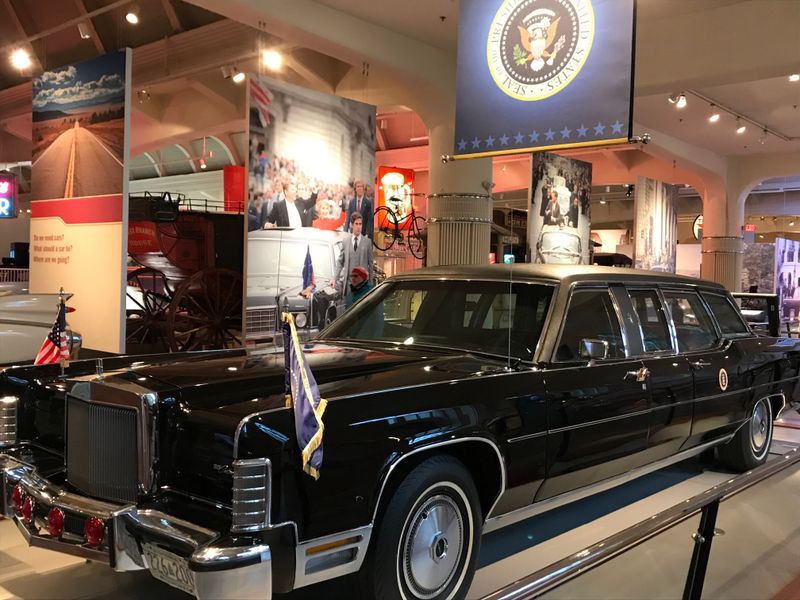
The museum honors that democratic spirit by showcasing vehicles that represent different aspects of American history and culture, from presidential limousines to the bus where Rosa Parks made her courageous stand.
The automobile collection spans American manufacturing history, with everything from Model T Fords to muscle cars that defined the 1960s. You’ll find significant racing vehicles, innovative prototypes, and cars owned by famous Americans whose stories intertwine with the nation’s history.
The adjacent Greenfield Village offers outdoor exhibits where historic buildings and working demonstrations bring the past to life in engaging ways.
Beyond cars, the museum explores trains, airplanes, and industrial machinery that transformed society. The sheer size means visitors should plan a full day to properly explore everything on offer.
Special exhibitions rotate throughout the year, covering topics from design innovation to social movements that changed America forever.
Toyota Automobile Museum — Nagakute, Japan

Japanese attention to detail shines throughout this beautifully curated museum celebrating automotive history from a global perspective. Rather than focusing solely on Toyota vehicles, the collection includes significant cars from manufacturers worldwide, showing respect for the entire industry’s evolution.
This approach reflects Japanese cultural values of learning from others while contributing unique innovations to the automotive world.
The main building’s three floors display approximately 140 vehicles arranged chronologically, starting with European pioneers from the late 1800s. American classics, European sports cars, and Japanese innovations each receive thoughtful presentation with detailed information about their significance.
The exhibits explain how different regions approached automotive challenges differently, creating distinct design philosophies that still influence car manufacturing today.
The annex building focuses specifically on Japanese automotive history, showcasing the nation’s journey from post-war recovery to becoming a global manufacturing powerhouse. Interactive displays and multimedia presentations make complex engineering concepts understandable for visitors without technical backgrounds.
The museum’s location near Nagoya makes it accessible for travelers exploring central Japan, and the surrounding area offers beautiful scenery and traditional Japanese culture to experience.
Beijing Auto Museum — Beijing, China

Opened in 2011, this modern facility represents China’s growing automotive industry and its citizens’ increasing passion for car culture. The museum occupies a striking contemporary building with five floors dedicated to automotive history, technology, and future developments.
As China transformed into the world’s largest automobile market, this museum emerged to educate the public about vehicles’ role in modern society and environmental considerations.
The collection includes significant vehicles from global manufacturers alongside Chinese automotive achievements. Interactive exhibits explain how cars work, from basic mechanics to advanced hybrid and electric technologies shaping the industry’s future.
The museum particularly emphasizes environmental responsibility and sustainable transportation, reflecting China’s focus on addressing pollution challenges while maintaining economic growth.
Special exhibitions explore automotive design, motorsports, and the cultural impact of cars on Chinese society. The museum serves educational purposes, with programs designed to inspire young people toward engineering and design careers.
English information is available throughout, making the museum accessible to international visitors exploring Beijing’s many historical and modern attractions. The facility represents how automotive museums have evolved beyond simple vehicle displays into comprehensive cultural institutions.
National Corvette Museum — Bowling Green, Kentucky, USA
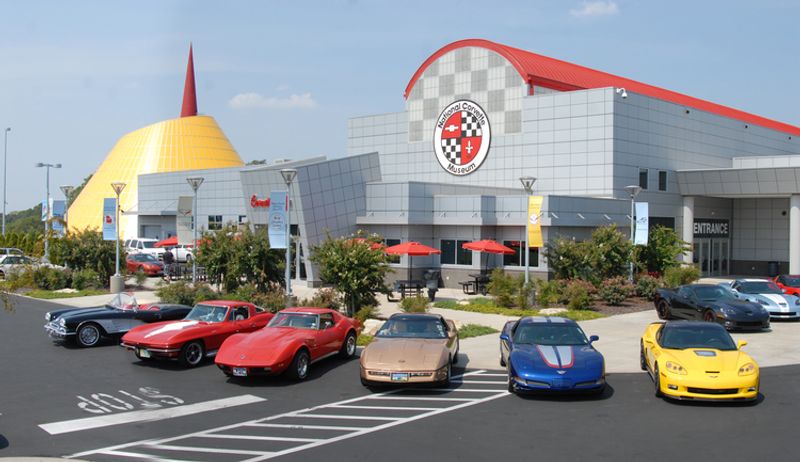
America’s sports car gets the spotlight at this museum dedicated entirely to the Chevrolet Corvette and its seven-decade history. Since 1953, the Corvette has represented American performance and style, evolving through eight generations while maintaining its essential character.
The museum sits across from the factory where every Corvette is born, allowing visitors to tour the production facility and watch these iconic cars being assembled by skilled workers.
Over 80 Corvettes fill the museum, representing every generation and significant special editions that marked milestones in the model’s evolution. You’ll encounter racing Corvettes that competed at Le Mans, concept cars that previewed future designs, and rare prototypes that never reached production.
The infamous sinkhole that swallowed eight Corvettes in 2014 became part of the museum’s story, with some damaged cars preserved to commemorate the dramatic event.
The gift shop overflows with Corvette merchandise, from detailed model cars to branded apparel that lets fans show their passion. Special events throughout the year bring Corvette owners together for celebrations, car shows, and cruises through Kentucky’s beautiful countryside.
Whether you own a Corvette or simply admire these American legends, this museum offers an unforgettable experience.
Share this story