Located in the heart of Oklahoma City, the First Americans Museum stands as a powerful tribute to the 39 tribal nations that have shaped Oklahoma for generations. It isn’t simply a place to look at the past.
It focuses on stories that are still unfolding, cultures that are still thriving, and traditions that continue to influence the state today.
What makes it worth discovering is how thoughtfully everything is presented. The experience feels intentional, respectful, and grounded in real voices.
Whether you’re deeply interested in history or just beginning to learn about Native heritage, the museum makes the subject accessible and meaningful.
It’s the kind of place that stays with you after you leave — not because it overwhelms you, but because it gives you something important to think about.
A Stunning Architectural Marvel That Honors the Land
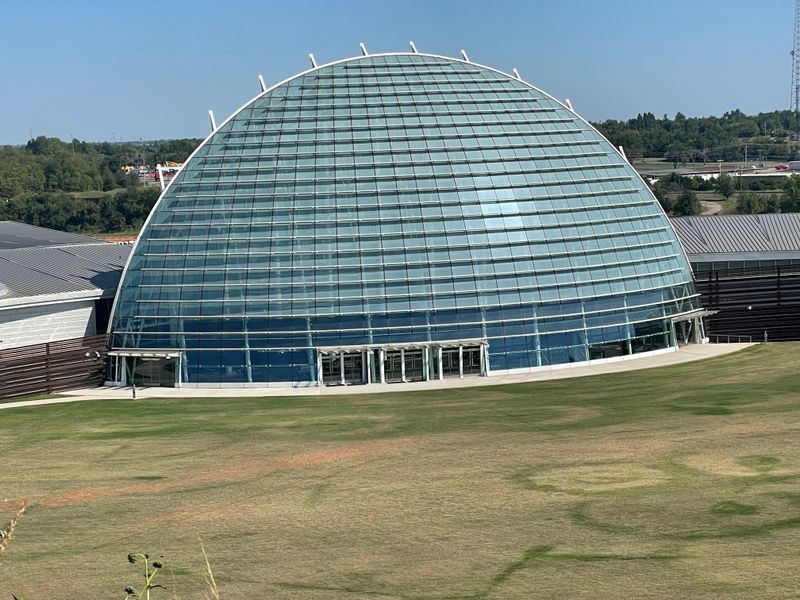
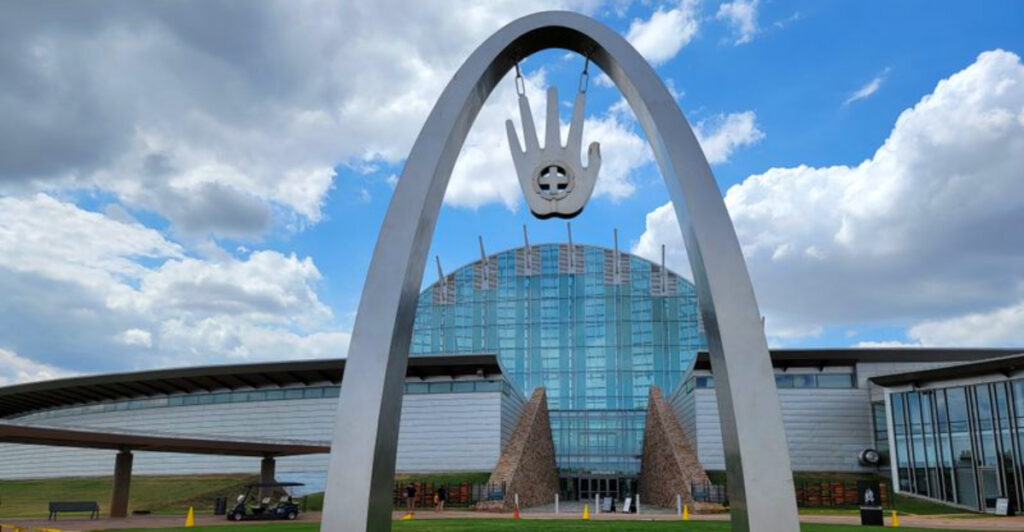
Walking up to the First Americans Museum feels like approaching a sacred space where modern design meets ancient wisdom. The building itself rises from the landscape like a natural formation, with sweeping curves and earth-toned materials that echo the rolling Oklahoma plains.
Architects worked closely with tribal representatives to ensure every design element carried meaning and respect for Indigenous values.
The exterior features expansive glass walls that invite natural light to flood the interior spaces, symbolizing transparency and openness. A central drum-shaped structure anchors the building, representing the heartbeat of Native communities.
The surrounding grounds include native prairie grasses and plants that have sustained Indigenous peoples for generations.
Visitors often pause at the entrance to take in panoramic views of the Oklahoma River and downtown skyline. The museum’s location on a prominent bluff isn’t accidental—it stands as a powerful statement of Indigenous presence and resilience.
The architectural choices reflect a deep understanding that buildings can tell stories just as powerfully as the exhibits they contain.
Every corner of this 175,000-square-foot facility invites reflection and connection. From the moment you arrive, you understand this isn’t just a museum—it’s a living monument.
Stories From 39 Distinct Tribal Nations
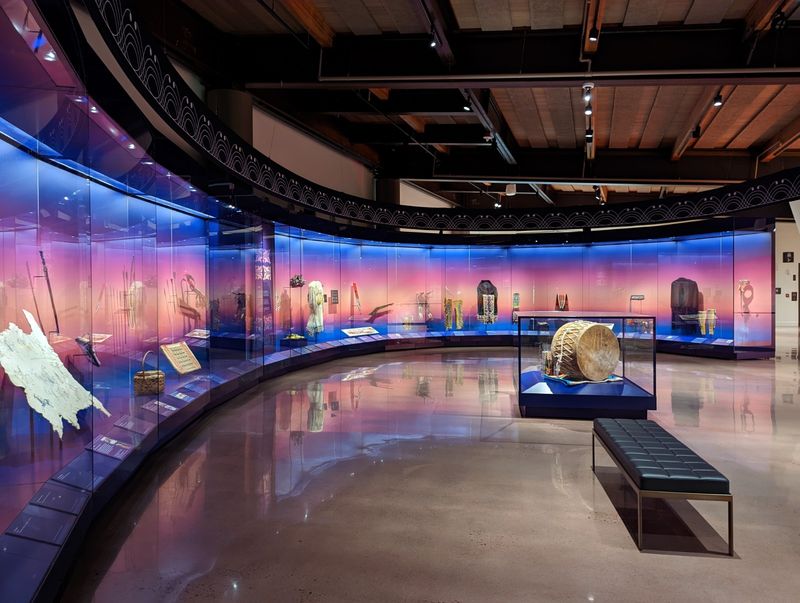
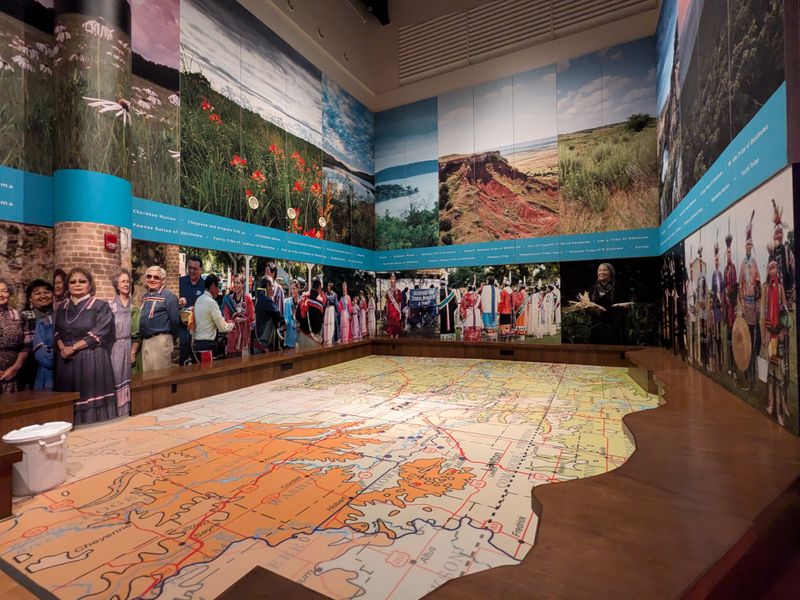
Forget everything you thought you knew about Native American history being one single narrative. The First Americans Museum showcases the unique voices, traditions, and experiences of 39 different tribal nations, each with its own language, customs, and worldview.
These aren’t ancient civilizations lost to time—these are living cultures with members who continue to shape Oklahoma’s present and future.
Interactive displays let you explore how different tribes adapted to varied landscapes, from the Caddo farmers of the southeastern woodlands to the Comanche horsemen of the plains. You’ll discover how tribal governments function today, how languages are being revitalized, and how contemporary Native artists blend traditional techniques with modern expression.
Each nation’s story is told through their own words and perspectives, not filtered through outside interpretations.
The museum features rotating exhibits that highlight specific tribes, allowing for deeper exploration of individual cultures. Video testimonials from tribal members share personal stories about identity, family, and cultural preservation.
You might hear a Chickasaw elder discuss traditional pottery methods or a young Choctaw musician explain how he incorporates ancestral melodies into contemporary music.
This approach ensures visitors leave understanding that Indigenous peoples are diverse, dynamic, and very much present in today’s world.
Hands-On Cultural Experiences That Engage All Ages
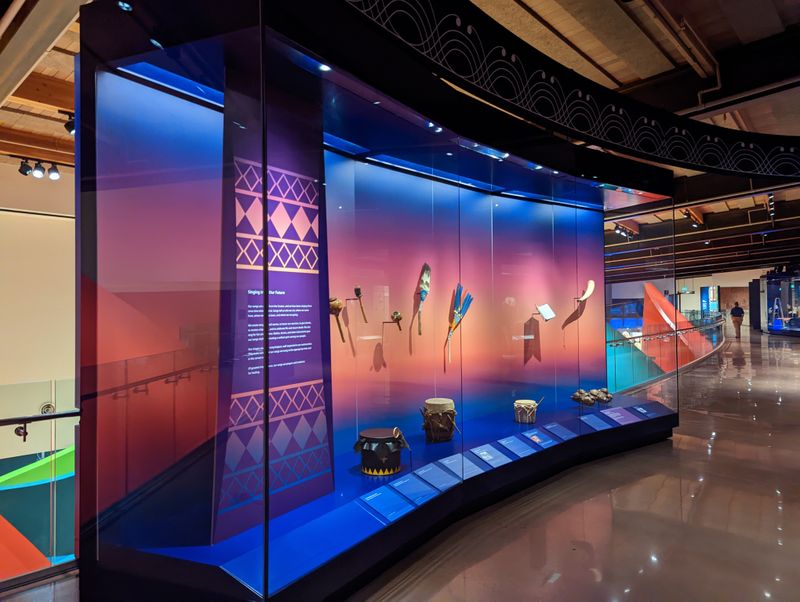
Children press their hands against touchscreens to learn traditional sign language while adults nearby try their hand at beadwork patterns—this museum knows that learning happens best through doing. Interactive stations throughout the galleries invite visitors to engage directly with cultural practices rather than just reading about them.
You can listen to language lessons, play traditional games, or explore how different materials were used for shelter construction.
One popular station lets you design your own ribbon work pattern, a decorative technique used by many tribes on clothing and ceremonial items. Another area features replicas of traditional musical instruments you can actually play, from hand drums to flutes.
These activities aren’t simplified versions for tourists—they’re authentic introductions to skills that tribal members still practice and value today.
The museum regularly hosts workshops led by Native artists and craftspeople who demonstrate techniques passed down through generations. You might watch a basket weaver transform river cane into intricate designs or see a stomp dance troupe perform.
Kids especially love the children’s area, where storytelling sessions bring tribal legends to life through animation and theatrical performance.
These experiences transform passive observation into active participation, creating memories that stick with visitors long after they leave.
A Restaurant Serving Authentic Indigenous Cuisine
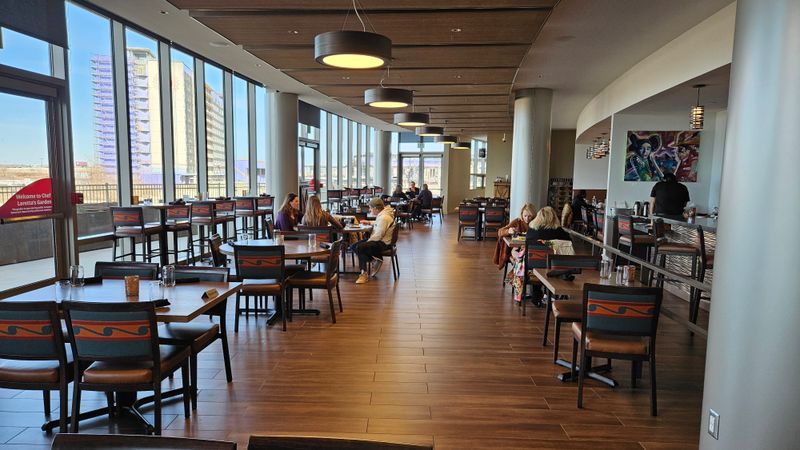
Hunger strikes right around lunchtime, and lucky for you, the museum houses OKANA Restaurant, where Indigenous culinary traditions meet contemporary dining. Chef-driven menus feature ingredients that sustained Native peoples for centuries—bison, hominy, wild rice, indigenous beans, and native herbs—prepared with modern techniques that honor traditional flavors.
This isn’t fusion food trying to be something it’s not; it’s authentic Indigenous cuisine reclaiming its place in American gastronomy.
Seasonal menus change to reflect what’s naturally available, just as tribal communities traditionally ate with the rhythms of the land. You might try cedar-braised bison short ribs, blue corn dumplings in rich broth, or frybread topped with creative ingredients.
Vegetarian options showcase the sophisticated plant-based diets many tribes maintained, featuring squash, beans, and corn—the “three sisters” that formed the agricultural foundation of numerous Indigenous societies.
Floor-to-ceiling windows provide stunning river views while you dine, and servers are knowledgeable about the cultural significance of various dishes. The restaurant also features Indigenous-made tableware and décor, supporting Native artists and entrepreneurs.
Many visitors report that eating here transforms their understanding of Native foodways from survival cuisine to sophisticated culinary art.
Reservations are recommended, especially on weekends when locals and tourists alike fill the tables.
The Hall of the People Celebrates Contemporary Native Life
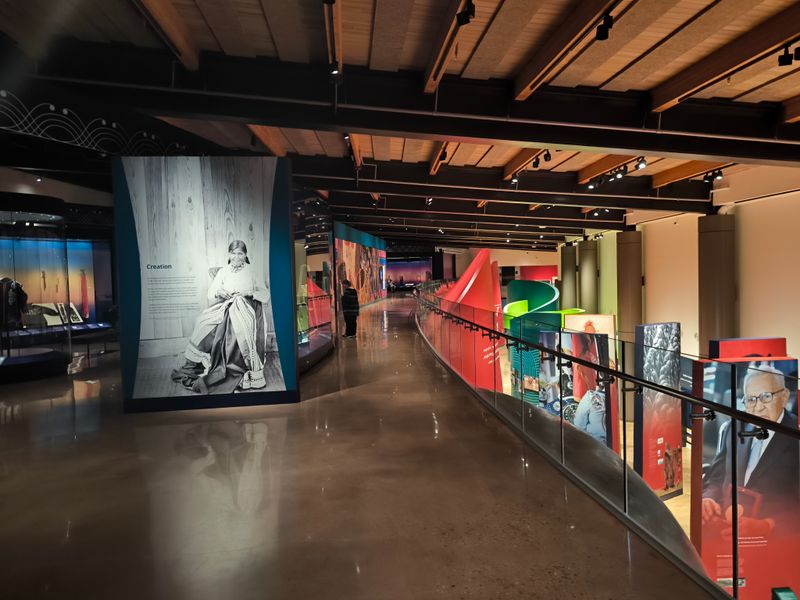
Stereotypes about Native Americans living in the past crumble the moment you enter the Hall of the People. This expansive gallery focuses entirely on contemporary Indigenous life, showcasing Native doctors, engineers, artists, athletes, politicians, educators, and entrepreneurs who are shaping the 21st century.
Photographs and video interviews reveal the diversity of modern Native experiences, from urban professionals to rural ranchers, from traditional ceremonialists to tech innovators.
You’ll meet a Muscogee aerospace engineer who worked on Mars rover missions, a Cherokee fashion designer whose work appeared at New York Fashion Week, and a Kiowa linguist developing apps to teach endangered languages. These stories challenge visitors to recognize Indigenous peoples as active participants in every aspect of modern society, not relics frozen in history books.
The exhibit emphasizes that maintaining cultural identity and thriving in contemporary America aren’t contradictory—they’re complementary.
Interactive displays let you explore statistics about Native population, education levels, economic contributions, and cultural revitalization efforts. The data might surprise you: Oklahoma has the second-largest Native American population of any state, and tribal nations contribute billions to the state’s economy annually.
Personal testimonials add human dimension to the numbers, with tribal members sharing what their heritage means in daily life.
This gallery leaves visitors with renewed respect for Indigenous resilience and adaptability.
Outdoor Spaces That Connect Visitors to the Land
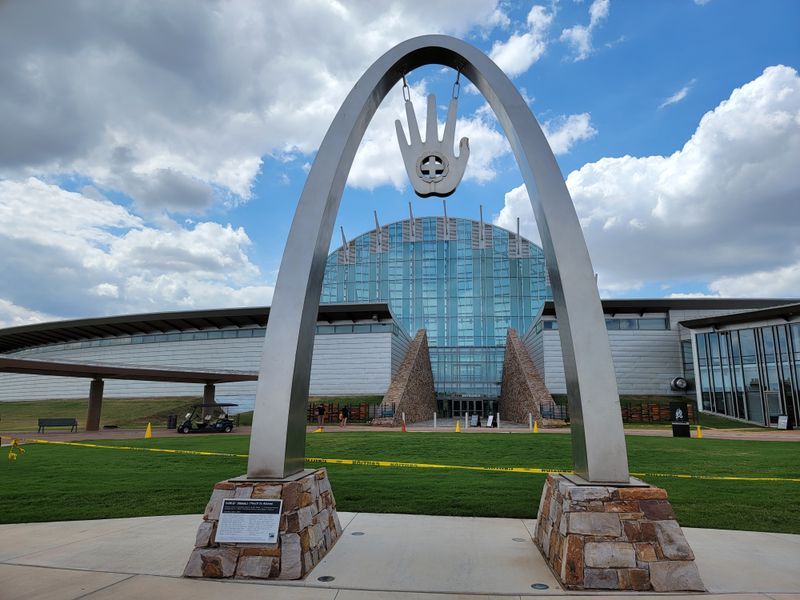
Step outside and you’ll find yourself surrounded by carefully tended native prairie grasses swaying in the Oklahoma breeze. The museum’s outdoor spaces aren’t just landscaping—they’re educational environments that demonstrate the deep connection between Indigenous peoples and the land.
Walking paths wind through gardens featuring plants traditionally used for food, medicine, and ceremony, with interpretive signs explaining their cultural significance and ecological importance.
A large gathering area accommodates outdoor performances, demonstrations, and ceremonies throughout the year. During special events, you might witness stomp dances, hear traditional storytelling under the stars, or participate in seasonal celebrations.
The outdoor amphitheater takes advantage of the natural acoustics created by the surrounding terrain, much as Indigenous peoples historically chose gathering places based on the land’s features.
Children love exploring the grounds, discovering butterflies attracted to native wildflowers and learning how different plants supported tribal communities. Benches positioned at scenic overlooks provide quiet spots for reflection while taking in views of the Oklahoma River.
The landscaping choices weren’t random—landscape designers consulted with tribal botanists to ensure authenticity and ecological appropriateness.
These outdoor spaces remind visitors that Indigenous knowledge systems were deeply rooted in observing and respecting natural cycles, a wisdom increasingly relevant in our modern world.
Educational Programs That Go Beyond the Textbooks
School groups arrive by the busload, but these aren’t typical field trips where kids zone out in front of display cases. The museum’s education department designs programs that align with state curriculum standards while centering Indigenous perspectives often missing from standard textbooks.
Students participate in hands-on activities, hear directly from tribal members, and engage with primary sources that bring history to vivid life.
Teachers can choose from various program themes, from pre-contact civilizations to the Trail of Tears to contemporary sovereignty issues. Age-appropriate activities ensure kindergarteners through high school students all find content that challenges and engages them.
One popular program has students analyze historical treaties, considering what was promised versus what was delivered—a lesson in critical thinking and historical justice that resonates across subject areas.
The museum also offers professional development for educators, helping teachers incorporate Indigenous perspectives into year-round instruction, not just during November’s Native American Heritage Month. Resource materials, lesson plans, and consultation services support teachers who want to do better by their Native students and teach all students more complete American history.
Adult learners aren’t forgotten either, with lecture series, book clubs, and specialized tours that explore topics in greater depth. Many Oklahoma residents return multiple times, discovering new layers with each visit.
A Gift Shop Supporting Native Artists and Entrepreneurs
Museum gift shops usually peddle cheap souvenirs made overseas, but not here. The First Americans Museum store exclusively features items created by Native artists and Indigenous-owned businesses, ensuring your purchase supports the communities whose cultures the museum celebrates.
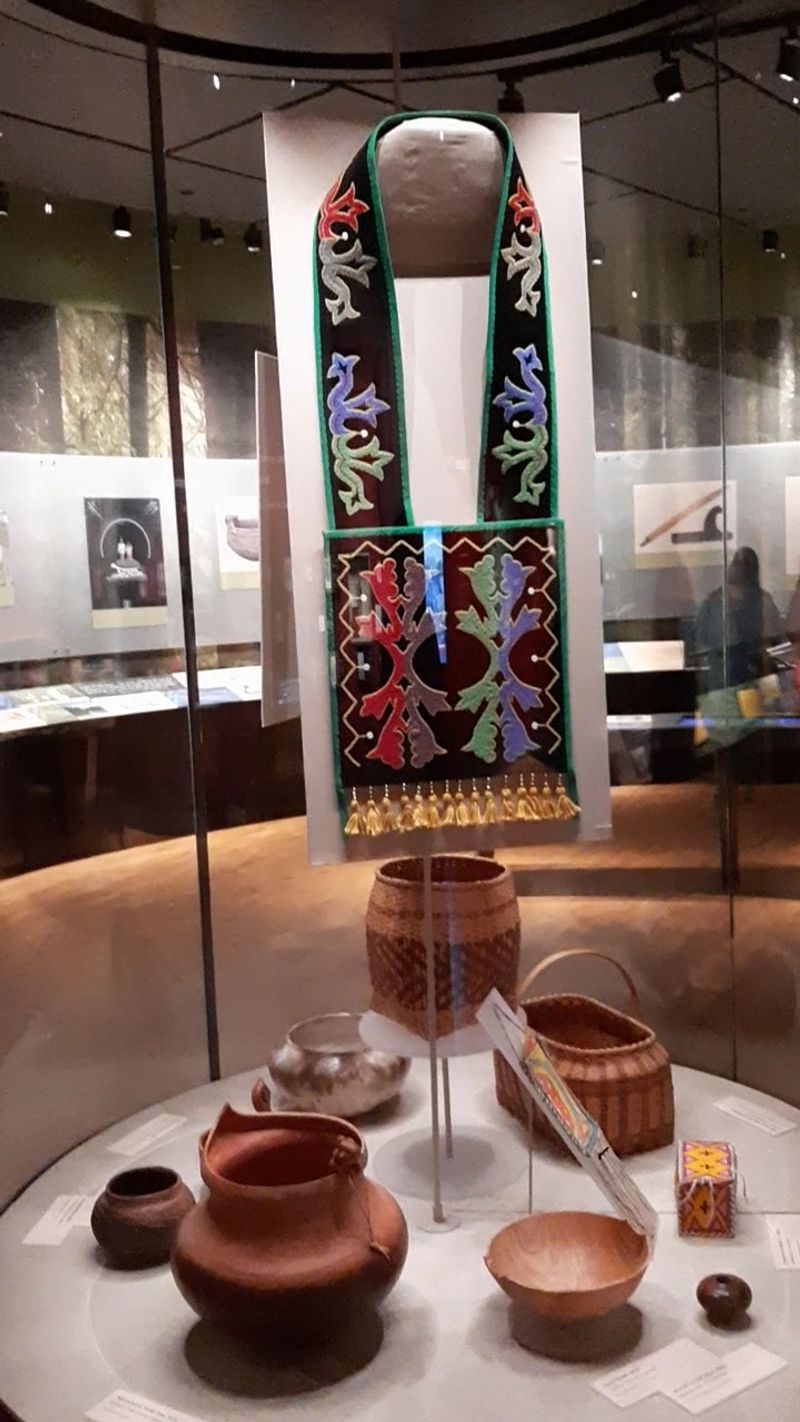
You’ll find exquisite jewelry, pottery, textiles, paintings, sculptures, and books—all authentic works by talented creators maintaining traditional arts while innovating new forms.
Prices range from affordable items like beaded earrings or small prints to investment-quality pieces like handwoven baskets or museum-grade paintings. Each item includes information about the artist, their tribal affiliation, and the techniques or materials used.
Staff members are knowledgeable about the artwork and can explain cultural significance, helping you make informed purchasing decisions.
The selection changes regularly as new artists are featured and seasonal items rotate in. You might discover Navajo-inspired textiles, Kiowa ledger art, Cherokee pottery, or contemporary jewelry that blends traditional materials with modern design aesthetics.
Books section includes works by Native authors, from children’s picture books to academic texts to contemporary fiction.
Shopping here means more than taking home a souvenir—it’s a tangible way to support Indigenous economic development and cultural preservation. Many visitors budget extra time and money specifically for the shop, knowing they’re finding unique items unavailable elsewhere.
Thoughtful Exhibits on Difficult Historical Truths
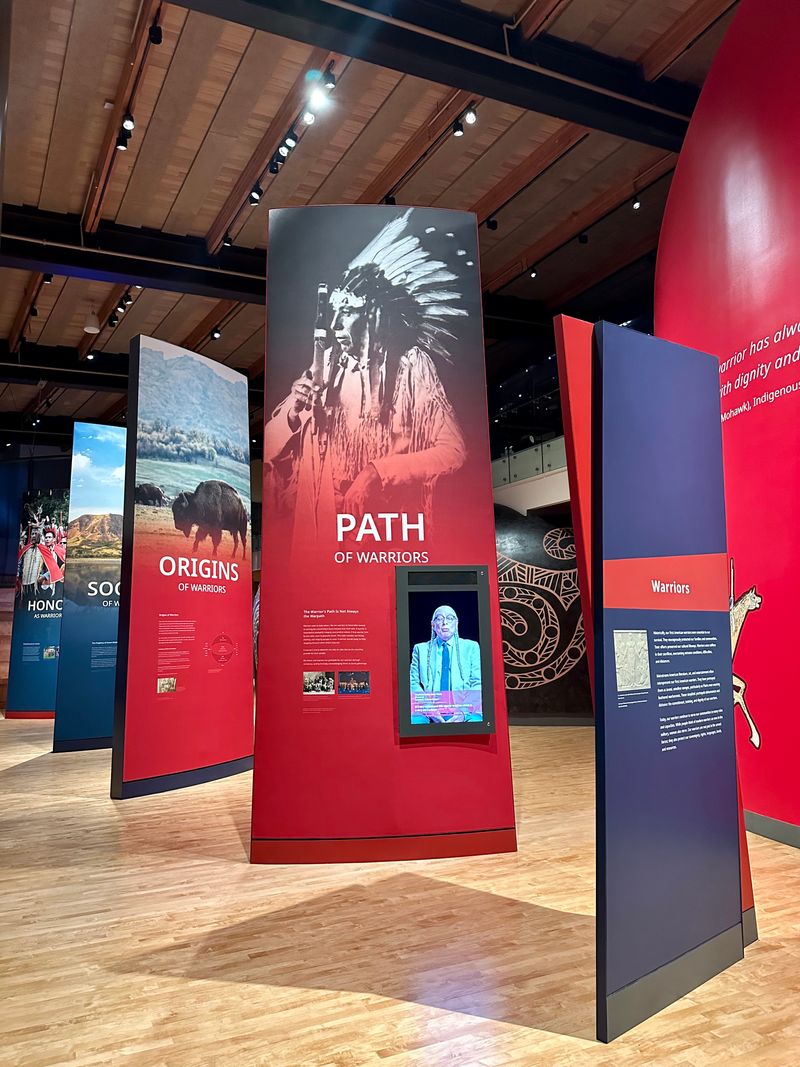
American history includes painful chapters, and the First Americans Museum doesn’t shy away from difficult truths about colonization, forced removal, boarding schools, and broken treaties. But these exhibits go beyond simply cataloging injustices—they center Indigenous voices explaining how these experiences shaped communities and how resilience, resistance, and survival strategies sustained cultures through unimaginable challenges.
The approach is honest without being gratuitously traumatic, educational without being preachy.
One particularly powerful section examines the Indian boarding school system, where children were forcibly removed from families and punished for speaking their languages or practicing their cultures. Rather than just presenting historical facts, the exhibit includes testimony from survivors and their descendants, explaining intergenerational impacts still felt today.
It also highlights how communities are healing through language revitalization, cultural education, and truth-telling processes.
Exhibits on the Trail of Tears and other forced removals use maps, personal accounts, and artifacts to illustrate the devastating impact on the Five Civilized Tribes relocated to Oklahoma. But they also emphasize how these nations rebuilt their governments, schools, and economies in new territories, demonstrating remarkable adaptability and determination.
These sections challenge visitors to reconsider American history narratives, understanding that Indigenous perspectives fundamentally change how we understand the past and its continuing effects on the present.
A Museum Built BY and FOR Indigenous Communities
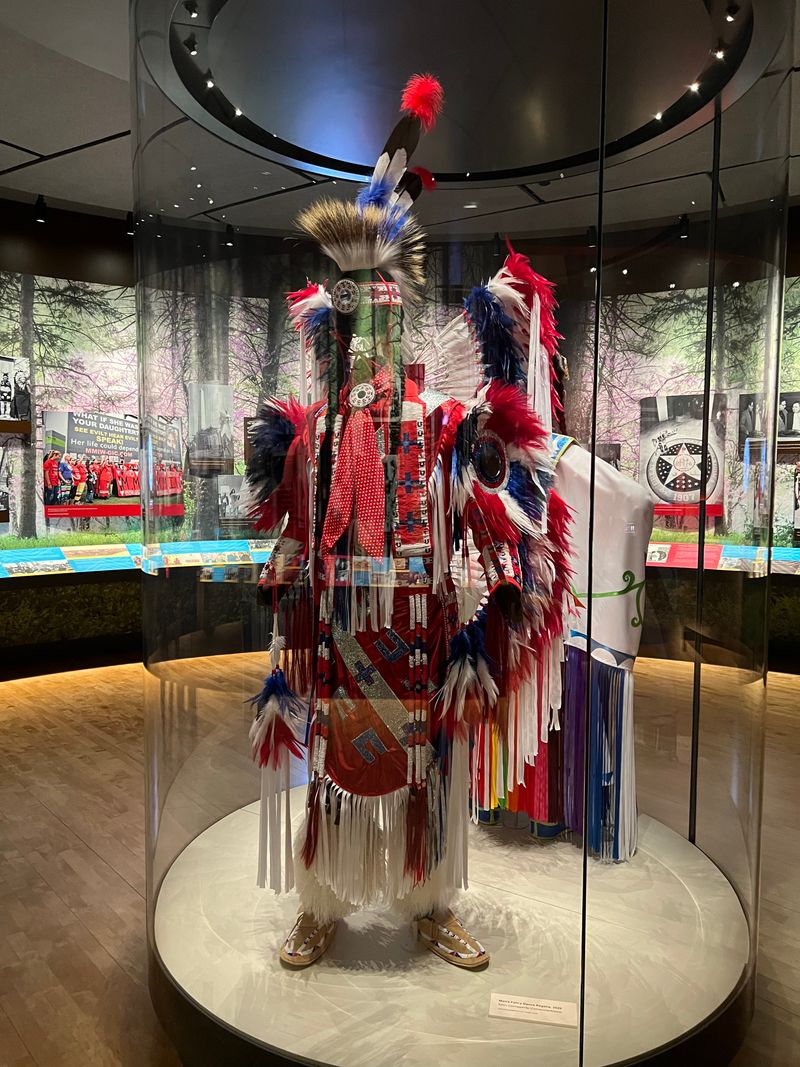
Most museums about Indigenous peoples were created by non-Native institutions collecting Native objects as curiosities or scientific specimens. The First Americans Museum flips that script entirely—it was conceived, planned, and executed by the 39 tribal nations it represents, ensuring authentic representation rather than outside interpretation.
Tribal citizens served on planning committees, curatorial teams, and advisory boards throughout the development process, making this truly a museum by Native peoples, for everyone.
This collaborative approach means exhibits reflect how tribal nations want their stories told, not how outsiders think they should be presented. Sacred items aren’t displayed; cultural protocols are respected; and living community members are centered as authorities on their own cultures.
The museum employs many Native staff members, from leadership positions to educators to facilities personnel, creating career opportunities while ensuring institutional knowledge stays rooted in Indigenous perspectives.
Funding came from diverse sources, including tribal contributions, state appropriations, and private donations, reflecting broad support for the project. The museum opened in September 2021 after years of planning, immediately becoming one of Oklahoma City’s premier cultural destinations.
Reviews consistently praise its respectful approach, educational value, and stunning presentation.
When you visit, you’re experiencing Indigenous self-representation at its finest—communities telling their own stories on their own terms, inviting you to listen, learn, and understand.
Share this story