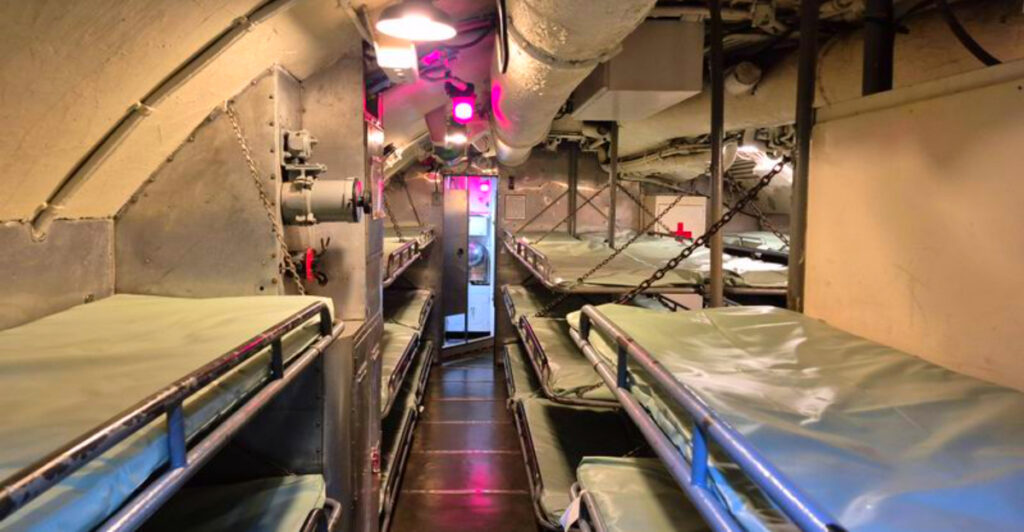
You think you know what a museum sleepover feels like until the hatch thunks shut and the lake-wet air turns metallic in your lungs. In Muskegon, you can bed down inside a combat-tested WWII submarine where footsteps echo against steel and the night hums with old machinery.
The USS Silversides does not reenact history so much as trap you inside it, one narrow berth and red-lit passage at a time. Curious how it changes your sense of time and sound by sunrise?
Keep reading.
Stepping Through The Hatch: First Contact With Steel And Silence
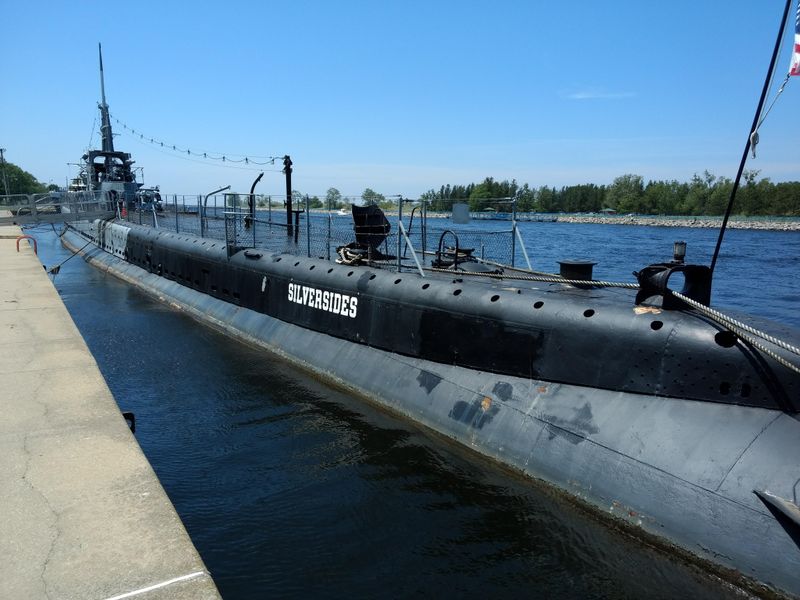
The first surprise is the weight of the hatch. It swings with a decisive clunk that settles in your chest, and the air shifts from lakeshore breeze to chilled metal and faint oil.
Your voice drops without planning to, as if the boat itself enforces quiet. Even the rubber gasket has a smell, slightly sweet and industrial, like a memory you never had.
Inside, the corridor is slimmer than your shoulders expect. Piping elbows shine under red bulbs that make skin look sea-worn.
Shoes whisper against diamond plate, and every step sends a soft drum through the hull. You learn to move sideways, to carry a bag like a violin, to read the space by sound before sight.
A volunteer nods you forward with the same calm rhythm found on flight decks and loading docks.
Then the door seals behind your group. The outside world compresses into a muted hiss of Lake Michigan wind on the other side of steel.
You are in Muskegon, yes, with freight horns and gulls, but you are also anywhere the Pacific once pressed close. The museum’s rules live in your pocket, but the boat sets the real terms.
You follow the red line, fingers brushing cool metal, and understand why sailors named parts like they were people.
Berthing Down: Sleeping In A WWII Rack
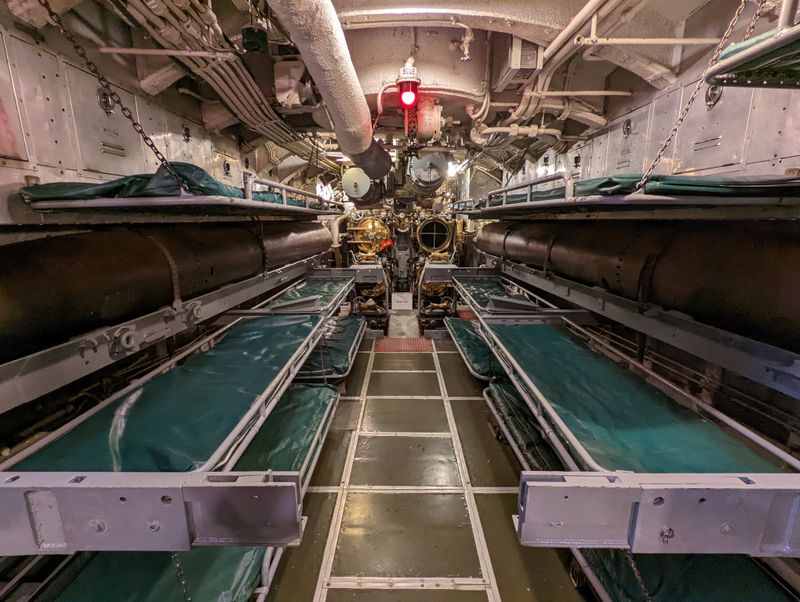
The rack looks like a dare. Canvas sling, chain-slung, three bunks stacked like punctuation in a sentence with no spaces.
You slide onto the middle one because someone said it rocks the least, then learn that rocking is not the concern. Clearance is.
Nose to conduit, elbow to bulkhead, you discover stillness you did not know you had.
Zip your bag. Tuck your phone in a sock so it does not ping onto steel at 2 AM.
The red lights dim and your eyes invent shapes in the shadowed valves and butterfly wheels. Someone coughs, and it ricochets along the corridor like a cue ball.
Another person laughs and immediately apologizes to no one in particular. The boat edits your behavior until every move is plotted and necessary.
Sleep comes in salt-and-metal fragments. You count rivets.
You match breath to the faint thrum of lake water slapping hull. When rest lands, it lands heavy, full of ship clocks you cannot see.
Morning is a zipper, a throat clear, a whisper about coffee back in the museum building. You roll out careful, feet to ladder rungs, feeling in your shoulders the discipline that once kept this place running at battle stations and at peace.
Galley Whispers: Eating Where The Crew Refueled
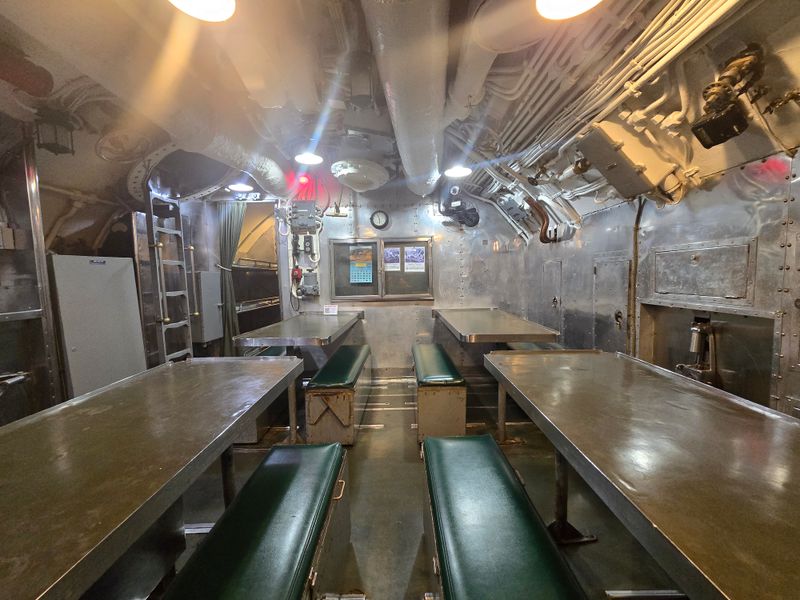
The galley is the first space that feels like conversation. Stainless counters nicked by time, a coffee urn wider than your forearm, lockers labeled in block letters that read like orders.
You cannot cook here during the overnight, but you stand where steam once fogged glasses and bacon mapped the air. It smells like old metal and ghosted breakfast.
Someone finds the menu board from a 1940s patrol tucked in a display: creamed chipped beef, canned peaches, fresh bread if the baker had time. Calories were currency.
You picture 70 men rotating through this pinch point, forks chiming, boots scuffing, jokes traded in the split seconds between orders. Your snack from the museum building tastes different when you eat it beside that memory, paper napkin balanced on a ledge.
The benches are narrow, the table smooth from abrupt elbows. You learn the art of tucking knees, of folding conversation to fit the corridor.
A staff member mentions that submariners called coffee their lifeline and guarded the pot like treasure. You sip your own and feel how warmth softens the submarine’s edges.
It is not comfort, exactly, but permission to belong here for one long night.
Control Room Red: Buttons, Wheels, And Breath-Held Seconds
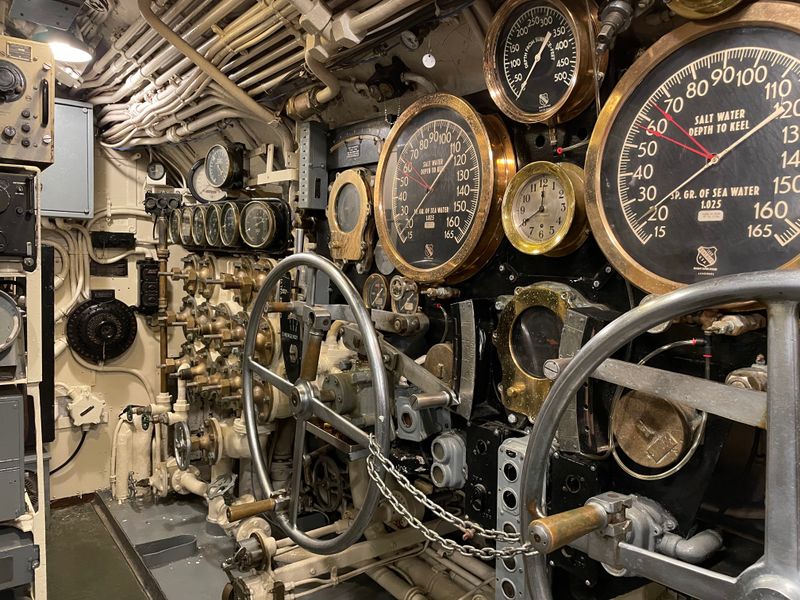
The control room glows like a heartbeat. Brass gauge faces catch the red lights, needles idling at peacetime.
You can stand here during the evening tour, hands tucked, eyes tracing the tangle of wheels and levers that once translated orders into survival. The floor is scuffed where decisions lived.
A volunteer points to the depth gauge, steady as a sermon, and taps the periscope housing with two fingers. The gesture is quiet, yet it snaps your focus.
He talks about battle stations in clipped sentences, about minutes that stretched rubber-tight. You watch a child mimic spinning a valve and feel every adult in the room swallow carefully.
It is not a reenactment and never tries to be. Instead, the boat offers you texture and leaves your imagination to fill the silence.
The docent’s voice is soft, but names land hard: Guadalcanal, Truk Lagoon, patrol numbers etched into metal. Your shoes pick up the oil’s shadow even after cleaning day.
When you finally step back, you realize you have been holding your breath, the way movie theaters do to you right before the soundtrack drops.
Torpedo Room Edge: The Boat’s Sharpest Stories
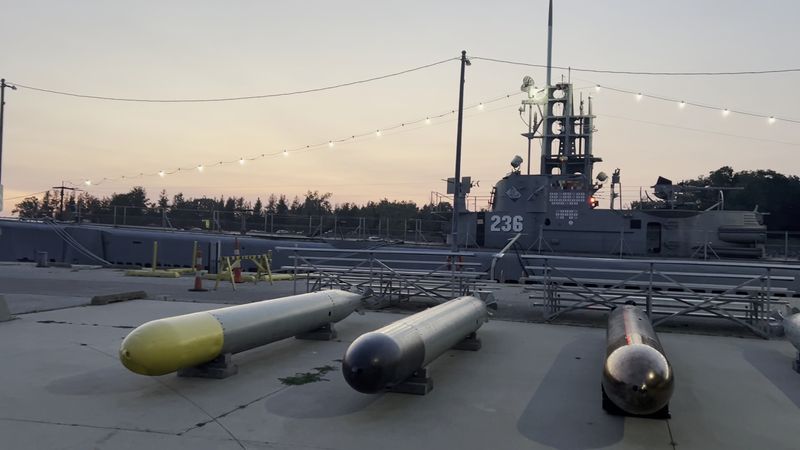
Bow and stern, the torpedo rooms feel like chapters written in steel. Tubes yawn open, circular mouths rimmed with bolts that look like knuckles.
Overhead chain hoists rest as if mid-sentence. You place a palm on the cold tube lip and feel how quickly a human hand becomes a measuring tool in places like this.
There is a photo on the bulkhead of the crew threading a torpedo along rails. Everyone is leaning the same direction, bodies at an angle that announces urgency.
The docent describes how silence mattered more than speed when the boat hunted. Every clink risked echo.
You can hear the lesson in your own careful footsteps.
At night, the room holds a different gravity. Your group’s chatter thins to whisper, red light sanding the sharpness off edges.
Numbers stamped into metal carry a quiet authority: weights, ranges, maintenance intervals. This is hardware tuned to intention.
Standing there, you understand why veterans choose sentences like served and survived. The boat does not dramatize.
It simply exists, and the math of its purpose hovers in the air until you nod and move on.
The Night Routine: What Actually Happens After Lights Down
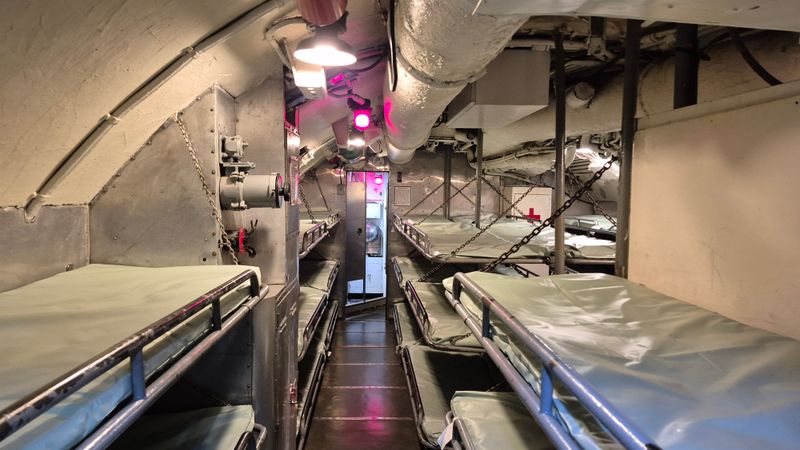
After the evening program, a museum staffer sweeps through with final reminders. Restrooms are in the museum building, so pair up and carry flashlights.
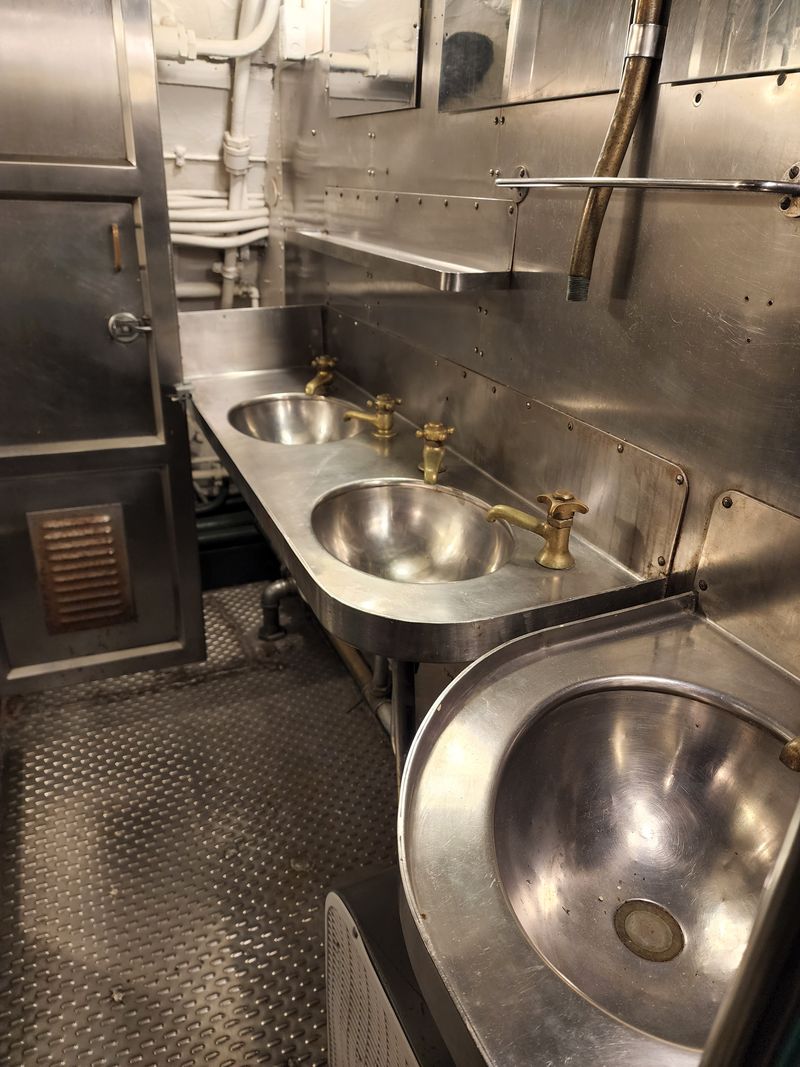
The submarine’s own plumbing is a relic, not a convenience. You learn the door codes like camp rules and line up shoes so no one trips in the night.
Most groups choose quiet talk until ten. The soundscape becomes careful: zippers, muted laughter, the slide of a water bottle over steel.
The hull creaks when the lake shifts its mood, and you feel it in the canvas like a subtle shrug. If you are the restless type, bring earplugs and a hoodie.
The air cools quickly, and the temperature loves corners.
Somewhere around midnight, the boat decides you belong. Your breathing matches the ambient click-pop of old metal settling.
For a half second, it is 1944 and you are another body on a chart. Then the present snaps back with the bright rectangle of a phone screen and the reminder that wakeup is early.
When morning arrives, red transitions to soft white, and everyone moves with the synchronized choreography that tight spaces teach overnight.
Packing Smart: Tiny Items That Change Everything
You do not need much, but the right items earn their keep. A compact sleeping bag that glides on canvas, a small pillow that does not crowd your face, and a flashlight with a red filter so you keep the night vision vibe.
Earplugs turn stray coughs into distant weather. A beanie beats a bulky blanket, because heat escapes upward in steel rooms.
Add soft-soled shoes that grip, not clomp. Pack toiletries in a zip pouch so your midnight restroom run is one grab, not a scavenger hunt.
Bring water, but choose a bottle with a quiet lid. Snacks should be tame and sealed.
The boat is not the place for crinkly theatrics or strong smells, and you will like yourself more at 2 AM if your gear behaves.
Layer up. The museum advises weather-appropriate clothing for a reason, and Lake Michigan likes mood swings.
A thin fleece under a light jacket hits the sweet spot as air cools against steel. Leave heavy perfumes, tools, and anything on the prohibited list at home.
When your kit disappears into the routine of the boat, you know you packed right. The aim is simple: move like water through a space designed for exactness.
Context That Lands: Why This Sub Matters Now
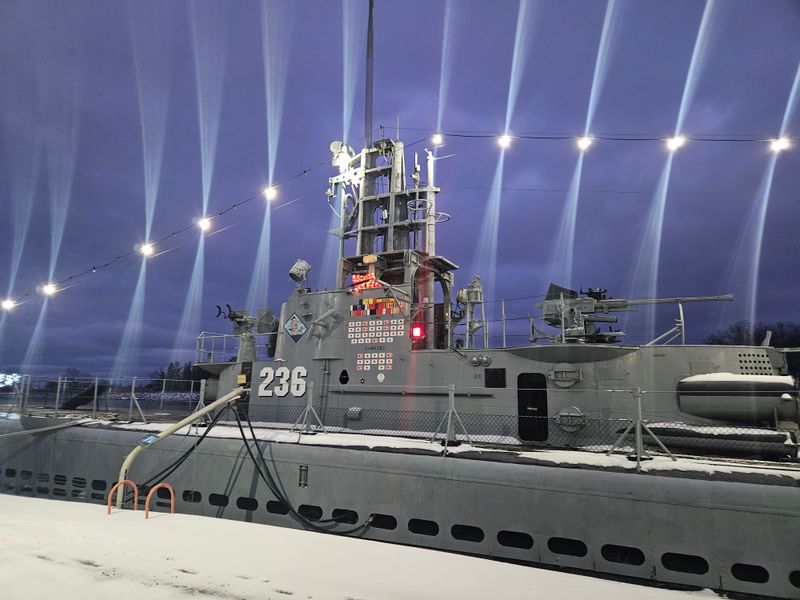
USS Silversides is not nostalgia. It is record.
The boat completed 14 war patrols and is credited with dozens of enemy vessels damaged or sunk, a combat history preserved alongside scraped paint and polished brass. Step aboard and the distinction between exhibit and artifact is visible under your palm.
You are not looking at a replica. You are inside the object that did the work.
Relevance lives in the numbers too. The museum draws thousands annually to Muskegon’s channel, and its Google rating hovers near 4.8 on more than 2,000 reviews.
That is not a gimmick echo. It is repeat impact measured in family trips, scout overnights, and veterans who still choose to climb the ladder.
Preservation is not cheap, and feet on the deck keep the project alive.
There is also the geography. You sleep within sight of Lake Michigan, a freshwater horizon that rules local weather and mood.
The channel carries fishing boats and Coast Guard cutters while you stand on a deck that once crossed the Pacific. Past and present overlap like two waves.
If you listen closely at night, the lake’s slap against steel folds into the museum’s mission, steady and convincing.
Logistics Without Guesswork: Booking And Group Flow
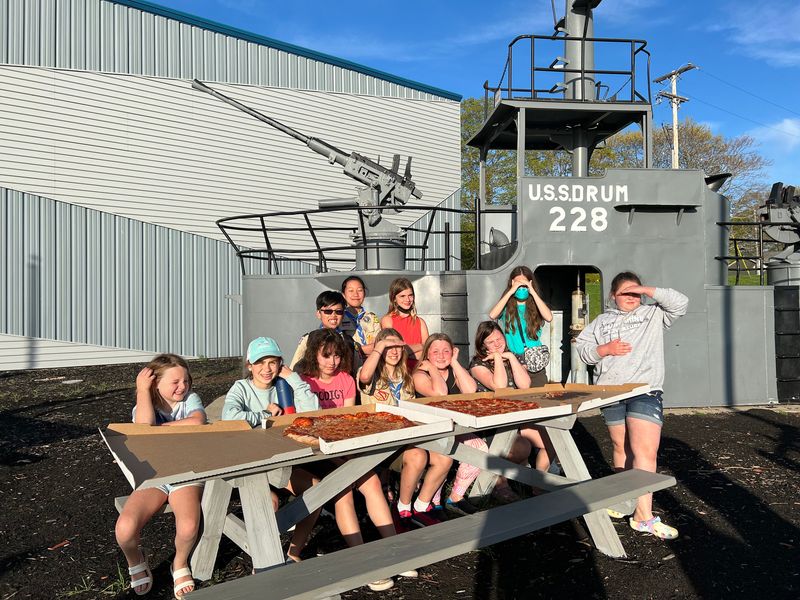
Here is the quick math. The overnight program is built for groups, minimum 20 participants, ages five and up, with capacity up to 72.
Cost sits at $40 per person as of current museum info. A $200 nonrefundable deposit secures your date, due within ten days, with final payment 60 days before arrival.
Programs typically run 6 PM to 9 AM.
Call or email early if you want a weekend. Spring fills with scouts and summer stacks fast behind it.
The museum staff is direct, kind, and process-driven. They will walk you through rules, packing, and the permission slips that keep everything tidy.
Expect confirmation emails and a schedule that leaves room for both learning and quiet.
Plan carpools to simplify parking and bring printed rosters. Assign bunk buddies and a lights-out lead before you set foot on the ladder.
Build in a snack break after orientation so the evening tour hits with attention. The restrooms are in the adjacent building, so set a buddy system for night trips.
Do those small things and the experience runs like a well-trimmed boat.
Small Details, Big Memory: Sounds, Scuffs, And Human Traces
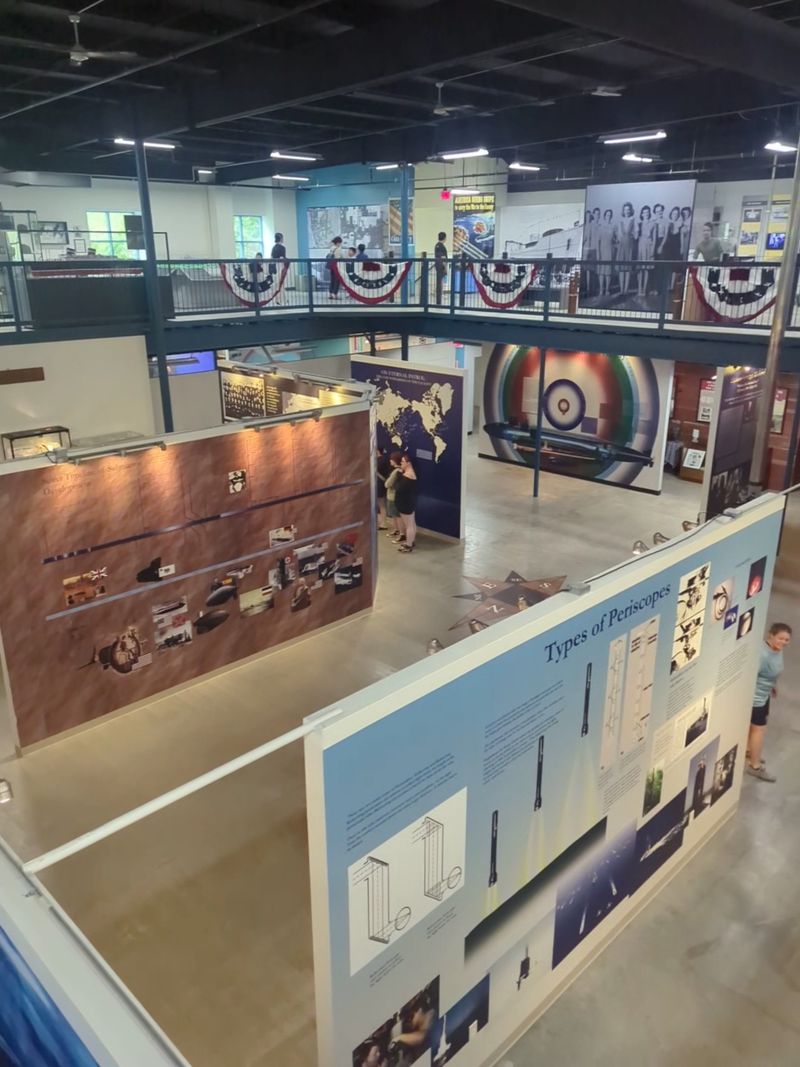
What lingers is not a single story but a collage of textures. Chipped paint layered like tree rings near a valve.
The faint sweet note of aging rubber gaskets. Scuffs on deck plates that map habits: where boots pivoted, where someone always placed a palm before ducking.
You start reading the boat like handwriting.
There is a stenciled warning that makes everyone smile, then stand straighter. A wheel polished to bright by uncounted hands.
The manual type on placards looks brisk and confident, like a chief’s voice kept in print. You catch yourself whispering please and thank you to empty space, and it feels appropriate.
By morning, you can find the berthing ladder in the dark without thinking. You know which hinge clicks, which hatch asks for a firmer push.
The museum’s exhibits fill in the historical blanks, but the physical boat does the anchoring. It is the difference between reading a recipe and eating the meal.
When you step back onto the pier, the wind is louder than before, and you carry steel’s echo in your pocket like a coin.
Share this story