A rusted blast door hangs half-open in the weeds, and it is hard not to imagine the alarms that once screamed here. Concrete towers stand silent against open sky while wind slips through chain-link fences like a rumor.
Across continents, relics of the Cold War still sit in plain sight, built for a conflict that never fully arrived yet shaped everything around it. Time softened some, but others remain frozen in mid-century tension, daring you to look closer.
1. RAF Greenham Common (United Kingdom)
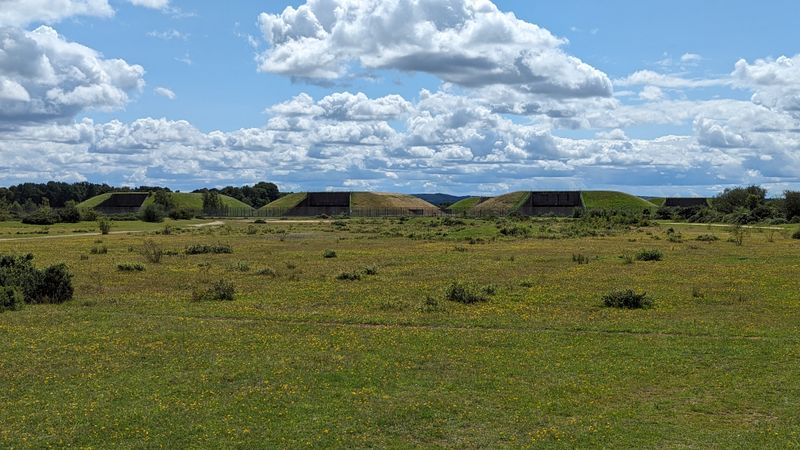
At Greenham Common, you walk where cruise missiles once waited behind razor wire. The runways are gone, lifted like a scar that finally healed, but hints remain: a nubby patch of concrete here, a gate post there.
Skylarks rise where sirens once tested lungs.
The women’s peace camp that encircled the base in the 1980s is memorialized in plaques and hand-painted stones. Their vigil lasted years and changed policy debates, becoming a case study of grassroots stamina.
Today, the common is open, with cattle grazing under the same wide Berkshire sky that saw protest banners snap in the wind.
Occasionally you come upon the skeletal frames of storage shelters, softened by moss and nettles. Families picnic.
Cyclists trace the old perimeter track. The lesson is tactile: landscapes can return to public life, but memory remains underfoot, threaded through every footpath and hedgerow.
2. Nike Missile Bases (United States)
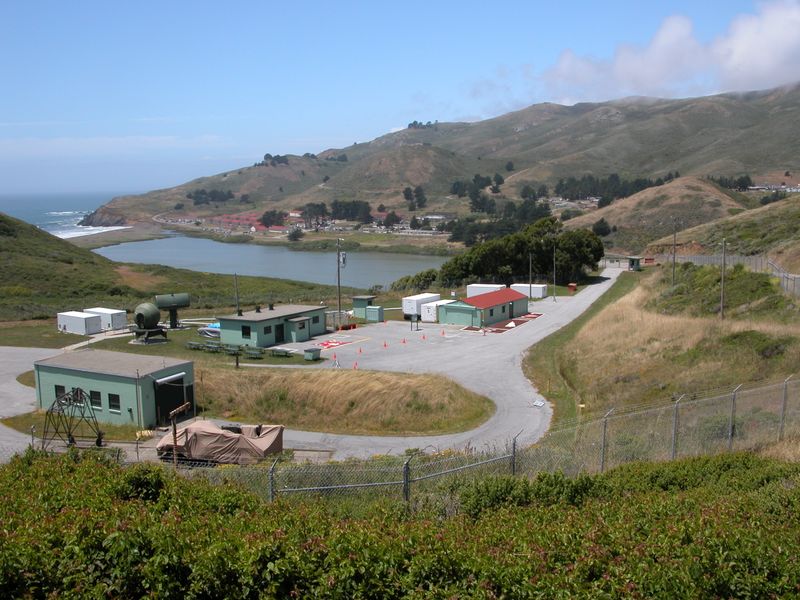
Across American suburbs and coastlines, former Nike missile bases hide in plain sight. You might pass a fenced rectangle of scrub brush and never guess it once housed nuclear-capable air defenses.
Concrete launch pads sit cracked, saplings pushing through seams, while cinderblock magazines echo with dripping water and pigeons.
A few sites became parks or municipal yards, radar towers reborn as communications masts. In San Francisco’s Marin Headlands, Nike Site SF-88 operates as a museum, where volunteers winch a missile up an original elevator, a startling reminder of proximity to annihilation.
Signage explains how radar-guided batteries ringed cities, ready to intercept Soviet bombers.
Today, interpretive plaques, repainted equipment, and restored control vans translate Cold War jargon into human stakes. The takeaway is sobering: high-tech urgency ages quickly, but land remembers.
When you cycle past a low concrete mound or dog-walk near a berm, you are skirting yesterday’s front line.
3. Titan II Missile Silos (Arizona & Arkansas)
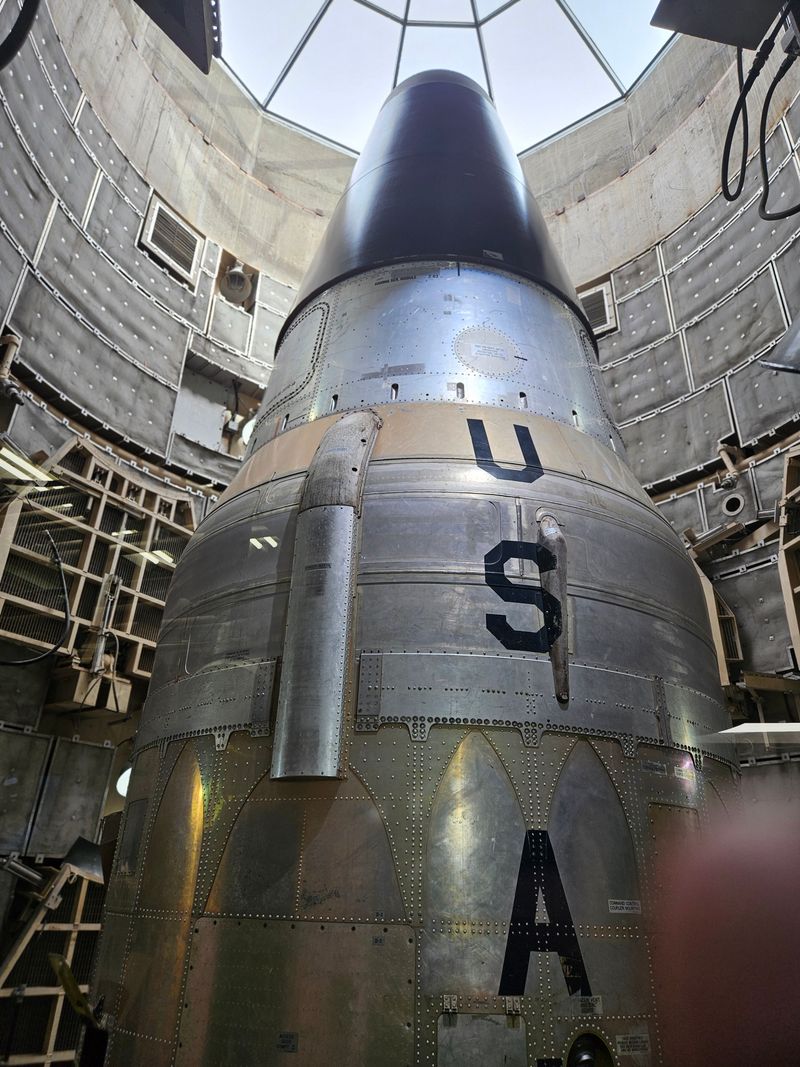
Buried beneath farmland and desert scrub, Titan II silos once hosted the most powerful American ICBMs. Most are welded shut or flooded, their stairwells turned to echo chambers for bats.
Near Tucson, one complex survives as the Titan Missile Museum, where you can stand in the launch control center, head-level with analog dials and klaxons.
The console’s two-key turn sequence feels chilling when a guide counts down. Down the shaft, the inert missile rises like a silver ghost.
Accidents are not glossed over, including the 1980 Damascus incident in Arkansas, when a dropped socket triggered a fuel explosion, a case study in risk layered on risk.
Privately sold silos now appear in real estate listings pitched as apocalypse-proof homes. Yet humidity, corrosion, and staggering maintenance bills say otherwise.
What remains is a cathedral to containment: shock-mounted floors, spring-isolated rooms, and the hum of contingency that never quite fades.
4. Wünsdorf Soviet Military Town (Germany)
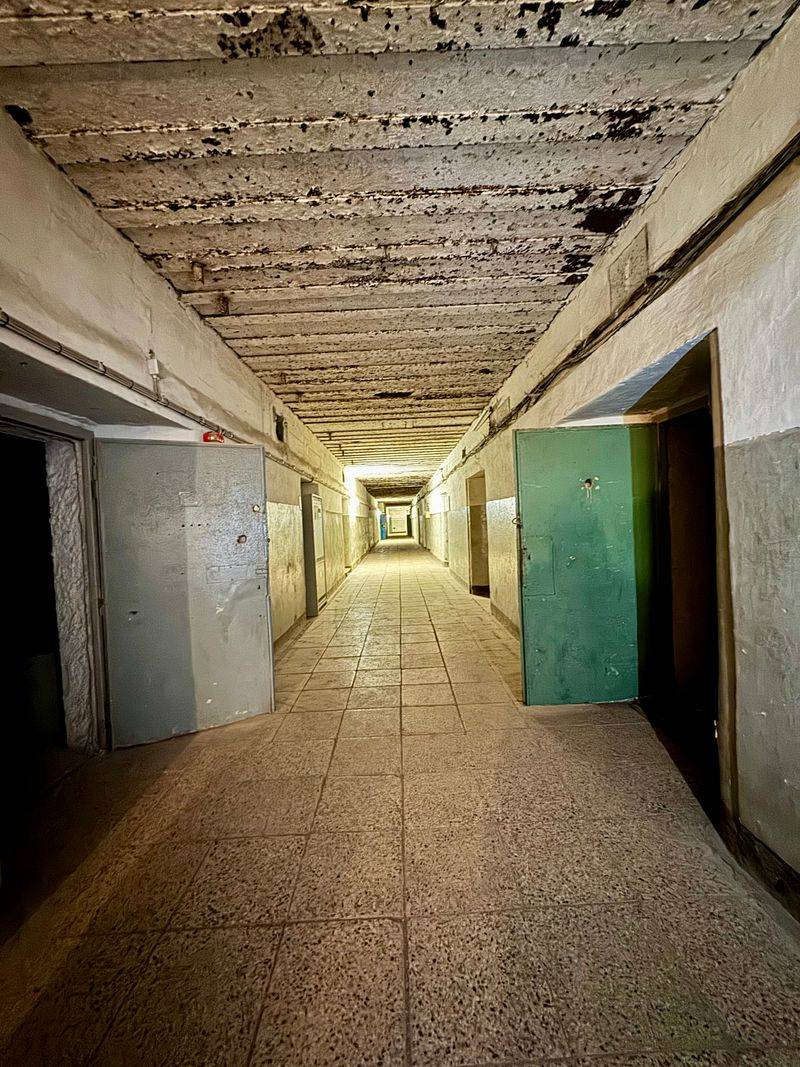
South of Berlin, Wünsdorf once pulsed as the Soviet high command’s German brain. Today, echoing gymnasiums and theaters hold dust motes and the smell of damp paper.
Stairwells curl past murals of parades and pioneers, pigments flaking like autumn leaves.
Guided tours lead through map rooms, printing houses, and apartments frozen in late-1980s décor. Names are still chalked on mail slots.
In courtyards, birch saplings colonize parade grounds, nature’s slow-marching infantry. After the 1994 withdrawal, the town’s economy recalibrated, blending bookshops and art studios with sealed-off blocks.
What lingers is scale: a parallel city built for command and conformity. For photographers, the textures are irresistible.
For visitors, the silence is the headline. You leave understanding how empires leave not just monuments, but maintenance schedules that outlive their purpose and then collapse all at once.
5. The Duga Radar (Ukraine)
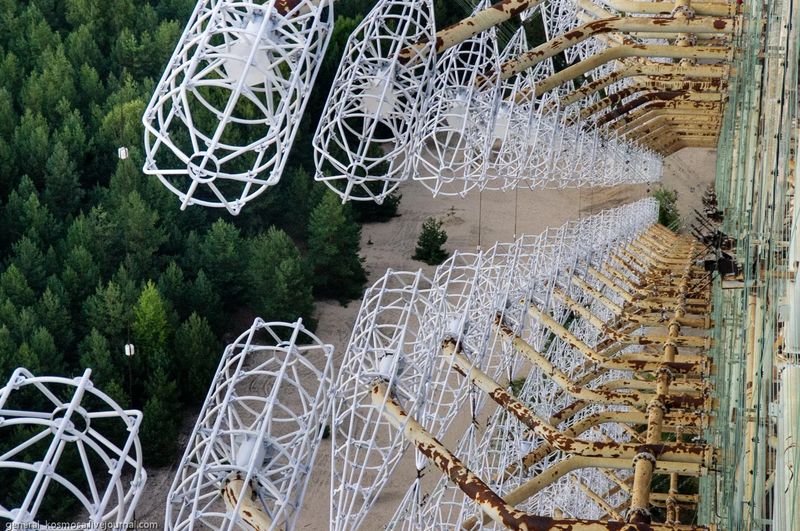
The Duga radar rises like an iron forest edge, a kilometer of repeating geometry stitched against the sky. Known as the Russian Woodpecker, it once thumped across shortwave bands worldwide, a metronome of anxiety.
Now it creaks in the wind above the Chernobyl Exclusion Zone, flaking paint and nesting birds replacing operators.
Guides point out climbing routes used by reckless urban explorers, but the message is clear: admire from safe ground. Radiation levels on marked paths are monitored, and Ukraine’s tourism authorities have emphasized controlled access.
Standing beneath it, the grid swallows perspective, reducing you to a footnote.
The structure’s purpose feels both simple and audacious: to sense missiles beyond the horizon. It never fully delivered, yet its silhouette endures, a steel seismograph for a threat that never materialized.
You leave with your neck sore and your vocabulary a word shorter for awe.
6. Cheyenne Mountain Complex (Colorado)
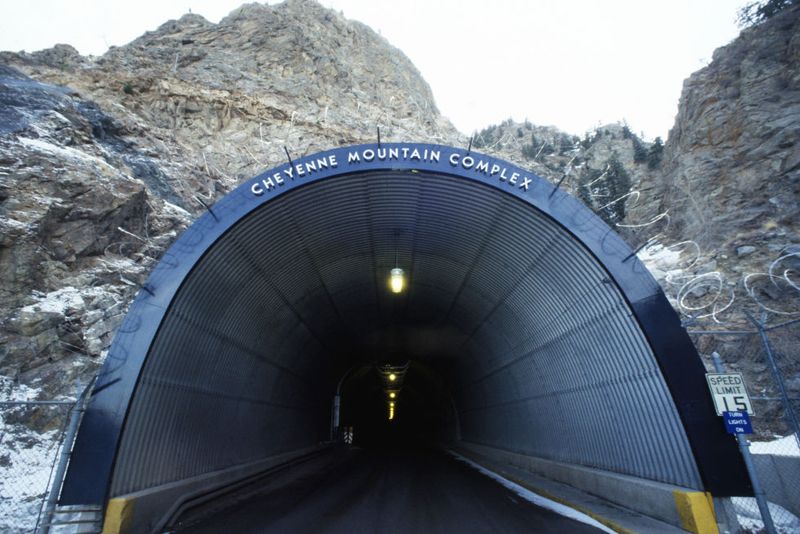
Cheyenne Mountain is less abandoned than re-scripted. Carved into granite, its shock-mounted buildings once centered North American air defense.
Today, portions remain active for continuity and training, modernized with fiber and flat screens where green phosphor once glowed.
You do not get public tours like a museum, but official photos show the enormous blast doors and cavernous tunnels. The cultural image persists thanks to movies, yet the reality is quieter, more procedural.
Redundancy still rules. The mountain is a filing cabinet for worst-case scenarios.
What changed is tempo. Threats diversified from singular salvos to cyber and domain-blurring hazards.
Inside, the bones of the Cold War remain: springs, shock absorbers, and steel that could ride out a nearby blast. Outside, trailheads and suburban streets remind you how close apocalypse planning always sat to everyday life.
7. Balaklava Submarine Base (Crimea)
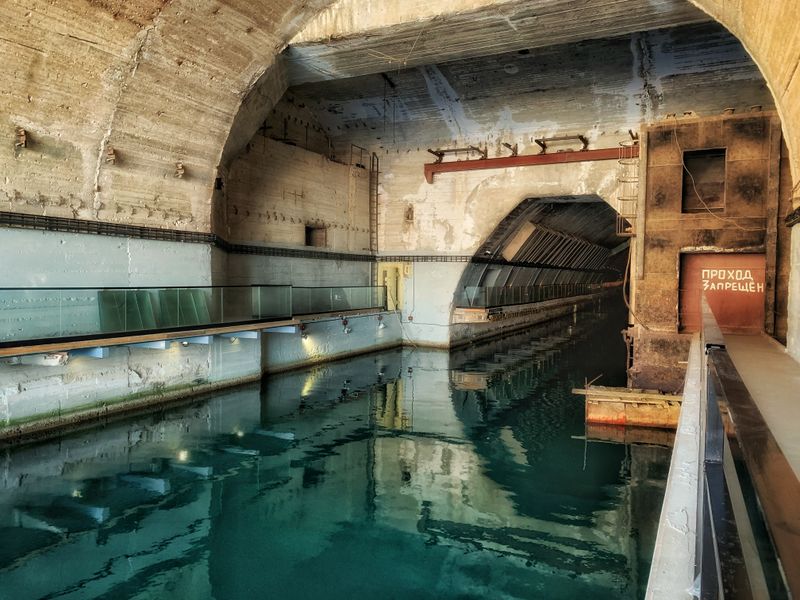
Balaklava’s submarine base hides inside a mountain, a crescent of water chiseled into bedrock. Boats once slipped in under camouflaged doors, disappearing into torchlit galleries.
Today, it is a museum, and footsteps replace diesel throb. Exhibits line the tunnels, from torpedoes to bunks, while the flooded canal reflects light like polished slate.
The engineering impresses: dry docks inside a mountain, blast-proof doors, and a nuclear-resilient ventilation maze. Guides point to chipped paint layers that chart decades of repainting and secrecy.
Visitors trace a loop through workshops and command rooms, emerging to the photogenic harbor.
As seas rise and politics shift, the base reads as both relic and reminder. Its permanence feels theatrical, but the function was dead serious.
You leave balancing marvel with unease, the cool air clinging like a memory you cannot quite file away.
8. Camp Century (Greenland)
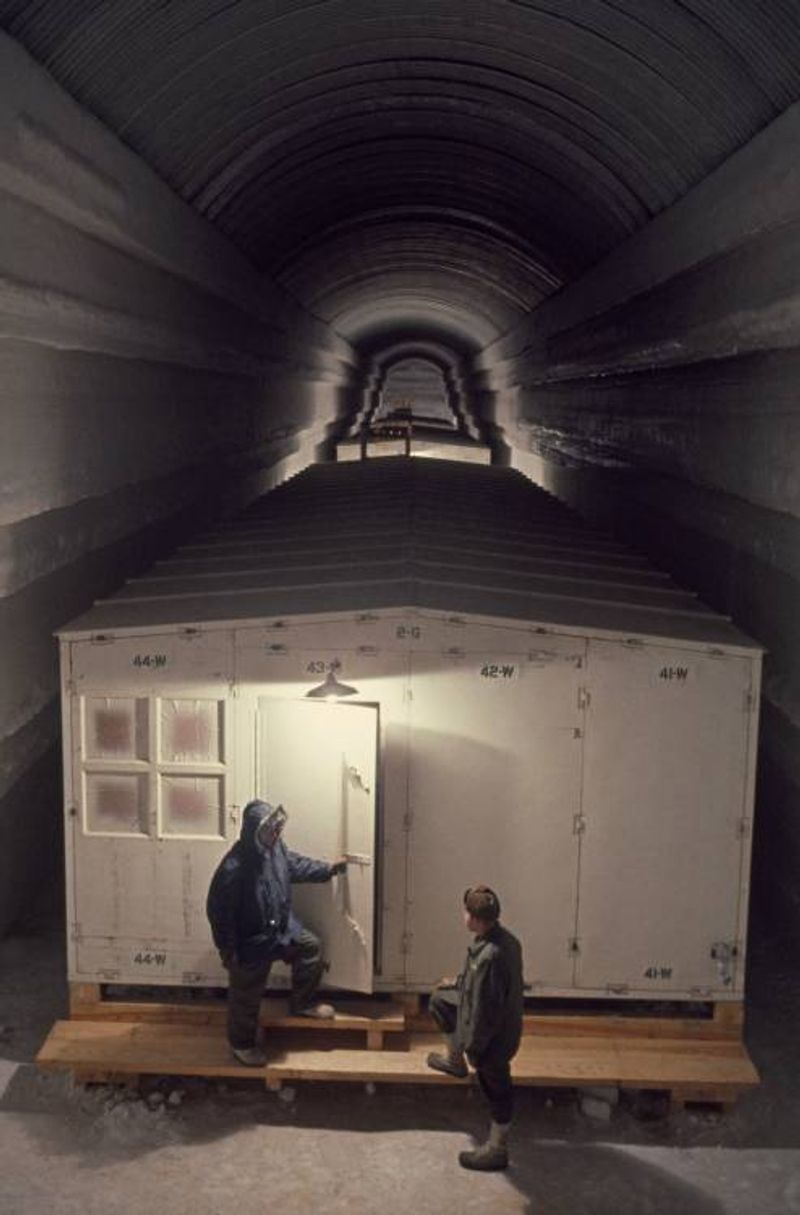
Camp Century began as science on the surface and strategy below it. In the 1960s, U.S. engineers carved wooden-roofed tunnels into Greenland’s ice, testing whether missiles could hide beneath snow.
The base was abandoned as shifting ice crushed corridors. Now it sleeps under meters of firn, entombed but not erased.
Climate change complicates the ending. Research suggests warming could eventually mobilize leftover diesel and debris, a slow-motion environmental question mark.
You cannot visit, but declassified films and photos reveal cafeterias, bunks, and a nuclear reactor humming under white silence.
What it looks like today is absence wrapped in possibility. Somewhere below, timbers groan and tunnels deform, preserved like insects in amber.
The project’s audacity and fragility feel modern, a parable about engineering against moving ground and assuming the future will stay politely still.
9. The Nevada Test Site (Nevada)
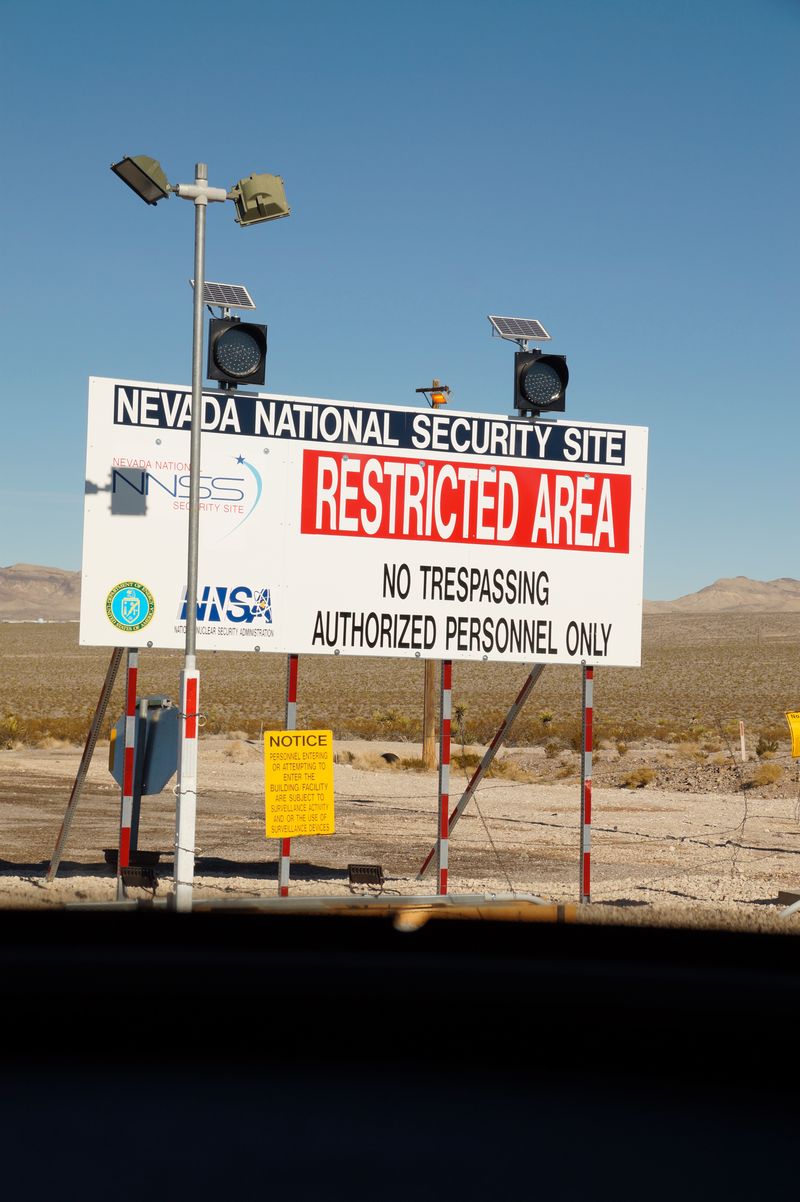
North of Las Vegas, the desert wears craters like a rash. The Nevada Test Site, now the Nevada National Security Site, absorbed hundreds of nuclear detonations.
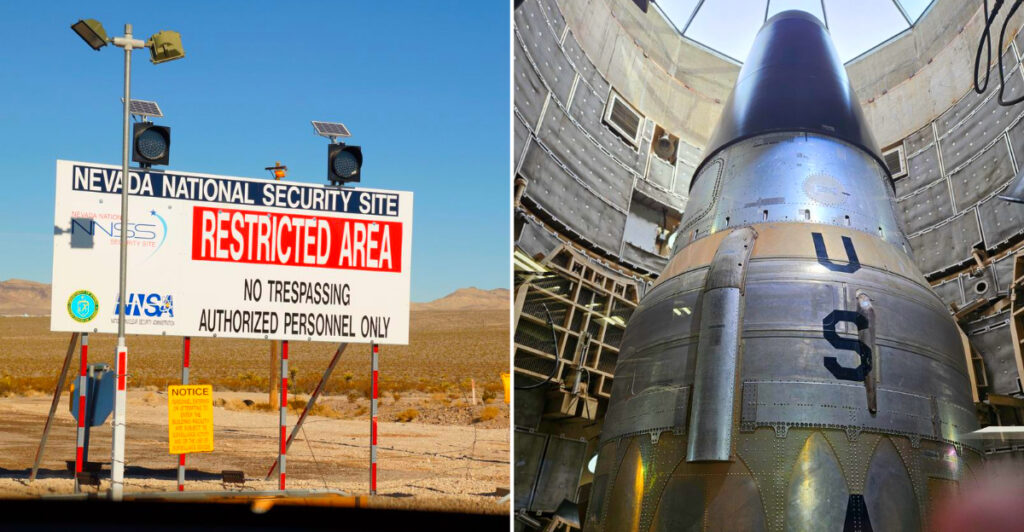
From the air, blast bowls stipple the flats. On the ground, fences and warning signs guard restricted zones.
The emptiness feels curated, a gallery of scars.
Public tours resume intermittently through official channels, with no cameras allowed. The Sedan Crater yawns vast, a reminder that one “safety” test displaced 12 million tons of earth.
Epidemiological studies still parse downwind exposure patterns, a sobering dataset writ across counties and lifetimes.
Standing at the boundary, you sense scale more than detail. It is a landscape of negative space and bureaucratic momentum.
The Cold War’s most violent rehearsals left permanent punctuation marks, and the desert’s quiet supplies all the commentary required.
10. Plokštinė Missile Base (Lithuania)
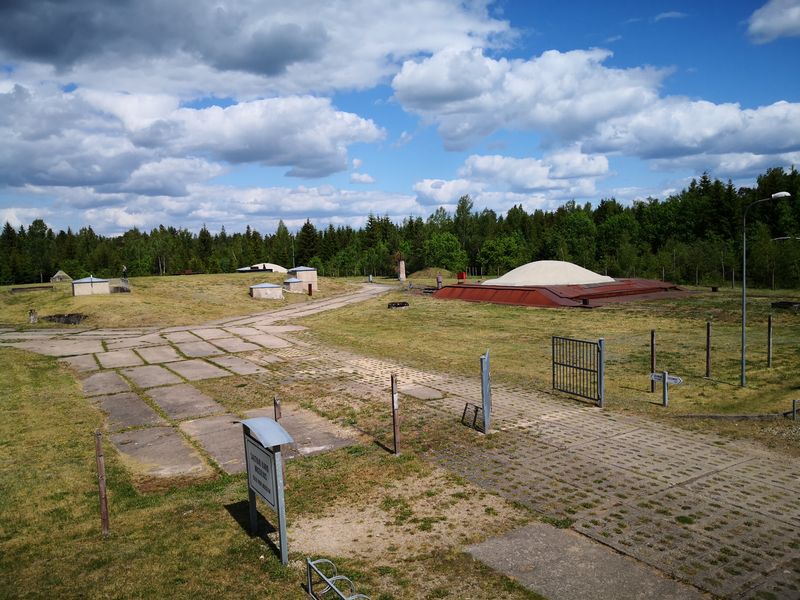
Deep in Žemaitija National Park, the Plokštinė site hides beneath pines. Four silos once aimed R-12 missiles at Western Europe.
Today, a thoughtful museum guides you through blast doors into chilled corridors, where condensation beads like sweat on concrete.
Exhibits balance hardware with context, including Baltic life under occupation. You circle a silo mouth and peer down a throat of rusted ribs, then surface to birdsong and peat-smelling air.
It is a jolt, that shift from subterranean dread to forest calm.
The curators resist spectacle, opting for clear labeling and survivor testimony. You leave with dates and distances that carry weight.
The site’s modest scale makes it legible, almost domestic, which sharpens the point: civilization’s deadliest tools were never far from places people hiked, picnicked, and fell in love.
11. Tempelhof Airport (Berlin)
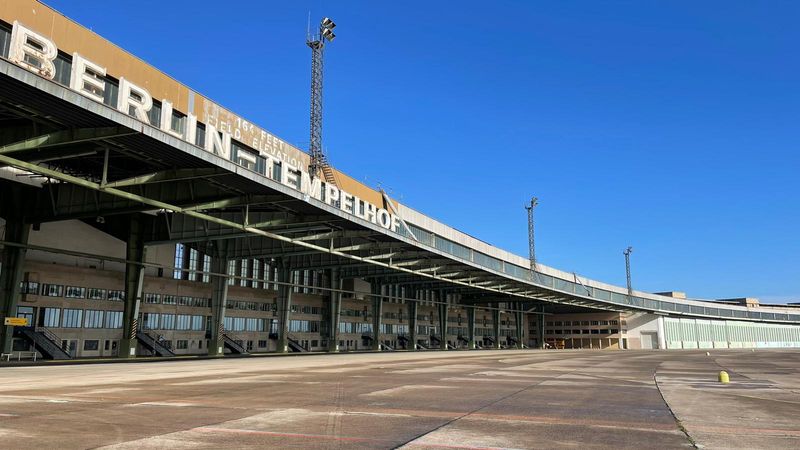
Tempelhof’s monumental terminal still curves like a stone horizon, but the runways belong to Berliners now. Cyclists race tailwinds, kite-skaters arc, and gardeners tend plots inside repurposed taxiways.
During the Cold War, this field symbolized lifelines, from the Airlift to garrison logistics.
Closed in 2008, it reopened as parkland and, for a time, emergency housing. Information panels thread history through recreation.
You can stand at the edge of an old approach light and watch a toddler chase soap bubbles. The juxtaposition is disarming and perfect.
Architects debate the terminal’s future, but the present is legible everyday joy. The airport that once moved cargo now moves neighborhoods.
You feel how infrastructure can change jobs without changing bones, and how relief can be measured in laughter that carries across concrete.
12. Runit Dome (Marshall Islands)
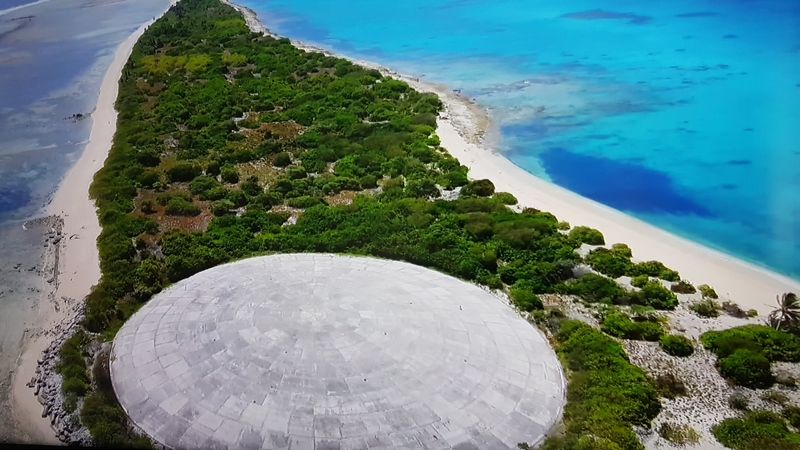
Runit Dome is a concrete lid on a radioactive past. Built to contain debris from U.S. nuclear tests, it squats just above sea level, weathered and webbed with hairline cracks.
The setting is stunning, which makes the contrast sharper: turquoise lagoon, palm silhouettes, and a gray geometry of worry.
Local leaders and scientists track storm surge and groundwater, alert to seep risks as seas rise. The atoll’s broader cleanup story threads through health studies and compensation claims, a ledger still open.
You do not stroll here for selfies. You arrive, if at all, with a permit and a purpose.
What it looks like today is a compromise made visible. Concrete tries to hold history still while climate nudges relentlessly.
The dome’s humility is deceptive. It is a blunt monument to experiments whose half-lives outlast all our planning horizons.
13. Fort Ord (California)
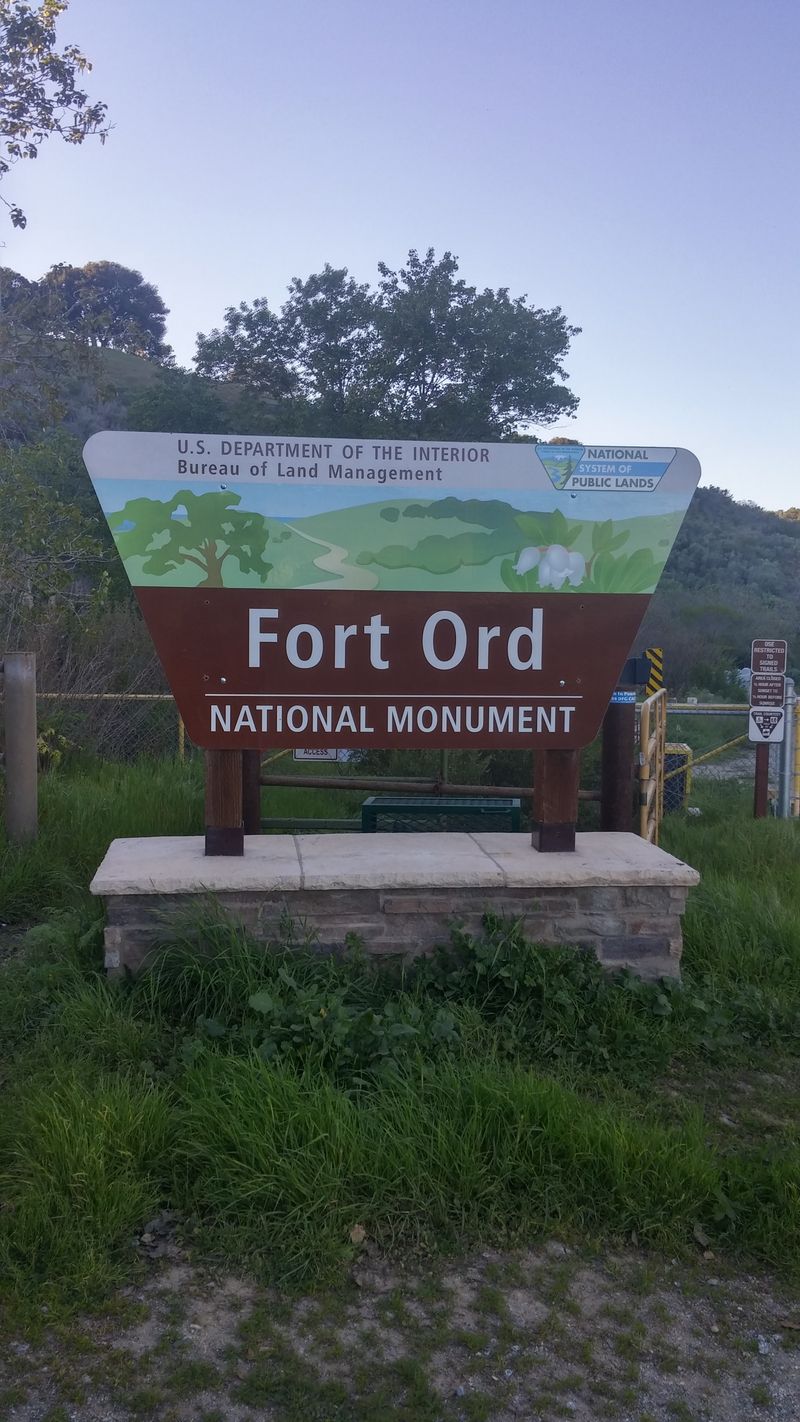
Fort Ord trained generations of soldiers, then fell quiet in the 1990s. Drive the Monterey coastline and you will glimpse boarded barracks, sun-bleached paint peeling in strips.
Nearby, trails wind through dunes and coast live oak, part of a national monument stitched from former ranges.
Redevelopment created housing and a university campus, but pockets remain in suspended time. Photographers love the textures; planners measure remediation in spreadsheets and soil cores.
The base’s Superfund chapters are not romantic, but they are necessary, and cleanup unlocked thousands of acres for public use.
When you bike the Fort Ord trails, the wind carries ocean salt and a trace of solvent history. The lesson is incrementalism: institutions close, ecosystems rebound, and buildings wait for budgets.
In the meantime, the barracks make their slow exit, window by window, bird by bird.
14. The Teufelsberg Listening Station (Germany)
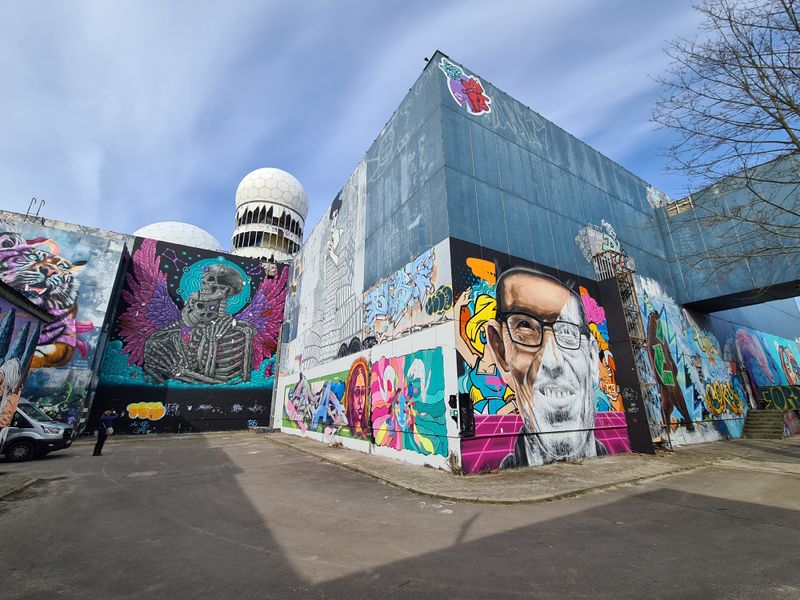
Teufelsberg’s domes loom like torn planets over Berlin’s forests. Built on a hill of war rubble, the station once intercepted signals that skipped like stones across the atmosphere.
Today, it is a canvas and a lookout, with street art layered inches thick and city views rolling to the horizon.
Tours wind past gutted equipment rooms and stairwells stitched with murals. The acoustics in the main dome amplify whispers into cathedral echoes, a party trick with melancholy aftertaste.
Documentation credits U.S. and allied operators, who eavesdropped on Warsaw Pact chatter until fiber optics rewired espionage.
Now, artists, caretakers, and entrepreneurs keep the site in a liminal state. It is neither museum nor ruin, exactly.
It is a venue for memory that costs a few euros at the gate, payable in graffiti and steps.
15. RAF Upper Heyford (United Kingdom)
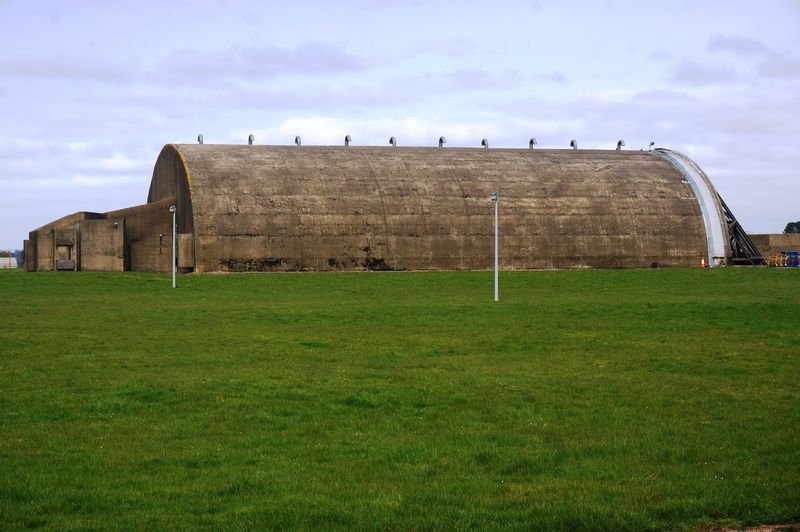
Upper Heyford sprawls across Oxfordshire like a paused storyboard. Hardened aircraft shelters squat along taxiways, their blast doors open to swallows and echoes.
During the Cold War, F-111s staged here, practicing low-level runs that stitched NATO’s map together.
Portions of the base now host businesses and filming, while heritage groups catalog signage and paint schemes. Walk near the control tower and you can still read stencils warning about arming devices.
The architecture is brutally specific: thickness measured in worry, geometry optimized for seconds.
What remains is an airfield shaped by absence. The jets left.
The concrete stayed. You understand deterrence as logistics more than heroics, an empire of checklists that outlasted its pilots and then finally stopped ticking.
16. Johnston Atoll (Pacific Ocean)
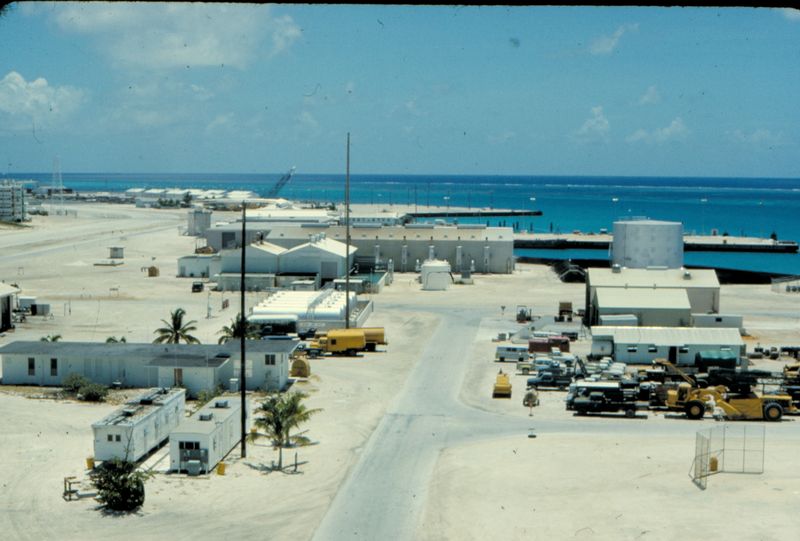
Johnston Atoll is a dot of runway and reef far from anywhere. The U.S. used it for nuclear tests and later chemical weapons destruction, then walked away.
Buildings molder, vehicles rust, and seabirds reclaim rooftops as guano turns everything chalky white.
Access is tightly controlled for safety and wildlife, and restoration crews appear in cycles. Satellite images show the clean geometry of an airstrip surrounded by a painter’s palette of blues, the kind that makes ruin look like a postcard.
It is not. It is residue.
What you feel here, even secondhand, is scale failure. Grand strategies compress to shipping containers and crumpled corrugated roofs.
The reef keeps doing reef things, beautifully indifferent, while concrete tells a story in salt and heat.
17. The Bunker-42 (Moscow)
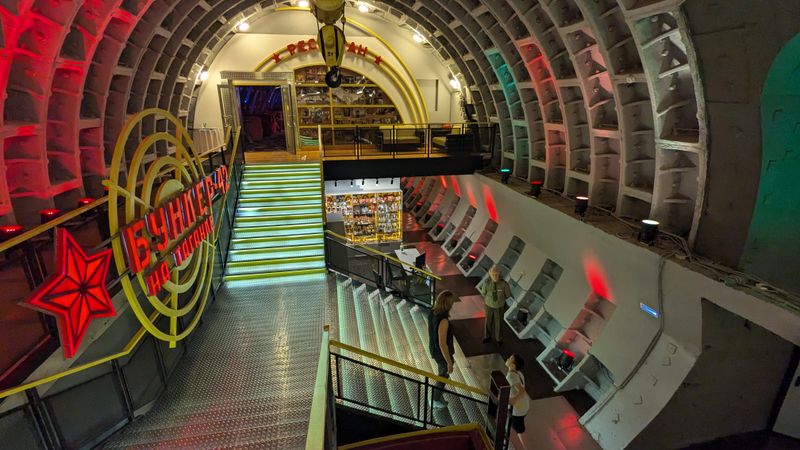
Forty-two meters under Moscow streets, Bunker-42 folds history into a tourist route. Corridors narrow to shoulder width, then widen into situation rooms dressed in olive paint and red phones.
Guides stage drills. Steel doors slide with a seriousness that outlives theater.
The bunker once promised continuity for leadership under nuclear fire. Now, it sells tickets and themed dinners, an odd but effective form of public history.
You run your hand along ribbed walls and feel machine rhythms under the décor.
As museums go, it leans immersive. As ruins go, it is curated.
That duality mirrors the Cold War itself: secrecy polished into narrative, alarms transposed into ambient soundtrack you can turn down when you step back into daylight.
18. Mount Yamantau Complex (Russia)
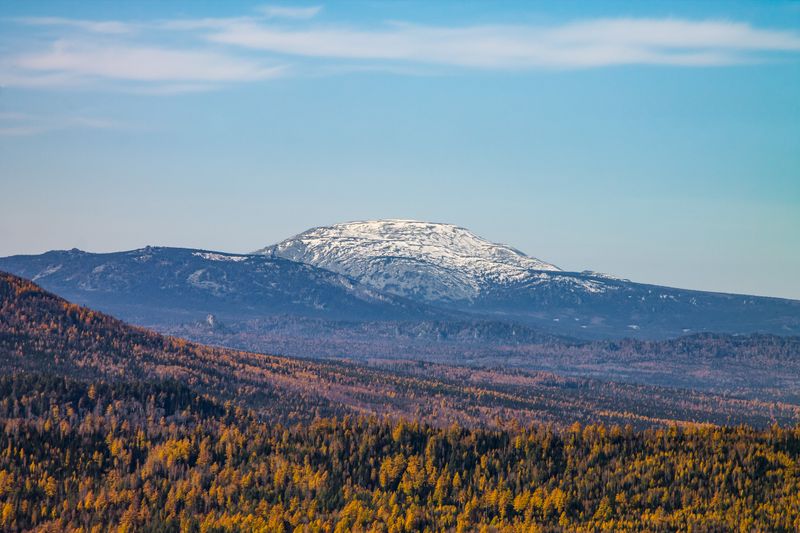
Mount Yamantau is less a place you visit than a rumor you circle with satellite images. Reports describe a vast underground complex, roads curving into mountainsides, and ventilation stacks punctuating forests.
Official explanations vary. The mystery is part of the architecture.
On the ground, what you might see are fences, checkpoints, and ordinary-looking buildings that feel too tidy. From orbit, analysts annotate rail spurs and spoil piles, a hobbyist cartography of secrecy.
Definitive facts are scarce. That scarcity keeps the story alive.
As a Cold War relic that may not be relic at all, Yamantau embodies continuity of caution. The lesson is humility: not every map gets filled in, and not every concrete wall wants an audience.
Sometimes the absence of photographs is the photograph.
19. Stanley R. Mickelsen Safeguard Complex (North Dakota)
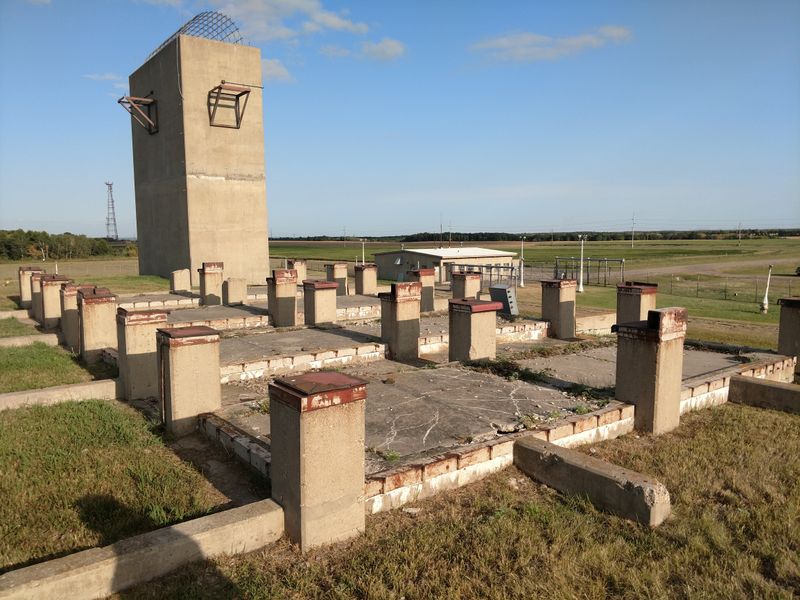
On the prairie, a concrete pyramid cuts the horizon with improbable geometry. This was the Safeguard Complex, a brief American experiment in missile defense that switched on and then off within a year.
Today, the building stands like a modernist tomb, its faces pocked with sensor ports.
Wind combs the grass. The parking lots host more weeds than cars.
Drone videos glide along edges that still look sharp enough to slice clouds. Inside, ownership has shifted hands, and safety concerns limit access.
From the road, it feels both monumental and sheepish.
As a symbol, it is precision abandoned by policy. Budgets moved.
Threat models shifted. Concrete stayed.
If you want a postcard of strategic whiplash, this is it, framed by wheat and sky.
20. Sanzhi UFO Houses (Taiwan)
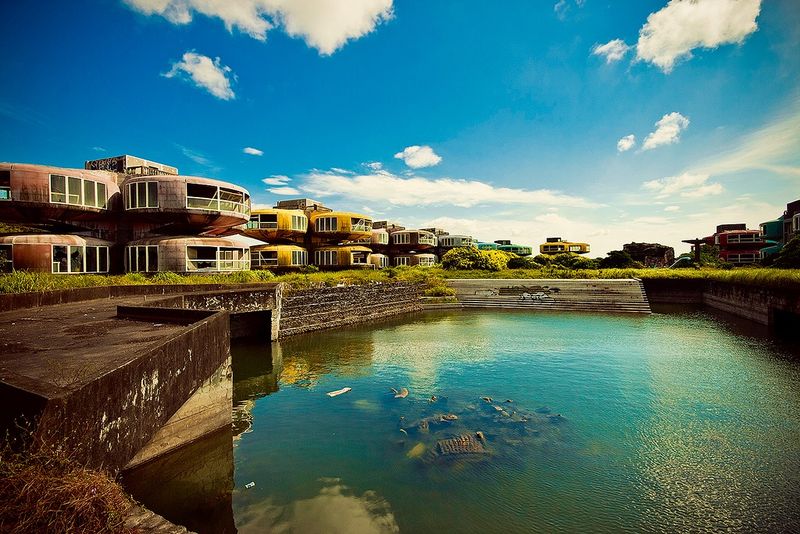
Sanzhi’s saucer pods once promised a space-age seaside resort. Construction stalled, rumors flourished, and the complex decayed into a photogenic ruin, its fiberglass shells streaked like old bathtubs.
Though most were demolished by 2010, the images circulate endlessly, a suburban moon base that never launched.
They were not military, but they fit the era’s anxieties and aspirations. Tourists came after the fact, performing exploration among rebar and puddles.
Safety barriers said keep out. Curiosity says otherwise.
Then excavators finished the conversation.
What remains today are copies of copies: archived photos, memory, and new development on a cleaned slate. The takeaway sits at the edge of Cold War culture, where design rehearsed futures as earnestly as strategy did.
Sometimes the ruins that move you most are the ones already gone.
21. The Semipalatinsk Test Site (Kazakhstan)
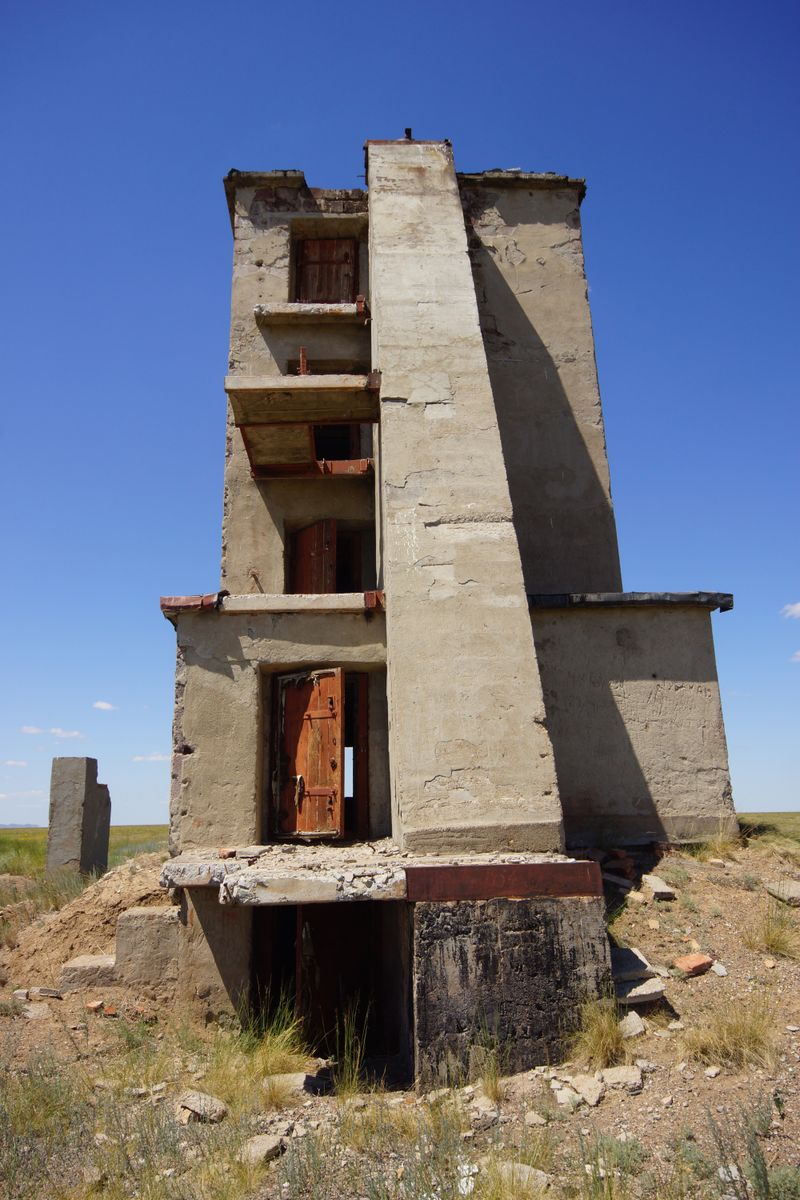
On Kazakhstan’s steppe, the Polygon holds the sediments of a nuclear century. The Soviet Union tested hundreds of devices here, and the land carries that grammar still.
Concrete bunkers slump. Instrument towers rust.
Radiation-affected zones remain under monitoring, with controlled access and medical studies that span generations.
Researchers estimate hundreds of thousands were exposed to varying degrees during the test years, a statistic that reframes every empty horizon. Cleanup and containment continue, but the site resists tidy endings.
It feels honest that way, like a ledger with permanent red ink.
Visitors with permits report silence and wind. The scale dwarfs cameras.
Your eye hunts for a single story, but the place insists on plural: physics, policy, and ordinary lives braided into grass that hisses at your ankles.
22. RAF Bentwaters (United Kingdom)
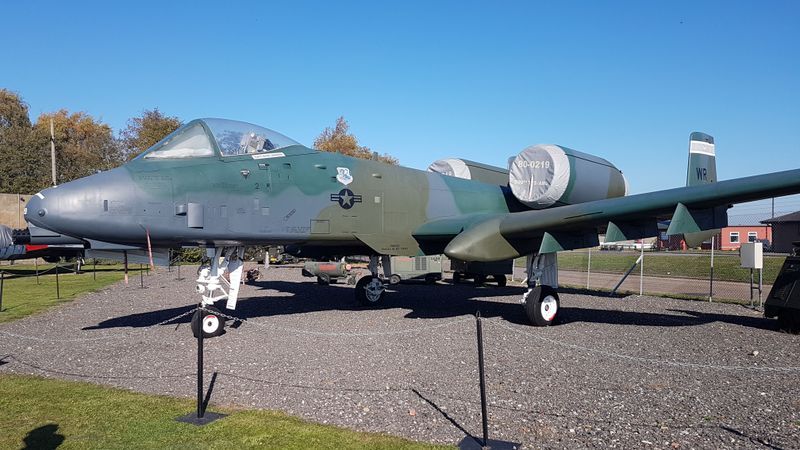
Bentwaters sits in Suffolk, its runways softened by moss and memory. During the Cold War, A-10s called it home, and a 1980 lights-in-the-forest incident added mythology to the flight line.
Today, parts of the base host industrial units and a small museum, while empty shelters brood along treelines.
Rendlesham Forest trails nearby feed the legend with wayfinding signs and a UFO sculpture. Whether you entertain the story or not, the base itself rewards attention to detail: chalked numbers on doors, sun-faded hazard diamonds, and rain pooling in perfect circles.
It is an airfield between gigs. Community, commerce, and curiosity keep it in circulation.
You leave with mud on your boots and a sense that stories stick to concrete as stubbornly as lichen.
23. The Atlas F Missile Silos (Various U.S. States)
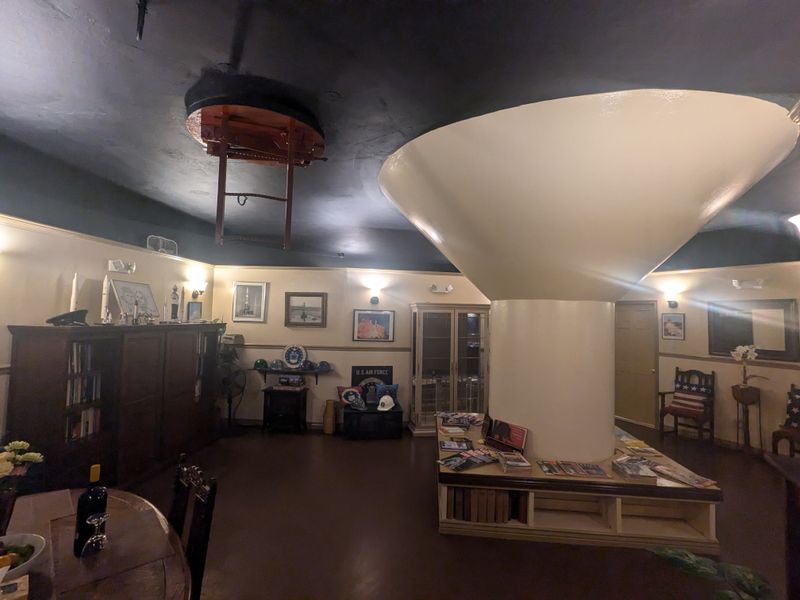
Atlas F silos dot the plains beneath layers of legal filings and prairie grass. Many were auctioned off, some turned into eccentric homes, others surrendered to groundwater and owls.
The blast doors look like bank vaults that grew up on a farm.
Realtors showcase stainless kitchens in launch control rooms, but humidity and radon do not care about granite countertops. The shafts are deep, echoing promises made to physics and fear.
On clear nights, the galaxy feels very close to these holes in the ground.
From the road, you see mounds and vents. From the inside, time collapses into dripping and dust.
The transformation from weapon to curiosity is incomplete, which may be the point. These places are too heavy to become quaint.
24. Bechevinka Naval Base (Russia)
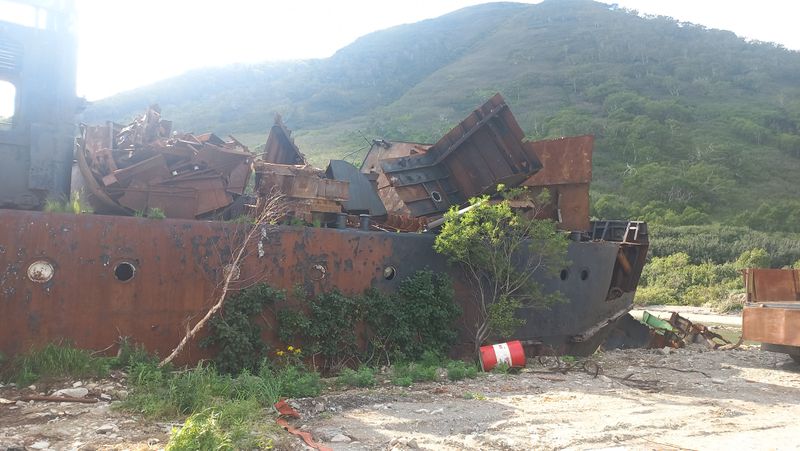
On Kamchatka’s fjords, Bechevinka lies quiet except for gulls and wind. The Soviet Navy left in the 1990s, and the settlement froze mid-breath: bunkhouses tilt, piers rot, and windows frame fog like paintings.
Volcanic peaks watch from a distance, indifferent and perfect.
Travelers arrive by boat, stepping onto planks gone soft at the edges. Inside, wallpaper curls, and calendars refuse to flip past their last months.
It feels like a stage set struck in a hurry, the props too heavy to carry out.
The site is photogenic and melancholy. It is also fragile.
Every bootprint edits the archive a little more. If you go, tread lightly and let the silence do the exposition.
25. Čebrať Tunnel Fallout Shelter (Slovakia)
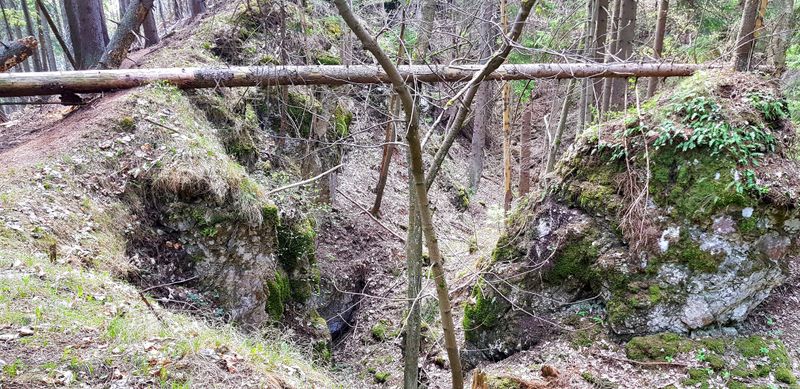
In Central Europe, civil defense ducked into mountains. The Čebrať tunnel area, once eyed for sheltering, reads like many such sites: damp concrete, rusted doors, and signage that now guides curiosity more than crowds.
These places were built for minutes that never came, then left to mold and memory.
You walk with a flashlight beam and an ear tuned to dripping. The engineering is practical and unromantic: overpressure valves, simple bunks, and storage that smells like old metal.
Outside, forests get on with spring, unbothered by contingency plans.
What you carry out is a sense of scale. National survival strategies resolve to rooms where people would have waited, counted cans, and hoped the math held.
It is intimate contingency, and that intimacy lingers.
26. Blue Beach Tunnels, Valletta (Malta)
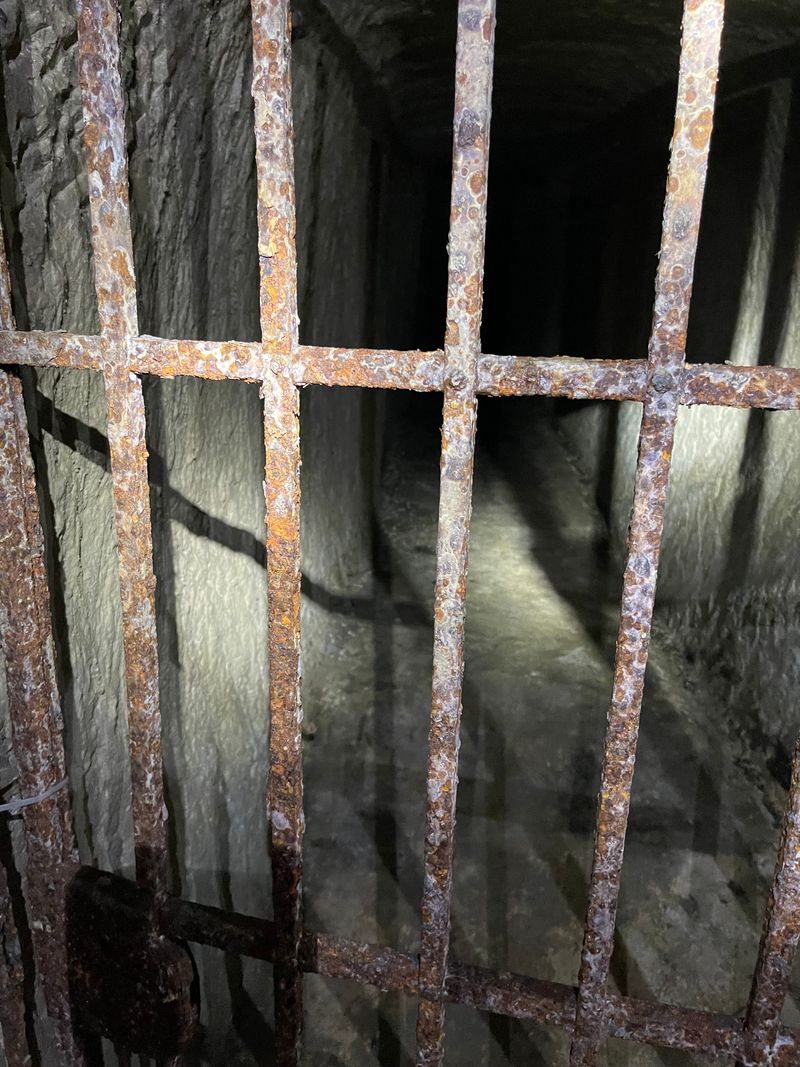
Malta’s limestone remembers every occupying fleet. Along Blue Beach and elsewhere, Cold War years layered onto older defenses: tunnels cut for storage and readiness, doors stenciled, rails speckled with salt.
Today, entrances gape like mouths along honey-colored cliffs, the interiors cool as cellars.
Fishermen stash gear. Urbexers chase echoes.
The infrastructure is modest, but its continuity with centuries of fortification is the point. Islands specialize in preparedness.
You can read policy in the rock face, chisel mark by chisel mark.
As the Mediterranean flashes blue outside, the tunnels hold shadow and dust. Stand between them and you stand between eras.
It is less museum, more margin note that survived the edit.
27. Chersky Radar Remnants (Sakha, Russia)
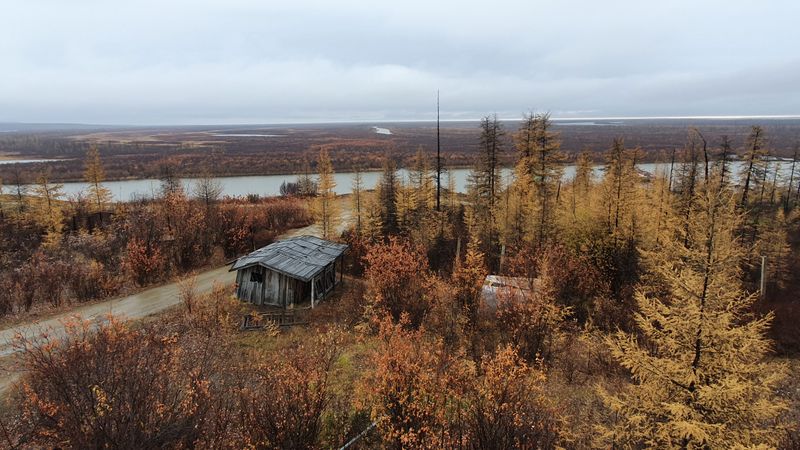
Out on the tundra near Chersky, skeletal antenna frames lean like broken metronomes. The Arctic eats infrastructure fast: permafrost lifts pilings, wind harvests roofs, and rust writes its own script across metal.
This is long-haul abandonment, measured in winters.
Researchers and reindeer herders pass through, but few linger. The buildings offer honest cross-sections of logistics at latitude: diesel barrels, spares in crates, and doorways snow finds regardless.
It is gray, compelling, and deeply quiet.
As Cold War leftovers go, this is the opposite of theatrical. It is function revealed by failure.
You look, you nod, and you let the horizon take your attention back.
Share this story