You can almost hear the rattle of a metal ice tray and the rustle of a folded newspaper by the sink. The 1950s ran on clever, neighbor-tested tricks that stretched a dollar and saved Saturdays.
Many of those tricks still beat modern shortcuts, and a few have the data to prove it. Ready to borrow what worked then and make it work even better now?
1. Save Bacon Grease
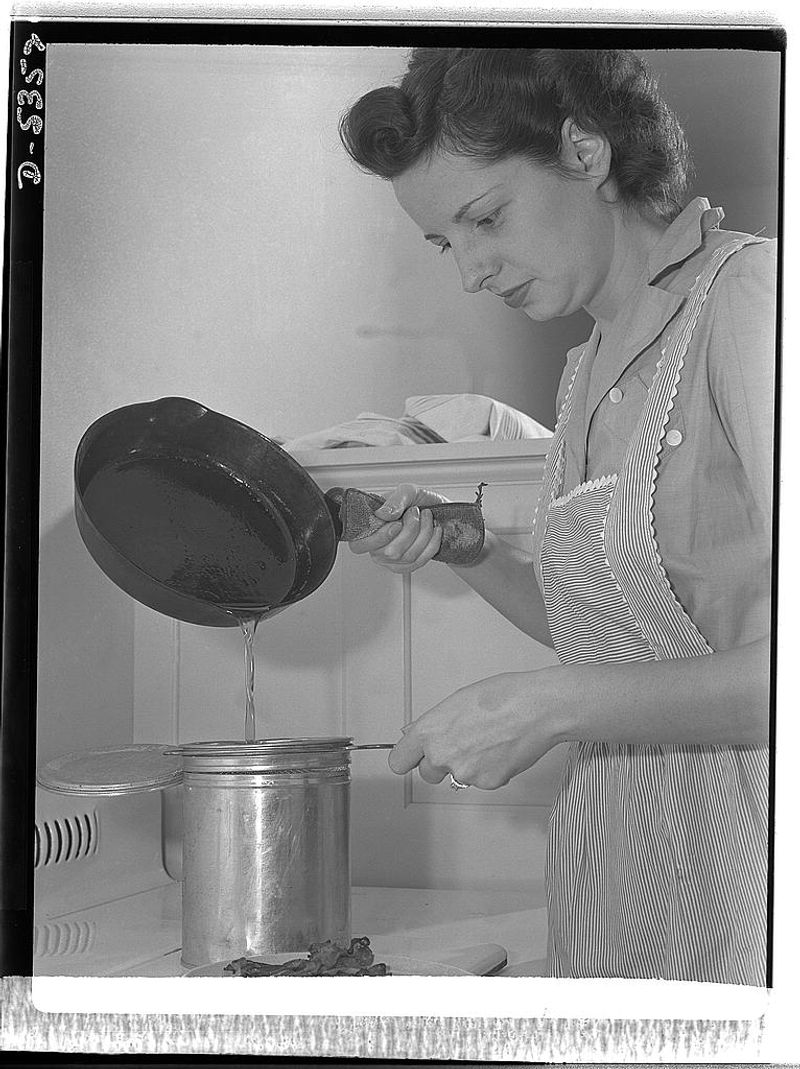
When breakfast ends, do not toss that liquid gold. Strain bacon grease through a fine mesh or coffee filter into a clean jar or old coffee tin, then refrigerate.
A spoonful seasons green beans, cornbread, and fried potatoes with a savory depth bottled oils cannot imitate.
In the 1950s, nothing went to waste, and flavor was currency. Bacon fat carries smoke and salt, building browning and crisp edges.
Modern data shows reducing food waste could cut global emissions substantially, and keeping drippings is one tiny, delicious step. Use it like butter: melt a teaspoon to sauté onions, brush it on cast iron cornbread, or whisk it into warm vinaigrette.
Safety counts. Strain out bits to prevent rancidity, label the jar, and keep it chilled.
For a Saturday breakfast throwback, fry eggs in a dab. The edges lace and the yolks glow.
2. Line-Dry Laundry
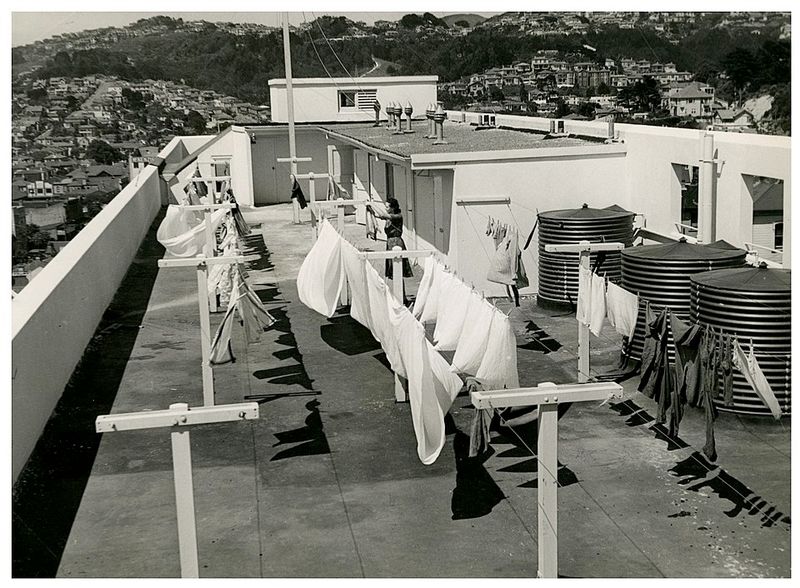
String a line, clip your shirts, and let sunlight do what a dryer imitates. Sheets sway, pick up that crisp outdoor scent, and dry for free.
In the fifties, this was a neighborhood soundtrack: flapping cotton, squeaking pulleys, the quiet satisfaction of saving a quarter.
Today it still pays. The U.S.
Department of Energy estimates dryers consume a significant slice of household electricity, so a clothesline trims bills and carbon. UV rays naturally brighten whites and help reduce odor-causing bacteria.
Shake garments before pinning to limit wrinkles, hang shirts by hems to keep shoulders smooth, and collect everything before dusk to dodge dampness.
A folding rack indoors works on rainy days. Use wooden pins, wipe the line occasionally, and keep darks out of direct sun to prevent fading.
Your laundry smells like weather, not perfume, and towels dry with satisfying heft.
3. Use Lemon to Remove Stains
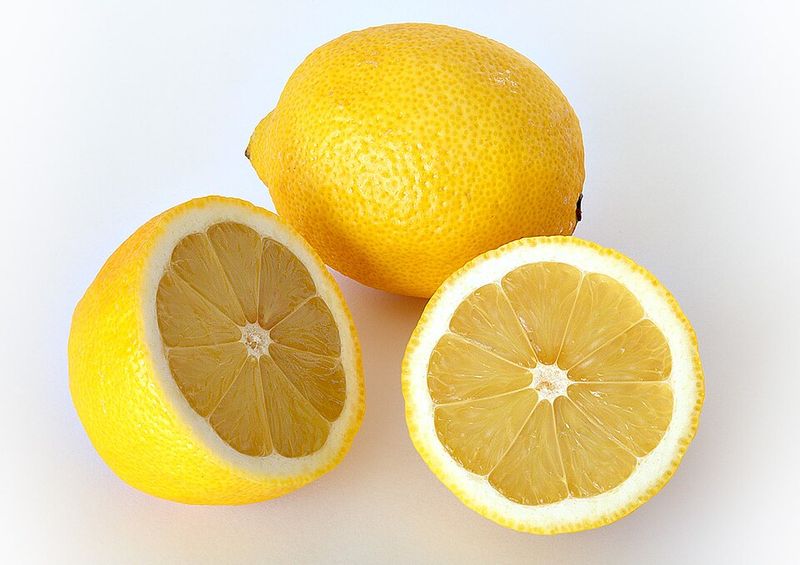
Slice a lemon, squeeze the juice, and you have a bright, natural bleach for wood boards and light fabrics. Rub the cut side across a stained cutting board with a pinch of salt, let it sit, then rinse for a clean, citrusy reset.
On fabric, dab lemon on a spot, lay it in sunlight, and watch the stain fade.
The magic is citric acid plus UV. Together they break down pigments and oils without the harsh bite of chlorine.
It is frugal, fast, and the kitchen smells like a summer porch. Test on seams first, because lemon can lighten dyes.
For copper pans, lemon mixed with coarse salt scours tarnish beautifully. Rinse thoroughly and dry to prevent water spots.
Keep a few lemons in a bowl near the sink, and you will reach for them as often as soap. That zesty squeak under your fingers tells you it worked.
4. Iron Pillowcases and Sheets
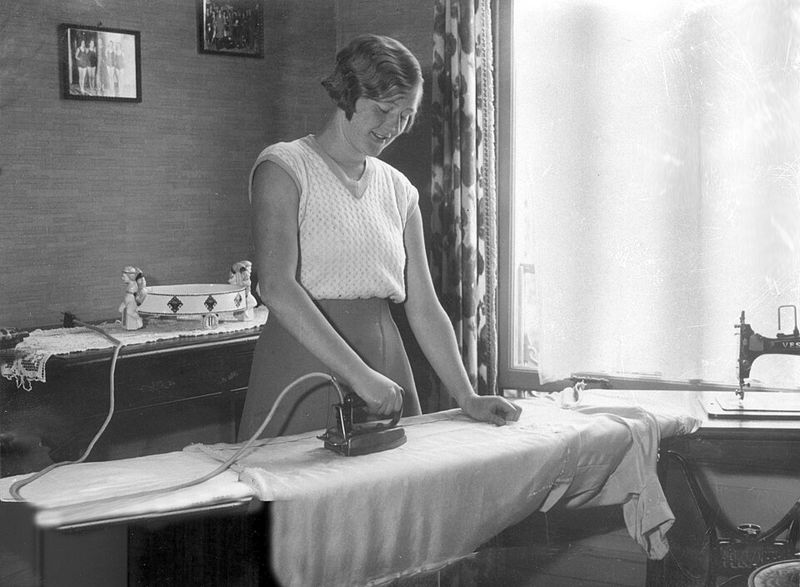
Run a warm iron over pillowcases and the first fold of your top sheet, and bedtime suddenly feels dignified. In 1956, that extra pass was part of Saturday chores, turning a simple bedroom into something close to guest-ready.
You are not doing the whole duvet, just the places your skin notices.
Steam plus pressure smooths fibers and seals in that fresh-laundered scent. Dermatologists note clean, dry bedding reduces irritants that bother sensitive skin.
Spritz with a little distilled water, press in long strokes, and stack while still warm to keep that crease. Ten minutes buys a hotel-level finish.
Set the iron to cotton or linen, mind the cord, and never park it face-down. If you hate ironing, try just the pillowcases.
Slide into bed later and you will understand why this tiny ritual stuck around: cool, taut fabric that sighs under your cheek.
5. Baking Soda for Almost Everything
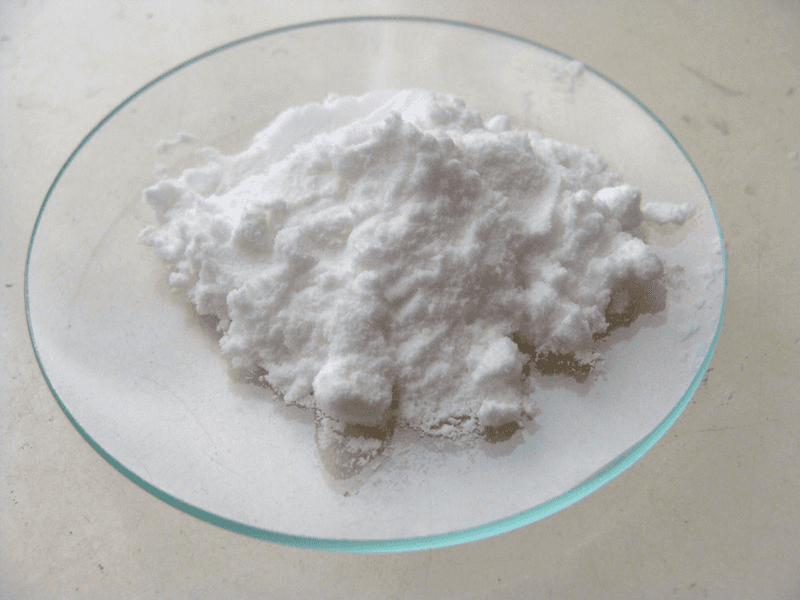
Open a familiar orange box and you have a cleaner, deodorizer, and laundry helper that would make any 1955 homemaker nod. Sprinkle it in the fridge to trap odors, then shake some over a damp sponge to lift tea stains from mugs without scratching.
A paste softens baked-on casserole grime, and a scoop in the wash brightens dingy T-shirts.
Its chemistry is simple, which is why it still wins. Sodium bicarbonate neutralizes acids, gently abrades surfaces, and deodorizes by absorbing volatile compounds.
Consumer surveys show Americans buy hundreds of millions of pounds yearly, and for good reason: it is cheap and non-toxic. Keep one box for cleaning, another open in the refrigerator, and a jar near the washing machine.
You will spend pennies and skip harsh fumes.
Bonus move: shake it over a carpet, wait fifteen minutes, then vacuum. Pet smells vanish, and fibers look refreshed.
6. Vinegar for Streak-Free Windows
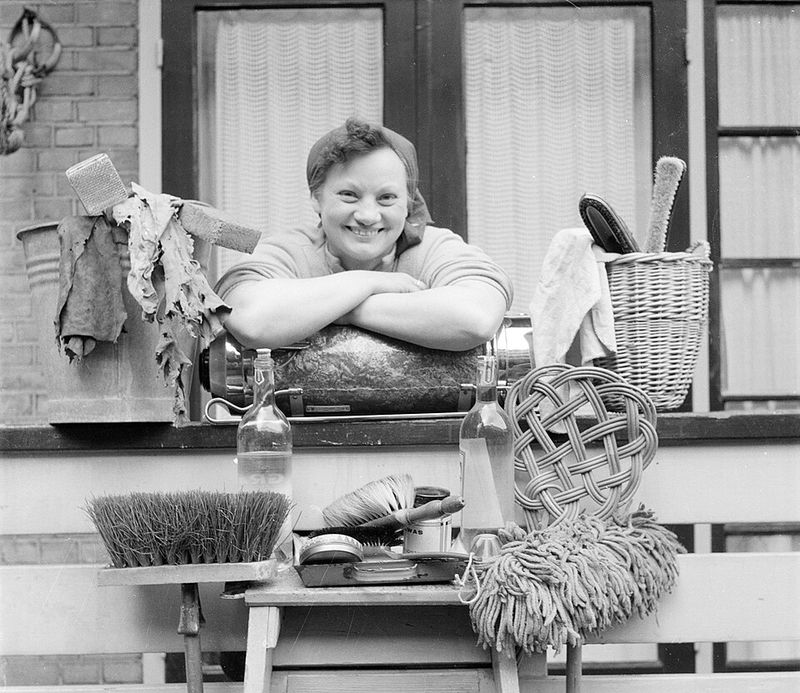
Mix white vinegar with warm water, wad up yesterday’s newspaper, and you have a glass routine that outperforms pricey sprays. The ink and paper provide a gentle polish, while the acetic acid cuts through mineral haze and greasy fingerprints.
Your mirror looks crisp, and the kitchen window frames the sky like new.
It is not just folklore. Studies show vinegar removes common mineral deposits and dissolves soap scum because its low pH breaks bonds that cloud glass.
You avoid synthetic fragrances and plastic bottles, and you spend a fraction per ounce. In the fifties, this was normal housekeeping, not a hack.
Mix one part vinegar to three parts water in a reused jar, spray lightly, then wipe in overlapping passes. Finish with vertical strokes inside and horizontal outside so you can spot streaks fast.
The result is museum-clear glass without the chemical smell.
7. Keep a Button Tin
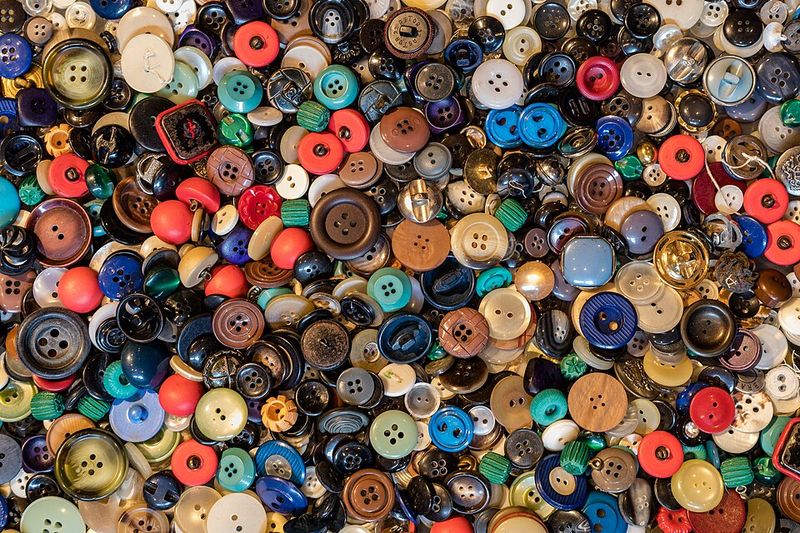
Every jacket that lost a button was not a crisis in 1952, because there was a tin full of spares. Start your own with buttons clipped from worn-out clothes, hotel sewing kits, and the extras that come on new garments.
Add a few needles, neutral thread, tiny scissors, and a thimble, and you are ready for emergencies.
Fast fashion churns, but a five-minute repair saves a shirt from donation and keeps cash in your pocket. The EPA reports millions of tons of textiles head to landfills yearly, so mending is not quaint, it is impact.
Sort buttons by color in paper envelopes, tape one to each garment tag for easy matching, and store the tin near the laundry.
Practice the cross-stitch method: anchor, pass through holes in an X, wrap the shank, knot neatly. Your coat survives winter, and your morning commute continues undelayed.
8. Polish Silver with Baking Soda and Foil
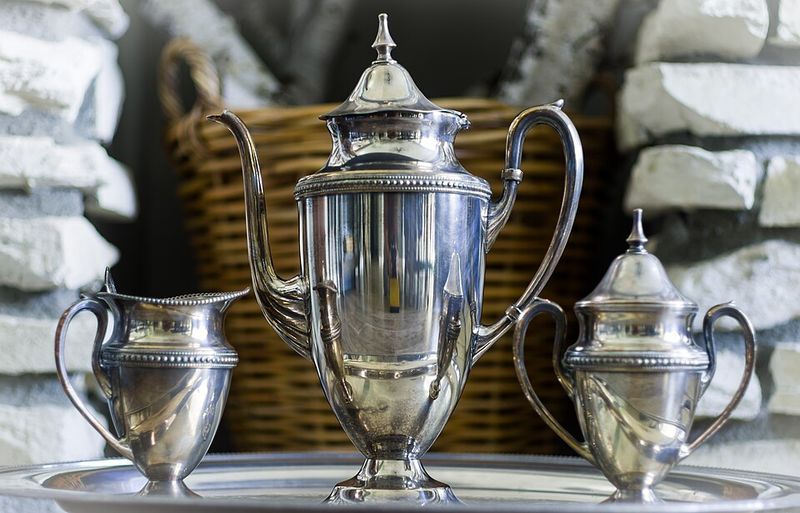
Line a pan with shiny foil, sprinkle in baking soda, add boiling water, and slip in tarnished forks. In moments, the dark haze lifts like a magic trick from a school science fair.
What you are seeing is a gentle redox reaction where sulfur migrates to the aluminum, sparing your heirlooms.
This trick spread in mid-century magazines because it works without harsh scrubbing. It is faster than paste polish and kinder to delicate patterns.
Use tongs, rinse in cool water, and dry with a soft cloth to prevent spots. For heavy tarnish, repeat with fresh water and soda.
Do not use on pieces with glued components or pearls. For everything else, it is a lifesaver before holidays.
Lay out the bright flatware and watch the table glow. Your grandmother’s sugar spoon looks new, and you did not inhale fumes to get there.
9. Cool a Pie on the Windowsill
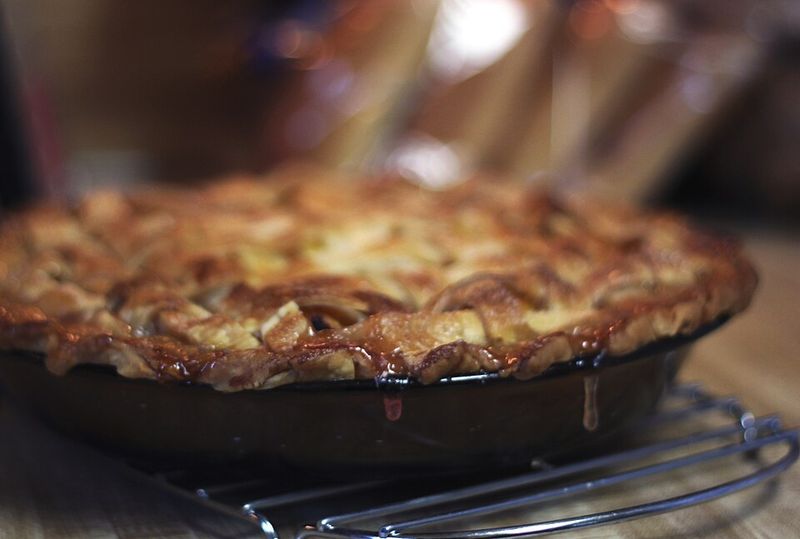
Set a hot pie by an open window and let moving air pull heat from the crust and filling. In homes without air conditioning, this was the quickest way to stop carryover cooking and keep crusts flaky.
The breeze firms the lattice, and the kitchen smells like fruit and butter for hours.
Airflow matters. A wire rack lifts the pan so convection can do its job, and cooler outside air accelerates the set.
Shield with a mesh cover to keep adventurous insects out. If your street is noisy, a fan a few feet away mimics that 1950s cross-breeze.
Give cream pies the fridge once steam fades. Fruit pies love a patient cool-down, which thickens juices so slices stand tall.
Carry the pie to the table and listen to the knife crackle through the crust. The wait was the secret ingredient all along.
10. Use Ice Cubes to Revive Leftovers
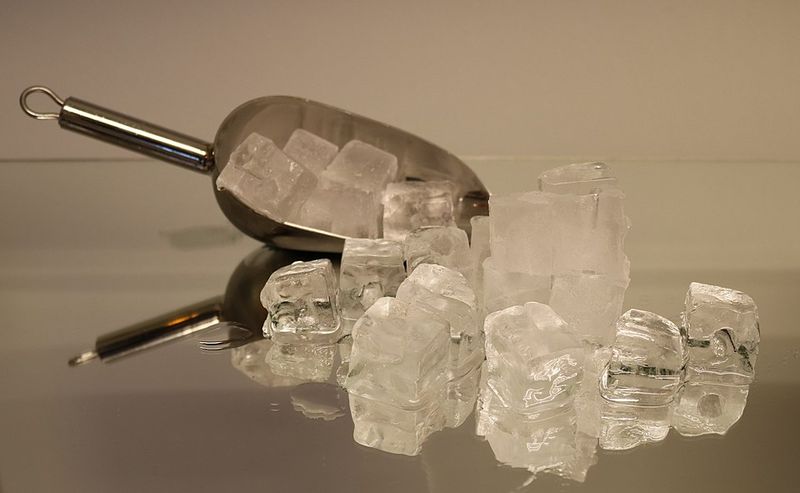
Before microwaves were common, home cooks tucked a single ice cube into rice or pasta bakes, covered the dish, and reheated. As the cube melted, it released steam that plumped grains and softened edges without drowning the food.
You lift the foil to a cloud and find last night’s dinner renewed.
Steam is moisture control with manners. It targets dryness while keeping the surface from going soggy.
Today, the same approach tames takeout rice and leftover lasagna. Slide one ice cube under parchment, cover tightly, and warm at a moderate oven temperature.
For the microwave, add a few drops of water and tent with a damp paper towel. The principle is identical.
It is a tiny, elegant fix that spares you gummy noodles and chalky rice. You might even prefer the texture to day one, which feels like discovering a cheat code your grandmother already knew.
11. Store Onions in Stockings

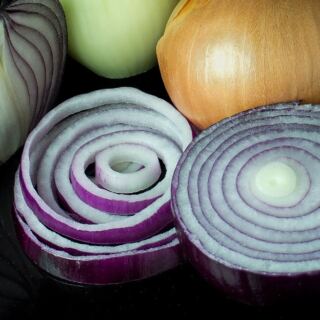
Slip an onion into a clean nylon, tie a knot, add another, and hang the chain in a cool, dark spot. Air circulates, moisture escapes, and bulbs stay firm for weeks longer.
When you need one, snip below a knot and the rest remain undisturbed.
This thrifty trick lived in pantries from 1949 onward because it solved rot without gadgets. Onions need airflow and separation.
A paper bag turns humid, a plastic bin suffocates, but nylon breathes. Keep them away from potatoes, which emit moisture and speed sprouting.
Label sweet, yellow, and red strings so flavors land in the right skillet. If you cook often, make a second chain for garlic.
You will waste less and cook better, which feels like a quiet rebellion against limp produce drawers. The sight alone whispers you run an efficient kitchen.
12. Shine Shoes with a Soft Cloth and Patience
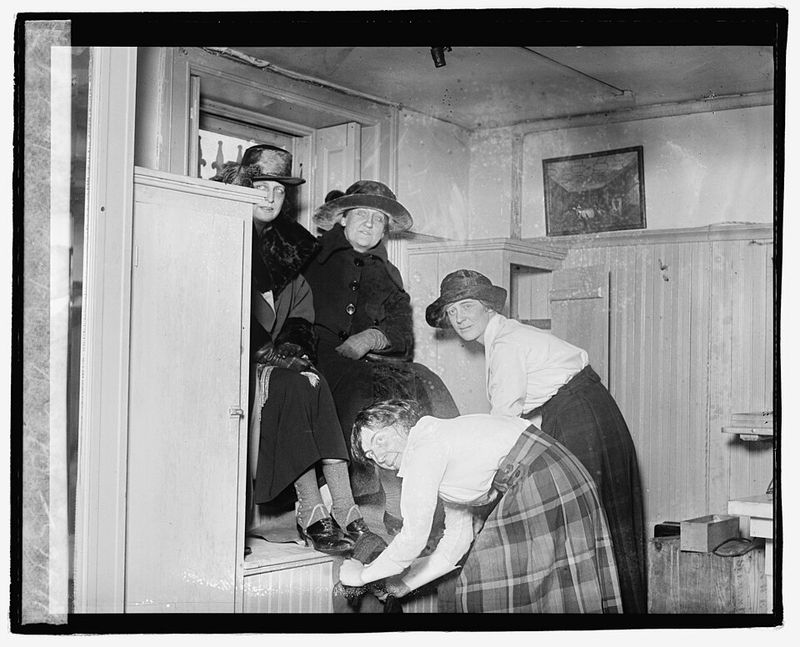
Settle in with a brush, a small tin of wax, and a soft cloth, and polish your shoes the way granddad did before Sunday service. Work the wax in circles, let it haze, then buff until you can see the lamp reflected.
The leather stays supple, water beads, and scuffs vanish.
In an era before disposable everything, this was standard upkeep. Good shoes were expensive, so care stretched their life.
Today, leather still thanks you. Studies on material wear show regular conditioning slows cracking by maintaining oils.
Keep a horsehair brush, neutral and brown polish, and an old T-shirt in a shoebox.
Make it a weekly ritual. While the polish sets, plan your week.
When you step out, the quiet shine does more than look sharp. It says you notice details, and your belongings last because you do.
13. Use Cold Cream as Makeup Remover

Twist open a jar of cold cream and you have cleanser and moisturizer in one. Massage a pea-sized amount over makeup, even stubborn mascara, then tissue or rinse away.
Skin feels comfortable instead of squeaky, which is why vanities in 1958 always had a jar within reach.
The formula is simple: oils dissolve oils, emulsifiers lift them with water, and humectants leave a soft finish. Dermatologists still recommend balm-style removers for dry or sensitive skin.
You skip disposable wipes, which add waste and can irritate. Warm a damp washcloth, sweep gently, and pat dry.
Follow with a light toner if you like, but many nights, you will not need it. One jar lasts ages and travels well.
You might even enjoy the unhurried pace. Skincare becomes a small nightly ritual, calm as a radio lullaby from the kitchen down the hall.
14. Keep Cedar Blocks in Closets
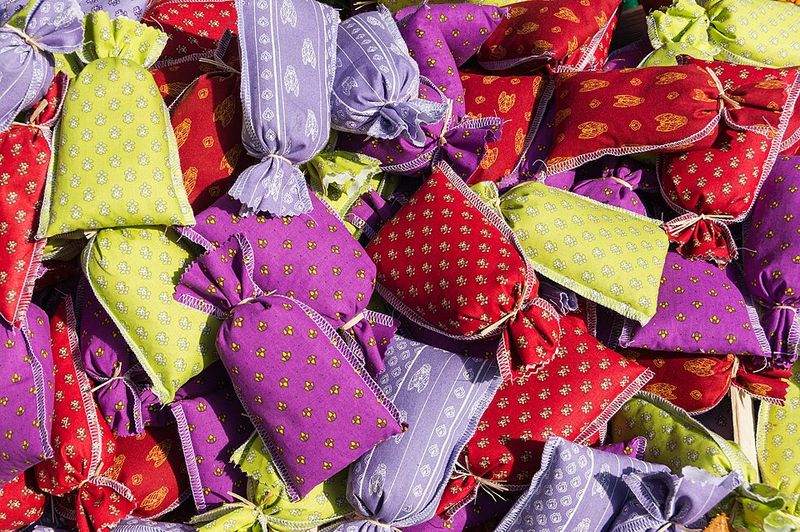
Tuck cedar blocks or sachets on shelves and among hangers, and your wool survives storage season intact. In the 1950s, closets quietly smelled of cedar instead of mothballs, and sweaters emerged without that sharp, chemical tang.
Cedar’s natural oils help repel clothes moths and absorb a bit of moisture.
Refresh the scent by lightly sanding the surface every few months. Pair with smart habits: clean garments before storage, use breathable cotton bags, and keep the closet dry.
Entomologists note that laundering removes eggs and larvae, which is half the battle. Cedar handles the rest without the drama.
Stack blocks in drawers of scarves and hats, too. Your winter box stops being a gamble and becomes a sure thing.
When the first cold front hits, you open the lid to sweaters that smell like a mountain cabin and feel as plush as last year.
15. Rotate Mattresses Regularly
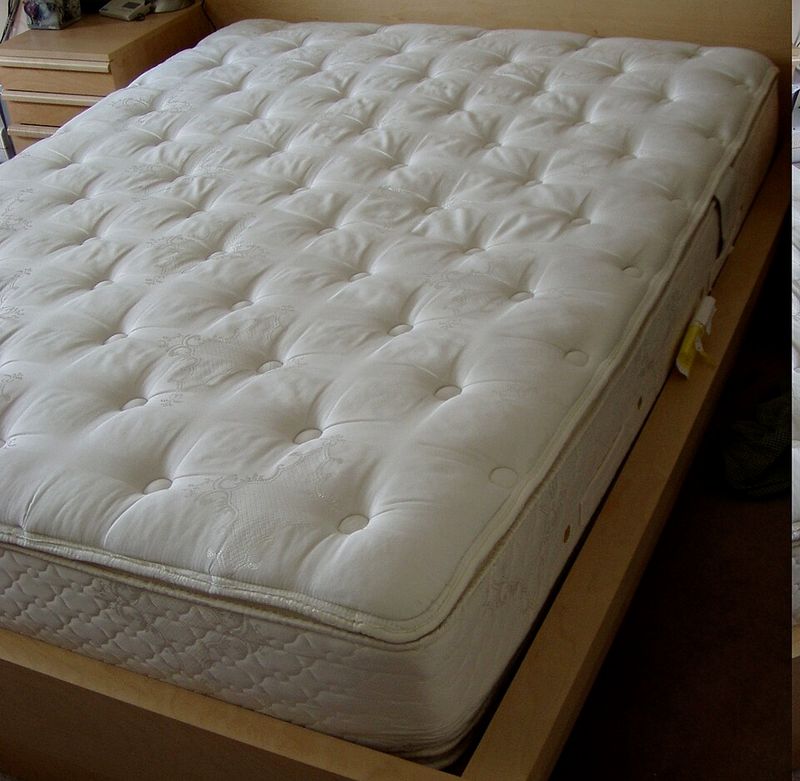
Every season, pivot the mattress 180 degrees, and if the design allows, flip it. In tract homes of the 1950s, this was routine maintenance, like changing the oil.
The payoff is real: you distribute wear, reduce sagging, and extend comfort without spending a dime.
Modern one-sided foam models cannot flip, but they can rotate. Manufacturers frequently recommend quarterly moves to preserve support.
Back health studies link consistent spinal alignment to better sleep quality, and a level surface helps. Set a reminder with daylight saving time, lift with your legs, and protect the bedframe with felt pads.
While you are at it, vacuum the surface, launder the protector, and tighten any wobbly slats. The bed feels renewed, and mornings feel less creaky.
It is the kind of boring habit that quietly saves you hundreds by postponing replacement for years.
16. Grow Kitchen Herbs on the Windowsill
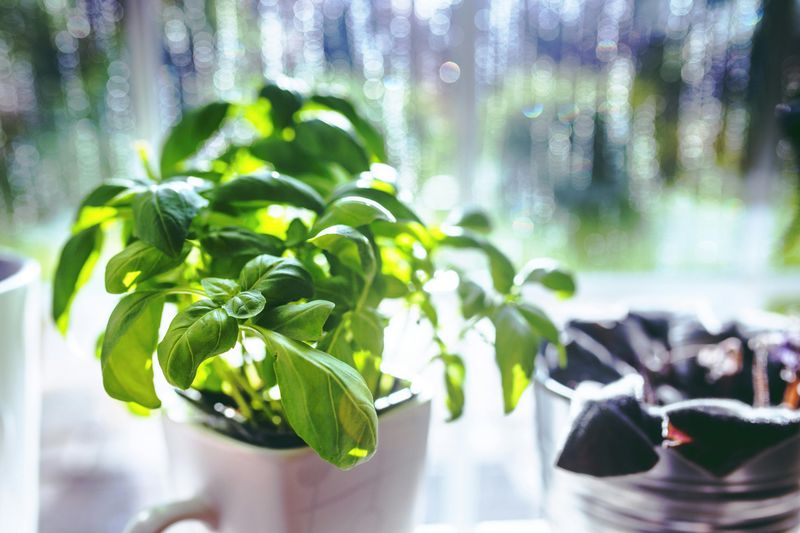
Line a bright sill with clay pots of parsley, chives, and mint, and dinner picks up fresh lift on a Tuesday. Mid-century kitchens did this out of necessity and taste.
You snip what you need, skip plastic clamshells, and the room smells alive when you brush past.
Herbs are generous if you are kind. Give them 4 to 6 hours of light, trim often to encourage growth, and water when the top inch is dry.
University extension data shows indoor herbs thrive in south-facing light and well-draining soil. Rotate pots weekly so stems grow straight.
Start with hardy chives for eggs, parsley for brightness, and mint for tea and salads. A thrifted saucer under each pot protects the sill.
Suddenly, weeknight pasta tastes like you tried, even if you did not. That is the quiet magic of green sprigs within arm’s reach.
Share this story