America’s energy landscape is changing fast, and some states are leading the charge toward a cleaner future. From massive wind farms spinning across plains to solar panels soaking up sunshine and rivers powering entire cities, renewable energy is reshaping how we live.
Which states are winning the green energy race, and what makes them stand out? The answers might surprise you.
1. Texas
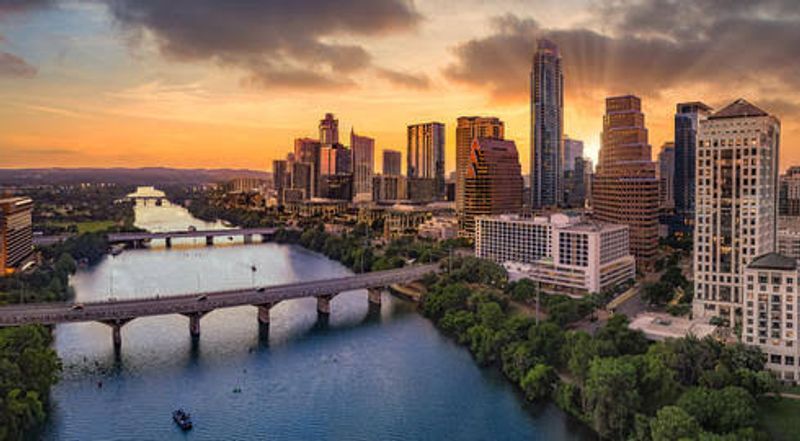
Everything really is bigger in Texas, including its commitment to renewable energy. The Lone Star State produces more renewable electricity than any other state in America, thanks to sprawling wind farms that dot its western plains and a solar industry that’s growing faster than tumbleweeds in a dust storm.
Wind turbines across Texas generate enough power to supply millions of homes each year. The state’s wide-open spaces and consistent winds make it perfect for harnessing this clean energy source.
Companies keep building more wind farms because the conditions are just right.
Solar power is catching up quickly too. Texas has plenty of sunshine and empty land, making it ideal for massive solar panel installations.
As technology improves and costs drop, more Texans are choosing renewable options. The state’s energy independence and job creation in the green sector show that going renewable makes both environmental and economic sense for America’s second-largest state.
2. California

California didn’t just join the renewable energy movement; it practically started it. The Golden State leads the nation in solar power generation, with rooftop panels and massive solar farms transforming deserts into clean energy powerhouses.
Drive through certain areas and you’ll see acres of gleaming panels tilted toward the sun.
Geothermal energy gives California another edge that most states can’t match. Underground heat from volcanic activity gets converted into electricity, providing steady power day and night.
This reliable energy source complements solar perfectly, filling gaps when the sun goes down.
California’s strict environmental policies push innovation forward constantly. The state requires utilities to use more renewable sources each year, forcing rapid adoption of clean technology.
From wind farms near mountain passes to experimental wave energy projects along the coast, California tests every possible green solution. Its massive population means huge energy demands, but the state keeps finding creative ways to meet those needs sustainably.
3. Washington

Water power built Washington’s reputation as a renewable energy giant. The Columbia River and its tributaries flow through the state with tremendous force, and engineers figured out long ago how to turn that natural power into electricity.
Hydroelectric dams produce clean energy reliably, without burning a single ounce of fossil fuel.
Grand Coulee Dam stands as one of America’s largest power producers, generating enough electricity for millions of people. Unlike solar or wind, hydropower works around the clock regardless of weather conditions.
When you flip a light switch in Washington, there’s a good chance that electricity came from rushing water.
The state’s renewable energy success comes with some environmental trade-offs worth noting. Dams affect fish populations and river ecosystems, sparking ongoing debates about balancing energy needs with nature protection.
Still, Washington proves that geography matters tremendously in the green energy race. Having powerful rivers flowing through your backyard gives the state advantages that landlocked regions simply cannot match.
4. Iowa
Iowa might surprise people who think of it only as corn country. Wind turbines have become as common as silos across the Iowa landscape, turning the state into one of America’s top wind energy producers.
Those tall white towers spinning gracefully above farmland generate massive amounts of clean electricity.
Farmers often welcome wind turbines because energy companies pay them to place turbines on their property. This creates extra income without taking land out of crop production.
Corn grows right up to the turbine bases, showing how renewable energy and traditional agriculture can work together successfully.
Iowa generates over half its electricity from wind power, a higher percentage than almost any other state. When the wind blows across those flat plains, it really blows, creating perfect conditions for energy generation.
The state’s success proves you don’t need mountains or oceans to win at renewable energy. Sometimes all you need is wide-open space and steady prairie winds pushing those massive blades around and around.
5. Oklahoma
Oklahoma’s winds sweep down the plain and straight into massive turbines that generate serious power. The Sooner State has embraced wind energy with enthusiasm, building wind farms that rank among the largest in America.
Those constant breezes that once just rustled prairie grass now produce electricity for hundreds of thousands of homes.
Geography blessed Oklahoma with excellent wind resources, especially in the western part of the state. Energy companies recognized this potential and invested billions in wind infrastructure.
The turbines keep multiplying because the economics make sense and the wind never stops blowing for long.
Oklahoma’s transition to renewable energy happened relatively quickly compared to other states. Just two decades ago, wind power barely existed here.
Now it supplies a significant chunk of the state’s electricity needs. Rural communities benefit from tax revenue and jobs that wind farms bring.
Oklahoma demonstrates that states traditionally associated with oil and gas can successfully diversify into clean energy without abandoning their energy production heritage completely.
6. Kansas
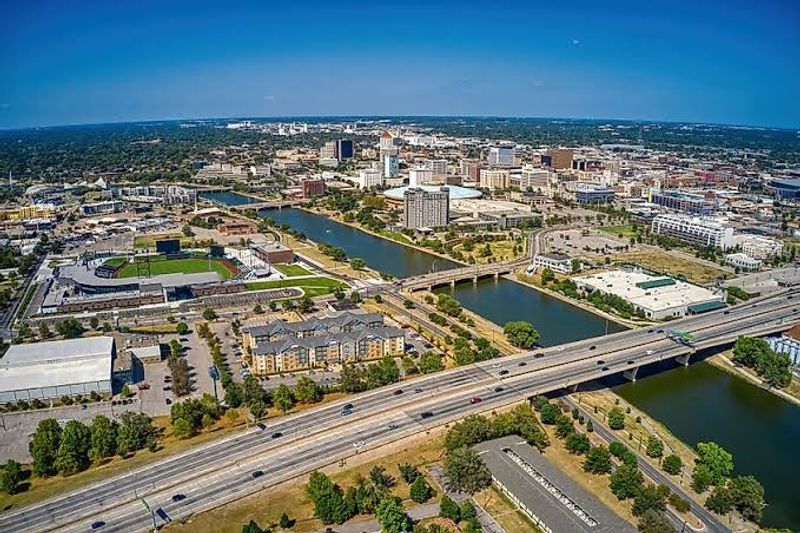
Kansas sits in America’s wind belt, where air currents flow with remarkable consistency across flat terrain. The state has capitalized on this natural advantage by installing thousands of wind turbines that transform invisible breezes into visible results on the electric grid.
For a state with a relatively small population, Kansas punches way above its weight in renewable energy production.
Wind turbines have become iconic features of the Kansas skyline, visible for miles across the prairie. They represent both environmental progress and economic opportunity for rural areas that need new revenue sources.
Landowners earn steady income from turbine leases while still farming the surrounding land.
The state generates enough wind energy to power well over a million homes annually. Kansas proves that renewable energy success isn’t just for coastal states with large populations.
Sometimes the best renewable resources exist in places people might overlook. Those constant Kansas winds that Dorothy worried about in the Wizard of Oz now power a cleaner, greener future for the entire region.
7. Oregon
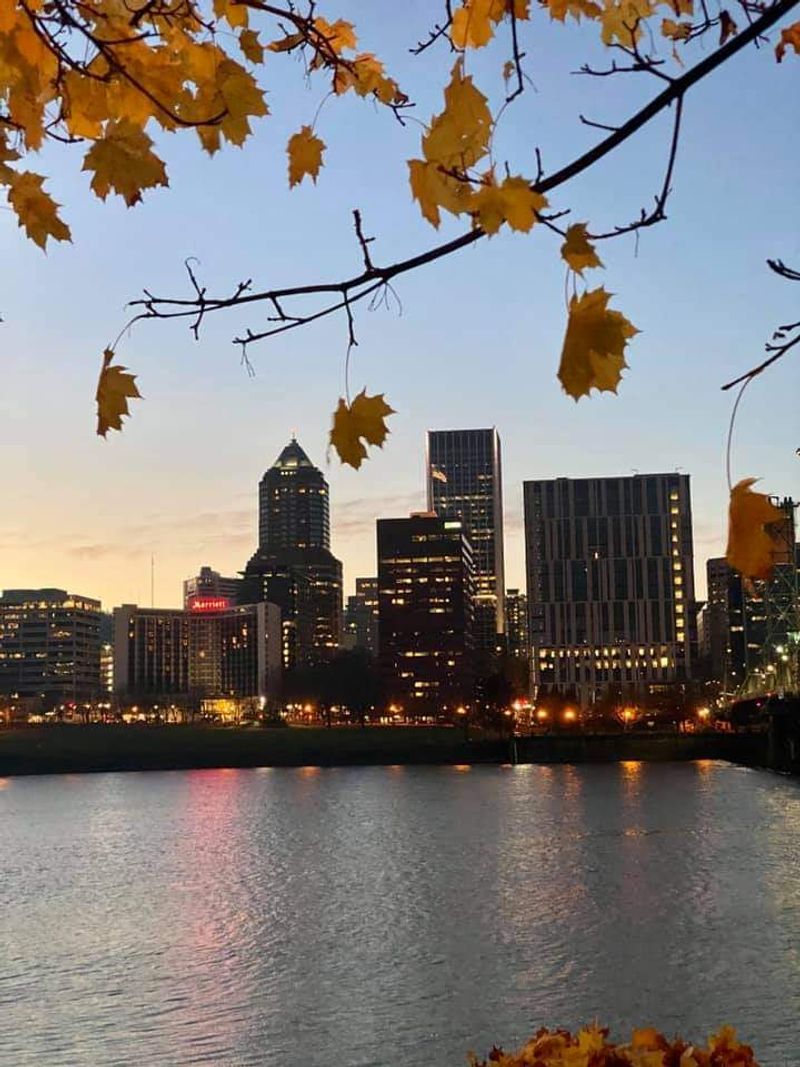
Oregon combines multiple renewable energy sources into an impressive green power portfolio. Hydroelectric dams along the Columbia River provide the foundation, generating consistent electricity from flowing water.
But Oregon didn’t stop there; wind farms have sprouted across eastern parts of the state, taking advantage of wind corridors that funnel through mountain gaps.
The state’s commitment to environmental protection runs deep, influencing energy policy for decades. Oregon set ambitious renewable energy goals early and backed them up with supportive legislation.
This forward-thinking approach attracted clean energy companies and jobs while reducing dependence on fossil fuels.
Forests cover much of Oregon, and the state explores biomass energy from wood waste too. Between hydro, wind, solar, and biomass, Oregon demonstrates how diversifying renewable sources creates a more resilient energy system.
No single source dominates completely, which means power keeps flowing even when conditions aren’t perfect for one particular type. Oregon’s natural beauty and clean energy leadership go hand in hand, proving environmental protection and economic development can work together successfully.
8. New York
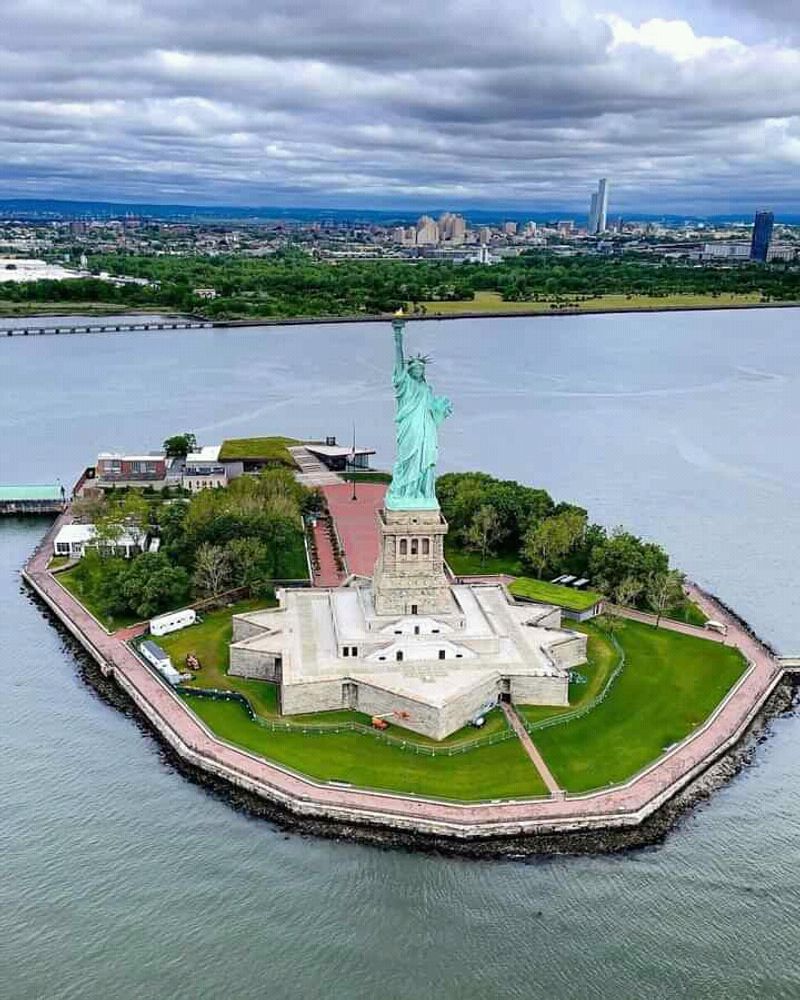
New York might be famous for skyscrapers and yellow taxis, but upstate regions are becoming renewable energy powerhouses. Hydroelectric facilities along the Niagara River and other waterways have generated clean electricity for over a century.
These reliable power sources formed the foundation for New York’s industrial growth and continue producing today.
Wind energy represents New York’s fastest-growing renewable sector. Turbines now spin across upstate farmland and along Great Lakes shorelines, capturing breezes that sweep across open water.
Offshore wind projects in the Atlantic Ocean promise to dramatically increase the state’s renewable capacity in coming years.
Solar installations are multiplying too, even though New York isn’t the sunniest state. Improved technology makes solar viable in cloudier climates, and state incentives encourage homeowners and businesses to install panels.
New York set aggressive goals to generate most of its electricity from renewable sources within the next few decades. With its combination of hydro, wind, and growing solar, the Empire State is working hard to achieve those ambitious targets and lead the Northeast into a cleaner energy future.
9. Illinois

Wind turbines have transformed parts of Illinois into major clean energy producers. The Prairie State’s flat terrain and steady winds create ideal conditions for wind farms, which now generate enough electricity to power millions of homes.
These towering turbines have become familiar sights along highways cutting through Illinois farmland.
Illinois ranks among the top states for wind energy capacity, with installations concentrated in central and northern regions. Energy companies continue investing in new projects because the wind resource is strong and the state supports renewable development.
Farmers benefit from lease payments while continuing to grow crops around turbine bases.
The state also pursues solar energy development, though wind remains the dominant renewable source. Illinois set goals to dramatically increase renewable energy use over the next decade, phasing out coal plants and embracing cleaner alternatives.
This transition creates manufacturing and installation jobs while reducing air pollution. For a state with significant industrial history and energy consumption, Illinois shows that even large manufacturing centers can successfully shift toward renewable power sources without sacrificing economic competitiveness or reliability.
10. North Carolina
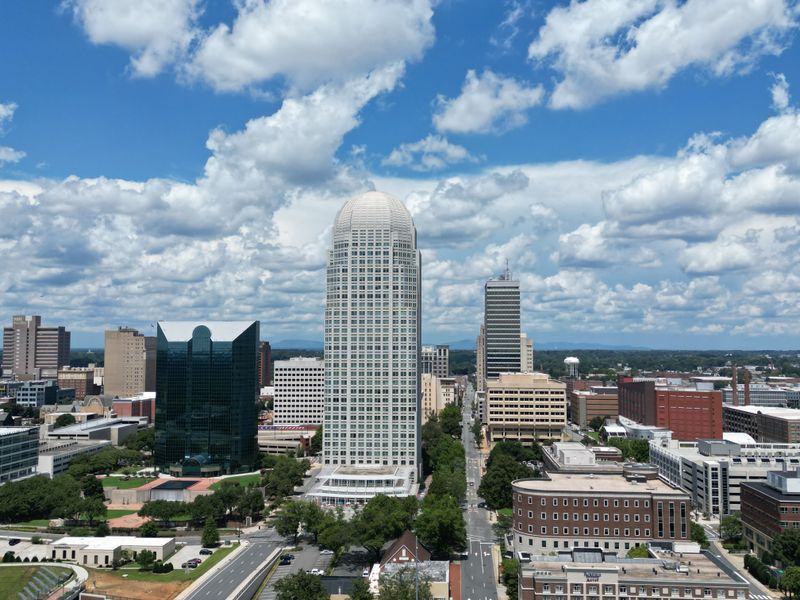
Sunshine and smart policy transformed North Carolina into a solar energy leader. The Tar Heel State ranks among the top solar producers in America, with massive solar farms covering former farmland and rooftop installations spreading across cities.
This success didn’t happen by accident; state incentives and utility programs encouraged rapid solar adoption.
North Carolina’s climate provides plenty of sunny days for solar generation, though it’s not a desert state. Modern solar panels work efficiently even in partly cloudy conditions, making solar viable across the Southeast.
Companies invested billions in North Carolina solar projects, creating jobs and generating clean electricity.
The solar boom faced some challenges as the industry matured and policies changed. Debates about land use, grid integration, and incentive programs continue.
Still, North Carolina proves that southern states can compete with California and Arizona in solar energy production. The state’s success inspired neighbors to pursue similar strategies.
From the mountains to the coast, solar panels now contribute significantly to North Carolina’s electricity mix, reducing reliance on fossil fuels while providing economic benefits to rural communities hosting solar farms.
11. Minnesota
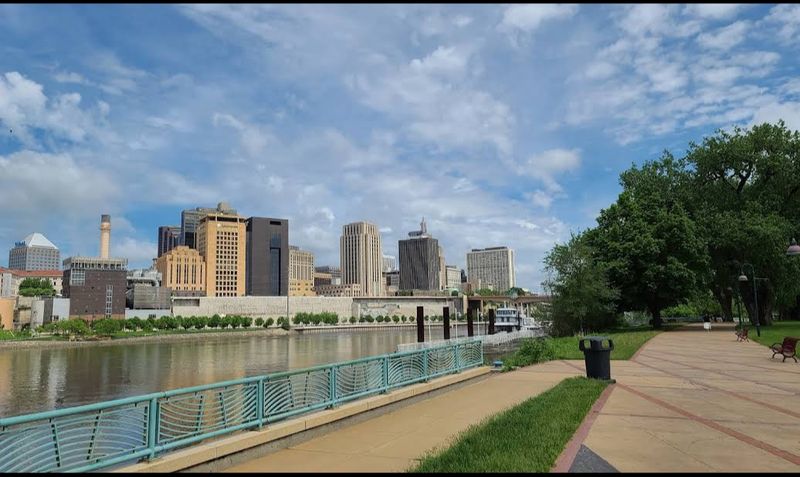
Cold winters don’t stop Minnesota from generating hot results in wind energy production. The Land of 10,000 Lakes has installed thousands of wind turbines that keep spinning through every season, producing clean electricity even when temperatures drop below zero.
Minnesota’s commitment to renewable energy runs deep, supported by state policies and strong public backing.
Wind farms dot the prairie regions of southern and western Minnesota, where steady winds blow across flat agricultural land. These installations generate enough power to supply millions of homes annually.
Minnesota utilities embrace wind energy because it provides price stability and reduces pollution from coal plants.
The state set ambitious renewable energy standards years ago, requiring utilities to generate increasing percentages of electricity from clean sources. This forward-thinking approach paid off as wind technology improved and costs dropped.
Minnesota also explores solar energy, though wind remains the dominant renewable source. The state demonstrates that northern climates with harsh winters can still excel at renewable energy production.
Those wind turbines keep turning through blizzards and heat waves alike, providing reliable clean power year-round.
12. Idaho
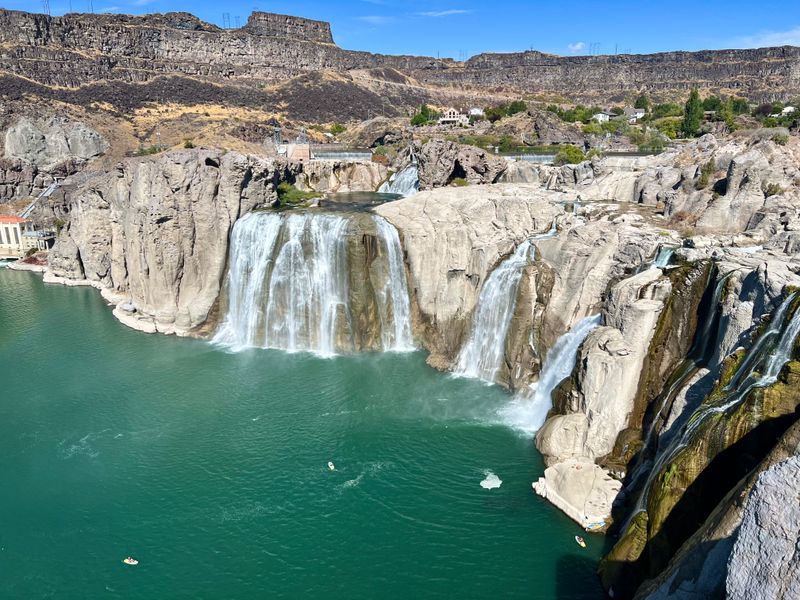
Mountains and rivers give Idaho tremendous renewable energy advantages. Hydroelectric dams harness the power of water flowing from high elevations, generating clean electricity that supplies most of the state’s power needs.
Idaho has relied on hydropower for over a century, making it one of the greenest states in America long before renewable energy became trendy.
The Snake River system provides Idaho’s hydroelectric backbone, with multiple dams converting flowing water into electricity. These facilities operate reliably year after year, requiring minimal fuel and producing no air pollution.
Idaho’s renewable energy percentage ranks among the highest in the nation, though the state doesn’t always get recognition it deserves.
Idaho also explores geothermal energy from underground heat sources and adds some wind and solar capacity. Still, hydropower dominates the energy mix by far.
The state’s success shows how geography determines renewable energy potential. Not every state has powerful rivers flowing through mountains, giving Idaho natural advantages that others cannot easily replicate.
For Idaho residents, flipping a light switch almost certainly means using electricity generated by rushing water, making everyday life remarkably clean and sustainable.
Share this story