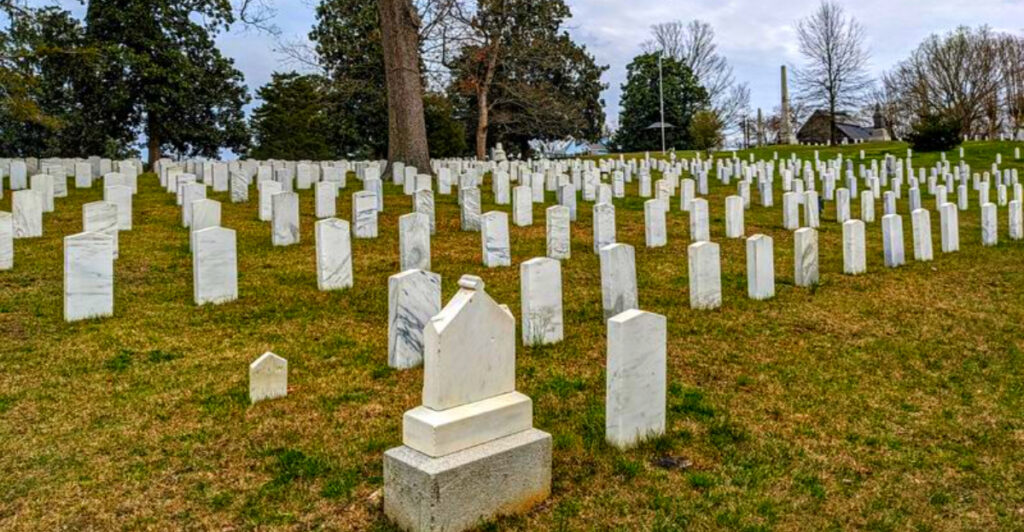
Step through the gates of Oakwood Cemetery in Raleigh and you enter a landscape where memory is layered, complicated, and deeply human. Here, the Tomb of the Unknown Confederate sits within a broader story about loss, identity, and how communities choose to remember.
You will find beauty, controversy, and careful stewardship existing side by side. If you are curious about what this place really represents, these insights will help you see beyond the stone.
Where the Unknown Rests: Finding the Tomb in Historic Oakwood
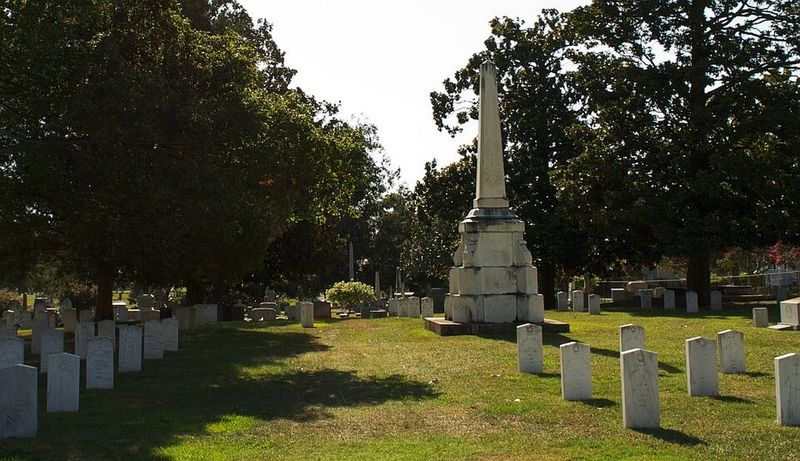
Walk to the Confederate section of Oakwood Cemetery in Raleigh and you will notice a shift in texture and time. The Tomb of the Unknown Confederate anchors a gently sloping landscape of markers, flags, and magnolia shade.
Paths curve past low walls and carefully tended graves, inviting you to pause rather than pass through.
Staff keep clear directional signs and simple maps in the office, so you can navigate without guesswork. If you are short on time, ask for the most direct route from the main gate on Oakwood Avenue.
The site is modest, not theatrical, which makes the silence do more of the talking.
Plan your visit during weekday mornings if you want solitude. Light traffic from downtown fades once inside, and birds carry the soundscape.
Whether you stay five minutes or an hour, the space communicates purpose: remembrance without spectacle, names known and unknown in shared ground.
What the Monument Commemorates: Identities Lost, Stories Enduring
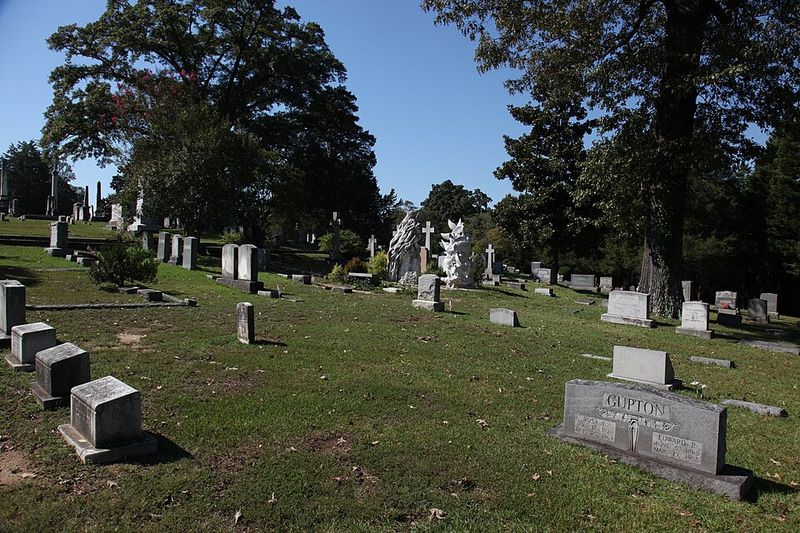
The tomb honors Confederate soldiers whose identities vanished in war’s confusion. Some died in field hospitals, others during chaotic retreats, their markers misplaced or never made.
You stand before a symbol designed to acknowledge absence itself, an answer for families who never received certainty.
Think about the letters that never arrived and the uniforms stripped of insignia in muddy rain. In the 1860s, dog tags were not standard, and paper records were fragile.
Many southern states later centralized scattered remains, and Oakwood became a gathering point for those who could not be named.
When you visit, resist the urge to fill silence with assumptions. Instead, read the nearby stones to feel the scale of partial memory.
This site invites complicated empathy: honoring human loss while holding space for the full historical context that produced it, including the Confederacy’s defense of slavery and the war’s devastating human toll.
A 19th Century Dedication: How Memory Took Shape After the War
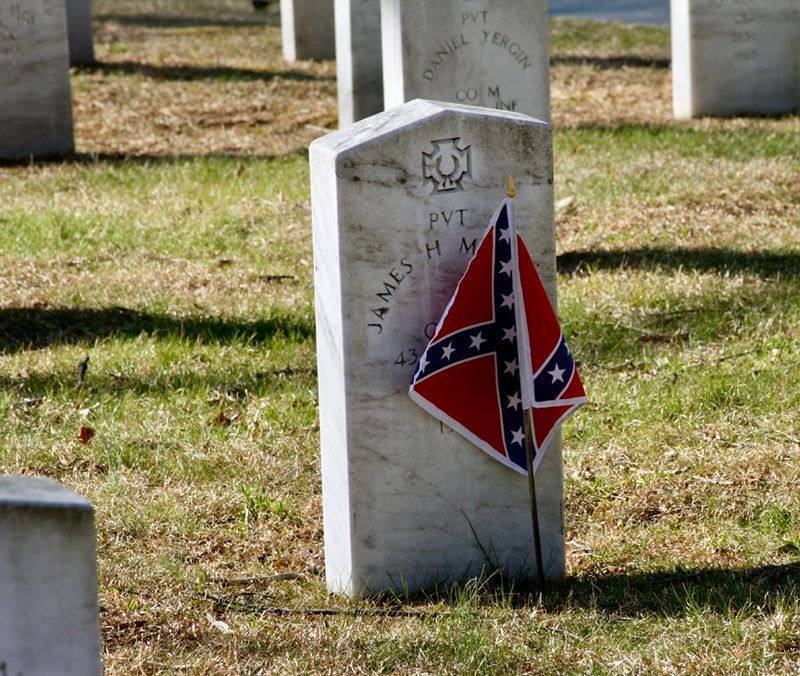
Confederate memorial building surged in the late 1800s, decades after Appomattox. Oakwood’s unknown soldier tomb sits within that timeline, reflecting how communities processed grief while constructing narratives about the war.
Dedications often included speeches, hymns, and ceremonial unveilings that linked mourning to public identity.
Consider why this happened then. Reconstruction’s upheavals, shifting political power, and veterans aging into memory all converged.
By the 1890s, local committees had stabilized fundraising, and cemeteries like Oakwood formalized remembrance with stone and ceremony.
When you look at the tomb, picture the day it appeared not as an artifact but as an event. Banners fluttered, dignitaries spoke, and families stood quietly with private losses.
The result is not just a monument but a timestamp in a long negotiation over how the South would tell its story, to itself and to future visitors like you.
The Lost Cause Lens: Interpreting the Monument Today
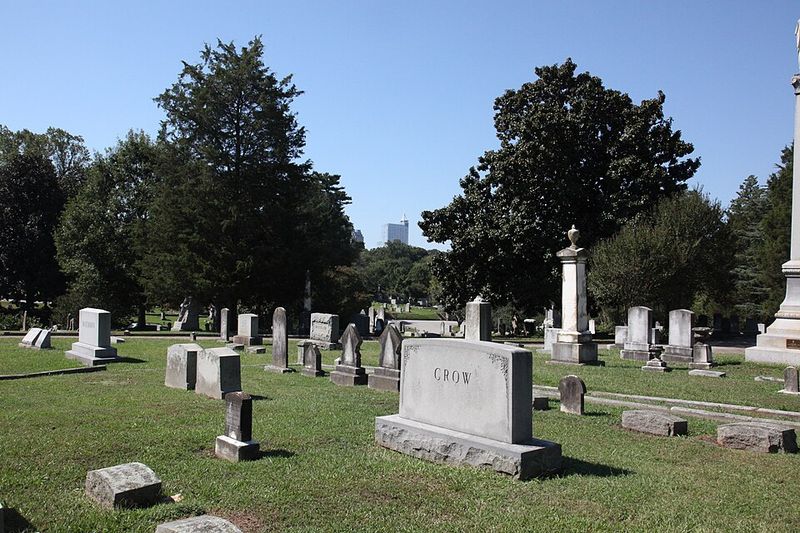
Oakwood’s tomb emerged during the Lost Cause era, when many Southern groups framed the Confederacy as noble and tragic. That narrative downplayed slavery and emphasized valor, sacrifice, and states’ rights.
Understanding this context equips you to read the site critically without losing sight of the real grief embedded here.
If you bring teens or students, discuss how monuments can be both sincere mourning and strategic storytelling. Ask what is remembered and what is missing.
Public historians encourage visitors to consider multiple primary sources and perspectives, including those of enslaved people whose lives and freedom were the war’s core stakes.
Interpretation evolves. Museums in North Carolina increasingly pair Confederate sites with exhibits on emancipation, Black service, and Reconstruction.
You can do the same mentally at Oakwood: honor loss, identify omissions, and keep the full ledger of history in view as you move among the stones.
Unknown Soldier Traditions: From Oakwood to Arlington
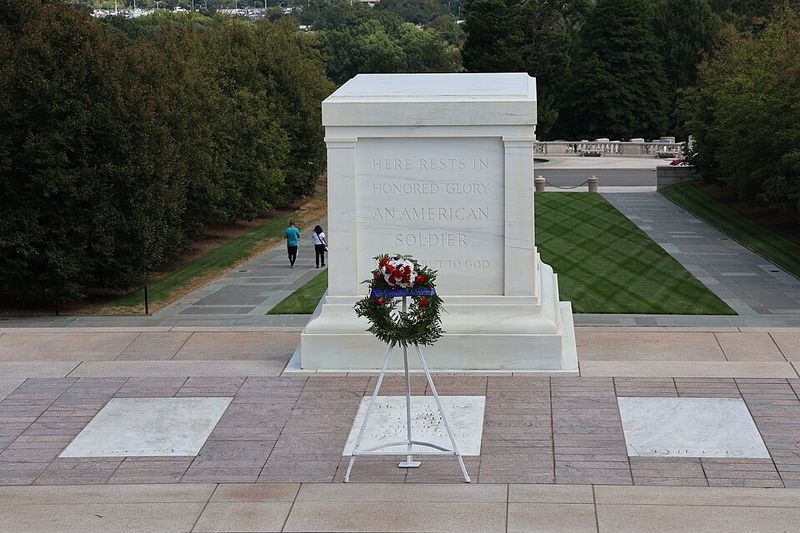
Oakwood’s tomb belongs to a larger tradition of honoring unknown soldiers, a practice that gained prominence after mass-casualty wars. The Tomb of the Unknown Soldier at Arlington opened in 1921, decades after Oakwood’s commemorations.
Both speak to the ache of missing names and the human need for closure.
The difference lies in scope and meaning. Arlington represents national service across wars, while Oakwood addresses a regional, Confederate context with all its historical weight.
When you compare the two, you learn how memorials consolidate grief into a single focal point, and how politics contour that grief.
This context helps frame your visit. You can acknowledge the universal language of mourning while being clear about the Confederacy’s cause.
Memorial traditions are not static; they are mirrors communities hold to their past. At Oakwood, the mirror is intimate, local, and layered with questions.
Women Who Built Memory: Clubs, Ledgers, and Long Care
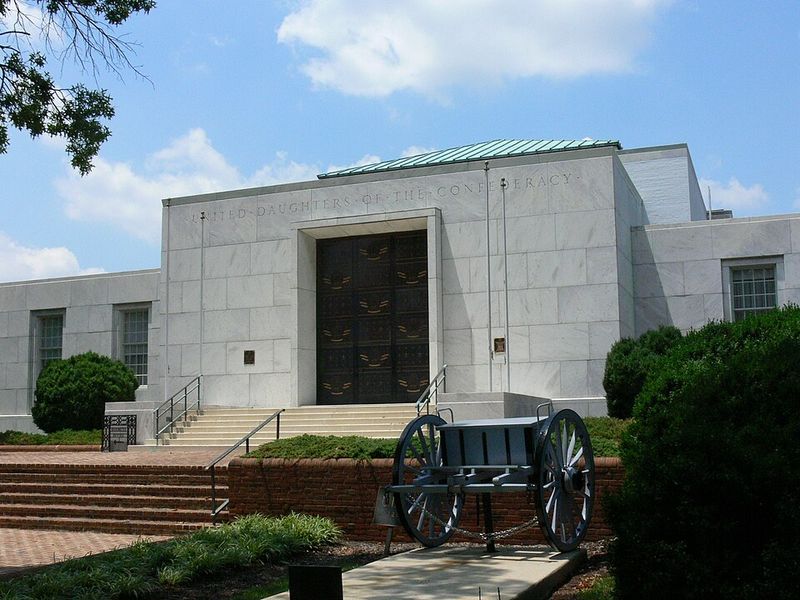
Women’s memorial groups, including local auxiliaries and chapters akin to the United Daughters of the Confederacy, shaped Oakwood’s Confederate section. They raised funds with fairs, subscription lists, and persistent letter writing.
Their ledgers show a practical focus: repair fences, purchase stone, and organize annual ceremonies.
When you tour, notice the orderly plantings, identical markers, and consistent iconography. Those did not appear by accident.
Volunteers maintained rosters, coordinated stonemasons, and designed rituals that turned sporadic graves into coherent memorial landscapes.
The takeaway is simple: memory requires labor. Whether you agree with their aims or not, these women organized the logistics of remembrance for decades.
Look for interpretive materials that acknowledge their role while also clarifying the broader historical stakes. It helps you read Oakwood as a built environment where intention, ideology, and caregiving intersect, and where today’s staff continue that demanding stewardship.
Ceremonies and Seasons: How Ritual Shaped the Grounds
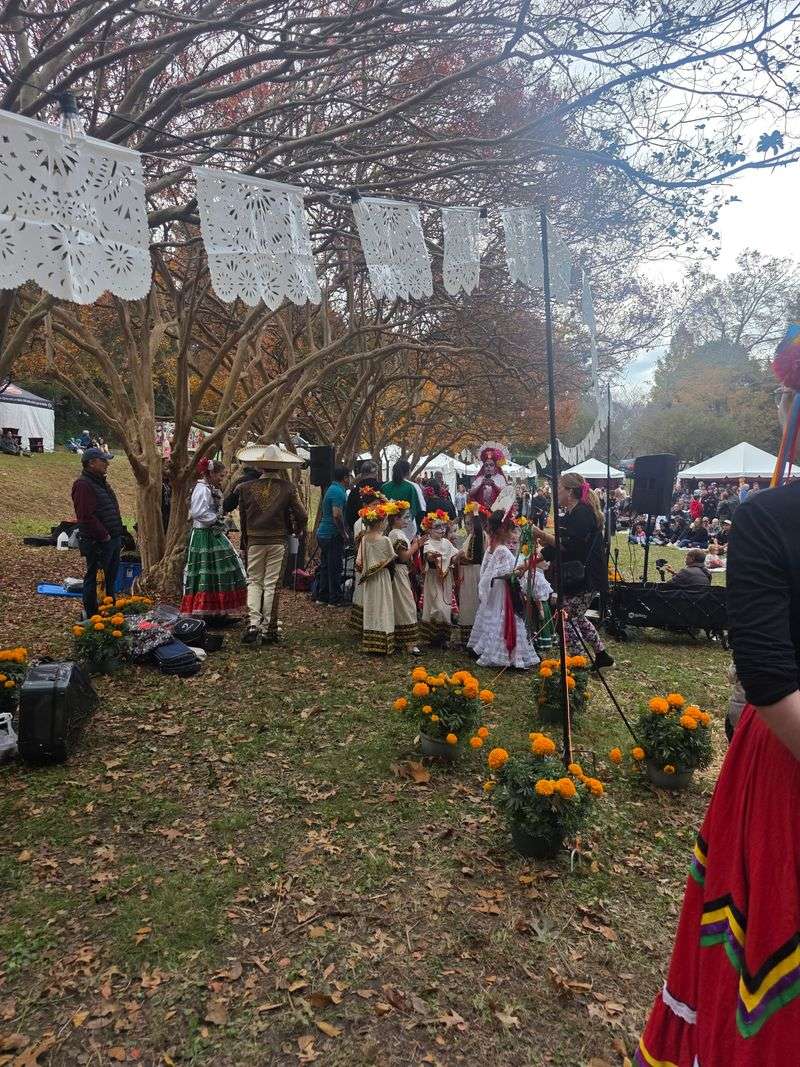
For decades, Memorial Day and Confederate Memorial Day gatherings animated Oakwood’s Confederate section. Ceremonies included processions, wreath-layings, and roll calls of the fallen.
These rituals reinforced a shared calendar, returning families to the same hill at the same time each year.
Today, observances are quieter and more diverse. Some visitors come for reflection without pageantry.
Others attend guided history walks that widen the lens to Reconstruction, suffrage, and civil rights, connecting names on stones to larger arcs of change in Raleigh.
If you go, arrive early for parking along Oakwood Avenue and keep to marked lanes. Respect cemetery etiquette: low voices, no climbing, and leave stones as found.
Seasons matter too. Spring blooms soften the formal geometry; in fall, the oaks scatter a bronze canopy.
Either way, ritual turns landscape into story you can enter for a thoughtful hour.
Why Identities Stayed Unknown: Medicine, Paper, and Mud
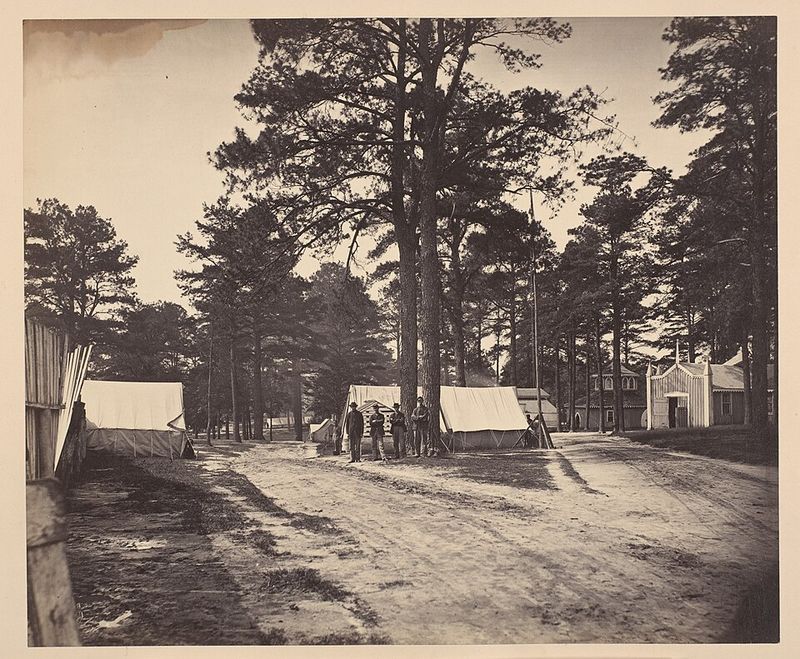
In the 1860s, battlefield medicine and record-keeping were fragile systems. Standardized dog tags were not yet common, and hospital clerks worked with damp paper, hurried notes, and shifting units.
Men died far from home, and hurried burials often lacked durable markers. Over months, rain and movement erased what little remained.
At Oakwood, you see the downstream result. The unknown tomb gathers those rendered anonymous by logistics as much as combat.
Consider how different outcomes are today: the Department of Defense reports over 90 percent accounting for service members from recent conflicts, aided by DNA and digitized records.
That contrast is instructive. Where identification fails, memory improvises with cenotaphs and collective graves.
Your visit becomes a lesson in the limits of 19th century systems and the enduring promise of names, reminding you why careful archives, maintenance, and technology matter for future remembrance.
The Confederate Section: Layout, Symbols, and Wayfinding
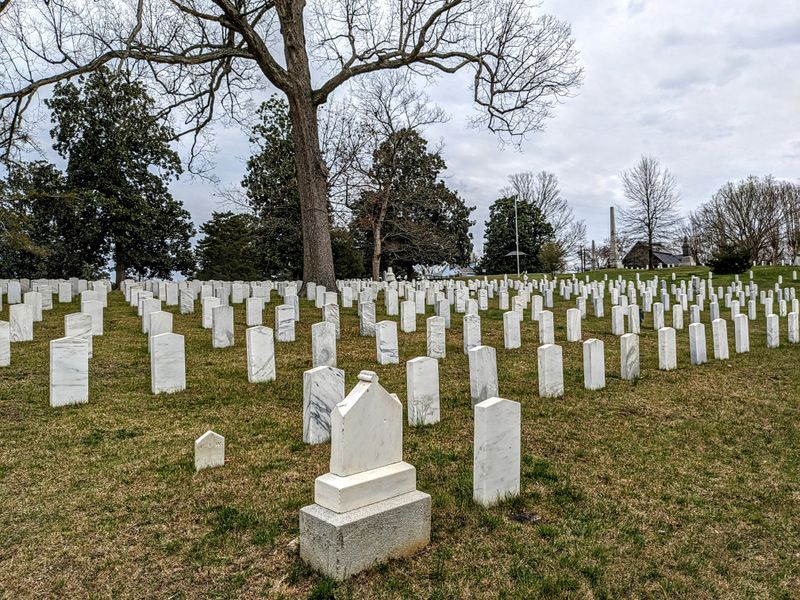
The Confederate section at Oakwood reads like a planned room within the larger cemetery. Uniform markers face consistent directions, and a few taller stones punctuate the grid.
Iconography leans toward crosses, laurel, and simple shields rather than elaborate portraiture. Together they create a sober geometry.
Wayfinding is straightforward. Enter from Oakwood Avenue, consult the office map, and follow the interior loop until you see the denser field of low markers.
Pay attention to the slope and drainage ditches, evidence of practical design choices that protect stones during heavy rain.
Photographers love late afternoon when light falls across inscriptions. Please keep tripods off graves and stick to paths.
If you are researching names, bring a soft brush to gently clear lichen and never use chalk. The section works as both memorial and archive, a place where individual dates assemble into a timeline.
Grief, Not Just Politics: How Families Used the Space
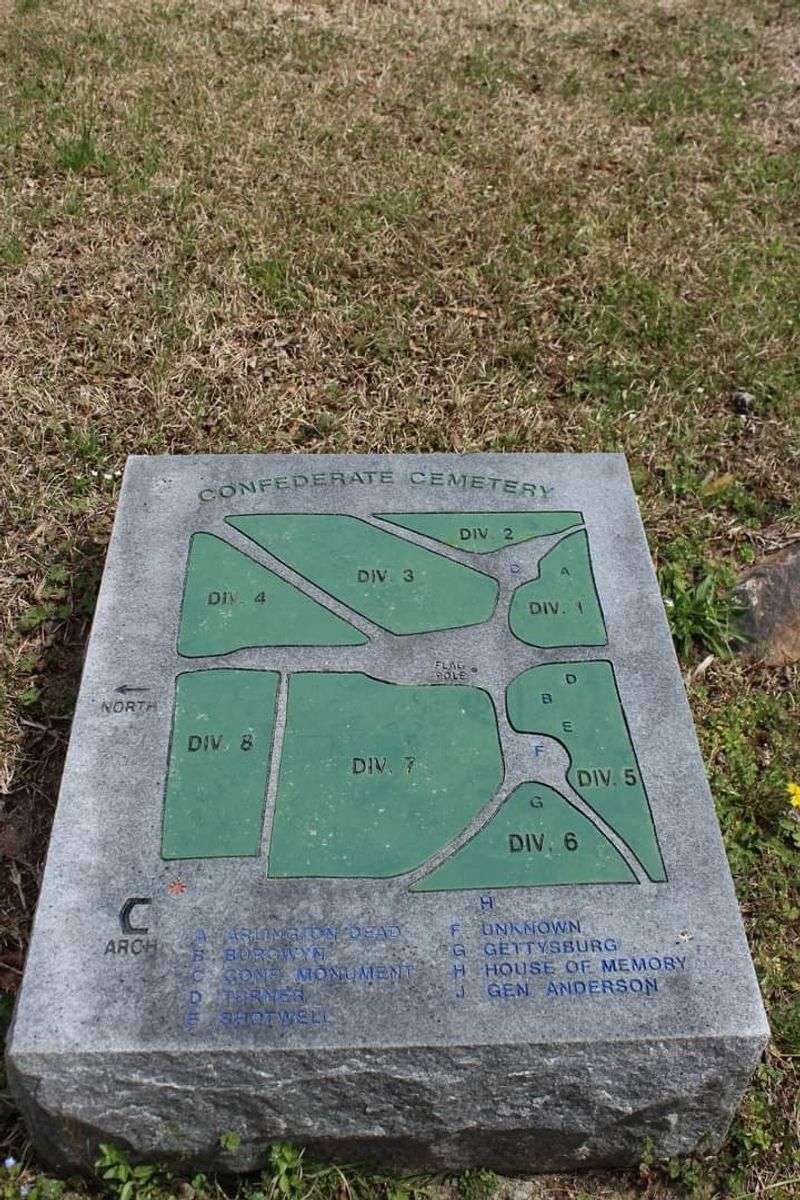
Long before hashtags and headlines, Oakwood’s Confederate section functioned as a place for families to perform private acts of mourning. Many never received a body or letter.
The unknown tomb became a stand-in, a site where you could lay flowers, whisper a name, and feel close to the idea of a loved one.
That use persists. Walk the rows and you will find small tokens, stones, or notes.
Even if you disagree with the Confederacy, you can recognize the human need for ritual. Grief often precedes ideology in these moments and gives the site its undertone of quiet.
If you visit with kids, model gentleness: slow steps, soft voices, and hands behind backs near fragile markers. The most meaningful takeaway is empathy paired with accuracy.
You can honor sorrow while telling the fuller truth about cause and consequence. Both belong here.
Shaping Ongoing History: Tours, Research, and Responsible Visiting
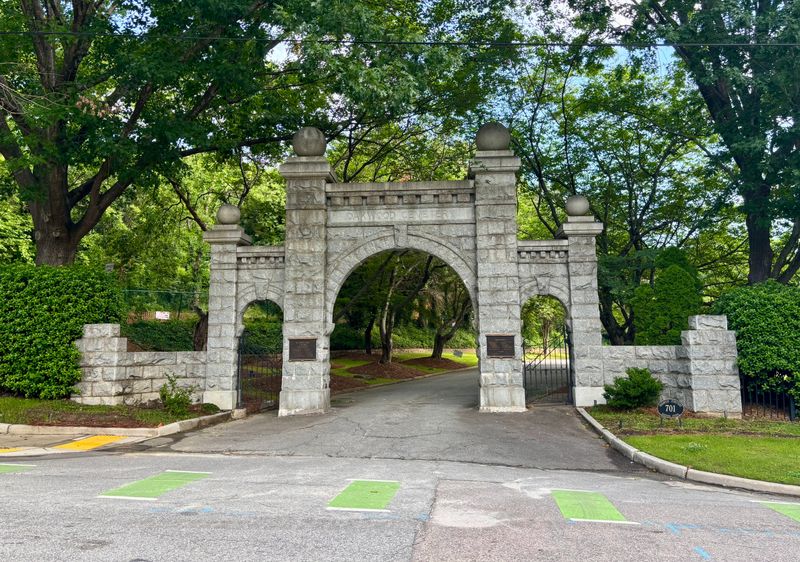
Oakwood is not a static exhibit. Staff and volunteers lead tours that connect the Confederate section to Reconstruction politics, African American history in Raleigh, and women’s civic work.
You can pair a cemetery walk with a visit to local archives for deeper context, turning a quiet hour into an informed afternoon.
For responsible visiting, follow posted hours and driving lanes, and keep pets leashed. Ask the office about green burial sections if you are exploring contemporary practices.
The cemetery reports steady public interest, mirroring broader heritage tourism growth across North Carolina.
Actionable steps help. Photograph inscriptions responsibly, donate to preservation funds, and share balanced resources with friends.
Use specific search terms, verify dates against primary sources, and leave the grounds cleaner than you found them. In doing so, you contribute to a living record and help ensure that remembrance remains thoughtful, accurate, and welcoming.
A Wider Lens: Scholarship, Data, and Comparisons That Clarify
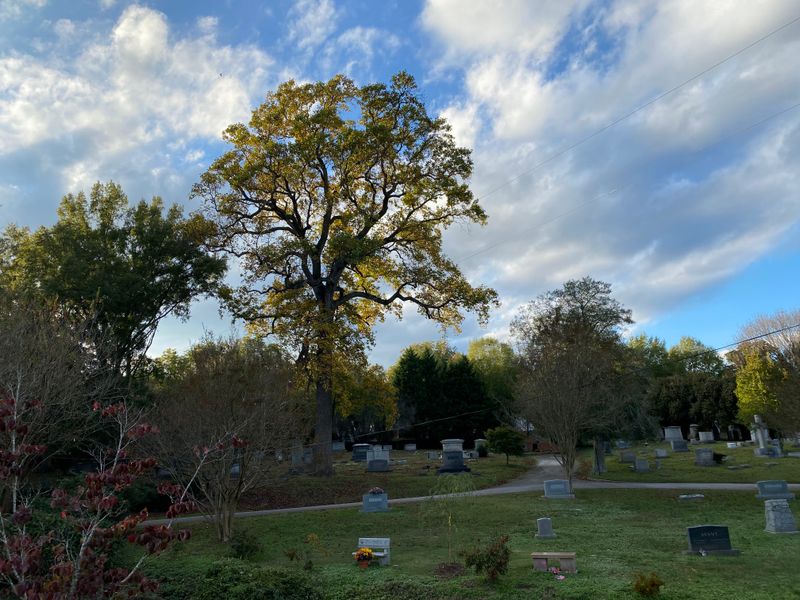
To deepen perspective, place Oakwood alongside broader data and scholarship. The National Park Service estimates roughly 620,000 to 750,000 Civil War deaths, with significant numbers buried as unknowns.
Modern identification rates for recent U.S. conflicts exceed 90 percent thanks to DNA, a stark contrast with 19th century limits.
Historians like Dr. William C. Davis have traced how monuments to unknown Confederates shaped regional identity.
While his book examines sites across the South, Oakwood illustrates those patterns at a local scale. Use that comparison to keep your visit grounded in both human stories and measurable context.
Practical tip: build a two-stop itinerary. Start at Oakwood for landscape-level memory, then consult Raleigh’s museums and archives for documents, letters, and maps.
You will leave with a layered understanding of how personal grief, civic ritual, and historical narratives combine to form the place you just walked.
Share this story