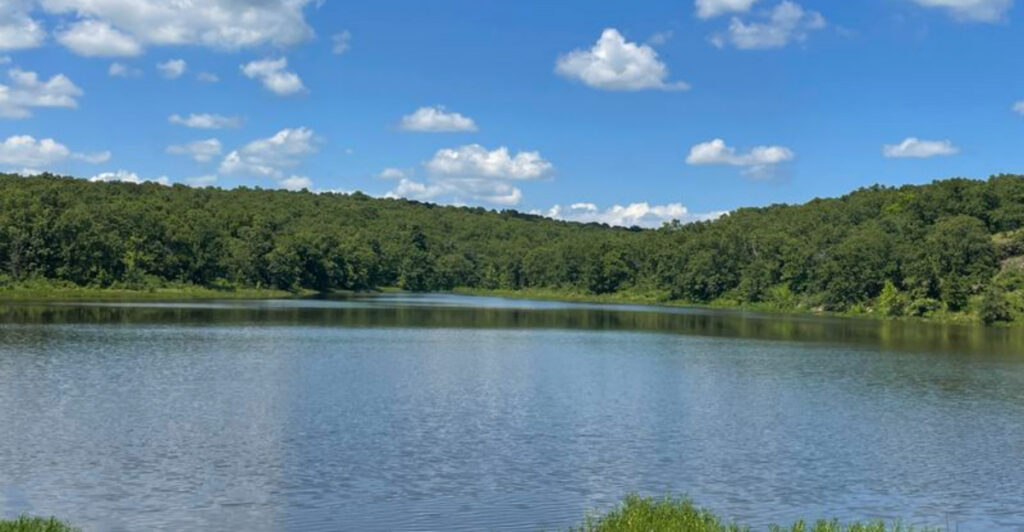
Tucked away in northeastern Oklahoma, Osage Hills State Park feels like stepping onto a different world. With its rugged rock formations, ancient forests, and rolling hills that seem untouched by time, this hidden gem offers landscapes so unique they could belong on Mars.
If you’re tired of the same old hiking spots and want to explore somewhere that feels truly wild and otherworldly, this 1,100-acre park near Pawhuska is calling your name.
Ancient Rock Formations That Defy Gravity
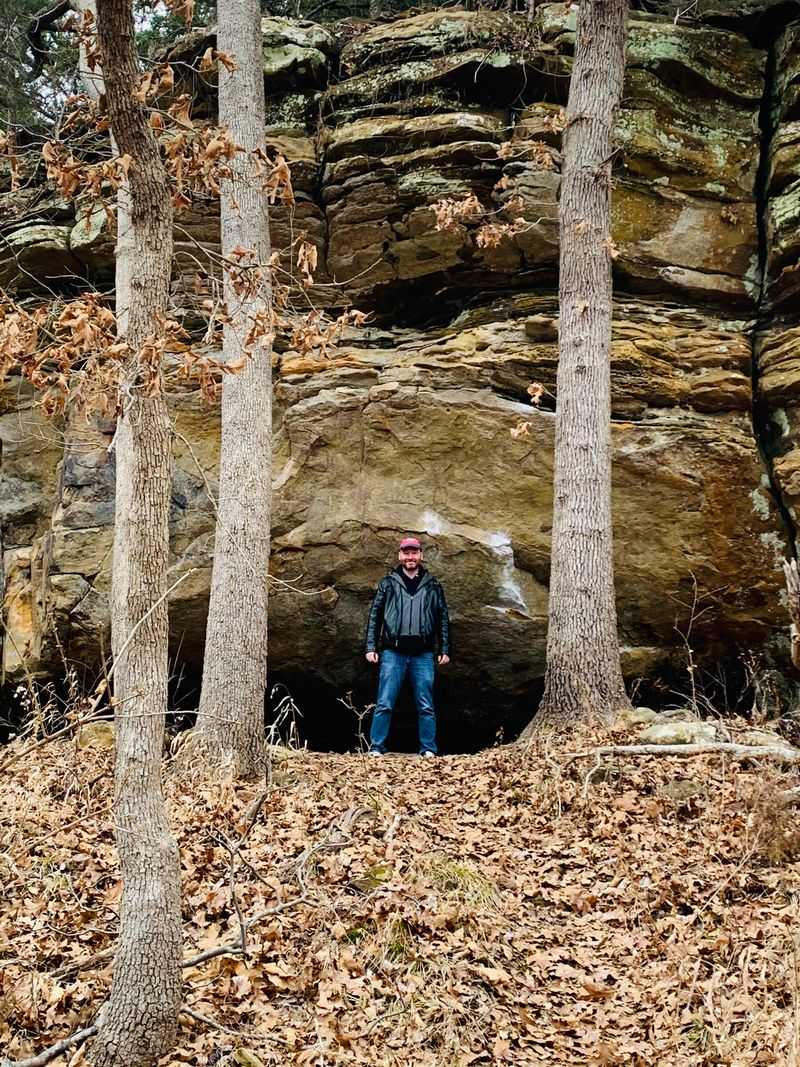
Massive boulders balanced on narrow bases dot the landscape like sculptures from another world. These sandstone formations were carved by millions of years of wind and water erosion, creating shapes that seem impossible.
Some rocks tower overhead while others form natural archways and caves perfect for exploration.
The orange and red hues in the stone change throughout the day as sunlight shifts across the surface. Early morning and late afternoon bring out the most dramatic colors, making the rocks glow against the green forest backdrop.
Photographers love capturing these moments when the park truly looks extraterrestrial.
Walking among these giants gives you a sense of Earth’s incredible age and power. The formations create natural playgrounds for adventurous visitors who enjoy scrambling over rocks and discovering hidden crevices.
Rangers ask that you stay on marked paths to protect both the fragile rock surfaces and the plant life that clings to them.
Geologists visit regularly to study how these unique structures formed and continue to change. Kids especially love imagining the rocks as alien buildings or ancient monuments from a lost civilization.
Trails Through Prehistoric-Looking Forests
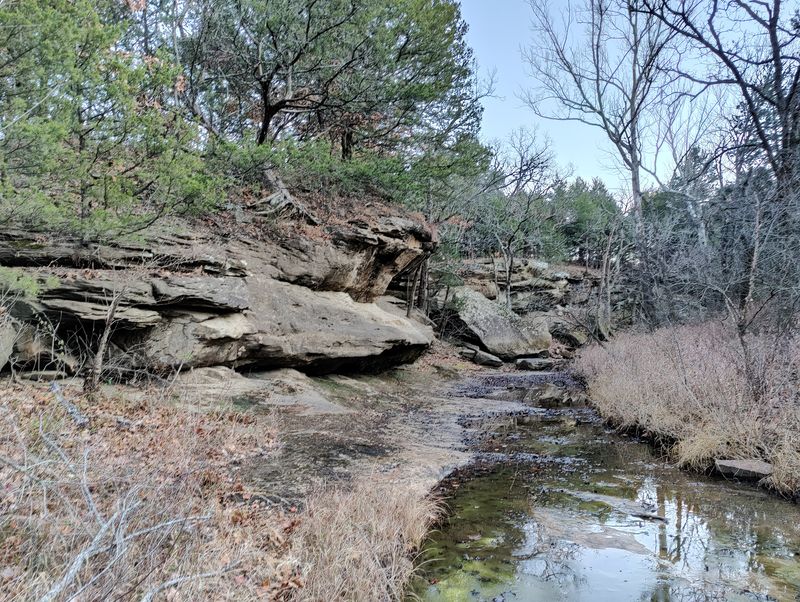
Gnarled oak trees twist skyward with thick, moss-covered branches that create a canopy straight out of a fantasy movie. The forest floor stays cool and shaded even on hot Oklahoma summer days, with ferns and wildflowers carpeting the ground between ancient tree roots.
Hiking here feels like traveling back to when dinosaurs roamed the earth.
Over ten miles of trails wind through these primeval woodlands, ranging from easy walks to challenging climbs. The terrain shifts constantly, keeping every step interesting as you move from dense forest to open meadows to rocky outcroppings.
Wildlife sightings are common, with deer, armadillos, and countless bird species calling these woods home.
Spring brings an explosion of wildflowers that transform the understory into a colorful carpet. Fall turns the canopy into a patchwork of gold, orange, and red that rivals any New England autumn display.
Winter reveals the forest’s skeleton, making the twisted tree shapes even more dramatic and alien-looking.
Trail markers are clearly posted, but bringing a map helps since cell service can be spotty. Wear sturdy shoes because roots and rocks make the paths uneven in many spots.
Lookout Mountain’s Panoramic Views
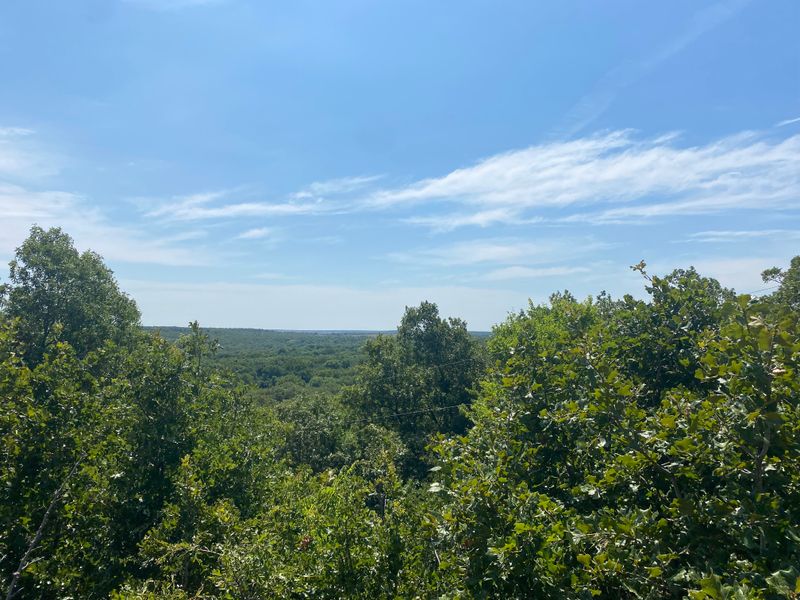
Standing atop Lookout Mountain feels like surveying an alien landscape spread beneath your feet. The 360-degree views stretch for miles across the Osage Hills, revealing wave after wave of forested ridges that fade into the blue horizon.
On clear days, you can see the patchwork of prairies and farmland that surrounds this wild island of ancient terrain.
The climb to reach this viewpoint isn’t terribly difficult, making it accessible for most visitors willing to put in a little effort. A well-maintained trail leads upward through the forest, emerging at a rocky summit perfect for resting and taking photos.
Benches provide spots to sit and soak in the scenery while catching your breath.
Sunrise and sunset transform this overlook into something magical as light paints the hills in shifting colors. Local photographers often camp overnight just to capture these golden hour moments when the landscape truly glows.
Birds soar on thermal currents below the summit, adding movement to the vast view.
Pack water and snacks for your climb since there are no facilities at the top. The exposed summit can be windy, so bring a light jacket even on warm days.
Swimming Pool Oasis in the Wilderness
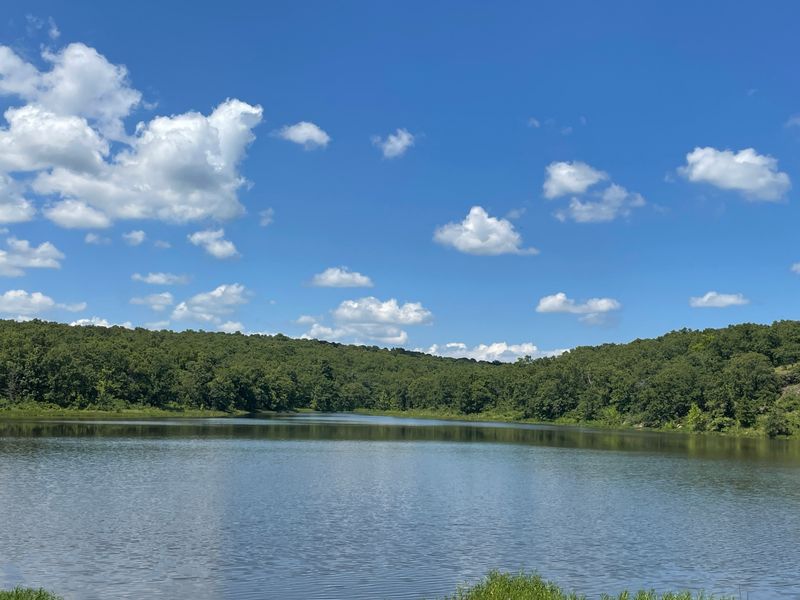
A crystal-clear swimming pool seems wildly out of place among the rugged wilderness, yet it’s become one of the park’s most beloved features. Built decades ago by the Civilian Conservation Corps, this spring-fed pool offers relief from Oklahoma’s scorching summer heat.
The vintage stone bathhouse nearby adds to the time-capsule feeling of the entire facility.
Families gather here throughout summer months, creating a social hub within the otherwise quiet park. The water stays refreshingly cool even during heat waves, thanks to its natural spring source that maintains a constant temperature.
Lifeguards on duty during operating hours make it safe for swimmers of all ages and abilities.
Surrounding the pool, grassy areas provide space for picnicking and sunbathing between dips. Tall trees offer shaded spots for those who prefer to stay cool without getting wet.
The contrast between the manicured pool area and the wild forest just beyond creates a surreal juxtaposition that visitors find charming.
The pool operates seasonally from late May through early September, so check current hours before planning your visit. Small admission fees help maintain this historic facility for future generations to enjoy in this otherworldly setting.
Hidden Caves and Rock Shelters
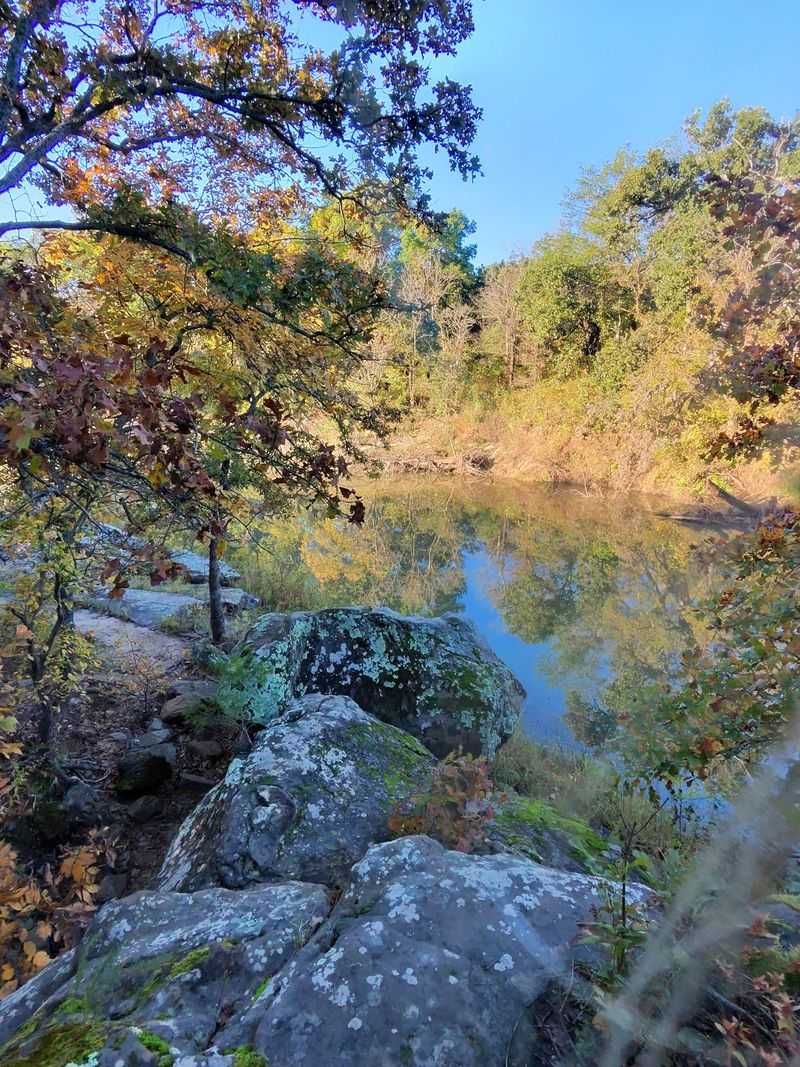
Shallow caves and overhanging rock shelters pepper the hillsides like doorways into the earth itself. Native Americans once used these natural formations for shelter and ceremonial purposes, leaving behind a connection to human history that spans thousands of years.
Today, exploring these spaces offers a tangible link to the past while providing cool respite from the sun.
The sandstone walls inside these shelters often display interesting patterns and colors where minerals have leached through the rock. Some caves are large enough to walk into while others are shallow alcoves just deep enough to sit beneath.
Each has its own character and microclimate, often several degrees cooler than the surrounding forest.
Wildlife also takes advantage of these natural shelters, so watch for signs of recent animal visitors like tracks or scat. Bats occasionally roost in the deeper caves, playing important roles in controlling insect populations throughout the park.
Respect any closures designed to protect roosting bats during sensitive breeding seasons.
Never venture deep into any cave without proper equipment and experience, as even shallow caves can present hazards. Bring a flashlight to examine the interesting rock textures and formations that make each shelter unique and otherworldly.
Spring-Fed Creek Systems
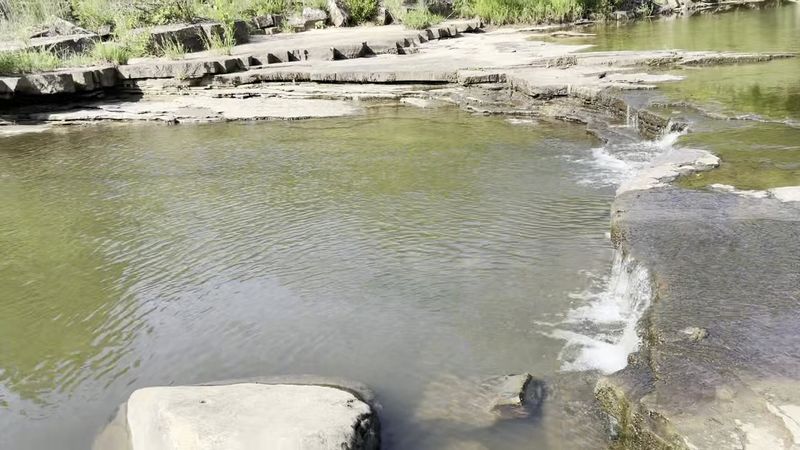
Clear streams bubble up from underground springs and wind through the park like liquid silver threads. These waterways support rich ecosystems packed with aquatic life, from tiny minnows to impressive bass that attract anglers year-round.
The sound of flowing water adds a peaceful soundtrack to any hike through this alien-looking landscape.
Several creeks converge to form larger streams where fishing becomes more productive and enjoyable. Stocked regularly with channel catfish and bass, these waters provide excellent opportunities for both experienced anglers and kids trying fishing for the first time.
A valid Oklahoma fishing license is required for anyone over sixteen years old.
The creek banks host lush vegetation that stays green even during dry spells thanks to constant water availability. Frogs, turtles, and water birds thrive along these corridors, making them perfect spots for wildlife watching.
Crossing the creeks on strategically placed stepping stones adds a small adventure to any trail hike.
Spring and early summer bring the highest water levels and best fishing conditions. During late summer, some smaller tributaries may slow to a trickle, but the main creek systems maintain flow year-round thanks to their underground spring sources that never run dry.
Stargazing Under Dark Skies
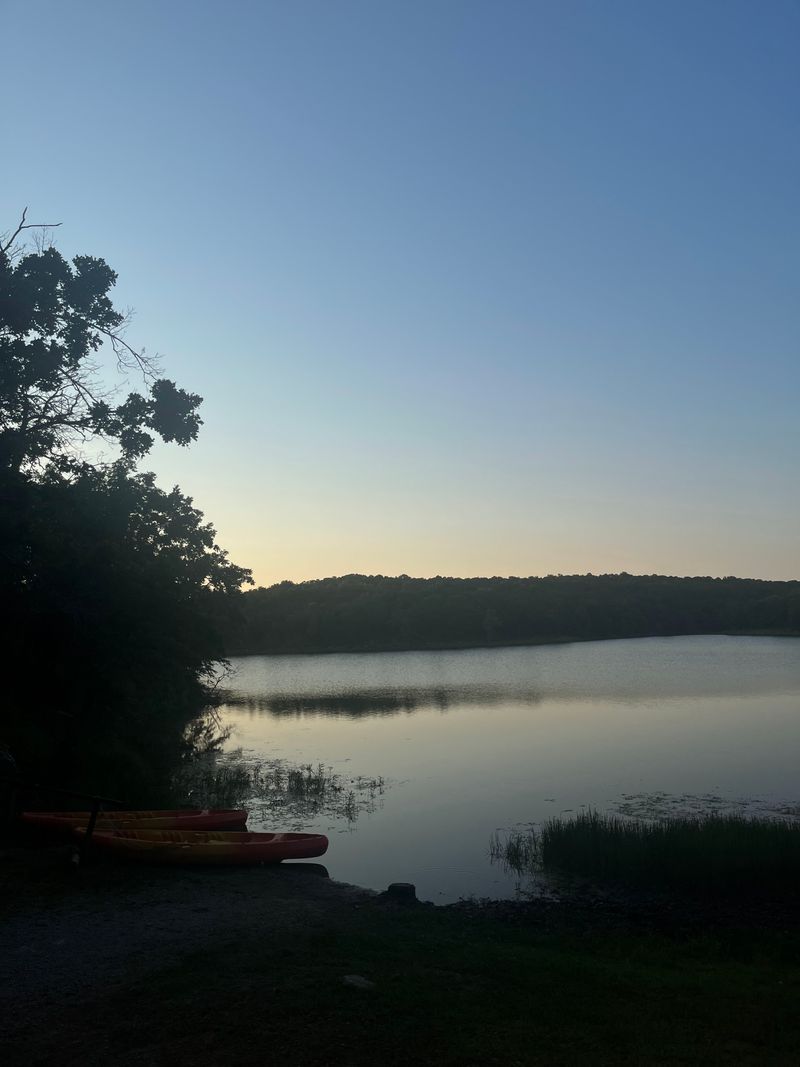
When night falls, the sky transforms into a glittering dome that city dwellers rarely get to experience. Far from urban light pollution, Osage Hills State Park offers some of the darkest skies in northeastern Oklahoma.
The Milky Way stretches overhead like a cosmic river, and shooting stars streak past with surprising frequency during peak meteor shower seasons.
Campers often stay up late simply gazing upward, spotting constellations and satellites crossing the heavens. The combination of dark skies and the park’s otherworldly rock formations creates an atmosphere that truly feels like being on another planet.
Bring a blanket and find a clearing away from trees for the best viewing experience.
Amateur astronomers sometimes set up telescopes in the open areas near the campground, and many are happy to share views of planets and deep-sky objects with curious visitors. The park occasionally hosts stargazing events led by local astronomy clubs who bring equipment and expertise to enhance the experience.
New moon phases provide the darkest conditions for seeing faint stars and galaxies. Download a stargazing app before your visit since cell service may be limited, allowing you to identify what you’re seeing in the night sky above this remarkable landscape.
Wildlife That Thrives in Rugged Terrain
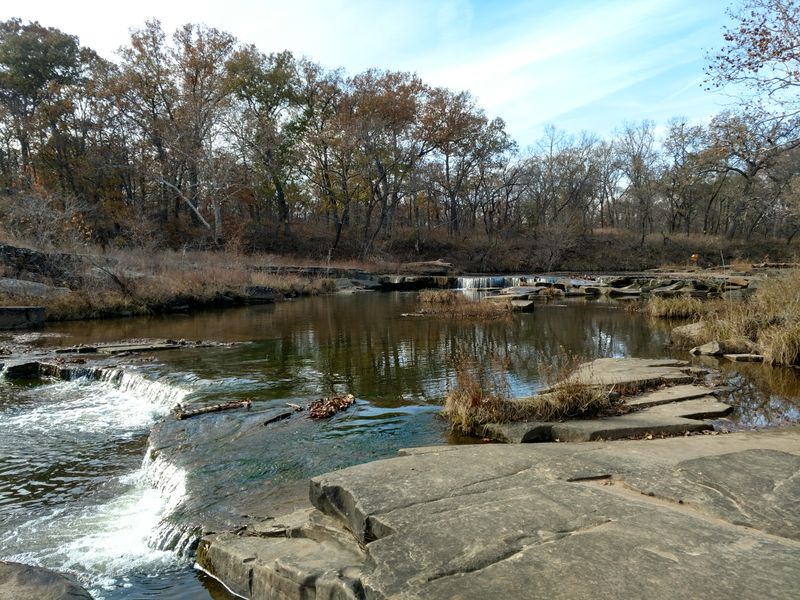
Armadillos shuffle through the underbrush like tiny armored tanks from a science fiction movie. These unusual mammals share the park with white-tailed deer, wild turkeys, and the occasional bobcat prowling through the shadows.
The diverse habitats created by the varied terrain support an impressive array of species that have adapted to this unique environment.
Birdwatchers can spot over a hundred species throughout the year, from colorful warblers during spring migration to majestic hawks soaring on thermal currents. The mix of forest, grassland, and water features creates perfect conditions for different bird families to coexist.
Early morning and late evening offer the best chances for wildlife encounters when animals are most active.
Reptiles and amphibians also thrive here, with box turtles plodding along trails and various frog species singing from creek banks. Harmless snakes like rat snakes and garter snakes help control rodent populations, though venomous species including copperheads and rattlesnakes also inhabit the area.
Watch where you step and give all snakes plenty of space.
Respect wildlife by observing from a distance and never feeding animals, which disrupts natural behaviors and can be dangerous. Bring binoculars for better views without disturbing the creatures that make this otherworldly park their home.
Historic Civilian Conservation Corps Architecture
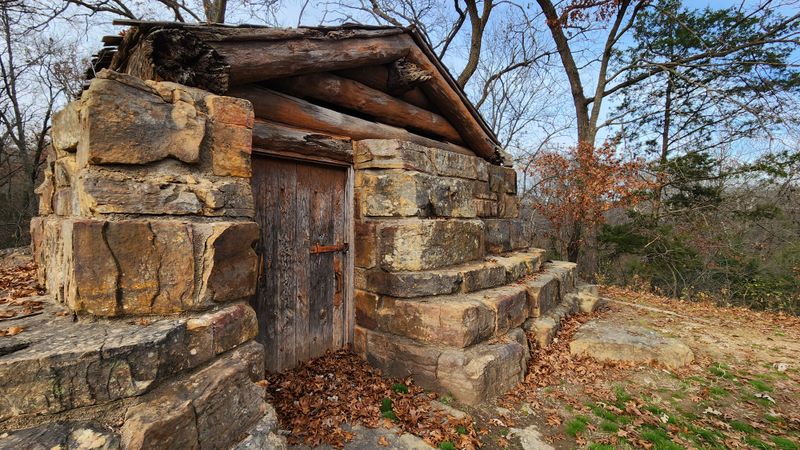
Stone buildings and structures crafted during the 1930s by the Civilian Conservation Corps blend seamlessly into the landscape as if they’ve always been part of this alien terrain. Young men enrolled in this Depression-era program hand-cut and placed every stone, creating facilities that have served visitors for nearly a century.
Their craftsmanship turns functional buildings into works of art that complement rather than compete with the natural beauty.
The park’s lodge, cabins, and bathhouse showcase the rustic architectural style that defined CCC projects across America. Massive fireplaces built from local stone dominate interior spaces, while exposed timber beams and careful stonework create cozy yet impressive gathering areas.
These structures have gained historic significance beyond their practical purposes.
Staying in one of the vintage cabins offers a step back in time while still providing modern comforts like electricity and indoor plumbing. The thick stone walls keep interiors cool in summer and warm in winter, demonstrating the builders’ understanding of passive climate control.
Each cabin has its own character shaped by decades of use and careful maintenance.
Reservations for cabins and the lodge fill quickly during peak seasons, so book well in advance. Exploring the architecture adds another dimension to appreciating this remarkable park’s history and otherworldly atmosphere.
Seasonal Transformations That Reshape the Landscape
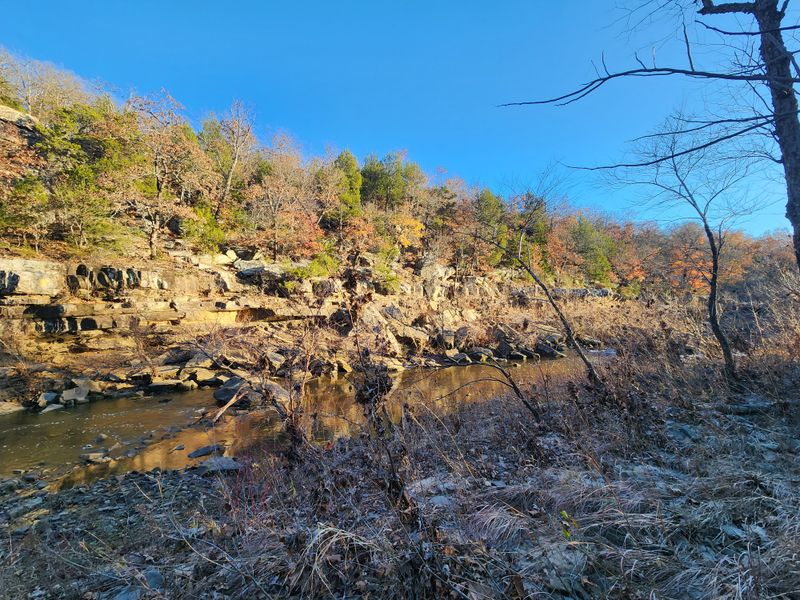
Each season paints Osage Hills State Park in completely different colors and moods, making it feel like four separate planets throughout the year. Spring explodes with wildflowers and fresh green growth that softens the harsh rock formations, while summer’s heat bakes the landscape into shades of gold and amber.
Fall brings a spectacular show as the forest canopy turns into a quilt of warm colors that glow against the red rocks.
Winter strips away the foliage to reveal the park’s true skeletal structure, making the twisted trees and balanced boulders even more dramatic and alien. Ice sometimes coats the rock faces, creating temporary crystal sculptures that catch the low winter sun.
Snow is occasional but transforms the entire park into a monochrome wonderland when it does arrive.
Each season offers different advantages for visitors, from comfortable spring temperatures perfect for hiking to summer’s swimming pool season to fall’s photography opportunities. Winter provides solitude and a chance to see the landscape without crowds, though some facilities close during colder months.
The park remains open year-round for those seeking any season’s unique beauty.
Check the park’s website or call ahead to confirm which facilities and activities are available during your planned visit, as seasonal closures affect pool access and some camping areas during winter months.
Share this story