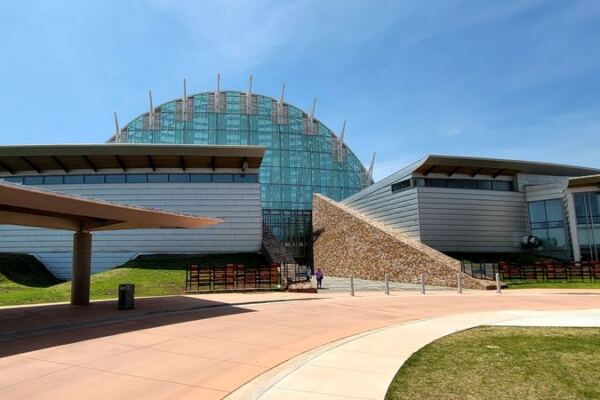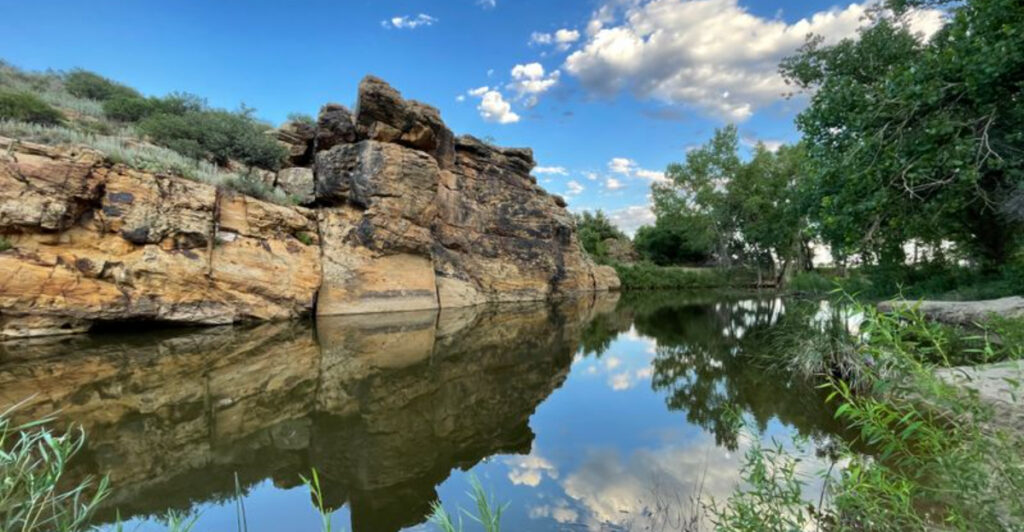
Black Mesa State Park & Nature Preserve isn’t the kind of place you stumble upon by accident. Located in Oklahoma’s far northwestern corner, it takes a little intention to get there — and that’s part of what makes it special.
While many state parks fill up quickly during busy seasons, Black Mesa remains surprisingly quiet. Visitors don’t come for attractions or entertainment.
They come for space, perspective, and a break from crowded destinations. The landscape feels different from the rest of Oklahoma, shaped by distinct geological features that make the trip feel worthwhile.
What stands out most is the sense of openness and freedom to explore without feeling rushed. You can plan a hike, spend time learning about the area’s natural history, or simply enjoy being somewhere that doesn’t feel overdeveloped.
Black Mesa isn’t flashy or heavily promoted. It’s steady, remote, and rewarding — the kind of place that feels like a genuine discovery once you’ve made the drive.
Remote Location Means True Solitude
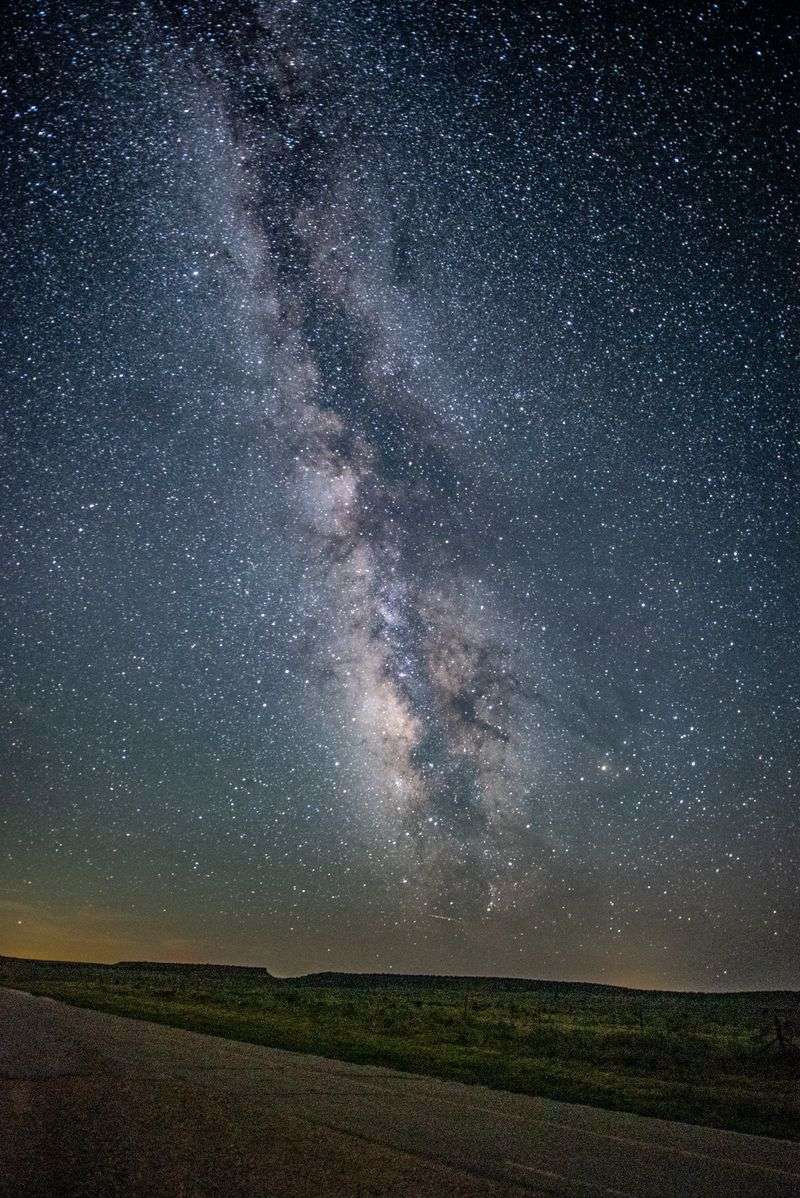
Black Mesa sits nearly 600 miles from Oklahoma City, making it one of the state’s most isolated destinations. This distance isn’t a drawback—it’s the park’s greatest asset for anyone seeking genuine peace and quiet.
Most visitors never make the journey, which means you’ll often have trails, campsites, and scenic overlooks practically to yourself.
The park occupies Oklahoma’s panhandle region, where the landscape shifts dramatically from the state’s typical rolling hills to something more resembling the Southwest. Cell service becomes spotty as you approach, forcing a digital detox whether you planned for one or not.
GPS can be unreliable, so old-fashioned maps become your best friend.
Getting here requires commitment, but that’s precisely what keeps the crowds away. The nearest major town, Boise City, sits about 30 miles east and offers basic supplies.
Pack everything you need before arriving, including plenty of water and snacks. The remoteness creates an atmosphere of authentic wilderness exploration that’s increasingly rare in modern America.
Once you arrive and see the wide-open spaces stretching endlessly in every direction, you’ll understand why the journey matters as much as the destination itself.
Lake Camping Without the Noise
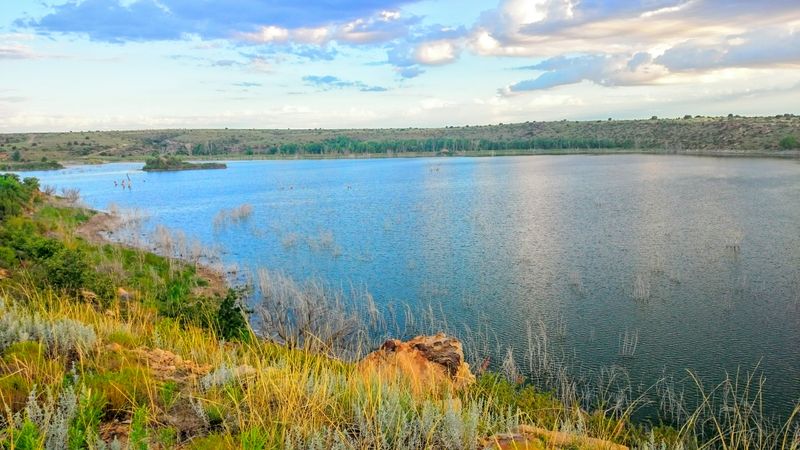
Lake Carl Etling anchors the park’s camping area, providing a serene waterfront setting that rarely fills to capacity. Unlike popular lake campgrounds that turn into noisy summer festivals, this spot maintains a calm atmosphere even during peak weekends.
Campers spread out across the sites, giving everyone breathing room and genuine privacy.
The campground accommodates both RV enthusiasts and tent campers, with electrical hookups available at select sites. Facilities remain clean and functional without feeling overly developed or commercialized.
Restrooms include showers, which feel like luxury after a day exploring dusty trails.
Waking up to sunrise over the lake beats any alarm clock you’ve ever used. Morning fog often blankets the water, creating an ethereal scene perfect for photography or quiet contemplation.
Fishing enthusiasts cast lines from the shore or small boats, hoping to hook bass, catfish, or crappie.
Evening campfires crackle under impossibly star-filled skies, with the Milky Way visible on clear nights. The lack of light pollution transforms stargazing from a hobby into an awe-inspiring experience.
Bring a telescope if you have one, or simply lie back and count shooting stars until sleep finally wins.
Highest Point in Oklahoma
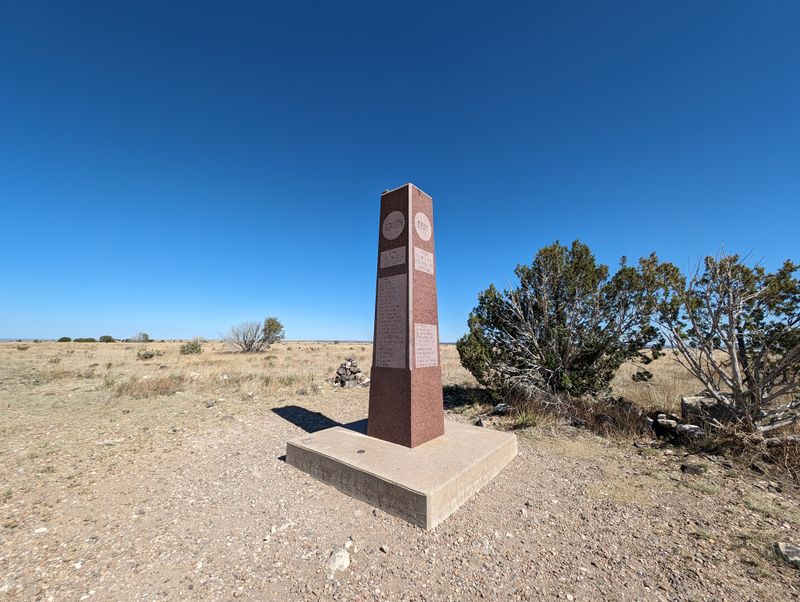
Standing at 4,973 feet above sea level, Black Mesa’s summit represents Oklahoma’s highest elevation. The eight-mile round-trip hike to reach this point challenges moderately fit visitors without requiring technical climbing skills.
Elevation markers along the trail remind you of your progress toward the top.
Trail conditions vary from packed dirt to rocky sections requiring careful footing. Bring sturdy hiking boots rather than tennis shoes, as the terrain can be unforgiving on ankles.
The path crosses through several ecological zones, each offering different plant life and occasional wildlife sightings.
Weather changes rapidly at higher elevations, so layers become essential even during summer months. Morning starts might feel cool, but afternoon sun beats down relentlessly with minimal shade available.
Sunscreen and a wide-brimmed hat protect against UV rays intensified by the altitude.
Reaching the summit delivers a profound sense of accomplishment along with breathtaking 360-degree views. On clear days, you can see into Colorado, New Mexico, Kansas, and Texas from this single vantage point.
A monument marks the exact highest point, where countless visitors have snapped triumphant photos. The descent goes faster than the climb, though your knees might disagree by the time you reach the trailhead again.
Unique Geological Formations
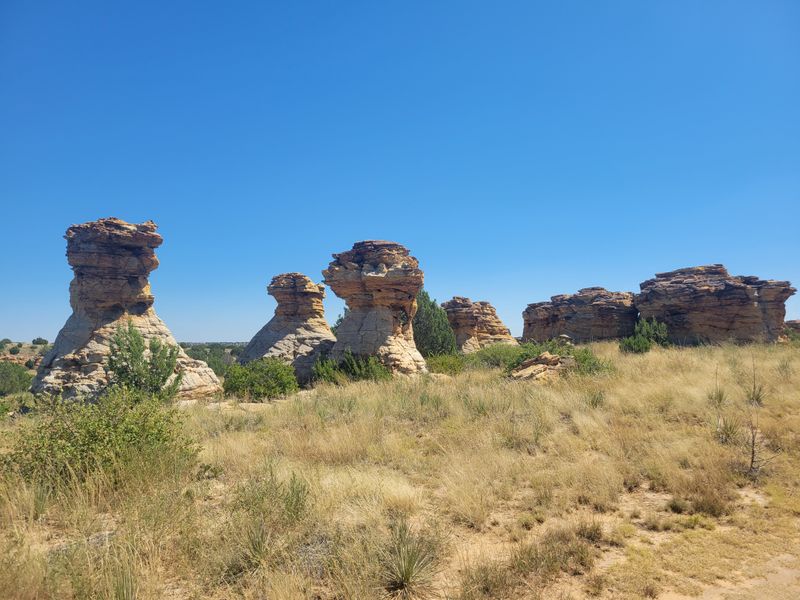
Ancient volcanic activity created the dramatic mesa formations that give this park its name. Dark lava rock caps lighter sedimentary layers below, creating striking visual contrasts against the blue sky.
These geological features formed roughly 30 million years ago during a period of intense volcanic activity across the region.
Walking among these formations feels like stepping onto another planet or into a classic Western film. Erosion continues shaping the landscape, carving new patterns and revealing fossils embedded in the rock layers.
Amateur geologists find endless fascination examining the various strata visible in cliff faces.
Dinosaur tracks have been discovered in some areas, though accessing these sites requires special permission and guidance. The park’s unique position at the meeting point of several geological provinces creates biodiversity rarely seen elsewhere in Oklahoma.
Plants and animals typically found hundreds of miles west thrive here in their easternmost habitat.
Photography enthusiasts chase golden hour light as it illuminates the mesa walls in warm orange and red tones. Shadows create dramatic depth and dimension impossible to capture during midday hours.
Bring a tripod for long-exposure shots during the blue hour after sunset, when the sky turns deep purple behind the dark silhouettes of the formations.
Wildlife Watching Opportunities
Mule deer browse through the park at dawn and dusk, their large ears swiveling to detect any potential threats. These western cousins of white-tailed deer prefer the rocky terrain and sparse vegetation found throughout the preserve.
Patient observers often spot small herds moving between feeding areas.
Roadrunners dart across trails with their distinctive running gait, rarely taking flight unless absolutely necessary. These charismatic birds hunt lizards and insects, providing natural pest control while entertaining visitors.
Their cartoon fame doesn’t quite capture their actual speed and hunting prowess.
Raptors circle overhead on thermal currents, scanning the ground for prey with incredible vision. Golden eagles, red-tailed hawks, and prairie falcons all hunt within the park boundaries.
Binoculars transform distant specks into magnificent predators riding invisible air currents.
Pronghorn antelope occasionally wander into the preserve from surrounding grasslands, though sightings remain relatively rare. These speed demons can sprint over 50 miles per hour, making them North America’s fastest land animal.
Coyotes howl at night, their haunting calls echoing across the mesas and reminding visitors that wilderness still exists. Early morning drives along park roads often yield the best wildlife encounters, before human activity increases and animals retreat to shadier, more secluded areas.
Dark Sky Stargazing Paradise
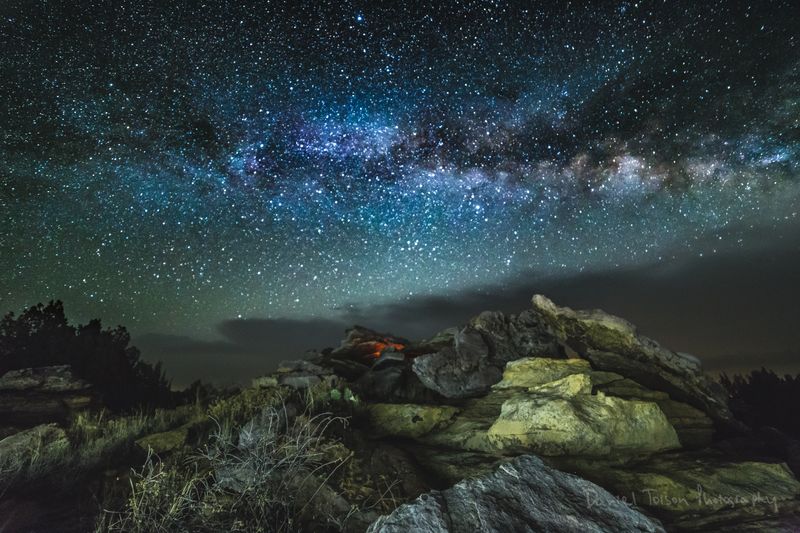
Light pollution barely exists in this corner of Oklahoma, creating stargazing conditions that rival dedicated dark sky preserves. The Milky Way stretches across the sky like a cosmic river, visible to the naked eye on moonless nights.
City dwellers often express genuine shock at how many stars actually fill the heavens.
Meteor showers become spectacular events here, with shooting stars streaking across unobstructed horizons every few minutes during peak activity. The Perseids in August and Geminids in December offer particularly impressive displays.
Bring a reclining camp chair or simply spread a blanket on the ground for comfortable viewing.
Planets appear as bright points of light, sometimes visible even before full darkness descends. Jupiter’s moons become visible through basic telescopes, while Saturn’s rings never fail to amaze first-time observers.
Smartphone apps help identify constellations and track satellite passes overhead.
Winter offers the clearest skies, though temperatures drop significantly after sunset. Bundle up in layers and bring hot beverages to maintain comfort during extended observation sessions.
Summer nights stay warmer but occasionally bring haze that reduces visibility. The experience of seeing the universe spread out above you, unfiltered by urban glow, changes your perspective on humanity’s place in the cosmos forever.
Uncrowded Fishing Spots
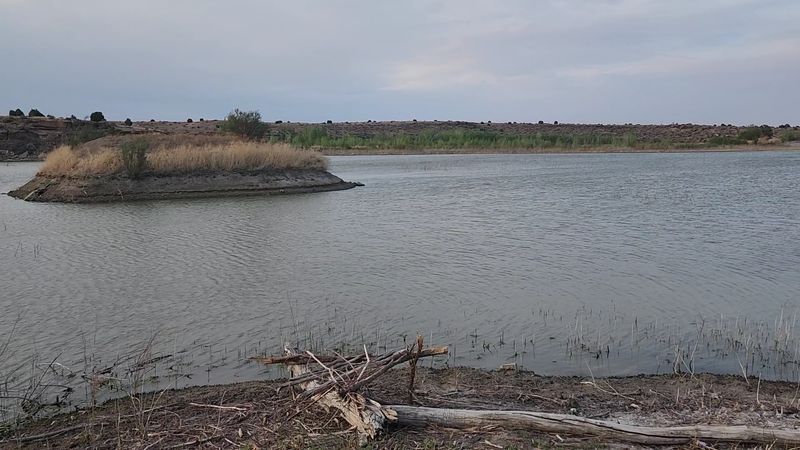
Lake Carl Etling’s 180 acres provide ample fishing opportunities without the shoulder-to-shoulder crowding found at more accessible lakes. Anglers spread out along the shoreline or launch small boats from the ramp, each finding their own productive spot.
The relaxed atmosphere encourages friendly conversations between fishermen sharing tips and stories.
Bass fishing peaks during spring and fall when water temperatures trigger feeding activity. Largemouth bass up to five pounds occasionally hit lures worked along rocky points and submerged structures.
Patience pays off more than fancy equipment, though quality tackle certainly helps.
Catfish provide consistent action for bait fishermen, especially during evening hours and overnight sessions. Channel cats and the occasional flathead take cut bait or prepared stink baits fished on the bottom.
Crappie schools move through the lake seasonally, offering excellent table fare for successful anglers.
Oklahoma fishing licenses are required and available online or from local retailers before arriving. The park’s remote location means no bait shops operate nearby, so stock up on tackle and live bait beforehand.
Cleaning stations near the boat ramp provide convenient fish processing areas. Even if the fish aren’t biting, the peaceful setting and lack of crowds make the experience worthwhile.
Sometimes the best fishing happens when you’re not trying too hard.
Mountain Biking Trails
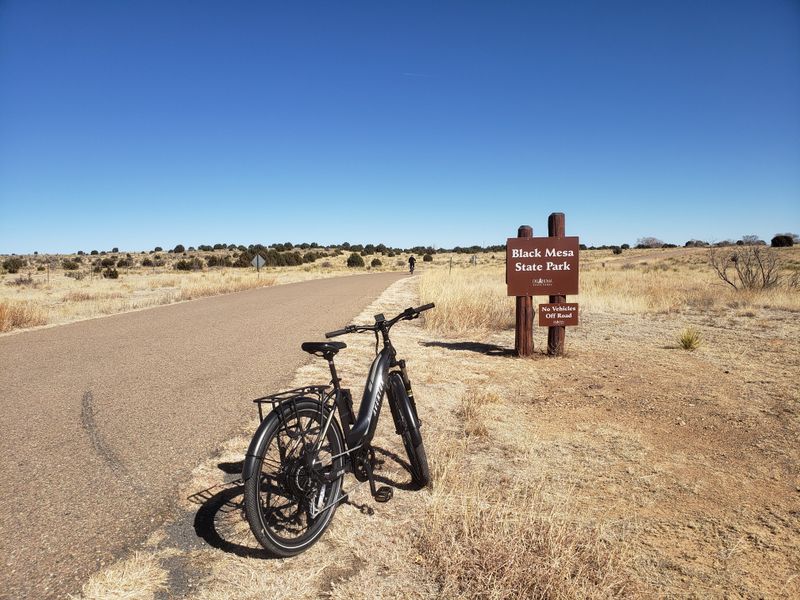
Rugged terrain challenges mountain bikers seeking adventure beyond typical paved paths. Several trails wind through the preserve, offering varying difficulty levels from beginner-friendly routes to technical sections demanding skill and focus.
The remote setting means you’ll rarely encounter other riders, giving you the trails entirely to yourself.
Rocky sections test bike handling abilities and equipment durability. Full-suspension bikes handle the terrain more comfortably, though hardtails work fine for experienced riders.
Tire pressure adjustments help optimize traction on loose surfaces and rocky climbs.
Elevation changes provide both cardiovascular challenges and thrilling descents. What goes up must come down, and the downhill sections reward the effort invested in climbing.
Brake pads wear faster on long descents, so check equipment before extended rides.
Spring and fall offer ideal riding temperatures, while summer heat demands early morning starts before temperatures soar. Carry more water than seems necessary—dehydration happens quickly at altitude in dry air.
Trail markers exist but aren’t always obvious, so download offline maps before losing cell service.
Wildlife encounters add excitement to rides, though give animals plenty of space and right-of-way. The combination of challenging terrain, stunning scenery, and complete solitude creates mountain biking experiences that urban trail systems simply cannot match.
Your legs might burn, but your spirit will soar.
Photography Heaven for Landscape Lovers
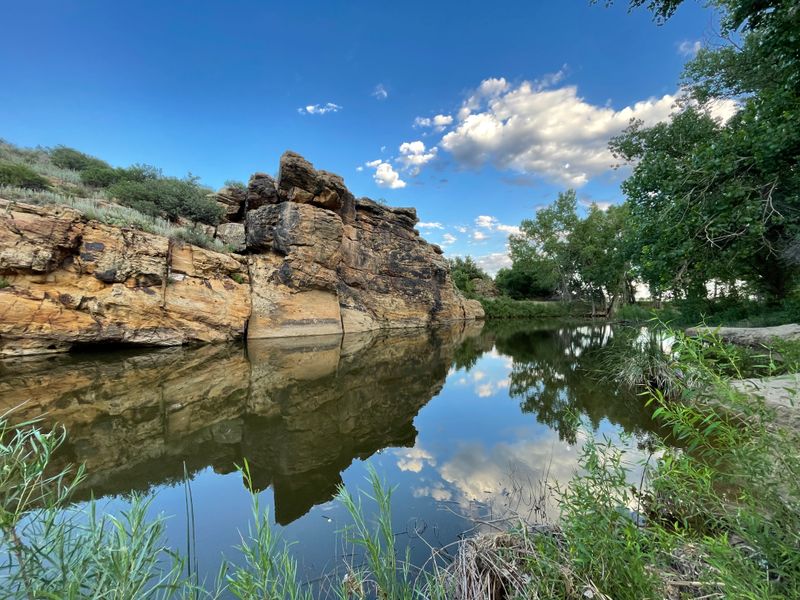
Dramatic landscapes practically beg to be photographed from every angle and time of day. The interplay between light and shadow across the mesa formations creates constantly changing compositions.
Professional photographers and Instagram enthusiasts alike find endless subject matter within the park boundaries.
Golden hour transforms ordinary scenes into magical moments bathed in warm, directional light. The hour after sunrise and before sunset provide the most flattering illumination for landscape photography.
Clouds add drama when present, but clear skies showcase the region’s intense blue hues.
Wide-angle lenses capture the expansive vistas, while telephoto lenses compress distant mesas into striking compositions. Foreground elements like twisted juniper trees or weathered rocks add depth and interest to images.
Polarizing filters reduce glare and intensify sky colors without artificial enhancement.
Night photography opportunities rival any location in North America thanks to minimal light pollution. Long exposures reveal star trails circling Polaris, while shorter exposures freeze the Milky Way’s intricate details.
Intervalometers enable time-lapse sequences showing the universe wheeling overhead.
Weather can change rapidly, creating both challenges and opportunities for dramatic images. Storm clouds building over the mesas produce moody, atmospheric photographs.
Rain showers pass quickly, often leaving behind rainbows arcing across the desert landscape. Pack weather-resistant camera bags and protective covers to safeguard equipment during unexpected precipitation.
Peaceful Nature Preserve Trails
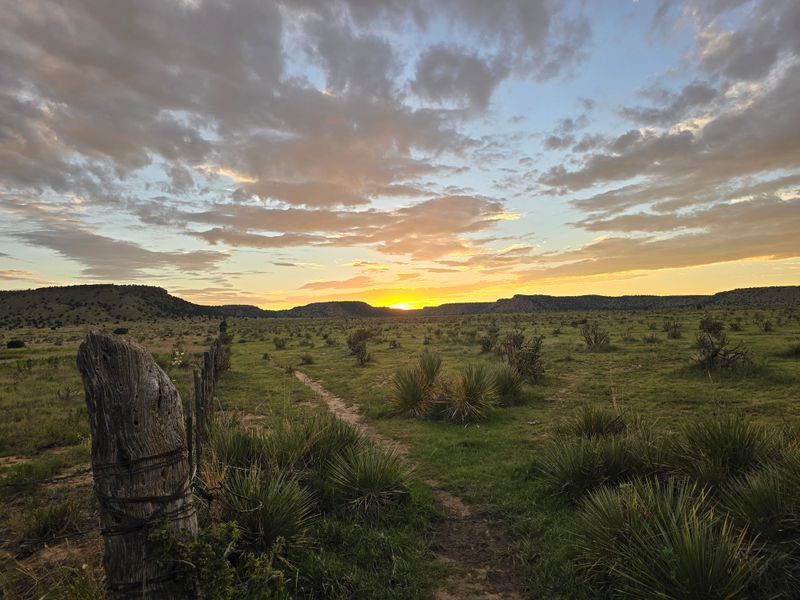
Nature preserve trails offer gentler alternatives to the summit hike, perfect for casual walkers and families with younger children. These shorter loops wind through diverse habitats showcasing the region’s unique plant communities.
Interpretive signs provide educational information about local ecology and natural history.
Native grasses sway in constant breezes, creating hypnotic wave patterns across the prairie sections. Yucca plants thrust their dramatic flower stalks skyward during blooming season, attracting hummingbirds and various pollinators.
Prickly pear cacti add unexpected color with their bright yellow or pink blooms.
Birdsong fills the air during spring migration when species rest and refuel before continuing their journeys. Warblers, tanagers, and other songbirds flit through vegetation, challenging birders to spot and identify them.
Patient observers often see species rarely encountered elsewhere in Oklahoma.
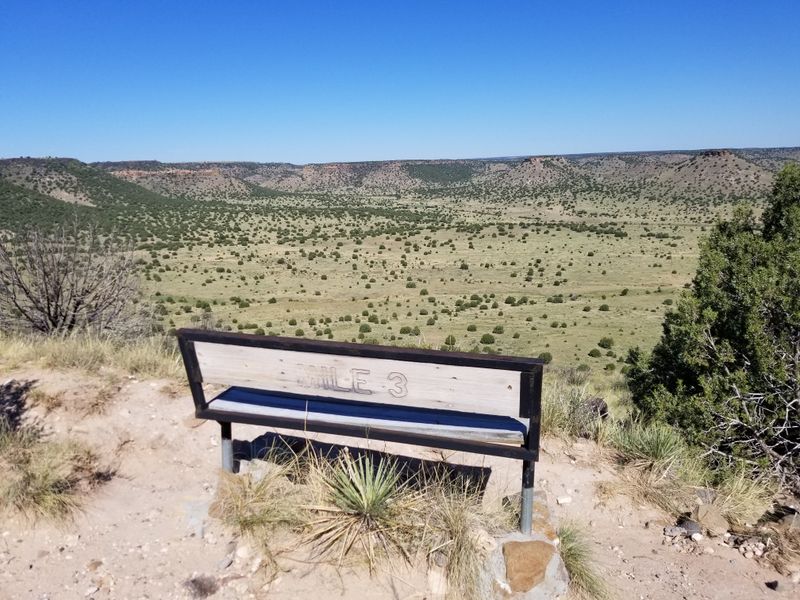
Trail difficulty remains manageable for most fitness levels, though uneven ground requires attention to footing. Benches positioned at scenic overlooks invite visitors to sit and absorb the peaceful atmosphere.
The preserve protects habitats increasingly rare across the Great Plains, making conservation efforts here particularly important.
Solitude comes easily on these trails, where you might walk for hours without encountering another person. The silence broken only by wind, birds, and your own footsteps creates a meditative experience.
This quiet communion with nature refreshes the soul in ways impossible to quantify.
Share this story