Most restaurants talk about farm-to-table dining like it is a badge of honor, a trendy phrase to slap on a menu. But what happens when the farm and the table share the same zip code, the same driveway, the same heartbeat?
What happens when the people cooking your meal are the same ones who milked the cows at dawn and collected eggs before sunrise?
That is the magic waiting for you in Creek County, where authenticity is not a buzzword but a way of operating every single day. Keep reading to discover why this place has earned a 4.8-star rating and a loyal following that spans far beyond Oklahoma.
A Real Working Farm That Feeds You
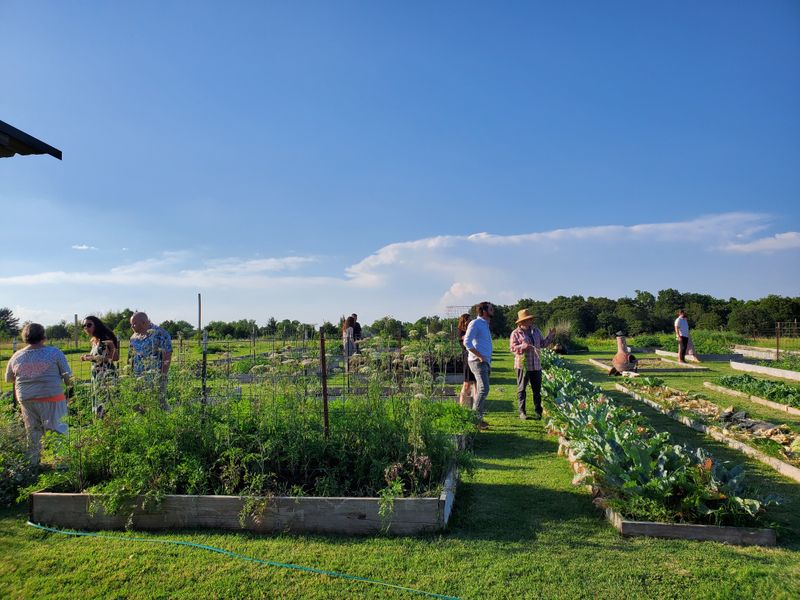
You will find this incredible operation at 25198 S 481st W Ave, Depew, Oklahoma 74028, where the restaurant and the farm exist as one seamless entity. The cows you see grazing outside are not decorations or props for photo opportunities.
They provide the milk, butter, and beef that end up on your plate, often within hours of harvest.
Living Kitchen Farm and Dairy operates on principles that seem radical in our modern food system but were once the norm for every community. The owners raise their animals on pasture, rotate their grazing patterns to keep the land healthy, and refuse to use synthetic hormones or unnecessary antibiotics.
Every decision revolves around animal welfare and soil health rather than maximizing short-term profits.
When you order a meal here, you are not just supporting a restaurant. You are participating in a food system that respects the land, the animals, and your health.
The transparency is total because there is nothing to hide. You can literally walk outside and see where your food comes from.
This level of integration between farm and kitchen creates flavors that simply cannot be replicated when ingredients travel through multiple distributors and sit in warehouses. Freshness is not measured in days here but in hours, and your taste buds will immediately recognize the difference.
Grass-Fed Beef That Tastes Like Beef Used To
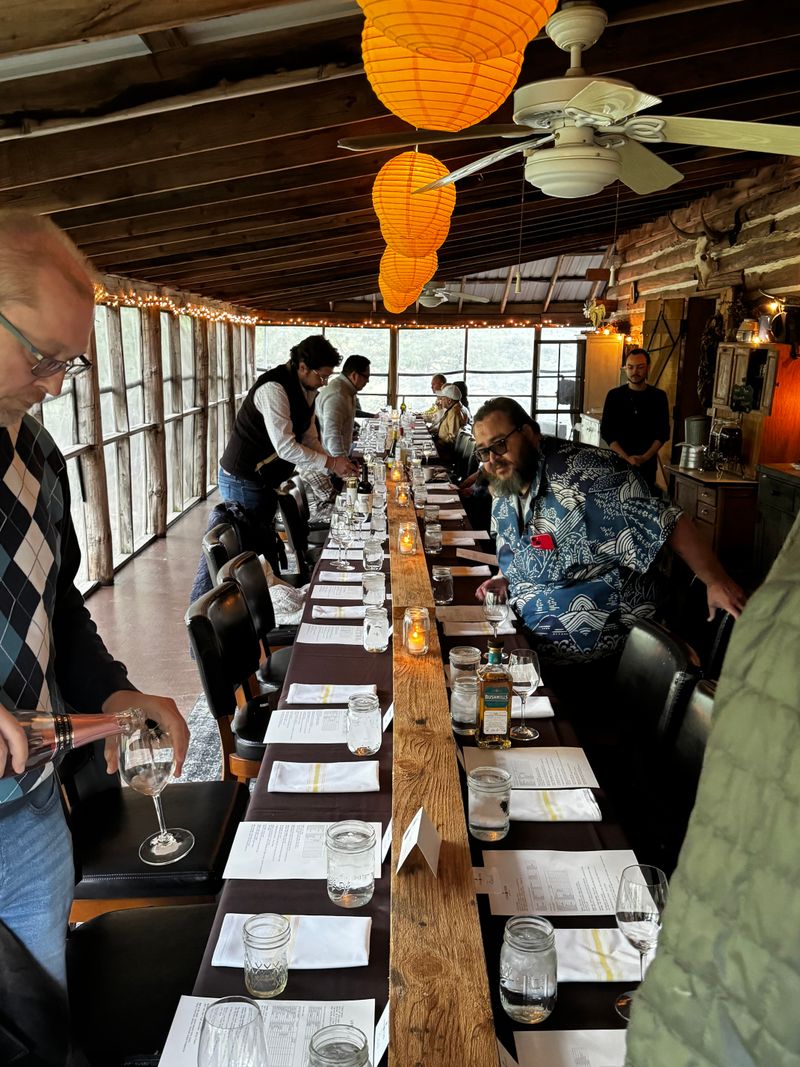
Most people under 40 have never tasted beef from a cow that ate nothing but grass its entire life. The difference is so profound that first-time visitors often pause mid-bite, surprised by the depth of flavor they are experiencing.
Grass-fed beef has a richer, more complex taste that grain-finished beef simply cannot match.
The cattle at this Oklahoma farm spend their days doing what cattle evolved to do over millions of years: grazing on diverse pastures. They eat a variety of grasses, clover, and other forage plants that change with the seasons.
This natural diet produces meat with a different fat composition, higher in omega-3 fatty acids and conjugated linoleic acid, both beneficial for human health.
The burgers here are legendary among locals and worth the drive from Tulsa, Oklahoma City, or beyond. The patties are thick, juicy, and packed with a beefy flavor that needs no elaborate sauces or toppings to shine.
A little salt, a toasted bun, and maybe some fresh vegetables are all the enhancement required.
But it is not just burgers. The menu features steaks, roasts, and other beef dishes that showcase the quality of the meat.
Because the farm controls every step from birth to plate, the consistency is remarkable. Every meal reflects the care that went into raising that animal.
Dairy Products That Redefine Fresh
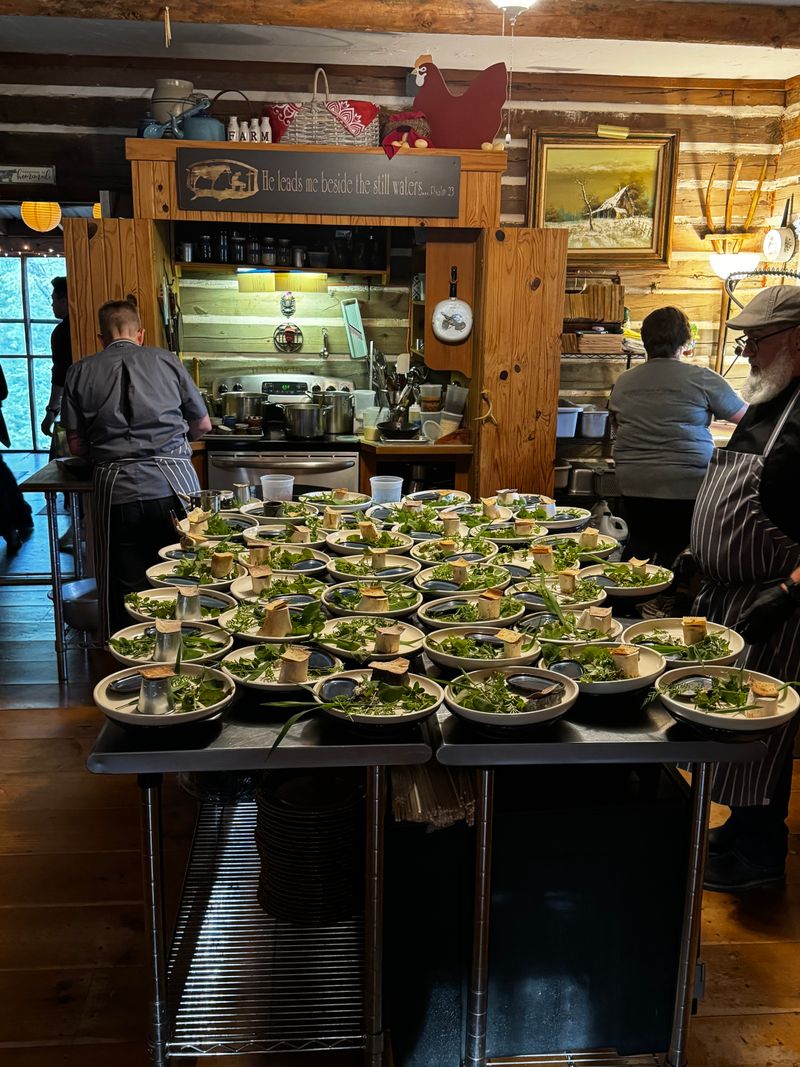
The milk here is so fresh that it barely resembles what you buy in grocery stores. Raw milk, available for purchase at the farm, has a creamy sweetness and rich texture that pasteurization diminishes.
For those who prefer pasteurized options, the farm offers those as well, processed in small batches to maintain quality.
The dairy operation follows strict cleanliness protocols, and the cows are milked in a calm, low-stress environment. Happy cows genuinely produce better milk, and you can taste the difference in every glass.
The cream rises to the top naturally, and the butter made from that cream has a golden color that comes from the beta-carotene in fresh grass.
Cheese production is another specialty here. The farm makes several varieties, from simple fresh cheeses to aged options with complex flavor profiles.
Each batch is small, crafted with attention to detail that large commercial operations cannot match. The cheese curds are particularly popular, squeaking between your teeth the way truly fresh curds should.
Coffee drinkers rave about the farm’s butter coffee, a rich beverage that combines fresh coffee with a dollop of grass-fed butter. It sounds unusual but tastes incredible, providing sustained energy without the crash that often follows sugary coffee drinks.
The dairy products alone are worth the visit.
Eggs From Chickens Living Their Best Lives
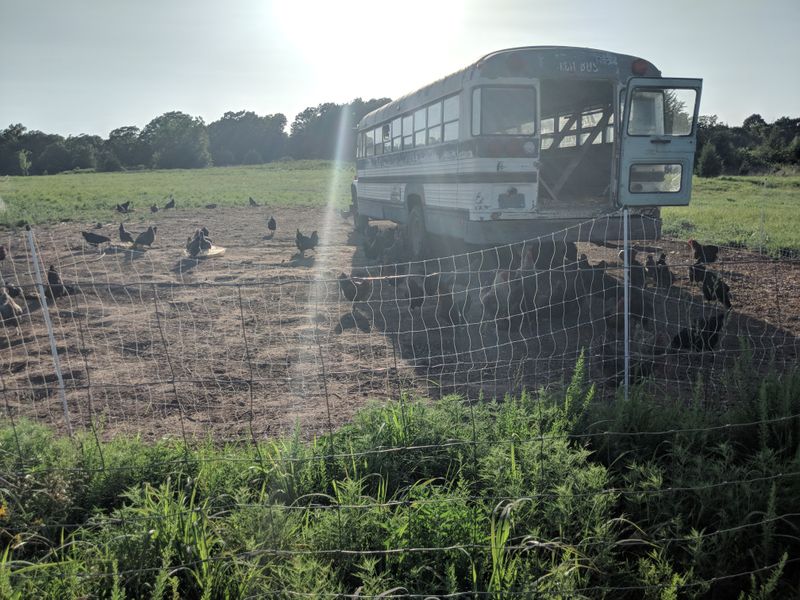
The chickens at this farm roam freely, scratching in the dirt, chasing bugs, and sunbathing whenever the mood strikes. These birds are not confined to cramped cages or even large barns.
They have access to pasture, which dramatically impacts the nutritional quality and taste of their eggs.
Pasture-raised eggs have deep orange yolks that stand tall and firm when cracked into a pan. The color comes from the diverse diet of insects, worms, grass, and seeds that free-ranging chickens consume.
These eggs contain higher levels of vitamins A and E, more omega-3 fatty acids, and less cholesterol than eggs from caged hens.
The breakfast menu makes excellent use of these exceptional eggs. Omelets arrive fluffy and golden, filled with fresh vegetables and cheese made right on the farm.
The simple fried egg plate becomes something special when the eggs taste this good. Even scrambled eggs, often a disappointing choice elsewhere, shine here because the ingredients are so superior.
Watching the chickens outside adds an element of entertainment to your meal. They have distinct personalities, and the farm keeps several heritage breeds that you rarely see in commercial operations.
Kids especially love seeing where their food comes from, and the chickens provide an excellent educational opportunity about humane animal husbandry.
Seasonal Vegetables Picked at Peak Ripeness
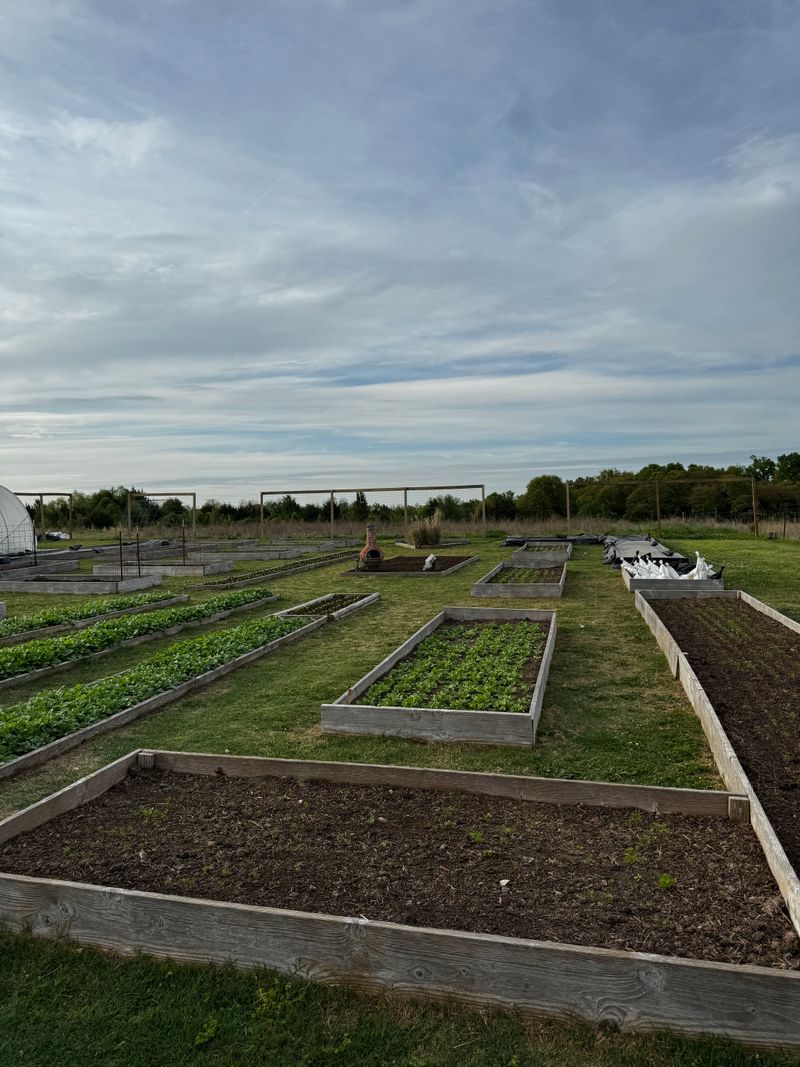
While the focus is often on the meat and dairy, the vegetable production here deserves equal praise. The farm maintains gardens that supply the kitchen with produce picked the same day it appears on your plate.
Tomatoes taste like tomatoes should, with a perfect balance of sweetness and acidity that store-bought versions never achieve.
The growing methods prioritize soil health and biodiversity rather than maximum yield. Compost from the farm’s animals enriches the soil naturally, creating a closed-loop system where waste from one enterprise becomes nutrition for another.
The vegetables grow in living soil teeming with beneficial microorganisms that help plants absorb nutrients and resist pests.
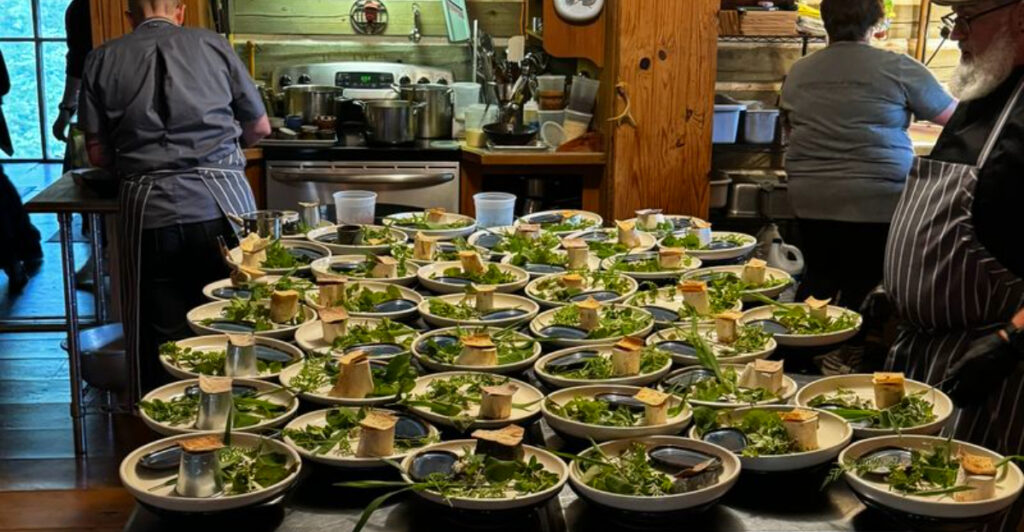
Menu offerings change with the seasons because the kitchen works with what the garden produces. Spring brings tender lettuces, peas, and radishes.
Summer means tomatoes, cucumbers, peppers, and squash in abundance. Fall features root vegetables, winter squash, and hearty greens.
This seasonal approach connects diners to the natural rhythms of food production.
The salads are particularly noteworthy, featuring mixed greens so fresh they seem to crunch with vitality. Dressings are made in-house using the farm’s dairy products and herbs from the garden.
Even people who claim not to like vegetables find themselves enjoying these dishes because the quality is undeniable.
A Family Mission That Started Small
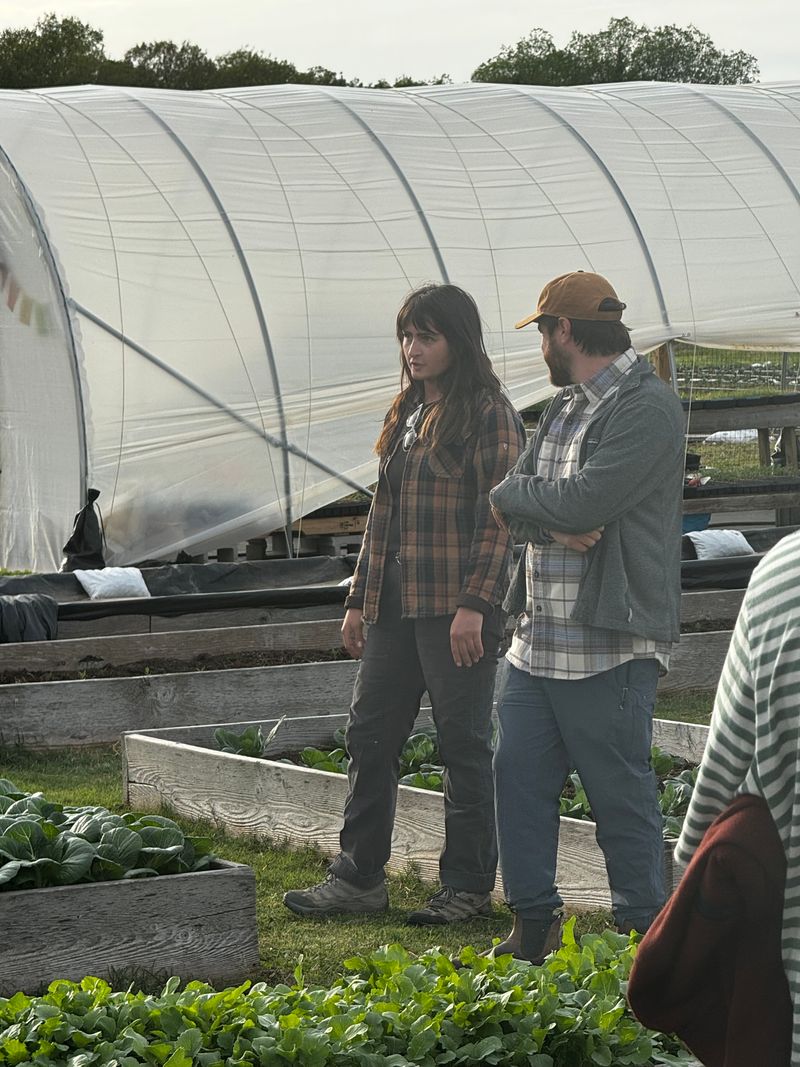
The story behind this place makes the food taste even better. The family that owns and operates the farm started with just a few acres and a vision of producing food the right way.
They were not wealthy investors or corporate operators but regular people who wanted to reconnect with how food was grown before industrialization changed everything.
Early years were challenging, as they are for any small farm trying to compete with industrial agriculture. The family learned through trial and error, reading extensively, consulting with other small farmers, and constantly refining their methods.
They made mistakes, lost money on failed experiments, and worked exhausting hours to keep the operation afloat.
What kept them going was the response from customers who tasted the difference and understood the value of what they were doing. Word spread slowly at first, then gained momentum as more people discovered the farm.
The decision to add a small restaurant was both practical and philosophical, allowing them to control the entire process from pasture to plate while educating customers about where real food comes from.
Today, the farm employs several people and has expanded its acreage, but it remains family-owned and operated. The same values that guided the early days still drive every decision.
Profit matters, but never at the expense of animal welfare, environmental stewardship, or food quality.
Educational Opportunities For All Ages
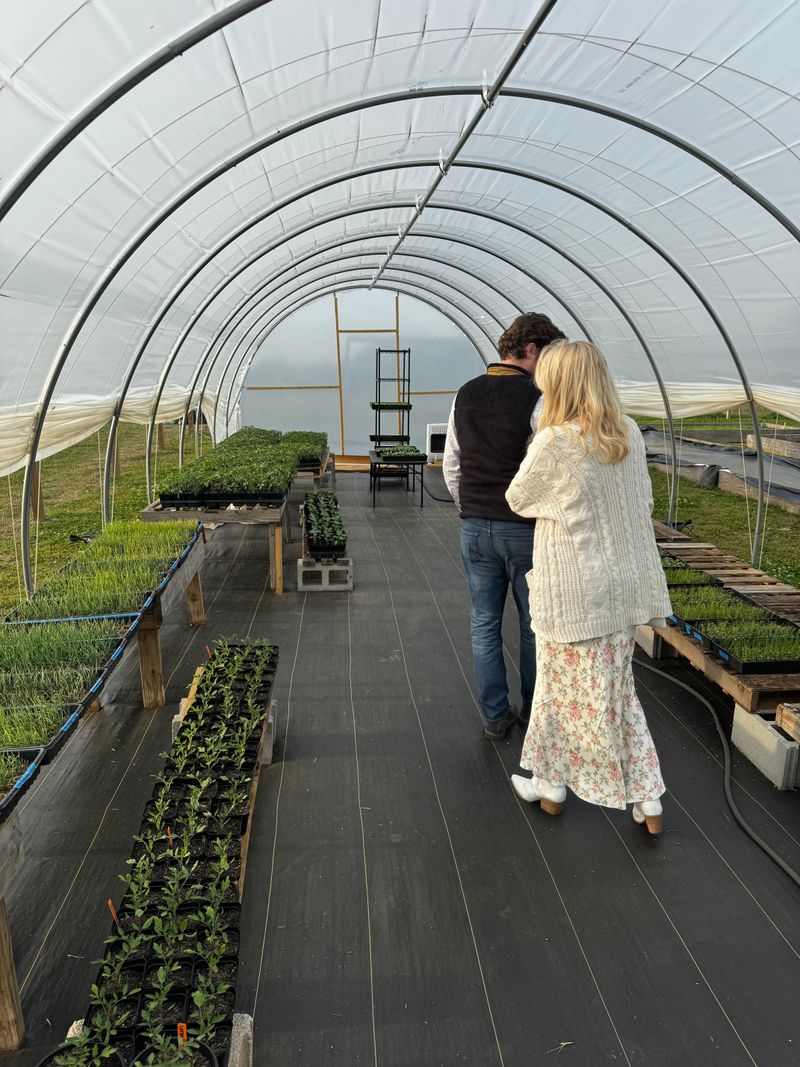
One of the most valuable aspects of this place is its commitment to teaching people about food production. The farm offers tours that show visitors every aspect of the operation, from milking cows to collecting eggs to understanding pasture management.
These tours are not sanitized PR exercises but honest looks at the work required to produce quality food.
Children benefit enormously from seeing where food actually comes from. Many kids today think milk comes from stores and have never connected it to cows.
The hands-on experience of touching a cow, watching the milking process, and then tasting fresh milk creates lasting memories and important knowledge about our food system.
Adults find the educational component equally valuable. The farm staff explains their grazing rotation system, soil building techniques, and animal health practices in accessible language.
You do not need an agriculture degree to understand the concepts, and the transparency builds trust that is rare in our modern food system.
School groups, homeschool families, and youth organizations regularly visit for field trips. The farm also hosts workshops on topics like cheese making, butchering, and vegetable gardening.
These programs help preserve traditional food skills that were once common knowledge but have largely disappeared in just two or three generations.
The Real Cost of Real Food
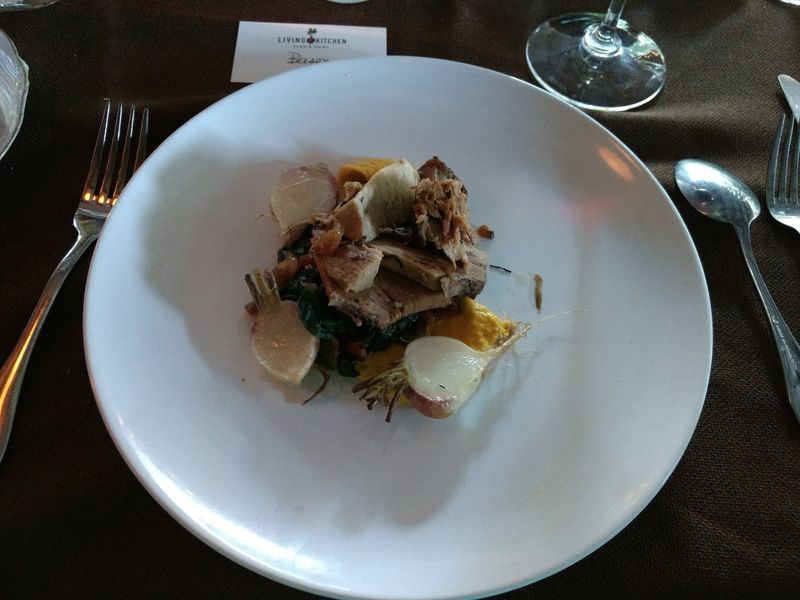
Prices here are higher than fast food chains or conventional restaurants, and the farm makes no apologies for that fact. Real food costs more to produce because it requires more land, more labor, and more time.
Grass-fed beef takes longer to raise than grain-finished beef. Pasture-raised chickens grow more slowly than birds in confinement.
These are features, not bugs, of a sustainable food system.
When you pay more for a meal here, you are investing in several things that matter. You are supporting animal welfare practices that allow creatures to express their natural behaviors.
You are encouraging farming methods that build soil rather than depleting it. You are getting food with superior nutritional quality and no questionable additives or processing.
You are also supporting a local family and their employees rather than sending money to distant corporate headquarters. The economic impact stays in the community, strengthening the local economy.
The farm buys supplies from other local businesses when possible, creating a network of mutual support.
Most customers quickly realize the value proposition makes sense. The portions are generous, the quality is exceptional, and the experience is unique.
Many report eating less overall because the nutrient density of the food is so much higher than conventional options. Your body recognizes real nutrition and signals satisfaction more quickly.
Planning Your Visit to Creek County
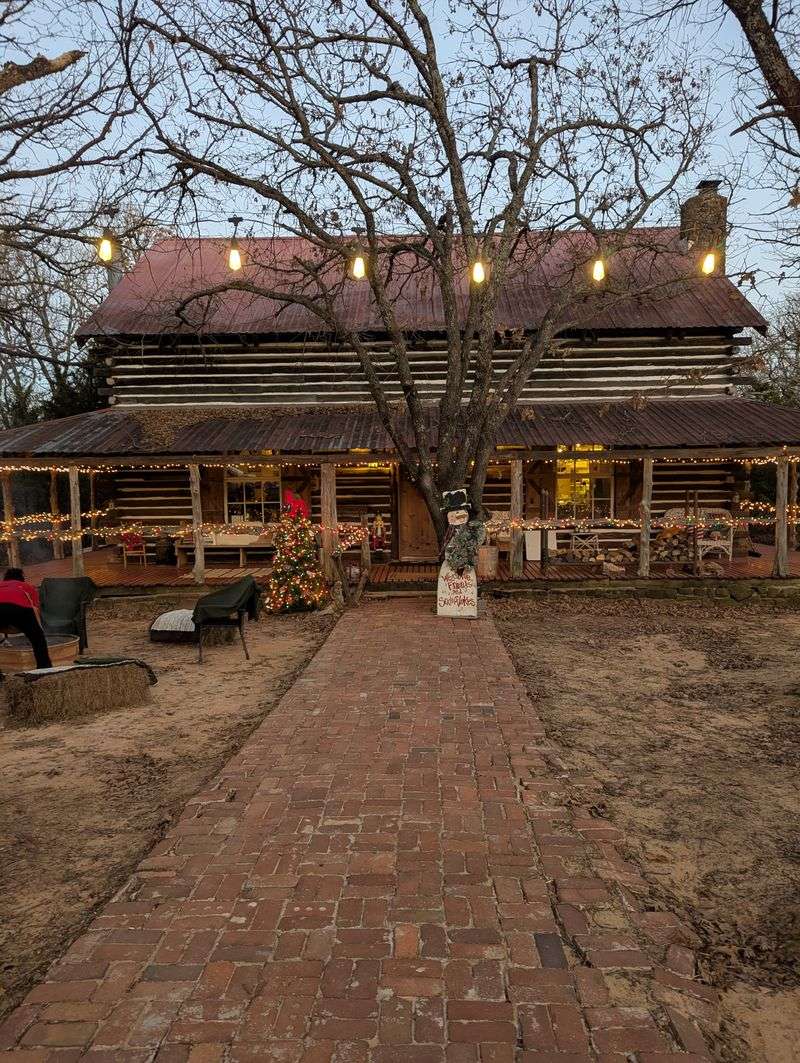
The farm restaurant operates on limited hours, so checking their website or calling ahead is essential. They are open for breakfast and lunch most days but closed on certain weekdays to manage the workload.
The phone number is 918-284-8169, and the staff is always happy to answer questions about hours, menu options, or farm tours.
Seating is limited because the dining area is intentionally small and intimate. During peak times, especially weekend mornings, you might wait for a table.
Most visitors find the wait worthwhile, and you can always walk around the farm to see the animals while you wait. The setting is peaceful and beautiful, with views of pastures and wooded areas.
The drive to Depew takes you through scenic Oklahoma countryside that is lovely in every season. Spring brings wildflowers and new green growth.
Summer means lush pastures and warm evenings. Fall offers spectacular foliage.
Even winter has a stark beauty. The farm itself is about 40 minutes from Tulsa and makes an excellent day trip destination.
Bring cash or check if possible, as small farms sometimes have issues with credit card processing fees cutting into their thin margins. The farm also sells products to take home, including frozen meat, dairy products, and eggs.
Stocking your freezer with their beef is an investment in your health and in supporting sustainable agriculture.
Share this story