You know that feeling when you stumble on a name that should be everywhere, yet somehow isn’t? I had it again recently, and it stopped me cold.
I was digging through old credits, interviews, and overlooked performances, and one detail kept nagging at me. These women didn’t just show up and do the job.
They carried scenes. They shaped entire moods.
And then, too often, they watched the spotlight slide right past them.
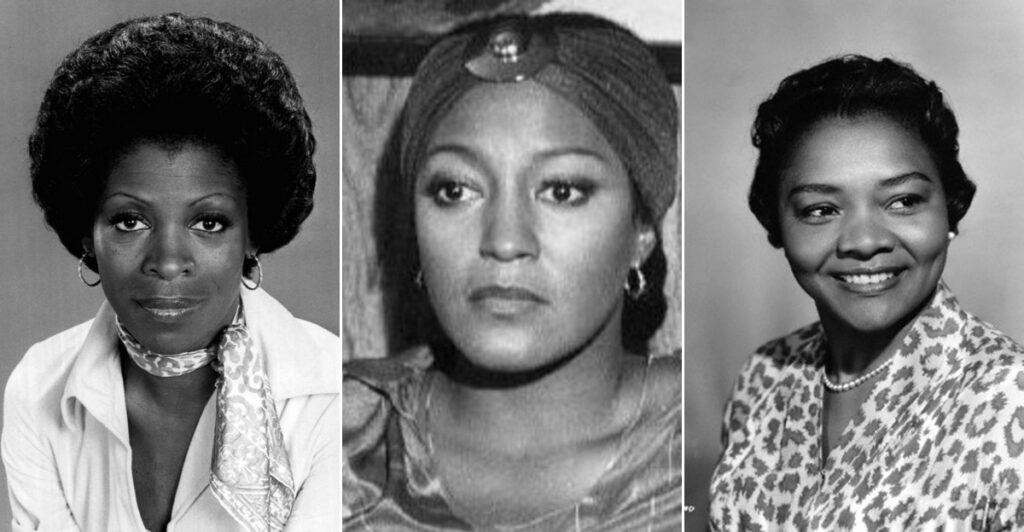
That’s why I put together this list of 14 remarkable actresses. Not as a history lesson, and definitely not as a pity parade.
More like a guided walk through careers built on sharp choices, quiet grit, and real range. If you’ve ever felt like the record books left out the best parts, you’re in the right place.
Nina Mae McKinney
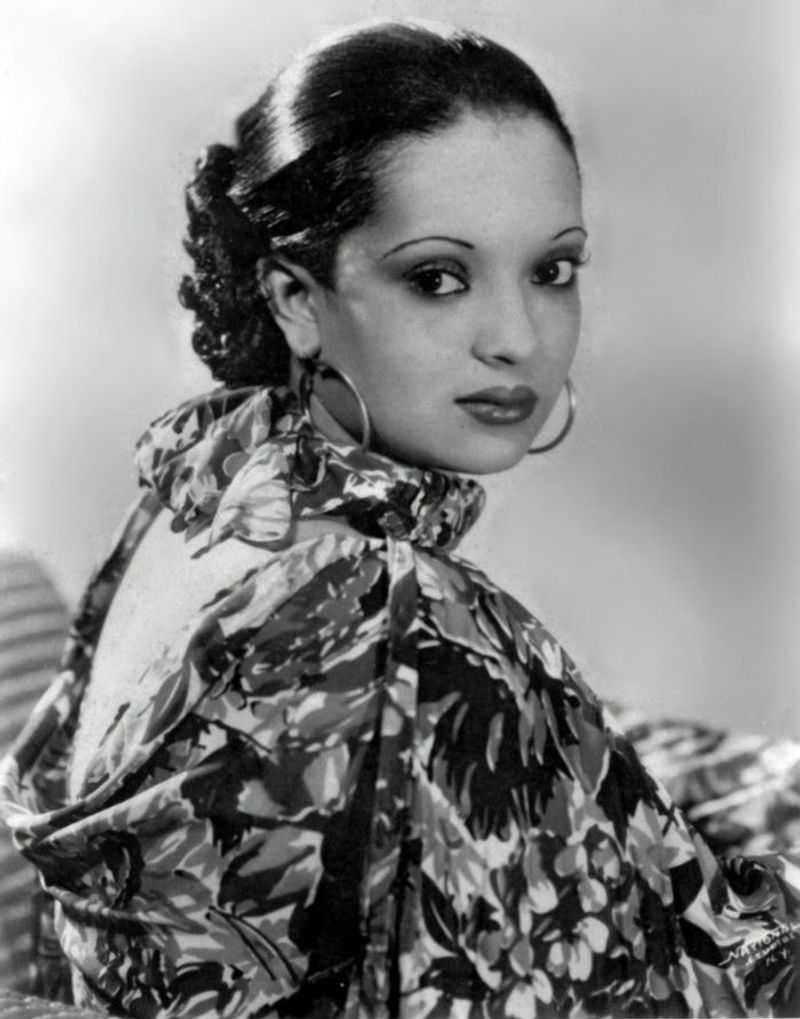
Nina Mae McKinney burst onto screens in the late 1920s and quickly earned the nickname The Black Garbo for her striking presence and dramatic range. I always find her story compelling because she navigated early stardom at a time when Hollywood made very few spaces for Black leads, and she chose to take her talents abroad when roles dried up here.
Traveling to Europe and beyond, McKinney kept working in theater and film, refusing to be minimized by typecasting. Her international career reminds us that early Black cinema history is broader than a single Hollywood narrative, and she deserves far more attention today.
Theresa Harris
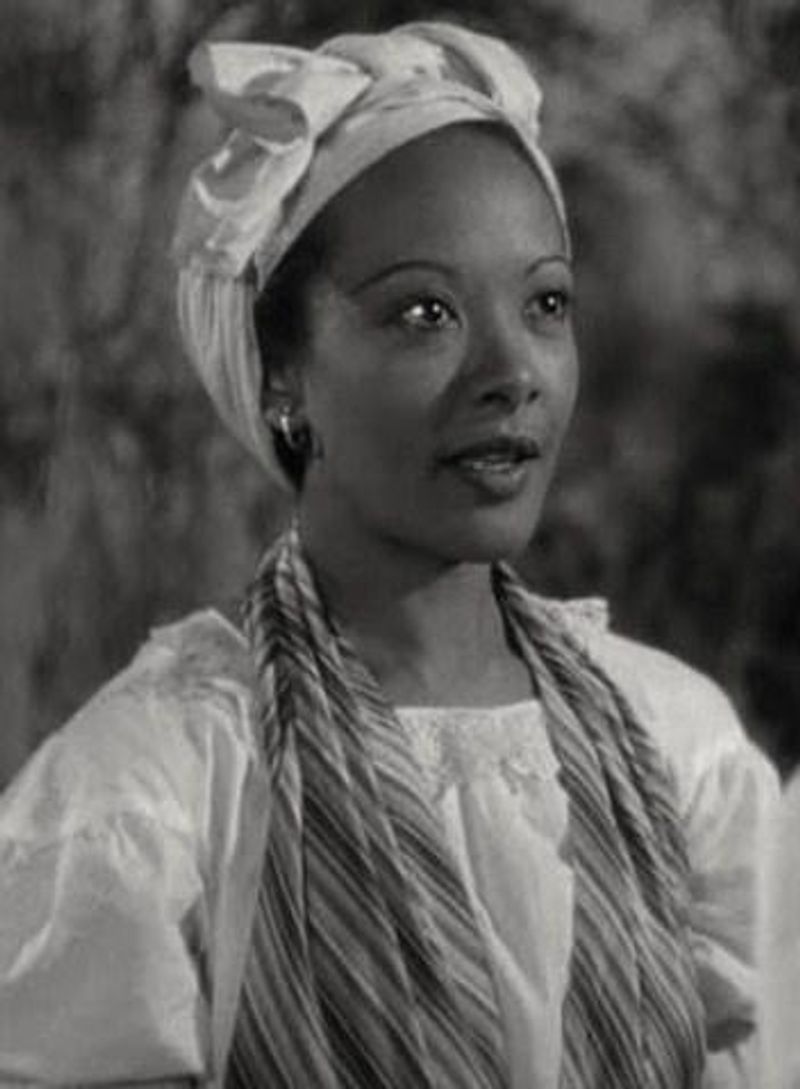
Theresa Harris grabbed attention in Baby Face (1933) where she shared memorable scenes with Barbara Stanwyck and proved she could command the screen even in a supporting slot. I find her career bittersweet because while she repeatedly stole scenes, studio systems continued to shrink her options into narrow servant roles despite her obvious range.
Her performances across films in the 1930s show a performer who elevated every project she joined, bringing humor, timing, and emotional clarity. Remembering Harris means acknowledging how often Hollywood ignored actresses who could have led careers if given the chance.
Louise Beavers
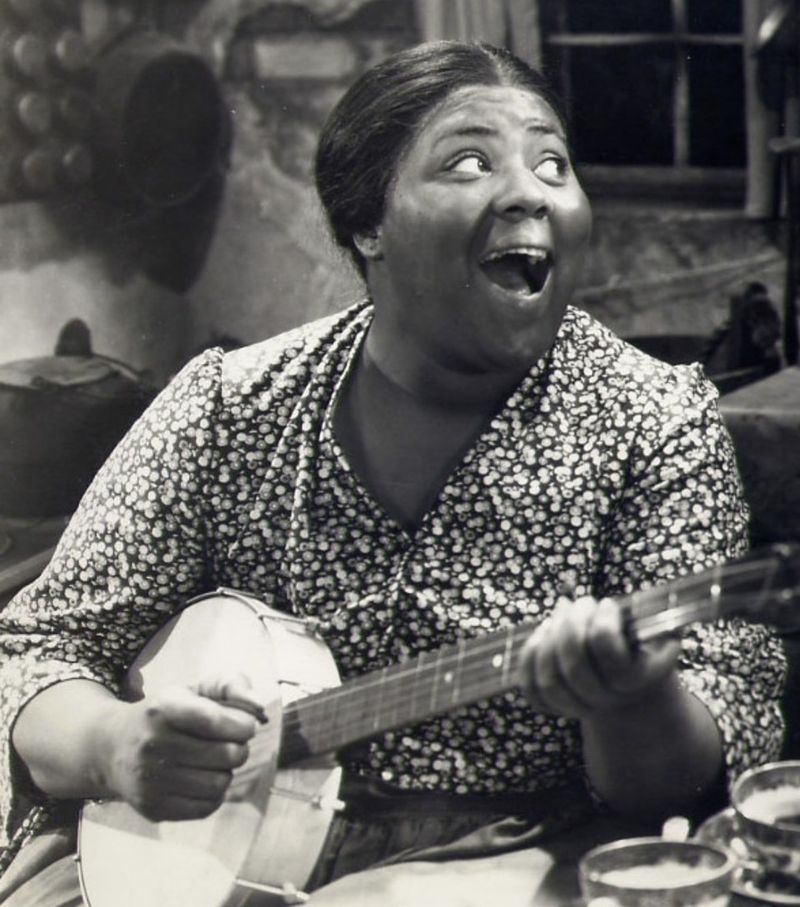
Louise Beavers is forever linked to Imitation of Life (1934), where her performance provided the film with its emotional core even as studios confined her to domestic stereotypes much of the time. I always feel moved recalling how she brought depth and dignity to roles designed to be one-dimensional, rescuing scenes with nuance and humanity.
Her career highlights the painful limits Black actresses faced, and yet Beavers persisted, building a body of work across film and radio that influenced later performers. Honoring her means recognizing both her talent and the era that underused it.
Butterfly McQueen
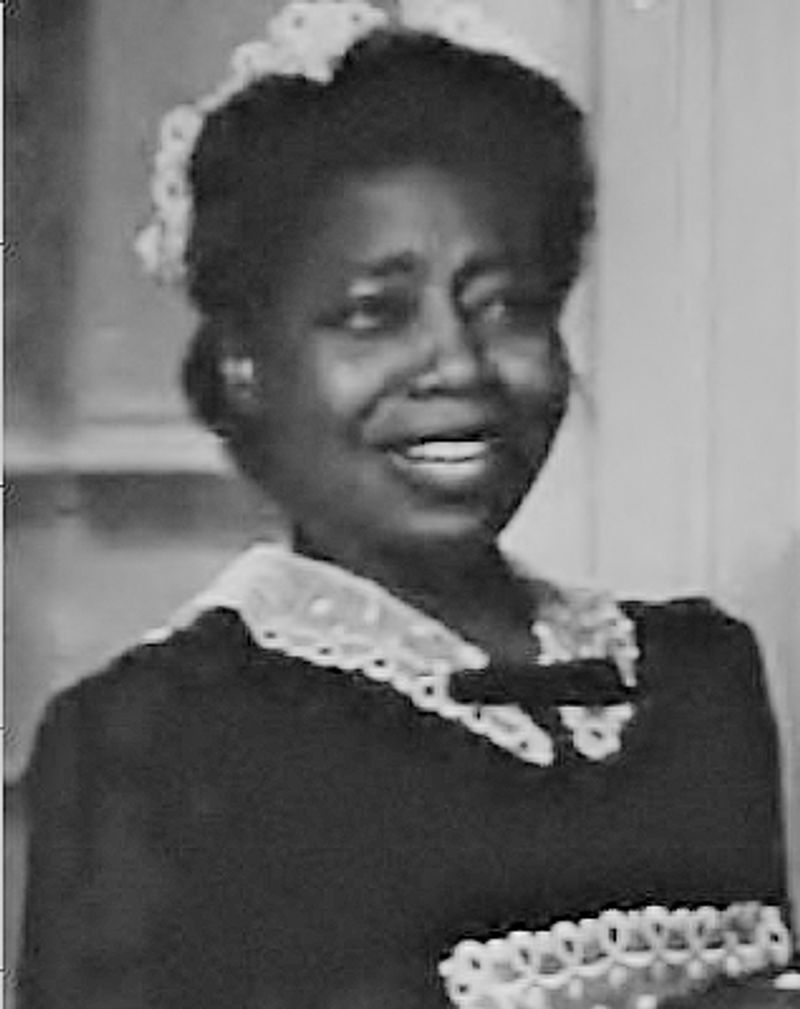
Butterfly McQueen will always be associated with Prissy in Gone with the Wind (1939), but pinning her to that one role overlooks a career that included films like Cabin in the Sky and Mildred Pierce. I keep returning to her story because it shows how a single major film credit could both make a career and limit its future in the studio era.
McQueen brought comic timing and a unique presence to every role, yet Hollywood repeatedly typecast her. Remembering her means recognizing talent that deserved broader, more nuanced opportunities than she was typically offered.
Ethel Waters
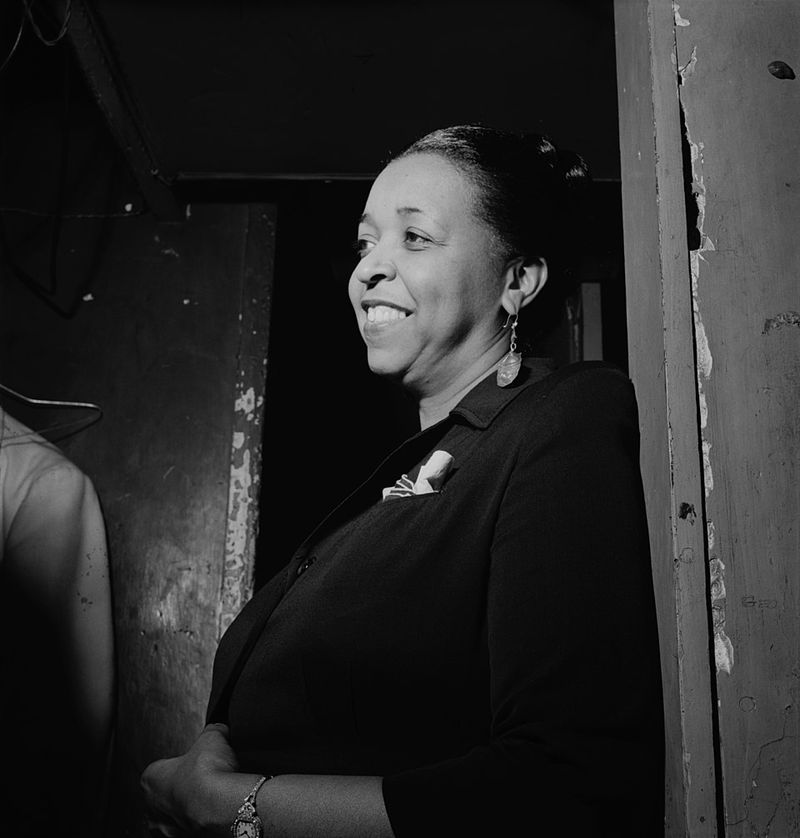
Ethel Waters was a pioneer who hosted one of the earliest NBC specials for a Black performer and later earned an Academy Award nomination for Pinky (1949). I respect how she crossed music, theater, film, and television during a time when boundaries were rigid and opportunities scarce for Black women.
Waters always brought a commanding presence and emotional honesty to her roles, whether singing or acting. Her career set a precedent for performers who followed, proving excellence could break ground even in a deeply segregated industry.
Lillian Randolph
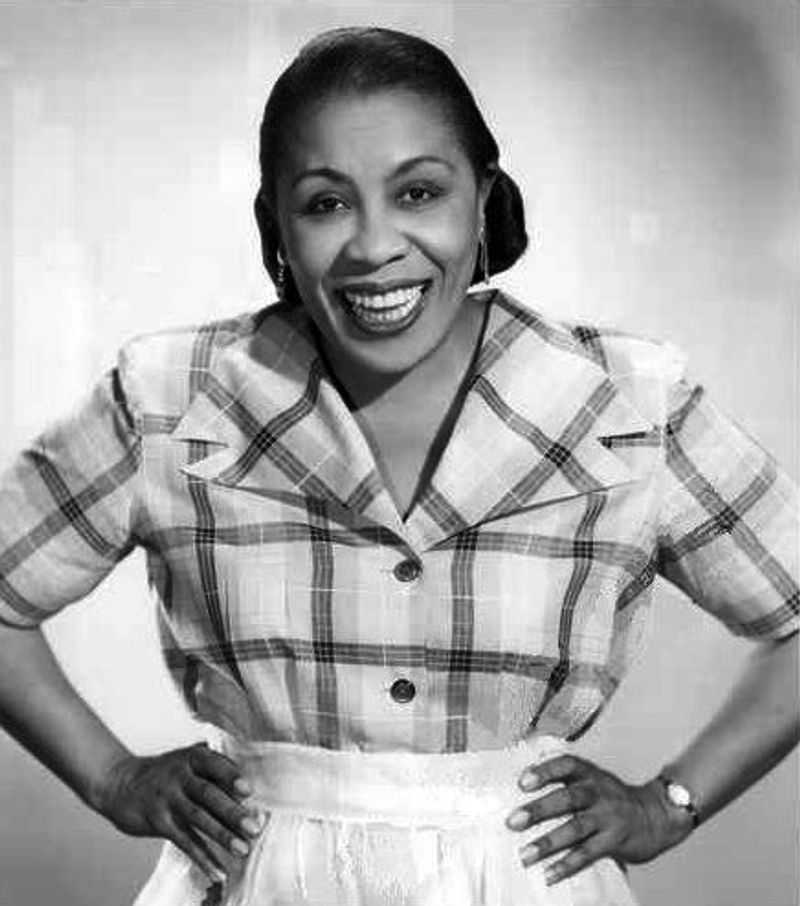
Lillian Randolph enjoyed a long career across radio, film, and television and cropped up in familiar classics like It’s a Wonderful Life (1946). I often notice how versatile she was, moving from voice work and radio programs to character parts on screen while rarely receiving top billing.
Her steady presence in dozens of projects made her a recognizable face for audiences, even if her name was less known. Honoring Randolph highlights the many performers whose contributions were essential to classic American entertainment without being fully celebrated.
Amanda Randolph
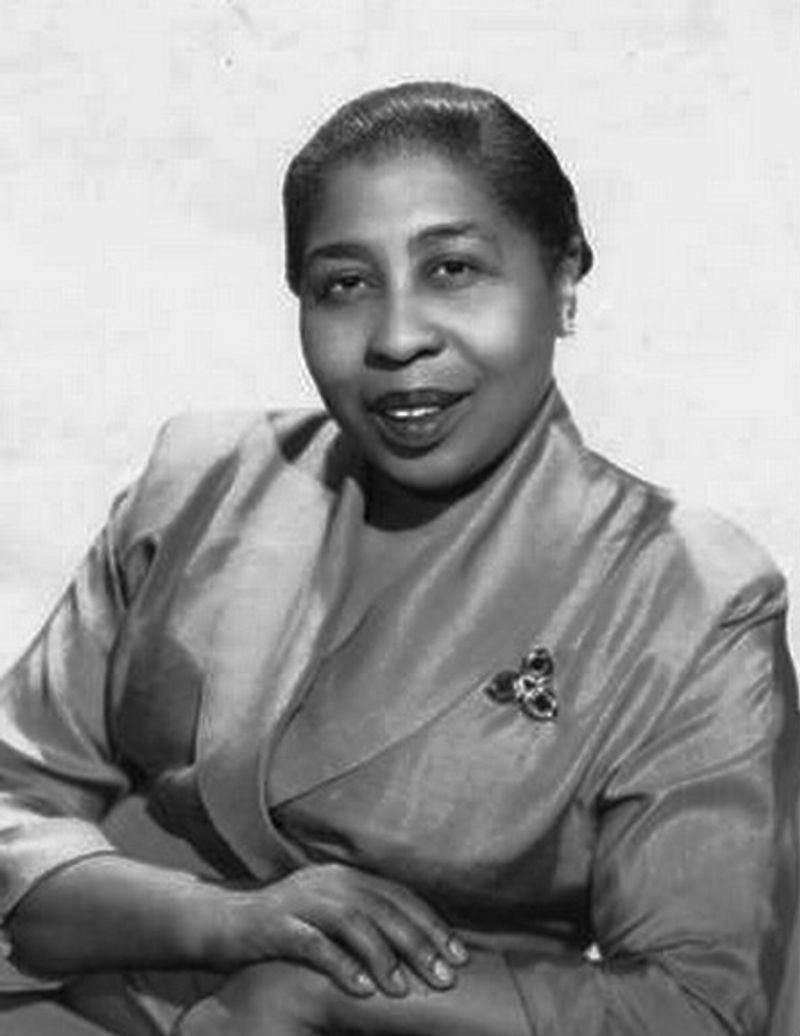
Amanda Randolph hosted a DuMont daytime program in 1948-49, making her one of the first Black women to lead a daytime television show. I find her quiet trailblazing inspiring because she carved out visibility during television’s formative years, often without the recognition she deserved.
Beyond television, Randolph maintained a career in music, radio, and film, demonstrating range and adaptability. Remembering her means acknowledging early breakthroughs in an industry that seldom credited Black women for innovation.
Juanita Moore
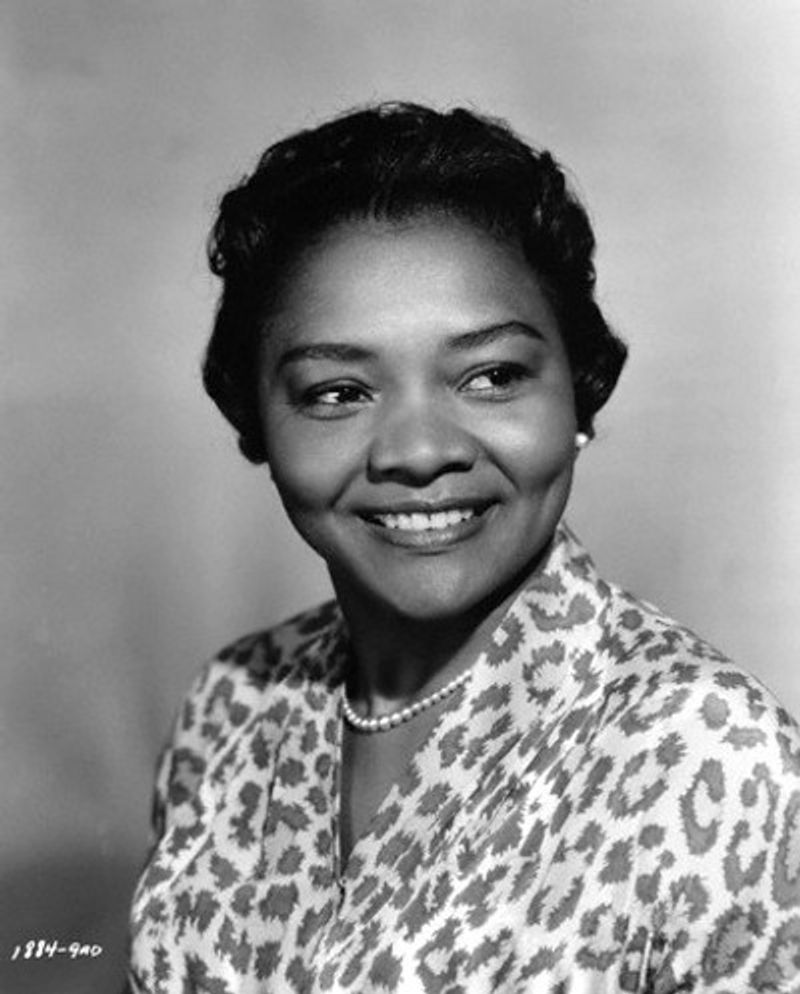
Juanita Moore delivered an Oscar-nominated performance in Imitation of Life (1959) as Annie Johnson, a role that still resonates for its emotional power. I feel her nomination should be remembered as a breakthrough that exposed how awards recognition existed even while real industry inclusion lagged behind.
Moore’s portrayal brought dignity and depth to a character navigating pain and motherhood, and the performance remains a touchstone for actresses tackling complicated material. Her legacy prompts us to ask why more opportunities did not follow.
Beah Richards
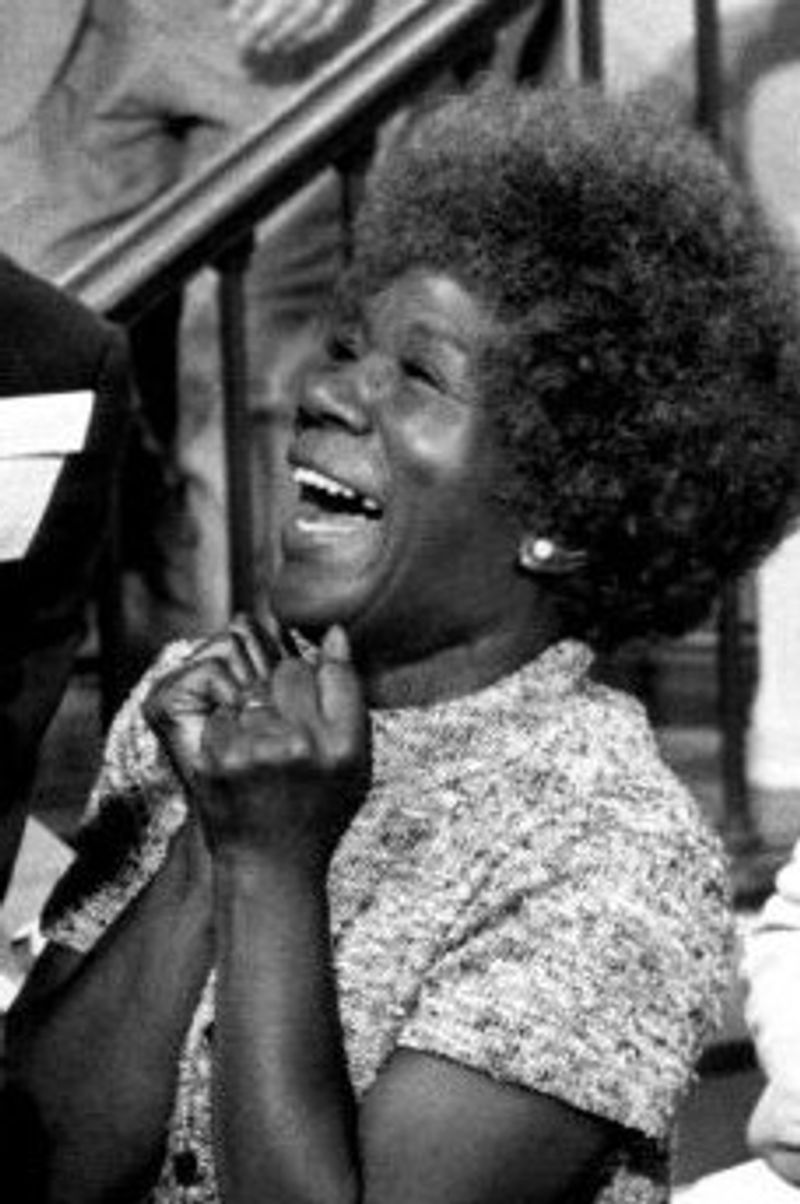
Beah Richards received an Oscar nomination for Guess Who’s Coming to Dinner and later earned Emmy wins, building a career that crossed stage, film, and television. I respect how she balanced sharp dramatic work with outspoken activism, using her platform to speak about race and the arts.
Richards always brought intelligence and moral clarity to roles, whether in powerful dramatic scenes or socially conscious projects. Remembering her honors an artist who refused to be reduced to stereotypes and who kept pushing for substantive roles and recognition.
Paula Kelly
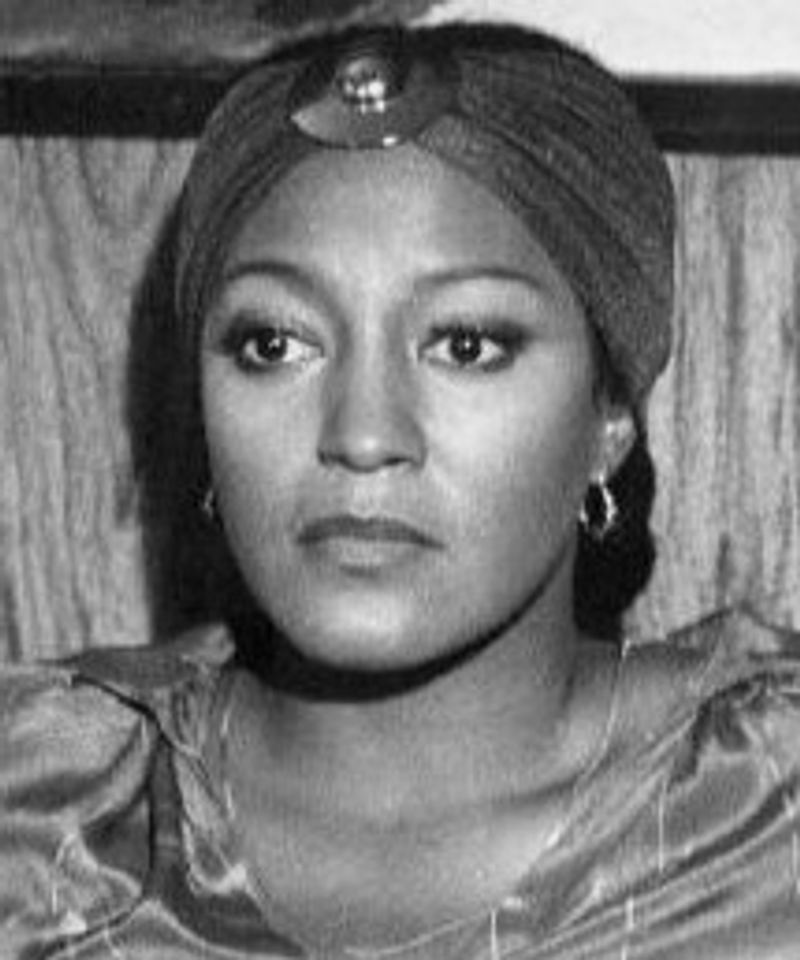
Paula Kelly brought dance and acting together in projects like Sweet Charity and later earned Emmy attention for television roles, including Night Court. I always admire performers who bridge disciplines, and Kelly’s career shows how a foundation in dance can enrich screen acting with rhythm and presence.
Her charisma and technical skill made her a standout in ensemble casts and solo moments alike. Remembering Kelly means valuing performers whose physical artistry added a dynamic layer to television and film performances.
Diana Sands
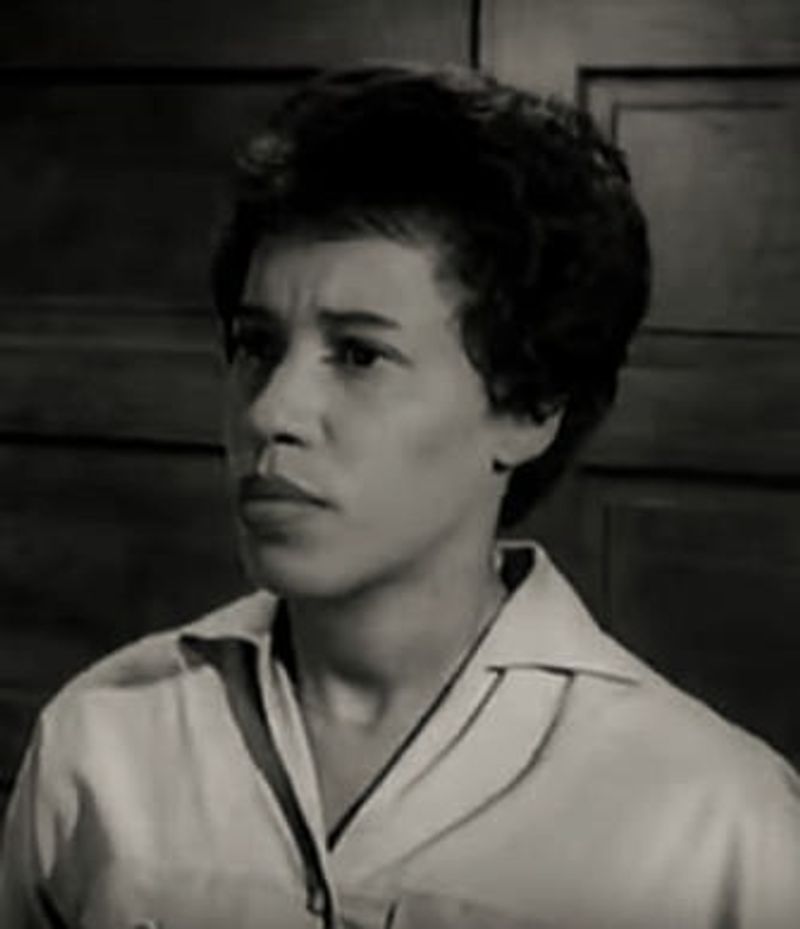
Diana Sands originated Beneatha Younger on stage and later reprised the role onscreen, creating an iconic portrayal in A Raisin in the Sun that remains influential. I often think about how her work captured a young woman’s intellect, ambition, and internal conflict with a clarity few actresses could match.
Sands’ film work, including Georgia, Georgia, showed range beyond the stage, and her performances continue to be a model for actresses exploring complex characters. Remembering her means honoring a talent cut short but widely respected by peers and critics alike.
Mary Alice
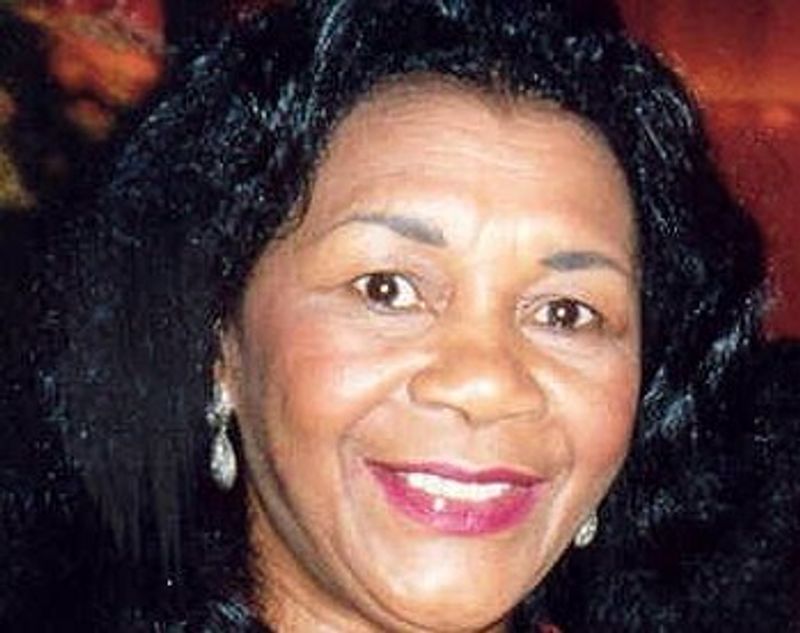
Mary Alice won a Tony and an Emmy and later played The Oracle in The Matrix Revolutions, building a résumé that spans theater, television, and film. I always admire performers who earn acclaim across mediums, and Mary Alice’s awards underline the depth and consistency of her craft.
She brought gravitas and warmth to roles that required moral authority, and her work onstage and onscreen proved she could anchor stories with quiet power. Remembering her is recognizing a career that kept delivering meaningful, award-winning performances.
Roxie Roker
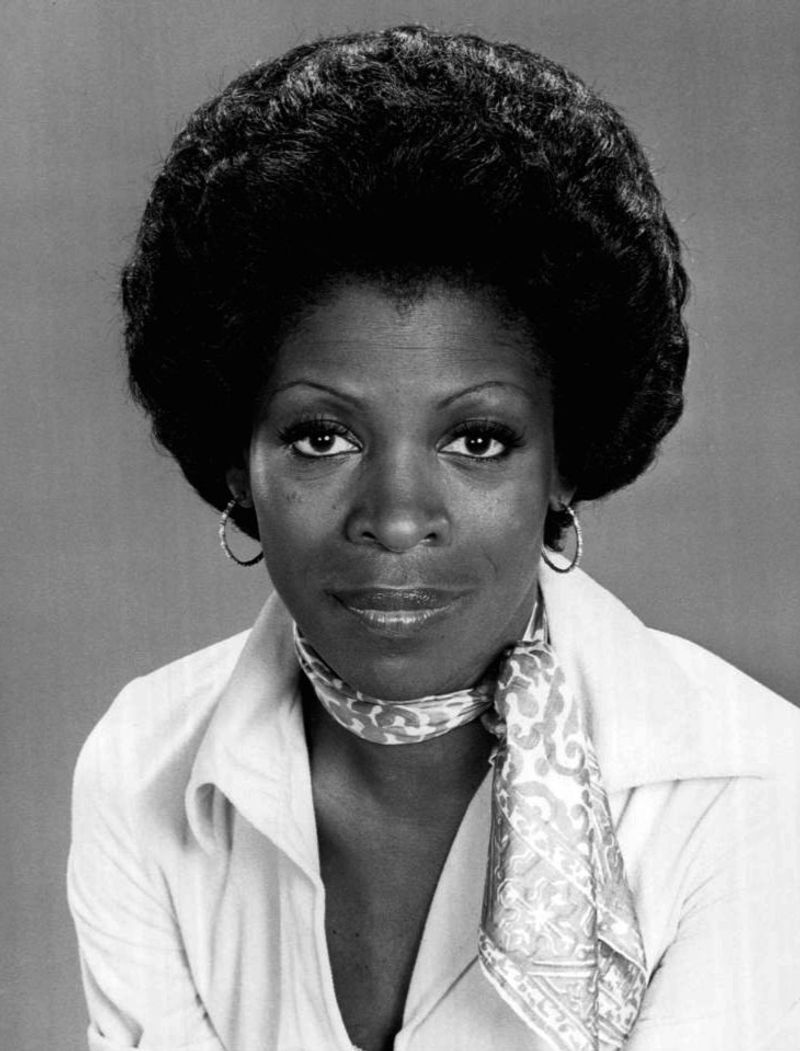
Roxie Roker is best known as Helen Willis on The Jeffersons, part of one of television’s earliest mainstream portrayals of an interracial marriage. I find her role historically important because it pushed boundaries in network sitcoms while remaining warmly human and believable.
Roker’s presence helped normalize diverse family experiences on primetime TV and opened conversations that television had avoided. Remembering her means seeing how sitcom roles can carry cultural significance beyond laughs and ratings.
Ketty Lester
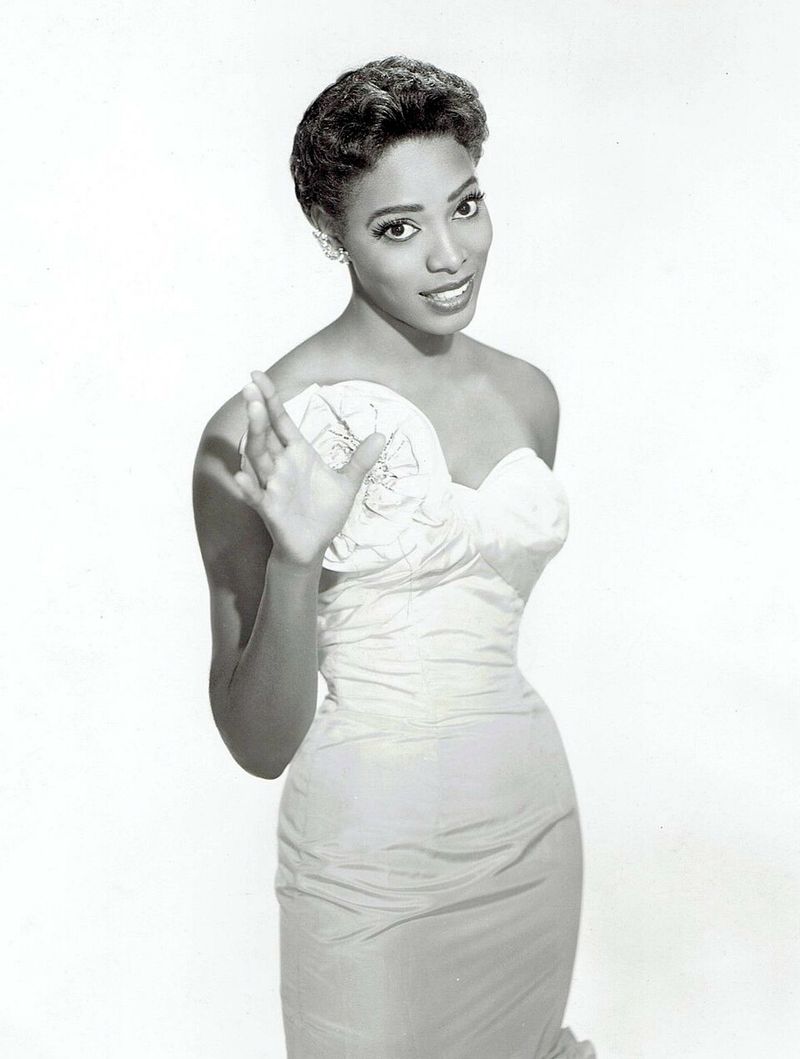
Ketty Lester scored a major music hit with Love Letters and later became a familiar TV presence as Hester-Sue Terhune on Little House on the Prairie. I appreciate performers who successfully move between music and acting, and Lester’s career demonstrates how talent can find multiple audiences.
Her warm voice and understated acting brought credibility to both songs and scenes, and she created a unique niche in popular culture. Remembering Lester highlights cross-disciplinary artists whose work resonated across different media for many years.
Share this story