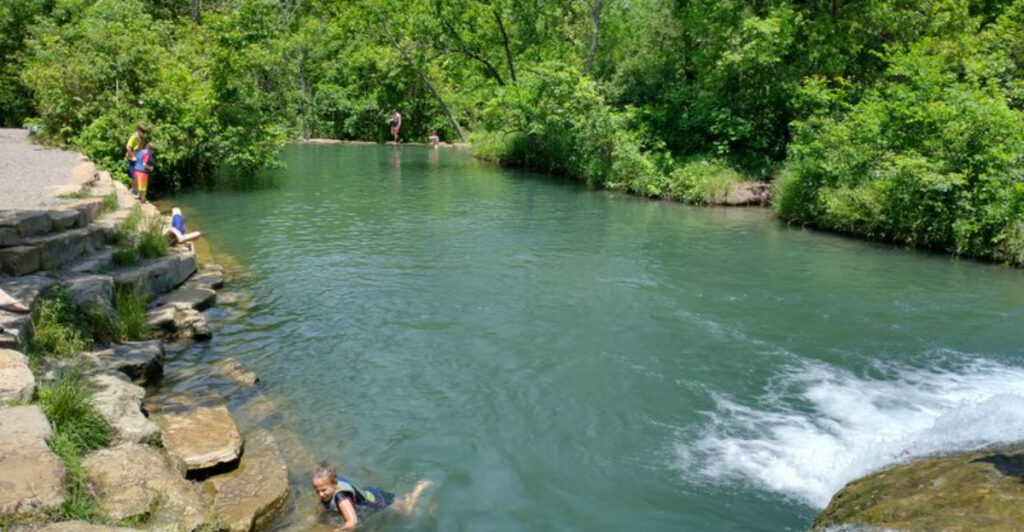
There’s something magical about finding a natural swimming hole where waterfalls tumble into clear pools and the only soundtrack is rushing water and rustling leaves. For years, one such treasure in Oklahoma offered exactly that: a peaceful escape where locals could cool off without the chaos.
But word travels fast in the age of social media, and what was once a hidden retreat has transformed into something entirely different.
The shift happened gradually, then all at once. Instagram posts turned into viral TikToks, and suddenly parking lots that once held a handful of cars were overflowing by mid-morning.
The trails that used to feel like your own private path became crowded highways of flip-flops and beach towels. What changed wasn’t just the number of visitors but the entire experience of being there.
Understanding how this transformation happened and what it means for both the land and the people who love it reveals a bigger story about our relationship with nature in the digital age. Here’s what really changed when the crowds discovered this Oklahoma waterfall.
The Hidden Waterfall That Started It All
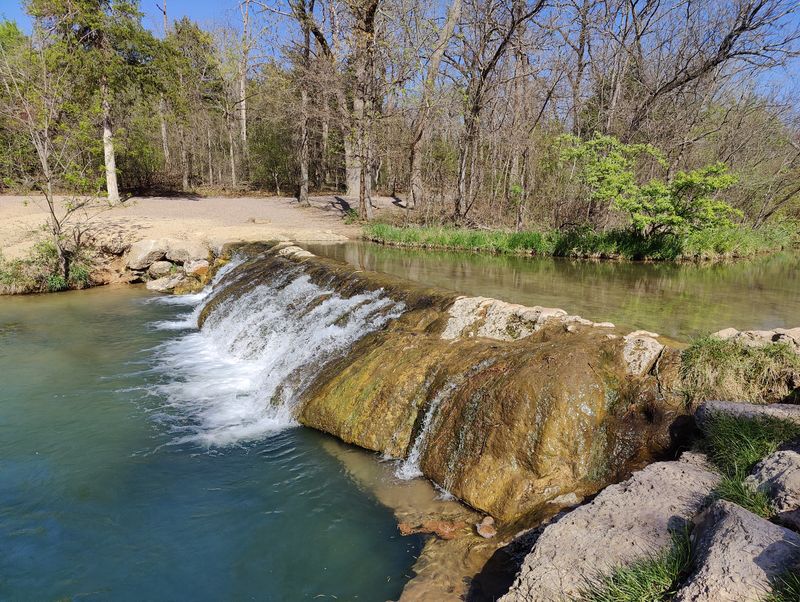
I first heard about this place from a friend who swore me to secrecy, which should have been my first clue that something special was hiding in the Oklahoma landscape. The waterfall sits within a 22-acre woodland near Oklahoma 73086, and when I finally made my way there on a weekday morning years ago, I understood why people were protective of it.
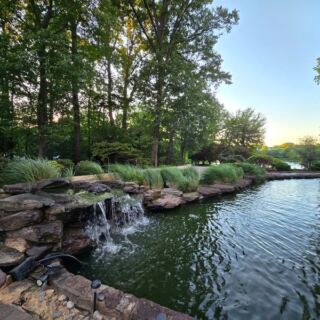
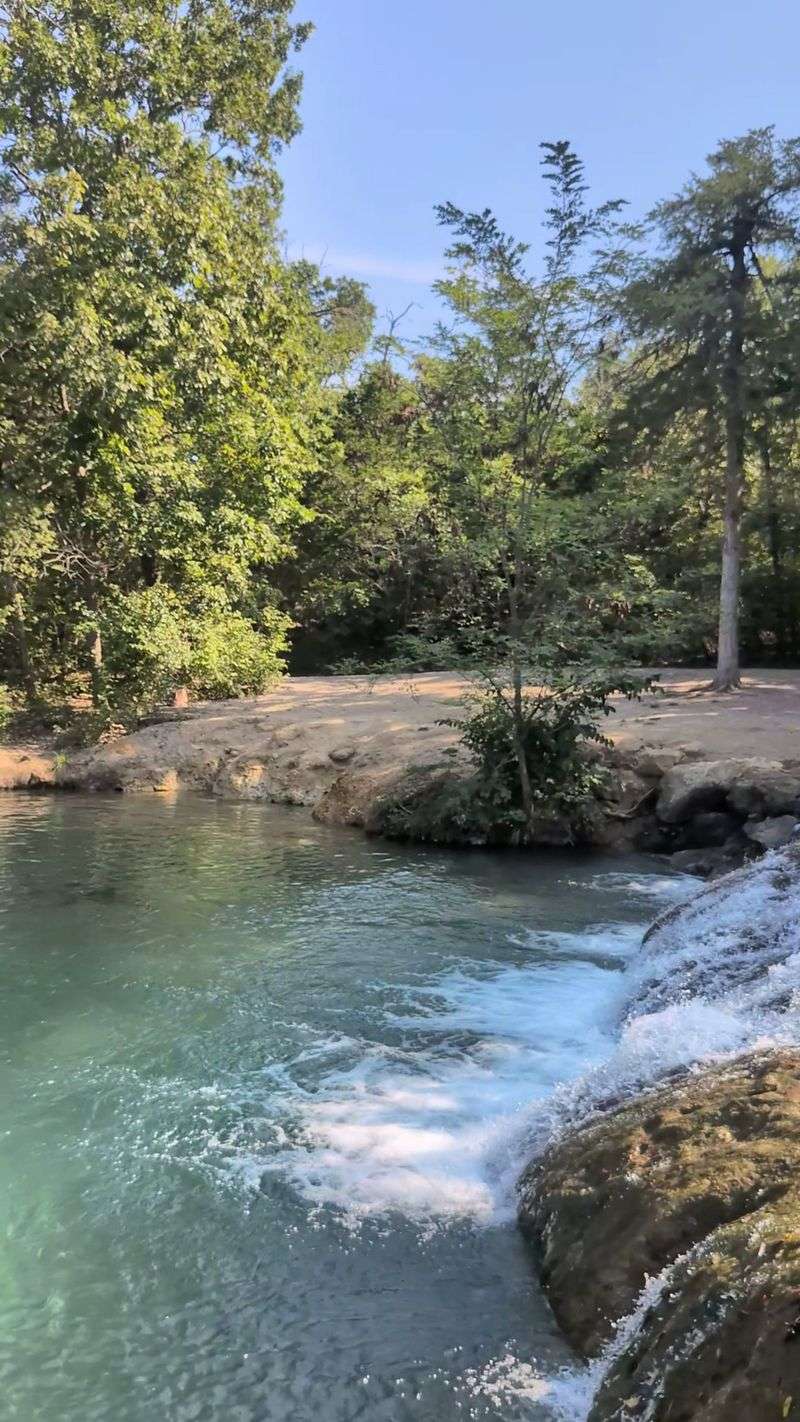
The main feature is a waterfall that drops into a large, inviting pool perfect for swimming. Unlike some Oklahoma swimming spots that feel more like muddy creeks, this one offered clear water and a genuine sense of discovery.
The shallow drop meant even nervous swimmers could enjoy the experience without fear.
Back then, the trails were quiet enough that you could hear individual birds calling from the trees. The protected woodland felt like a secret garden, with dappled sunlight filtering through the canopy and creating patterns on the forest floor.
I remember thinking it felt almost too good to be true, like stumbling onto a movie set between takes.
The address is simple enough to find now, but in those early days, getting accurate directions required knowing someone who had already been there. That barrier to entry kept visitor numbers manageable and the experience intimate.
When Social Media Changed Everything
The transformation didn’t happen overnight, but once it started, there was no stopping it. Someone posted a photo that caught fire online, and suddenly thousands of people who had never heard of this place were adding it to their summer bucket lists.
I watched it happen in real time through my own social feeds.
What made this particular post go viral was probably the name itself. Calling anything Niagara Falls, even with the qualifier Little, creates expectations and intrigue.
People started sharing photos with captions about finding paradise in Oklahoma, and each share brought exponentially more visitors. The algorithm loved it, and the waterfall became a trending destination.
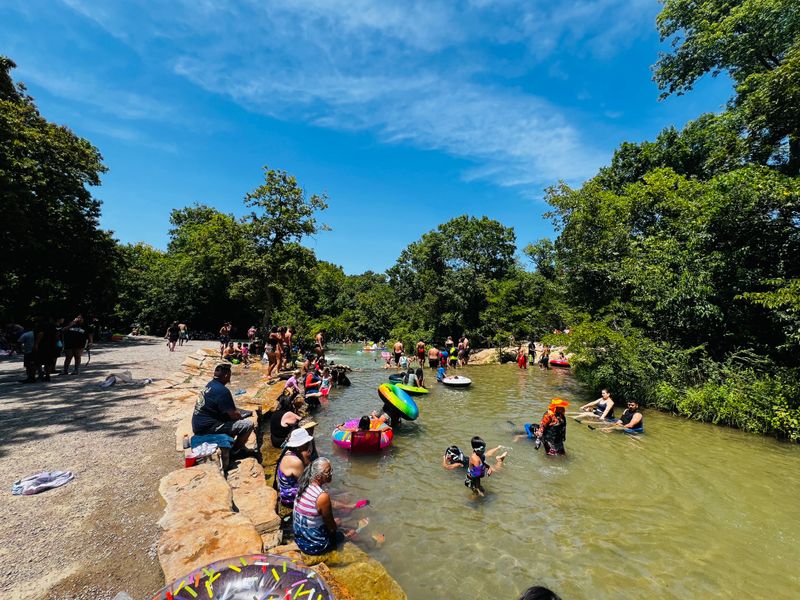
I returned one Saturday morning about two years after my first visit and barely recognized the scene. The parking area that once held maybe ten vehicles was packed by 9 a.m., with cars lining the road in both directions.
Families unloaded coolers and inflatable rafts, groups of teenagers blasted music from portable speakers, and the quiet woodland I remembered had become a bustling outdoor party.
The trail to the waterfall, which used to feel like a peaceful nature walk, had turned into a congested pathway where you had to navigate around slow-moving groups taking selfies every few feet.
The Erosion Problem Nobody Saw Coming
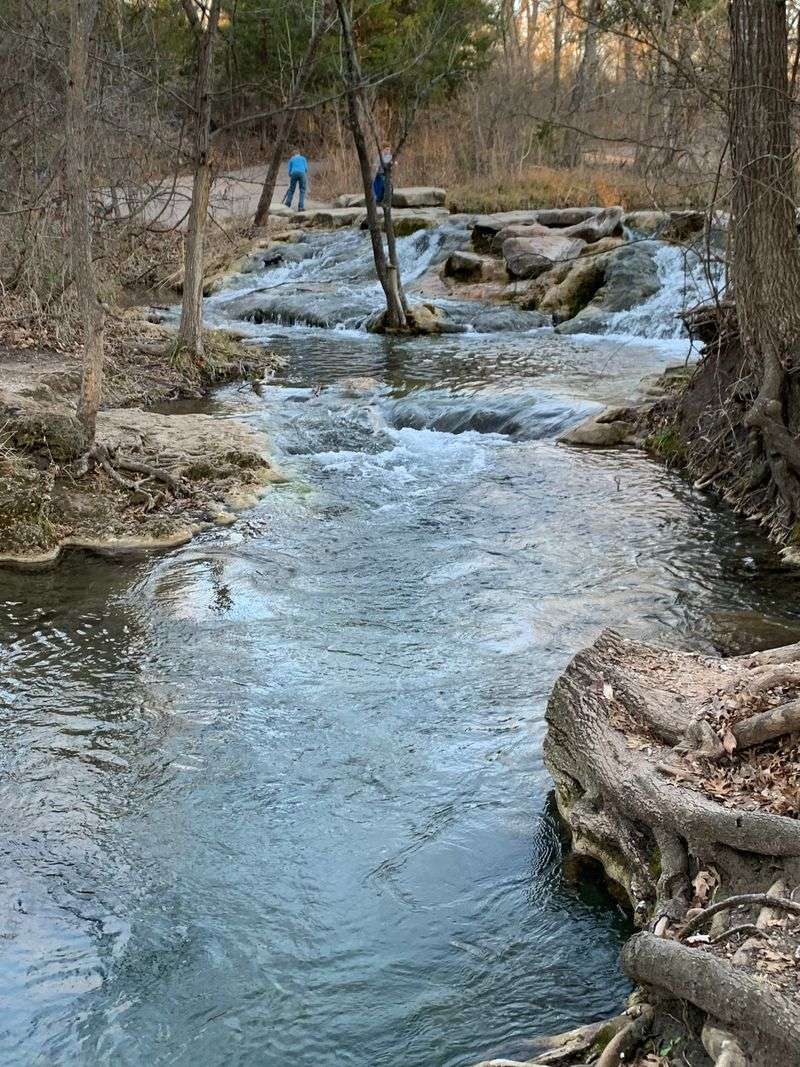
Increased foot traffic brings consequences that aren’t immediately obvious until they become serious problems. When I talked to a park ranger during one of my recent visits, she explained how the soil around the trails had started eroding at an alarming rate.
Thousands of feet walking the same path every weekend had worn away vegetation that once held the ground in place.
The area around the pool showed the most dramatic changes. Where there used to be grassy banks and natural seating areas on rocks, the edges had become muddy and unstable.
People scrambling up and down to get in and out of the water had created unofficial paths that crisscrossed the landscape, each one contributing to further erosion.
Tree roots that were once buried had become exposed, creating tripping hazards and making the trees themselves more vulnerable to wind damage and disease. The ranger mentioned they had already lost several mature trees that had probably stood in that woodland for decades.
Each loss changed the character of the forest a little more.
Restoration efforts were underway, but they couldn’t keep pace with the damage being done. Volunteers planted native grasses and installed barriers to redirect foot traffic, but these measures felt like putting a bandage on a wound that needed stitches.
The Trash Situation That Broke My Heart
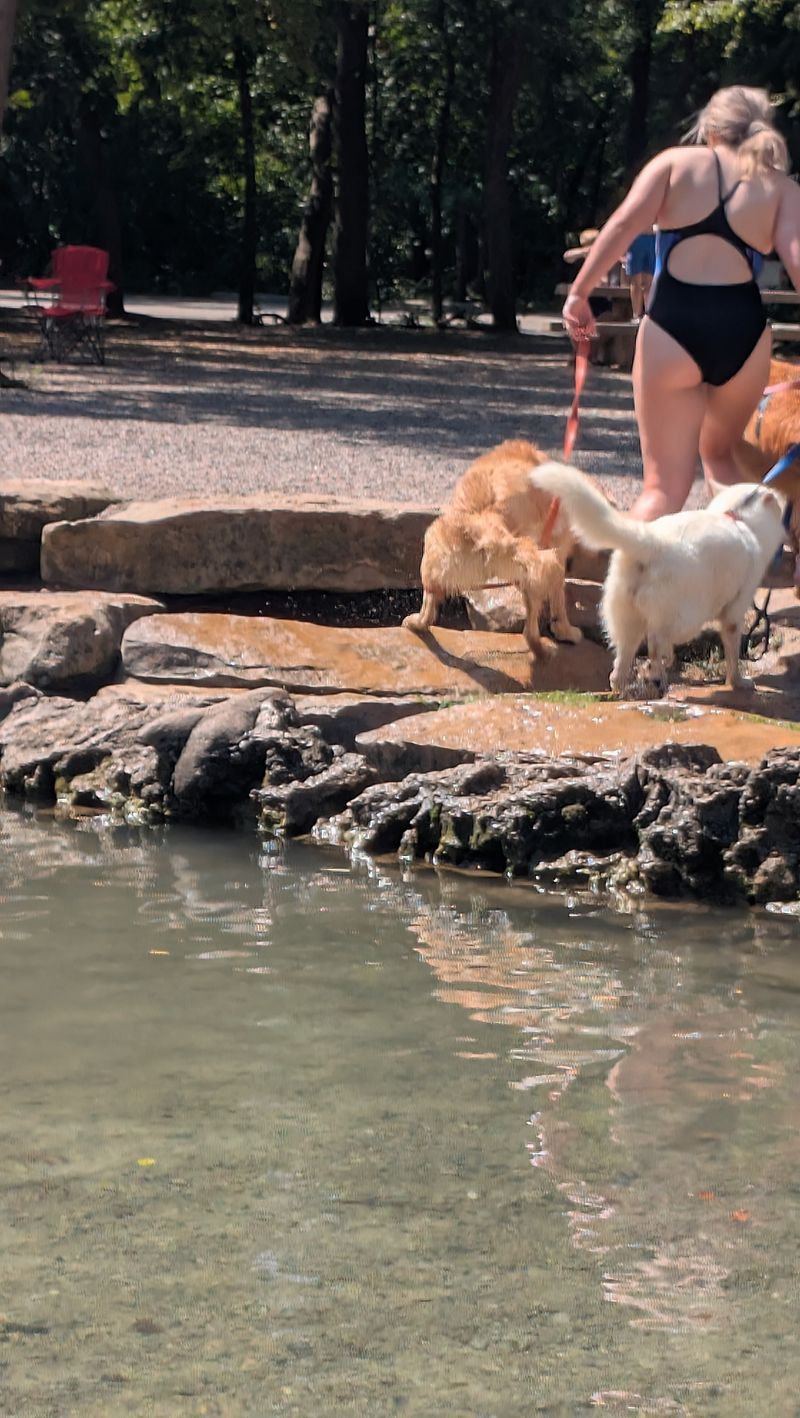
Nothing prepared me for the trash situation that developed as visitor numbers exploded. On my most recent visit, I counted at least fifteen plastic water bottles floating in the pool within the first ten minutes of arriving.
Chip bags, disposable cups, and food wrappers littered the rocks around the waterfall like confetti after a parade nobody wanted.
What frustrated me most wasn’t just the presence of trash but the apparent indifference to it. I watched people finish snacks and simply drop the packaging where they stood, as if invisible cleaning crews would magically appear to handle it.
The protected woodland that once felt pristine had developed a depressing layer of human debris.
Local volunteer groups organized regular cleanup days, and I joined one on a Sunday morning. We filled twenty large bags with garbage in just two hours, pulling everything from disposable diapers to broken lawn chairs out of the woods.
One volunteer told me they did this every month now, and it was never enough.
The trash problem extended beyond just being unsightly. Wildlife in the area was being affected, with rangers reporting animals ingesting plastic or getting tangled in discarded items.
The very ecosystem that made this place special was being compromised by the people coming to enjoy it.
How the Local Community Responded
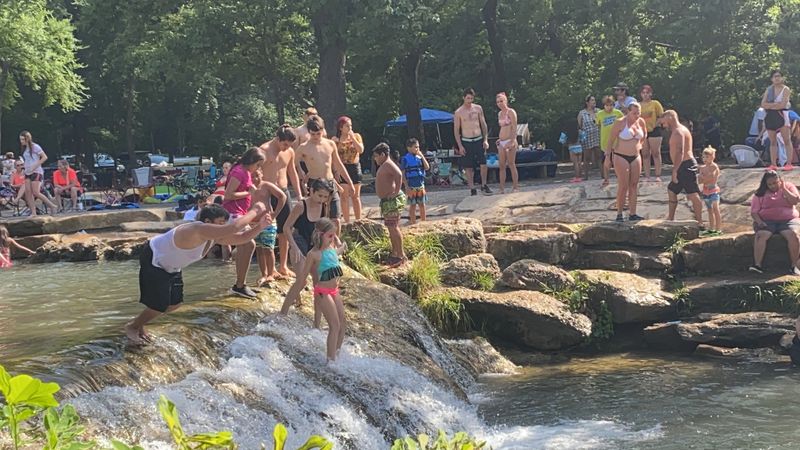
The people who lived near the waterfall watched their quiet neighborhood transform into a tourist destination practically overnight, and not everyone was happy about it. I spoke with a woman who had lived on the nearby road for thirty years, and she described weekends that now felt like living next to a concert venue.
Parking became the most contentious issue. Visitors who couldn’t find spots in the designated area began parking on residential streets, blocking driveways and creating traffic hazards.
One homeowner showed me photos of cars parked across his mailbox, preventing delivery service. Another described finding trash thrown into her yard regularly.
Some residents responded with frustration, posting no parking signs and calling for stricter enforcement. Others took a more welcoming approach, seeing an opportunity to engage with visitors and educate them about respecting the area.
A few even started informal campaigns to promote responsible tourism, handing out trash bags and maps showing proper parking areas.
The local community eventually organized meetings with county officials to address the problems. They pushed for better infrastructure, including improved parking facilities, permanent restroom installations, and clearer signage about rules and expectations.
Progress was slow, but at least conversations were happening.
What the Experience Is Like Now
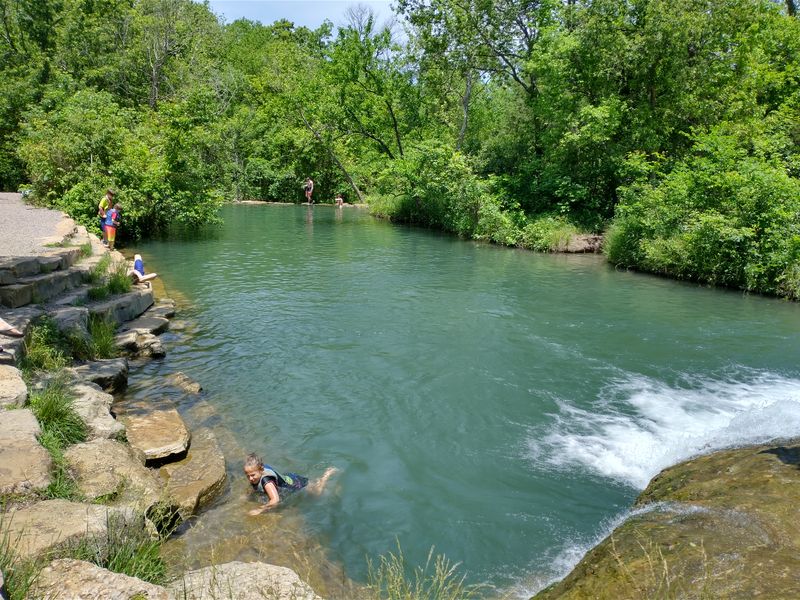
Visiting the waterfall today feels fundamentally different from those early experiences I cherished. The sense of discovery has been replaced by the feeling of going to a popular attraction where you’re one of many rather than one of few.
I arrived on a recent Saturday morning at 7 a.m., hoping to beat the crowds, and found two dozen people already there.
The pool itself remains beautiful, with water still cascading over rocks into the swimming area, but the atmosphere has shifted. Instead of quiet contemplation and the sounds of nature, you’re more likely to hear conversations overlapping, children shouting with excitement, and the occasional argument over space on the limited shore area.
Finding a spot to spread out your towel requires strategy and timing.
The trails show visible wear, with roped-off sections where restoration work is happening and detours around particularly damaged areas. Interpretive signs have been added, explaining the ecosystem and asking visitors to stay on designated paths.
These educational elements are positive additions, but they also serve as reminders of why they became necessary.
Despite all the changes, I still see moments of magic. A child experiencing the waterfall for the first time, eyes wide with wonder.
A group of friends laughing together in the pool. The way sunlight still filters through the trees in those perfect golden shafts.
Finding Balance Between Access and Preservation
The story of this waterfall raises questions that extend far beyond one swimming spot in Oklahoma. How do we balance the desire to share beautiful places with the need to protect them?
Who gets to decide how natural areas should be used and by whom? These aren’t easy questions, and the answers keep evolving as circumstances change.
Some conservation experts argue for stricter limits, suggesting that reservation systems or even lottery-based access might be necessary to prevent further damage. Others believe that limiting access creates equity issues, potentially pricing out or excluding people who don’t have the flexibility to plan far in advance or navigate complicated booking systems.
I’ve come to believe that education might be more important than restriction. Many visitors who leave trash or damage the environment aren’t acting maliciously; they simply don’t understand the impact of their actions.
Better signage, ranger-led programs, and community outreach could help create a culture of stewardship rather than consumption.
The transformation of this once-quiet spot serves as both a cautionary tale and a learning opportunity. Other natural areas watching their own visitor numbers climb can study what happened here and hopefully implement proactive measures before reaching a crisis point.
The waterfall will never return to its former quiet state, but with care and commitment, it might find a sustainable future that works for both nature and people.
Share this story