Imagine a place where streets run empty, buildings crumble into dust, and the ground beneath your feet holds secrets that whisper danger at every turn. This isn’t the setting of a horror movie or a far-off abandoned city in some distant land.
It’s right here in the heartland of America, tucked away in the northeastern corner of Oklahoma.
I’ve always been drawn to forgotten places, those spots where time seems to stand still and nature slowly reclaims what humans left behind. But when I first heard about this particular ghost town, even I had to pause and consider whether curiosity was worth the risk.
The warnings from locals weren’t just casual suggestions to be careful. They were urgent, genuine pleas to never venture there alone.
What makes this place so haunting isn’t just its abandoned state. It’s the invisible threats that lurk beneath the surface and the toxic legacy that forced an entire community to disappear.
A Mining Empire That Built a Community
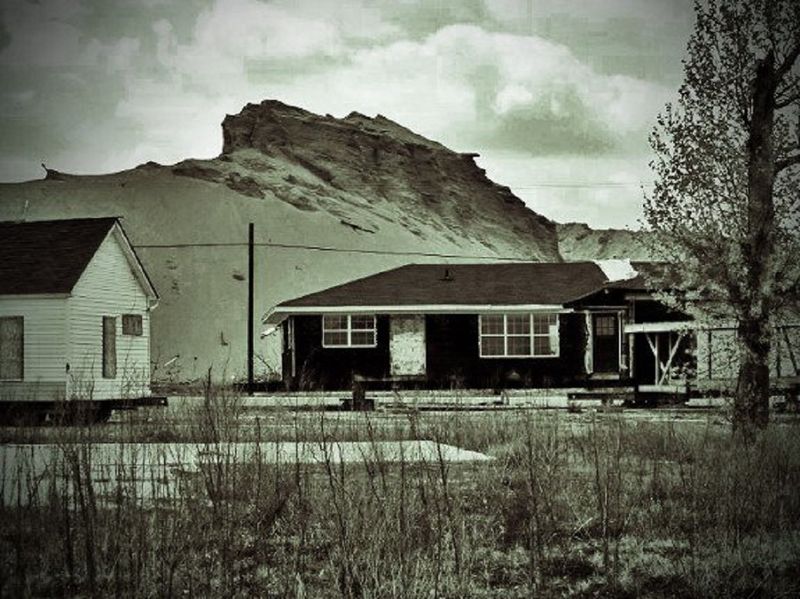
Picher, Oklahoma 74360, sits in Ottawa County in the northeastern part of the state, and for over a century, this town was anything but quiet. Lead and zinc mining operations turned this spot into a thriving hub within the Tri-State Mining District, which spanned Oklahoma, Kansas, and Missouri.
Thousands of workers and their families called Picher home during its boom years. The mines ran deep, extracting valuable minerals that fueled American industry through two World Wars and beyond.
Main Street bustled with shops, schools educated hundreds of children, and the community thrived on the wealth pulled from the earth.
But every boom has its price, and Picher’s bill came due in ways nobody could have predicted. The same mines that built prosperity also planted the seeds of the town’s destruction.
By the time operations wound down in the 1970s, the damage was already done.
Today, the address leads to a landscape that barely resembles the vibrant town it once was. The mining legacy transformed from a source of pride into a cautionary tale about the long-term costs of industrial extraction.
The Toxic Legacy Beneath Your Feet
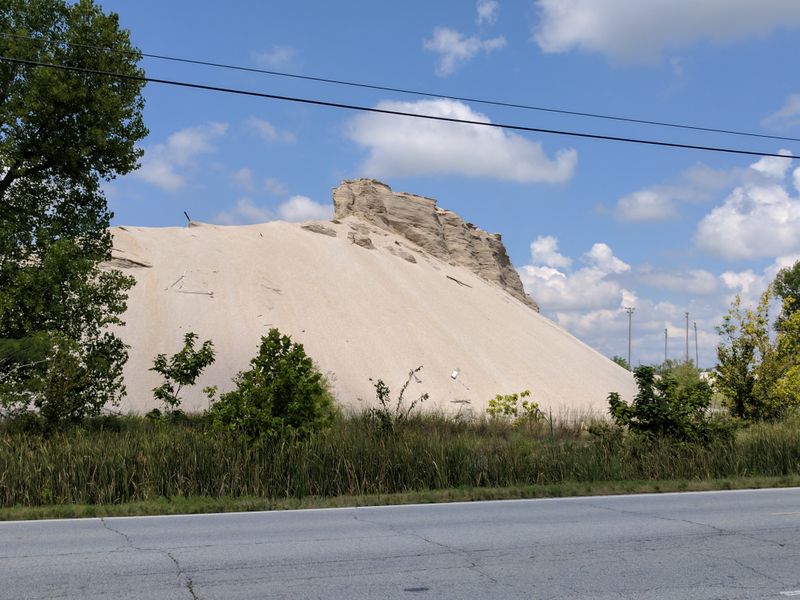
Walking through Picher means treading on some of the most contaminated ground in the United States. The Environmental Protection Agency designated this entire area as one of the nation’s most toxic Superfund sites, and that’s not a label handed out lightly.
Lead and zinc particles saturate the soil, creating an invisible danger that’s far more threatening than any crumbling building. The mining operations left behind massive piles of chat, which is the waste rock from processing ore.
These gray mountains dot the landscape like monuments to industrial carelessness.
Children who grew up here in later decades showed elevated lead levels in their blood, a silent poisoning that affected their development and health. The dust kicked up by wind or footsteps carries these heavy metals, making every breath potentially harmful.
Rain doesn’t wash the contamination away. It seeps deeper into the groundwater, spreading the problem.
I’ve visited plenty of abandoned places, but knowing that the very ground poses a health risk adds a layer of unease that’s hard to shake. You can’t see lead poisoning coming, which makes it all the more unsettling.
Underground Voids Ready to Collapse
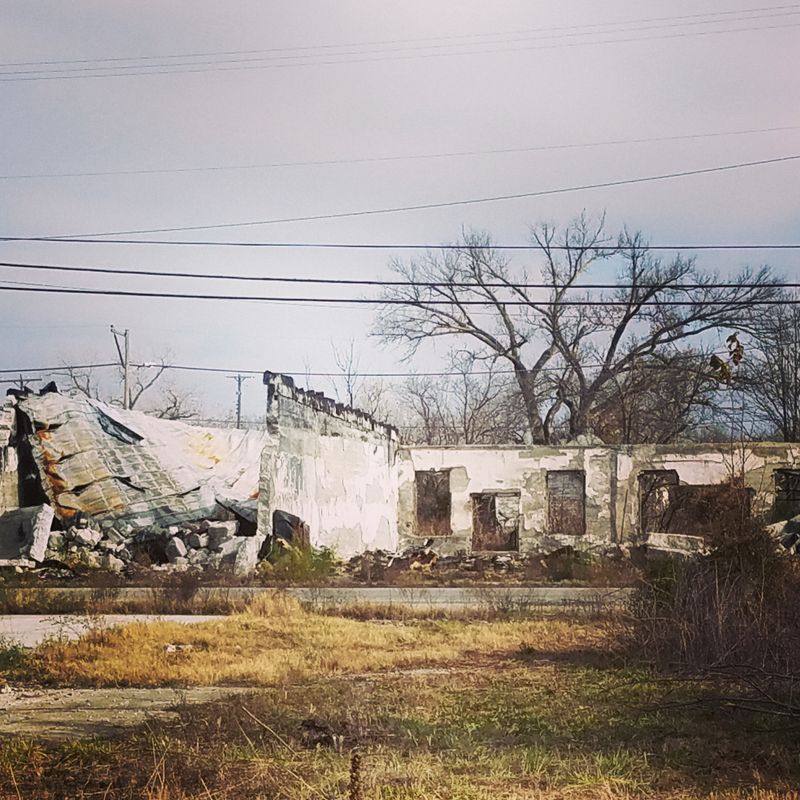
Beneath Picher lies a honeycomb of abandoned mine shafts and tunnels stretching for miles in every direction. Over 14,000 acres of underground workings created a Swiss cheese effect under the town’s foundation, and those voids don’t just sit there peacefully.
The earth above these hollow spaces can give way without warning, creating sinkholes that swallow cars, buildings, or anything else unfortunate enough to be on the surface. I’ve seen photos of sudden collapses that opened up in streets and yards, creating gaping holes that drop dozens of feet into darkness.
Nobody knows exactly where all the tunnels run or which areas might be most vulnerable to collapse. Maps exist, but they’re incomplete and often inaccurate.
Mining companies didn’t always keep detailed records, and decades of neglect mean that support structures have rotted away.
Walking alone means nobody would know if the ground suddenly opened beneath you. Rescue in such a remote, abandoned location would be extremely difficult.
The locals who warn against solo exploration understand this risk intimately because they’ve watched their hometown literally fall apart from below.
The Tornado That Sealed the Town’s Fate
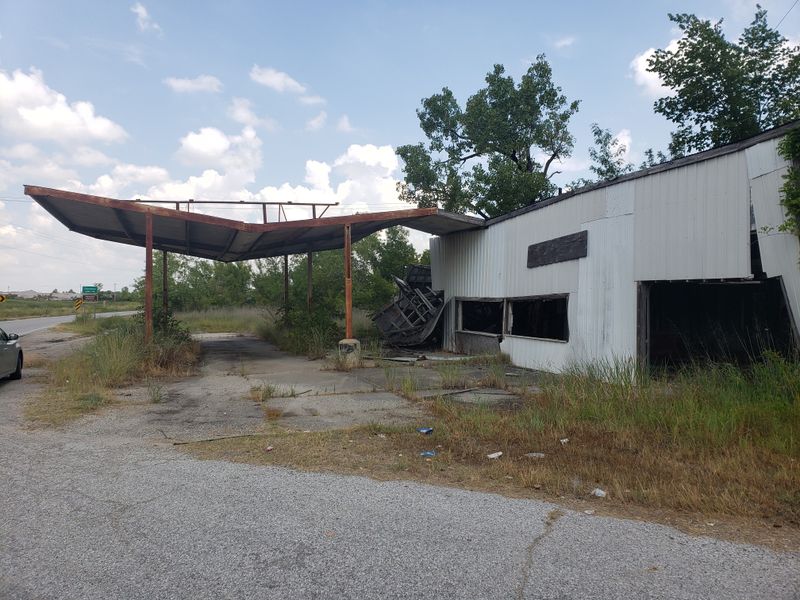
May 10, 2008, brought an EF4 tornado that ripped through what remained of Picher’s struggling community. The twister carved a path of destruction that killed several people and demolished much of the town’s infrastructure.
Buildings that had survived decades of decline couldn’t withstand the 200-mile-per-hour winds.
This natural disaster became the final nail in Picher’s coffin. Government officials used the tornado as a catalyst to accelerate the buyout program that had been slowly encouraging residents to leave.
The combination of environmental contamination and now widespread physical destruction made rebuilding impossible to justify.
I’ve walked past structures that still show the tornado’s fury, with walls peeled away and roofs torn off, leaving skeletal frames exposed to the elements. Nature and disaster worked together to dismantle what mining had already weakened.
The few buildings that survived both the environmental crisis and the tornado now stand as eerie monuments to resilience and futility.
The tornado added an element of tragedy to an already heartbreaking story, transforming Picher from a dying town into a certified ghost town almost overnight.
Abandoned Buildings With Unstable Structures
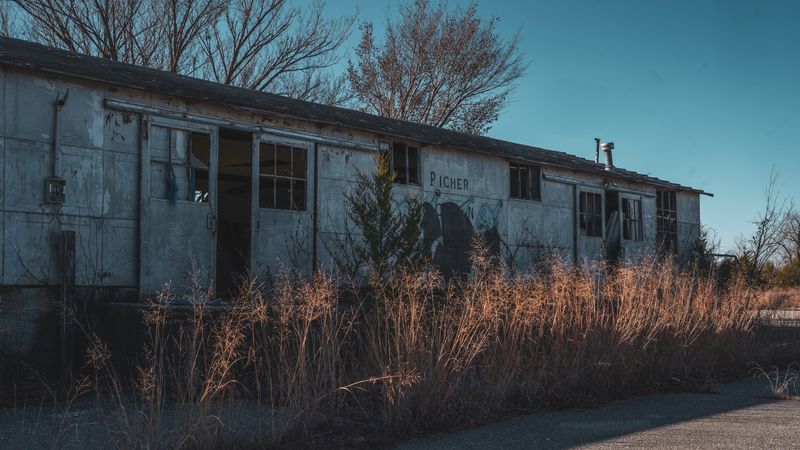
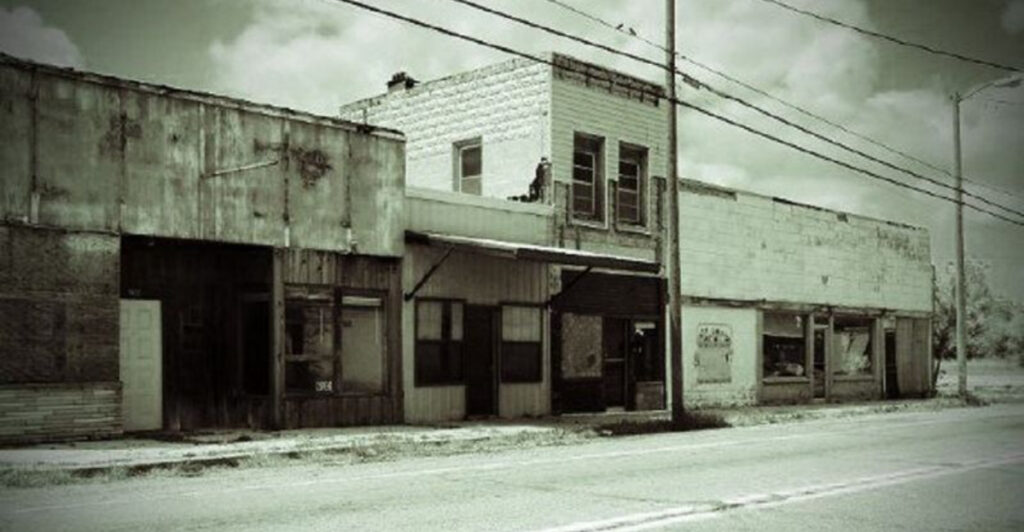
Every structure in Picher tells a story of abandonment and decay. Schools where children once learned their lessons now have floors rotted through and ceilings ready to collapse.
The old businesses along Main Street stand with broken windows like hollow eyes staring at nothing.
Years of exposure to Oklahoma weather have taken their toll on buildings that nobody maintains or repairs. Wood rots, metal rusts, and concrete crumbles.
What looks solid from the outside might have a completely compromised interior. Floors can give way, walls can topple, and ceilings can come crashing down without warning.
I always approach abandoned buildings with caution, but the ones in Picher demand extra respect because they’ve endured not just neglect but also tornado damage and environmental stress. The combination creates structural hazards that even experienced urban explorers find daunting.
Going inside alone means nobody would hear you call for help if you fell through a floor or got trapped under falling debris. The nearest occupied towns are miles away, and cell phone service in the area can be spotty at best.
Wildlife Reclaiming the Empty Streets
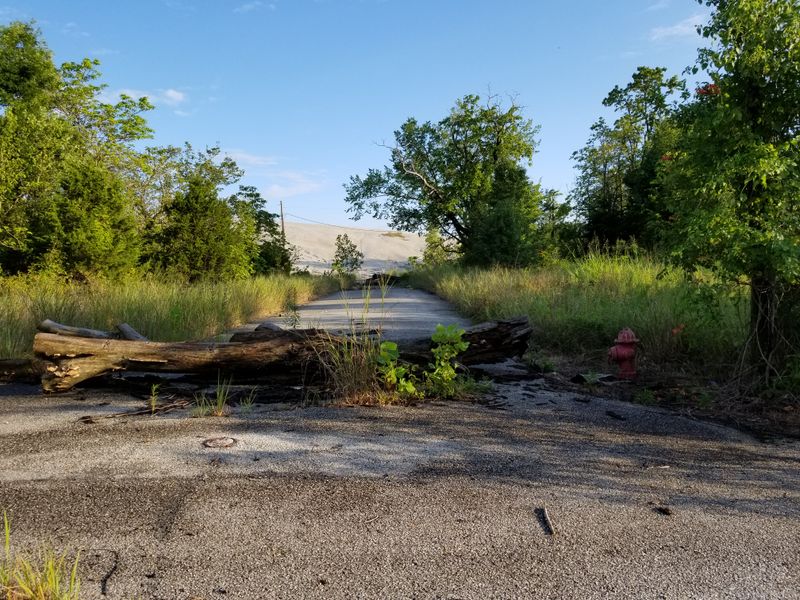
Nature doesn’t wait long to reclaim what humans abandon. Picher’s empty streets now belong to deer, coyotes, snakes, and countless other creatures that have moved into the vacuum left by human evacuation.
Vegetation pushes through cracked pavement, and trees grow where front yards once stood.
While seeing nature return might seem peaceful, it also creates practical dangers for solo visitors. Venomous snakes find shelter in the rubble and abandoned buildings, enjoying the quiet and abundance of rodents that also thrive in the ghost town.
I’ve encountered copperheads and rattlesnakes in far less isolated places, so I always assume they’re present in spots like this.
Coyotes have become bolder in the absence of human activity, and while they typically avoid people, a lone individual might seem less threatening to a pack than a group would. The thick vegetation also makes it easy to lose your bearings or step into hidden hazards you can’t see until it’s too late.
The wildlife isn’t malicious, but it adds another layer of unpredictability to an already risky environment. Having a companion means extra eyes to watch for snakes and other creatures.
The Eerie Silence That Unsettles Your Nerves
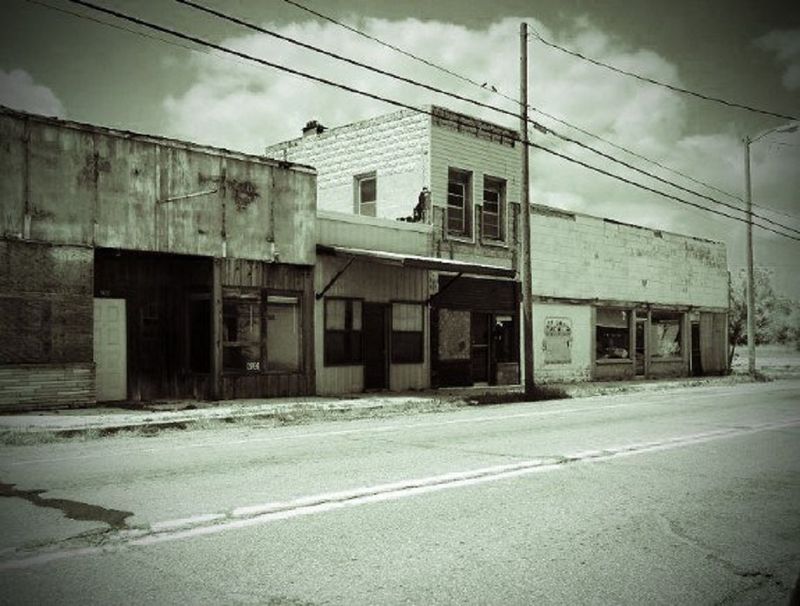
Sound works differently in a place where nobody lives. The absence of human noise creates a silence so complete it almost rings in your ears.
No cars pass by, no voices carry on the breeze, no distant sounds of daily life punctuate the quiet.
When I first arrived in Picher, the silence hit me immediately. Wind rustling through empty buildings creates sounds that your brain wants to interpret as something else, something human.
Creaking metal, shifting wood, and settling structures all produce noises that can make your imagination run wild when you’re alone.
This psychological aspect of exploring ghost towns shouldn’t be dismissed. The isolation and eerie atmosphere can affect your judgment and decision-making.
Stress and fear can cause you to make mistakes, rush when you should move carefully, or freeze when you should act.
Having another person breaks that oppressive silence and provides a reality check when your mind starts playing tricks. They can confirm that the sound you heard was just wind, not something more concerning.
The psychological support of companionship matters as much as the practical safety benefits in a place this unsettling.
No Services, No Help, No Safety Net
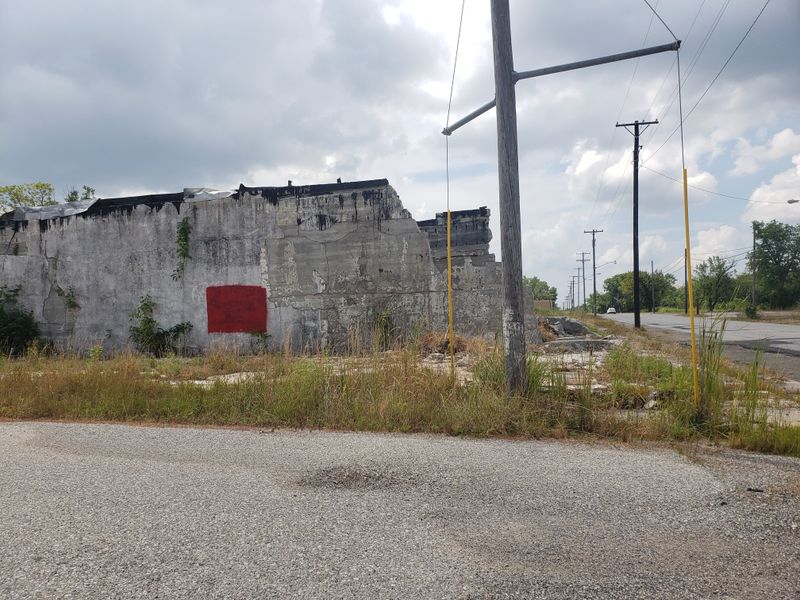
Picher has no fire department, no police station, no hospital, and no functioning infrastructure of any kind. The town was officially disincorporated, meaning it ceased to exist as a legal municipality.
If something goes wrong, you’re on your own until you can reach help miles away.
Cell phone coverage in the area is unreliable at best. I’ve found that signals come and go depending on where you stand, and sometimes you can’t get through at all.
If you fell into a mine shaft, got trapped in a collapsed building, or suffered a medical emergency, calling for help might not be possible.
The nearest functioning town with emergency services is several miles away. Response times would be significant even if you could call, and first responders would need detailed information about your location in a place where street addresses no longer mean much.
GPS coordinates would help, but only if you could transmit them.
This complete absence of safety infrastructure makes every risk more serious. A minor injury that would be inconvenient in a populated area becomes potentially life-threatening when you’re isolated.
Exploring with a partner means at least one person can go for help if needed.
Unpredictable Weather on the Oklahoma Plains
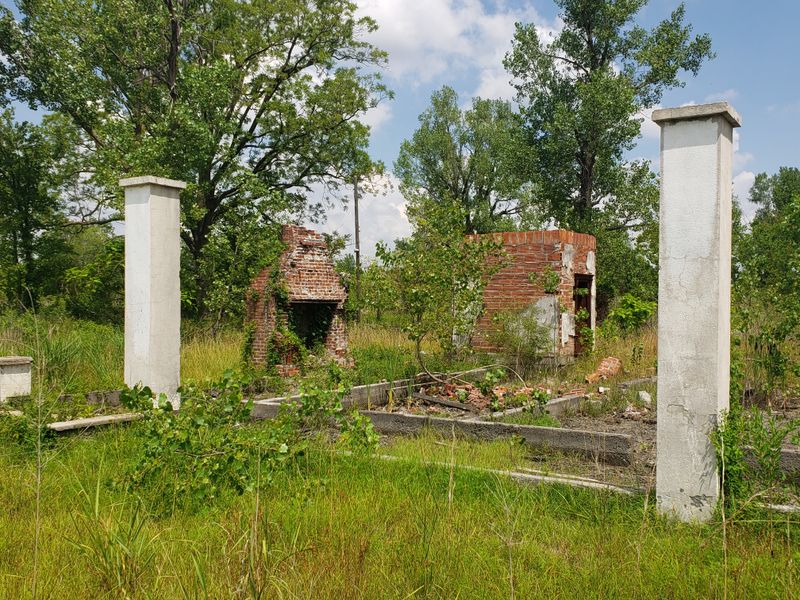
Oklahoma weather can turn dangerous with remarkable speed. The state sits in Tornado Alley, where severe thunderstorms, tornadoes, and extreme temperature swings are regular occurrences.
Picher’s location in the northeastern part of Oklahoma doesn’t exempt it from these weather patterns.
I’ve watched the sky darken from clear blue to ominous green in less than an hour, with winds picking up and temperature dropping as a storm front moves through. In a populated area, you can take shelter in sturdy buildings or get warnings through weather alerts.
In Picher, the structures aren’t safe for sheltering, and you might not get any warning if your phone signal is weak.
Summer heat in Oklahoma can be oppressive, with temperatures regularly exceeding 95 degrees. Exploring an exposed ghost town with no shade and no access to water or air conditioning creates a real risk of heat exhaustion.
Winter brings its own challenges, with ice storms and occasional snow making travel treacherous.
Having a companion means someone can help if weather-related problems arise. They can assist if you need to find shelter quickly or if heat or cold starts affecting your health.
The Legal Gray Area of Trespassing
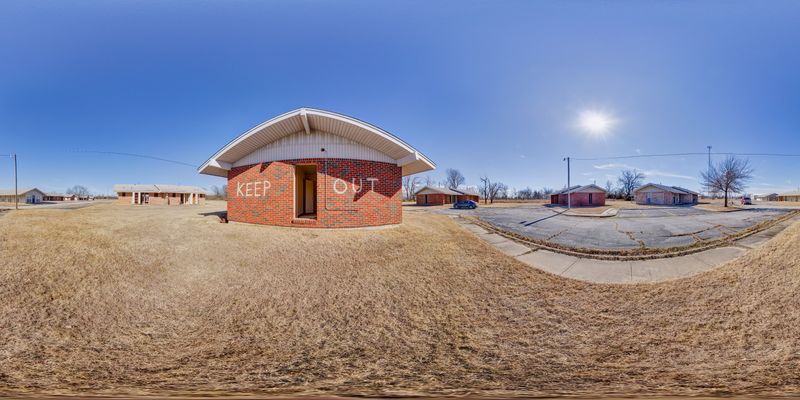
Most of the land in Picher is now owned by the federal government or the state of Oklahoma as part of the Superfund cleanup effort. While the town is abandoned, that doesn’t mean it’s legal to wander freely through private or government property without permission.
No trespassing signs mark many areas, though enforcement is sporadic.
The legal situation creates complications for visitors. You might encounter security personnel, law enforcement, or property owners who object to your presence.
Being alone makes you more vulnerable to confrontations and provides no witnesses if a situation turns uncomfortable. I always prefer to have someone with me when exploring legally ambiguous locations.
Some areas are explicitly restricted due to ongoing environmental cleanup work or extreme hazards. Ignoring posted warnings could result in fines, arrest, or worse, exposure to dangers that prompted the restrictions in the first place.
The patchwork of ownership and jurisdiction makes it difficult to know exactly where you’re allowed to be.
Beyond the legal issues, there’s an ethical dimension to consider. Picher was home to real people who lost their community through no fault of their own.
Treating the site with respect matters, and having a companion can help keep each other accountable to that standard.
A Haunting Reminder of Impermanence
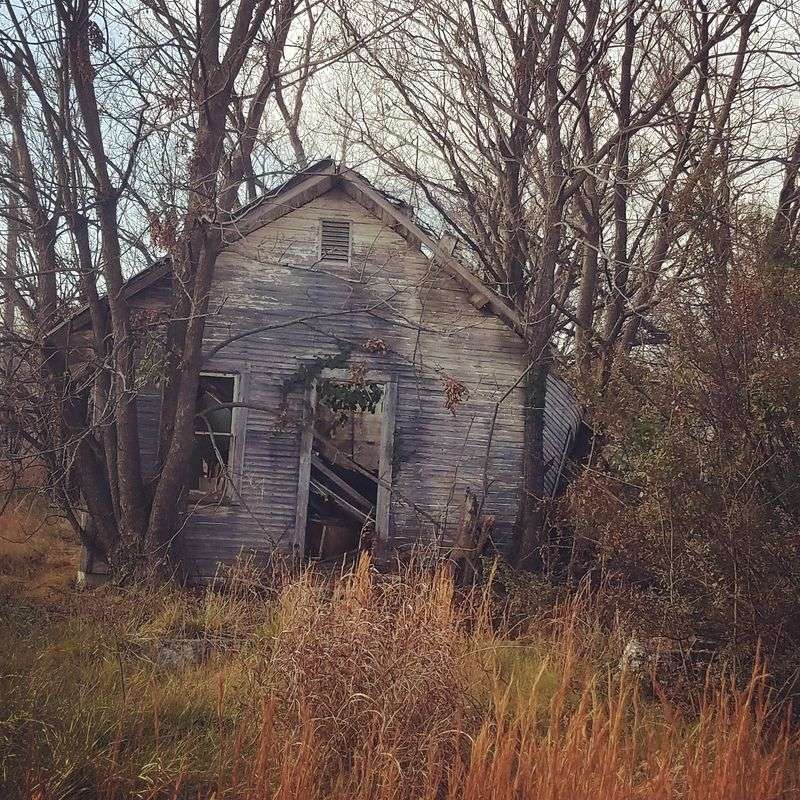
Standing in Picher forces you to confront uncomfortable truths about how quickly a thriving community can disappear. Streets where children played, homes where families celebrated holidays, schools where teenagers fell in love, all of it gone within a single generation.
The impermanence is sobering and deeply moving.
I’ve visited many abandoned places, but few have affected me quite like Picher. The scale of the loss, both human and environmental, weighs heavy on your mind as you walk through what remains.
Old photographs show a lively town full of hope and activity, making the current desolation even more striking by contrast.
This emotional weight is another reason locals suggest not exploring alone. The melancholy atmosphere can become overwhelming when you’re by yourself, especially if you start imagining the lives that once filled these empty spaces.
Having someone to talk with helps process the complex feelings that arise.
Picher stands as a warning about the long-term consequences of prioritizing short-term economic gain over environmental stewardship and community sustainability. The lessons here matter for communities across Oklahoma and beyond.
The ghost town won’t let you forget them, and that lasting impact might be the most important reason to visit.
Share this story