Venice is a city unlike any other, built on water and filled with history, art, and romance at every turn. Whether you’re gliding through canals in a gondola or exploring centuries-old palaces, this floating city offers unforgettable experiences.
From world-famous landmarks to hidden gems, Venice has something special for every traveler. Get ready to discover the most amazing sights and activities that will make your Venice adventure truly memorable.
St. Mark’s Basilica
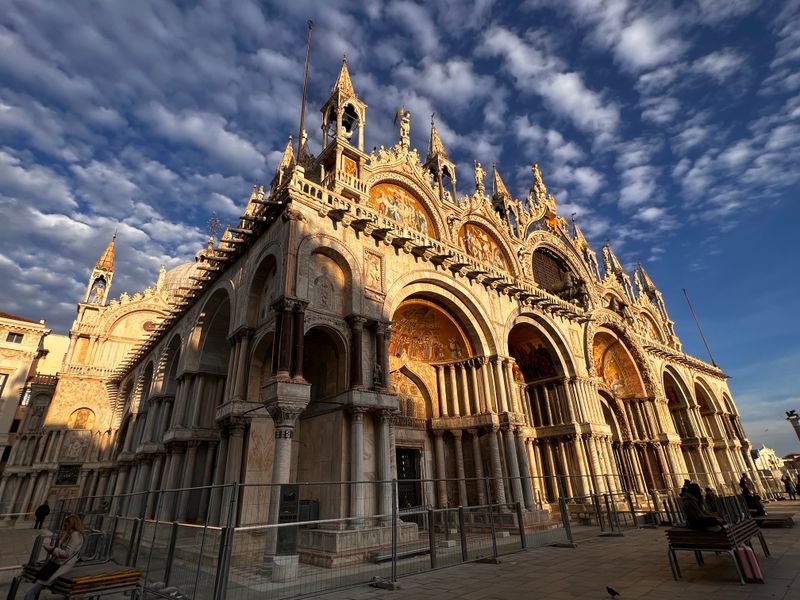
Golden mosaics cover every inch of the ceiling, making you feel like you’ve stepped inside a treasure chest. St. Mark’s Basilica is one of the most stunning churches in the world, with over 8,000 square meters of glittering artwork that took centuries to complete.
The building itself is a masterpiece of Byzantine architecture, featuring five massive domes and intricate marble floors that create optical illusions.
You’ll need to dress modestly to enter, which means covering your shoulders and knees. The line can get incredibly long during peak season, so arriving early in the morning or booking a skip-the-line ticket is definitely worth it.
Inside, look up to see biblical stories told through thousands of tiny gold tiles that shimmer in the light.
The Pala d’Oro, a golden altarpiece decorated with precious gems, is located behind the main altar and requires a small additional fee to view. Don’t miss the museum on the upper level, where you can see the original bronze horses that once stood outside.
From the balcony, you’ll get an amazing view of St. Mark’s Square below, perfect for photos without the crowds.
Grand Canal
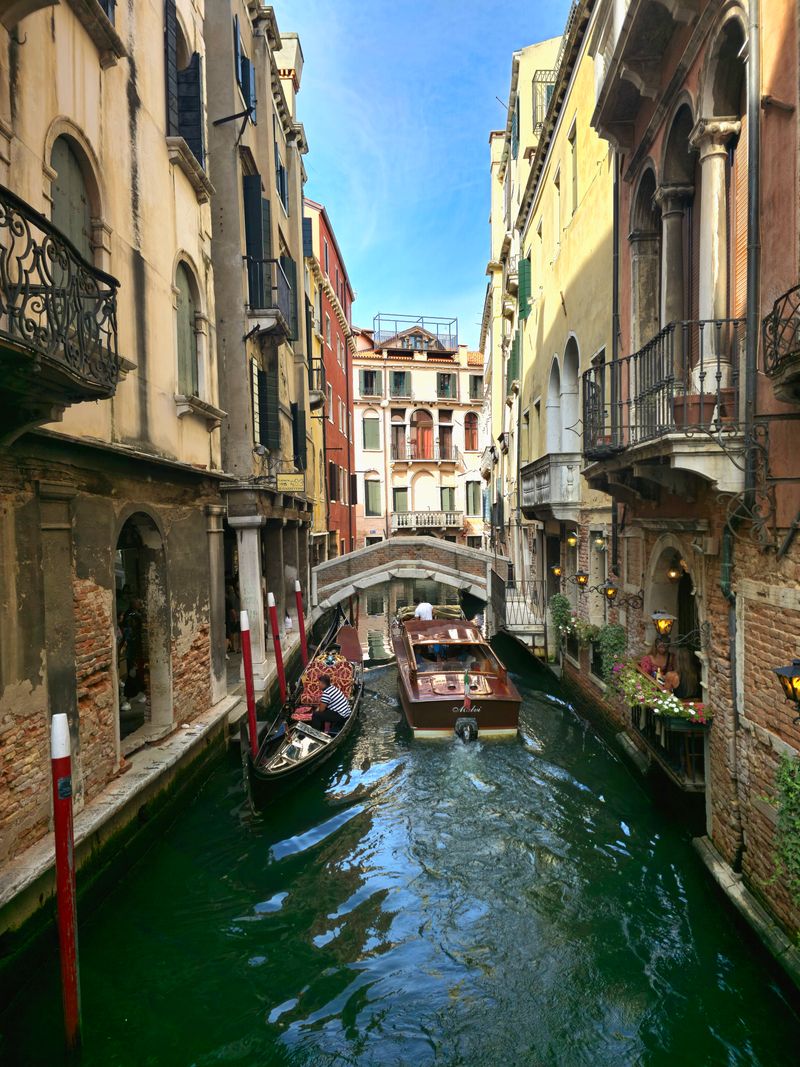
Imagine a main street, but instead of cars, there are boats gliding past palaces that have stood for hundreds of years. The Grand Canal is Venice’s most important waterway, winding through the heart of the city in a giant S-shape for nearly two and a half miles.
Historic buildings in shades of pink, yellow, and terracotta line both banks, each telling stories of wealthy merchants and powerful families.
Taking a vaporetto (water bus) along the entire canal is like riding through a living museum. You’ll pass under four bridges, including the famous Rialto Bridge, and see everything from Gothic palaces to Renaissance mansions.
The best part? A vaporetto ride costs much less than a gondola but gives you the same incredible views.
For the most magical experience, ride the canal at sunset when the buildings glow in golden light and reflect beautifully on the water. Line 1 is the slowest vaporetto route, making frequent stops so you can really appreciate the architecture.
Grab a seat at the front or back of the boat for unobstructed views and bring your camera because every turn reveals another postcard-perfect scene.
Doge’s Palace
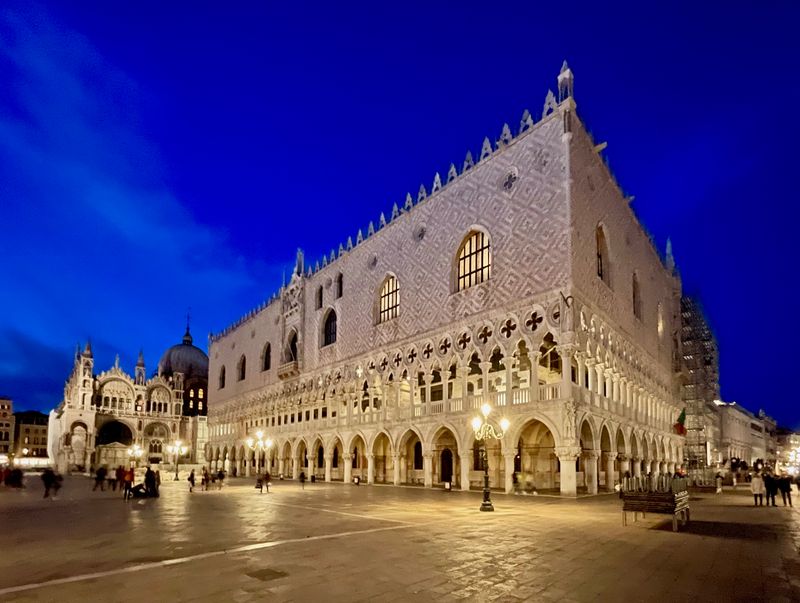
This pink and white Gothic masterpiece served as the home of Venice’s rulers and the center of government for over a thousand years. The Doge’s Palace is filled with massive rooms covered in paintings by famous artists like Tintoretto and Veronese, showing off the wealth and power Venice once had.
Walking through the grand chambers, you’ll see where important decisions were made that affected trade routes and wars across Europe.
The palace has a darker side too, with a tour that takes you across the famous Bridge of Sighs into the prison cells. Prisoners would sigh as they crossed the bridge, taking their last look at beautiful Venice through the small windows before being locked away.
Casanova, the famous adventurer, was held here and famously escaped through the roof.
The Golden Staircase, covered in 24-karat gold leaf, was used only by the most important visitors. In the Great Council Hall, you’ll find one of the largest oil paintings in the world, covering an entire wall.
Audio guides are available and really helpful for understanding the history and symbolism in the artwork throughout the palace.
Rialto Bridge
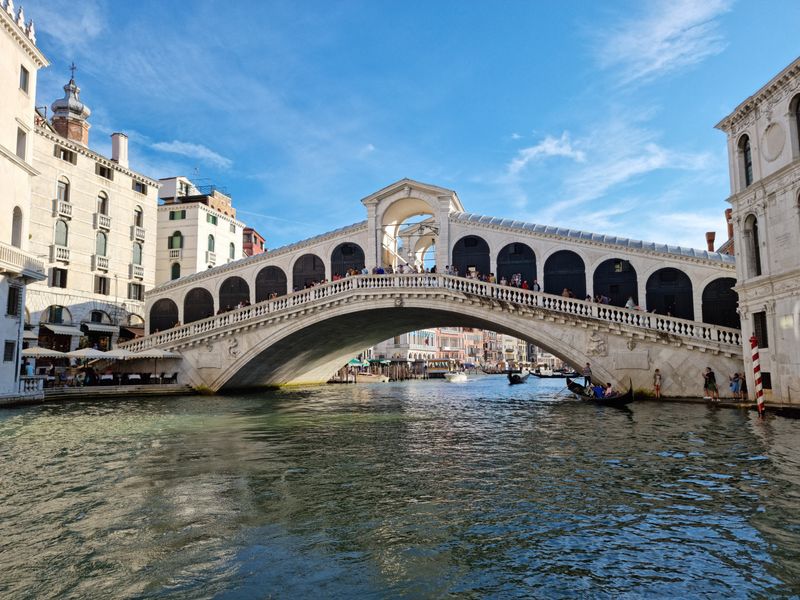
For nearly 300 years, this was the only way to cross the Grand Canal on foot. The Rialto Bridge is Venice’s oldest and most photographed bridge, built from white stone with shops running along both sides.
Before this stone version was completed in 1591, wooden bridges kept collapsing into the canal, sometimes during important events.
Climbing the steps to the center gives you one of the best free views in Venice, with the Grand Canal stretching in both directions. Gondolas and water taxis pass constantly underneath the single large arch, which was considered an engineering marvel when it was built.
The shops along the bridge sell everything from jewelry to leather goods, though prices tend to be higher because of the prime location.
Early morning is the perfect time to visit before the crowds arrive and the light is soft for photography. The area around the bridge is home to the Rialto Market, where locals have been buying fresh fish and vegetables for centuries.
Street performers often set up near the bridge, adding music and entertainment to your visit. Standing here, you’ll understand why this spot has been the commercial heart of Venice for so long.
Gondola Ride
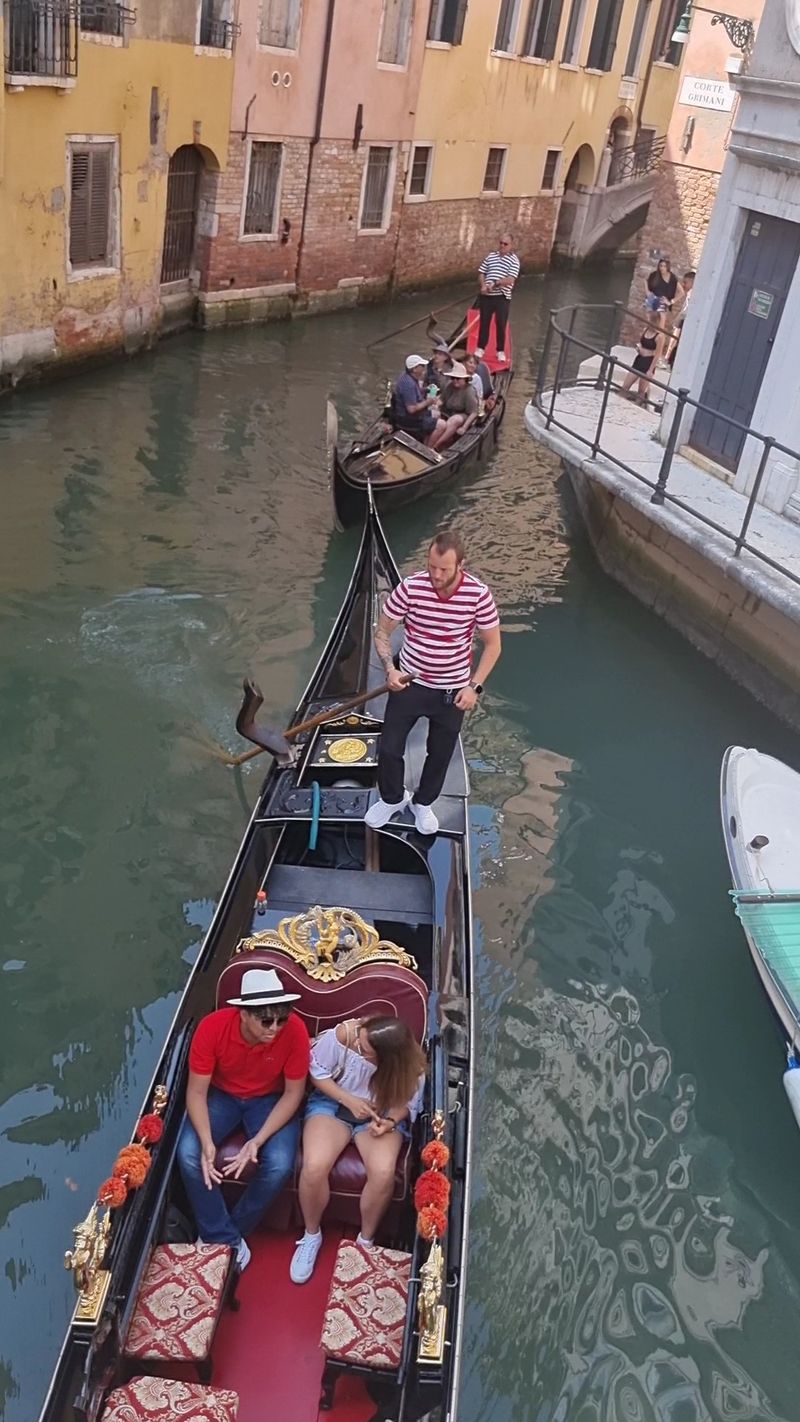
Nothing says Venice quite like gliding through narrow canals in a sleek black boat steered by a striped-shirt wearing gondolier. These flat-bottomed boats have been navigating Venice’s waterways for over a thousand years, and riding in one feels like traveling back in time.
The gondolier stands at the back, using just one oar to expertly guide the boat through tight spaces and under low bridges.
A standard ride lasts about 30 minutes and can be expensive, but splitting the cost with other travelers makes it more affordable. Each gondola holds up to six people, so you don’t have to ride alone unless you want a private romantic experience.
The best routes take you through quiet side canals where you’ll see local life and hidden gardens, not just the main tourist areas.
Prices are set by the city and should be displayed, so agree on the cost before you get in to avoid surprises. Some gondoliers will sing traditional songs for an extra fee, though not all of them do.
Late afternoon or evening rides offer cooler temperatures and beautiful lighting. Watch how skillfully your gondolier navigates the boat—it takes years of training to earn the license.
St. Mark’s Square
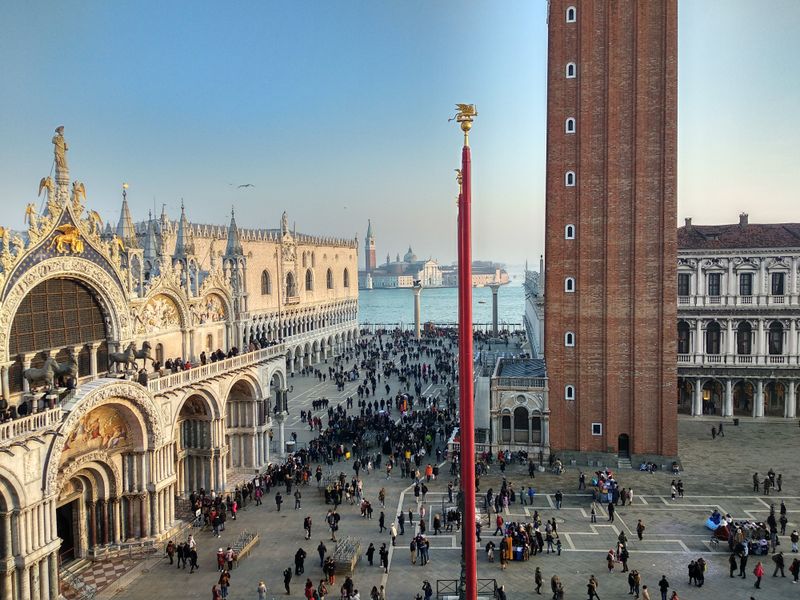
Napoleon called it the finest drawing room in Europe, and when you stand in this vast open space surrounded by architectural masterpieces, you’ll understand why. St. Mark’s Square is the only piazza in Venice—all the other squares are called campos—and it’s been the city’s main gathering place for centuries.
The square is framed by the Basilica on one end, elegant arcaded buildings on three sides, and opens to the lagoon on the fourth.
Cafes with live orchestras line the square, where you can sip coffee and listen to classical music, though expect to pay premium prices for the experience. The Campanile, or bell tower, rises 323 feet and offers incredible views of the city and lagoon if you take the elevator to the top.
Pigeons are everywhere, and while feeding them might seem fun, it’s actually illegal and comes with a fine.
The square sometimes floods during high tide events called acqua alta, creating temporary lakes that reflect the surrounding buildings beautifully. Wooden walkways are set up so people can still cross without getting wet.
Visit early morning or late evening to experience the square with fewer crowds and better lighting for photos.
Murano Island
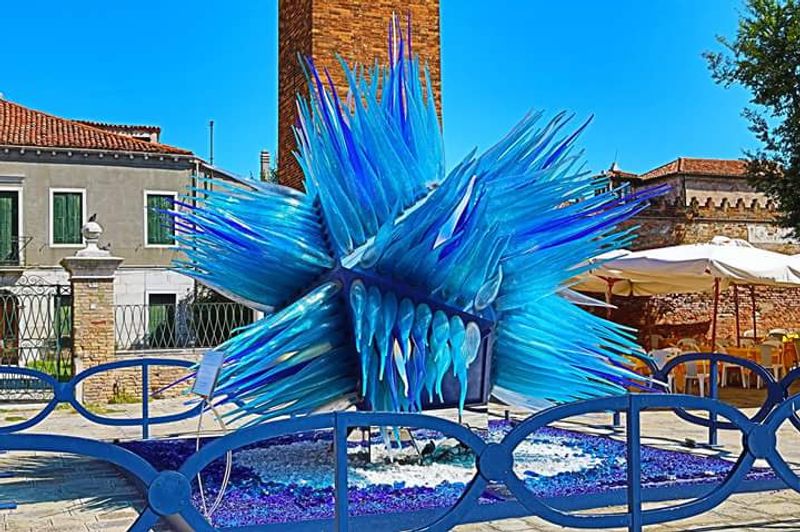
Watching molten glass transform into delicate art pieces right before your eyes is absolutely mesmerizing. Murano Island has been the center of Venetian glassmaking since 1291, when all the furnaces were moved here from Venice proper to prevent fires.
The techniques used today have been passed down through generations, with families guarding their secret methods carefully.
You can visit glass factories and watch master craftsmen blow, twist, and shape glass that glows orange-hot from the furnace. Many workshops offer free demonstrations, hoping you’ll browse their showrooms afterward, though there’s no pressure to buy.
The skill involved is incredible—these artists can create everything from tiny figurines to massive chandeliers using centuries-old tools.
The island itself is charming, with colorful houses lining its own network of canals and a more relaxed atmosphere than Venice. The vaporetto ride from Venice takes only about 15 minutes, making it an easy half-day trip.
Visit the Glass Museum to see historical pieces and understand how important this craft was to Venice’s economy. Be careful when shopping, as not all glass sold in Venice is actually made in Murano—look for certificates of authenticity.
Burano Island
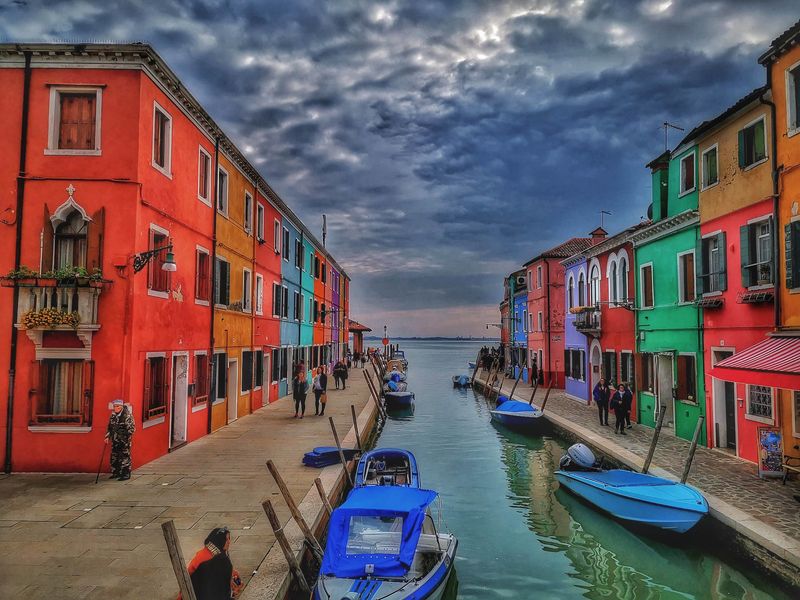
Every house is painted a different bright color, creating the most Instagram-worthy neighborhood you’ve ever seen. Burano Island looks like a rainbow exploded across its buildings, with homes in vivid pink, blue, yellow, green, and orange lining the canals.
Legend says fishermen painted their houses in bright colors so they could find their way home through the fog.
This tiny island is also famous for lacemaking, a tradition that dates back to the 1500s when Burano lace was considered the finest in Europe. You can still watch elderly women creating intricate lace pieces by hand in shops around the island, though true handmade Burano lace is rare and expensive now.
The Lace Museum showcases historical pieces that took months or even years to complete.
Burano is less crowded than Venice and has a genuine village feel where locals still live and work. The vaporetto ride from Venice takes about 45 minutes, but the journey through the lagoon is scenic and peaceful.
Try the island’s signature cookies called bussolai, which are shaped like rings and perfect with coffee. Walk along the canals and notice how each colorful house has its own personality and charm.
Bridge of Sighs
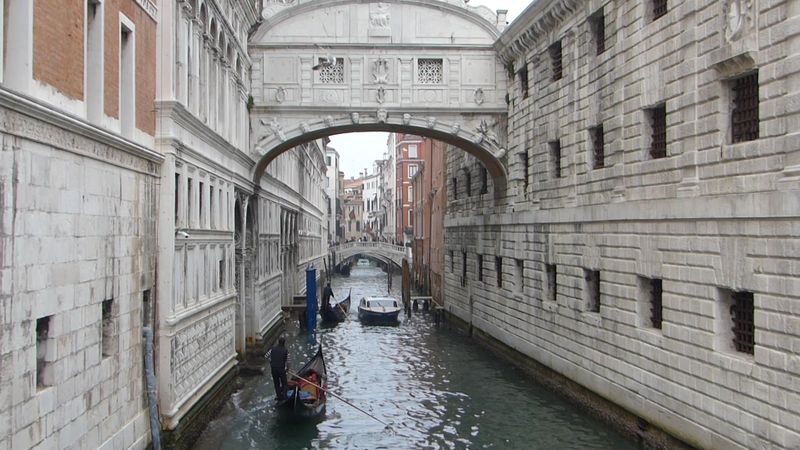
Prisoners walking through this enclosed bridge would catch their final glimpse of Venice through tiny windows before facing their fate. The Bridge of Sighs connects the Doge’s Palace to the old prison, and its romantic name comes from the idea that prisoners would sigh at their last view of freedom.
Built in 1600 from white limestone, the bridge is actually two separate corridors—one for prisoners going to trial and another for those returning to their cells.
From the outside, the bridge looks elegant and mysterious, spanning a narrow canal where gondolas constantly pass underneath. Locals say if you kiss your partner under the bridge while riding in a gondola at sunset, your love will last forever.
Whether or not you believe the legend, it’s certainly one of the most photographed spots in Venice.
The best views are from the nearby Bridge of Straw or from a gondola on the canal below. You can walk through the actual bridge interior as part of the Doge’s Palace tour, seeing the same small windows prisoners looked through.
The bridge isn’t very large, but its history and romantic associations make it significant. Despite its dark past, the Bridge of Sighs has become a symbol of Venice’s mysterious and romantic atmosphere.
Peggy Guggenheim Collection
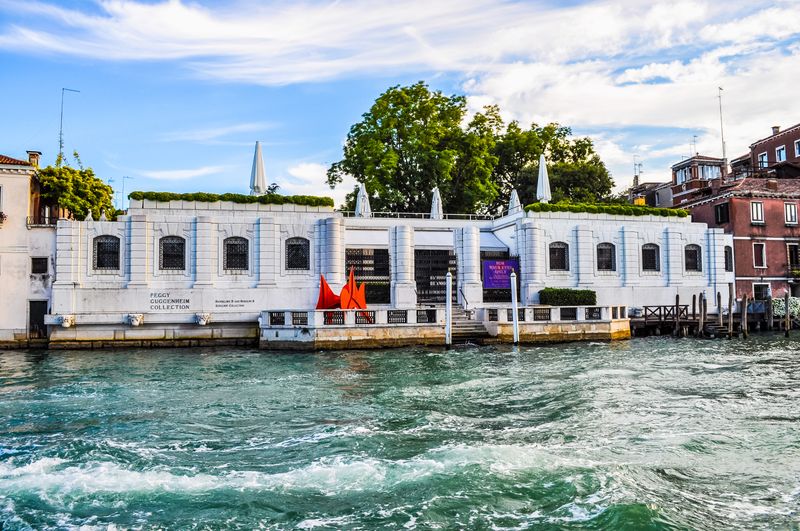
Modern art might seem out of place in historic Venice, but this museum proves they’re a perfect match. The Peggy Guggenheim Collection sits in an unfinished 18th-century palace right on the Grand Canal, filled with masterpieces by Picasso, Pollock, Dalí, and other modern art legends.
American heiress Peggy Guggenheim lived here for 30 years, surrounding herself with groundbreaking art and the artists who created it.
The collection includes cubism, surrealism, and abstract expressionism, giving you a comprehensive tour through 20th-century art movements. The sculpture garden overlooking the canal is a peaceful spot to rest and admire works by artists like Henry Moore.
Inside, you’ll find pieces that shocked the art world when they were created, now recognized as some of the most important works of the modern era.
The museum is much smaller and less overwhelming than Venice’s massive historical museums, making it perfect for a focused art experience. Peggy Guggenheim’s bedroom and personal belongings are on display, giving insight into her fascinating life as an art patron and collector.
Her beloved dogs are even buried in the garden. The museum shop has excellent art books and unique gifts.
This spot offers a refreshing contrast to Venice’s Byzantine and Renaissance treasures.
Teatro La Fenice
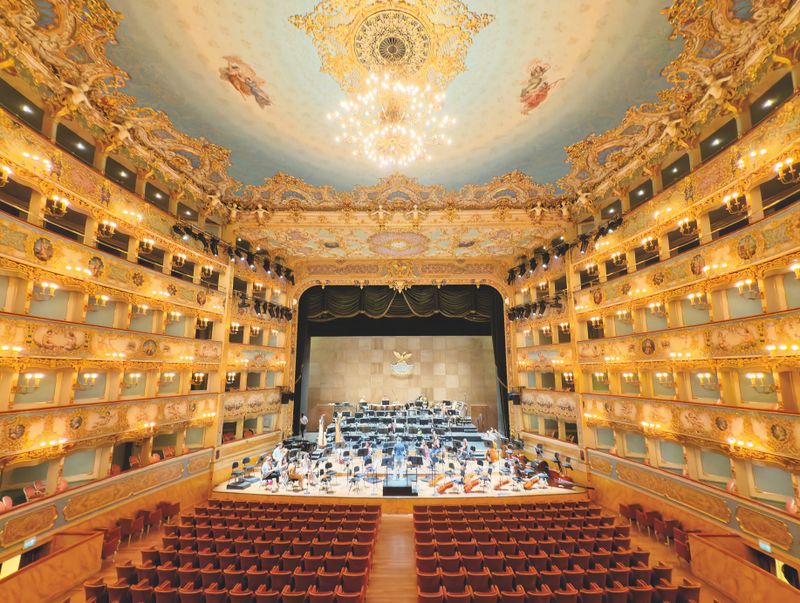
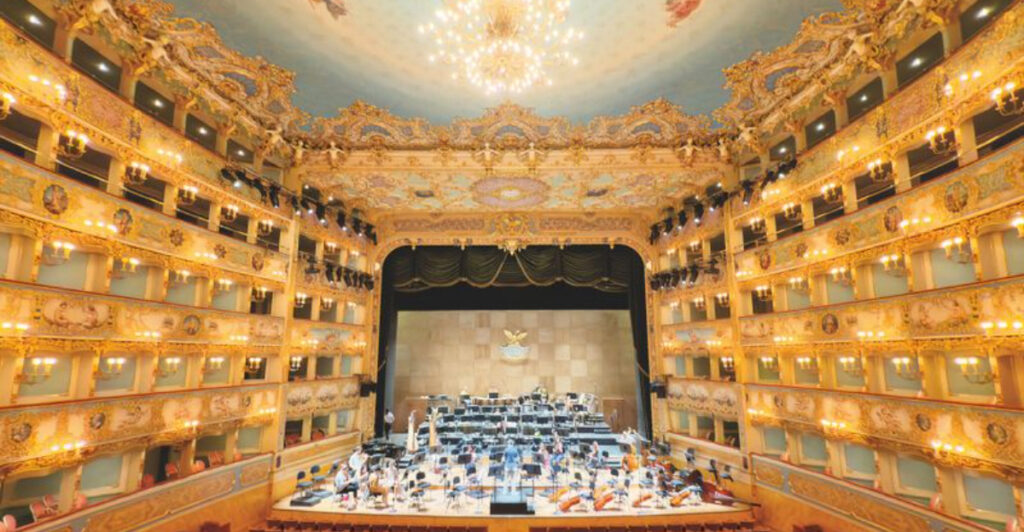
This opera house has burned down twice and been rebuilt each time, living up to its name which means The Phoenix. Teatro La Fenice is one of Italy’s most famous opera houses, where premieres by Verdi and Rossini first amazed audiences.
The interior is absolutely breathtaking, with gold decorations, red velvet seats, and crystal chandeliers creating an atmosphere of pure elegance.
Even if you don’t attend a performance, you can take a daytime tour to admire the stunning architecture and learn about the theater’s dramatic history. The most recent fire in 1996 destroyed everything, but craftsmen rebuilt it exactly as it was using traditional techniques and materials.
Five levels of boxes rise up from the main floor, each decorated with intricate gold leaf work.
The acoustics are phenomenal, designed to carry voices throughout the hall without amplification. If you can, attending an opera or concert here is an unforgettable experience that combines world-class performance with incredible surroundings.
The theater also hosts ballet and symphony concerts throughout the year. Tickets for performances range from affordable seats high up to expensive orchestra level spots.
Walking through the halls, you can almost hear the ghosts of famous composers and singers who graced this stage.
Rialto Market
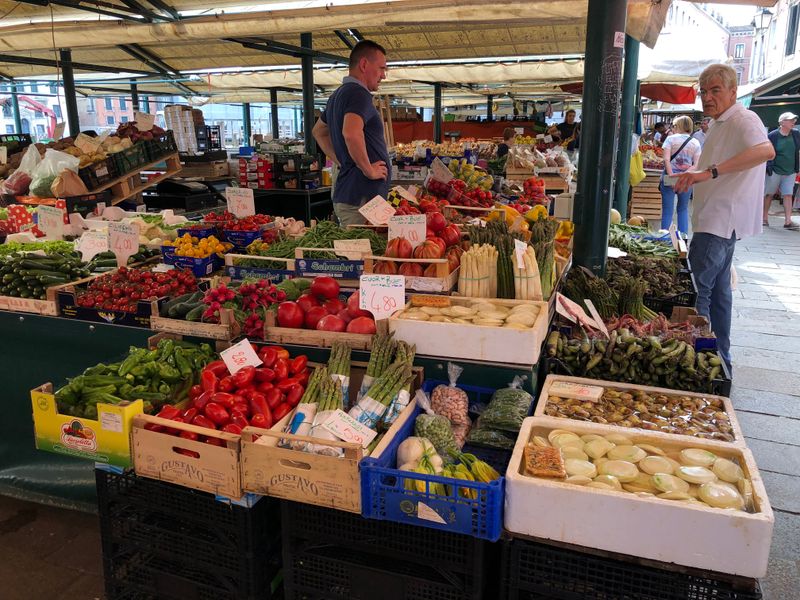
Venetians have been buying their groceries at this spot for over 700 years, making it one of Europe’s oldest markets. The Rialto Market is where locals shop for the freshest fish pulled from the Adriatic that morning, along with seasonal fruits and vegetables from the mainland.
The fish market, called Pescheria, is particularly impressive, with creatures you’ve probably never seen before laid out on marble slabs.
Arriving early means you’ll see the market at its most authentic, with vendors calling out prices and locals carefully selecting ingredients for lunch. The market operates Tuesday through Saturday mornings only, closing up by early afternoon once everything is sold.
This isn’t a tourist market—it’s a real working market where chefs from Venice’s best restaurants come to source ingredients.
The covered fish market building has beautiful Gothic arches and columns, built specifically for selling seafood in 1907. Photographers love the colorful displays and the animated interactions between buyers and sellers.
You’ll see fish and seafood you’ve never encountered, from tiny soft-shell crabs to strange-looking lagoon fish. The nearby produce market overflows with seasonal treasures like white asparagus, radicchio, and artichokes.
Even if you’re not cooking, wandering through provides an authentic glimpse into daily Venetian life.
Scuola Grande di San Rocco
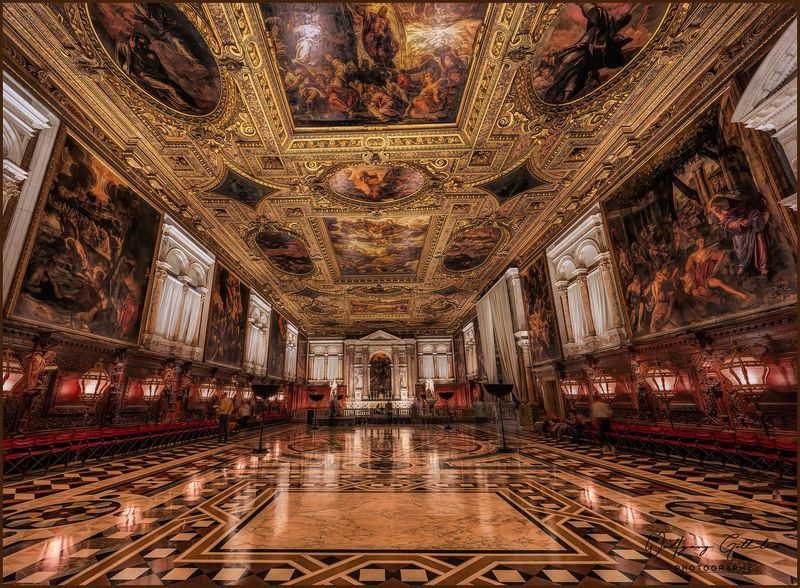
Stepping inside feels like entering Tintoretto’s mind, with over 50 of his paintings covering the walls and ceilings. The Scuola Grande di San Rocco is often called Venice’s Sistine Chapel because of the breathtaking artwork that fills every room.
Tintoretto spent 23 years creating these masterpieces, working from 1564 until 1587 to complete one of the most impressive artistic achievements of the Renaissance.
The building itself was the meeting hall for a wealthy religious brotherhood dedicated to Saint Roch, who was believed to protect against plague. They hired the best artists to decorate their headquarters, and Tintoretto won the commission by donating a finished ceiling panel instead of just submitting a sketch like his competitors.
His dramatic use of light and movement in the paintings is absolutely stunning.
Mirrors are provided so you can view the ceiling paintings without straining your neck. The ground floor hall features massive paintings depicting scenes from the life of Mary, while upstairs focuses on biblical stories.
Unlike some Venice attractions, this one is rarely overcrowded, giving you time to really appreciate the art. The craftsmanship in the wooden carvings and gilded decorations throughout the building is remarkable.
Art lovers consider this a must-see that rivals any museum in Venice.
Share this story