France gets all the love when people talk about wine, but honestly, the rest of Europe has been quietly crushing it for centuries. From Portugal’s sun-soaked valleys to Austria’s crisp alpine slopes, there are incredible wine regions that don’t come with the tourist buses or the eye-watering price tags.
These spots offer world-class wines, stunning scenery, and the kind of authentic experiences that make you feel like you’ve discovered something special.
Douro Valley, Portugal
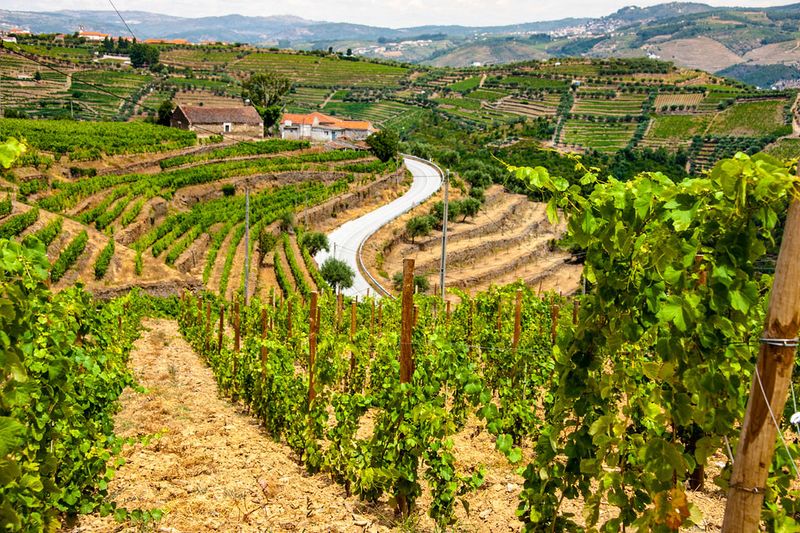
The first time I saw the Douro’s terraced slopes, I forgot to speak for a full minute. Those ancient stone walls climbing hillsides look like someone carved stairways for giants.
Port wine made this valley famous, but the still wines are what locals actually drink with dinner. The reds are bold and structured, while the whites surprise you with freshness despite the heat.
Quintas dot the landscape, many family-run and happy to pour you samples without the fuss.
On Google Maps, search “quinta Douro tasting” and filter by rating to find the gems. Check if you need a reservation because some spots fill up fast, especially on weekends.
The river snakes through everything, making even a wrong turn feel scenic.
Harvest season in September turns the valley into organized chaos, with everyone picking grapes before the weather shifts. You can still visit then, just expect more crowds and a lot of purple-stained hands.
Spring and early summer offer quieter visits with wildflowers everywhere.
Bring comfortable shoes because those terraces are no joke to walk. The views reward every step though, especially at sunset when the whole valley glows amber.
Dão, Portugal
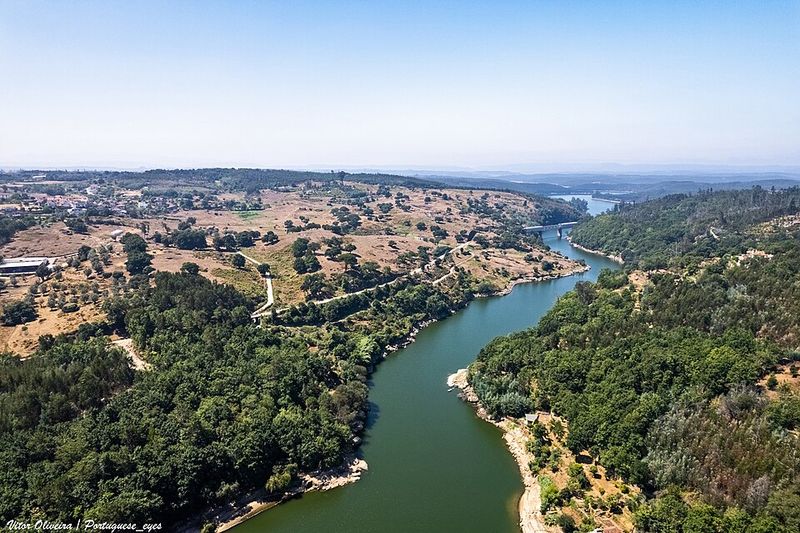
Here’s a region that makes elegant reds and then politely refuses to brag about it. Dão sits tucked between mountains, where granite soils and cool nights create wines with actual structure and balance.
Touriga Nacional is the star red grape here, delivering perfumed, complex wines that age beautifully. Encruzado handles the white duties, producing wines with weight and aromatic complexity that punch way above their modest price tags.
These aren’t fruit bombs or oak monsters, just honest, food-friendly wines.
On Google Maps, try “adega Dão” or “wine tasting Viseu” and look at photos to spot the small, family-run places. Many operate out of century-old cellars where the owners pour their own wines and tell stories their grandparents told them.
Reservations help but aren’t always required at smaller spots.
The region has been making wine since Roman times, earning official demarcation status back in 1908. Yet somehow it stays under the radar compared to flashier regions.
That’s good news for anyone who likes discovering quality without fighting crowds.
Viseu makes a solid base for exploring, with decent restaurants and easy access to multiple wineries. The mountain scenery adds drama without demanding your full attention.
Alentejo, Portugal
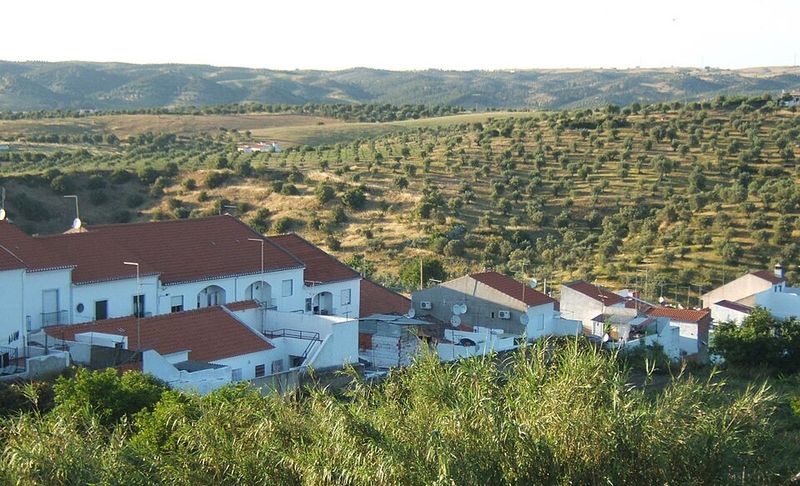
Hot days, big skies, and wines that know how to bring the flavor without bringing the crowd. Alentejo stretches across Portugal’s south-central plains, where cork oaks and vines share the landscape.
The reds here are bold and ripe, often blending indigenous grapes into something uniquely Portuguese. Whites like Antão Vaz deliver character and texture, holding up beautifully to the region’s rich, garlicky food.
Then there’s vinho de talha, wine fermented and aged in clay amphorae just like the Romans did.
On Google Maps, search “vinho de talha” around Vidigueira if you want the most local energy. These traditional wines taste earthy and ancient in the best possible way.
Not every winery makes them, so calling ahead saves disappointment.
The landscape feels endless here, with fewer hills to break up the horizon. That openness translates to a relaxed vibe at wineries, where tastings often happen at unhurried pace.
Summer gets brutally hot, so spring or fall visits make more sense unless you enjoy melting.
Évora offers a UNESCO-listed historic center and easy winery access. Many places welcome walk-ins during business hours, though weekends get busier.
The food scene alone justifies the trip, even before you factor in the wine.
Ribeira Sacra, Spain
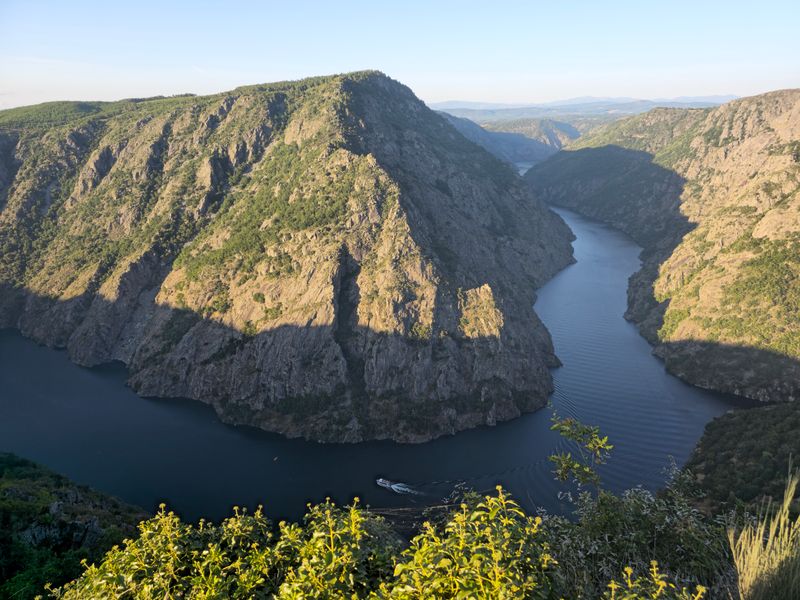
If you like drama in your scenery, this is your stage. Ribeira Sacra’s vineyards cling to near-vertical slopes above the Sil and Miño rivers, creating one of Europe’s most jaw-dropping wine landscapes.
Mencía is the main red grape, producing wines with bright red fruit, floral notes, and surprising elegance. The extreme slopes mean everything gets hand-harvested, often by the same families who’ve worked these plots for generations.
Whites grow here too, though reds steal the spotlight.
On Google Maps, search “miradoiro Ribeira Sacra” for viewpoints, then “bodega Ribeira Sacra” nearby to pair the view with a pour. Some wineries sit right on the canyon rim, offering tastings with vertigo-inducing vistas.
Others hide in tiny villages where you’ll wonder how they even get their wines to market.
The name means “Sacred Riverbank,” referencing the many monasteries tucked into these canyons. Those monks knew what they were doing picking this spot.
Catamaran tours run along the river, giving you a ground-level view of those impossible vineyards.
Visiting requires decent driving skills because the roads twist like corkscrews. The effort pays off with wines and scenery you won’t forget, plus the satisfaction of earning your tasting.
Bierzo, Spain
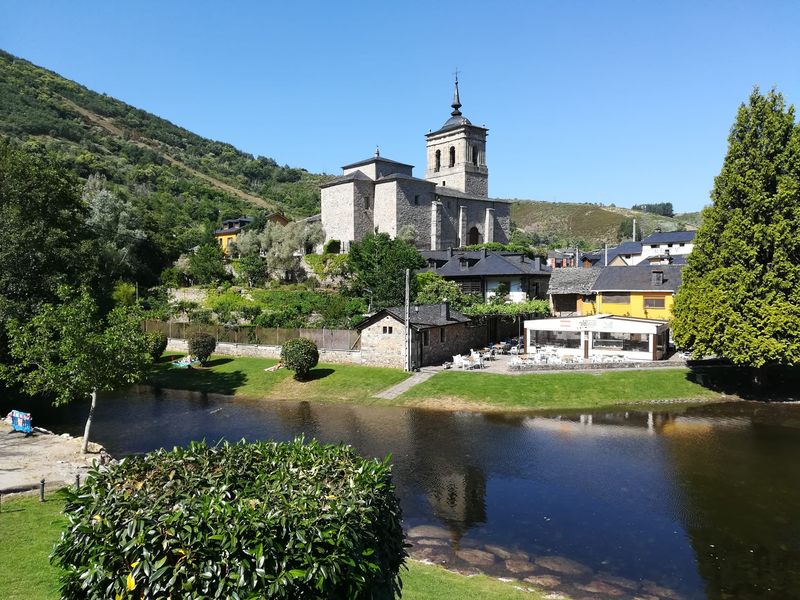
This is where Mencía goes from “nice” to “oh wow, hello.” Bierzo sits in Spain’s northwest in León province, where slate soils and mountain-influenced climate create ideal conditions for this grape.
The wines here show more depth and complexity than Mencía from other regions, with dark fruit, minerality, and structure that ages gracefully. Winemakers here take their craft seriously without taking themselves too seriously.
Prices remain shockingly reasonable considering the quality in your glass.
On Google Maps, type “wine bar Ponferrada” for an easy, low-effort tasting flight night. The town serves as Bierzo’s capital and hub, with multiple bars pouring local wines alongside tapas.
It’s a smart way to sample different producers before committing to winery visits.
The region only gained DO status in 1989, making it relatively young in official terms. That newness means less established tourism infrastructure, which translates to more authentic experiences and fewer crowds.
Some producers work organically or biodynamically, pushing quality even higher.
Mountains surround the valley on three sides, creating a microclimate that’s warmer and more protected than you’d expect this far north. That geography matters in the glass, giving the wines ripeness balanced by freshness.
Pack layers because temperatures can shift quickly.
Getaria and Txakoli country, Basque Spain
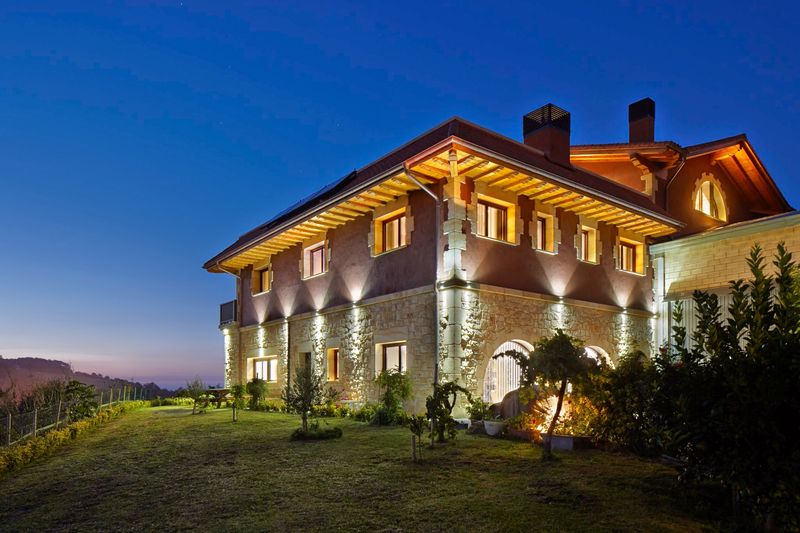
One sip of Txakoli and you’ll wonder why more people aren’t obsessed. This lightly sparkling, zippy white gets poured from height at Basque cider houses and pintxos bars, creating a bit of theater with every glass.
Hondarrabi Zuri is the main grape, producing wines with bright acidity, subtle effervescence, and citrus-driven flavors. The coastal location matters, giving the wines a saline quality that makes them perfect with seafood.
Alcohol levels stay low, so you can drink a bottle without regretting your life choices.
On Google Maps, search “txakoli winery Getaria” and check opening days because some spots keep very civilized hours. This fishing village sits right on the Bay of Biscay, offering beach time between tastings.
Several wineries welcome visitors, though calling ahead never hurts.
The traditional pouring technique, from shoulder height into a glass held low, aerates the wine and shows off that gentle sparkle. You can try it yourself, though maybe practice over a sink first.
The wine’s low alcohol and refreshing nature make it dangerously easy to drink.
Getaria also claims fame as the birthplace of explorer Juan Sebastián Elcano, who completed the first circumnavigation of Earth. The town celebrates this heritage while staying charmingly low-key and focused on good food.
Vipava Valley, Slovenia
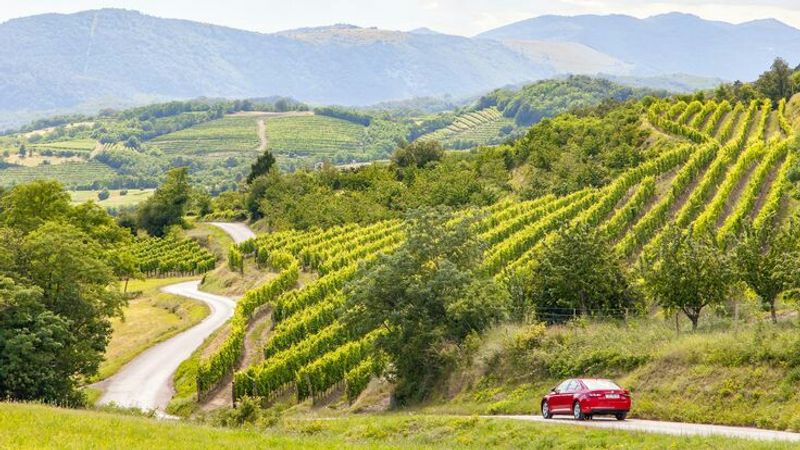
Vipava is the friend who shows up with a cool playlist you’ve never heard and it’s all bangers. This valley runs parallel to the Italian border, protected by mountains and blessed with indigenous grapes most people can’t pronounce.
Zelen and Pinela are the local white grapes to know, producing wines with personality and freshness. The reds include Barbera and local varieties, though whites dominate production and reputation.
Winemakers here embrace both tradition and experimentation, sometimes in the same cellar.
On Google Maps, search “Vipava wine tasting” and use the photo previews to find the cozy cellar-door setups. Many operate as family businesses where the person pouring also picked the grapes and probably made the cheese you’re eating.
English gets spoken widely, making visits easy even if your Slovenian needs work.
The Burja wind rips through here regularly, keeping vines dry and disease pressure low. That wind is famous locally, strong enough to flip cars if you’re unlucky.
It also means organic and biodynamic farming work well, with several producers going that route.
The valley offers cycling routes through vineyards, connecting multiple wineries if you’re feeling ambitious. Slovenia’s wine culture emphasizes hospitality over pretension, making even fancy wineries feel welcoming.
Prices stay reasonable by Western European standards.
Goriška Brda, Slovenia
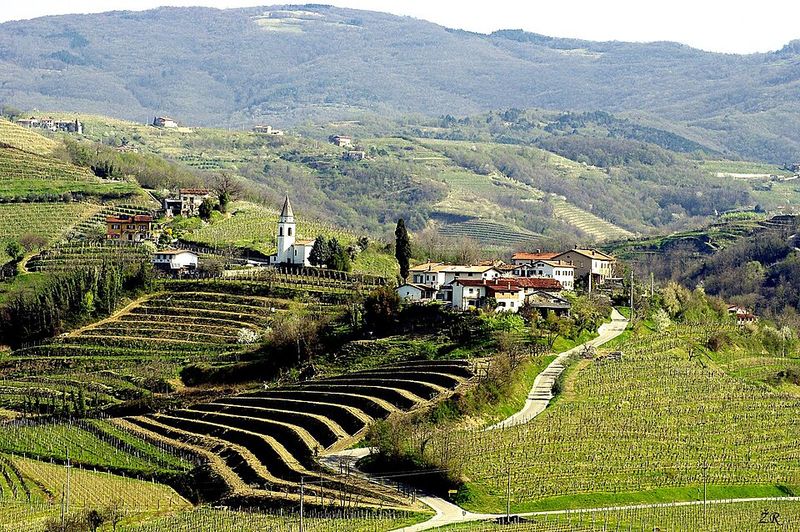
Brda is pure slow-sip territory, right by the Italian border, and it does not try too hard to impress you. The landscape rolls in gentle hills covered with vines, cherry trees, and the kind of beauty that doesn’t demand Instagram posts.
Rebula is the regional calling card, producing structured, age-worthy whites with stone fruit and herbal notes. This grape crosses the border into Italy’s Collio as Ribolla Gialla, showing how arbitrary these lines can be.
Winemakers here also work with Pinot Grigio, Chardonnay, and local red varieties.
On Google Maps, search “Brda Home of Rebula” or “wine tasting Dobrovo” and pick a place with vineyard views for maximum payoff. The medieval village of Dobrovo sits at the heart of the region, with a castle and multiple tasting options.
Many wineries offer food pairings featuring local prosciutto and cheese.
The Italian influence shows in the cuisine and laid-back approach to hospitality. Meals here last hours, with wine flowing steadily and conversation mattering more than schedules.
Some producers make orange wines, fermenting whites with extended skin contact for amber-hued, textured results.
Spring brings cherry blossoms that blanket the hills in white and pink. Autumn delivers harvest energy and comfortable temperatures.
Either season beats summer’s heat for exploring by car or bike.
Collio, Italy
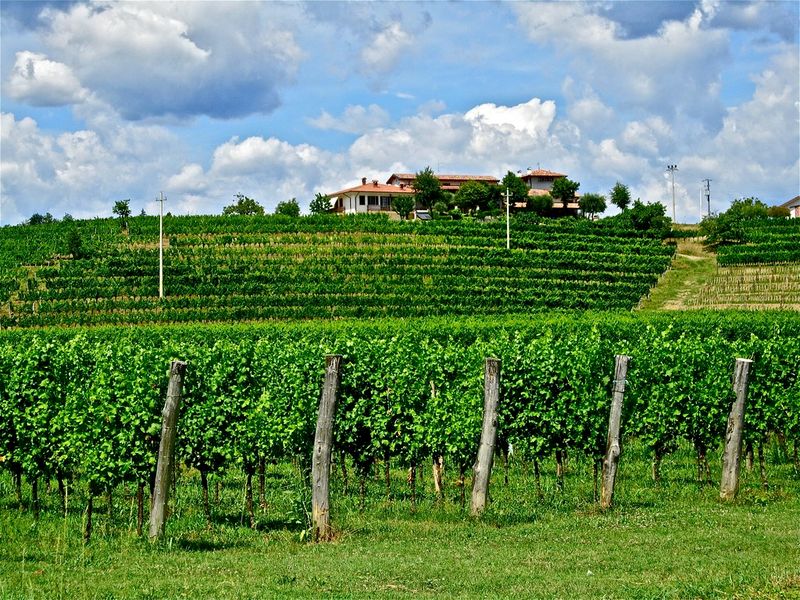
Collio whites are the kind of crisp that make you sit up straighter. This northeastern corner near Slovenia celebrates high-quality whites with serious aging potential and complexity.
Friulano is the flagship grape, producing wines with almond notes, medium body, and food-friendly structure. Ribolla Gialla adds minerality and tension, while Pinot Grigio here tastes nothing like the bland stuff filling supermarket shelves.
Winemakers treat these grapes with respect, using techniques that emphasize terroir over manipulation.
On Google Maps, search “Collio degustazione” and look for tastings that mention Friulano or Ribolla if you want the region’s greatest hits. The word “degustazione” means tasting, and most wineries offer them by appointment.
Some places welcome walk-ins during business hours, especially larger estates.
The region’s history includes border shifts and cultural mixing between Italian and Slavic influences. That blend shows in the food, architecture, and winemaking philosophy.
Many producers work small parcels, focusing on quality over quantity.
The ponca soil here, a mix of marl and sandstone, gets credit for the wines’ distinctive minerality. You’ll hear locals talk about it with the reverence others reserve for religious texts.
Orange wines have found a home here too, with several producers crafting skin-contact whites that challenge expectations.
Alto Adige, Italy
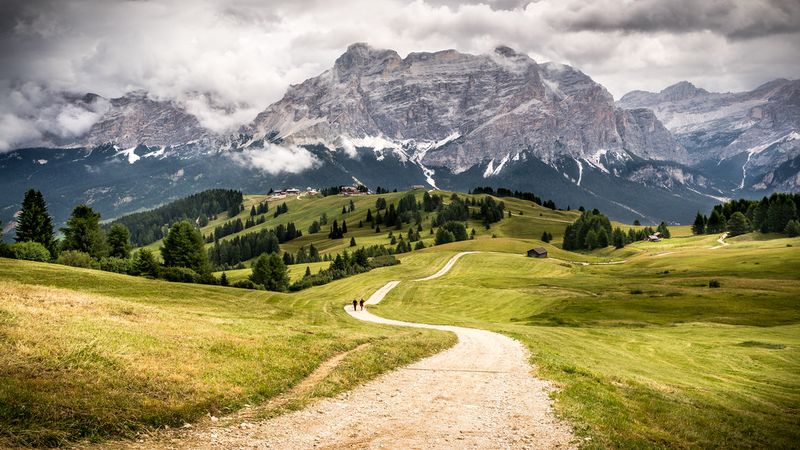
This is mountain air, tidy vineyards, and wines that taste like they’ve got their life together. Alto Adige sits in Italy’s far north, where German and Italian cultures blend into something uniquely functional and delicious.
Gewürztraminer originated here, producing aromatic whites with lychee, rose, and spice notes. Pinot Grigio reaches its Italian peak in these altitudes, delivering actual flavor and structure.
Lagrein and Schiava handle red duties, offering everything from light, chillable reds to serious, age-worthy bottles.
On Google Maps, search “cantina Bolzano” or “wine tasting Caldaro” and you’ll see how easy it is to build a tasting day. The region’s organization and tourism infrastructure make planning simple without feeling corporate.
Signs appear in both German and Italian, reflecting the bilingual reality.
The Alps loom over everything, providing dramatic backdrops and significant altitude variation. Vineyards climb from valley floors to steep mountainsides, creating diverse microclimates.
That diversity means producers can grow everything from crisp whites to structured reds in relatively small areas.
The food here leans toward speck, canederli, and apple strudel, showing the Austrian influence. Wine bars and restaurants take both wine and food seriously, with pairings that make sense.
Cycling routes connect many wineries, offering active alternatives to driving.
Mount Etna, Sicily, Italy
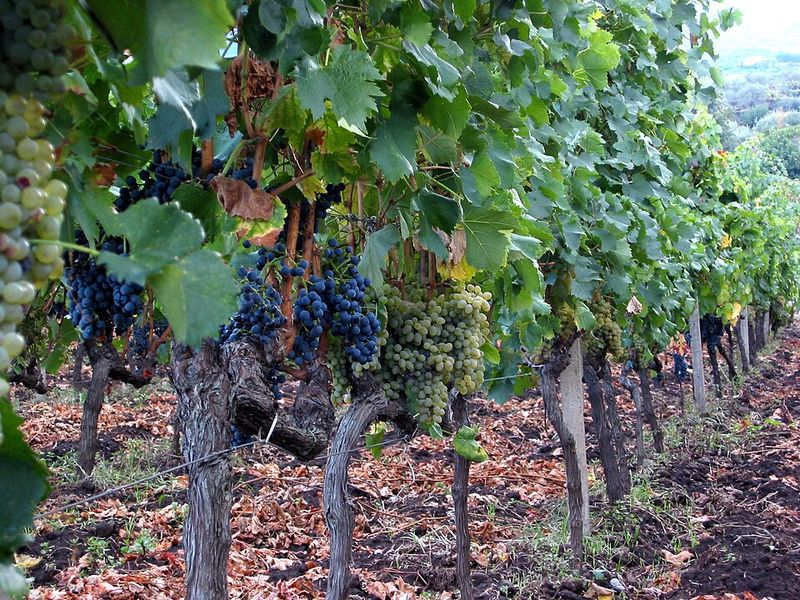
Yes, you can drink wine grown on an active volcano, and yes, it feels as cool as it sounds. Etna’s slopes host ancient vineyards planted in black volcanic soils that give the wines unmistakable character.
Nerello Mascalese is the star red grape, producing elegant, perfumed wines often compared to Burgundy’s Pinot Noir. Carricante handles white production, delivering wines with piercing acidity and mineral intensity.
The altitude and volcanic terroir create wines with tension and energy, nothing soft or flabby.
On Google Maps, search “Etna DOC winery” and sort by “open now” because driving those slopes hungry is not the vibe. The roads twist and climb, offering stunning views of the Mediterranean and the smoking summit.
Many wineries sit at serious elevation, where temperatures stay cool even in summer.
The volcano’s activity means these vineyards exist on borrowed time, adding urgency to every vintage. Eruptions occasionally threaten vines, though most stay far enough away to avoid destruction.
That geological drama translates to wines with story and soul.
Old bush vines grow here, some over a century old, trained in the traditional alberello system. These gnarly plants produce small yields of intensely flavored grapes.
Visiting during harvest shows the hand labor required to work these steep, rocky slopes.
Istria, Croatia
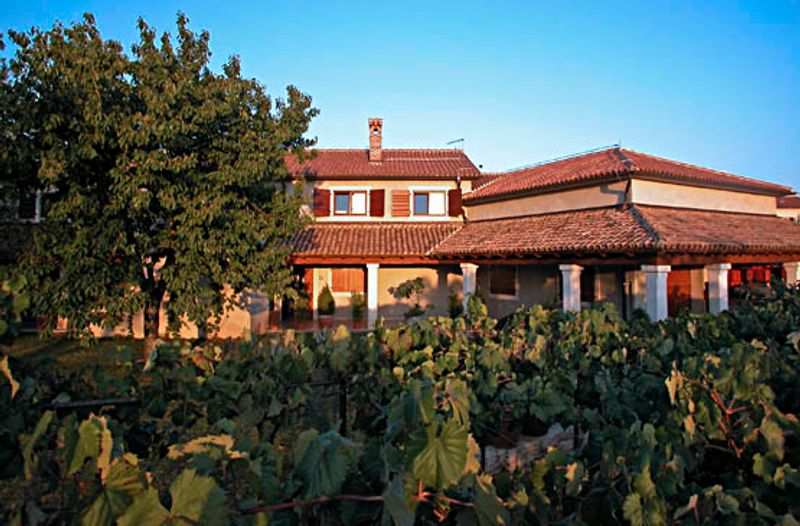
Come for the coastline, stay for the Malvazija and Teran. Istria’s peninsula juts into the Adriatic, offering beaches, hill towns, and wines that pair ridiculously well with the local food.
Malvazija Istarska is the signature white, producing wines ranging from fresh and light to complex and age-worthy. Teran brings the red side, delivering high-acid, tannic wines that need food to shine.
The region’s Italian influence shows in winemaking styles and the bilingual labels.
On Google Maps, search “winery near Motovun” or “wine tasting Rovinj” and scan menus for truffle pairings if you want to live your best life. Istria is Croatia’s truffle capital, and the combination of Malvazija with truffle pasta is borderline religious.
Many wineries offer food pairings or have restaurants on-site.
The coastal towns like Rovinj and Poreč offer postcard-perfect settings with Venetian architecture and seafood restaurants. Inland, hill towns like Motovun provide medieval atmosphere and cooler temperatures.
Wine roads connect producers, making it easy to visit multiple spots in a day.
Tourism here has grown but hasn’t reached overwhelming levels yet. You’ll find English spoken widely and hospitality that feels genuine rather than performative.
Prices stay reasonable compared to Western European wine regions, making it easy to drink well without budget stress.
Wachau, Austria
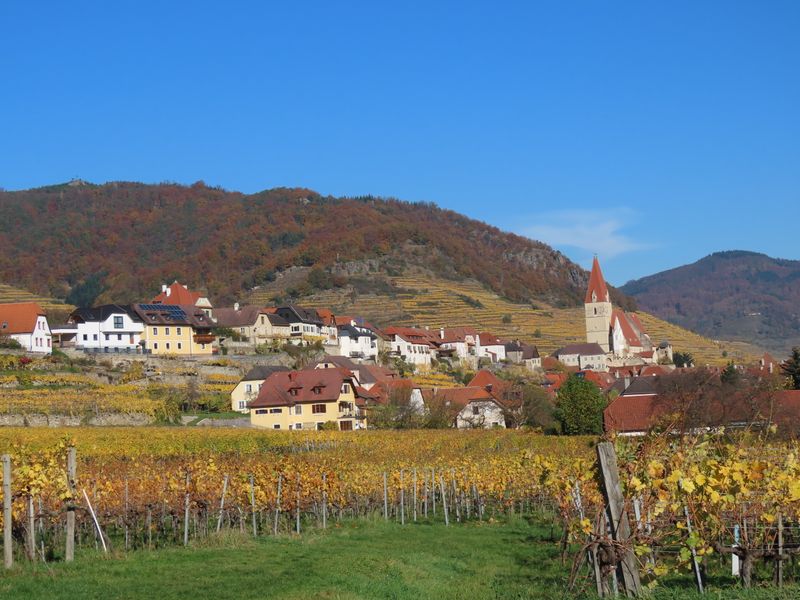
Wachau does white wine with a straight face and a wicked sense of precision. This UNESCO-listed valley along the Danube produces some of Austria’s most celebrated wines from impossibly steep terraces.
Grüner Veltliner is the main grape, delivering everything from easy-drinking styles to complex, age-worthy bottles with white pepper and stone fruit. Riesling thrives here too, producing mineral-driven wines with electric acidity.
The classification system uses terms like Steinfeder, Federspiel, and Smaragd to indicate ripeness and body.
On Google Maps, search “Heuriger Wachau” for taverns and “Dürnstein winery” for an easy base with postcard scenery. Heurigers are traditional wine taverns serving the current vintage alongside simple food, offering casual tasting opportunities.
Dürnstein’s blue church tower makes it instantly recognizable and provides a scenic base.
The Danube runs through everything here, with vineyards climbing the valley walls on both sides. Cycling paths follow the river, connecting towns and wineries for active exploration.
The valley’s beauty attracts visitors, but wine remains the main draw.
Harvest happens late here, sometimes into November, allowing grapes to develop full ripeness while maintaining acidity. That balance defines Wachau wines, giving them tension and longevity.
The region stays small, maintaining quality focus over quantity production.
Burgenland, Austria
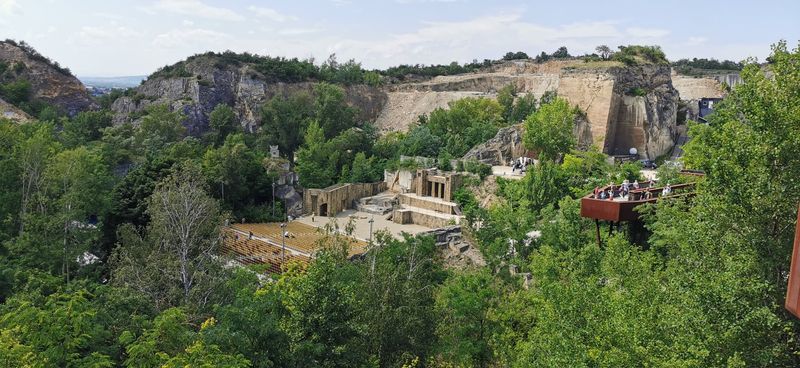
If your palate wants reds and dessert wines in the same weekend, Burgenland is your overachiever. This eastern region benefits from warm Pannonian climate and the unique microclimate around Lake Neusiedl.
Blaufränkisch is the red grape hero here, producing structured, spicy wines with dark fruit and aging potential. The lake’s autumn mists create perfect conditions for botrytis, the noble rot that concentrates sugars for sweet wines.
Those dessert wines compete with the world’s best, offering complexity and balance rather than cloying sweetness.
On Google Maps, search “Blaufränkisch Burgenland” or “Neusiedlersee winery” and thank yourself later. The lake area offers flat, easy terrain for exploring, with wineries clearly marked and welcoming.
Many places produce both dry and sweet styles, letting you taste the full range.
The region’s proximity to Hungary means cultural crossover in food and wine traditions. Goulash and paprika feature heavily in local cuisine, pairing beautifully with Blaufränkisch’s spice and structure.
Some producers work with international varieties too, though indigenous grapes dominate quality production.
Lake Neusiedl itself is shallow and reedy, creating a unique ecosystem that’s popular with birds and cyclists. The surrounding national park offers nature breaks between tastings.
Summer gets hot here, making spring and fall better visiting seasons for comfort.
Tokaj, Hungary
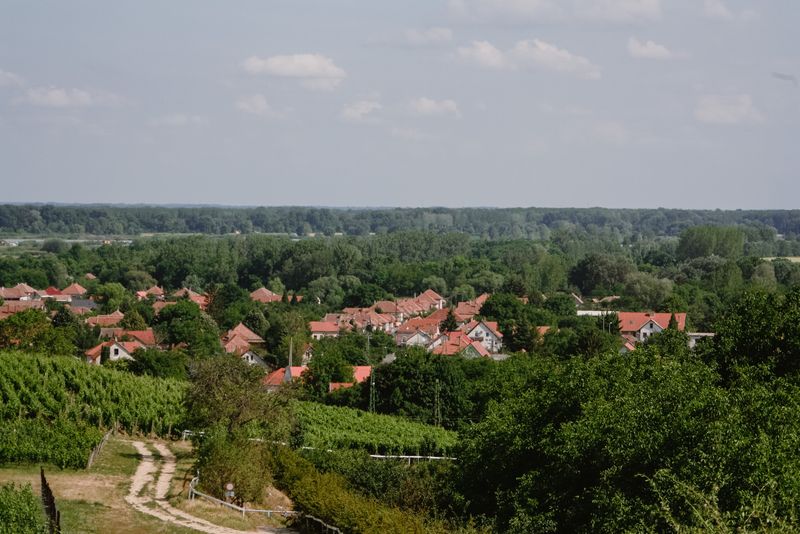
Tokaj is the sweet-wine legend that also makes seriously good dry whites, just to keep things interesting. This historic region has been producing wine for over a thousand years, with royal courts once hoarding its sweet Aszú.
Furmint is the main grape, capable of producing bone-dry whites with searing acidity or lusciously sweet Aszú when botrytis strikes. The volcanic soils and continental climate create ideal conditions for both styles.
Dry Furmint has gained serious attention recently, offering complex, age-worthy whites at friendly prices.
On Google Maps, search “Tokaj pincesor” (cellar row) or “Tokaj tasting” and build yourself a one-afternoon crawl. The town of Tokaj has multiple cellars within walking distance, making it easy to compare styles and producers.
Many cellars tunnel deep into the hillsides, maintaining perfect temperature and humidity year-round.
Aszú production involves adding botrytis-affected grapes to base wine, with sweetness levels indicated by puttonyos numbers. The process is labor-intensive and weather-dependent, making great vintages special.
These wines age for decades, developing incredible complexity.
The region feels oddly under-touristed despite its reputation, perhaps because Hungary remains off many travelers’ radar. That means authentic experiences without crowds, plus prices that make splurging on older vintages actually feasible.
The surrounding countryside offers castle ruins and thermal baths for non-wine activities.
Share this story