Some places whisper history, and then there are places that look you in the eye and speak plainly. I found one on a small street near the shore, where the past is not tucked away but arranged so you can follow its footsteps.
This visit showed how strategy, courage, and community outmaneuvered power, and it does so with artifacts you can almost hear rustle. Keep reading and you will know exactly where to go, when to visit, and how to make the most of a museum that changes what you think you knew.
Start here: address, hours, and first impressions
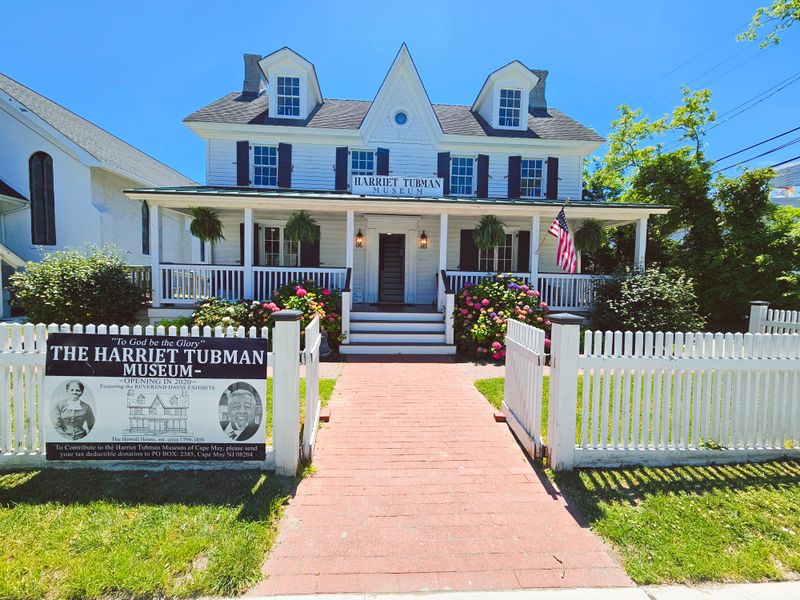
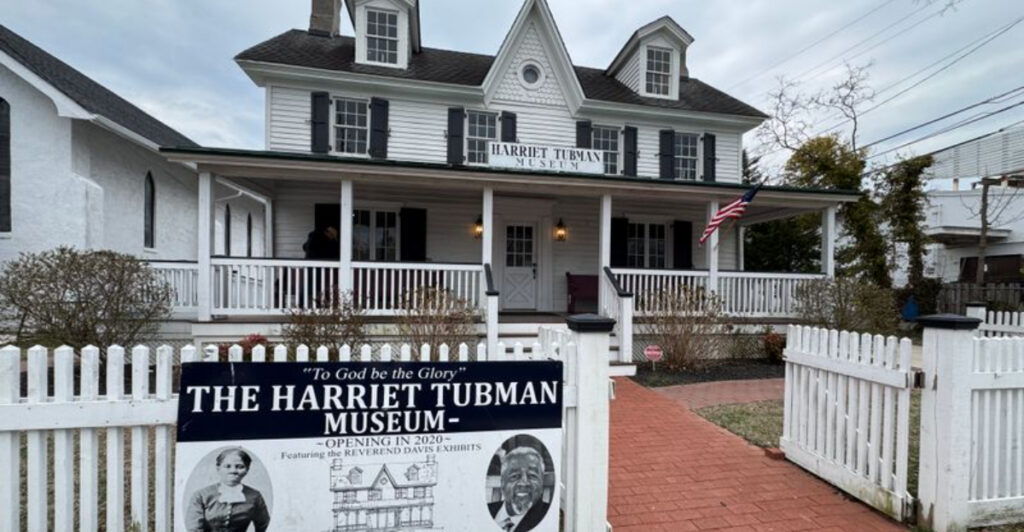
The Harriet Tubman Museum of New Jersey sits at 632 Lafayette St, Cape May, NJ 08204, and it is as precise as your map pin. Doors open Wednesday through Saturday 11 AM to 3 PM, plus a short Sunday window, and the rest days protect fragile stories.
I arrived a little before closing and felt the hush of a place confident in its focus.
The building’s clapboard exterior and modest porch feel purposeful, not fancy. You step from salty Cape May air into curated light that guides your attention instead of dazzling it.
A staff member offered a friendly overview and a gentle nudge to start with the timeline.
Practical tip helps you, too. Aim for midweek to avoid lines, and leave space after for reflection.
This is New Jersey history with national gravity, and it rewards lingering more than rushing.
A timeline that thinks like a map
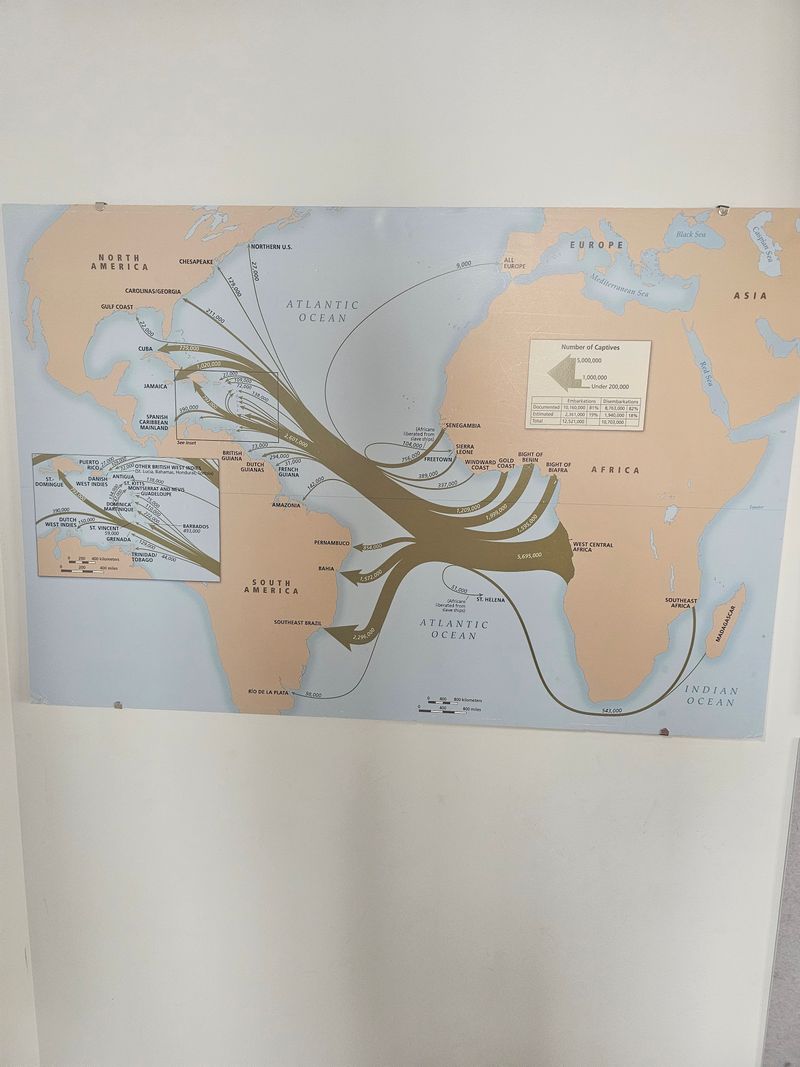
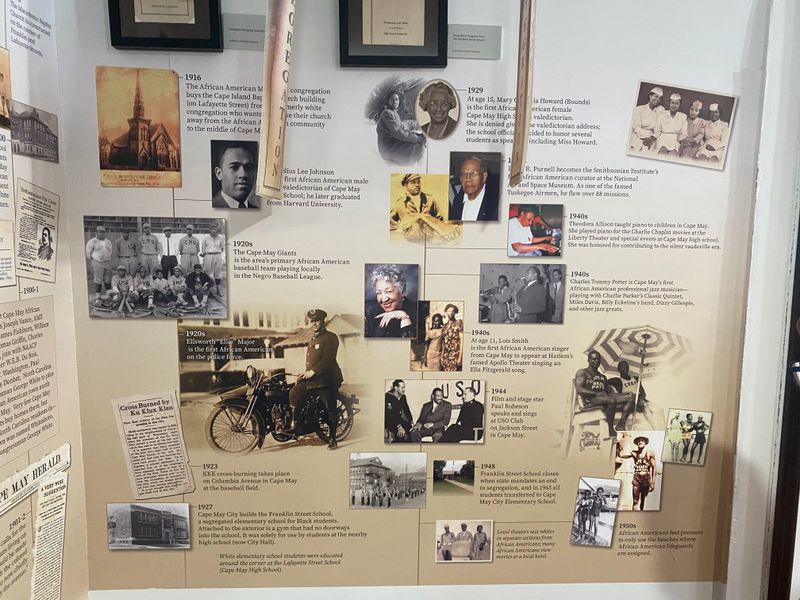
The timeline runs like a quiet current, pulling you from early life to later advocacy without friction. Panels are crisp, fonts readable, and the arrows make decisions easy, which keeps attention on details, not logistics.
I liked how dates share space with names you can actually remember.
Along the path, Cape May appears not as a footnote but as a working season that mattered. You see the local economy, the church networks, and the summer labor that built resources and allies.
It reframes New Jersey as an active corridor, not a bystander.
Give yourself fifteen minutes here before touching any other exhibit. The choices Harriet Tubman made click into place once the route is clear.
By the end, the map in your head feels more reliable than your phone’s.
Artifacts you lean toward instinctively
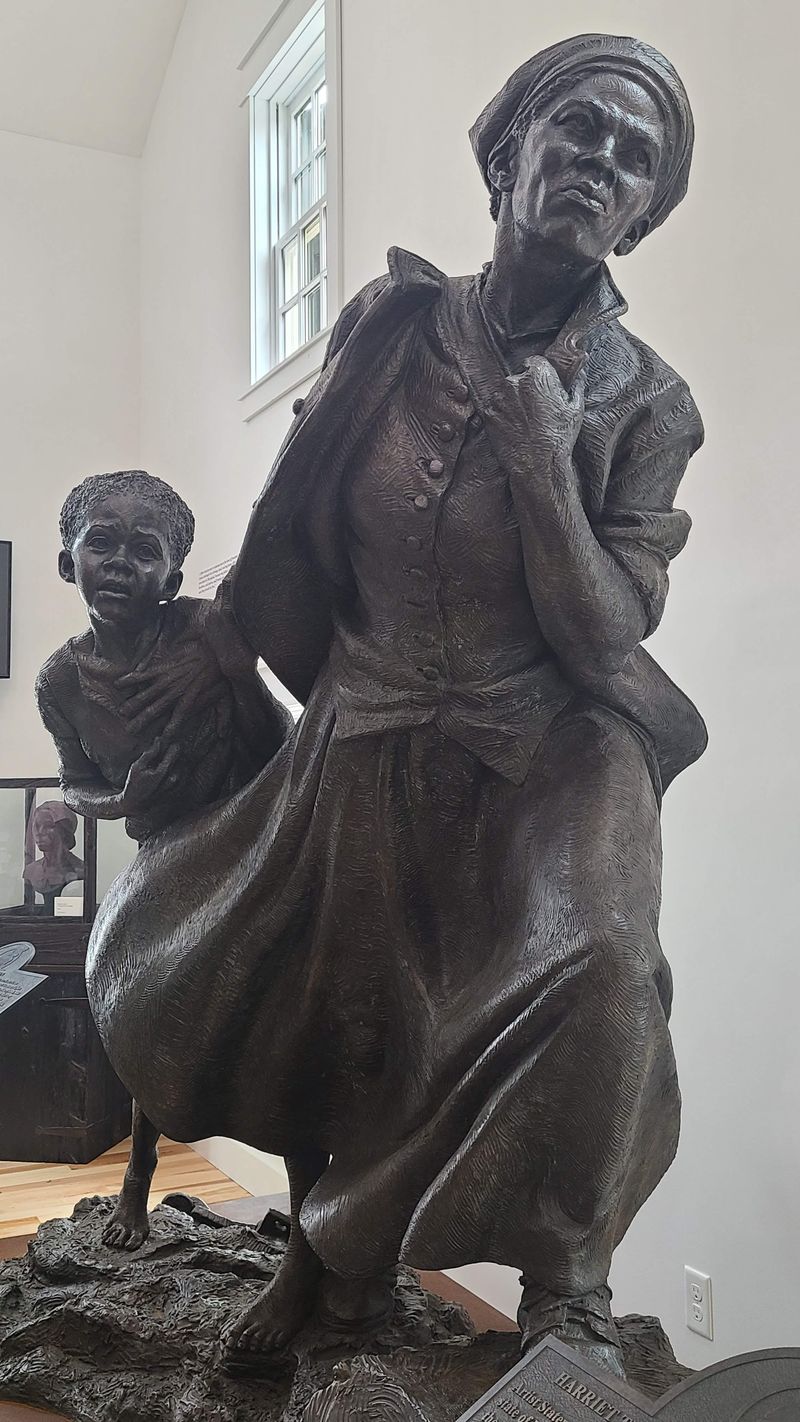
Some displays are so carefully lit that your body tilts forward on its own. Cases hold period documents, textiles, and daily tools that translate strategy into texture.
Nothing screams for attention, yet everything asks a specific question.
Labels go beyond the what and get into the how. How a pass was forged, how a route was communicated, how a name shielded a person.
You start reading the tiny marks on paper like they are coordinates.
I noticed how restraint becomes a design choice. Fewer items, stronger signals, less noise.
That editorial courage mirrors the subject’s own clarity, and it leaves space for your thoughts to do some work.
Cape May connections made tangible
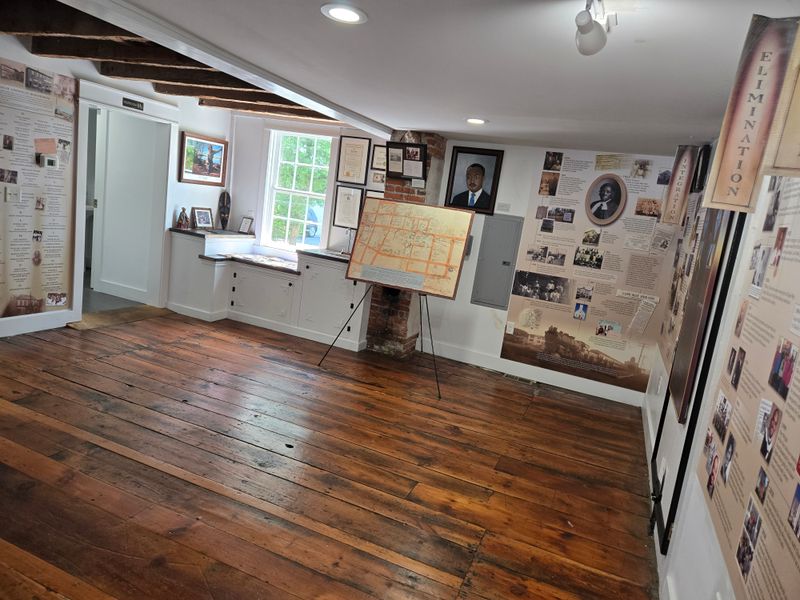
Local context elevates national narrative in a way that feels earned. Panels tie Harriet Tubman’s time in Cape May to real places you can still walk past, including churches and streets that hosted seasonal labor.
The city becomes an active verb, not scenery.
Maps outline ferry points, lodging options of the era, and which docks hummed at dusk. You learn how information traveled as fast as trust allowed.
New Jersey’s role becomes practical, concrete, and surprisingly close to the present.
I traced a route on the map with a fingertip and planned an after-museum stroll. The exhibit practically hands you a scavenger list for the town.
By connecting sidewalks to stories, it makes leaving the gallery feel like turning the page.
Docent stories that land softly and stick
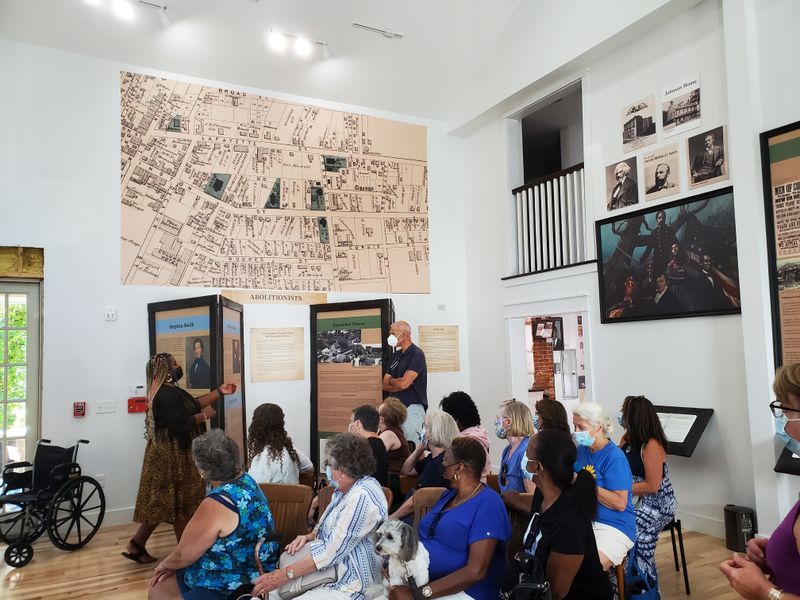
The docents here do not perform, they converse. A guide in a navy cardigan shared a detail about seasonal fundraising that reframed risk as logistics.
The tone stayed steady and focused, which made the insight land with more weight.
Questions were welcomed, including small ones that usually feel awkward. Dates, names, and routes were handled with care before being placed back on the shelf of the timeline.
It felt like learning from someone who has practiced listening.
Consider timing your visit for a guided talk. The schedule shifts, but midafternoon often draws a small, curious crowd.
These are the moments where New Jersey specificity meets national scale, and the combination lingers longer than any paragraph.
Architecture that frames the narrative
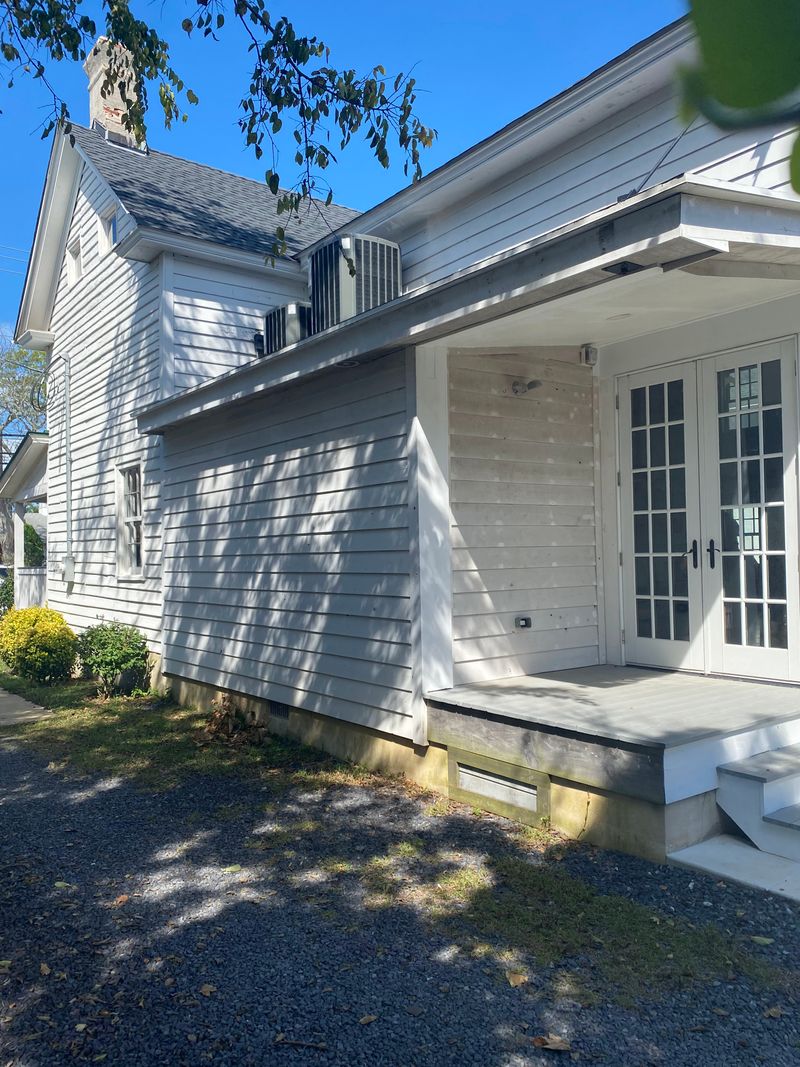
The building’s bones do quiet work in the background. Wood floors carry a subtle creak that keeps time, while natural light hits wall text at angles that feel considerate.
Trim details and stair lines support the present without hiding the past.
Exhibits tuck into corners that used to be domestic spaces. You sense the daily rhythms this structure once held, and the contrast against clandestine planning becomes sharper.
The design trusts the room to teach.
Take a slow lap just noticing thresholds and window heights. Placement decisions make the content legible without crowding your path.
It is a New Jersey house with a national memory, and the fit is intentional.
Interactive elements with a light touch
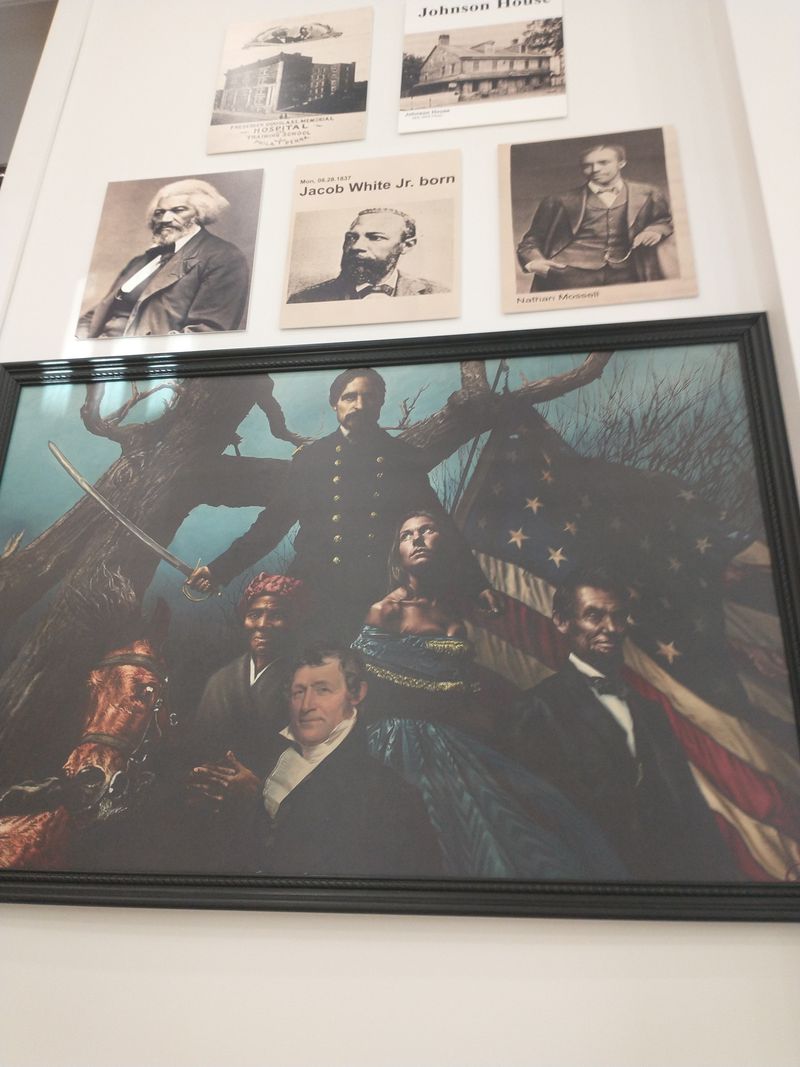
Interactivity stays elegant and respectful here. Small touchscreens offer archival images and short audio clips, then step out of your way.
You get choice without churn, and the pacing stays human.
One kiosk pairs a period map with quick toggles for routes and dates. Another plays voices that read quotations while captions ensure clarity.
These tools add layers without adding volume.
If you travel with kids or curious teens, this is where attention reboots. Keep visits short at each station and move on before the novelty fades.
The museum wins by letting content, not gadgets, carry the story forward.
Practical planning for your visit
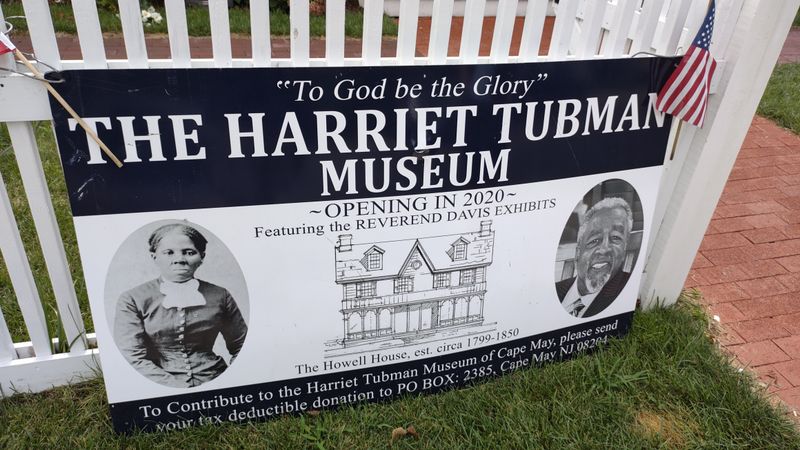
Hours are tight, so planning pays off. The museum typically opens 11 AM to 3 PM Wednesday through Saturday, with a narrow Sunday window, and it is closed Monday and Tuesday.
I set a calendar alert and arrived early to ease into the first gallery.
Parking around Lafayette Street is manageable if you allow a little buffer. The website lists current details and occasional special programs, so check before driving.
This stop pairs well with a short walk to nearby landmarks afterward.
Bring a small notebook or keep notes on your phone. You will want to remember names and phrases.
New Jersey stories connect to other places you might visit later, and these threads become handy travel guides of their own.
Why Cape May mattered strategically
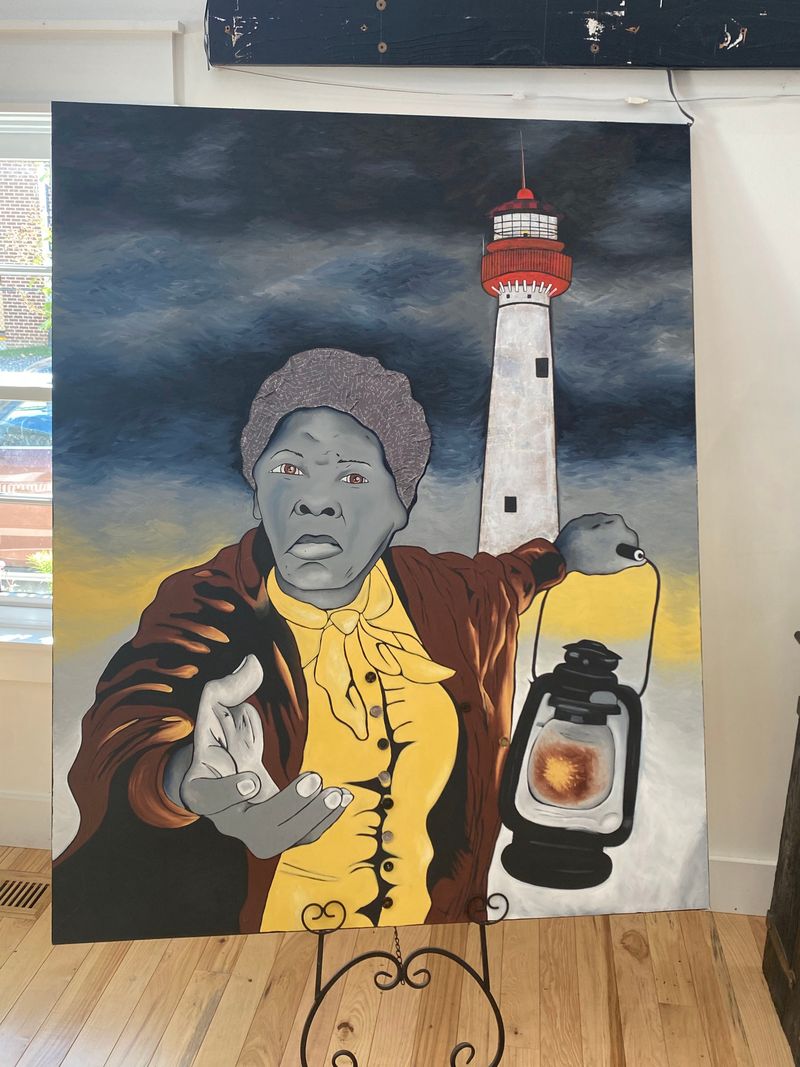
Strategy loves a coastline, and Cape May offered both opportunity and cover. Seasonal work brought crowds, which meant movement and messages could blend into the bustle.
The sea itself provided routes, rhythms, and reasons to travel.
In the gallery, a coastal map aligns with notes on labor patterns and church networks. You can almost hear evening conversations after long shifts.
The choices come into focus as smart uses of time and place.
I left this section looking at the town differently. Street names felt like footnotes that jumped into the main text.
New Jersey geography became a toolkit instead of a backdrop, and that is a lesson worth carrying.
Community partnerships on the walls
Not every story sits behind glass. One wall thanks local partners, churches, teachers, and volunteers who keep scholarship current and doors open.
The acknowledgments read like a living bibliography.
Photos from programs and lectures show chairs set close together and people leaning in. That intimacy reflects how this museum operates.
Relationships, not just resources, sustain the mission.
If you want to engage, ask at the desk about upcoming talks. Small-scale events often deliver the richest insights.
It is another way New Jersey communities shape national conversations, and the evidence is right here.
Reading room moments and mindful pauses
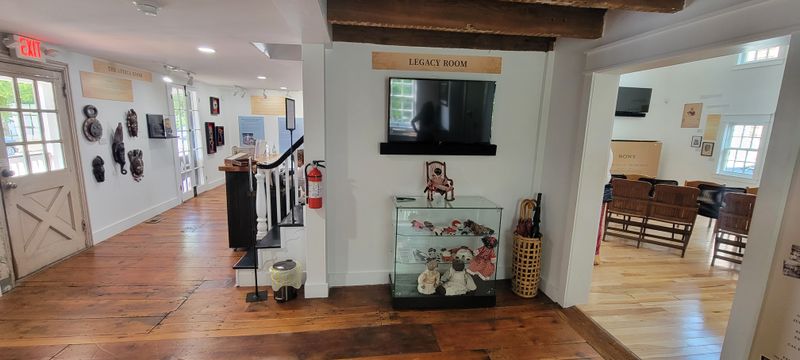
A quiet corner offers a few chairs, a lamp, and a small spread of books. The mood invites five unhurried minutes with a page or two.
I jotted a line that followed me out the door.
This nook proves reflection needs almost nothing. A seat, a sentence, and time to let questions breathe.
Even brief stillness resets your ears for the next gallery.
Try saving this spot for midway through your visit. The pause turns information into understanding.
On the way out you will catch details you might have missed, and that feels like a win.
Accessibility and visitor comfort
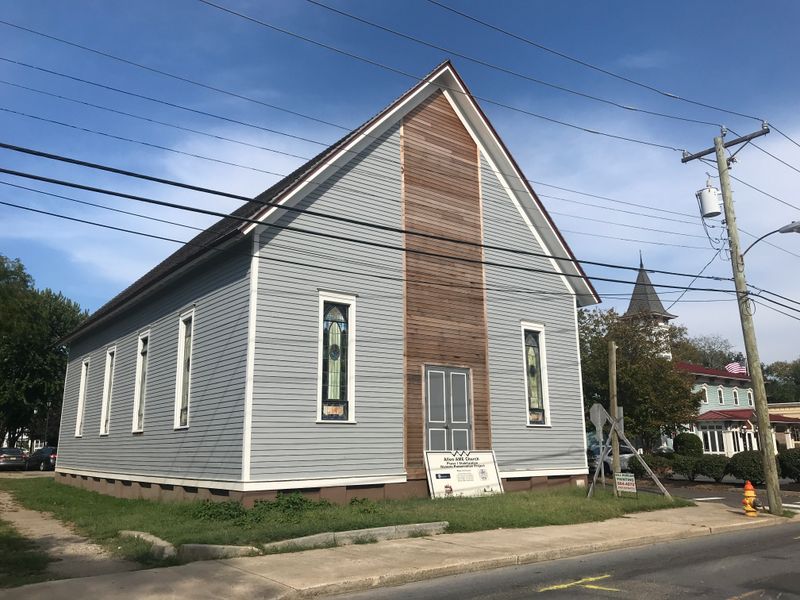
Comfort and access look planned, not patched. Clear paths, friendly signage, and staff ready with answers make the experience feel calm.
Lighting stays gentle enough for long reading without eyestrain.
Seating appears at natural breaks, which helps every visitor keep a steady rhythm. The entry feels approachable and the flow remains intuitive.
Questions about restrooms or timing get straightforward replies.
I appreciate when care shows up in small decisions. It signals respect before any exhibit panel does.
That tone suits a museum built on courage and precision, and it keeps the focus where it belongs.
Photography etiquette and best angles
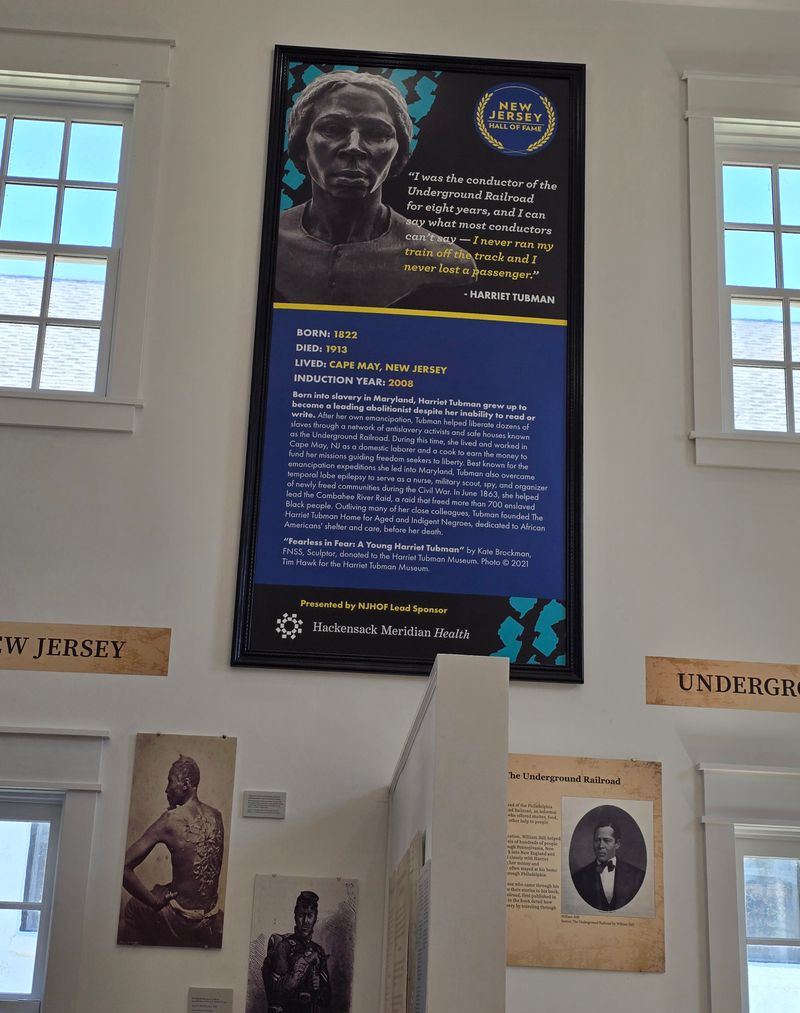
Photos help memory, but courtesy keeps the room balanced. I asked a staff member about no-flash guidelines and stuck to wide shots that include labels.
The results were clear, useful, and respectful.
Angles near corners often capture both an artifact and its context. That frame makes later recall easier.
Quick snaps, then pocket the phone to give the moment your full attention.
If you plan to share, tag the museum and mention Cape May so the local thread stays visible. New Jersey pride sits well beside careful credit.
Good manners travel farther than any filter.
Connecting the visit to the neighborhood
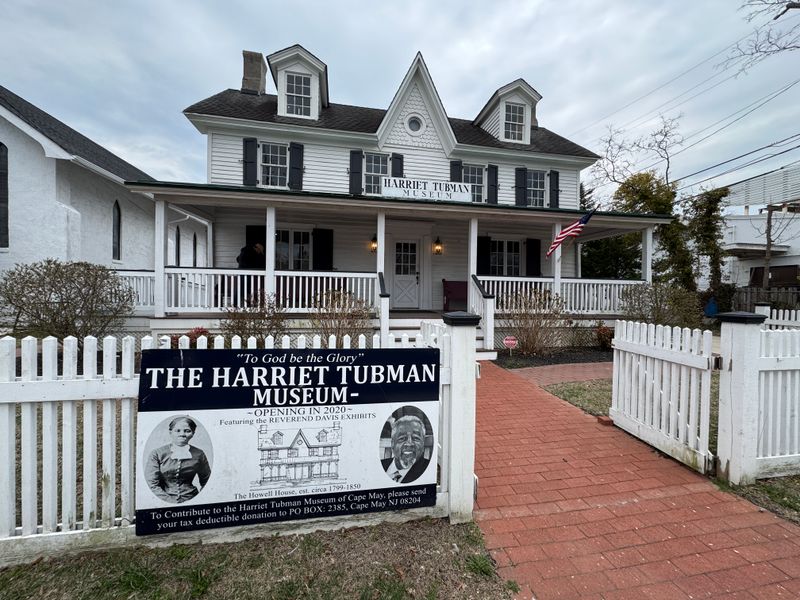
Stepping outside turns research into a walk. Lafayette Street stretches with history tucked into porches and cornices, and the air carries a hint of salt.
I took a slow loop that traced names from the exhibits.
Wayfinding signs and nearby landmarks keep your bearings simple. You can feel how proximity accelerated ideas.
The town and the museum sit in conversation across the sidewalk.
Pair your route with a quick check of opening days for other historic sites. Sync schedules and you will make a tidy, satisfying circuit.
It is a New Jersey afternoon that fits together like good notes.
What stays with you after the door closes
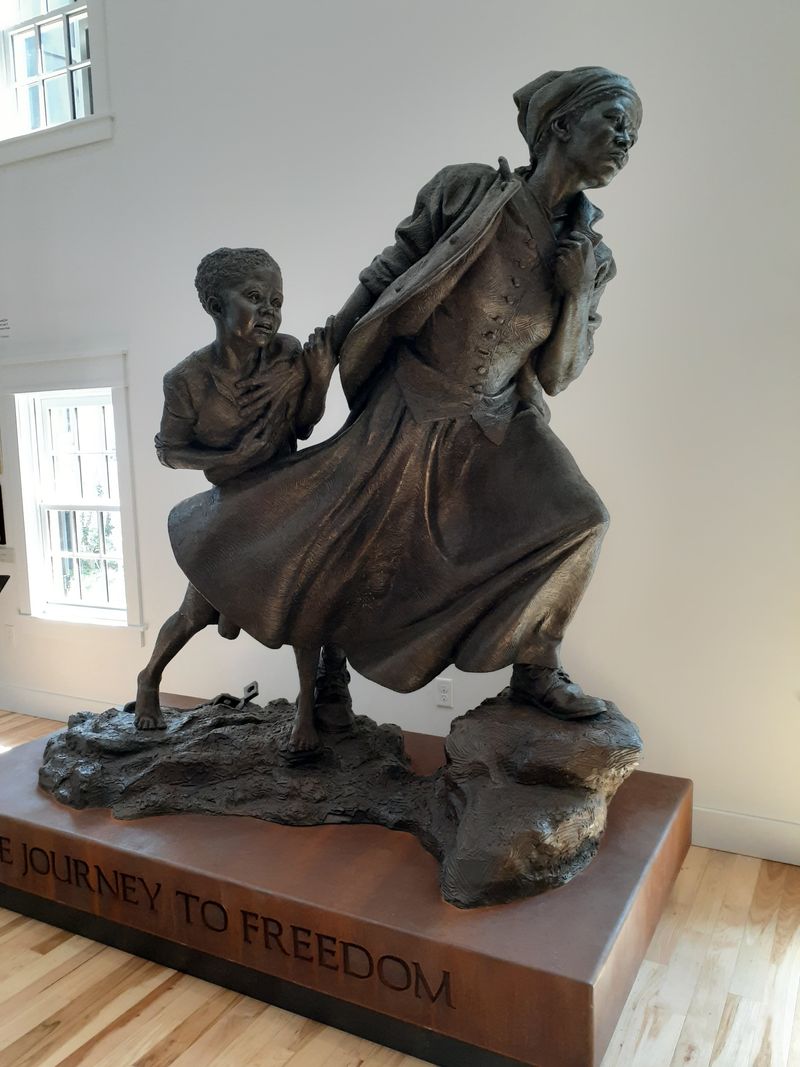
The exit lands softly, then echoes. Street sounds blend with recent lines from the exhibits, and choices feel newly practical.
Courage looks like planning, and planning looks like care.
Back on the sidewalk, I checked my notes and saw a pattern of names, places, and times that align with usable clarity. That is the museum’s gift.
It gives you a framework that keeps working long after your ticket pocket is empty.
New Jersey held the setting. The museum drew the lines.
You walk away with a map that still points forward.
Share this story