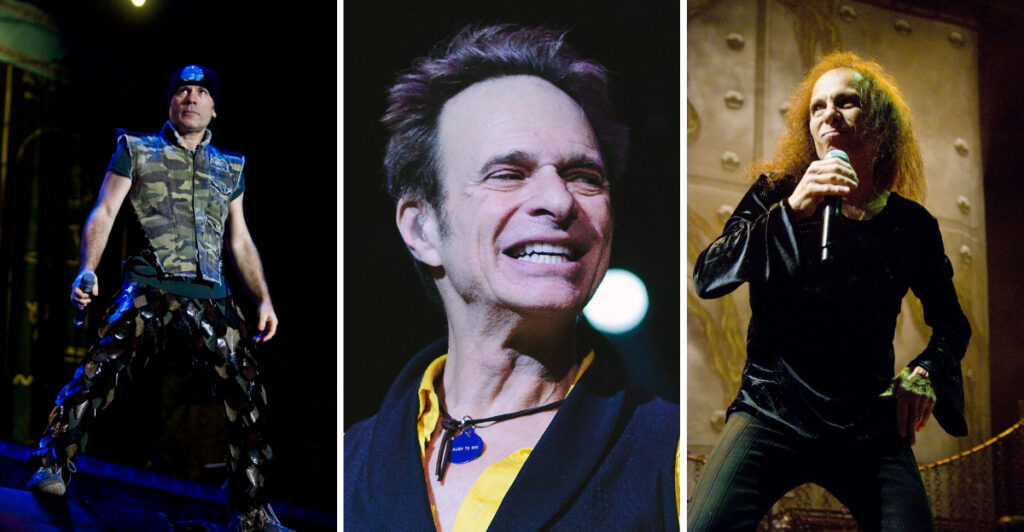
When a lead singer walks away, it usually feels like the end of the story. The voice is the identity.
The swagger. The sound fans scream along to with the windows down.
Replacing that person can look like desperation- or worse, a slow fade into irrelevance. But every now and then, a band makes a switch that doesn’t just work – it explodes.
A new voice steps up, reshapes the sound, and suddenly the arenas are bigger, the albums hit harder, and the legacy grows even louder than before. These eight vocalists didn’t just fill impossible shoes – they rewrote the future of their bands and proved that sometimes, change is the spark that lights the fire.
1. Brian Johnson (AC/DC)
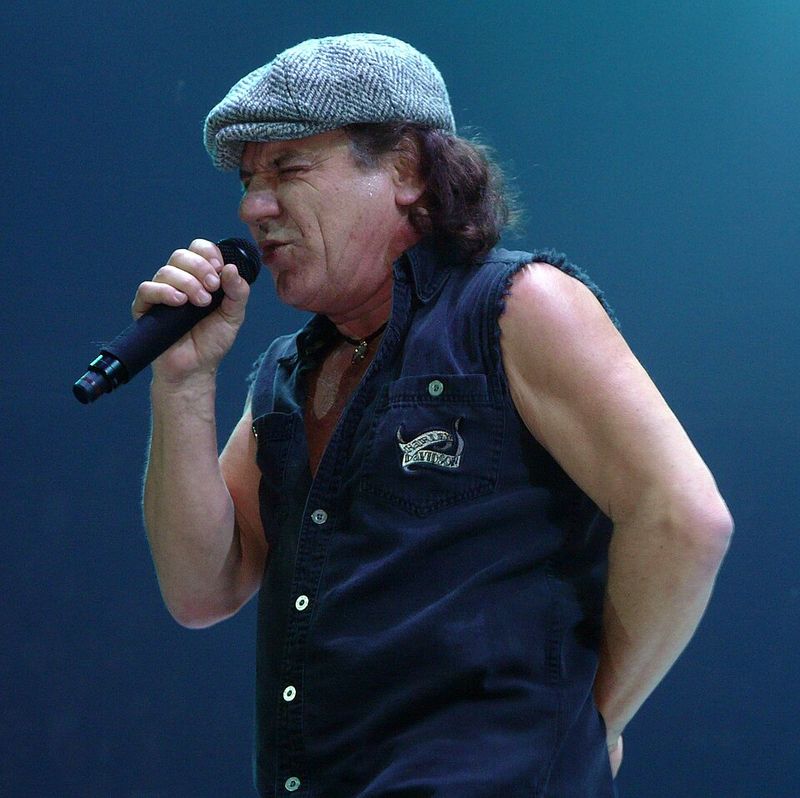
When Bon Scott tragically died in 1980, AC/DC stood at a crossroads. The band could have ended right there, but they found Brian Johnson, a gritty-voiced singer from the English band Geordie.
His raw, powerful vocals brought a new energy that complemented the band’s hard-hitting sound perfectly.
Johnson’s first album with AC/DC was Back in Black, which became one of the best-selling albums in history. The title track and songs like “You Shook Me All Night Long” turned the band into a global phenomenon.
Before Johnson, AC/DC was popular but still growing. After he joined, they became unstoppable.
The chemistry between Johnson’s voice and the Young brothers’ guitar work created magic. His raspy delivery added an aggressive edge that pushed the band into stadiums worldwide.
While Bon Scott remains beloved by fans, Johnson’s era brought commercial success that changed rock history.
Back in Black sold over 50 million copies globally. Johnson didn’t try to copy Scott’s style.
Instead, he brought his own personality, which made all the difference. AC/DC became one of the biggest rock acts ever, largely because Johnson’s voice connected with millions of new fans.
2. Phil Collins (Genesis)
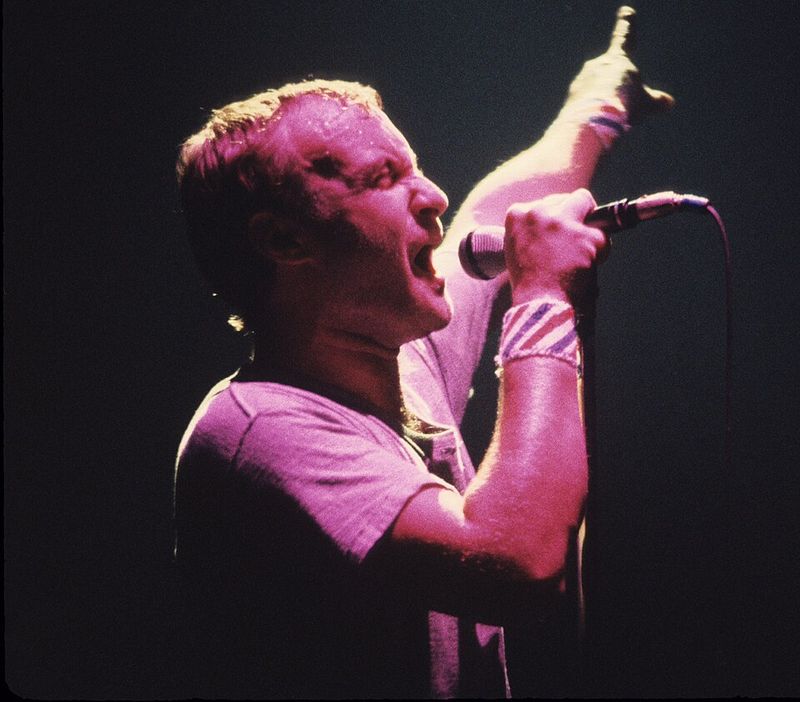
Phil Collins started as Genesis’s drummer while Peter Gabriel handled lead vocals. Gabriel’s theatrical style defined the band’s early progressive rock sound.
When Gabriel left in 1975, Collins stepped up to the microphone, and Genesis transformed completely. His approachable voice made the band’s complex music more accessible to mainstream audiences.
Under Collins’s leadership, Genesis shifted toward pop-rock with massive radio hits. Albums like Invisible Touch topped charts worldwide and produced multiple hit singles.
The band went from cult progressive rockers to arena-filling superstars. Collins brought a warmth and relatability that Gabriel’s dramatic performances never quite achieved.
Songs like “In the Air Tonight” and “Sussudio” showcased Collins’s ability to blend emotion with catchy melodies. Genesis sold more albums and filled bigger venues than ever before.
Critics sometimes dismissed the pop direction, but fans couldn’t get enough.
Collins proved that a drummer could be a frontman and that commercial success didn’t mean artistic compromise. Genesis became one of the top-selling bands of the 1980s.
While Gabriel’s era was artistically adventurous, Collins’s era was commercially dominant, reaching audiences the band never touched before.
3. Steve Perry (Journey)
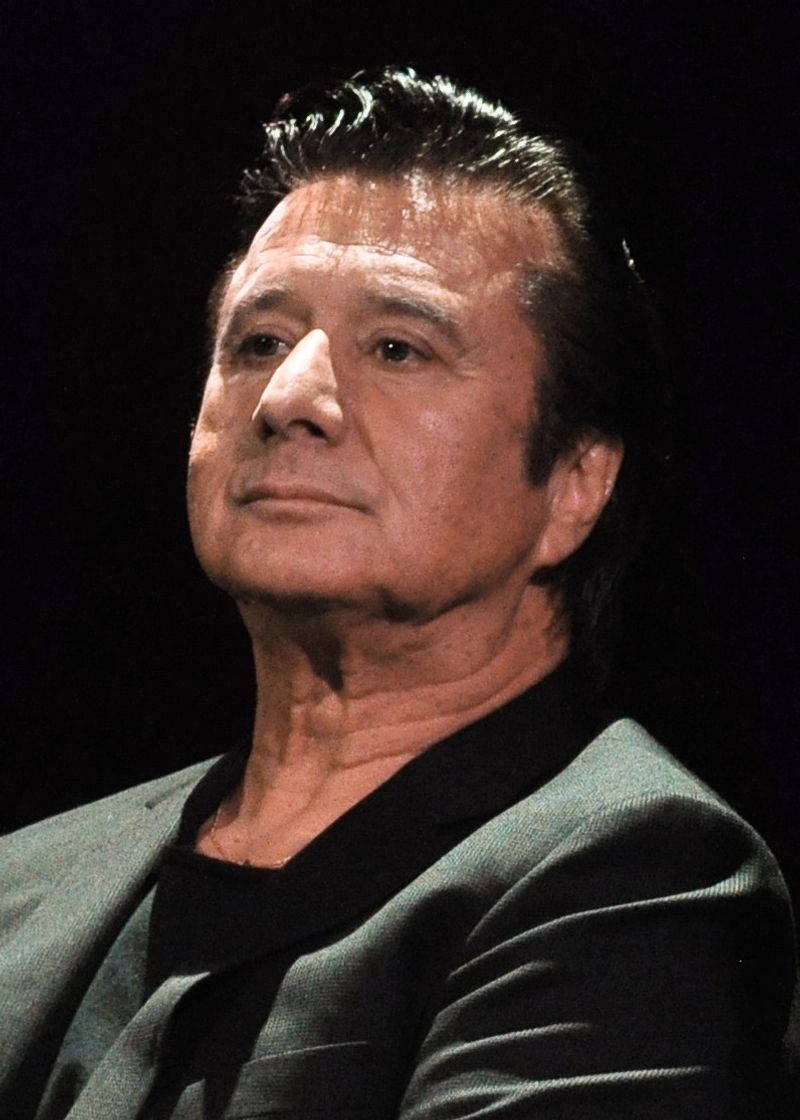
Journey started as a jazz-fusion instrumental group before adding vocals. Gregg Rolie sang on early albums, but the band hadn’t found its signature sound yet.
Everything changed when Steve Perry joined in 1977. His soaring, emotional voice gave Journey the missing ingredient that would make them superstars.
Perry’s range and power elevated Journey’s music to new heights. Hits like “Don’t Stop Believin’,” “Faithfully,” and “Open Arms” became timeless classics.
The band’s albums started going platinum, and they filled stadiums across America. Perry’s voice became the defining element of Journey’s sound.
Before Perry, Journey was respected but not hugely successful. With him, they became one of the biggest bands of the 1980s.
His ability to deliver both rock anthems and tender ballads made Journey appeal to a wide audience. Radio stations couldn’t stop playing their songs.
Perry’s era produced Journey’s most memorable music. Albums like Escape and Frontiers are considered rock masterpieces.
While Rolie was talented, Perry’s vocal abilities and stage charisma brought Journey to legendary status. The band’s peak fame and enduring popularity came directly from Perry’s contributions.
4. Bruce Dickinson (Iron Maiden)

Paul Di’Anno gave Iron Maiden a raw, punk-influenced edge on their first two albums. The band had a cult following but hadn’t broken into the mainstream yet.
Bruce Dickinson joined in 1981 and brought operatic power and theatrical flair that transformed Maiden into heavy metal royalty.
Dickinson’s voice had incredible range and clarity. He could hit high notes with precision while maintaining power and emotion.
His stage presence was equally impressive, turning concerts into epic performances. Albums like The Number of the Beast and Powerslave became metal classics that defined the genre.
Under Dickinson’s leadership, Iron Maiden went from underground heroes to global metal legends. They sold millions of albums and headlined massive festivals worldwide.
His lyrics often explored history and literature, adding depth that appealed to thoughtful listeners. Maiden became known for intelligent, complex metal music.
Di’Anno’s era was important for establishing Maiden’s foundation, but Dickinson’s era built the empire. The band’s most iconic songs and albums came with Dickinson at the microphone.
His contributions made Iron Maiden one of the most successful and influential metal bands in history, inspiring countless musicians worldwide.
5. Sammy Hagar (Van Halen)

David Lee Roth’s departure from Van Halen in 1985 shocked the rock world. Roth’s personality and showmanship seemed irreplaceable.
Sammy Hagar stepped in and proved that Van Halen could reach even greater commercial heights. His powerful voice and songwriting abilities brought a new dimension to the band’s sound.
Hagar’s era produced four consecutive number-one albums, something Van Halen never achieved with Roth. Songs like “Why Can’t This Be Love” and “Right Now” became massive hits.
The band sold more records and filled bigger arenas than ever before. Hagar’s approach was less theatrical but more musically substantial.
While Roth remains more culturally iconic, the numbers tell a different story. Van Halen’s commercial peak happened with Hagar at the microphone.
His chemistry with Eddie Van Halen created some of the band’s most memorable music. The albums were more polished and radio-friendly.
Hagar brought maturity and vocal strength that complemented Eddie’s guitar wizardry perfectly. Van Halen became a stadium-dominating force throughout the late 1980s and early 1990s.
Though debates continue about which era was better, Hagar’s commercial success and musical contributions are undeniable achievements.
6. Jeff Lynne (Electric Light Orchestra)

Roy Wood co-founded Electric Light Orchestra with Jeff Lynne, but Wood left early to pursue other projects. Once Lynne took full control, ELO transformed into something extraordinary.
His vision of blending rock with orchestral elements created a unique sound that dominated radio throughout the 1970s.
Lynne’s production skills and melodic songwriting turned ELO into hitmakers. Songs like “Mr. Blue Sky,” “Evil Woman,” and “Don’t Bring Me Down” became classics.
The band sold millions of albums worldwide and influenced countless musicians. Lynne’s meticulous production created lush, layered recordings that sounded like nothing else.
Under Lynne’s leadership, ELO became one of the most successful bands of the decade. They achieved commercial success while maintaining artistic integrity.
Wood’s early contributions were important, but ELO’s legendary status came from Lynne’s creative direction. His ability to craft perfect pop songs with orchestral arrangements was unmatched.
Lynne later became a renowned producer, working with artists like Tom Petty and George Harrison. But his greatest achievement was making ELO a household name.
The band’s biggest hits and most beloved albums all came under Lynne’s guidance, proving his vision was the key ingredient.
7. Ronnie James Dio (Black Sabbath)
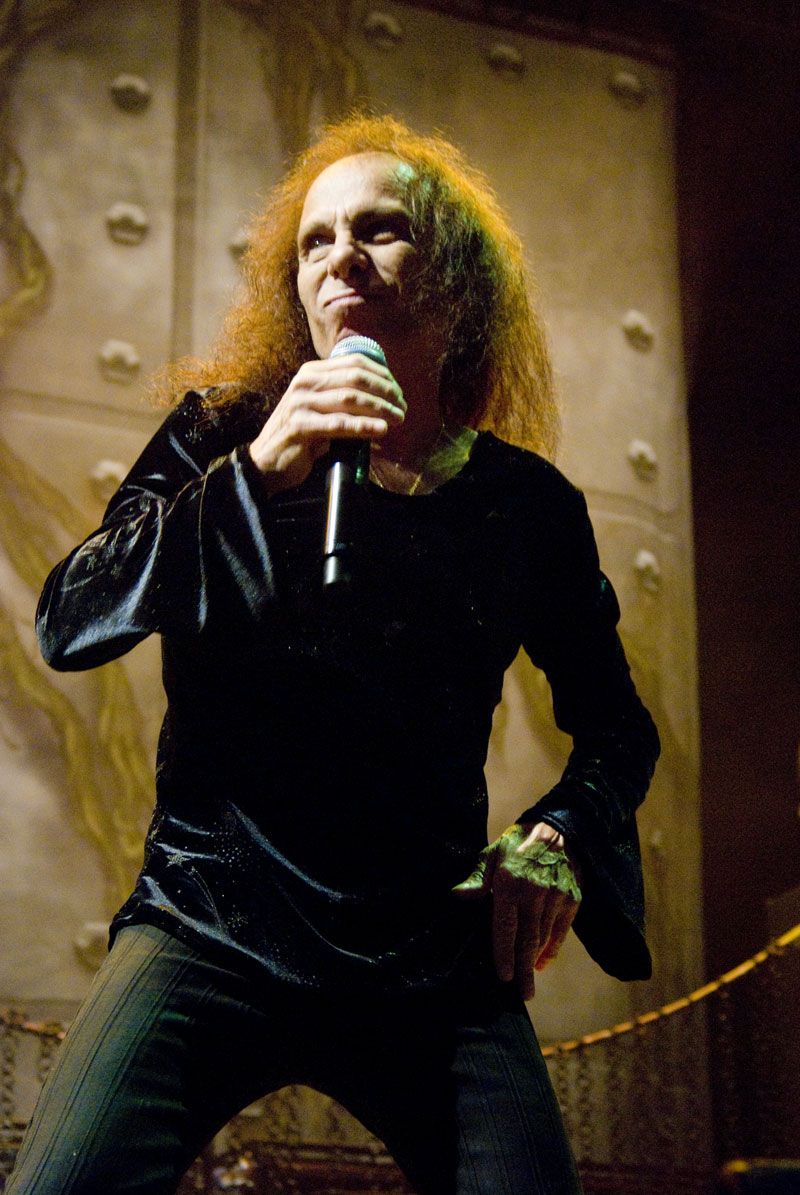
After Ozzy Osbourne’s departure, many thought Black Sabbath was finished. Ronnie James Dio proved everyone wrong.
His powerful, operatic voice brought new life to the legendary metal band. Dio’s arrival created a second golden era that many critics consider artistically superior to the original lineup.
Albums like Heaven and Hell and Mob Rules showcased Dio’s incredible vocal range and mystical lyrical themes. The music became darker and more complex.
Tony Iommi’s guitar work reached new heights with Dio’s voice pushing him creatively. Songs like “Heaven and Hell” and “Neon Knights” became metal anthems.
While Ozzy remains the more recognizable cultural icon, Dio’s Sabbath albums receive widespread critical praise. Musicians and serious metal fans often point to the Dio era as Sabbath’s artistic peak.
His professionalism and dedication elevated the band’s live performances and studio recordings.
Dio brought technical skill and dramatic flair that contrasted with Ozzy’s raw approach. Both eras have their merits, but Dio proved Sabbath could thrive without their original singer.
He created a legacy that stands alongside Ozzy’s contributions, giving Black Sabbath two legendary chapters instead of one.
8. David Lee Roth (Van Halen)
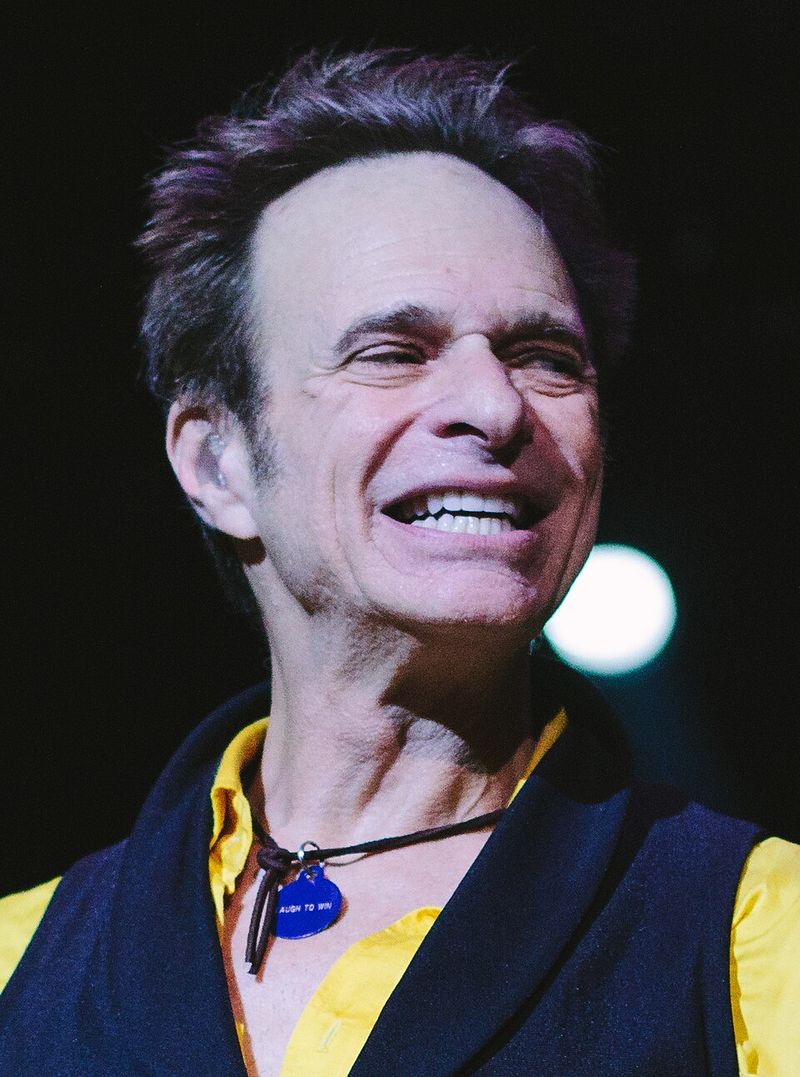
Before Van Halen became legendary, they had a different singer named Mark Stone. Most fans don’t know this piece of history.
Stone was the original bassist and vocalist before David Lee Roth joined. Once Roth became the frontman, Van Halen transformed from a local bar band into rock superstars.
Roth’s charisma and showmanship made Van Halen unforgettable. His acrobatic stage moves and larger-than-life personality perfectly complemented Eddie Van Halen’s revolutionary guitar playing.
Together, they created one of the most exciting live acts in rock history. Albums like Van Halen and 1984 changed hard rock forever.
Without Roth, Van Halen might have remained unknown. His energy and confidence pushed the band to take risks and develop their unique sound.
He wasn’t just a singer but a complete entertainer who understood how to captivate audiences. His vocal style mixed rock power with playful swagger.
Roth’s era defined what Van Halen meant to millions of fans. The classic lineup with Roth created the band’s most iconic moments and songs.
While Stone’s time with the band was brief and largely forgotten, Roth’s arrival marked the true beginning of Van Halen’s journey to rock immortality.
Share this story