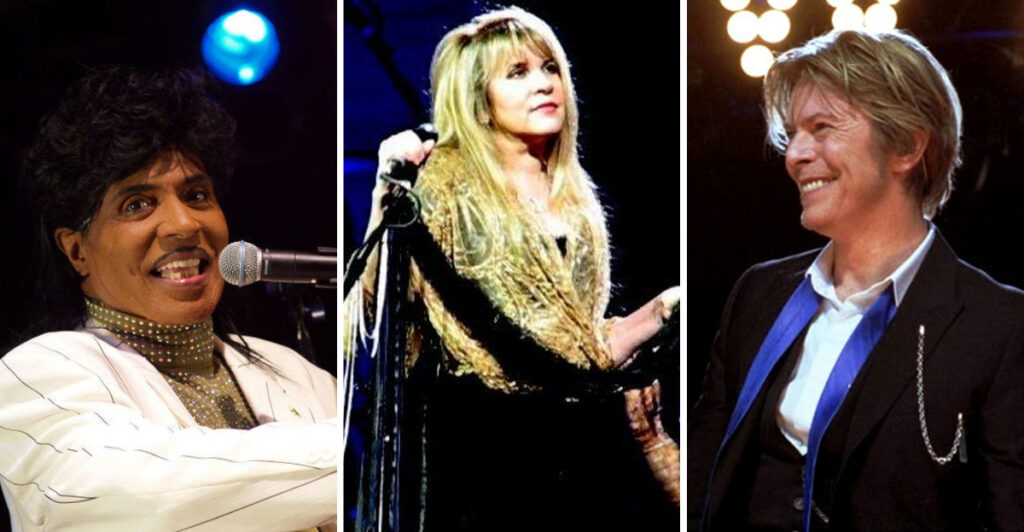
Great rock voices do more than hit notes. They carry history, attitude, and ideas across generations, shaping how we hear power, vulnerability, and groove.
This list highlights 20 singers whose vocal styles changed the direction of music and set new standards for expression. You will see how each voice opened doors, influenced peers, and still resonates today.
1. Elvis Presley
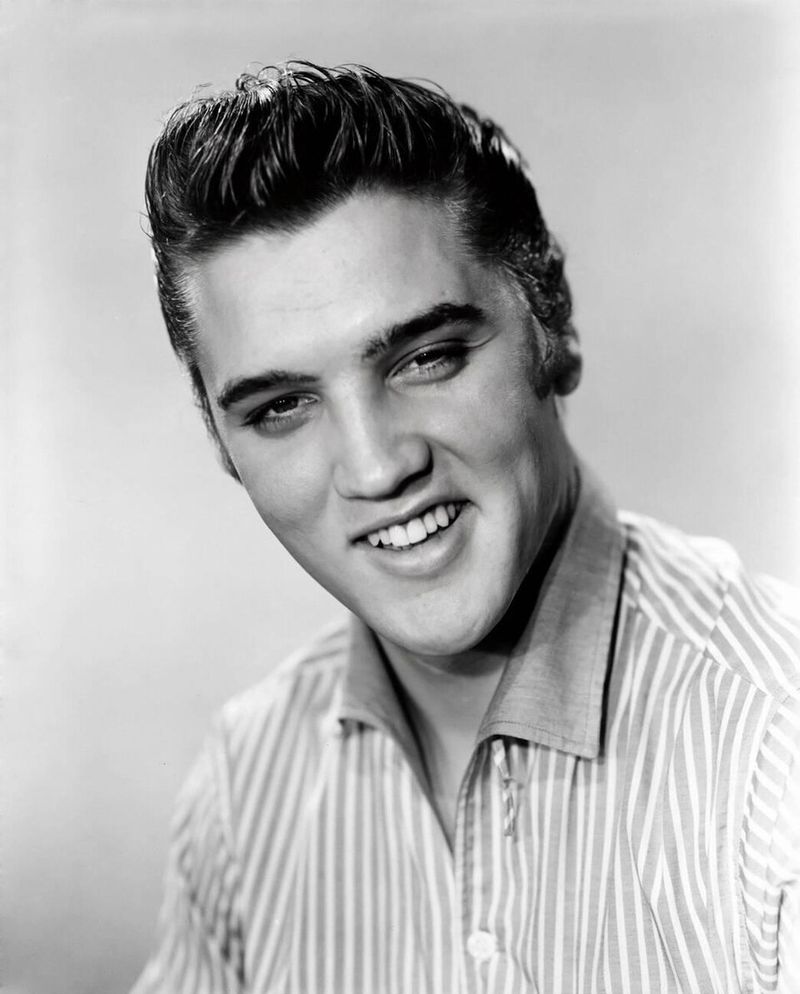
Elvis Presley fused gospel, blues, and country into a vocal style that moved with ease from intimate croon to ecstatic shout. Early Sun Records cuts captured a light, elastic tenor riding slapback echo, while later RCA singles showcased richer resonance and commanding projection.
Listen to That’s All Right and Heartbreak Hotel to hear breath control, rhythmic looseness, and emotive yelps define a new rock template.
His phrasing drew deeply from Black gospel quartets and Southern blues, yet he brought a pop clarity that made daring sounds feel approachable. That blend helped rock reach mainstream audiences without losing rhythmic bite.
Studio takes reveal careful diction and micro-slides between notes, while live recordings highlight raw abandon and charismatic ad-libs.
Presley’s voice redefined stardom itself, linking sound to image through timbre, attitude, and myth. He inspired generations of singers, from Buddy Holly to Paul McCartney, who learned how to bend tone for drama.
Beyond influence, the recordings still feel immediate, with dynamic swells, intimate growls, and open-throated whoops.
2. Little Richard
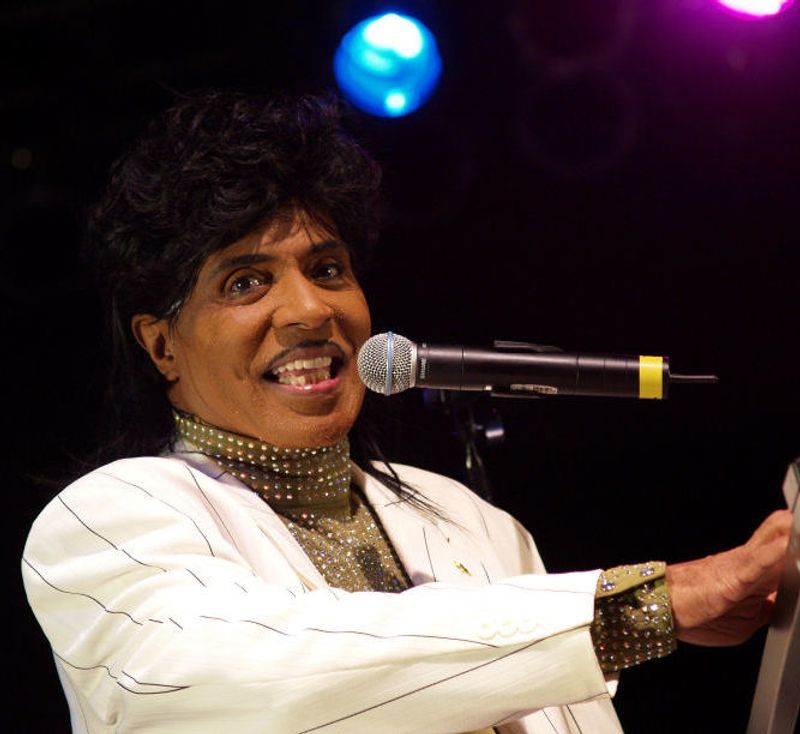
Little Richard’s voice was a clarion blast, equal parts sanctified shout and street-corner swagger. The wail on Tutti Frutti and Long Tall Sally slices through bands like a brass section, with rasp, grit, and piercing head tone.
He used sudden glissandos, percussive consonants, and ecstatic screams that turned two-minute singles into revivals.
That gospel-charged delivery modeled high-energy rock singing for The Beatles, James Brown, and Prince. The placement sits forward and bright, riding over piano triplets and backbeat snare without strain.
He balanced breathy asides with explosive onsets, creating emotional spikes that felt both rehearsed and spontaneous.
On record, his timbre reads metallic yet warm, thanks to upper harmonics and chest support. Live, he pushed distortion while keeping pitch centered, a skill many emulate but few master.
Little Richard made the rock voice a spectacle of joy and release, proving theatricality could serve rhythm, not distract from it.
3. Ray Charles
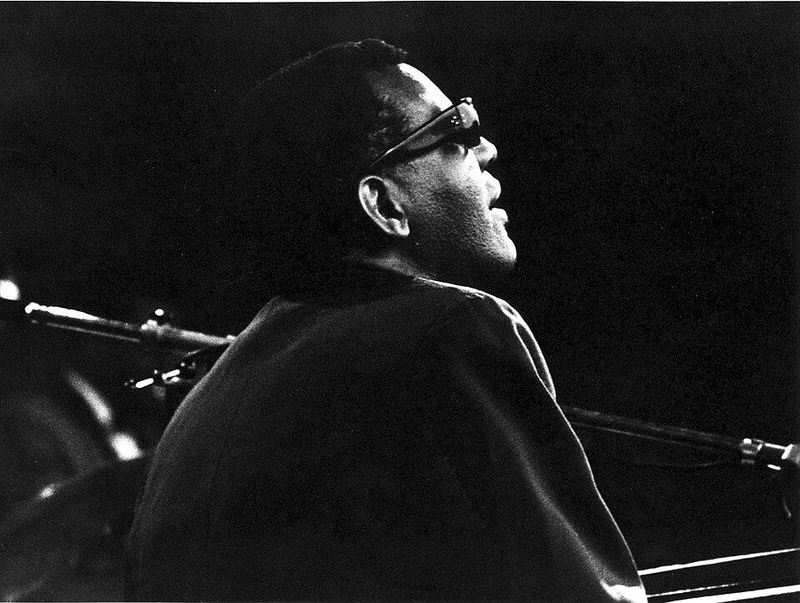
Ray Charles bridged church and club with a voice that could preach, plead, and playfully testify within a single phrase. He brought gospel melismas and call-and-response patterns into secular R&B, shaping the expressive palette rock singers would adopt.
Listen to What’d I Say and Hallelujah I Love Her So for rhythmic vocal comping over grooves.
His placement sat in a relaxed middle register, opening toward a bright, slightly gritty top when intensity rose. Charles’s phrasing pulled against the beat, a conversational rub that created swing.
He colored vowels with subtle growls, scoops, and fall-offs, using dynamics as storytelling rather than decoration.
Beyond technique, he reframed emotional honesty as central to modern singing. Rock vocalists learned to move from tenderness to grit without breaking character.
Charles also normalized the piano-playing singer as a bandleader, integrating vocal gestures with instrumental punctuation so each chorus felt freshly argued.
4. John Lennon
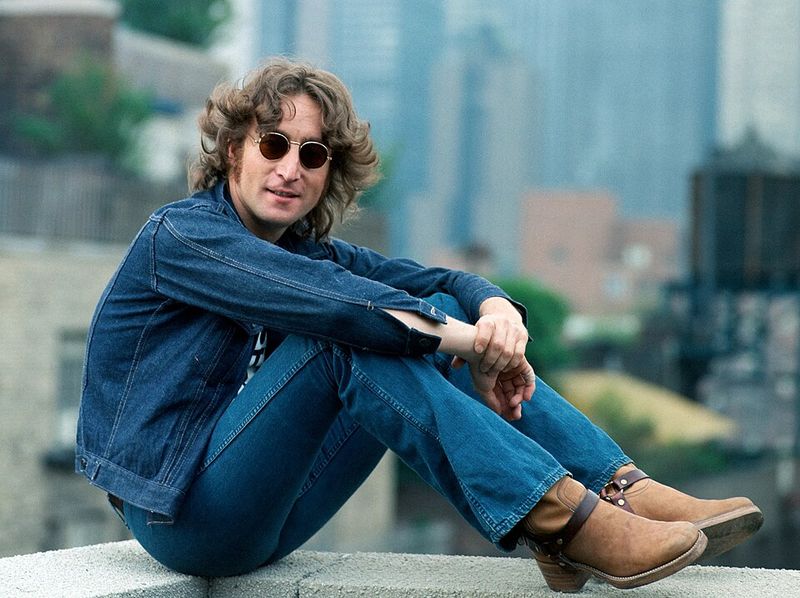
John Lennon’s voice could snarl with garage-rock force or whisper like a confidant at 2 a.m. Early Beatles tracks spotlight sharp, nasal brightness and urgent attack, while later recordings reveal cracked intimacy and tape-saturated warmth.
Twist and Shout captures raw shredding power, and Julia shows breathy vulnerability with careful mic technique.
Lennon often rode just ahead of the beat, injecting nervous momentum into simple melodies. Double-tracking became a signature, widening tone and softening edges without losing bite.
The timbral core mixed nasal resonance with airy head voice, letting screams and sighs feel part of the same persona.
He helped redefine rock singing as personal reportage, where imperfections suit the message. From protest to confession, his performances felt direct and unguarded.
That attitude influenced punk and indie singers who prioritize truth over polish, yet his best takes remain impeccably musical, tightly phrased, and emotionally plainspoken.
5. Paul McCartney
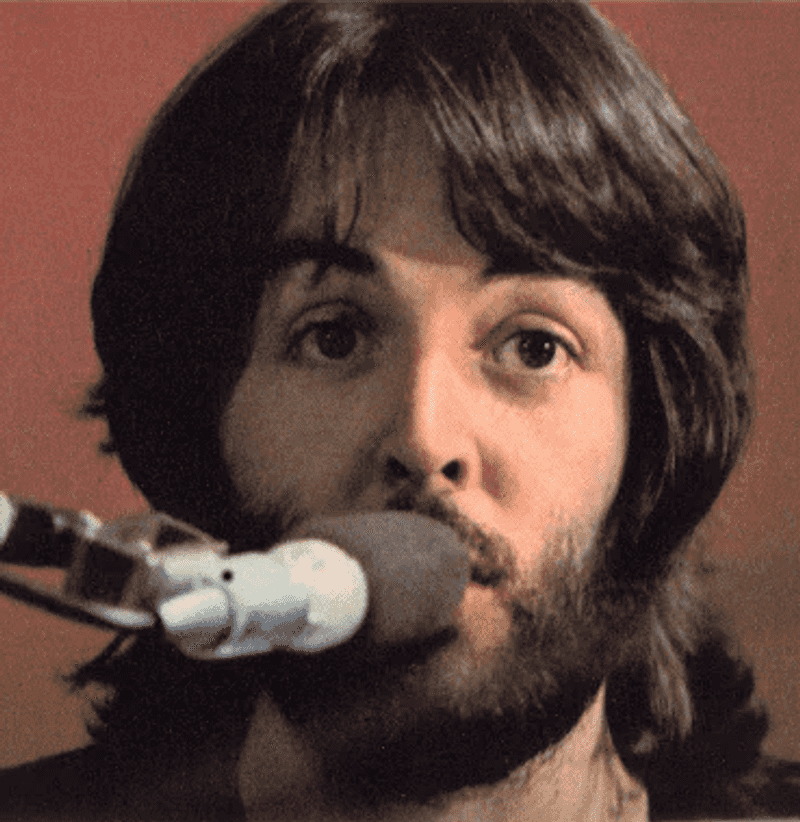
Paul McCartney ranges from Little Richard-style screams to delicate balladry, often within the same set. He controls breath and vowel shape to keep power bright without strain, showcased on I’m Down and Helter Skelter.
Then he turns intimate on Blackbird and Maybe I’m Amazed, with silky legato and gentle vibrato.
McCartney’s tuning is laser-precise, yet he favors human phrasing that bends time tastefully. His chest-to-head transitions are seamless, enabling soaring climaxes that feel earned, not flashy.
Double-tracking supports clarity, while harmonic instincts let him construct stacked vocals that move like instruments.
As a rock singer, he proved versatility could be an identity, not a compromise. Pop purity, R&B grit, and music hall charm coexist in a voice that adapts to song narrative.
Generations of singers studied his diction and dynamic arcs, learning how to sell a hook while honoring emotional subtext.
6. Mick Jagger
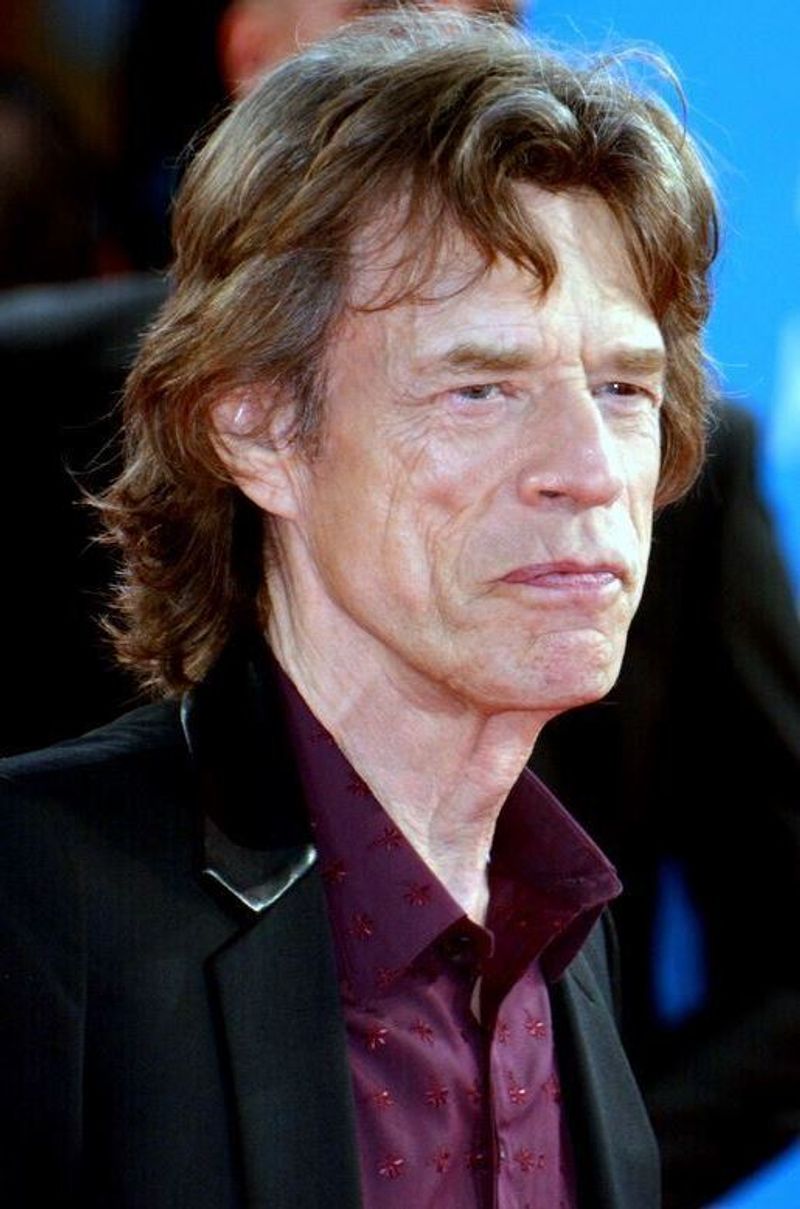
Mick Jagger turned blues phrasing into a pop lingua franca, channeling swagger through clipped consonants and elastic vowels. Early Rolling Stones cuts show a conversational sneer, with scoops, yips, and talk-sung asides guiding the groove.
On Gimme Shelter and Sympathy for the Devil, his dynamics surge from hush to urgent howl.
Jagger’s timing often lags just behind the beat, building tension that guitars and drums resolve. He deploys falsetto bursts and faltering whispers as rhythmic events rather than pure melody.
The result is a voice that leads the band by feel, not sheer volume.
As a frontman, he made body language part of the vocal, shaping phrases with breath and movement. Countless singers borrowed his attitude, but few match his control of placement and narrative.
Jagger cemented the archetype of rock star communication: sly, blues-literate, and relentlessly in the pocket.
7. Janis Joplin
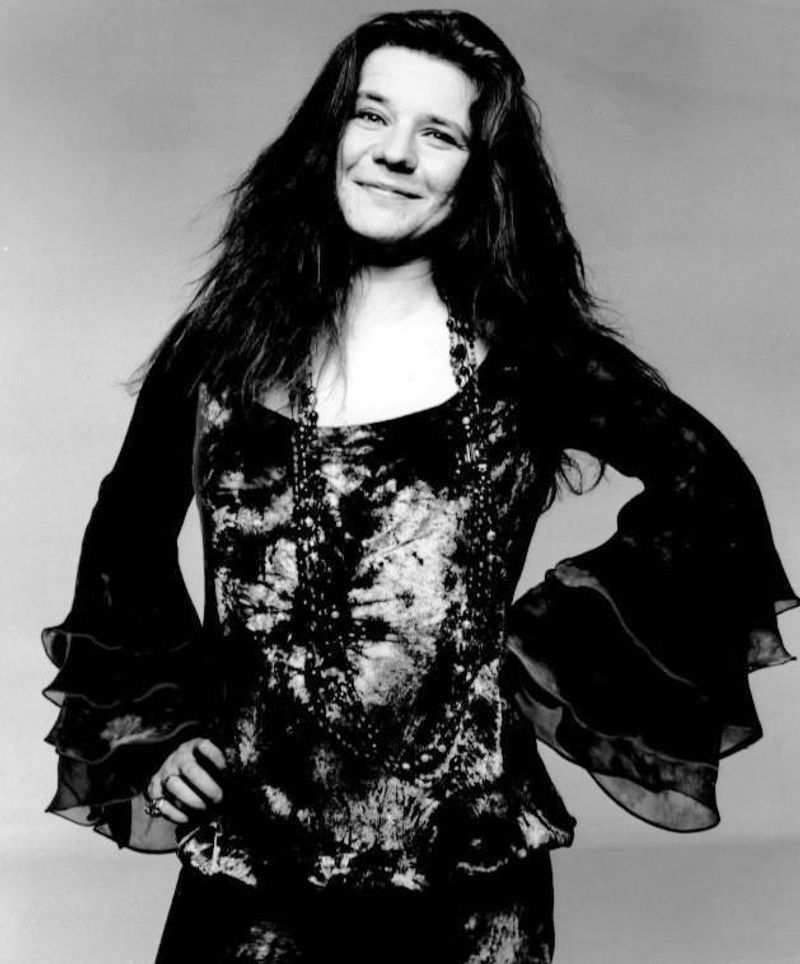
Janis Joplin’s voice carried the ache of blues through a rasp that seemed to fray yet never fail. On Piece of My Heart and Ball and Chain, she shapes long, gravelly sustains with breath support and daring crescendos.
The timbre feels scarred and luminous at once, cutting through guitars like a horn.
Her phrasing borrows from Bessie Smith and Otis Redding, but she pushes intensity into rock’s amplifier culture. Joplin used slide-like portamento, growls, and guttural flips to create cathartic releases.
Live tapes reveal close-mic intimacy followed by open-throated roars that pin the meters.
Beyond technique, she expanded expectations for female rock singers, validating fierce vulnerability. She mapped grief, desire, and defiance without smoothing the edges.
The influence stretches from Stevie Nicks to modern indie belters, who learn from her how to make imperfection feel truthful and musically precise.
8. Robert Plant
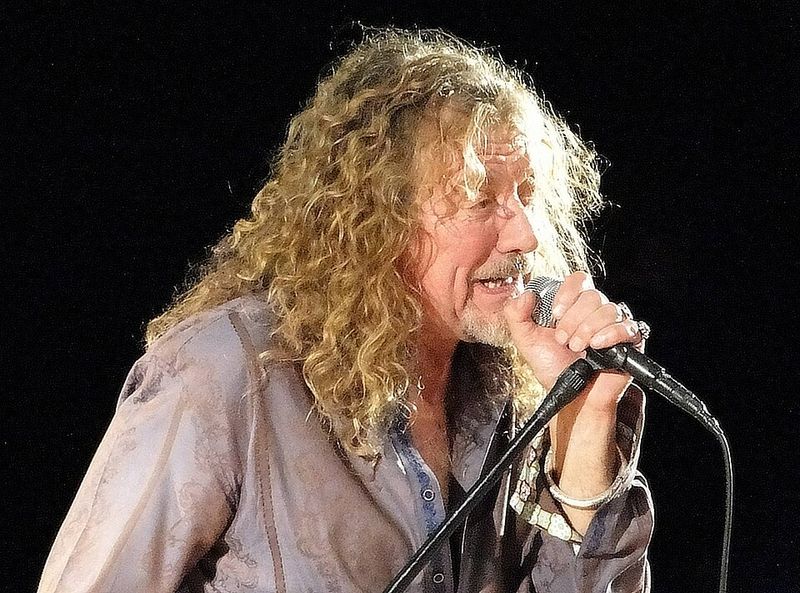
Robert Plant’s soaring wail became hard rock’s north star, pairing Celtic-tinged melisma with blues grit. Early Led Zeppelin shows feature piercing head voice anchored by strong chest resonance, riding above thunderous drums.
Whole Lotta Love and Immigrant Song display yodel-like flips, glassy highs, and precise slides.
Plant’s dynamics shift from whispered invocations to full-throttle exorcisms, always locked to groove. He bends vowels to fit guitar riffs, echoing Jimmy Page’s phrasing for call-and-response drama.
Studio layering and slapback delays enhance space, but the core is athletic breath control and fearless attack.
His example shaped metal and arena rock singers who chase height without losing melody. Yet he also modeled restraint on later material, favoring texture over sheer altitude.
The versatility kept his voice modern, proving range matters most when musically purposeful, not merely displayed.
9. Aretha Franklin
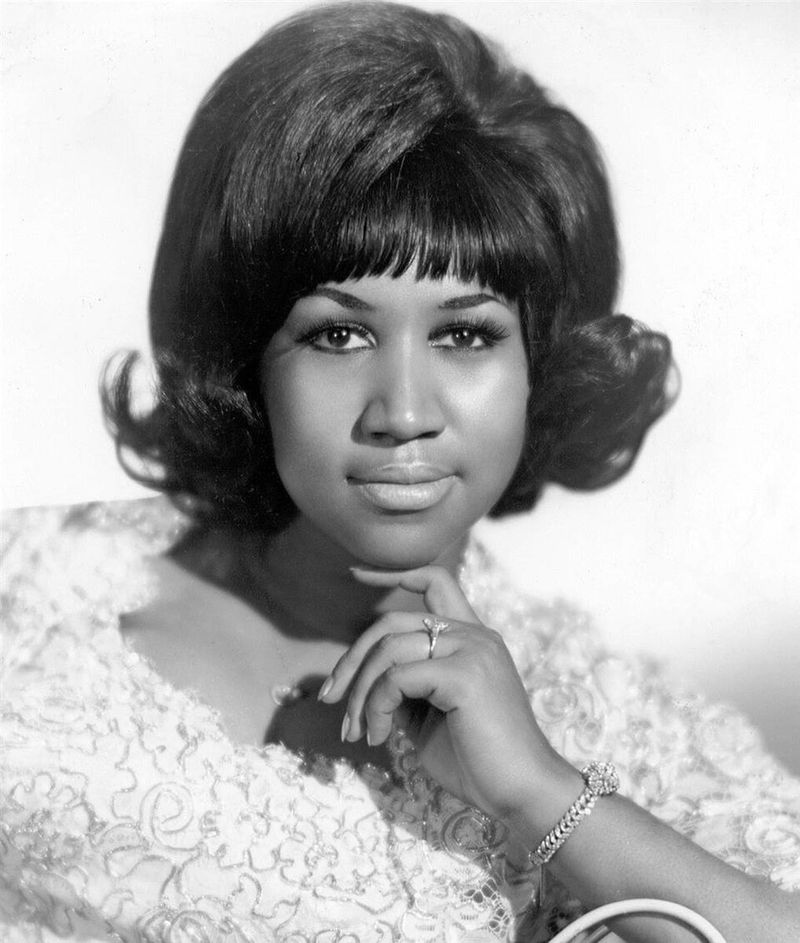
Aretha Franklin’s vocal command reshaped expectations for power, precision, and feel across soul and rock. Respect and Chain of Fools highlight immaculate pitch under high-energy grit, with melismas that land like arguments, not flourishes.
Her breath support lets long phrases crest naturally, never straining against the groove.
Although primarily soul, her gospel-rooted intensity influenced rock singers seeking authority and clarity. Aretha placed accents with percussive consonants, pushing band hits while staying rhythmically fluid.
The top end flashes bright steel, the midrange carries warmth, and the lows ground her statements.
Live performances reveal fearless modulation of tone color, shifting from satin to gravel for emphasis. Rock vocalists learned to project leadership through phrasing and dynamic control, not volume alone.
Aretha’s recordings remain master classes in conviction, balance, and timing, shaping late 60s rock performance standards.
10. Freddie Mercury
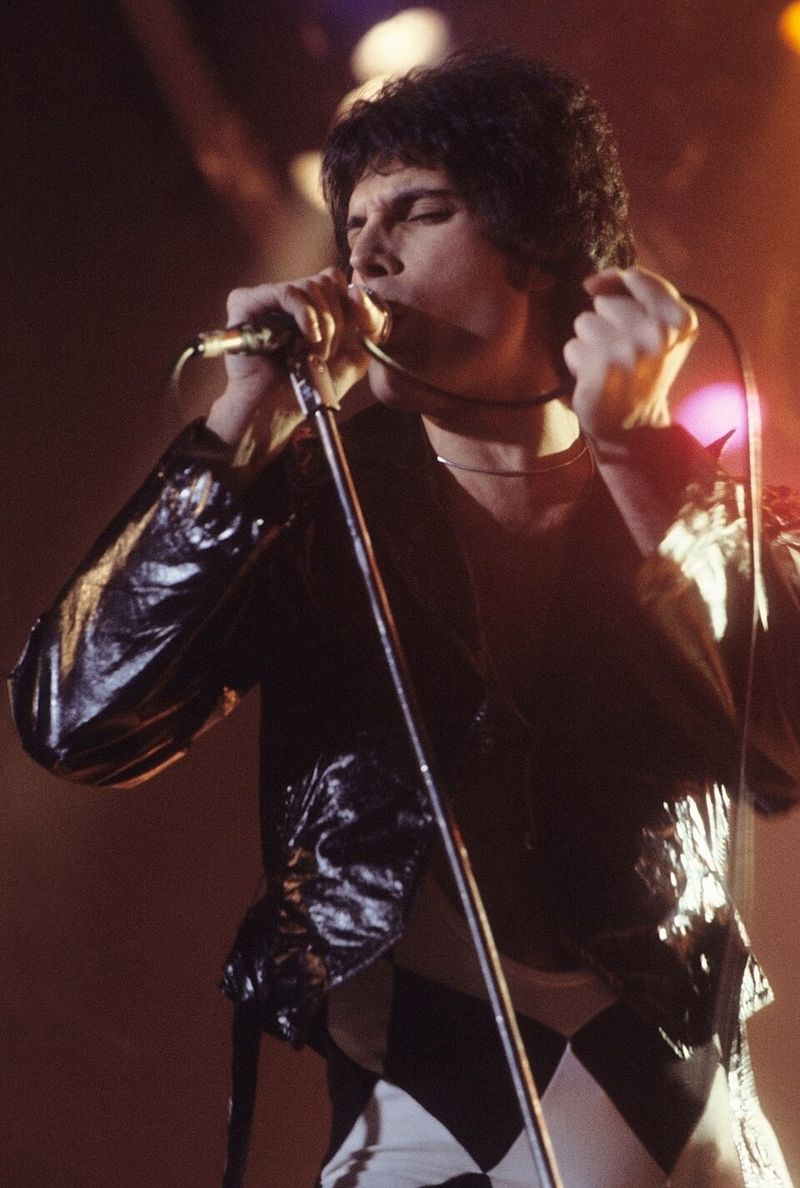
Freddie Mercury paired extraordinary range with a conductor’s sense of structure, making each phrase feel architected. On Bohemian Rhapsody and Somebody to Love, he moves from intimate chest tones to ringing, quasi-operatic highs.
His diction stays crisp even at volume, and vibrato width adapts to emotional context.
Mercury layered harmonies like a choir director, aligning vowels so stacked voices fused cleanly. Live, he projected power without sacrificing agility, using efficient breath and forward placement.
The microphone became an instrument, angled to control brightness and cut in cavernous arenas.
He set a benchmark for theatrical yet disciplined rock singing, influencing metal, pop, and indie stylists. The lesson is not just range, but arrangement sense and dynamic contrast.
Mercury proved virtuosity can serve story, turning complex lines into direct, memorable statements that thrill and communicate.
11. David Bowie
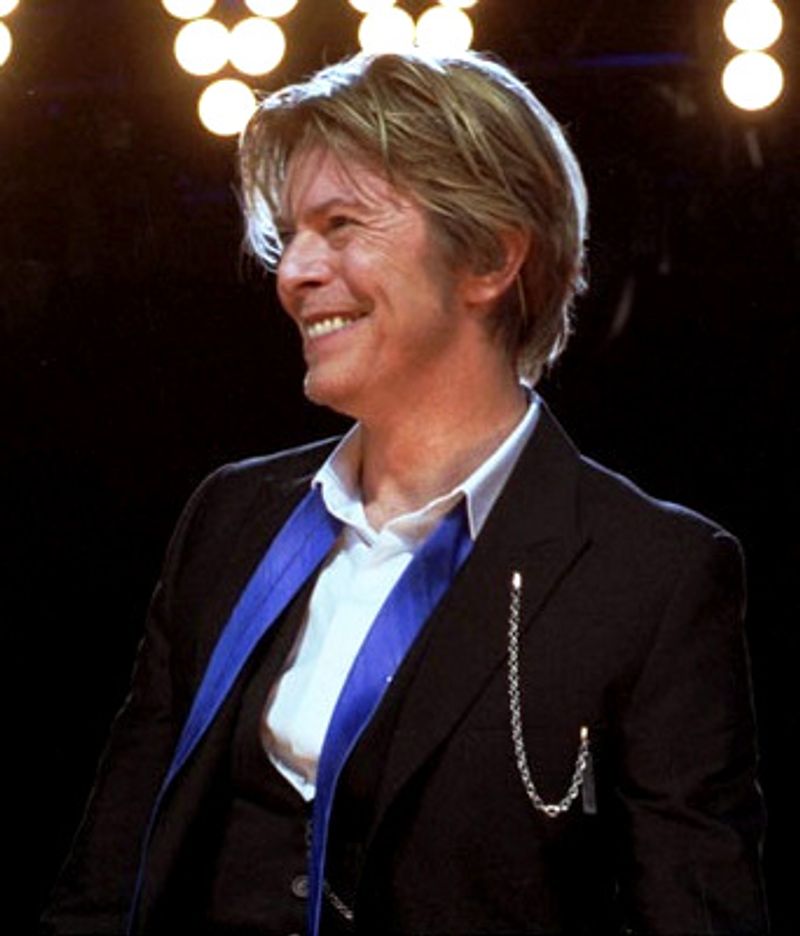
David Bowie reinvented his voice with each era while keeping a distinctive core. Early glam material leans nasal and theatrical, then Low and Heroes reveal darker baritone colors and icy restraint.
He used character singing to shade lyrics, adjusting vibrato speed, vowel shape, and articulation per persona.
Bowie’s phrasing often countered rhythm sections, floating slightly above the pocket for tension. In ballads, he softens consonants to blur edges, while rockers bring crisp, percussive attacks.
Studio techniques like varispeed and layered doubles served concept, not gimmickry.
His approach taught rock singers that timbre is a storytelling tool as vital as melody. Flexibility did not erase identity, it clarified it.
Across art rock and pop, Bowie’s adaptive technique expanded the singer’s palette, letting innovation coexist with hooks and emotional legibility.
12. Bruce Springsteen
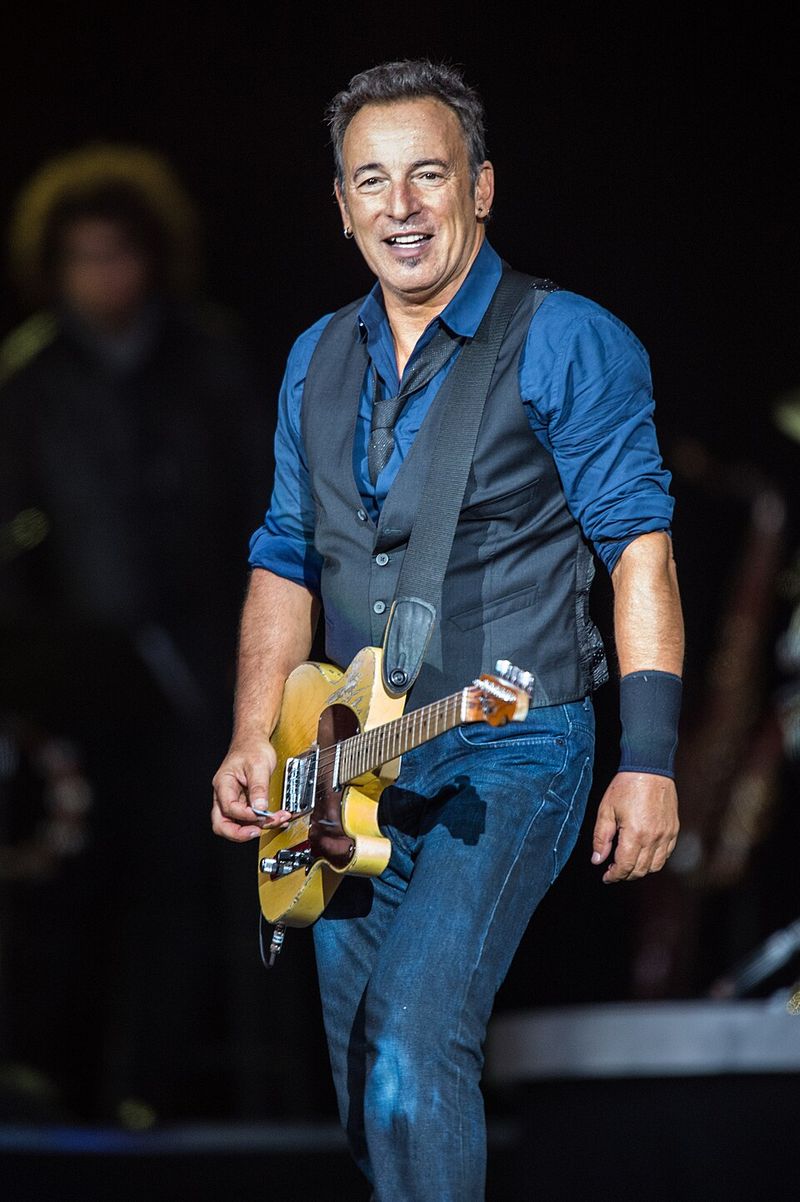
Bruce Springsteen’s voice carries grit and warmth, a working-class instrument that projects over roaring bands. On Born to Run and Thunder Road, he pushes chest voice with gravelly edges while keeping pitch firm.
The delivery feels breathless yet controlled, like a storyteller racing to beat the night.
Springsteen’s diction is intentionally roughened, matching cinematic lyrics with tactile texture. He rides the downbeat, punching syllables to mirror snare hits, then eases back for tenderness.
Studio reverbs frame the voice like streetlight glow, enhancing the asphalt romanticism.
He influenced heartland and alternative singers who value narrative clarity over ornamental range. The magic is pacing: dynamic swells, spoken asides, then full-tilt choruses that feel earned.
Springsteen proved rock vocals can be literary and communal, binding big rooms with humane, sandpapered resonance.
13. Stevie Nicks
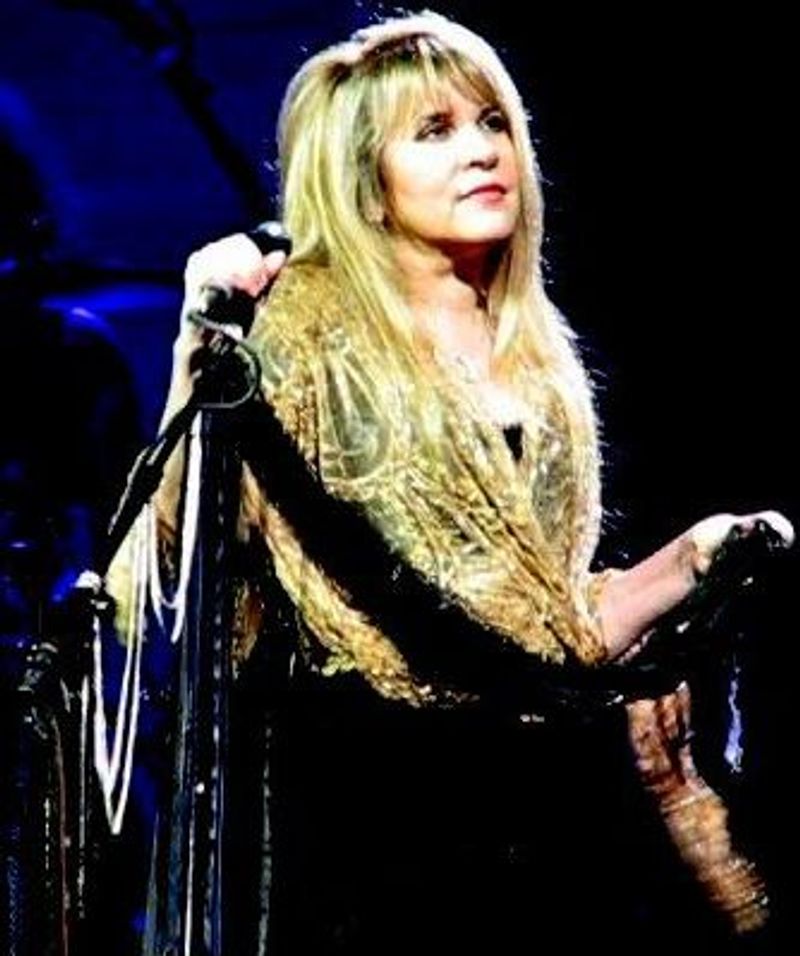
Stevie Nicks’s husky vibrato and sand-dusted tone make melodies feel ancient and immediate. On Rhiannon and Dreams, she leans into lower and middle registers, shaping phrases with breathy onset and subtle scoops.
The vibrato is quick but shallow, a signature shimmer that lifts choruses without brightening excessively.
Nicks favors storytelling over acrobatics, bending notes toward speech for intimacy. She places consonants gently, letting vowels stretch across the beat like ribbons.
Double-tracking adds haunting width, while live performances reveal sturdier core tone than the records suggest.
Her voice redefined feminine power in rock as atmospheric rather than purely forceful. Countless singers chased that smoky color and mystic timing.
The durability of her sound proves personality can outlast trends, especially when phrasing and texture are treated as songwriting tools.
14. Tina Turner
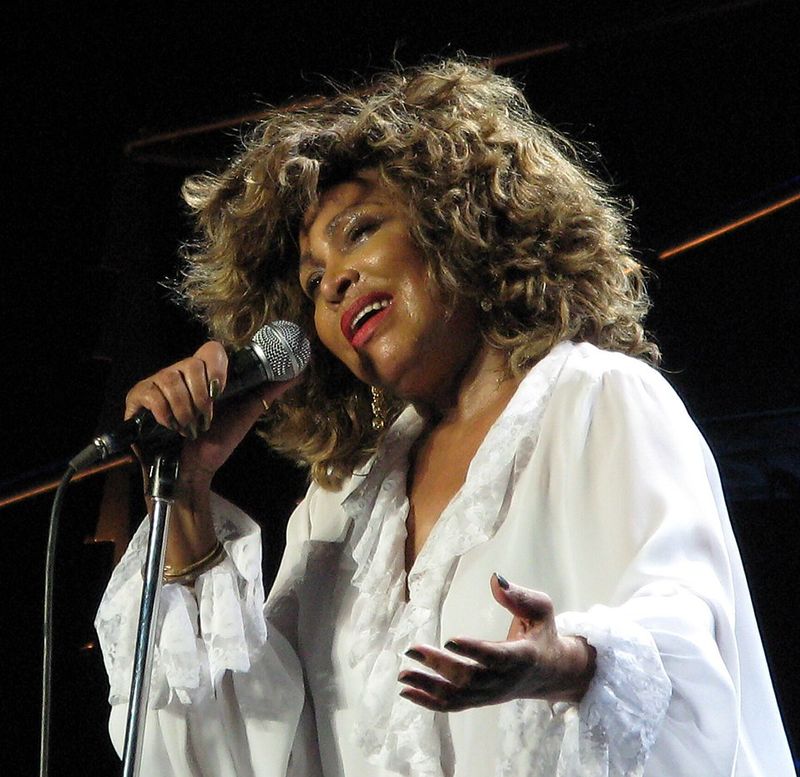
Tina Turner’s rasp is lightning in a bottle, equal parts precision and fire. On Proud Mary and What’s Love Got to Do with It, she drives chest voice with gritty edge while keeping lines crisp.
Her attack is explosive yet controlled, with on-the-beat punches that command band and crowd.
Turner’s phrasing blends rock urgency with soul polish, a hybrid that travels across tempos. She shapes climaxes through stepwise ascents, then cracks open tone for catharsis.
Live, she sustains projection without thinning, evidence of practiced breath management and athletic stamina.
Her influence bridges decades, teaching singers to balance texture with intelligibility. The rasp is never a mask; it is a color chosen for meaning.
Turner modeled star presence through vocal leadership, proving that articulation, time feel, and dynamic shaping can make stadiums feel close.
15. Bono
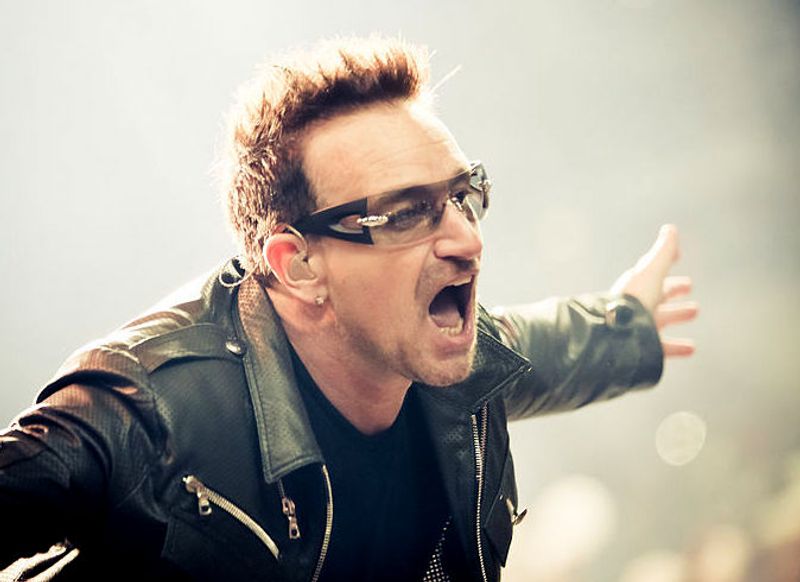
Bono’s soaring tenor defined arena rock’s emotional template, pairing open-throated highs with crisp diction. On With or Without You and Where the Streets Have No Name, he builds long arcs that crest over chiming guitars.
The forward placement keeps tone bright without harshness, aided by controlled vibrato.
He times entrances for maximum lift, often delaying phrases to ride drum swells. Subtle falsetto transitions add ache, while spoken interjections create intimacy.
Studio ambience magnifies space, but the core remains breath support and measured onsets that avoid strain.
Bono influenced generations of singers aiming for panoramic uplift without sacrificing clarity. The blueprint is dynamic patience: start centered, then widen and brighten as harmonics gather.
His voice anchors U2’s grand scale, translating private urgency into communal chant with disciplined, confident technique.
Share this story