Which states put in the most hours and show up strongest in the workforce? Using findings aligned with WalletHub’s study of work habits and employment metrics, this list highlights where long weeks, high employment, and strong engagement stand out.
You will see a balanced view of direct work inputs and supportive factors like multiple jobs and volunteer rates. Keep reading to understand how each state earned its place and what sets them apart.
1. North Dakota – Ranked #1 overall

North Dakota tops the list with a rare combination of high employment and long average workweeks. You notice it in energy, agriculture, and services where labor force participation stays strong even during seasonal swings.
Commuting times are manageable, which helps extend productive hours without the burnout that comes from gridlock. The state’s low unemployment rate and high share of workers with multiple jobs signal persistent engagement.
In practical terms, it means more hours worked per resident and fewer people sitting on the sidelines.
Indirect indicators also support the ranking. Volunteerism remains above average, pointing to a culture that values contribution beyond paid hours.
Idle youth rates are comparatively low, suggesting a strong pipeline from school to work. You also see relatively low vacation usage, which keeps annual work totals elevated.
While the economy can be cyclical, employment participation tends to rebound quickly when sectors recover. Put together, these metrics explain why North Dakota holds the number one spot overall.
2. Alaska – Highest weekly hours (41.6)

Alaska stands out for the highest average weekly work hours at 41.6, reflecting its demanding industries and seasonal intensity. Energy, fishing, logistics, and tourism concentrate work into extended shifts that push weekly totals higher.
You also see a strong presence of multiple jobholders across seasons, from summer tourism to winter resource operations. Long travel distances and unique daylight cycles shape schedules rather than reduce them.
The result is a work culture where extended hours are common and expected.
Employment participation complements those hours, even when population density is low and job markets are regional. Many roles require certifications and specialized skills, which encourages consistent attachment to the labor force.
Volunteers contribute to community resilience, from search and rescue to local events. Low leisure time tallies reflect the practical limits of living in remote areas with intense work windows.
When looking strictly at hours worked, Alaska’s 41.6 figure anchors its position as a top hard working state.
3. South Dakota – Highest employment rate

South Dakota leads the nation in employment rate, a direct signal that residents are consistently attached to the workforce. Strong participation stretches across sectors like agriculture, manufacturing, health care, and services.
You feel that steadiness in smaller communities where job networks are tight and turnover is low. Commute times are generally short, which supports more productive hours and reduces friction.
Even during sector shifts, the share of people working remains high.
Indirect factors reinforce the story. Lower idle youth rates align with career and technical education pipelines that transition quickly from school to employment.
Volunteer and community engagement metrics trend positively, reflecting civic habits that support a work-first culture. Overtime and second-job rates may not match coastal hubs, yet steady hours across more residents adds up.
With high employment as the anchor, South Dakota earns its place near the top of hardest-working rankings. The state’s broad-based participation keeps total work input consistently strong.
4. Texas – Strong hours and engagement

Texas pairs long work hours with deep workforce engagement across a very large labor market. Energy, construction, logistics, and tech all contribute to extended weeks, especially in growth corridors.
You see high labor force participation in metro areas where multiple shifts keep facilities moving. Commute lengths can be significant, yet flexible scheduling and abundant opportunities sustain hours.
The state’s business growth often translates into overtime and second roles.
Indirect metrics like low idle youth pockets, strong entrepreneurship, and community organizations show engagement beyond payrolls. Volunteerism varies by region, but big-city networks and rural communities both add civic hours.
Texas also benefits from a sizable share of full-time workers compared to part-time roles. While not every county posts the same numbers, the statewide average of hours and participation remains elevated.
These conditions position Texas firmly among the hardest-working states, with scale and diversity reinforcing consistent work intensity.
5. Hawaii – High indirect work factors

Hawaii earns a high score on indirect work factors, with low leisure time and significant service sector intensity. Hospitality, transportation, and retail operations maintain extended schedules that align with visitor flows.
You see second jobs and split shifts that keep weekly totals elevated, even when hourly wages vary by role. Commuting within island infrastructure can be time consuming, which affects usable free time.
Despite a relaxed image, the data points to consistent work commitments.
Employment participation is steady, and volunteer networks remain active through cultural and community events. Multiple jobholding is common, especially where seasonal surges overlap.
The combination of long service hours and limited downtime drives Hawaii’s standing in hardest-working rankings. While cost of living is high, it often correlates with stronger labor attachment.
In short, indirect metrics like leisure time and volunteer engagement help explain Hawaii’s placement near the top.
6. Virginia – Balanced metrics overall

Virginia scores well through a balance of direct and indirect work metrics. Government, defense, shipbuilding, tech, and professional services create steady full-time roles with extended project timelines.
You find solid labor force participation, relatively strong hours, and pockets of overtime in logistics and construction. Commute times in Northern Virginia are long, which can limit leisure and signal high engagement.
Across regions, the mix of jobs supports consistent weekly output.
Volunteer activity and civic service often track with military communities and public sector networks. Idle youth rates run comparatively low, pointing to education-to-work pathways in STEM and trades.
Second-job rates vary, yet the overall structure of salaried and shift-based work elevates total hours. The state’s strengths lie in consistency rather than extremes.
Together, these elements place Virginia among the hardest-working states with a well-rounded profile.
7. New Hampshire – High employment, low idle youth

New Hampshire combines high employment with low idle youth, a formula that supports strong weekly output. Small manufacturers, health services, and professional roles anchor full-time work patterns.
You also see short commutes and high labor force participation, which improve effective hours. Many residents cross regional labor markets, but attachment to work remains firm.
That balance keeps the state competitive in hardest-working rankings.
Indirect indicators, including volunteer involvement and community organizations, add to the engagement picture. Second jobs are present, though not dominant, and typically supplement seasonal or part-time roles.
The state’s education outcomes contribute to quick school-to-work transitions and lower idle youth. While hours may not lead the nation, the breadth of participation boosts total work done.
As a result, New Hampshire’s profile reflects disciplined employment paired with efficient daily routines.
8. Wyoming – Strong hours and volunteering

Wyoming posts strong work hours, driven by energy, ranching, and resource logistics that depend on long shifts. Sparse population and travel distances mean days are planned around productivity.
You see a relatively high share of workers clocking extended weeks, with seasonal peaks. The culture of self-reliance often includes multiple roles across land, equipment, and community duties.
Commute times are practical rather than congested, preserving usable hours.
Volunteer engagement is another bright spot, supporting emergency services, youth programs, and local events. Idle youth rates tend to be modest, reflecting early exposure to hands-on work.
While total employment is smaller than big states, the depth of hours per worker stands out. Combined with civic involvement, it creates a comprehensive work profile.
Those elements keep Wyoming visible in hardest-working assessments that weigh both direct and indirect inputs.
9. Maryland – Ninth hardest-working (WalletHub)

Maryland lands ninth in the WalletHub study, reflecting a blend of professional, government-adjacent, and logistics work. Full-time roles are prevalent, and project-based schedules can stretch weeks.
You also see strong port activity and health care services that add shifts and overtime. Commutes around the Baltimore and D.C. corridors are lengthy, which correlates with reduced leisure time.
These factors collectively support higher total work inputs.
Indirect metrics show engaged communities, including volunteer activities and educational programs that reduce idle youth. Second-job rates vary by county, yet the professional base keeps participation high.
With both white-collar and shift work contributing, Maryland maintains consistent weekly hours. The ninth-place ranking underscores balanced strength rather than extremes.
It is a credible position backed by employment, hours, and supportive engagement indicators.
10. Nebraska – Rounded out the top 10
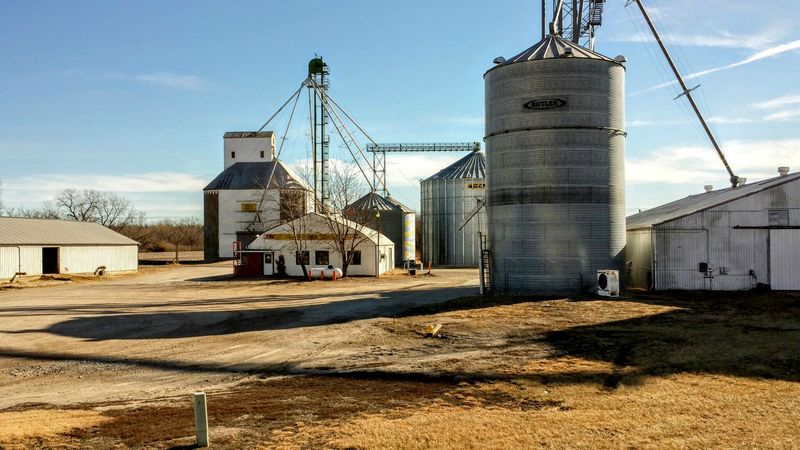
Nebraska rounded out the top 10, supported by broad participation and steady weekly hours. Agriculture, food processing, health care, and education form a reliable employment base.
You see shorter commutes that translate to more effective work time and stable schedules. While overtime spikes are industry specific, the statewide average remains strong.
Many residents hold full-time roles that reduce underemployment.
Volunteerism and civic engagement align with community traditions, further elevating indirect work metrics. Idle youth rates are relatively low due to clear school-to-career pathways and trade opportunities.
Second-job activity appears where seasonal demands rise, supplementing incomes without destabilizing schedules. Together, these inputs justify Nebraska’s top 10 finish.
The story is one of consistency across sectors rather than extreme hour counts alone.
11. Kansas – Next in extended rankings
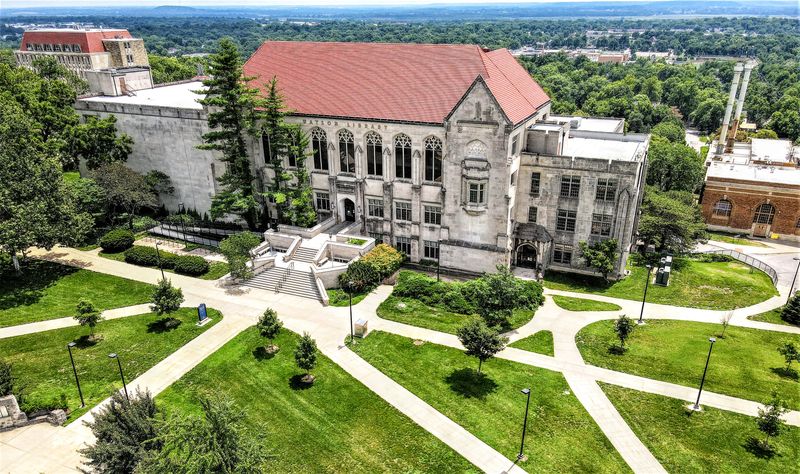
Kansas appears next in extended lists, reflecting durable employment and modestly long weeks. Aviation manufacturing, agriculture, and distribution hubs provide regular shifts and project cycles.
You notice fewer extreme overtime peaks, but widespread full-time roles keep hours consistent. Commute times are manageable across metros like Wichita and Kansas City suburbs.
That efficiency converts to more usable work time within standard weeks.
Indirect indicators support the standing, including community volunteer efforts and relatively low idle youth. Technical education pathways feed manufacturing and maintenance roles quickly from school.
Second jobs occur around harvest or retail seasons, adding incremental hours. Kansas ranks as a steady contributor rather than an outlier on any single metric.
Its placement in the extended tier matches the data on participation and predictable schedules.
12. Georgia – Close behind in extended data

Georgia follows close behind in extended ranking data, lifted by logistics, film production, tech, and health services. The Port of Savannah and Atlanta’s distribution networks drive shift work and tight deadlines.
You also see long project cycles in film and construction that pad weekly totals. Commutes in metro Atlanta can be lengthy, contributing to reduced leisure time and higher engagement measures.
Full-time employment is widespread across growth sectors.
Indirect metrics include strong entrepreneurship and community organizations that encourage civic participation. Idle youth rates have improved with workforce training and apprenticeships.
Second-job rates rise seasonally around hospitality and retail peaks. Georgia’s performance reflects a high-activity economy that sustains hours without relying solely on overtime.
That profile keeps it competitive among the next group of hardest-working states.
13. Tennessee – In the expanded top 25

Tennessee appears in the expanded top 25, with manufacturing, health care, and hospitality leading steady hours. Automotive plants and suppliers run multi shift operations that extend weekly totals.
You also see event driven peaks from music and tourism, particularly in Nashville. Commute times vary, but growing metros still maintain workable schedules that preserve productivity.
Full-time positions dominate in core sectors.
Indirect indicators show increased workforce training and improved school-to-work pathways that reduce idle youth. Community volunteerism and nonprofit engagement provide additional activity beyond paid labor.
Second-job patterns emerge in hospitality seasons and retail surges. Tennessee’s data fits a profile of dependable hours rather than extreme scheduling.
That combination supports its placement in the next tier of hardest-working states.
14. Oklahoma – Near the top of the extended list
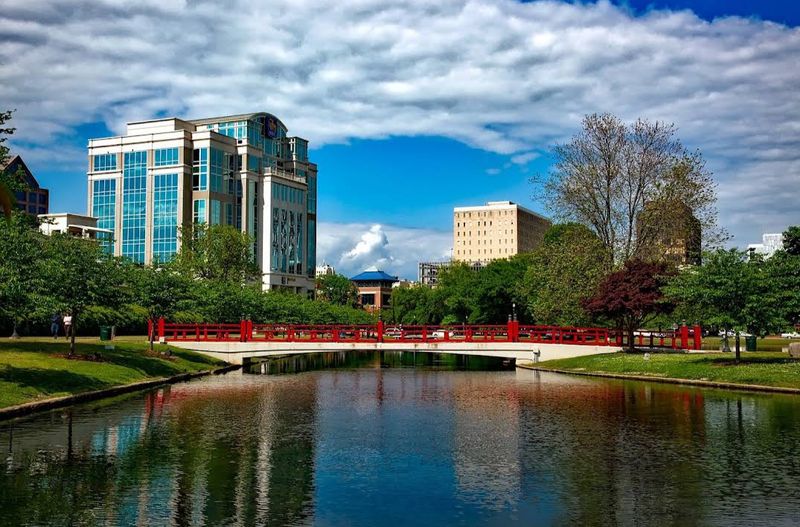
Oklahoma shows up near the top of the extended list, powered by energy, aerospace maintenance, and distribution work. Shifts can be long when demand spikes, especially in maintenance overhauls and drilling support.
You notice steady full-time roles that keep average weekly hours healthy. Commute times are typically manageable, which sustains effective workdays.
Regional training programs help maintain labor force participation.
Indirect factors include community volunteer networks and moderate idle youth rates aided by technical education. Second-job activity appears during retail and service peaks, adding to overall hours.
While not at the top for overtime, Oklahoma delivers consistent production across a broad base. That consistency explains its near top extended ranking.
The state’s balanced profile reflects practical hours and reliable employment attachment.
15. Colorado – Within the next group
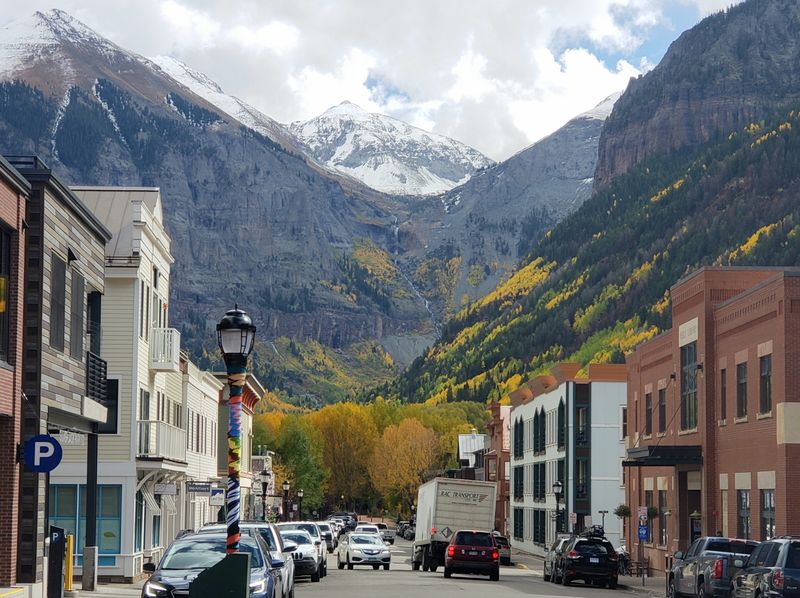
Colorado ranks within the next group, blending professional services, health care, construction, and outdoor industry roles. Full-time employment is common, and project based work can lengthen weeks.
You also see higher cost-of-living metros where additional hours and second roles occasionally appear. Commute times are mixed, but flexibility and hybrid schedules help maintain productivity.
The result is solid participation and reliable weekly totals.
Indirect metrics benefit from strong community networks and active volunteer cultures. Idle youth rates trend relatively low due to education and training alignment.
Seasonal tourism adds shifts in hospitality and transportation, raising hours during peak months. Colorado’s placement reflects steadiness rather than extreme scheduling.
Together, these elements keep it competitive among the hardest-working states beyond the top tier.
Share this story