Salt marsh light glints off calm water, a quiet shimmer that hints at old-world drama on Florida’s Atlantic edge. I came for history and found a small coastal fort with big purpose, a place where tides, birds, and stories meet.
Keep reading and you will cross a short stretch of river, climb by ladder into a lookout, and hear how a modest outpost helped shape a coastline. It is compact, it is free to visit, and it rewards curiosity with views, textures, and a clear sense of why this shore still matters.
Where To Find It And When To Go
The story centers at Fort Matanzas National Monument, 8635 A1A S, St. Augustine, FL 32080, United States. Hours run 9 AM to 5:30 PM most days, with the free ferry typically operating on a schedule posted at the visitor center.
Mornings feel calm, with forgiving light across the marsh and better odds for same day ferry tickets. Weekdays beat weekends for parking, and winter’s cooler air can make the boardwalk stroll especially pleasant in Florida.
Summer brings heat and quick storms, so plan water, sun protection, and a flexible mindset.
Arrive early, grab tickets at the desk, and listen for ranger updates about wind or tide. The phone number helps for current conditions, but day-of decisions rule the river.
However the timing plays out, the shoreline sets a steady scene that invites you to slow down.
A Short Ferry With A Long View
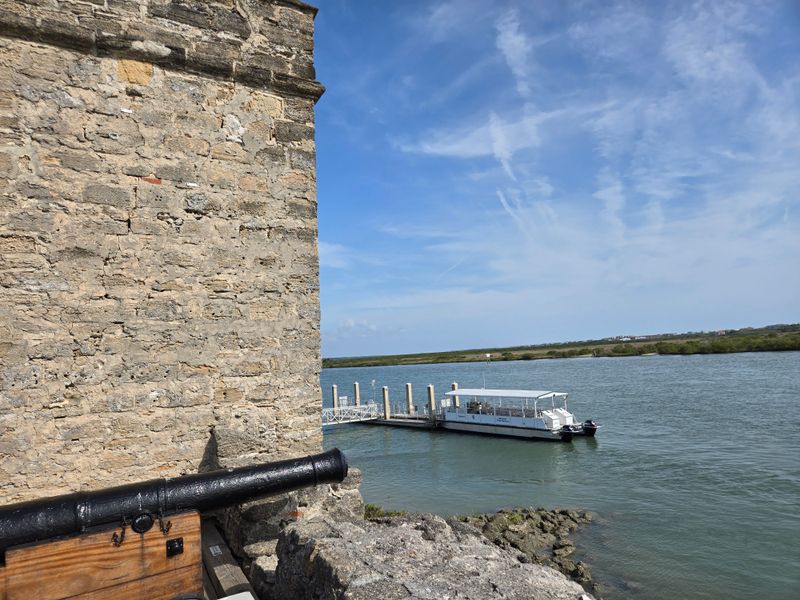
The free ferry cruise feels like a tiny chapter break between modern roads and colonial concerns. Tickets are first come on the same day, and rangers cap capacity to keep the trip safe and simple.
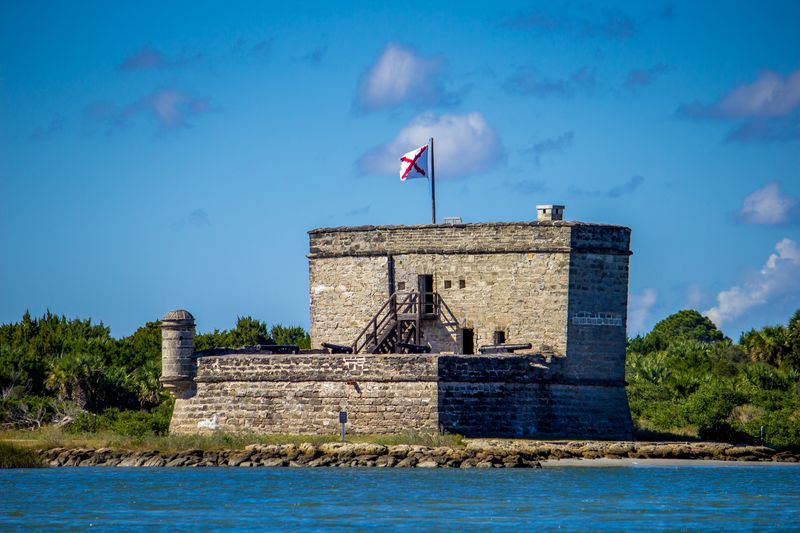
Five unhurried minutes deliver wide water, wading egrets, and a low skyline where the fort rises from Rattlesnake Island. Wind lifts conversation, cameras click, and the river gently explains why this inlet mattered to Spanish Florida.
Seas can kick up, so schedules shift with weather and tides.
I like a seat near the rail to watch dolphins when luck strikes, and to catch the fort’s angles as they sharpen in view. The return ride is quicker in feeling, like an epilogue with sun on your shoulders.
Both directions add context you simply cannot fake from shore.
First Look At Coquina Walls
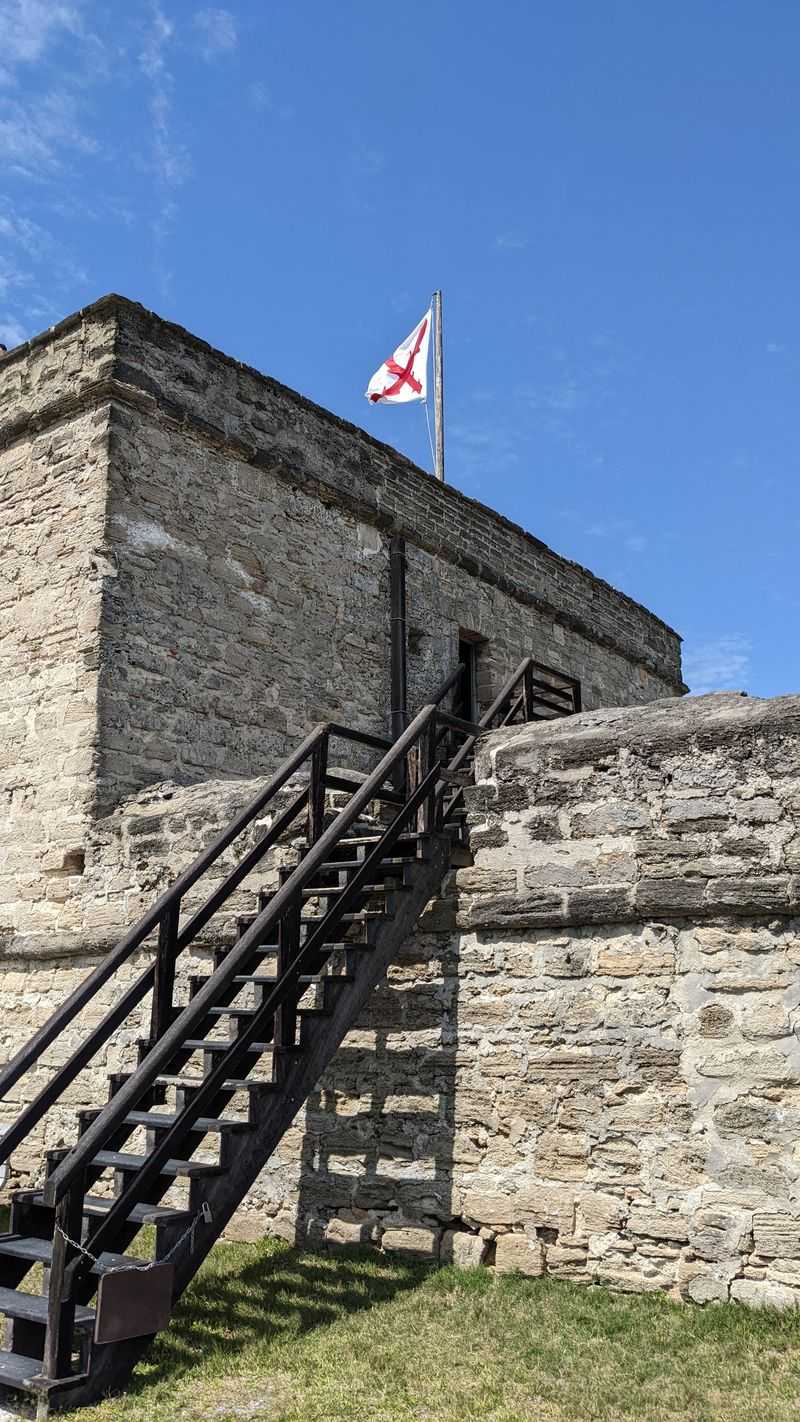
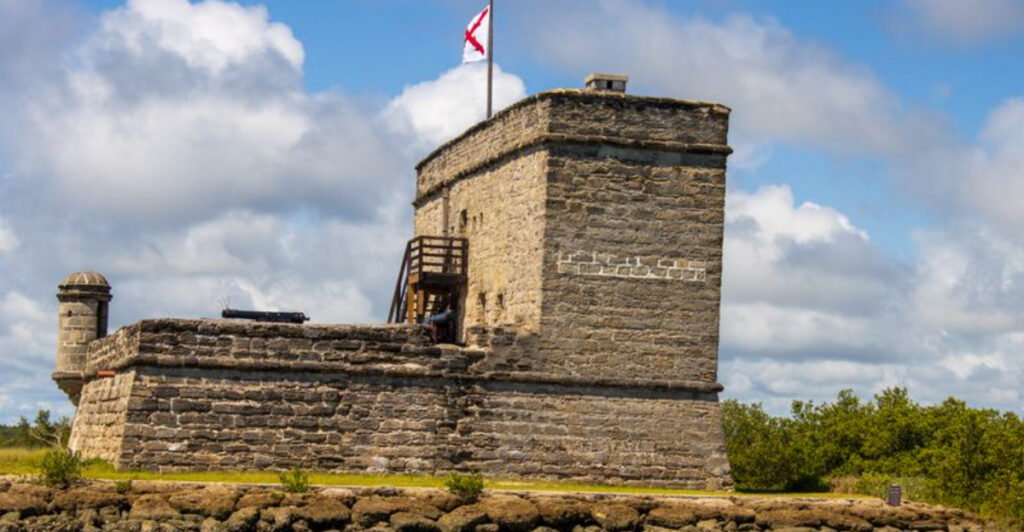
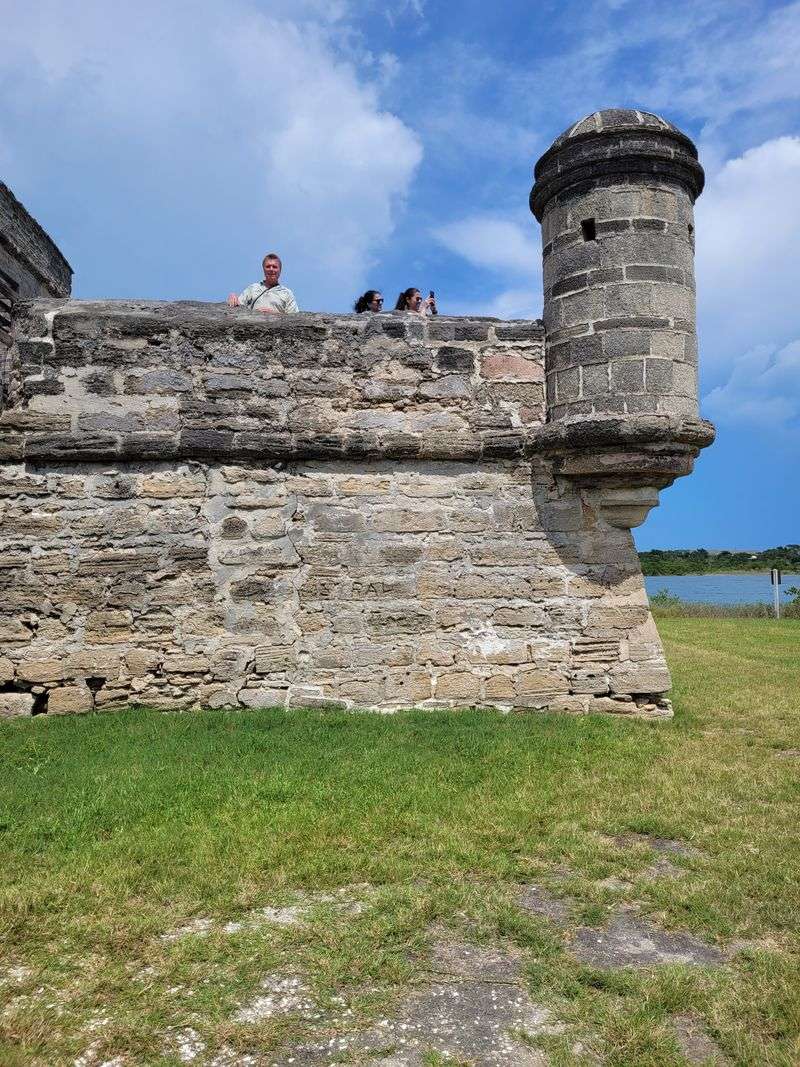
Coquina is the fort’s quiet star, a limestone made of tiny shell fragments quarried near St. Augustine. Press a hand close and you see flecks and fossils, a natural composite that shrugs off salt and softens cannon strike.
The stone’s give matters because energy dissipates instead of shattering. Spanish engineers understood coastal realities and built for resilience, which Florida’s storms keep testing across centuries.
Hairline textures glow at low sun, turning the walls into a study of time and tide.
Interpretive signs explain quarrying and transport, but the surface teaches too, each shell piece like a footnote. You might expect cold granite and find warm, sandy tone under the palm shade.
That pleasant surprise lingers as you circle the base and notice the way form follows function here.
Why This Tiny Fort Mattered
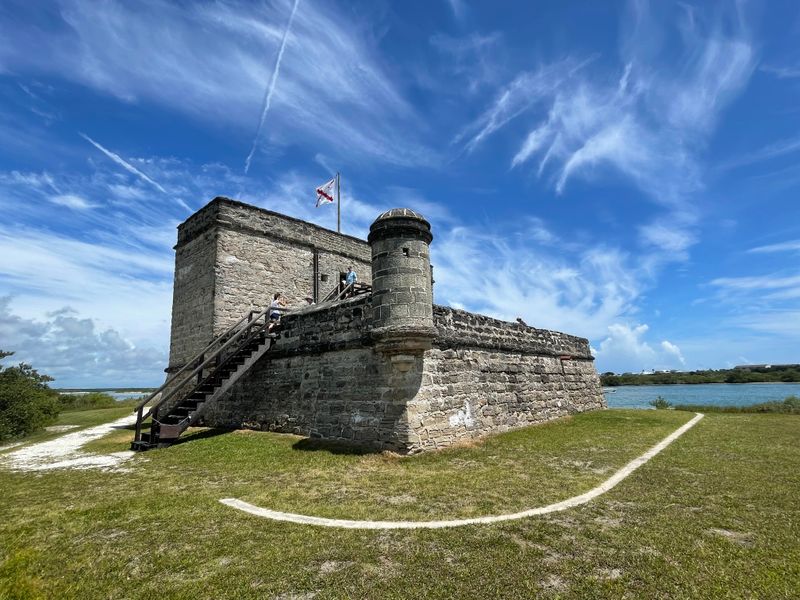
Size deceives here, because the fort guarded the southern water approach to St. Augustine. The Matanzas Inlet offered a sneaky back door, and this outpost commanded it with a few well placed guns.
Spanish troops watched currents and sandbars, scanning for sails that meant trouble. A limited arc of fire still controlled the choke point, which is exactly what defense needs on a shifting coast in Florida.
The big city up the shoreline depended on this quiet sentinel.
Rangers connect dots without drowning you in dates, tying the outpost into regional rivalries. I found the geography lesson irresistible, a map that becomes real under gulls and wind.
Once you picture a hostile hull nosing through the inlet, the fort’s logic clicks like a lock.
Climb To The Roof By Ladder
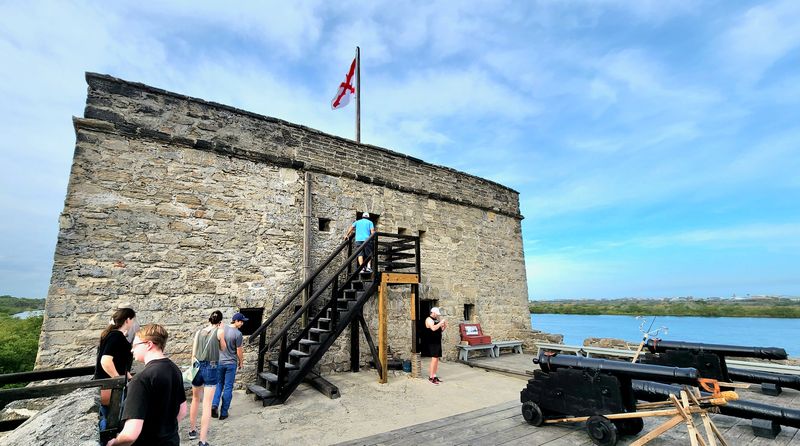
Inside, space turns compact and purposeful, with a wooden ladder leading through a tight hatch. The climb is short, and the payoff arrives fast as the roof opens to air and horizon.
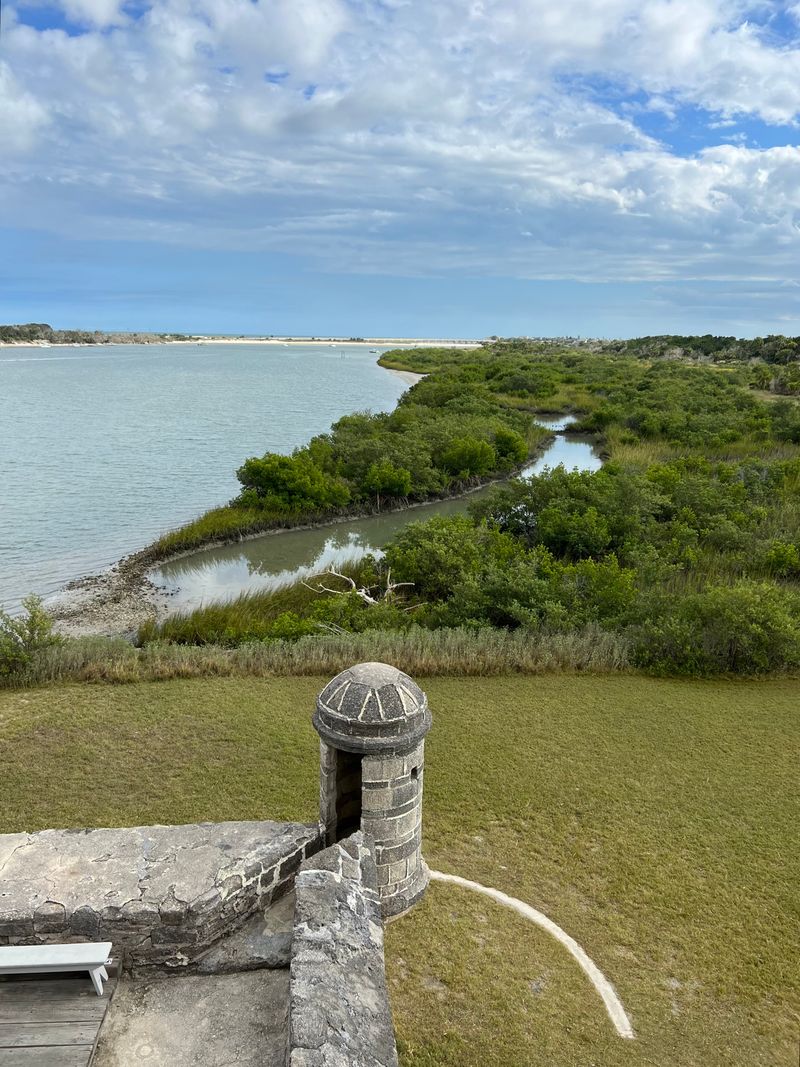
If narrow spaces cause nerves, linger below and explore the gun room or doorway views. Up top, the river’s gloss spreads wide and birds loop past like patrols, making it easy to imagine watch shifts.
Rangers coach patience and footing, keeping the flow steady and friendly.
I love the sudden gust at the hatch, a cool signal that the lookout awaits. Stand by the parapet, read the water, and let the tide clock set your thoughts.
The climb down feels easier, partly due to gravity, mostly because that view continues to sit behind your eyes.
Guns, Embrasures, And Angles
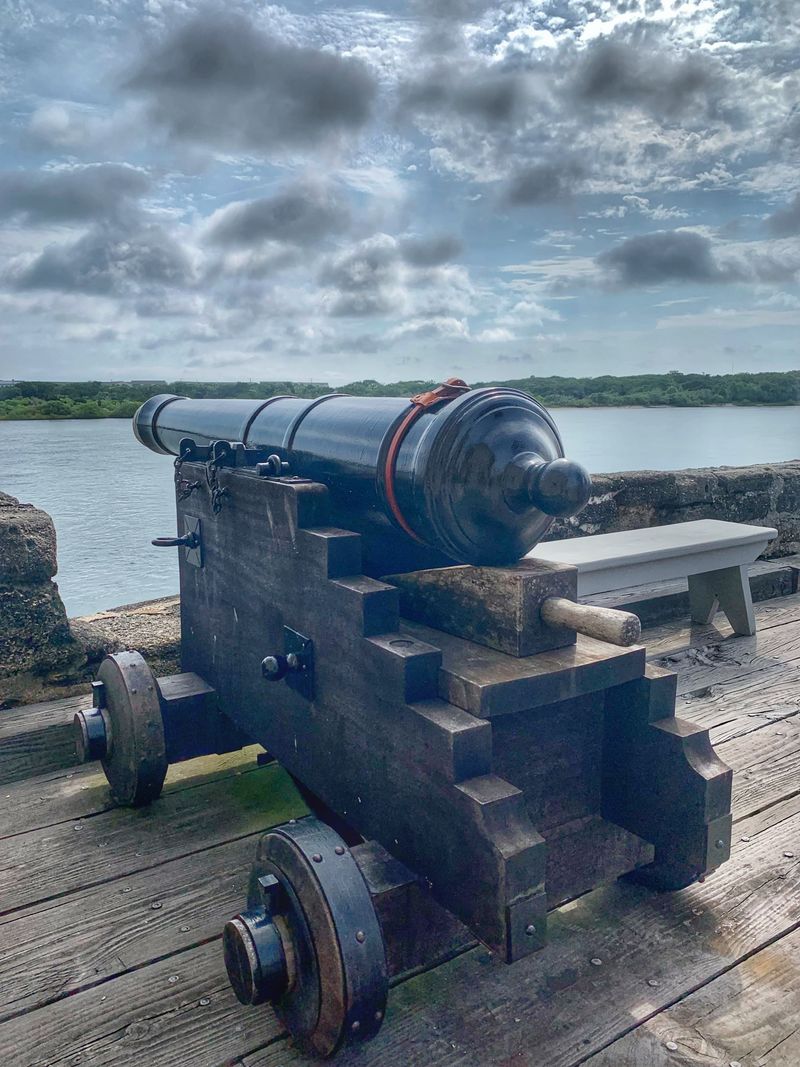
Artillery placement at this fort is a masterclass in minimal resources used wisely. Embrasures frame narrow cones of fire, protecting gunners while covering the inlet channel.
The cannons here are not theatrical props, but working interpretations of what once kept hostile ships respectful. Range and elevation mattered, yet the true power came from geography and timing in Florida.
When tides forced vessels into predictable lines, even a handful of pieces could speak loudly.
I studied the angles and felt that strategic thrift, a design about precision more than brute force. Rangers explain loading steps with clear, quick detail, enough to picture hands, powder, and discipline.
Hear that and the fort’s quiet rooms suddenly hold the echo of commands.
Trails, Boardwalks, And Hammock Shade
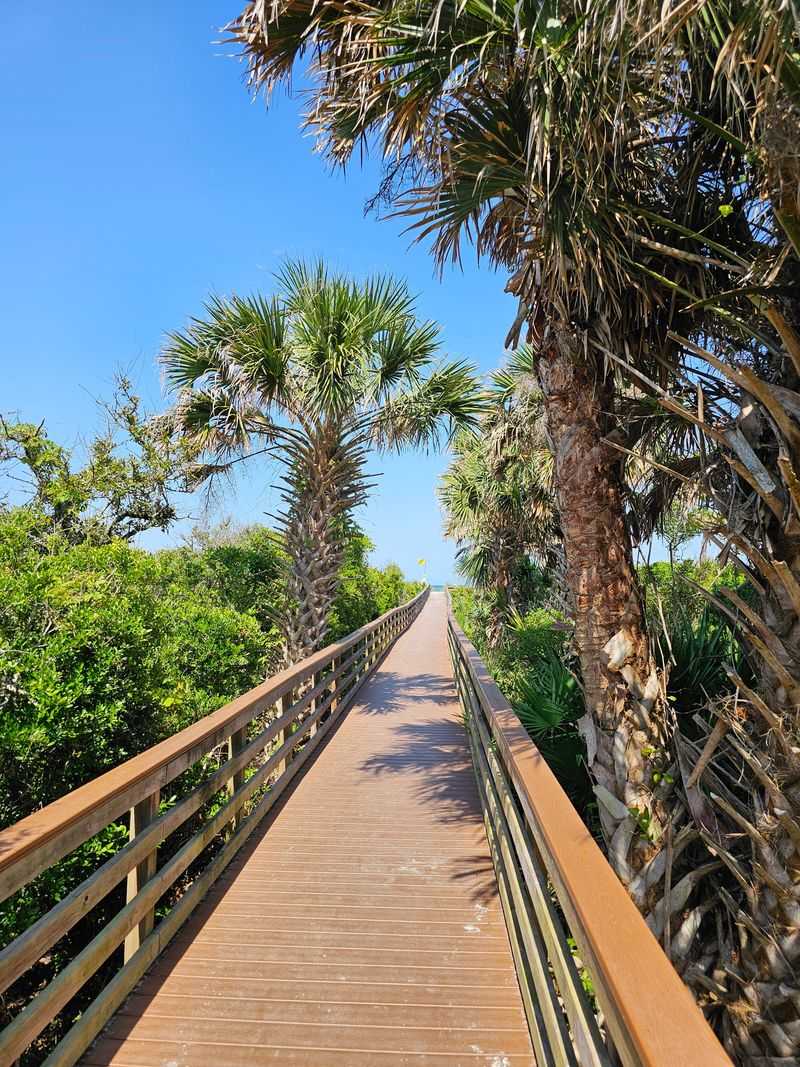
Back on the mainland side, a boardwalk slips through salt marsh and coastal hammock. Live oaks lean with character, palmetto edges the path, and interpretive signs keep your eyes tuned to small wonders.
The loop is short and kind on legs and wheels, a perfect add on before or after the ferry. Birds own the soundtrack, joined by wind in oak canopies and a faint surf hush in Florida.
Benches show up right when you want them.
I like to pause where the marsh opens and watch fiddler crabs throw tiny attitude. Your pace naturally slows, and you start noticing textures you would miss at highway speed.
The trail returns you refreshed and more ready to read the fort’s stones.
Ranger Talks That Stick
The best explanations arrive with a ranger’s voice carrying over water. Talks are friendly, focused, and peppered with just enough context to make the place breathe.
Questions are welcome, and the answers sidestep jargon while still respecting nuance. I appreciate how they weave in timelines without turning the visit into a quiz in Florida.
You walk away with names, motives, and a sense of why an inlet could change a city’s fate.
Guides also point you to quiet details, like tool marks in coquina or the way the tide line tells history. That kind of nudge changes how you look, which changes what you remember.
The fort becomes more than a stop, and the story lingers past the parking lot.
Wildlife Moments On The Water
Nature adds spontaneity to the script, especially on the river. Dolphins sometimes arc near the boat, and ospreys patrol like they signed the visitor log.
Marsh edges twitch with crabs and herons, and tidal creeks glitter with possibilities. The setting makes you tune your senses, so even ripples feel like news in Florida.
Rangers never promise sightings, but they do sharpen the search image with clues and timing.
Keep your camera ready, but do not forget to blink and bank the memory. I store sound first, the hush of current under the hull and a quick splash close by.
Wildlife here is not a show, just neighbors going about their day with style.
Planning, Parking, And Patience
Logistics are simple if you think early. Parking is limited, ferry seats are finite, and the day-of ticket system rewards the first wave.
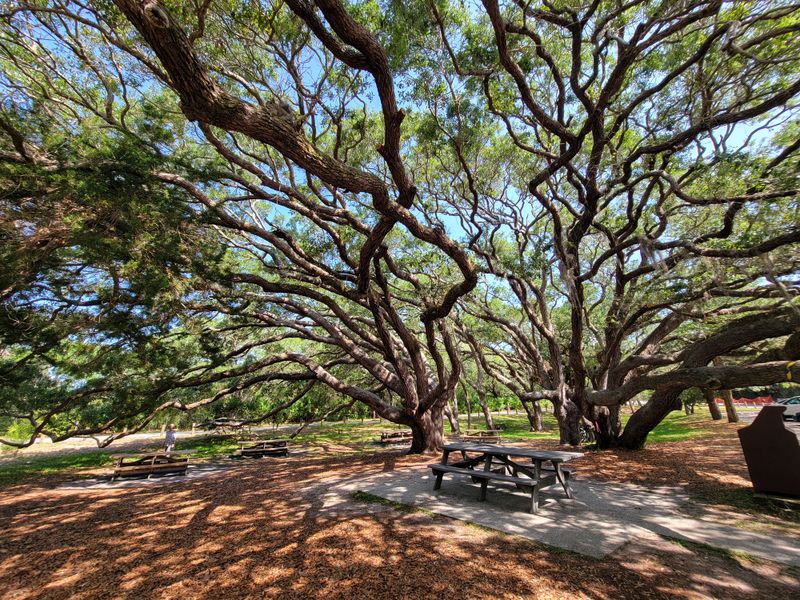
Grab your spot, pick up tickets at the visitor center, then relax at the shaded tables. Restrooms live on the mainland side, and there are none at the fort in Florida.
A small shop carries basics and a stamp for your park passport.
I bring water, hat, and a pocket snack, then let the schedule set a relaxed rhythm. When wind complicates things, rangers pivot and keep it smooth.
More than once, patience earned a softer breeze and an even better ride.
Reading The Tides And Weather
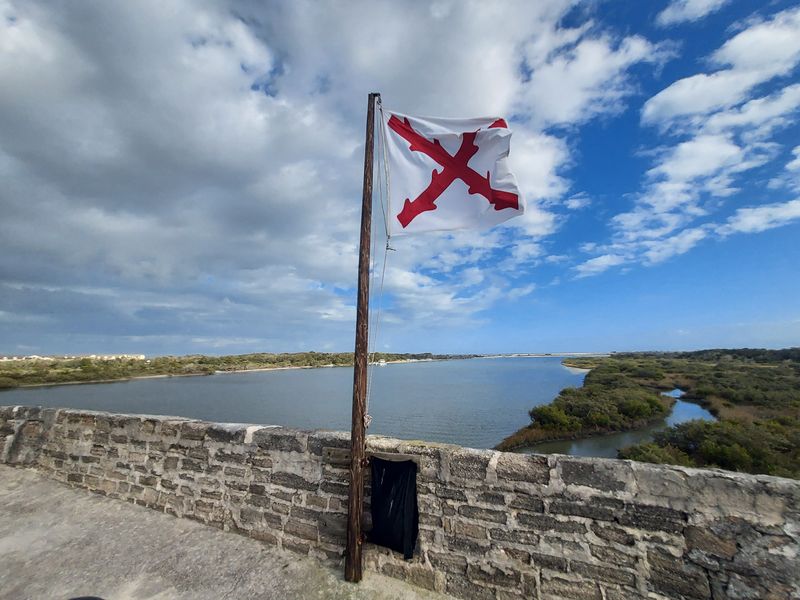
Water rules the calendar here, often more than any clock. Tides change boarding heights and boat flow, while wind can slow or pause service.
A quick glance at forecast and tide charts helps more than coffee. Cloud cover cools the boardwalk, and post front air sparkles with sharp views in Florida.
Summer storms sprint through, but many leave a cleaner sky in their wake.
I lean into flexibility and let the inlet call the shots. The fort feels truer when you let weather write a few lines.
Either way, the staff’s cautious choices keep everyone dry and smiling.
Comparing With The Big Brother Up The Road
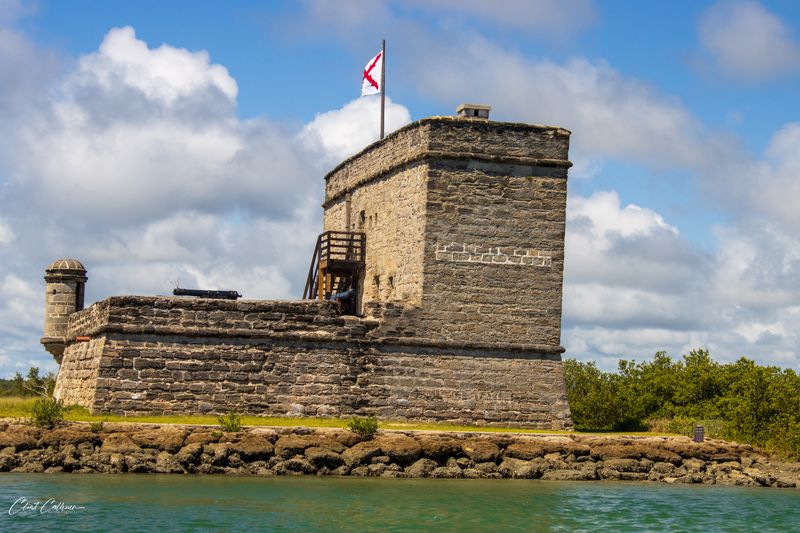
Think of this stop as the focused counterpart to the larger fort in town. One site commands the harbor, the other locks down the inlet, and together they complete a defense sentence.
The contrast helps scale expectations. Here you get intimacy, quick context, and a view that ties purpose to water in Florida.
You also trade crowds for marsh quiet, which can make the history easier to hear.
I visit both and appreciate how the smaller post clarifies the system. It shows what a few soldiers, a few guns, and a strategic choke can do.
The lesson is sharper for being compact and close to the tide.
Photography Tips In Soft Light
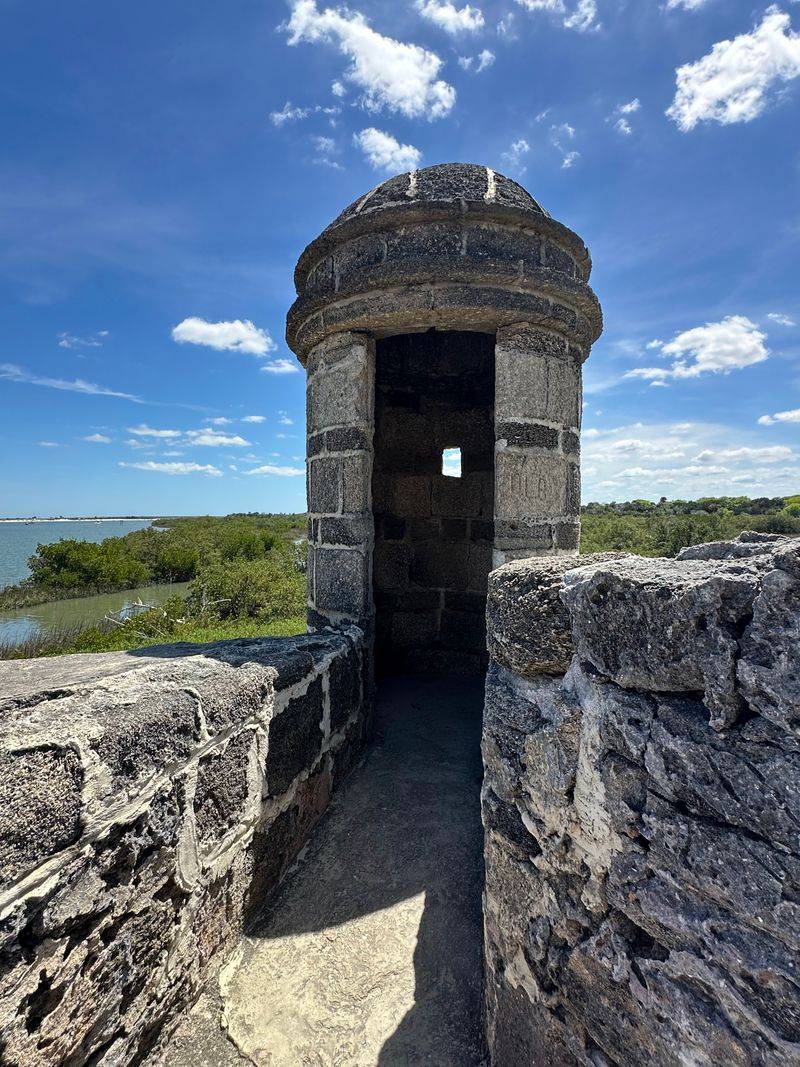
Golden hours flatter coquina, turning shell fragments into warm freckles. Side light pulls relief from tool marks, and the marsh spreads a mirror you can compose against.
On the roof, keep elbows in and watch the hatch for traffic. A wider lens helps include sky and parapet lines, while a polarizer tames glare in Florida.
Respect tripods around others, especially in tight spaces.
I chase detail shots along the base, then step back for a silhouette with inlet shine. If clouds cooperate, the ferry’s wake becomes a leading line.
Mostly, patience pays when a bird drifts into frame like a final brushstroke.
A Quiet Picnic And A Last Look
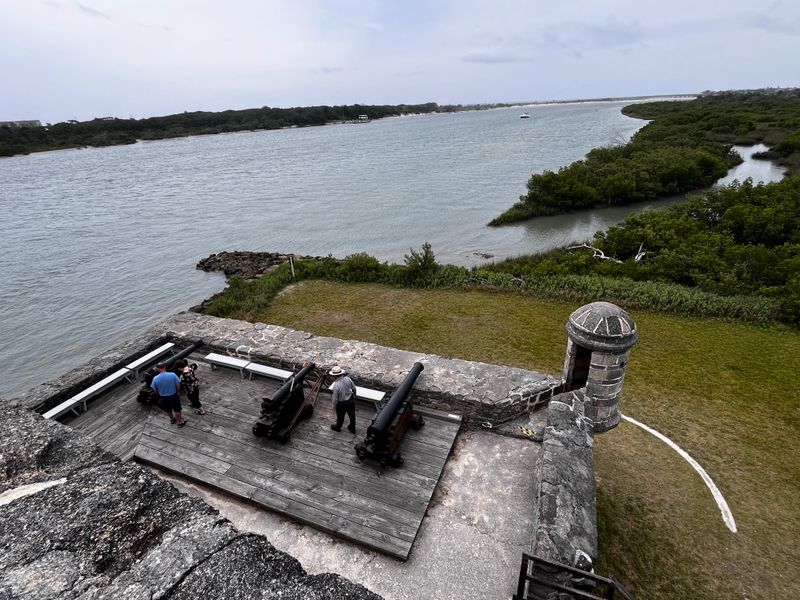
After the ride back, the picnic tables invite a short victory lap. Shade sits kindly under the oaks, and breezes thread through maps and memories.
I like a simple lunch and a slow recap of what the inlet taught. Kids spy crabs below the pier, someone spots an osprey, and time widens in Florida.
That last look toward the island draws a line under the day.
Before leaving, I check the signboard for seasonal notes or bird sightings. The staff updates keep curiosity active, which is the best souvenir.
Then the road north feels lighter, like the tide just turned in your favor.
Share this story