Some roads exist just to get you from point A to point B. Then there are the routes that make you forget the alphabet entirely.
Coastal drives offer something special: that perfect combo of ocean views, winding curves, and the kind of scenery that makes you pull over seventeen times before lunch. Whether you’re chasing dramatic cliffs, charming seaside towns, or bridges that look like they’re defying physics, these 14 routes deliver the kind of beauty that turns a simple drive into a full-blown adventure.
Great Ocean Road, Australia
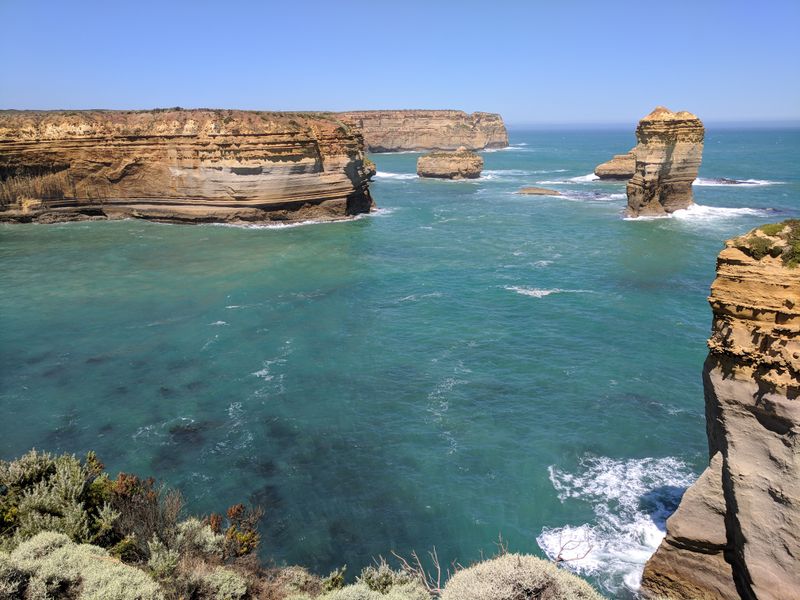
The first curve out of Torquay feels like the start of a movie, except the special effects are real and the starring role goes to the coastline all the way to Allansford. It’s about 243 km of cliffs, beaches, and quick stops that turn into hour-long stops because your eyes refuse to cooperate.
Sea stacks and surf-town swagger define this legendary stretch. The Twelve Apostles steal most of the attention, and rightfully so, but honestly the whole drive serves up one knockout view after another.
You’ll find yourself saying things like “Wait, is that real?” more often than you’d expect.
Towns like Lorne and Apollo Bay pop up with cafes and beaches that tempt you to abandon your itinerary entirely. The road twists through rainforest patches before opening back up to ocean panoramas that make you grateful for guardrails.
Built by returned soldiers between 1919 and 1932, it’s both a memorial and a masterpiece.
Pack snacks, charge your camera, and prepare for the kind of drive where every kilometer tries to outdo the last one.
Pacific Coast Highway, California, USA
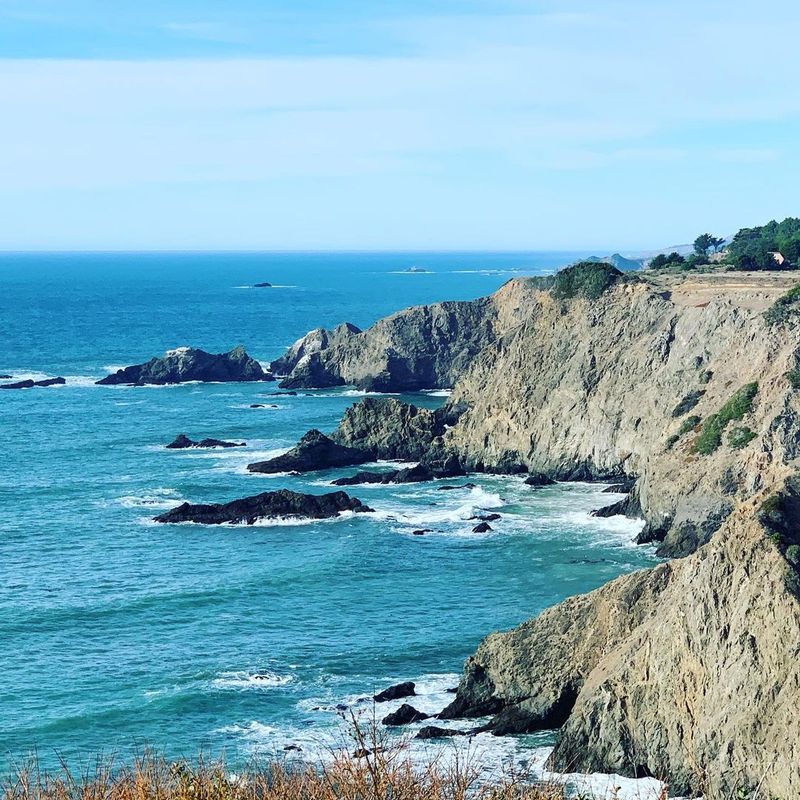
Some roads flirt. This one commits.
California’s Highway 1 stretches for 650+ miles, and the Big Sur section is the part that makes you forget what “checking the time” even means. Pullouts come fast, and so does the urge to say “Okay, one more view” 19 times.
Big Sur is the main character here, and it knows it. Cliffs drop straight into the Pacific like they’re showing off, while fog rolls in and out like it’s got somewhere important to be.
Bixby Bridge alone is worth the trip, but then McWay Falls shows up with its whole waterfall-onto-beach situation and steals the show.
Drive north from San Luis Obispo or south from Carmel, either way you’re in for something special. Elephant seals lounge at certain beaches like they own the place, which, fair enough, they kind of do.
The road hugs the coastline so closely you’ll feel like you’re driving on the ocean itself.
Bring layers because coastal California weather has commitment issues, and leave extra time because you will stop more than planned.
Chapman’s Peak Drive, Cape Town, South Africa
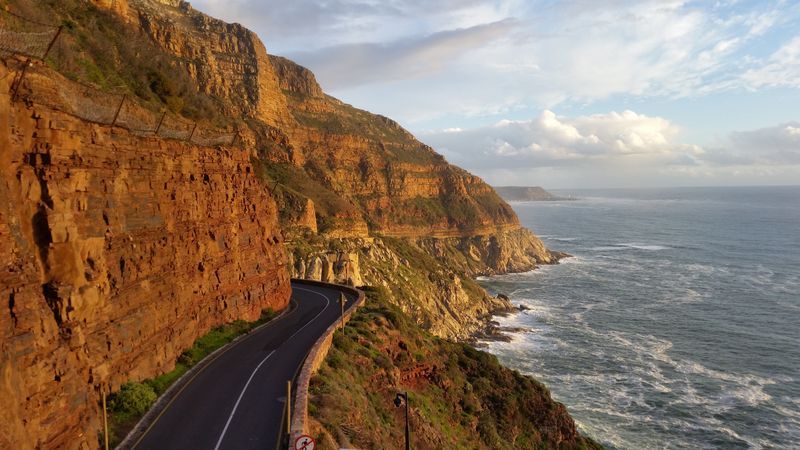
Nine kilometers sounds cute until you learn it packs in 114 curves between Hout Bay and Noordhoek with the Atlantic flexing beside you. It’s the kind of road that makes you sit up straighter like the cliffs are judging your posture.
Short drive, huge bragging rights. Chapman’s Peak Drive clings to the mountainside about 600 meters above sea level at its highest point, and every turn reveals another postcard moment.
The road was blasted out of solid rock between 1915 and 1922, which explains why it feels like someone really committed to the drama.
Baboons sometimes hang out near the viewpoints, acting like local celebrities who know they’re photogenic. The toll is small, the views are massive, and the whole experience takes maybe 20 minutes if you drive straight through, which nobody does because stopping is mandatory.
Sunset timing turns this drive into something almost unfairly beautiful, with golden light hitting the cliffs and ocean simultaneously. Wind can get assertive here, so hold onto your hat and maybe your passengers too.
Atlantic Ocean Road, Norway
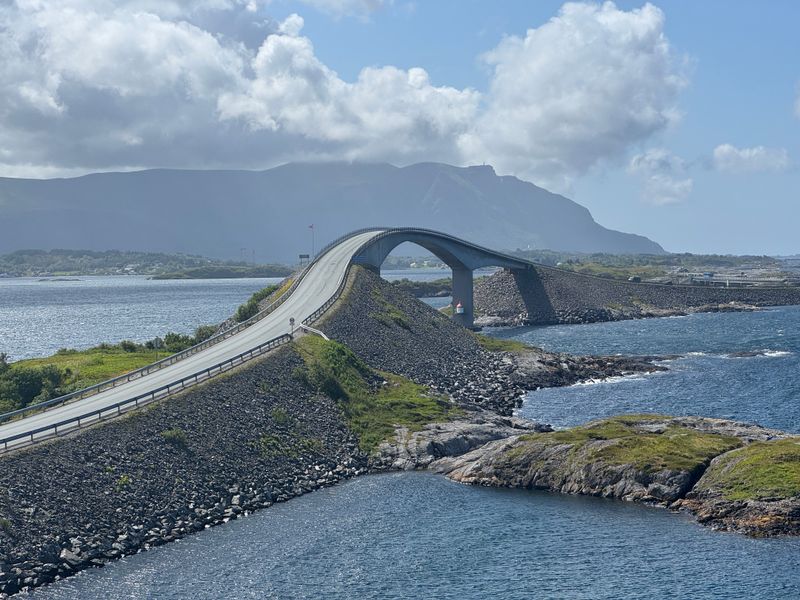
This famous stretch of Atlanterhavsveien is all swoops and islands, with those dramatic bridges that look like they were designed by someone who drank too much coffee and then nailed it. The “scenic route” experience extends beyond the iconic section, but either way, wind is basically a co-driver here.
Bridges doing parkour over the sea describes it perfectly. The road connects islands via eight bridges, and the Storseisundet Bridge is the one that photographs like it’s launching cars into space.
Opened in 1989, it took six years to build and has since become one of Norway’s most visited attractions.
Stormy days turn this into a full adventure movie, with waves crashing over the road and spray hitting windshields. Calm days offer crystal-clear views of the Norwegian Sea and surrounding peaks.
Either way, it’s spectacular.
The full route runs about 8.3 km, which sounds short until you realize you’ll want to stop at every single viewpoint and bridge. Fishing villages dot the area, and the whole region feels like nature decided to show off its engineering skills.
Amalfi Drive, Italy
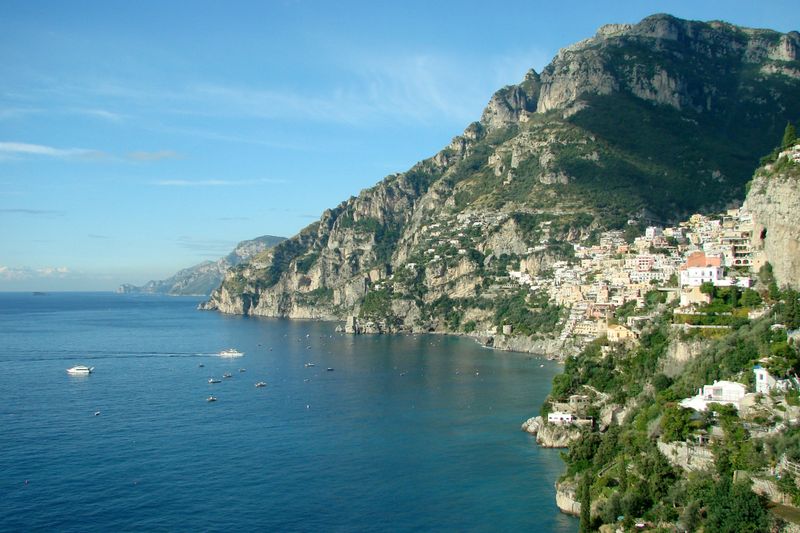
The SS163 runs along the Amalfi Coast for about 50 km, carved into cliffs with towns clinging to slopes like they’re determined to be photogenic forever. It’s stunning and narrow, and it teaches patience in a very Italian way.
Beauty, buses, and a little chaos sum up the experience. Positano, Amalfi, and Ravello steal most of the attention, each one more charming than the last.
The road curves constantly, with the Tyrrhenian Sea glittering on one side and lemon groves perfuming the air on the other.
I drove this route once and spent more time backing up to let buses pass than actually moving forward, but somehow that became part of the charm. Everyone waves, everyone’s patient, and the views make any delay completely worth it.
Built in the 1850s, the road connects villages that were once only accessible by sea. Parking is a competitive sport here, so arrive early or embrace the local bus system.
Either way, bring your appetite because the food situation is as impressive as the scenery, and that’s saying something.
North Coast 500, Scotland
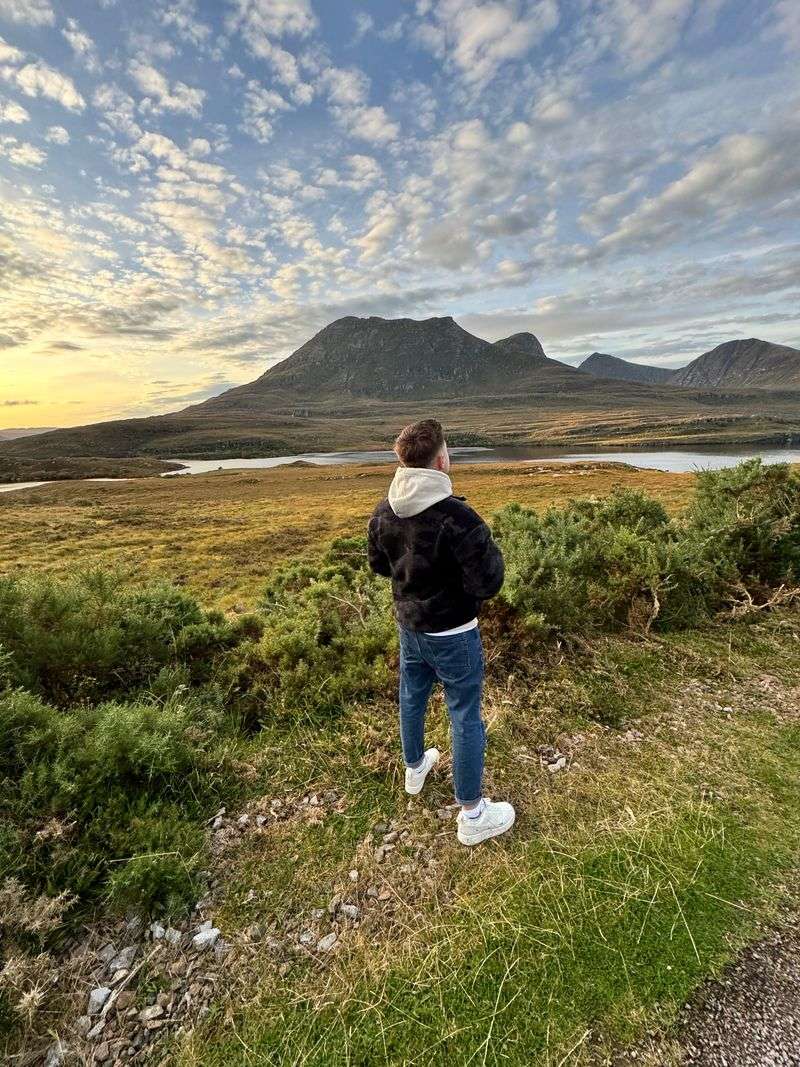
The NC500 loops for just over 500 miles around Scotland’s far north, serving castles, coastline, and moody skies that deserve their own agent. It’s one of those trips where the weather changes every five minutes, and somehow that’s part of the charm.
Five hundred miles of “Wait, stop the car” is accurate. Starting and ending in Inverness, the route circles through places like Applecross, Durness, and John o’ Groats.
Single-track roads with passing places teach you a new kind of driving courtesy, and sheep have zero respect for your schedule.
Beaches appear where you least expect them, looking like they belong in the Caribbean except for the temperature. Ancient castles pop up regularly, some ruins, some still standing, all atmospheric.
The west coast section delivers the most dramatic scenery, with mountains meeting sea in ways that make you understand why Scotland invented the word “bonnie.”
Launched in 2015, the NC500 has become Scotland’s answer to Route 66. Pack layers, waterproofs, and snacks because services can be sparse.
The midges in summer are legendary, so bring repellent or embrace your new role as a buffet.
Cabot Trail, Nova Scotia, Canada
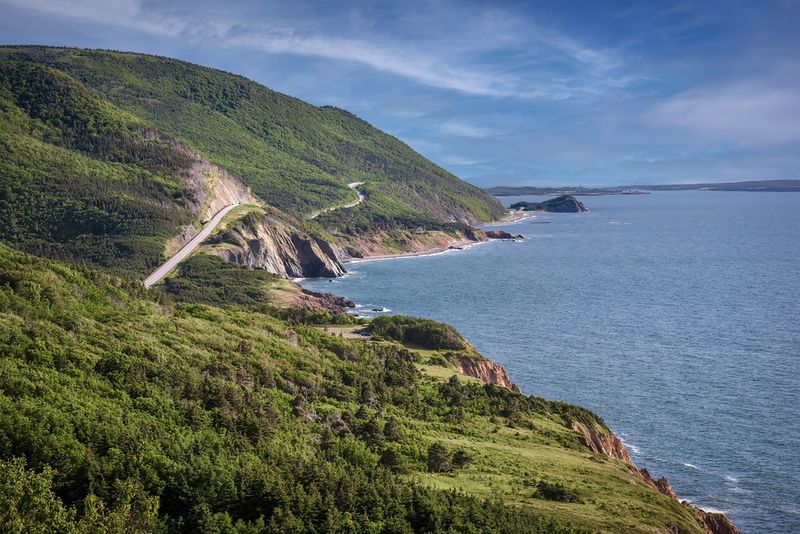
The Cabot Trail is a 298 km loop around Cape Breton Island, weaving through coastal lookoffs and the Cape Breton Highlands like it’s showing off on purpose. Expect those moments where you go quiet because the scenery just stole your words.
Where the ocean views refuse to quit describes every kilometer. The western section climbs through Cape Breton Highlands National Park with viewpoints that overlook the Gulf of St. Lawrence.
Whales breach offshore during migration season, and moose occasionally wander across the road like they’re auditing your driving skills.
Fall foliage turns this route into a color explosion, with maples competing for attention against the blue Atlantic backdrop. Fishing villages like Chéticamp and Pleasant Bay offer Celtic music, fresh seafood, and the kind of Maritime hospitality that makes you want to move there immediately.
The trail opened in 1932 and remains one of Canada’s most celebrated drives. Clockwise or counterclockwise both work, though some prefer clockwise to keep the ocean-side closer.
Either direction, pack binoculars for whale watching and prepare for switchbacks that demand respect and reward attention with unforgettable panoramas.
Ring of Kerry, Ireland
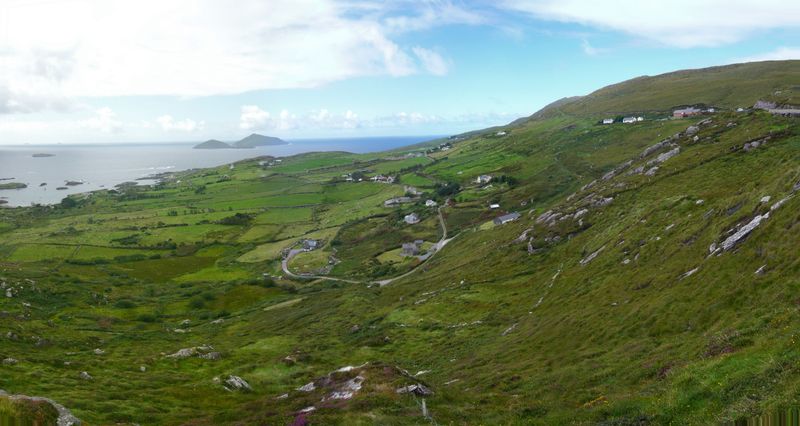
This classic route runs from Killarney via N71 to Kenmare, then hugs the coast on the N70 before looping back toward Killorglin. It’s pure Ireland: sea views, green hills, and the constant temptation to pull over for “just a quick look.”
A loop that keeps landing knockout punches is the perfect description. The full circuit covers about 179 km through County Kerry, passing beaches, mountains, and villages that look like they were designed by someone with a serious appreciation for charm.
Ladies View offers panoramas that Queen Victoria’s ladies-in-waiting loved so much the spot got named after them.
Skellig Michael rises offshore like something from a fantasy novel, which makes sense since it literally appeared in one of the biggest film franchises ever. The road can get busy with tour buses, so driving counterclockwise or starting early helps avoid traffic.
Stone walls divide impossibly green fields where sheep outnumber people significantly. Pubs appear in villages with names you’ll mispronounce confidently, serving Guinness and traditional music.
The whole route feels timeless, like Ireland decided to showcase everything it does best in one convenient loop.
Wild Atlantic Way, Ireland
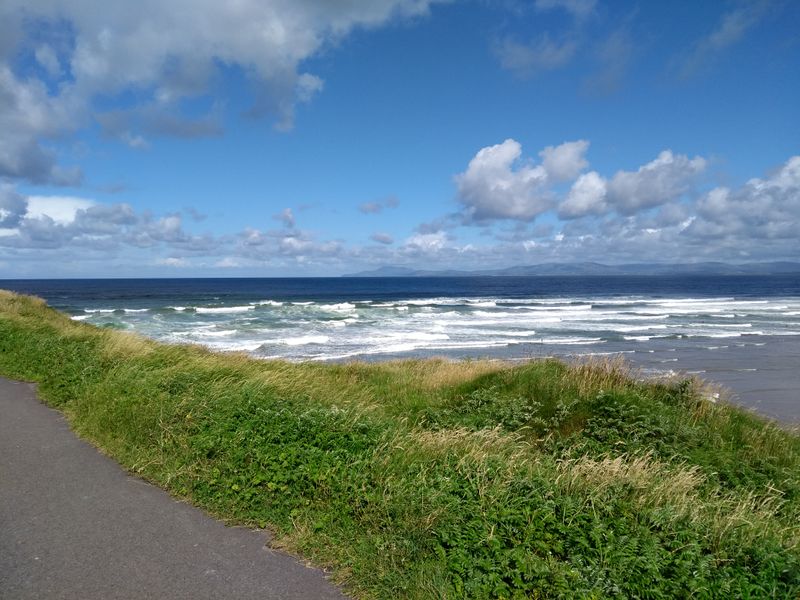
At about 2,600 km (around 1,600 miles), this is one of the longest defined coastal touring routes in the world, running from Donegal’s Inishowen area down to Kinsale, County Cork. You do not “finish” it so much as you surrender to it.
One coastline, many personality disorders captures the variety perfectly. The route touches nine counties and hundreds of viewpoints, each section offering completely different vibes.
The northern stretch serves up rugged cliffs and wild beaches, while the south brings harbor towns and gentler landscapes.
The Cliffs of Moher are the celebrity stop, drawing massive crowds for good reason. But honestly, dozens of lesser-known spots along the way deliver equal beauty with fraction of the tourist traffic.
Slieve League cliffs in Donegal are nearly three times higher and often quieter.
Launched in 2014, the Wild Atlantic Way transformed Ireland’s west coast into a unified touring route. You could spend weeks exploring it properly, or pick sections based on time and interests.
Either approach works because every stretch offers something memorable. Just accept that your camera roll will explode and plan accordingly.
Causeway Coastal Route, Northern Ireland
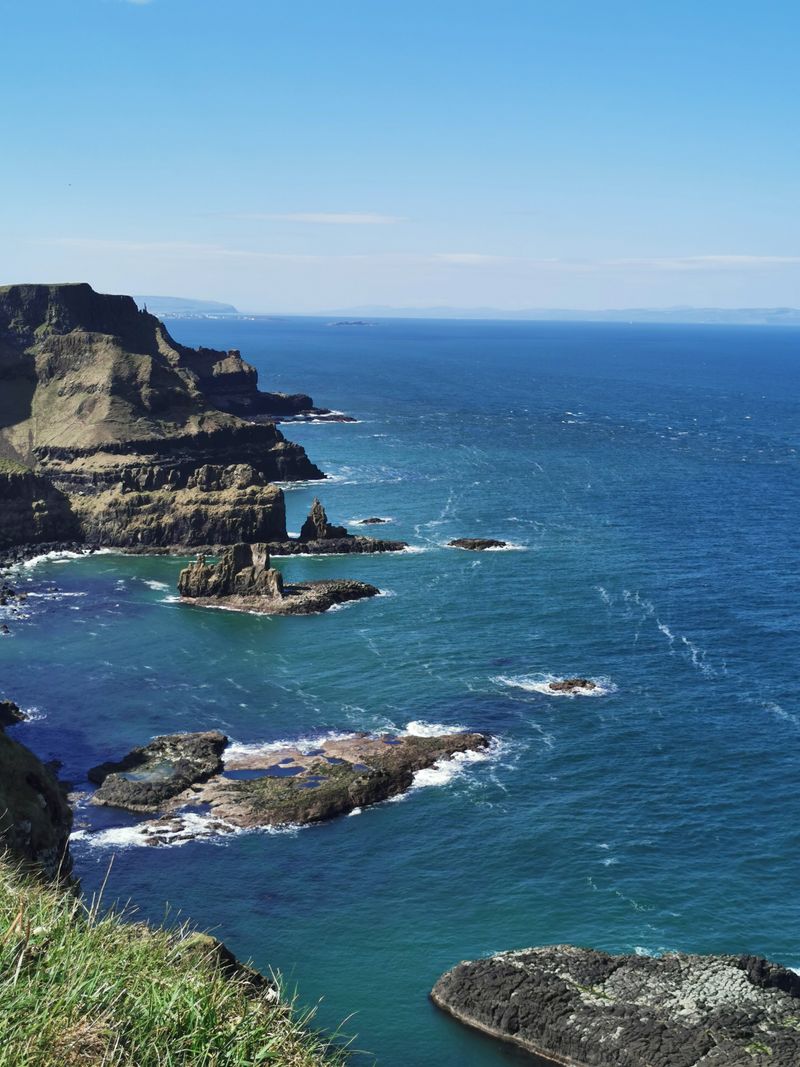
This 185 km drive stretches from Belfast to Derry, stitching together coastal villages, big viewpoints, and legendary scenery. It’s the kind of route where you keep saying “This can’t be the next stop” and then it is.
Castles, cliffs, and the Giant’s Causeway cameo define the experience. The hexagonal basalt columns at Giant’s Causeway look computer-generated but formed from volcanic activity about 60 million years ago.
UNESCO World Heritage status confirms what your eyes already know: it’s spectacular.
Dunluce Castle ruins perch on a cliff edge like they’re auditioning for every fantasy movie ever made. Carrick-a-Rede rope bridge connects the mainland to a tiny island, swaying over a 30-meter drop that tests your nerve and delights your inner thrill-seeker.
The Glens of Antrim add valleys and waterfalls to the coastal drama, while towns like Ballycastle and Portrush offer fish and chips that taste better with ocean air. Game of Thrones filmed multiple locations along this route, so fans get bonus excitement recognizing backdrops.
The whole drive feels like Northern Ireland showing off its entire highlight reel in one convenient stretch.
Garden Route, South Africa
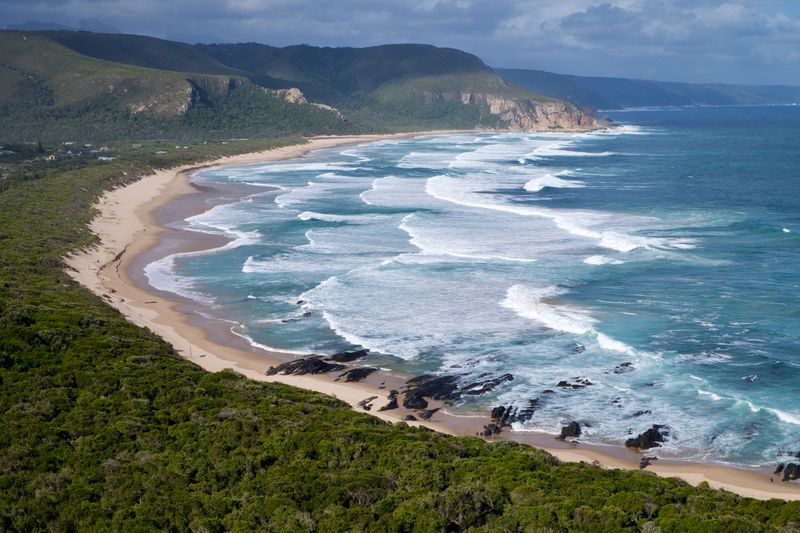
The “Garden Route” is commonly described as stretching roughly 200 km, from Mossel Bay to Storms River, and it’s packed with beaches, forests, and that outdoorsy buzz that makes you suddenly believe you’re the kind of person who hikes before lunch.
Coastline meets wildlife energy in this beloved stretch. Tsitsikamma National Park brings suspension bridges over river mouths and hiking trails through ancient forests.
Knysna offers a famous lagoon flanked by dramatic sandstone cliffs called The Heads, where restaurants serve oysters fresh from the water below.
Plettenberg Bay delivers beaches that look tropical but sit in the temperate zone, with whales visiting during calving season. Monkeyland and Birds of Paradise sanctuaries let you walk among free-roaming primates and colorful birds in massive enclosures that feel more like forests than cages.
The route earned its name from the diverse vegetation, not formal gardens, though plenty of those exist too. Ostrich farms, elephant sanctuaries, and bungee jumping off Bloukrans Bridge (the world’s highest commercial bridge bungee) add variety.
It’s the kind of drive where nature and adventure activities compete for your attention constantly.
Road to Hana, Maui, Hawaii, USA
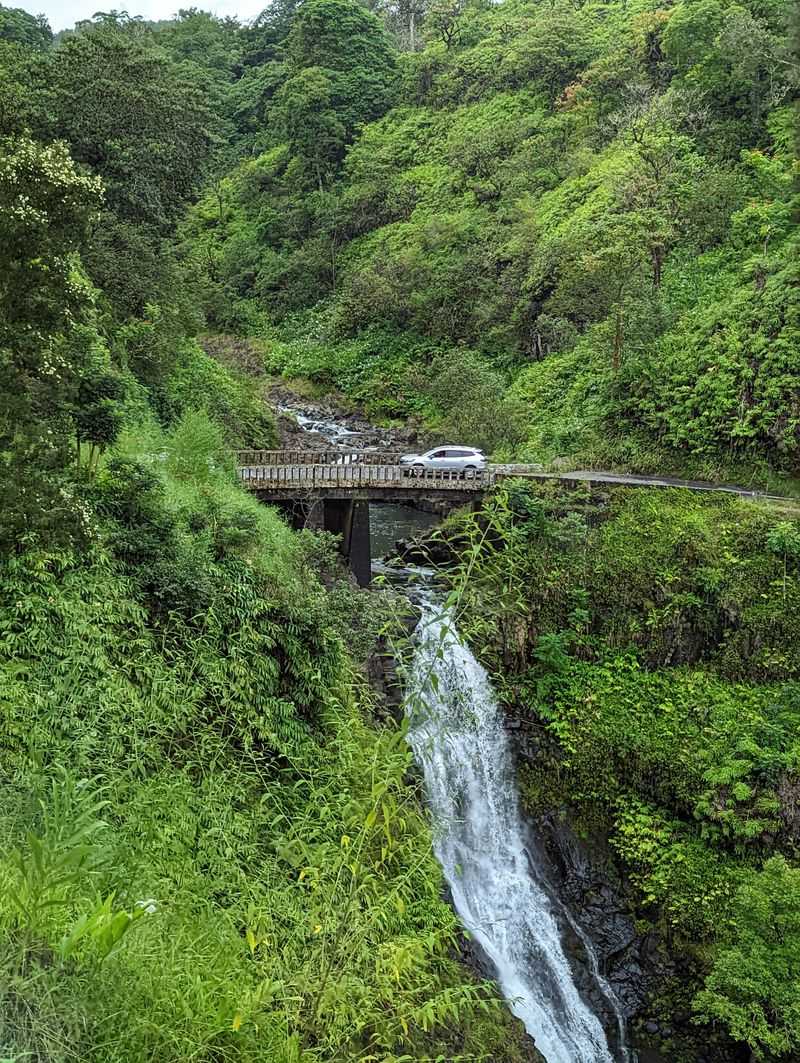
The Road to Hana is about 64.4 miles along Hawaii Route 360, linking Kahului and Hana, famous for narrow sections, hairpin turns, and frequent “pull over politely” moments. It’s gorgeous, but it rewards calm driving and good manners.
Waterfalls, one-lane bridges, and pure drama describe every mile. You’ll cross 59 bridges (most one-lane) and navigate over 600 curves through rainforest so lush it looks fake.
Waterfalls appear roadside like Hawaii couldn’t decide where to put them all, so it just scattered them everywhere.
Twin Falls and Wailua Falls are popular stops, but dozens more hide along the route. Bamboo forests, black sand beaches, and roadside fruit stands selling banana bread create constant temptation to stop.
The town of Hana itself is small and quiet, but the journey is absolutely the destination here.
Start early because the drive takes 2-3 hours minimum without stops, and you will stop. A lot.
Locals use this road daily, so pull over to let faster traffic pass. The road continues past Hana to Kipahulu and the Pools of Oheo, adding more scenery if you’re not already overwhelmed.
Bring snacks, patience, and a full tank.
Adriatic Highway D8, Croatia
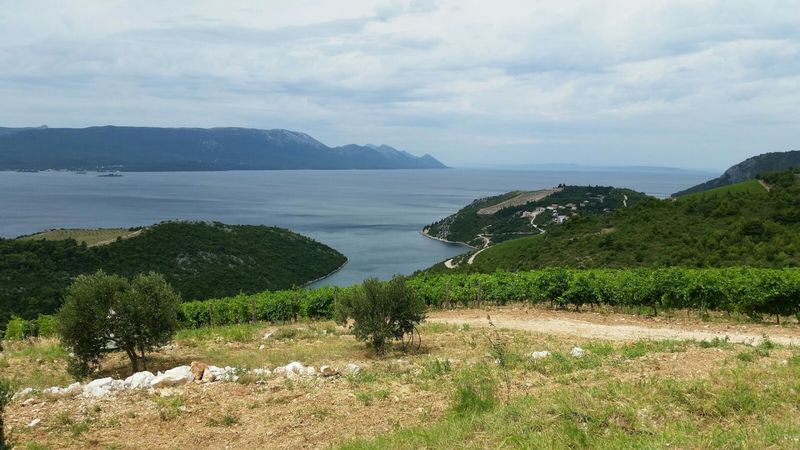
Croatia’s D8, also known as the Jadranska magistrala, runs along the Adriatic coast, with the classic scenic run often described between Rijeka and Dubrovnik. It’s sea on one side, stone towns on the other, and an unreasonable number of “I’ll just take one more photo” incidents.
Blue water, old towns, and nonstop pull-offs sum it up perfectly. The highway passes through or near Split, Zadar, Šibenik, and countless smaller villages where medieval architecture meets modern beach culture.
Islands dot the horizon like someone scattered them on purpose for visual interest.
Dalmatian Coast sections offer the most dramatic scenery, with the road hugging cliffs above water so clear you can see the seabed from your car. Pebble beaches appear regularly, each one tempting you to abandon your plans and just swim instead.
Built in various stages throughout the 20th century, the D8 replaced older routes and connected previously isolated coastal communities. Summer traffic can get heavy, especially near popular cities, but the views never get old.
Fresh seafood, excellent wine, and affordable prices make Croatia’s coast feel like a secret that’s slowly getting out.
Corniche d’Or, French Riviera, France
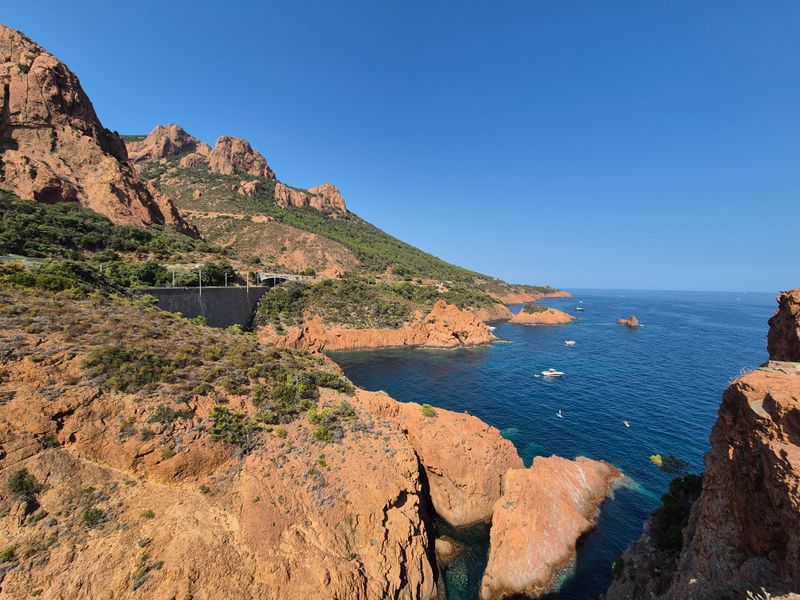
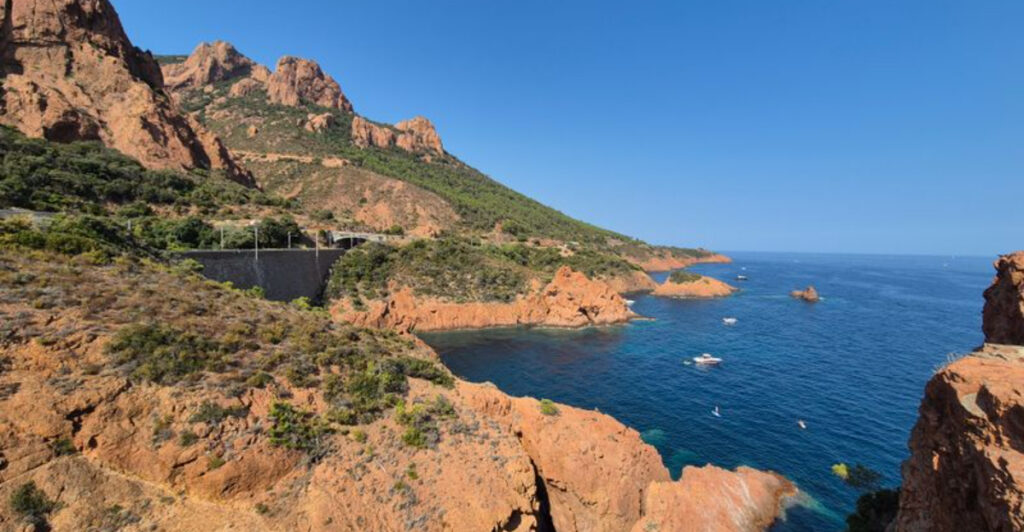
The Corniche d’Or links Saint-Raphaël to Cannes, cutting past the red rocks of the Estérel massif with the Mediterranean glowing beside you. It was inaugurated in 1903, and it still feels like a road built specifically for people who enjoy scenic flexing.
Red rock and turquoise water showing off together creates contrast so vivid it looks enhanced. The volcanic Estérel mountains provide the red backdrop, while the Med delivers every shade of blue imaginable.
Small beaches hide in coves below, accessible by short trails if you’re willing to leave the car.
The road curves constantly but gently, offering viewpoints without the white-knuckle factor of some coastal routes. Théoule-sur-Mer and other small towns along the way provide cafes and restaurants where you can sit outside and pretend you live here.
Less famous than some French Riviera spots, the Corniche d’Or delivers equal beauty with less attitude. It’s the kind of drive where you roll the windows down, let the sea air in, and remember why coastal roads exist in the first place.
Perfect for sunset timing when the light turns everything golden and the crowds thin out.
Share this story