Train travel doesn’t have to cost a fortune to deliver jaw-dropping views. Around the world, there are routes where the scenery rivals any luxury experience, but the ticket price stays refreshingly low.
Whether you’re crossing mountains, hugging coastlines, or winding through valleys, these 13 train journeys prove that some of the best travel moments come without the hefty price tag.
Kandy to Ella, Sri Lanka
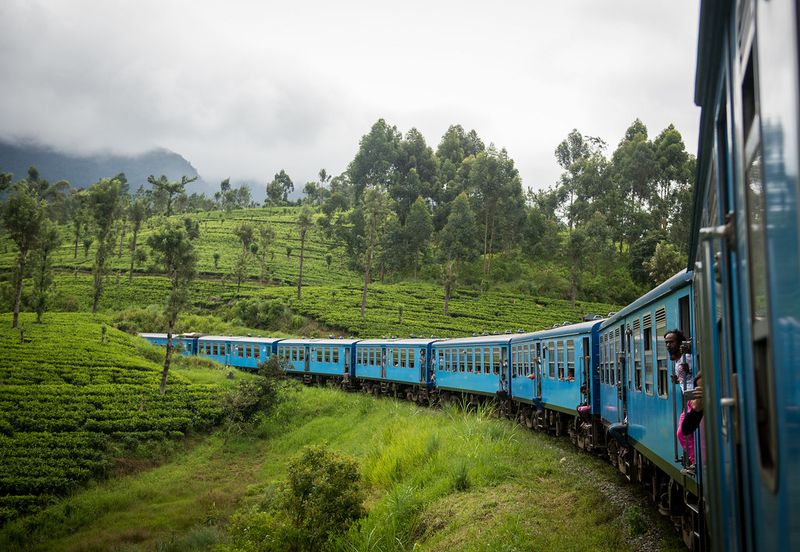
The first time I saw this route, I understood why people lean out of the doors like it’s a national sport. You roll past tea plantations that look like someone painted them in every shade of green imaginable.
Waterfalls show up like surprise guests at a party you didn’t know you were invited to.
Tickets are famously budget-friendly, especially in lower classes. The scenery is premium even when your seat is decidedly not.
Misty ridgelines frame your window like nature’s own slideshow, constantly changing as you climb higher into the hill country.
This journey has become legendary among backpackers for good reason. The combination of dramatic landscapes and wallet-friendly fares makes it almost too good to be true.
Pack your camera, claim a window spot, and prepare for the kind of views that make you forget you paid practically nothing for the privilege.
The route typically takes around seven hours, giving you plenty of time to soak in the scenery. Local trains move at a relaxed pace, which honestly just means more photo opportunities.
Your Instagram feed will thank you later.
Hué to Đà Nẵng, Vietnam
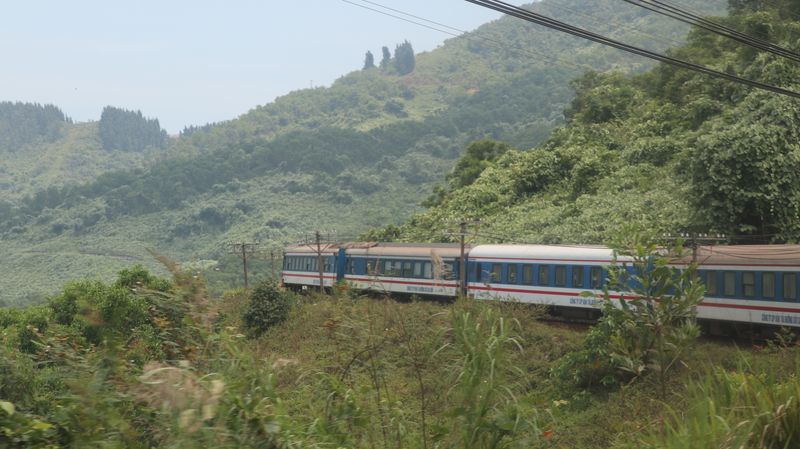
Here’s a fun travel truth: when a train hugs the coastline, productivity disappears. This ride crosses the Hải Vân Pass area with seriously dramatic coastal views.
Mountains tower on one side while the ocean sparkles on the other, creating a visual competition where everybody wins.
Standard fares are typically very low compared with the tourist-oriented options. If you want cheap, book the regular train and let the ocean do the flexing.
The scenery doesn’t care which ticket class you bought, and neither should you.
The route connects two of Vietnam’s most popular cities, making it practical and beautiful simultaneously. You get transportation and entertainment in one tidy package.
Windows become your personal movie screen, playing an endless reel of coastal perfection.
Local trains make several stops along the way, giving you glimpses of small stations and daily Vietnamese life. The journey takes a few hours, but honestly, you’ll wish it lasted longer.
Bring snacks, charge your phone, and settle in for one of Southeast Asia’s most underrated scenic rides.
Bangkok to Nam Tok, Thailand
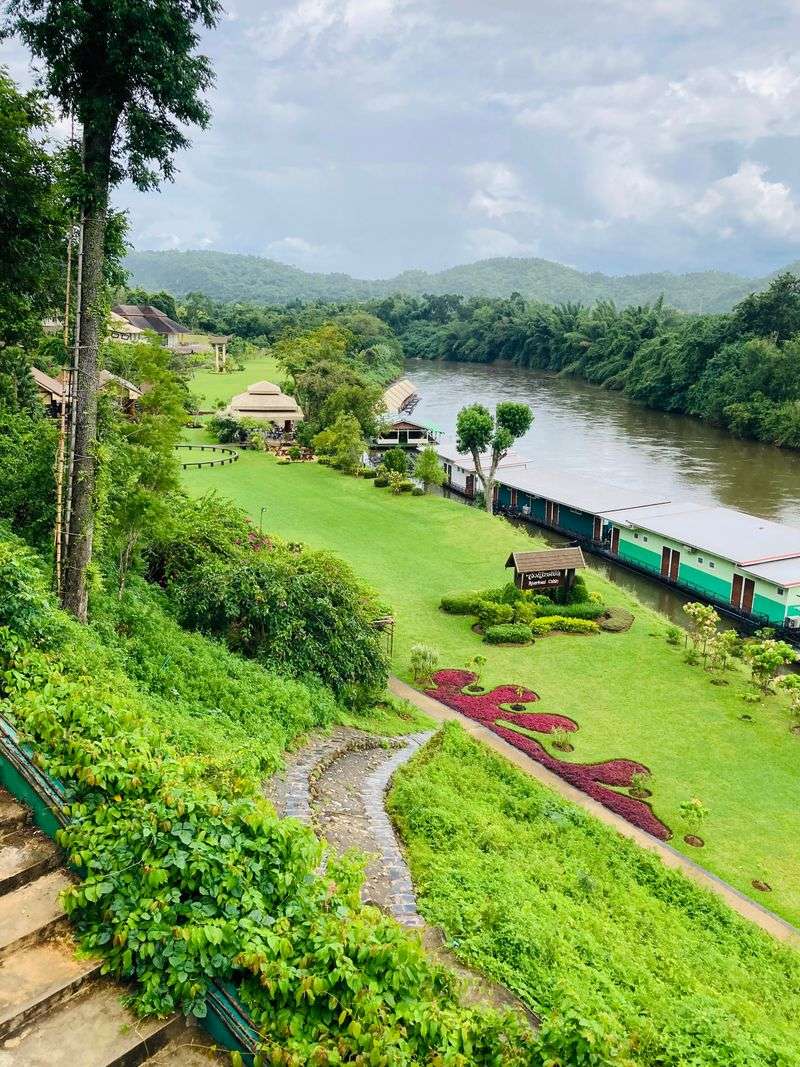
This line carries a lot of history, but it also carries you past green countryside and the famous stretch near the River Kwai area. The landscape shifts from urban Bangkok to rural Thailand in a way that feels almost cinematic.
Jungle-covered hills and river views replace city buildings gradually.
There are a couple departures daily from Bangkok’s Thonburi station. It’s known as a budget-friendly day trip that delivers both scenery and historical significance.
The track itself tells stories if you know where to look.
Bring snacks because your wallet will stay calm but your stomach might not. The journey offers plenty of opportunities to observe Thai countryside life from your window seat.
Small villages, rice paddies, and tropical vegetation create a constantly changing backdrop.
This isn’t a high-speed experience, which actually works in your favor. Slower trains mean more time to absorb the views and appreciate the engineering feat this railway represents.
The combination of natural beauty and historical weight makes this route memorable without being expensive.
Porto to Pinhão or Pocinho, Portugal
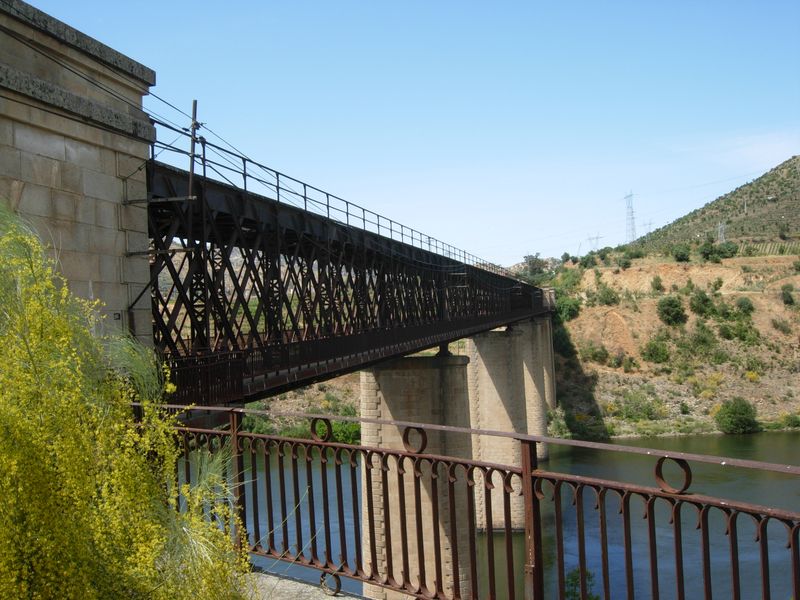
The Douro line is basically Portugal showing off politely. Vineyard terraces cascade down hillsides like green staircases leading to the river below.
The track follows the Douro River through landscapes that wine enthusiasts dream about and photographers obsess over.
Sleepy stations dot the route, feeling like they were built specifically for postcard purposes. It’s a regular public railway, so you can ride it as a simple day trip instead of paying tour prices.
The views don’t change based on what you paid for your ticket.
This journey takes you deep into Portugal’s wine country without requiring a wine tour budget. Villages appear around river bends, each one looking more charming than the last.
The combination of water, terraced agriculture, and traditional architecture creates scenery that feels timeless.
Trains run regularly throughout the day, giving you flexibility in planning. The further you go, the more dramatic the valley becomes.
Whether you hop off at Pinhão or continue to Pocinho, you’re guaranteed landscapes worth the train fare many times over.
La Spezia to Levanto, Italy (Cinque Terre line)
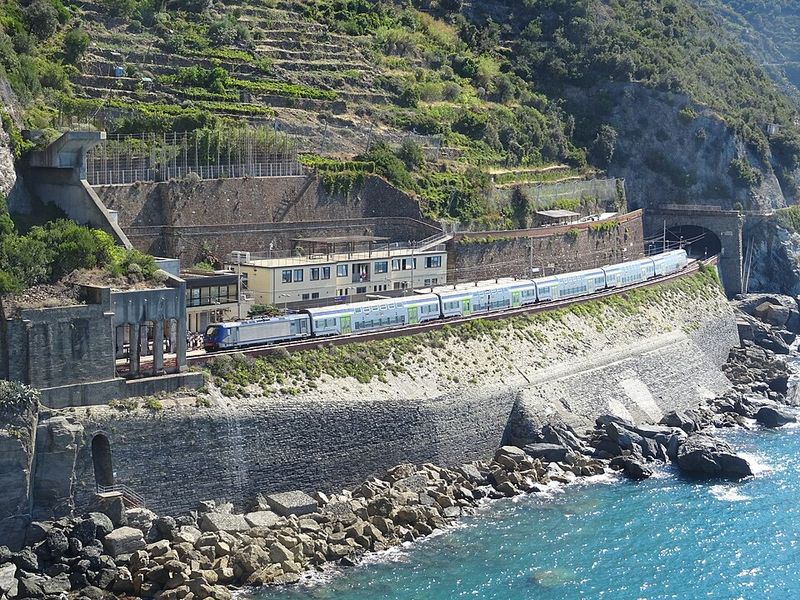
This is the “I’m not hiking today but I still want the views” winner. The local trains bounce between seaside villages fast, connecting five impossibly colorful towns along the Italian Riviera.
Cliffs drop dramatically into the Mediterranean while pastel houses cling to hillsides like they’re defying gravity.
You pay small supplements depending on where you ride within the park zone. Translation: you can do spectacular coastal scenery in bite-sized, budget-friendly hops.
Each village offers its own personality, and the train makes experiencing all of them ridiculously easy.
The journey between stops takes just minutes, but those minutes pack serious visual punch. Tunnels alternate with open stretches where the sea sparkles below.
It’s efficient transportation that doubles as a scenic experience.
Tourists often focus on hiking the coastal trails, but the train offers equally stunning perspectives with zero sweat involved. You can hop on and off throughout the day, exploring villages at your own pace.
The frequency of service means you’re never stuck waiting long for the next ride.
Gloggnitz to Mürzzuschlag, Austria (Semmering Railway)
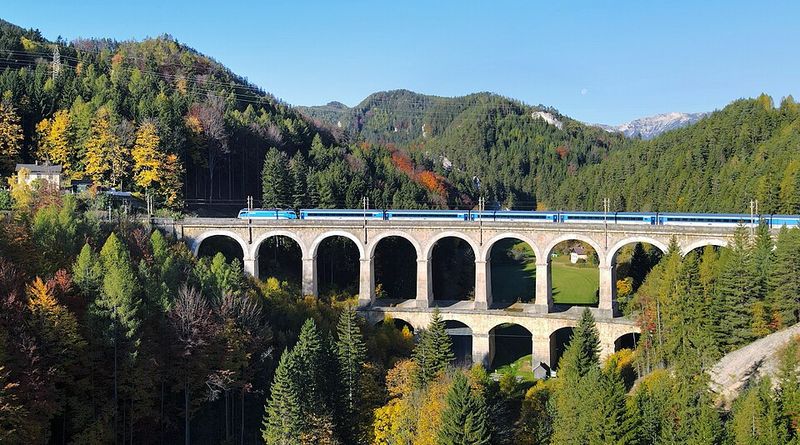
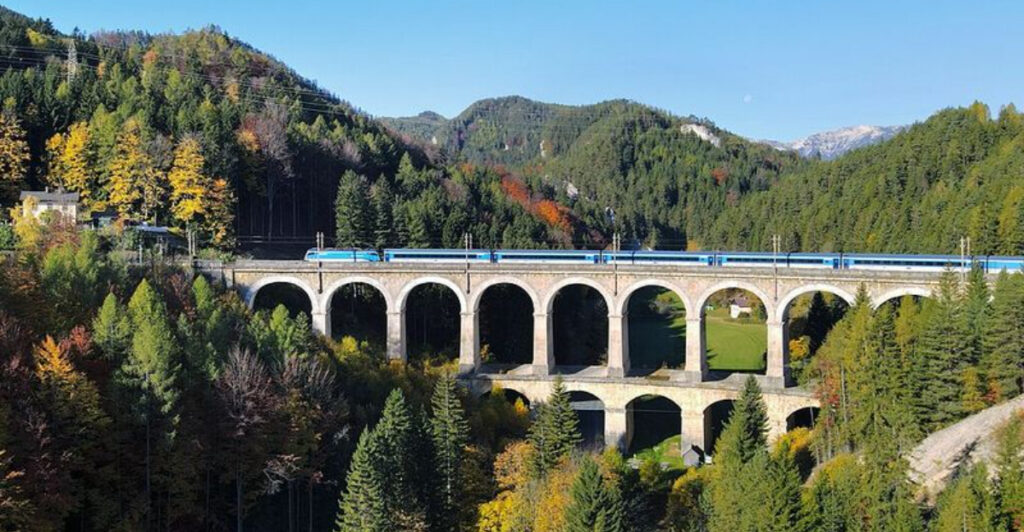
If you like your views with a side of “how did they build this,” Semmering delivers. This UNESCO-listed railway winds through the Austrian Alps using viaducts and tunnels that were revolutionary when completed in the 1850s.
Engineering history surrounds you while forests and valleys provide the natural backdrop.
Modern trains glide through this historical marvel without requiring luxury tickets. It’s part of Austria’s regular network, so you can slot it into normal travel plans.
The scenery shifts constantly as you climb through alpine terrain.
Stone viaducts arch over deep valleys, creating dramatic moments where you’re suspended above forests. Tunnels punch through mountainsides, then spit you back out into sunlight and views.
The entire route feels like a masterclass in 19th-century ambition meeting 21st-century convenience.
This journey proves that old doesn’t mean outdated. The railway still functions as practical transportation while simultaneously offering tourists a scenic ride through Austrian mountain country.
Villages appear in valleys below, looking like toy towns from your elevated perspective.
Tirano to St. Moritz, Switzerland (Bernina Line on regular trains)
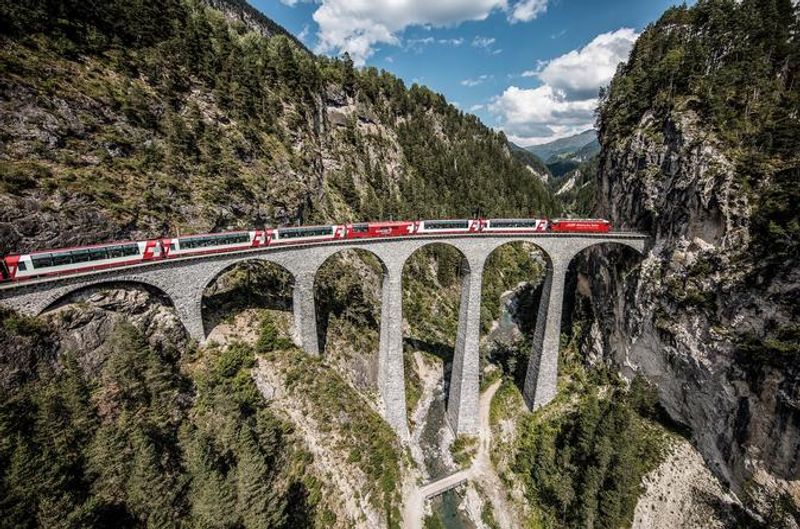
Yes, Switzerland can be pricey. But here’s the loophole: you can ride the exact same Bernina Line views using regular regional trains instead of the panoramic-brand experience.
Same mountains, same wow, usually fewer rules.
You keep more cash for Switzerland’s inevitable snack bill. The route crosses the Alps with scenery that shifts from glaciers to palm trees as you descend into Italy.
It’s geographically dramatic in ways that make you question if you’re still on the same planet.
Circular viaducts spiral up mountainsides while glaciers gleam in the distance. The engineering alone is worth the ticket price, but nature steals the show.
Alpine lakes reflect peaks, and tiny mountain villages look impossibly picturesque against snowy backdrops.
Regular trains follow the identical route as the famous panoramic version. You get the UNESCO-listed railway experience without the premium pricing.
Windows are plenty large enough for the views, and honestly, the scenery is so overwhelming you won’t miss the fancy carriages.
Oslo to Bergen, Norway (Bergen Line)
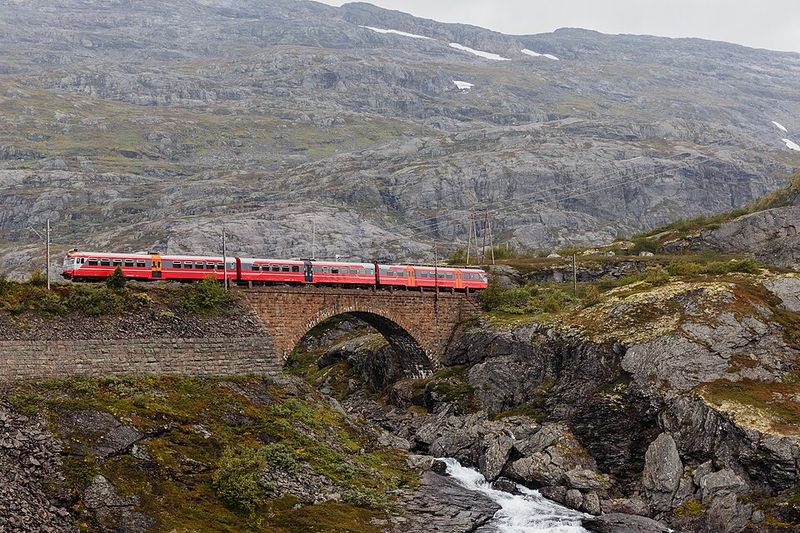
Norway’s Bergen Line is legendary for a reason. The trick to “not draining your wallet” is booking early and shopping the cheapest fare buckets.
You get huge scenery changes as the train climbs from sea level to mountain plateaus, then descends toward fjord country.
Comfy seats and that clean Nordic feeling like the clouds are professionally styled make the journey pleasant beyond just the views. The landscape transforms dramatically over the seven-hour ride.
Forests give way to barren high-altitude terrain, then mountains yield to coastal beauty.
This route crosses some of Norway’s most remote and beautiful terrain. Snow-capped peaks dominate the horizon even in summer at higher elevations.
Lakes appear like mirrors reflecting the sky, and small mountain stations feel wonderfully isolated.
The Bergen Line connects Norway’s two most popular cities while showcasing the country’s natural diversity. It’s practical transportation that happens to be spectacularly scenic.
Windows frame constantly changing views, making the journey feel shorter than it actually is despite the considerable distance covered.
Glasgow to Fort William and Mallaig, Scotland (West Highland Line)
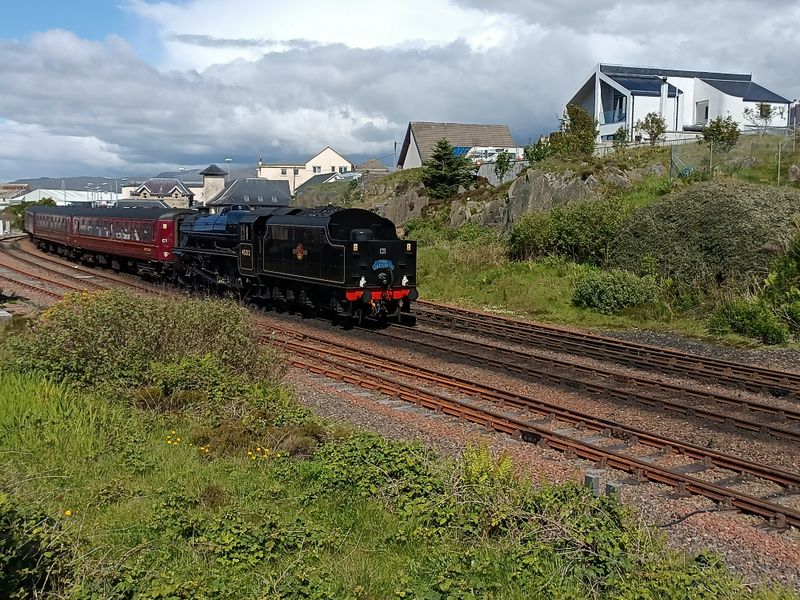
This is the ride that makes you stare out the window like you’re in a music video. Lochs stretch between mountains while moorlands roll past in shades of purple and green.
The line is widely celebrated for its Highland scenery, earning regular spots on “world’s most beautiful train journeys” lists.
You can ride it as regular rail service rather than the pricier steam-train experience. Money-saving fare tips exist for the route too, which is always a comforting sentence.
The landscape delivers Scottish drama without requiring a Hollywood budget.
The famous Glenfinnan Viaduct appears partway through, curving across a valley in a way that’s been photographed approximately one billion times. Mountains loom in every direction, often shrouded in mist that adds atmospheric mystery.
Lochs reflect clouds and peaks, doubling the visual impact.
This journey captures Scotland’s wild beauty perfectly. Small stations serve remote communities, reminding you that this railway provides actual transportation despite being tourist-famous.
The scenery feels ancient and untamed, exactly what people imagine when they think of the Highlands.
Mumbai to Goa, India (Konkan Railway corridor)
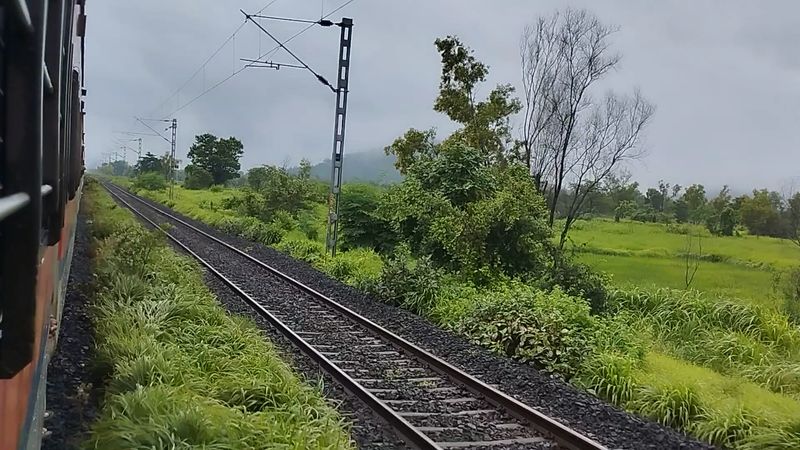
If you’ve ever wanted a train ride that feels like it’s threading a needle through jungle and coastline energy, this corridor is the move. The Konkan route is famous for loads of bridges and tunnels, delivering big scenery in a practical “actual transportation” package.
Pick a class that fits your budget and let the views do the heavy lifting. The railway cuts through the Western Ghats with engineering that’s impressive and scenery that’s stunning.
Rivers wind through valleys below while tropical vegetation crowds the tracks.
This route was a massive construction achievement when completed. The number of bridges and tunnels required to navigate this terrain is staggering.
You experience that engineering firsthand as the train ducks in and out of mountainsides.
During monsoon season, the landscape explodes into green so vivid it almost hurts your eyes. Waterfalls appear on hillsides, and rivers swell with rainwater.
Even in drier months, the tropical scenery and coastal glimpses make this journey memorable. Sleeper-class tickets keep costs low while the views stay premium.
Gemas to Tumpat, Malaysia (Jungle Railway, East Coast Line)
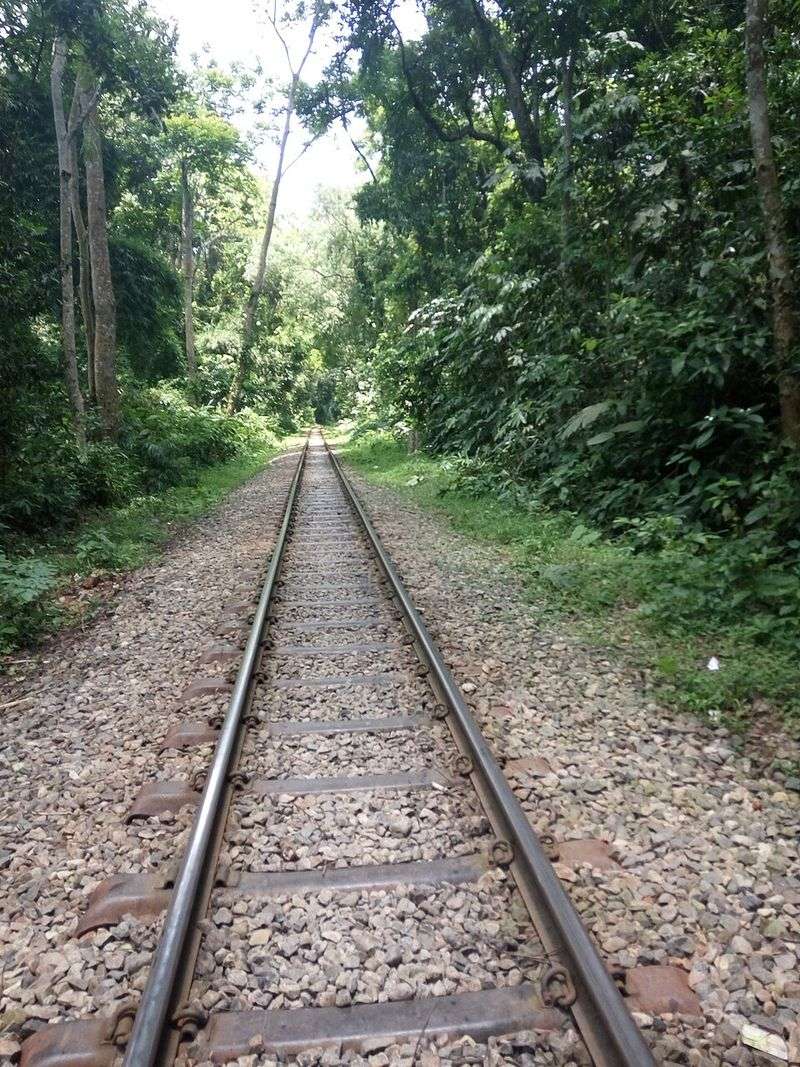
This is the slow-travel anthem. The Jungle Railway cuts through Malaysia’s interior with lush scenery and rural glimpses you just don’t get from highways.
Rainforest crowds the tracks while small rivers wind alongside the route.
It’s known specifically as a scenic ride through the heartland. The railway still functions as practical transportation for communities along the way, not just a tourist attraction.
That authenticity makes the experience richer than any purpose-built scenic route.
Villages appear between jungle stretches, offering windows into rural Malaysian life. Traditional wooden houses on stilts, small farms, and local markets create cultural scenery alongside the natural beauty.
The train moves at a pace that lets you actually see details rather than blur past them.
This journey takes time, which is precisely the point. It’s positioned as a way to experience Malaysia beyond the typical tourist corridors.
The landscapes feel genuinely remote and wonderfully unplugged. If you’re seeking the opposite of high-speed efficiency, this railway delivers perfectly while keeping your budget intact.
Brașov to Sighișoara, Romania
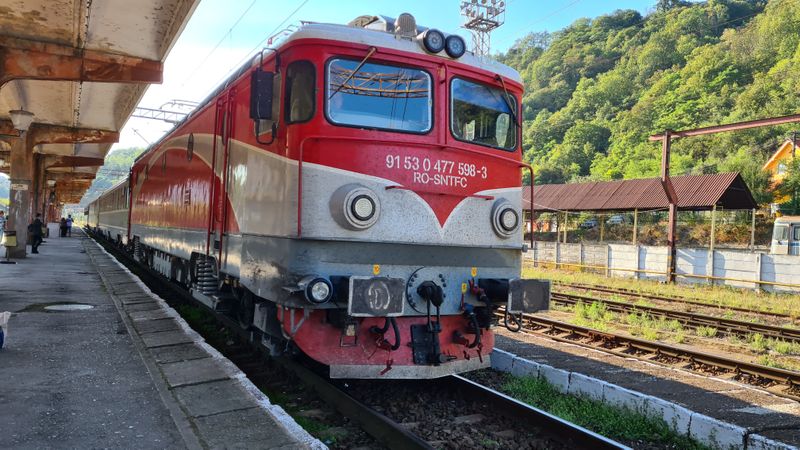
This route is for anyone who wants charming towns and rolling countryside without paying “fairytale surcharge.” Trains run regularly between two of Romania’s most visited stops. The journey takes you through Transylvanian landscapes that look exactly like you’d imagine: pastoral, peaceful, and pleasantly old-fashioned.
Arriving by train makes you feel mysteriously literary for free. Something about pulling into these medieval towns by rail adds romance that buses just can’t match.
The countryside rolls past your window in gentle waves of farmland and forests.
Both Brașov and Sighișoara are architectural gems, and the landscape connecting them doesn’t disappoint either. Small villages dot the route, each with its own church spire and collection of traditional houses.
The scenery feels timeless in the best possible way.
This is straightforward regional rail service that happens to connect two storybook destinations. No premium pricing, no tourist-train theatrics, just reliable transportation through beautiful Romanian countryside.
The simplicity is part of the charm, letting the landscapes and historic towns speak for themselves without unnecessary embellishment.
Córdoba to the Sierras, Argentina (Tren de las Sierras)
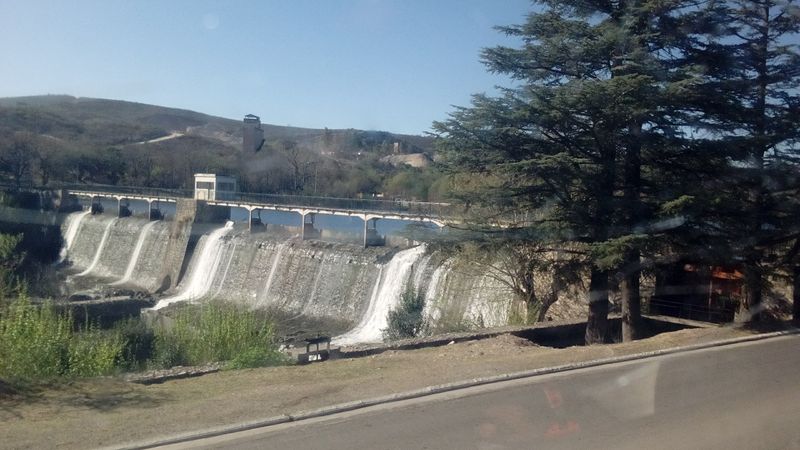
If you like the idea of an easy scenic hop into the hills, this one’s a gem. The published fare tables show low-cost segments, making it accessible for budget travelers.
Mountains rise gradually as you leave Córdoba, transforming urban landscapes into rural beauty.
It’s set up like a true regional service connecting communities in the Sierras. The train winds through valleys and climbs into foothills where the air gets noticeably fresher.
Small towns appear along the route, each offering glimpses of Argentine mountain life.
This isn’t a tourist train pretending to be transportation. It’s actual transportation that happens to be scenic, which somehow makes it better.
The fares look like typos in a good way, especially compared to scenic railways in other countries.
Ride it for the views, then spend the saved money on something important, like pastries. The Sierras provide dramatic backdrops without requiring dramatic budgets.
Argentina’s landscapes deliver plenty of visual interest, and this railway offers an affordable way to experience them beyond the usual tourist circuits.
Share this story