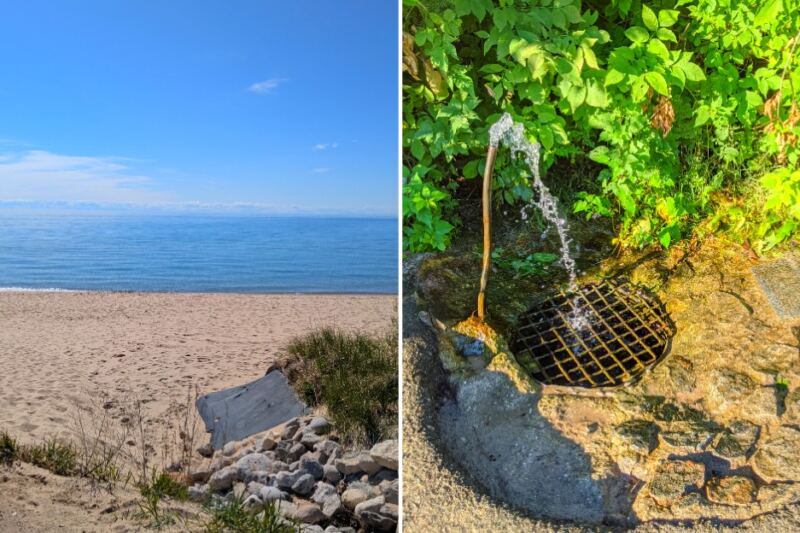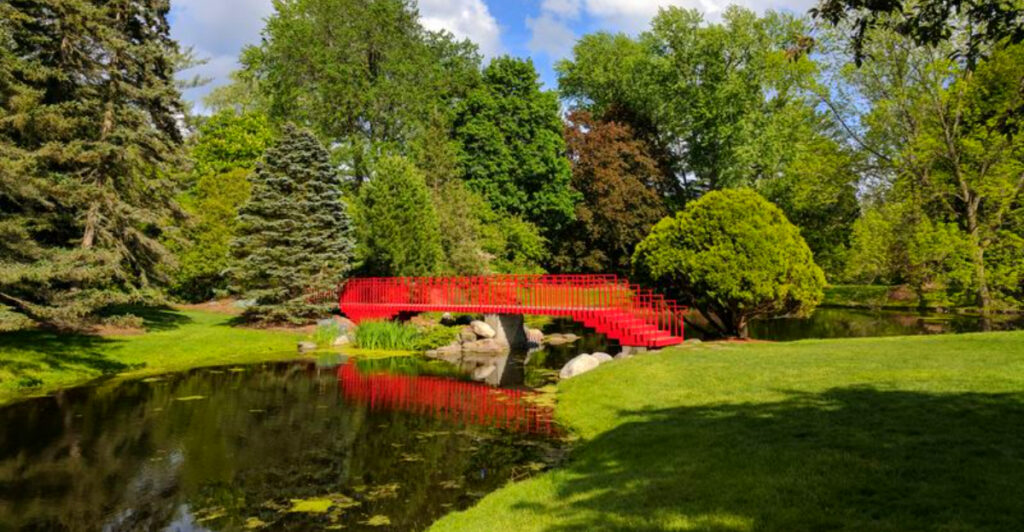
Spring in Michigan signals the start of a new travel season across the state. Gardens reopen, hiking trails become more accessible, and lakeshore communities begin welcoming visitors again.
During this time of year, many parks, scenic drives, and waterfront towns make ideal destinations for day trips or weekend outings. The change in season also brings festivals, outdoor markets, and longer hours at local attractions.
Here are 12 Michigan destinations that stand out during spring, along with a few helpful tips to plan the timing of your visit.
Holland State Park – Holland
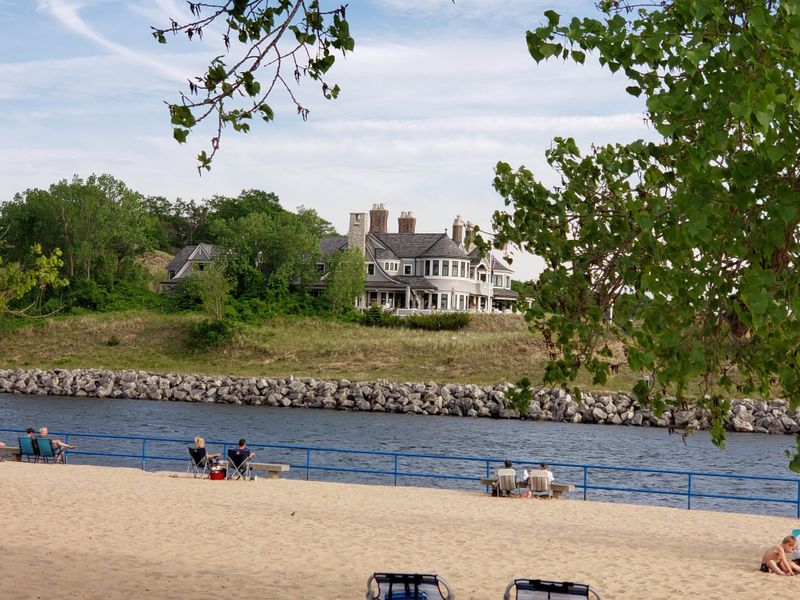
Holland State Park, located at 2215 Ottawa Beach Rd in Holland, is one of the most recognized spring destinations along Lake Michigan. The park offers direct beach access, views of the Big Red Lighthouse, and walking paths that cross scenic dune areas.
As temperatures rise, visitors return for shoreline walks, pier access, and photo opportunities near the channel.
Spring is a practical time to visit before peak summer crowds arrive. Parking is available on-site, though sunny weekends can fill quickly.
Arriving early improves your chances of securing a spot and enjoying quieter paths. The pier provides open views of the lake and is a popular place for photography.
Restrooms and campground facilities typically reopen for the season in spring. Bring layered clothing, as lakeshore temperatures can shift throughout the day.
For those looking to combine a beach walk with a nearby downtown stop, Holland’s shops and restaurants are just a short drive away.
Frederik Meijer Gardens & Sculpture Park – Grand Rapids
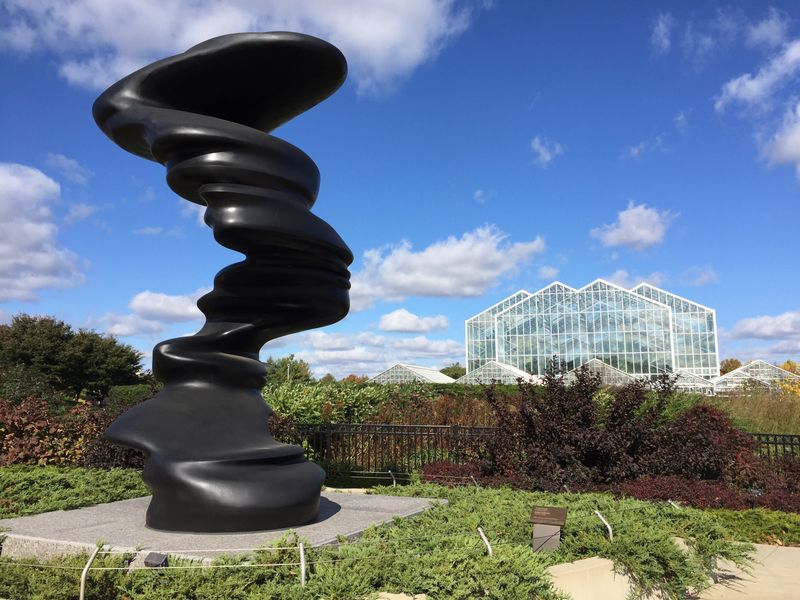
Frederik Meijer Gardens in Grand Rapids combines seasonal flower displays with large-scale sculpture installations across its expansive grounds. Spring is one of the most popular times to visit due to tulip displays, flowering trees, and rotating exhibits.
The outdoor sculpture park allows visitors to move at their own pace along clearly marked walking paths.
The Lena Meijer Conservatory provides year-round indoor exhibits, making this a reliable option even on cooler spring days. The Japanese Garden offers a quieter setting with structured landscaping and water features that encourage slower exploration.
Tickets can be reserved in advance, which is recommended during peak bloom periods. The grounds are well maintained and accessible, making them suitable for families and casual walkers alike.
Parking is ample but fills during special events.
Plan to spend at least two hours here to explore both the gardens and indoor exhibits. Seasonal programming ensures that even repeat visitors will find something new.
Dow Gardens – Midland
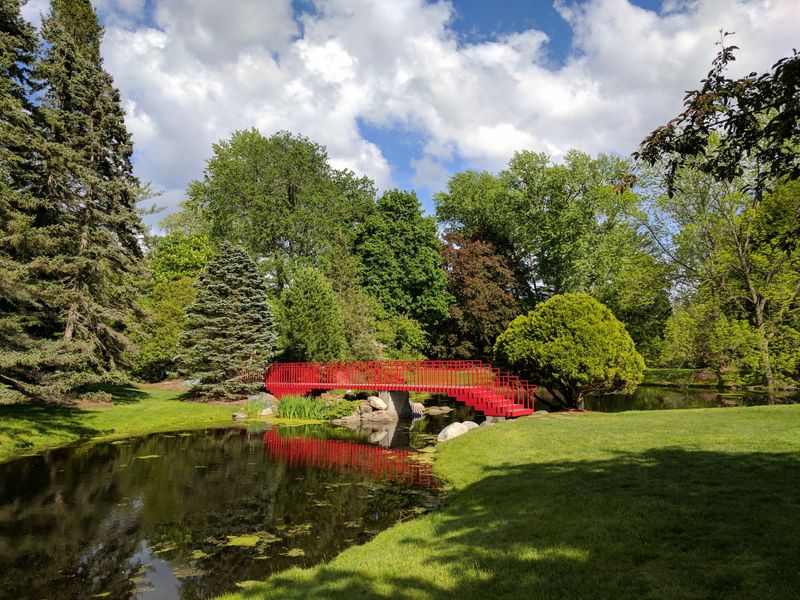
Dow Gardens in Midland offers landscaped walking paths, seasonal flower displays, and access to the Whiting Forest Canopy Walk. Spring highlights include tulips, flowering trees, and carefully designed garden beds that change throughout the season.
The layout encourages visitors to follow winding paths that connect bridges, open lawns, and water features.
The Canopy Walk provides an elevated perspective of the surrounding forest and is a major draw for visitors. It is accessible and clearly marked, making navigation simple.
Entry fees are modest, and tickets can be purchased online or on-site.
Weekends are busier, so weekday visits often allow for easier movement through the grounds. Parking is available near the main entrance.
Comfortable walking shoes are recommended, as the gardens cover a sizable area.
Dow Gardens works well as a half-day trip. Midland’s downtown area is nearby, making it easy to pair the visit with lunch or shopping.
Nichols Arboretum – Ann Arbor
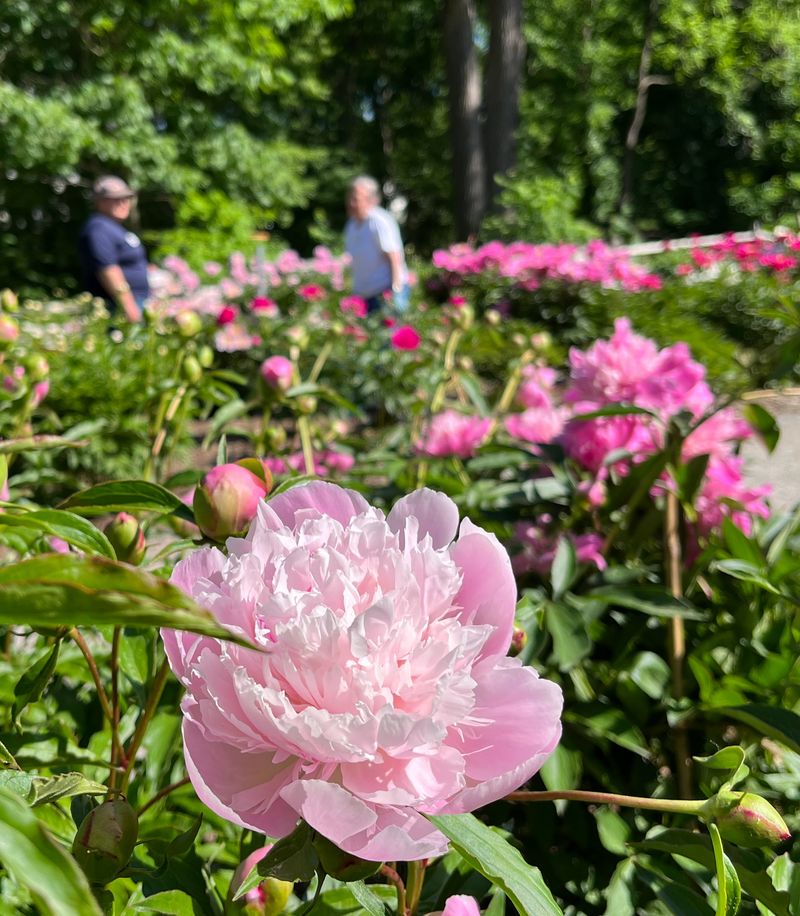
Nichols Arboretum, operated by the University of Michigan, stretches along the Huron River and provides open access to trails, gardens, and natural areas. Spring is an ideal time to visit as trees begin leafing out and the Peony Garden prepares for its late-spring bloom.
The Arb features a mix of open fields, wooded trails, and riverside paths. Trail maps are available online, and signage throughout the property helps visitors navigate.
While entry is free, parking is limited and often requires using nearby street options.
This destination is especially popular with walkers and runners. Waterproof footwear can be helpful in early spring, as some trails may remain soft after rain.
Nichols Arboretum is easy to combine with downtown Ann Arbor, which offers restaurants and shops within a short drive. The space feels expansive while still being close to city amenities.
Tunnel of Trees – Harbor Springs
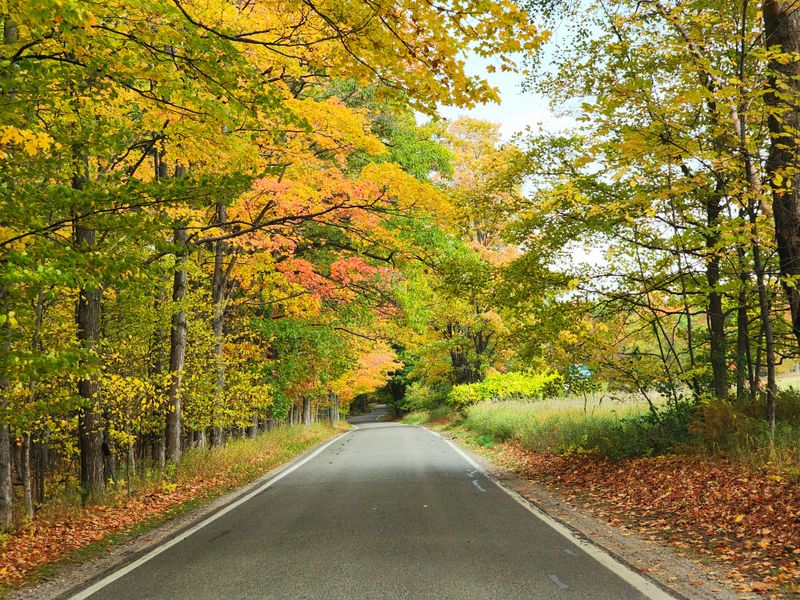
The Tunnel of Trees along M-119 near Harbor Springs is a scenic drive known for its narrow roadway and lake overlooks. Spring brings fresh foliage that gradually forms a canopy over sections of the route.
The road curves along bluffs above Lake Michigan, with small pull-offs and local businesses along the way.
Drivers should take the route slowly, as it is narrow and includes sharp turns. Cyclists also use the roadway, so caution is essential.
Several small shops and cafés open for the season in spring, adding reasons to stop rather than rush through.
Harbor Springs makes a convenient starting or ending point. Parking areas along the drive are limited, so plan stops in advance.
This route is best suited for a relaxed drive rather than a quick pass-through.
Allow extra time for photos and short walks at overlooks. The full stretch offers one of Michigan’s most recognized spring drives.
Sleeping Bear Dunes National Lakeshore – Empire
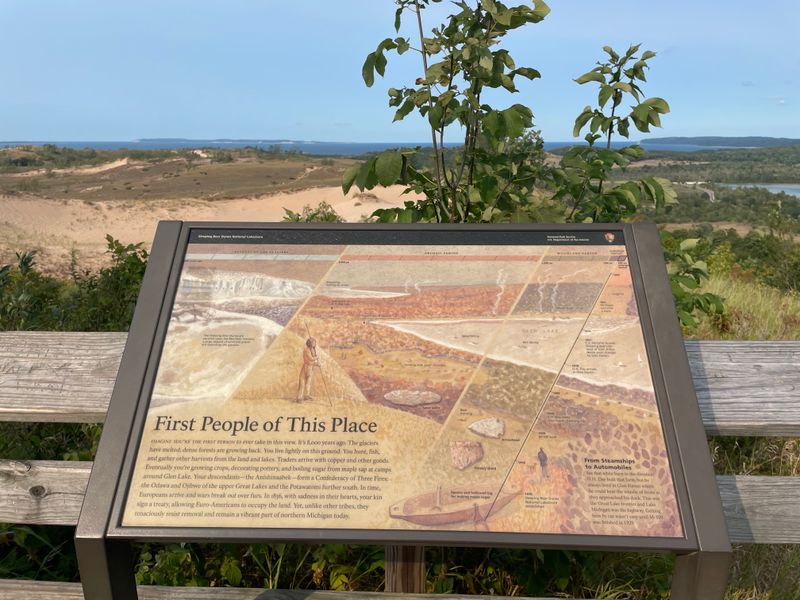
Sleeping Bear Dunes near Empire offers expansive dune landscapes, forest trails, and lake views. Spring provides milder hiking conditions compared to summer heat.
Popular stops include the Dune Climb, Empire Bluff Trail, and Pierce Stocking Scenic Drive once it reopens for the season.
The Dune Climb requires effort but rewards visitors with wide views. The Empire Bluff Trail is shorter and more moderate, making it a practical option for most visitors.
Trail signage is clear, and maps are available at visitor centers.
Weather conditions can change quickly near Lake Michigan, so layered clothing is recommended. Parking lots fill during sunny weekends but are generally manageable in spring.
Empire offers restaurants and small shops nearby, making it easy to extend your visit. Plan for at least half a day to explore both dunes and trails comfortably.
Kensington Metropark – Milford

Kensington Metropark in Milford surrounds Kent Lake and features a paved multi-use trail that loops the water. Spring activity includes biking, walking, birdwatching, and seasonal boat rentals as temperatures rise.
The park includes picnic areas, a nature center, and designated wildlife viewing zones. A vehicle entry pass is required.
Weekends draw families and recreational groups, while weekday mornings tend to be quieter.
The paved trail makes this an accessible option for strollers and cyclists. Restroom facilities reopen seasonally.
Bringing water and snacks is helpful, especially if planning to complete the full loop.
Kensington is a strong choice for those who want a structured outdoor outing with clear amenities and well-maintained paths. Its location between Detroit and Ann Arbor makes it convenient for day trips.
The park’s size allows visitors to spread out, so even on busier days it rarely feels overcrowded. If you are looking for a reliable spring destination with flexible activity options, this park consistently delivers.
Belle Isle Park – Detroit

Belle Isle Park sits in the Detroit River and offers a mix of open green space, waterfront trails, and historic structures. A recreation passport is required for vehicle entry.
Spring is an ideal time to explore before peak summer crowds arrive.
Highlights include the Anna Scripps Whitcomb Conservatory, the Belle Isle Aquarium, and views of the Detroit skyline. Walking paths circle much of the island, allowing visitors to choose shorter strolls or longer loops.
Parking is widely available, though certain attractions may require short walks. Late afternoon visits often provide lighter traffic flow.
The park is easy to pair with downtown Detroit dining or sightseeing.
Belle Isle works well for both casual visitors and those interested in combining outdoor time with cultural stops. Its layout makes it simple to explore multiple attractions in a single visit without feeling rushed.
Plan extra time if you want to tour both indoor conservatory spaces and the outdoor shoreline paths.
Mission Point Lighthouse – Traverse City
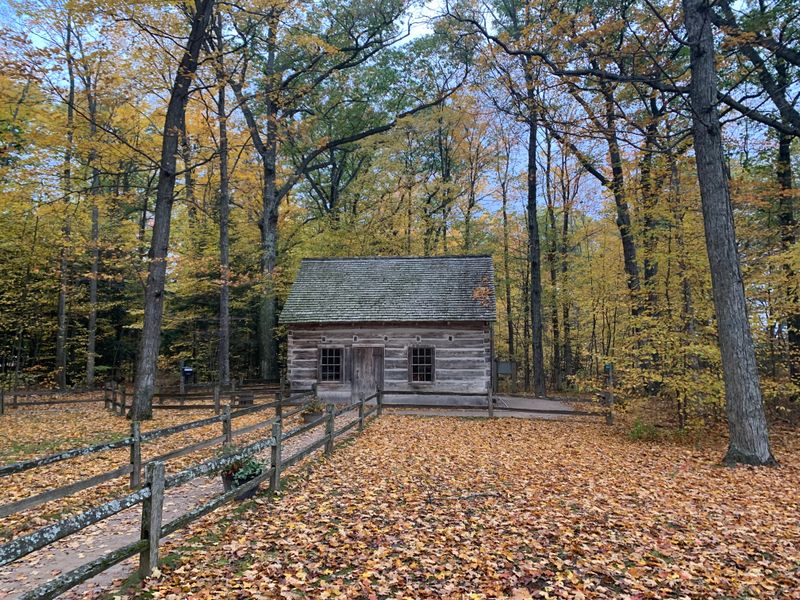
Located at the tip of Old Mission Peninsula, Mission Point Lighthouse offers shoreline access and walking trails. The drive to the lighthouse passes vineyards and orchards that begin reopening in spring.
The lighthouse grounds include a small museum and access to wooded trails. Parking near the lighthouse is limited, so arriving earlier in the day helps.
The beach area allows for shoreline walks along Grand Traverse Bay.
The area is especially popular during cherry blossom season. Visitors often combine the lighthouse with winery stops along the peninsula.
Plan for a few hours to explore both the lighthouse grounds and surrounding trails. Traverse City’s downtown is about a 30-minute drive away.
Many visitors turn this into a full-day outing by adding scenic overlooks and farm market stops along the peninsula. Spring offers a quieter alternative to the busy summer tourism season.
Palms Book State Park (Kitch-iti-kipi) – Manistique
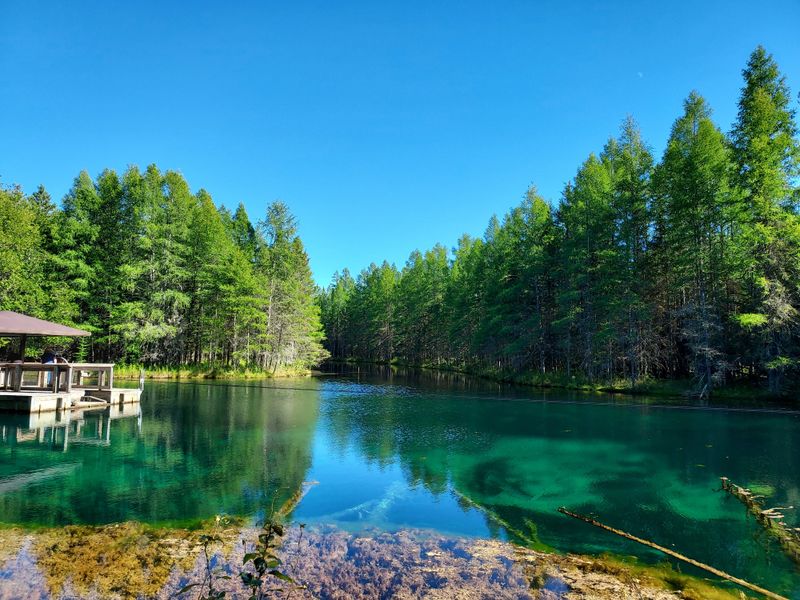
Palms Book State Park is home to Kitch-iti-kipi, Michigan’s largest freshwater spring. Visitors cross the spring using a self-operated observation raft that provides a view of the clear water below.
A recreation passport is required for entry. The raft ride is brief but memorable, and signage explains the geological background of the spring.
The park’s loop trail is easy to follow and suitable for families.
Spring visits often mean lighter crowds compared to peak summer. Parking is located near the raft dock, and restrooms are available seasonally.
This stop pairs well with other Upper Peninsula destinations. While the visit itself may not take long, the setting makes it worth adding to a broader itinerary.
Many travelers combine it with nearby waterfalls or Lake Michigan shoreline stops to build a full day of exploration. It is one of the most distinctive natural attractions in the state.
Downtown Frankenmuth – Frankenmuth
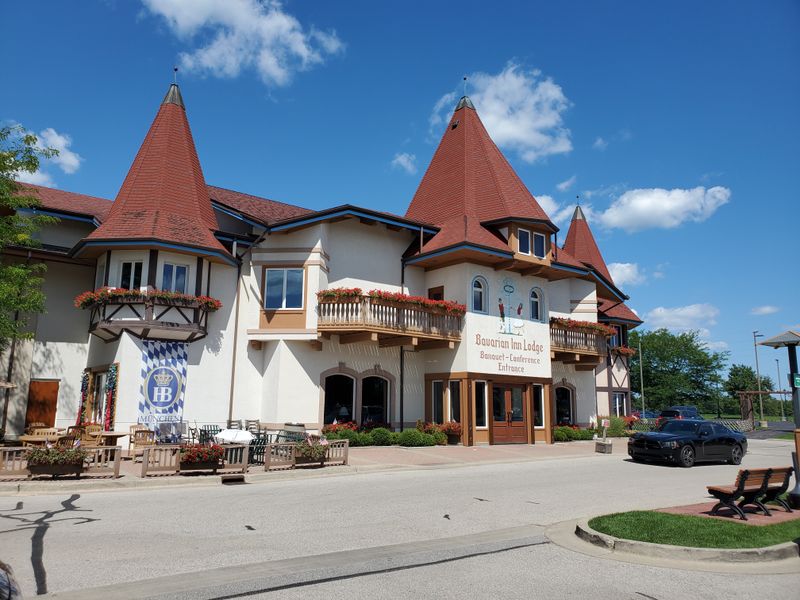
Downtown Frankenmuth features Bavarian-style architecture, specialty shops, and seasonal events. Spring brings outdoor seating and updated storefront displays along Main Street.
The covered Holz-Brücke wooden bridge provides pedestrian access across the Cass River. Visitors often combine shopping with stops at well-known restaurants and bakeries.
Parking lots are available throughout town, though some require short walks. Weekdays offer a slower pace compared to weekends.
Frankenmuth works well as a relaxed day trip. Its layout makes it easy to explore on foot without strict scheduling.
Festivals and themed events begin ramping up in spring, giving visitors additional reasons to plan ahead. Checking the event calendar before visiting can help you time your trip around seasonal activities.
Saugatuck Dunes State Park – Saugatuck
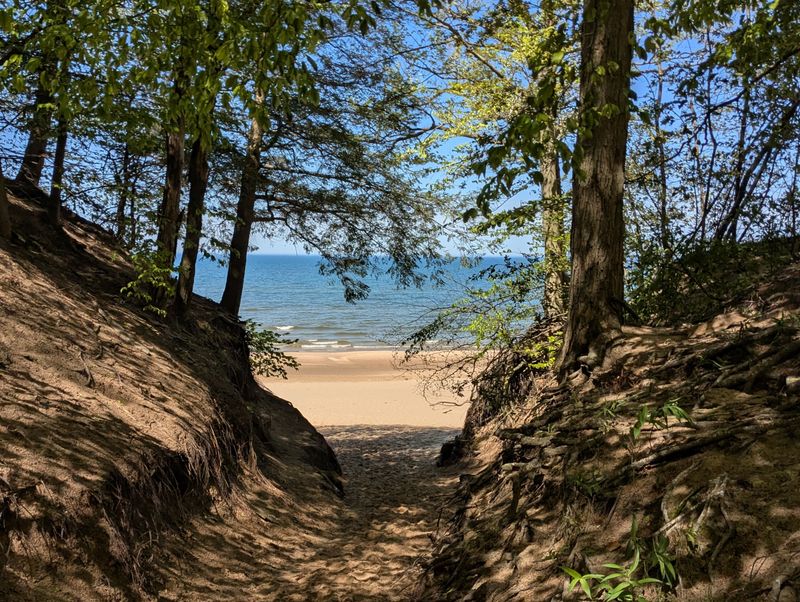
Saugatuck Dunes State Park offers wooded trails that lead to Lake Michigan overlooks and beach access. Spring is a comfortable time to hike before summer humidity increases.
Trail markers are posted at junctions, and taking a photo of the map at the trailhead can help with navigation. Parking is available near the main entrance, though sunny weekends can fill quickly.
The hikes vary in difficulty due to sand and elevation changes. Sturdy footwear is recommended.
Once at the overlook, visitors can continue down to the beach for shoreline access.
Saugatuck’s downtown area is nearby, making it easy to add shopping or dining to the day. Plan for two to three hours if combining hiking and beach time.
Spring conditions also make wildlife sightings more common along the wooded portions of the trail. For those seeking a quieter alternative to summer beach crowds, this is an excellent seasonal window.
Share this story