Detroit has always embraced places with personality, and few carry a nickname as memorable as the “Polish Yacht Club.” The Ivanhoe Cafe, located in Hamtramck, has earned that title over decades of steady service, loyal customers, and a menu rooted in tradition.
This is not a flashy destination or a trend-driven restaurant. It is a weekday lunch institution where generations have gathered for familiar dishes, straightforward service, and a setting that reflects the neighborhood’s history.
Here is what makes this Detroit classic worth planning around.
Address, Hours, and First Impressions
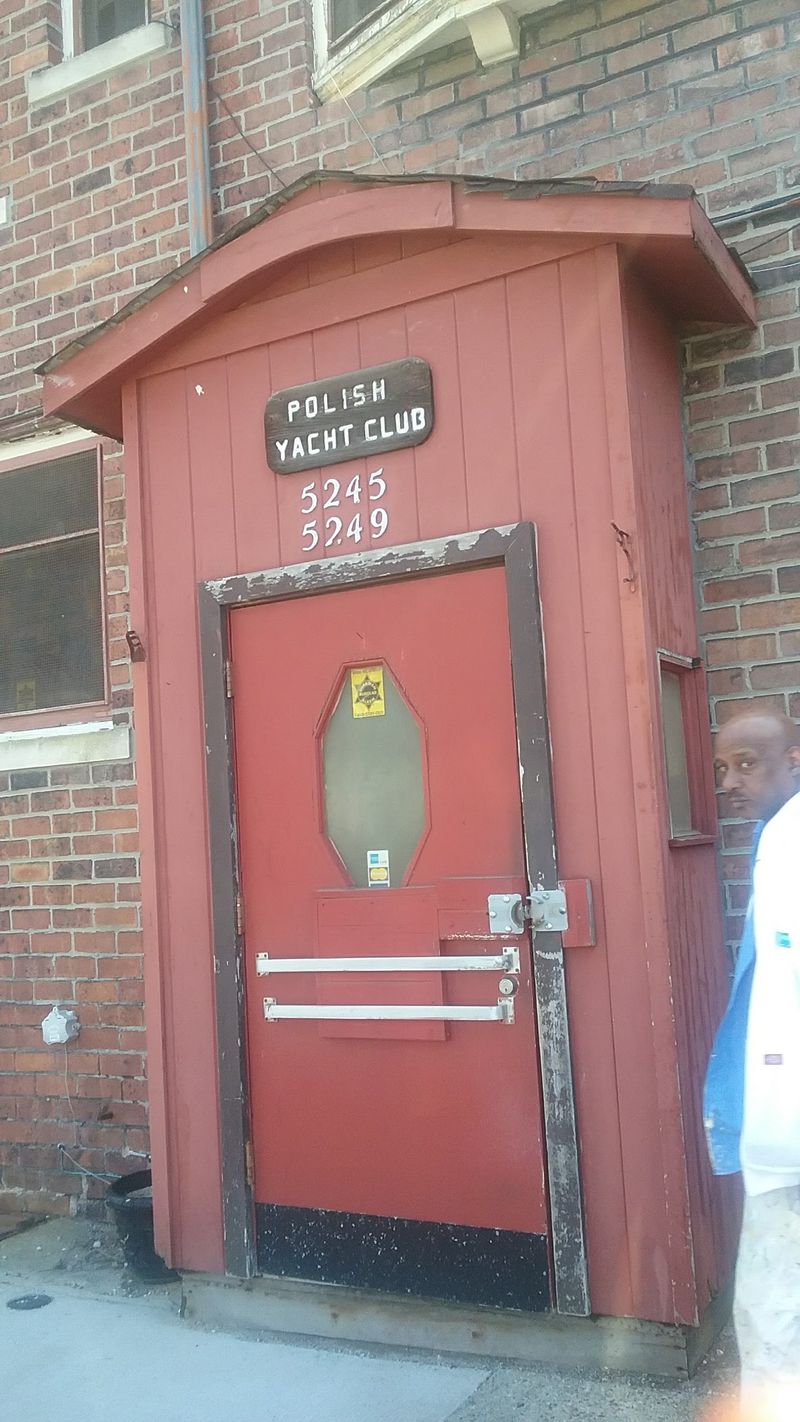
The Ivanhoe Cafe is located at 5249 Joseph Campau Ave, Detroit, Michigan 48211. It primarily operates during weekday lunch hours, typically Tuesday through Friday, making advance planning essential.
Unlike restaurants that rely on extended evening service, this spot has intentionally focused on midday dining.
The exterior is modest and easy to miss if you are not looking for it. Inside, the space feels established rather than staged.
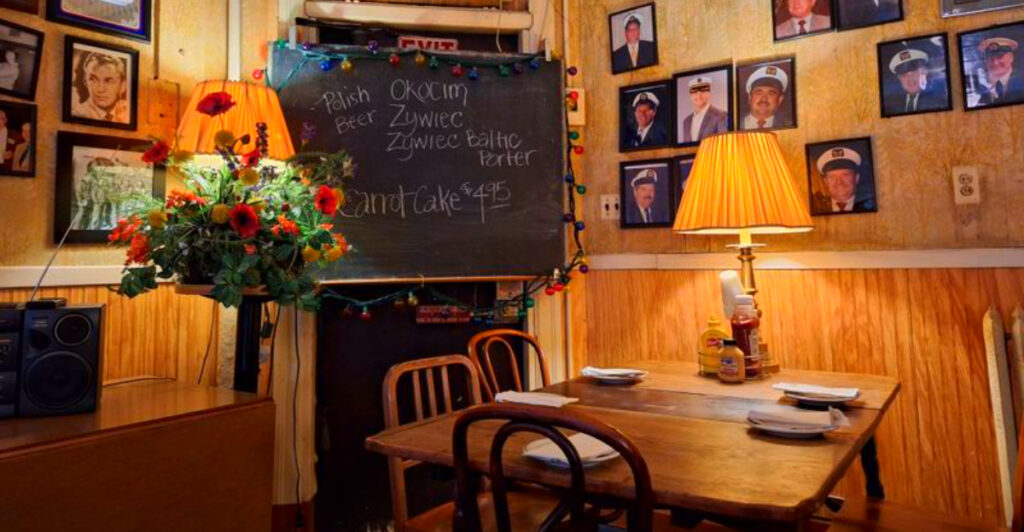
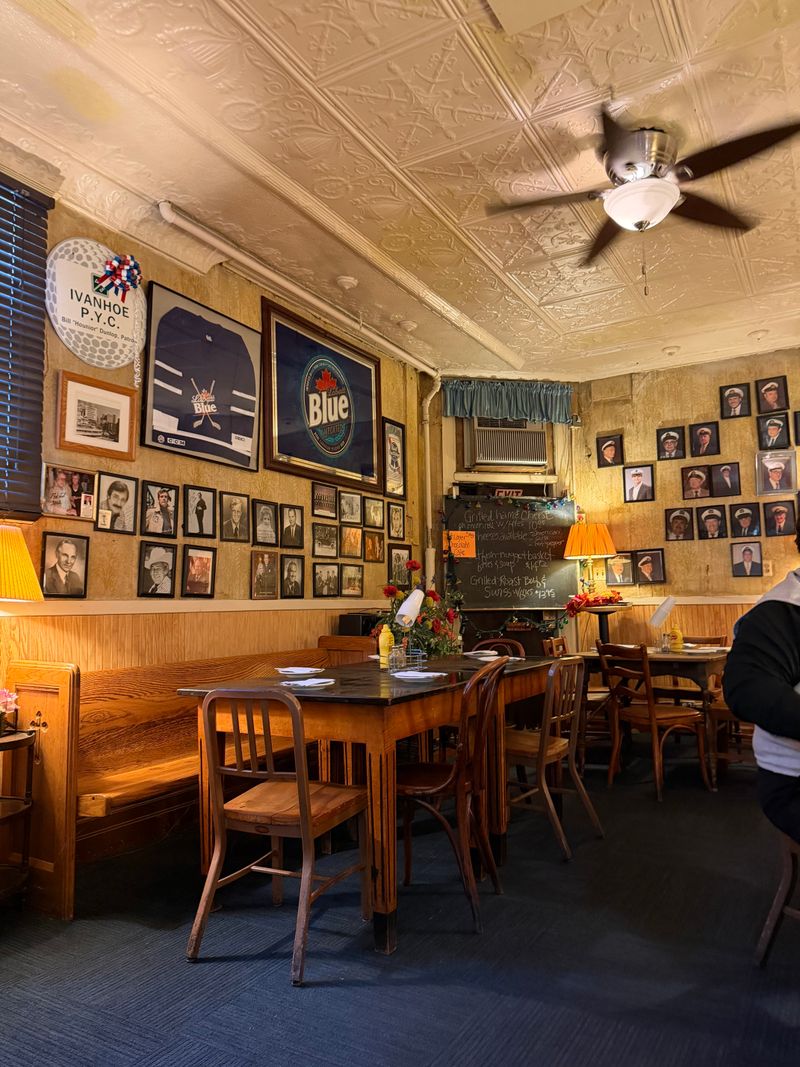
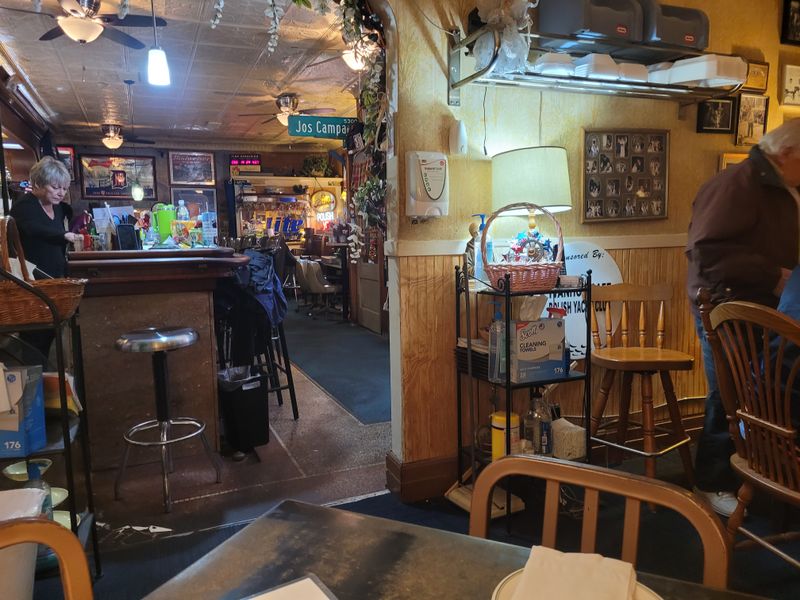
Framed photos, vintage décor, and a long-standing bar create a setting that reflects decades of steady use.
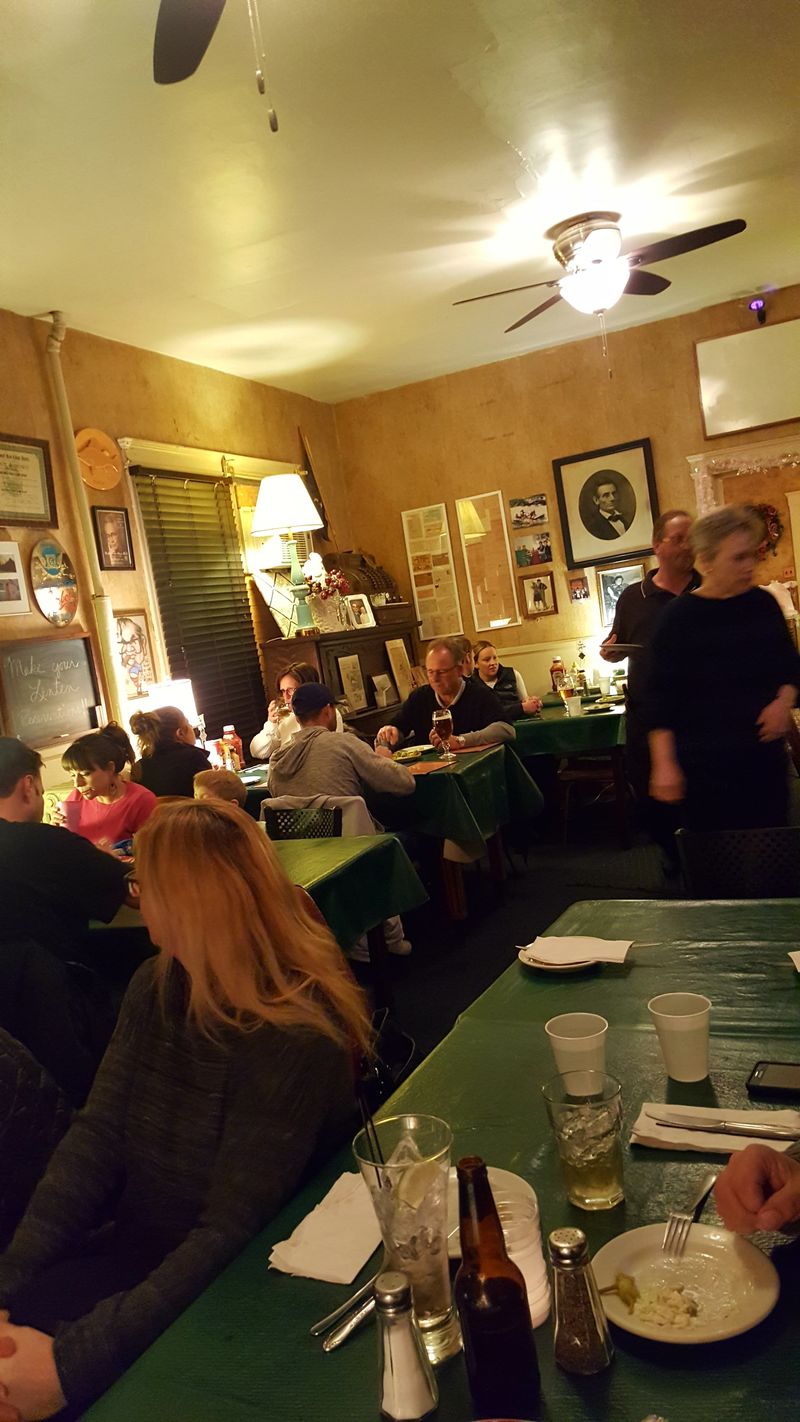
Seating accommodates both solo diners and small groups, which makes it a popular choice for work lunches and neighborhood regulars. The room fills steadily rather than suddenly, and tables turn at a practical pace.
Checking updated hours before visiting is recommended, as the schedule occasionally shifts with holidays. Arriving earlier in the lunch window typically offers the most relaxed experience.
A Century of Stories
Ivanhoe Cafe dates back to 1909, making it one of the older continuously operating establishments in the area. Over time, it became known as the “Polish Yacht Club,” a nickname rooted more in humor and community pride than in nautical activity.
Through decades of change in Detroit and Hamtramck, the restaurant remained consistent in ownership and identity. That stability helped build a loyal customer base that spans generations.
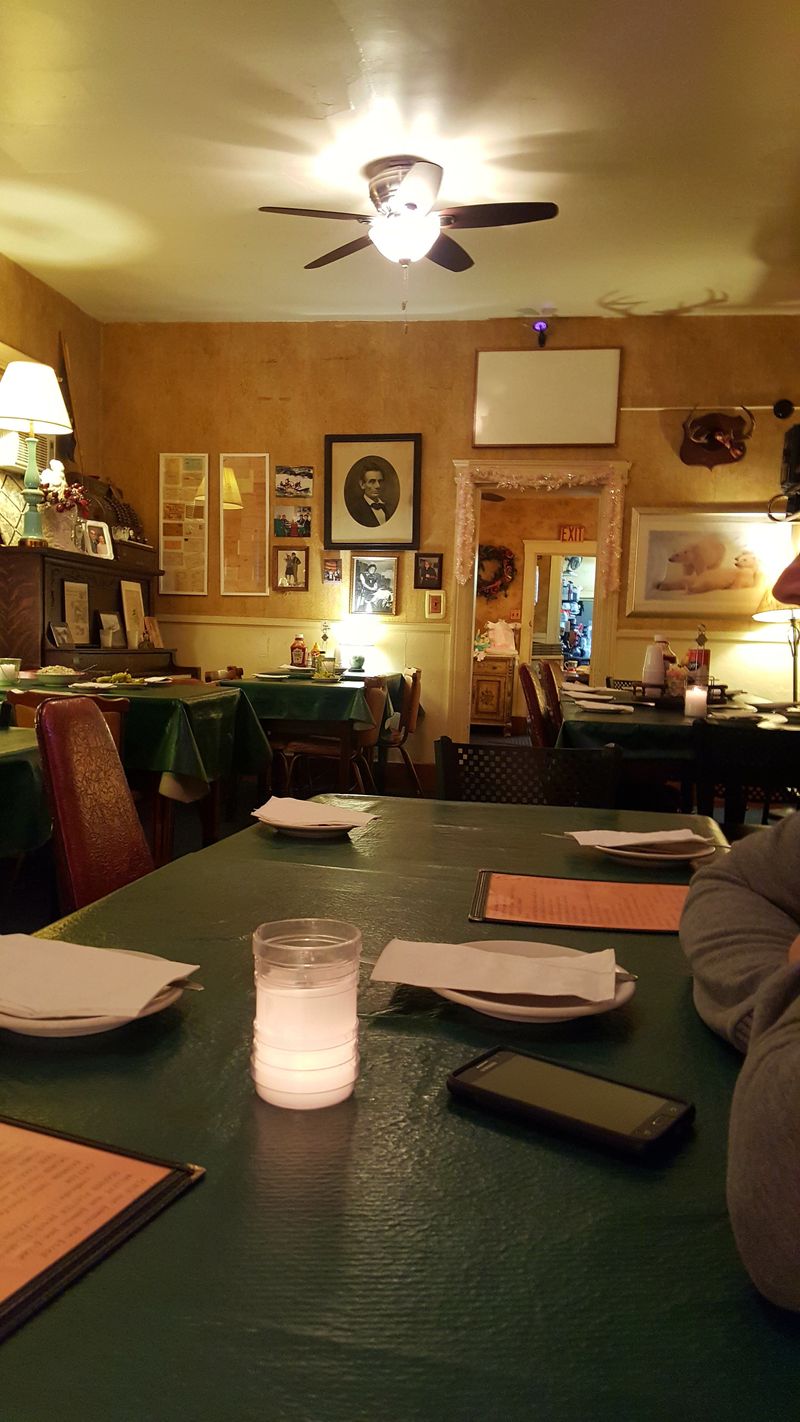
Historic photos and memorabilia line the walls, documenting both family history and neighborhood milestones. Regular customers often point out familiar faces in the frames, reinforcing the sense of continuity.
The restaurant’s longevity is not built on reinvention but on maintaining core traditions. Its reputation grew steadily through word of mouth rather than aggressive marketing.
The Menu’s Polish Heart
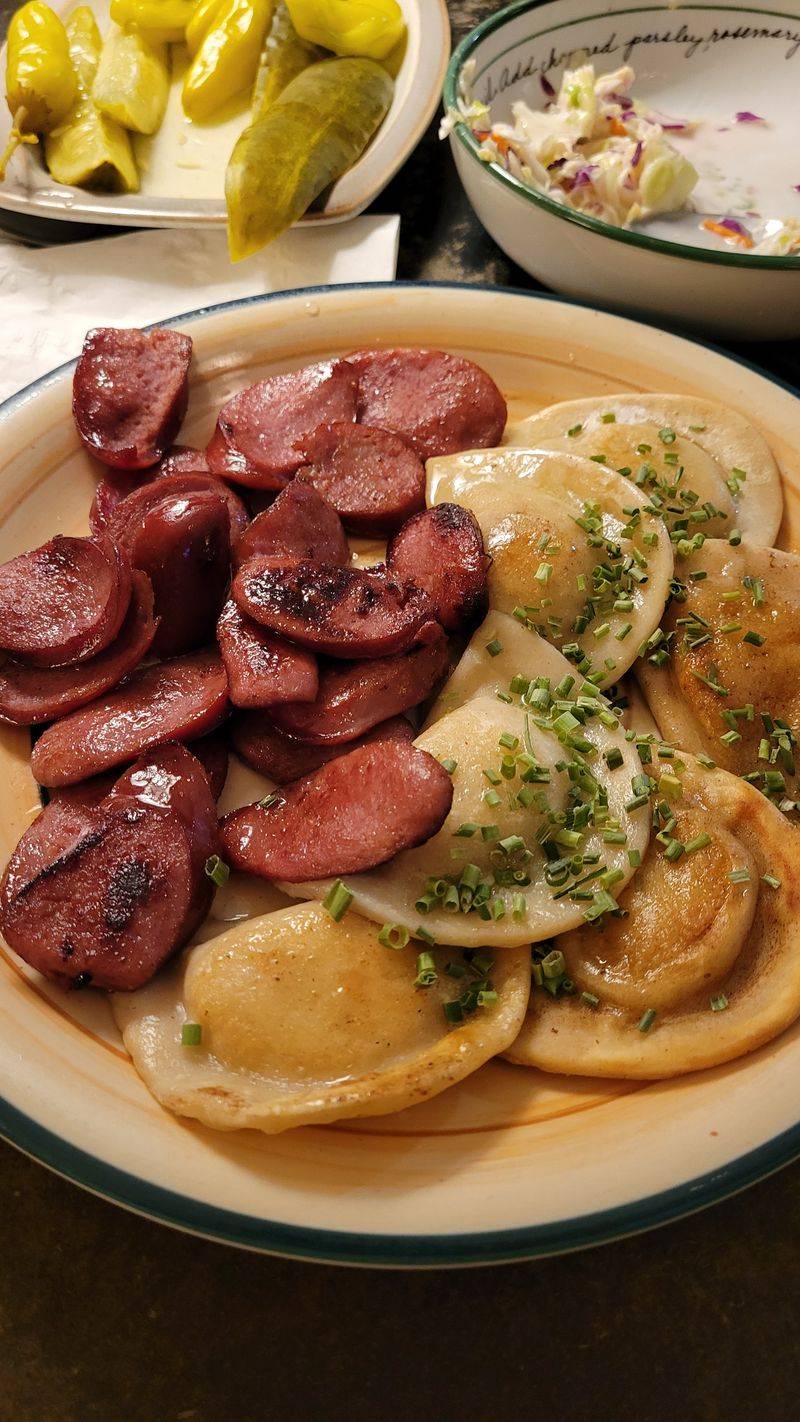
Polish cuisine forms the backbone of the menu. Pierogi, kielbasa, and potato pancakes remain central offerings, prepared in traditional styles without unnecessary updates or reinterpretations.
Pierogi are typically available with classic fillings such as potato or cheese, served with sour cream and simple garnishes. The preparation emphasizes balanced seasoning and portion size rather than presentation.
Kielbasa plates offer a complete meal with familiar sides that support the entrée rather than compete with it. Potato pancakes provide a slightly lighter but still substantial option that works well as either a main dish or shared plate.
American comfort items — including burgers, fried fish, and deli-style sandwiches — ensure accessibility for mixed groups. This combination allows longtime fans and first-time visitors to dine together comfortably.
The menu reflects heritage while remaining practical for modern diners.
Weekday Rituals and Timing
Operating primarily during weekday lunch hours reinforces the restaurant’s identity. Tuesday through Friday service creates a rhythm that regular customers build into their schedules.
Many guests treat lunch here as a standing weekly appointment. That predictability strengthens the connection between staff and returning diners.
Arriving shortly after opening generally results in easier seating and more time to review the menu. By midday, the pace increases but remains organized.
The limited hours also create a sense of occasion. Instead of being available at all times, the restaurant maintains a focused service window that encourages intentional visits rather than spontaneous drop-ins.
This structure has helped preserve its atmosphere over time.
Atmosphere With a Wink
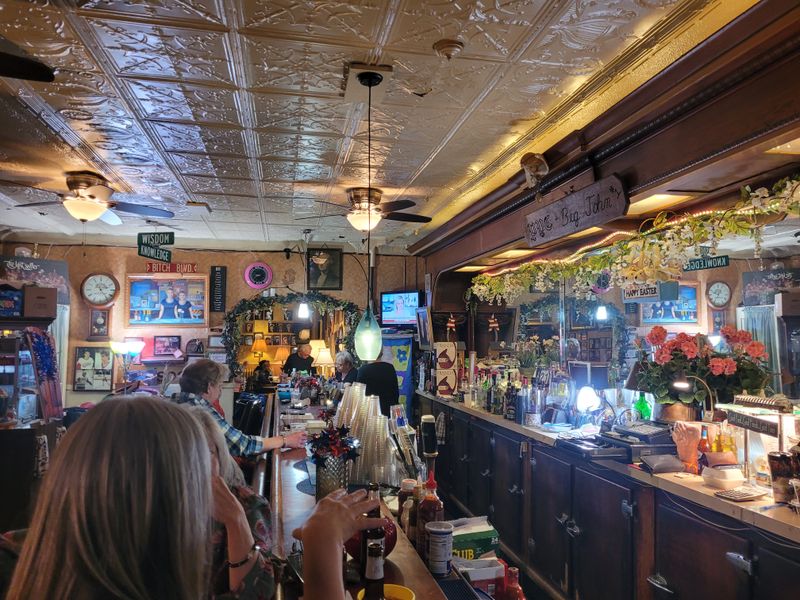
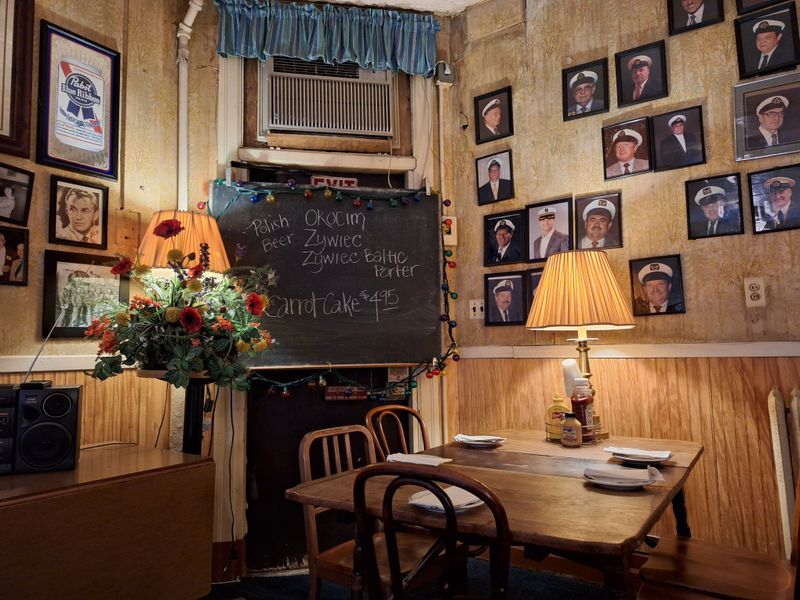
The “Polish Yacht Club” nickname is referenced subtly throughout the space. Nautical imagery appears in small decorative touches, reinforcing the humor behind the name without overwhelming the restaurant’s historic tone.
The overall environment is conversational and relaxed. Regular customers often interact with staff by name, creating a steady but approachable social atmosphere.
Tables are arranged to maximize the modest footprint of the dining room. The bar remains a focal point, especially for solo guests who prefer counter seating.
Rather than curated ambiance, the personality of the room developed organically over decades. That authenticity resonates more than modern themed décor would.
Plates That Travel Through Time
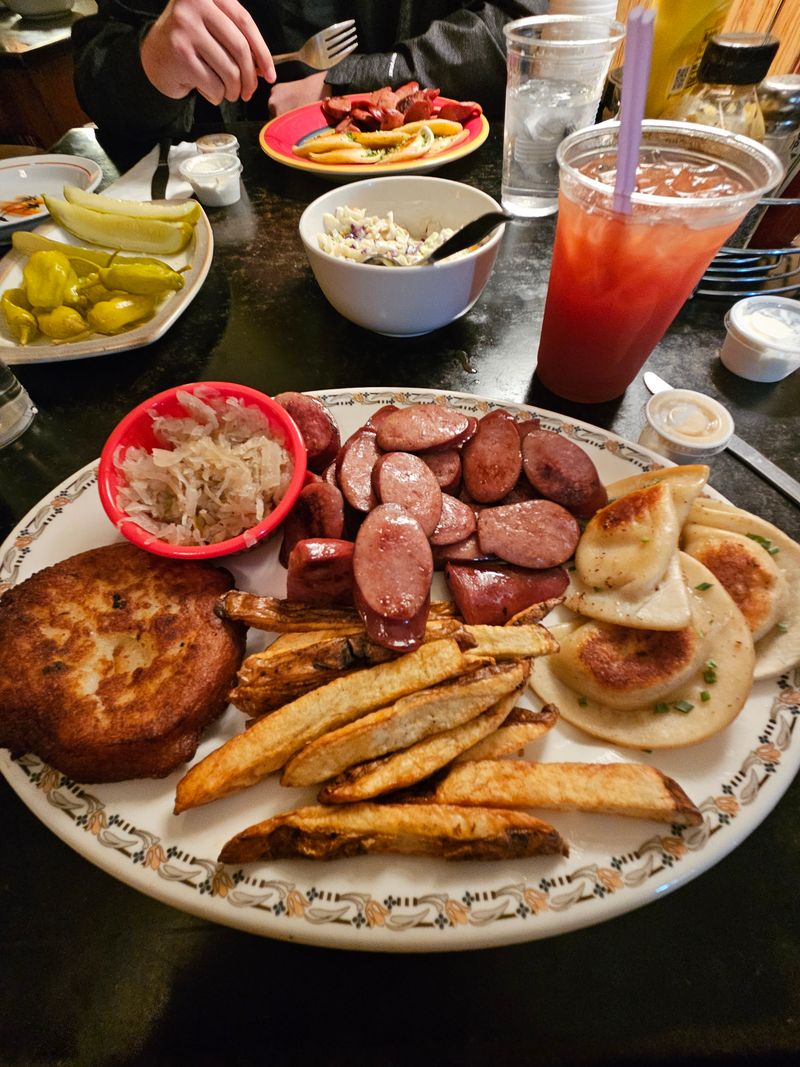
Meals at Ivanhoe Cafe are plated with practicality in mind, reflecting its roots as a neighborhood lunch destination. Portions are substantial without feeling excessive, reinforcing the restaurant’s long-standing commitment to value.
Presentation focuses on function rather than flourish, which aligns with its working-class heritage.
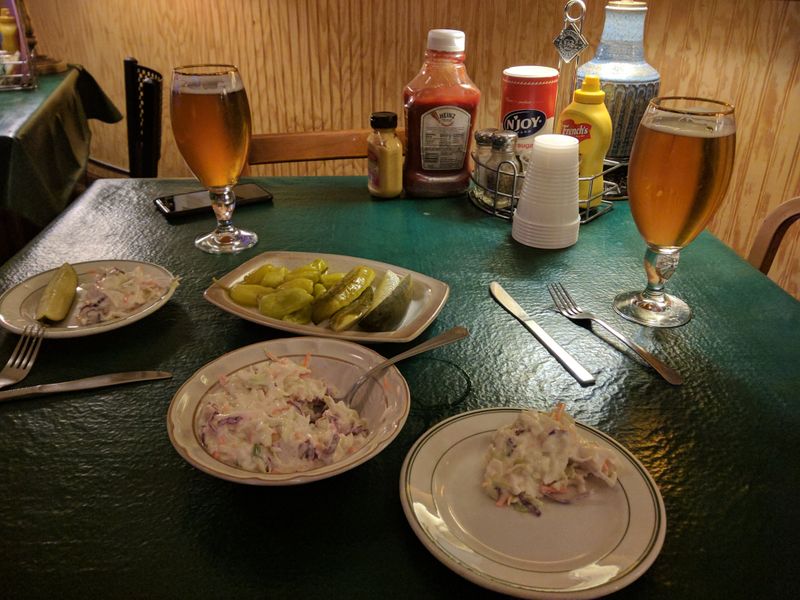
Sides such as coleslaw, fries, and pickles are not decorative add-ons but essential components of the meal. They balance richer main dishes and round out the plate in a familiar, dependable way.
The kitchen’s approach prioritizes consistency, ensuring repeat customers receive the same quality each visit.
Sandwiches are stacked generously and built to hold up from first bite to last. Polish specialties remain central, but American comfort items receive equal attention in preparation and portioning.
What stands out most is reliability. The food does not vary wildly from week to week, and that steadiness builds trust.
In a dining landscape often driven by change, that kind of predictability becomes part of the appeal.
Service That Feels Personal
Service at the Ivanhoe Cafe reflects long-term routine and experience. Staff members move with confidence and efficiency, particularly during the steady lunch rush.
Orders are taken clearly, and questions about menu items are answered directly, especially for guests unfamiliar with Polish cuisine.
Recommendations tend to focus on traditional favorites rather than upselling or promoting limited-time items. This reinforces the restaurant’s emphasis on heritage over novelty.
Servers understand portion sizes well and can guide first-time visitors toward balanced selections.
Because the dining room is compact, attentiveness feels natural rather than intrusive. Staff circulate consistently, maintaining awareness without interrupting conversations.
That rhythm supports both regulars who dine weekly and newcomers exploring the space for the first time.
Longtime employees contribute to the sense of continuity. Familiar faces behind the bar and on the floor reinforce stability, which strengthens customer loyalty.
Service here is grounded in repetition and relationship-building rather than performance.
Reading the Walls
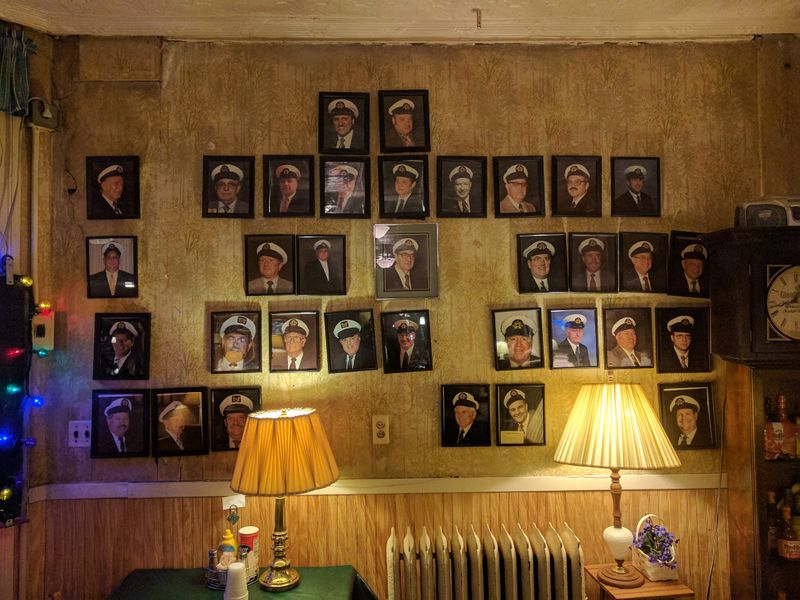
The framed photographs and memorabilia throughout the dining room function as an informal archive of Detroit and Hamtramck history. Images document decades of ownership, community gatherings, and neighborhood milestones that connect the restaurant to the area’s Polish heritage.
For first-time visitors, these displays provide context without requiring explanation. They illustrate the cafe’s endurance through economic changes, demographic shifts, and broader city transformation.
The visual timeline adds depth to what might otherwise feel like a simple lunch outing.
Regular customers often recognize faces in the frames, reinforcing the sense that this is more than a restaurant. It has served as a meeting place, celebration site, and daily ritual for generations.
The décor was not curated for aesthetic trend appeal. It accumulated organically over time, which gives it authenticity.
Spending a few extra minutes reviewing the walls enhances appreciation for how deeply rooted this establishment is within the community.
Together, the food and the history create a layered experience that extends beyond the plate.
What To Order First
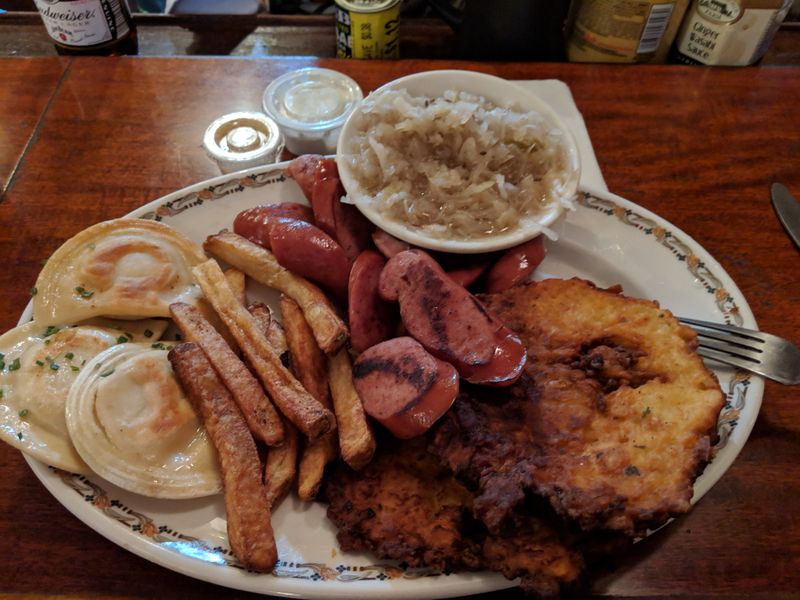
For first-time visitors, pierogi are the most representative place to begin. They reflect the restaurant’s Polish foundation and remain one of the most consistently ordered items on the menu.
The fillings are traditional, and the preparation focuses on balance rather than embellishment.
Potato pancakes are another strong introduction. They offer a different texture and are often ordered either as a main dish or shared among the table.
Many regulars alternate between pierogi and pancakes depending on mood, which speaks to the kitchen’s consistency across both options.
Kielbasa provides a more substantial entrée for those looking for a heartier plate. It pairs naturally with standard sides and delivers a complete meal without requiring customization.
The portion size reflects the restaurant’s lunch-focused identity.
If you are dining with someone unfamiliar with Polish cuisine, ordering a mix of specialties and a classic American sandwich can create a well-rounded table. Sampling across categories allows you to experience both the heritage-driven and crossover sides of the menu.
Tips For a Smooth Visit
Because the Ivanhoe Cafe operates primarily during weekday lunch hours, confirming the current schedule before leaving is essential. Hours can shift slightly based on holidays or seasonal adjustments, and the limited service window fills steadily.
Arriving earlier in the lunch period usually provides the smoothest seating experience. By midday, tables turn efficiently but consistently, so small waits can occur.
Planning a flexible schedule prevents the visit from feeling rushed.
Street parking is available nearby, though like most urban neighborhoods, awareness and standard precautions are recommended. Keeping valuables out of sight and parking in well-trafficked areas is practical advice for any Detroit visit.
Portions are generous, so consider sharing if visiting with a group. Many guests leave with leftovers, which adds value but may affect how much you order initially.
Most importantly, build in time to sit and absorb the setting. This is not a quick stop – it rewards those who treat it as part of their day rather than a brief interruption.
Neighborhood Context and Care
The Ivanhoe Cafe sits in a historically Polish section of Detroit adjacent to Hamtramck, an area long shaped by immigrant communities. For decades, this neighborhood served as a cultural center for Polish families who worked in Detroit’s industrial corridors.
While the surrounding streets reflect the broader economic shifts that have affected the city, the cafe remains a steady presence. Its continued operation represents both adaptation and loyalty from regular patrons who value its history.
Visitors traveling from outside the area may notice a contrast between older storefronts and newer development pockets. That contrast highlights how deeply rooted establishments like this one anchor a neighborhood.
Understanding the local context adds dimension to the meal. You are not just dining at a restaurant — you are stepping into a piece of living community history that continues to function as a gathering place.
Respect for that legacy enhances the overall experience.
Why the Legend Lasts
The “Polish Yacht Club” nickname endures because the restaurant consistently delivers on its promise. It offers traditional food, fair prices, and dependable service without overextending its concept.
In an era where many restaurants pivot frequently to follow trends, Ivanhoe Cafe has maintained a stable identity. That steadiness builds trust.
Customers return because they know the quality and experience will remain consistent.
Longevity in the restaurant industry is rarely accidental. It requires disciplined operations, loyal staff, and repeat business built through word of mouth.
This establishment has relied on those fundamentals for more than a century.
The legend also persists because of its cultural specificity. It represents a chapter of Detroit’s Polish heritage that remains visible and accessible.
Rather than reinventing itself, the cafe continues to refine what it already does well. That quiet confidence is part of what keeps it relevant.
Share this story