History sometimes trips over its own secrets, and that is where the best stories begin. Ordinary people stumble on buried cities, forgotten libraries, or entire armies frozen in time.
You get to follow their footsteps and feel that jolt of surprise as the past pops out of the dirt. Ready to peek behind the curtain and see what chance has revealed.
1. Terracotta Army – Xi’an, China
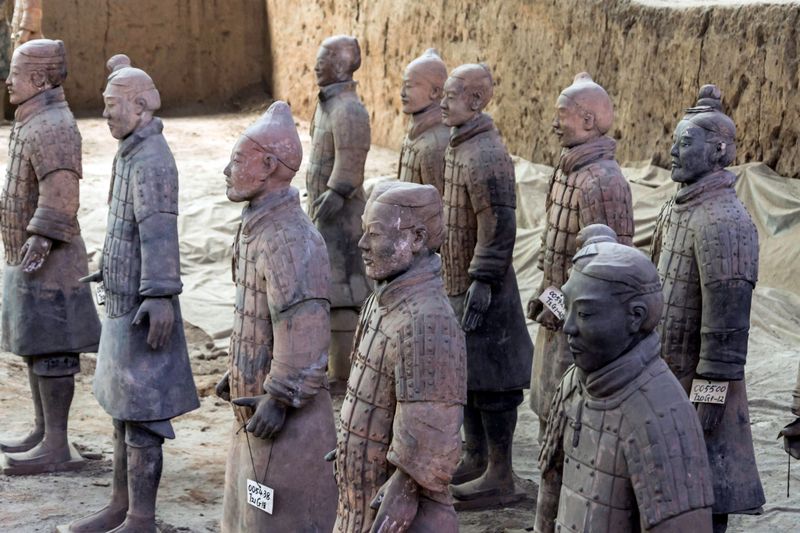
Shovels hit clay, and the ground answered with faces. In 1974, farmers digging a well near Xi’an struck the edge of a buried army, and the first terracotta soldier rose from the soil.
You could almost hear a gasp echo across two thousand years as row after row appeared.
Step closer and every soldier carries a different expression, a hairstyle, a rank marked by armor. The scale feels outrageous, yet precise, like a silent parade holding its breath.
Walk the pits and you sense the logistics of an emperor’s afterlife command.
The backstory sharpens the wonder: this army guarded Qin Shi Huang’s vast mausoleum. It was not sought by scholars first, just revealed by chance.
Visit and let the hangars unfold in waves of ochre, a reminder that the earth hoards stories and sometimes returns them when you least expect.
2. Dead Sea Scrolls Caves – Qumran, West Bank
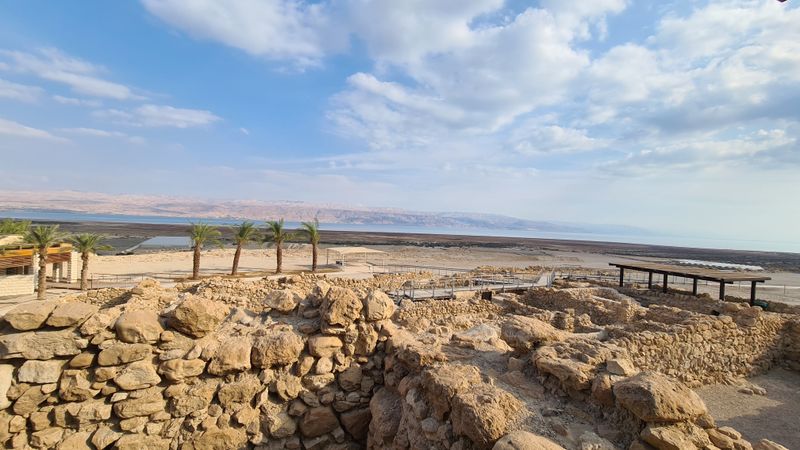
A tossed stone and a hollow clink began it all. A Bedouin shepherd tracked the sound to a cave, stepped inside, and found jars holding rolled manuscripts that would rewrite pages of biblical scholarship.
You feel the dryness of the air just thinking about parchment surviving two millennia.
Scholars later mapped multiple caves and pieced together texts that stitched belief, law, and daily life.
Stand at Qumran and the landscape looks spare, yet packed with memory. The sun scours the rock, the Dead Sea gleams, and the wind carries rumors of scribes.
What began as a search for a stray goat became a bridge to ancient communities, proving that sometimes the smallest sound can open the biggest library.
3. Machu Picchu – Peru
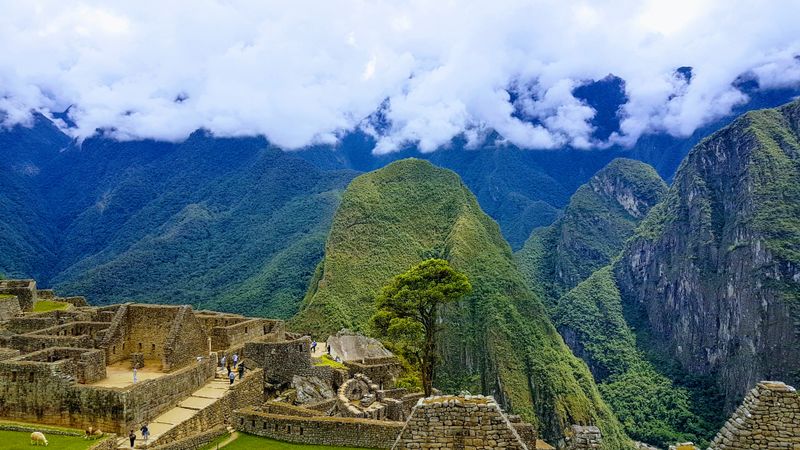
Clouds part like curtains and a stone city steps onstage. Hiram Bingham followed local leads and jungle paths in 1911, then looked up to see terraces, temples, and precise masonry aligned with sky and mountain.
You can almost feel damp moss under your boots as the city breathes.
From the Sun Temple to the Intihuatana, the craft dazzles without shouting. Llamas graze like laid back curators keeping watch.
Every corner suggests intention, from water channels to stairways that coax you upward.
The surprise is how intact it feels, as if its builders just wandered off into the mist. Arrival is a conversation with altitude and time.
Stand by the terraces and listen as the Andes hum; the city did not exactly hide, it simply waited for the right wrong turn to reveal itself.
4. Lascaux Cave Paintings – France
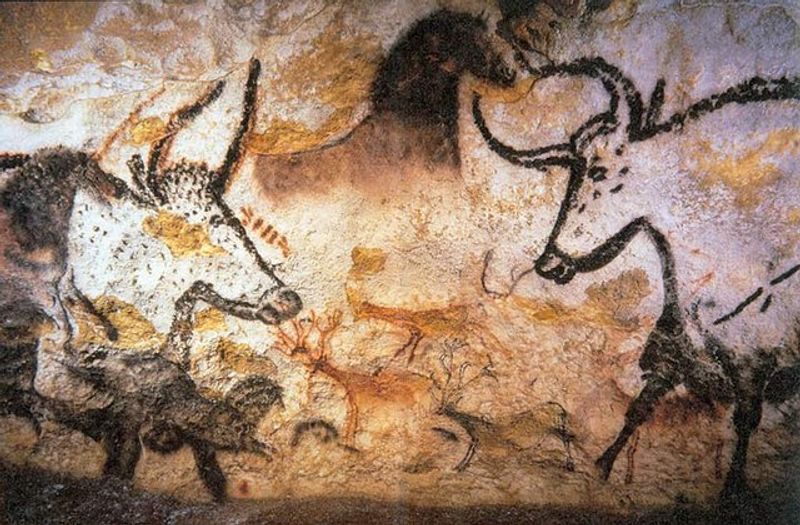
A flashlight beam caught a bull and the wall came alive. Teenagers and a dog found the entrance in 1940, then descended into a gallery where animals surge across stone with motion and intent.
You can almost smell damp limestone and torch smoke.
The art feels fresh, as if painted last week by hands that understood muscle and speed. Colors pulse under low light, and horns arc with deliberate grace.
In that hush, every breath sounds louder.
Modern replicas help protect the originals, but the awe still lands. The cave’s accident of discovery turned a hillside into a time capsule, revealing how long beauty has hunted alongside survival.
Stand before those painted herds in your mind and feel the room expand as prehistory steps forward, patient and sure.
5. Altamira Cave – Spain
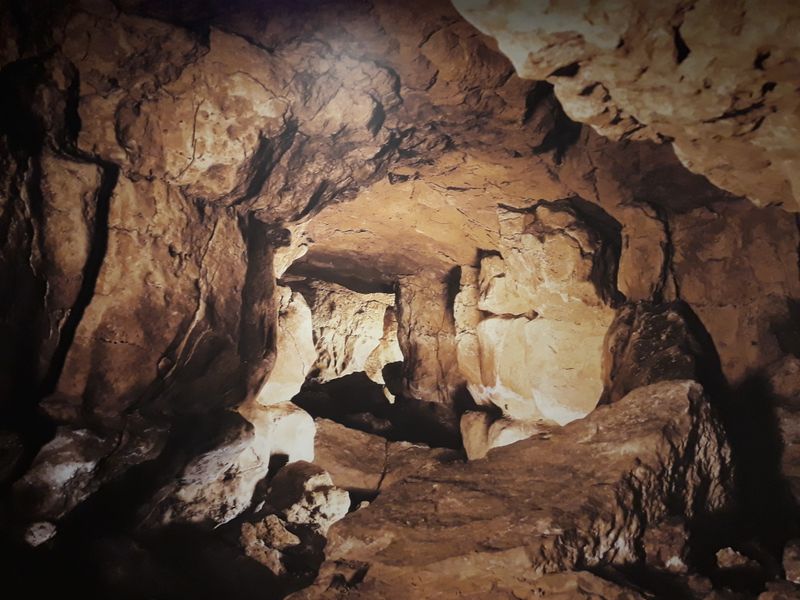
A ceiling of bison turned a skeptical world upside down. In the 19th century, a hunter’s stumble and a young girl’s glance led to the revelation of polychrome paintings near Santillana del Mar.
You look up and the rock seems to breathe.
Shadows and pigments cooperate, using bulges in stone to suggest muscle. The artists worked with geometry and firelight, not guesswork.
For a while, scholars doubted the age; then acceptance arrived, and with it, respect.
Today the replica preserves the originals, but the thrill remains. This was not a museum plan, just chance and curiosity meeting prehistoric talent.
As you peer at the ochres and blacks, the ceiling becomes a stage where ancient hands choreographed movement with remarkable economy.
6. Rosetta Stone – Rashid (Rosetta), Egypt
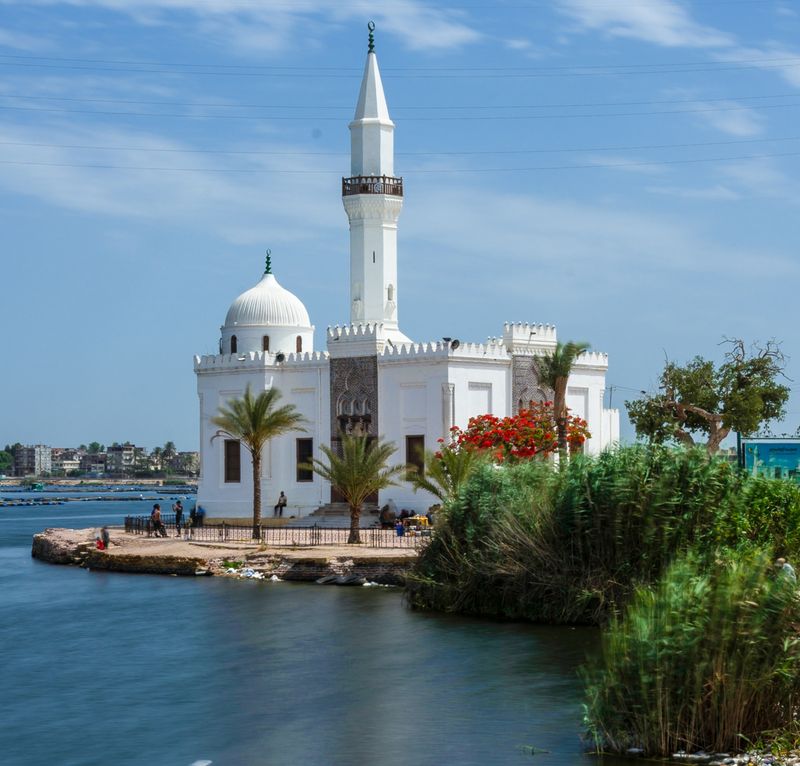
One slab, three scripts, and a key turned in the lock. French soldiers in 1799 uncovered a broken basalt stele at Rashid while building fortifications, not chasing philology.
You can stand before it now and feel language rearrange itself.
The decree repeats across hieroglyphs, Demotic, and Greek, handing scholars a bilingual map. Work by Champollion and others followed, and suddenly walls could speak again.
Temples and tombs shed their silence.
The accident feels almost cheeky: a world of gods and kings awakened by construction work. That is the charm of history’s surprises.
When you trace the carved rows with your eyes, you sense the patience it took to rebuild a voice lost for centuries.
7. Pompeii – Italy
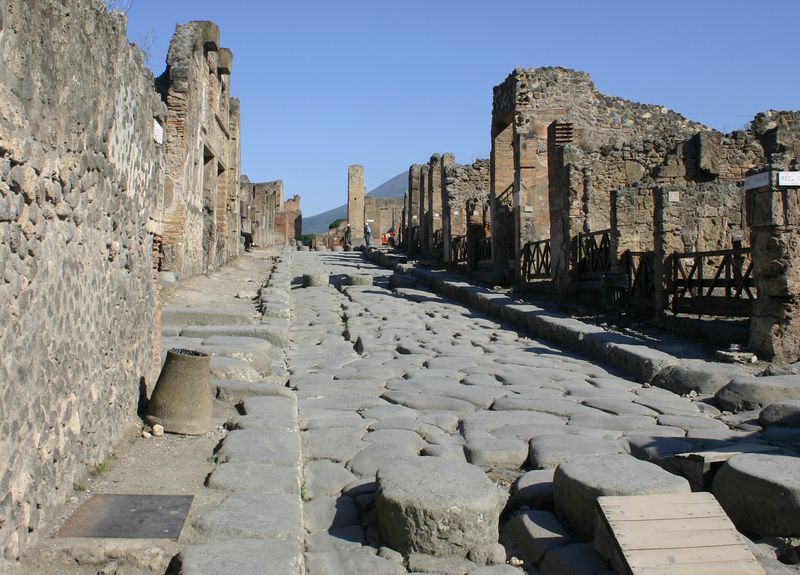
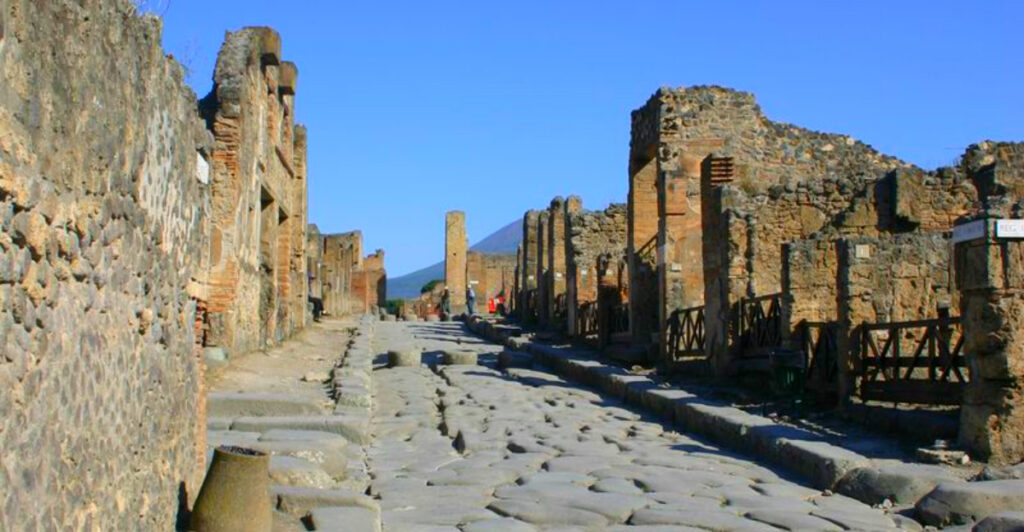
A shovel bit the soil near Naples, and a city exhaled ash. Workers in the 18th century opened a window onto 79 AD, unveiling streets, bakeries, frescoes, and the stopped clocks of daily life.
You walk it now and hear the soft echo of sandals on stone.
Pompeii does not feel distant. It is bread ovens, election graffiti, and stray mosaics winking from thresholds.
Frescoes still bloom with impossible reds, and the amphitheater waits for a crowd that will not arrive.
Vesuvius sits in the background like a stern chaperone. The accident of rediscovery made time behave oddly here, sealing humanity’s small habits beneath catastrophe.
As you trace cart ruts and peek into gardens, you meet people mid errand, mid joke, mid meal, still whispering through plaster and pumice.
8. Göbekli Tepe – Şanlıurfa, Turkey
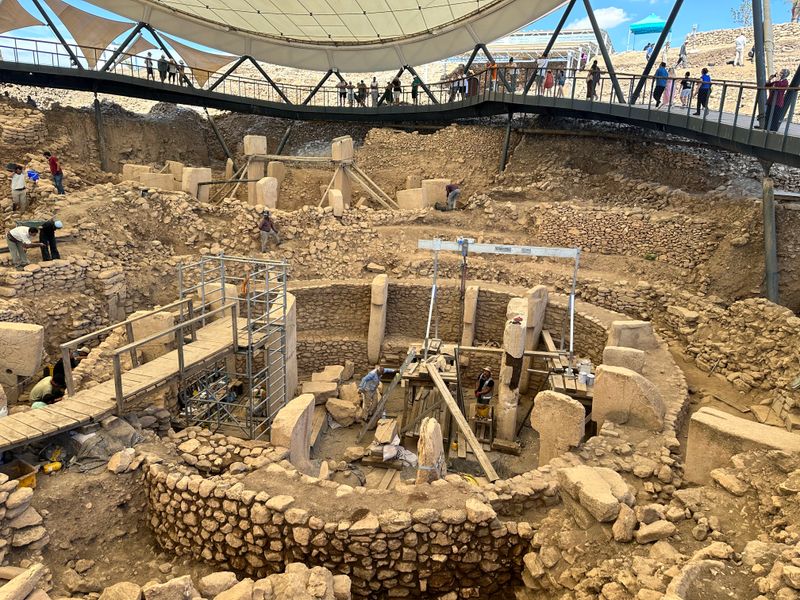
Stone rings surfaced where no city should be. Shepherds noticed carved pillars near Şanlıurfa and archaeologists soon revealed a ritual landscape older than pottery.
You feel timelines bending as T shaped monoliths stare back.
Foxes, boars, and birds ripple across limestone in crisp reliefs. The site suggests organized labor and belief long before villages settled into permanence.
Dust hangs in the air while cranes and brushes work in slow harmony.
Visitors circle the enclosures under sheltering roofs, watching prehistory step into focus. The discovery was not a targeted dig for temples, just curiosity answering a hunch.
Stand there and the plateau seems to hum with planning and patience, proof that imagination arrived early and refused to leave.
9. Nag Hammadi Library – Nag Hammadi, Egypt
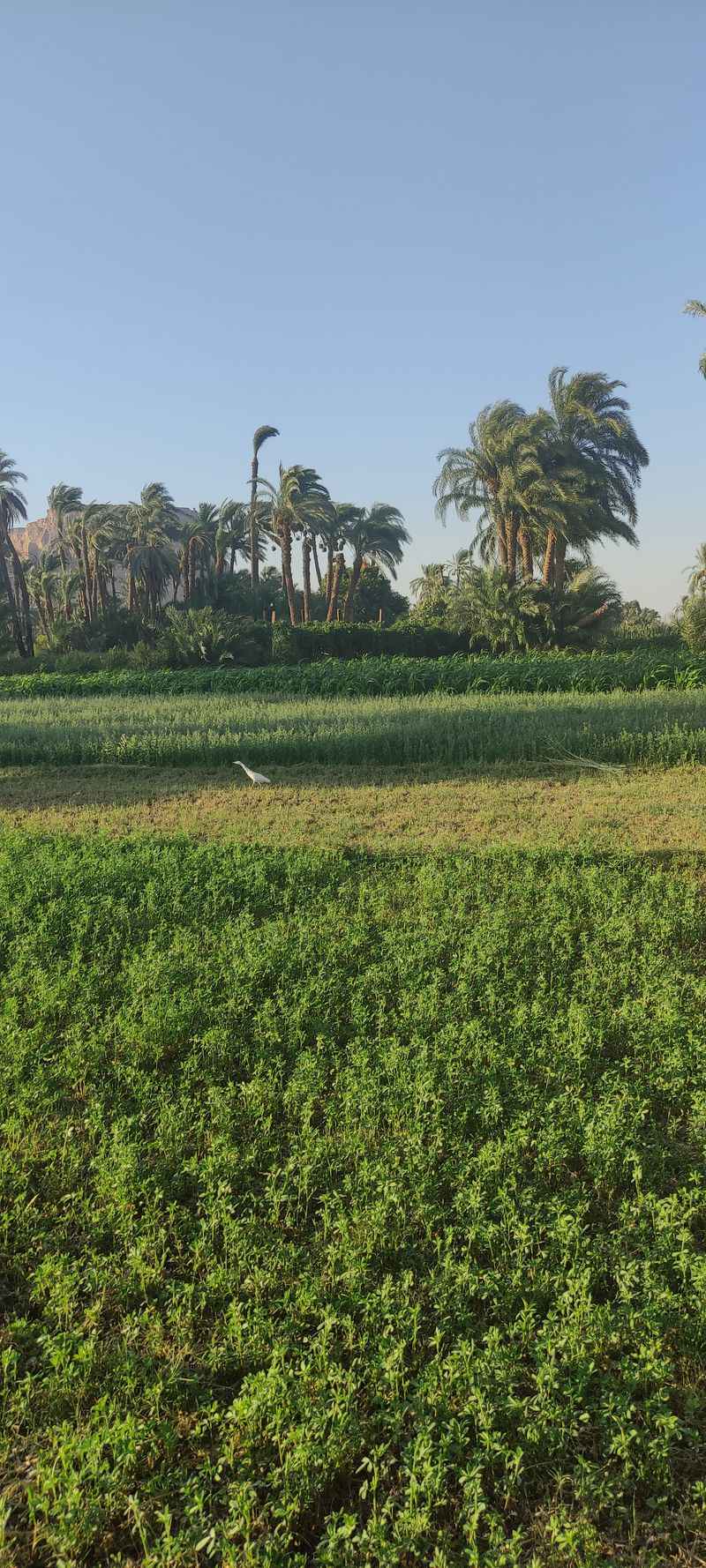
A spade struck pottery and a library stirred. In 1945, local farmers near Nag Hammadi unearthed a jar filled with Coptic codices that expanded the map of early Christian thought.
You can picture dust lifting as pages met daylight again.
The texts feel intimate, handwritten voices debating meaning and mystery. Leather bindings, fragile papyrus, and the rush of discovery mix into one heady moment.
Scholars later teased apart gospels and treatises with careful hands.
It was chance, not a planned expedition, that pried open this conversation. The desert preserves, and sometimes it gives back generously.
Hold the idea of those codices in your mind and you will hear old arguments politely resume, sharper for the centuries of quiet they endured.
10. Sutton Hoo Ship Burial – Suffolk, England
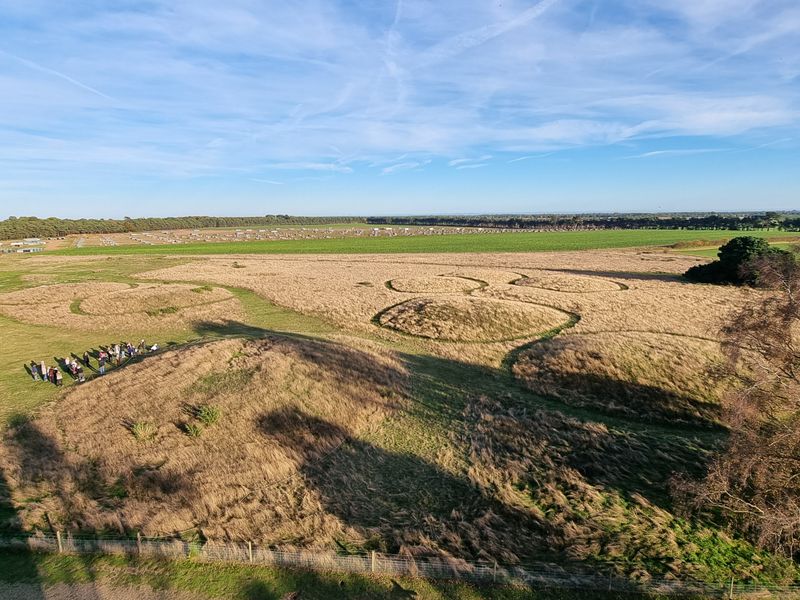
A garden spade met a mound and England’s early medieval story brightened. In 1939, excavation on private land revealed a ship burial rich with gold, garnet, and ceremony.
You can almost hear river water lapping at a vanished hull.
The helmet’s grim grin steals attention, but every fitting contributes to a royal silhouette. Patterns flash like coded messages in metal.
The chamber hints at authority carried with style.
The timing was uncanny, arriving on the eve of war as if to steady identity. An accident of curiosity led to a national touchstone.
Walk the mounds and museum today and you will sense both craftsmanship and tide, a kingdom surfacing just in time to be admired again.
11. Chauvet Cave – Ardèche, France
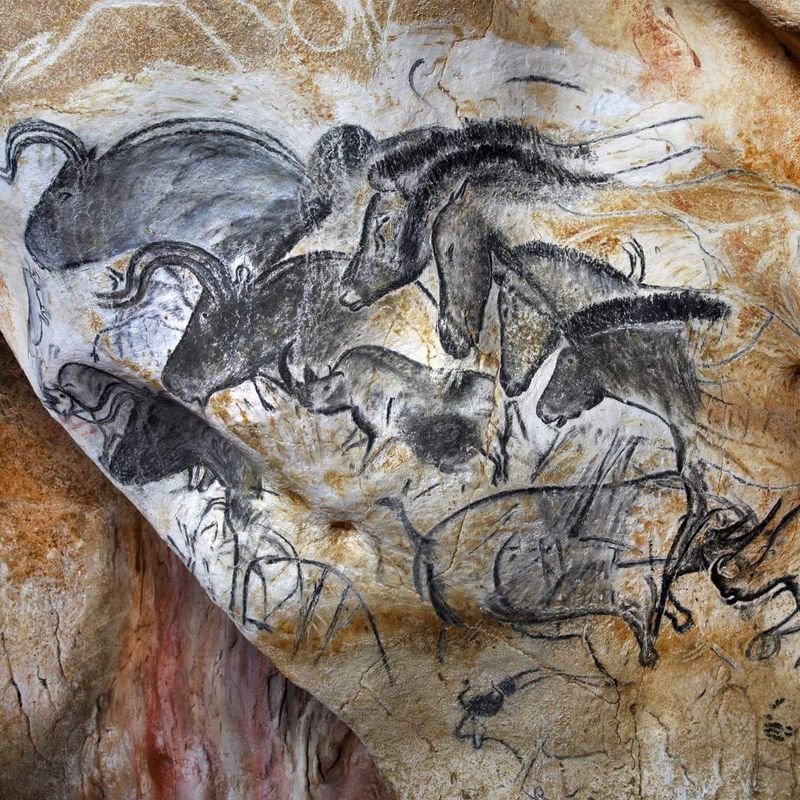
A cold draft and a narrow crawl opened into art that stares back. In 1994, cavers dropped into chambers packed with masterful Ice Age paintings, startling in precision and shading.
You can feel the hush wrap around you like a cloak.
Lions prowl across undulating walls, rhinos clash, horses surge in layered motion. The black pigment lines carry confidence, not guesswork.
Footprints on the floor add a human heartbeat.
Strict protections keep Chauvet mostly unseen, yet its impact radiates. This was no museum plan, just weekend explorers meeting genius in charcoal and stone.
Let your eyes track each contour and you will recognize a familiar ambition: to be seen by the future, and to speak clearly when chance delivers the audience.
12. Villa of the Papyri – Herculaneum, Italy
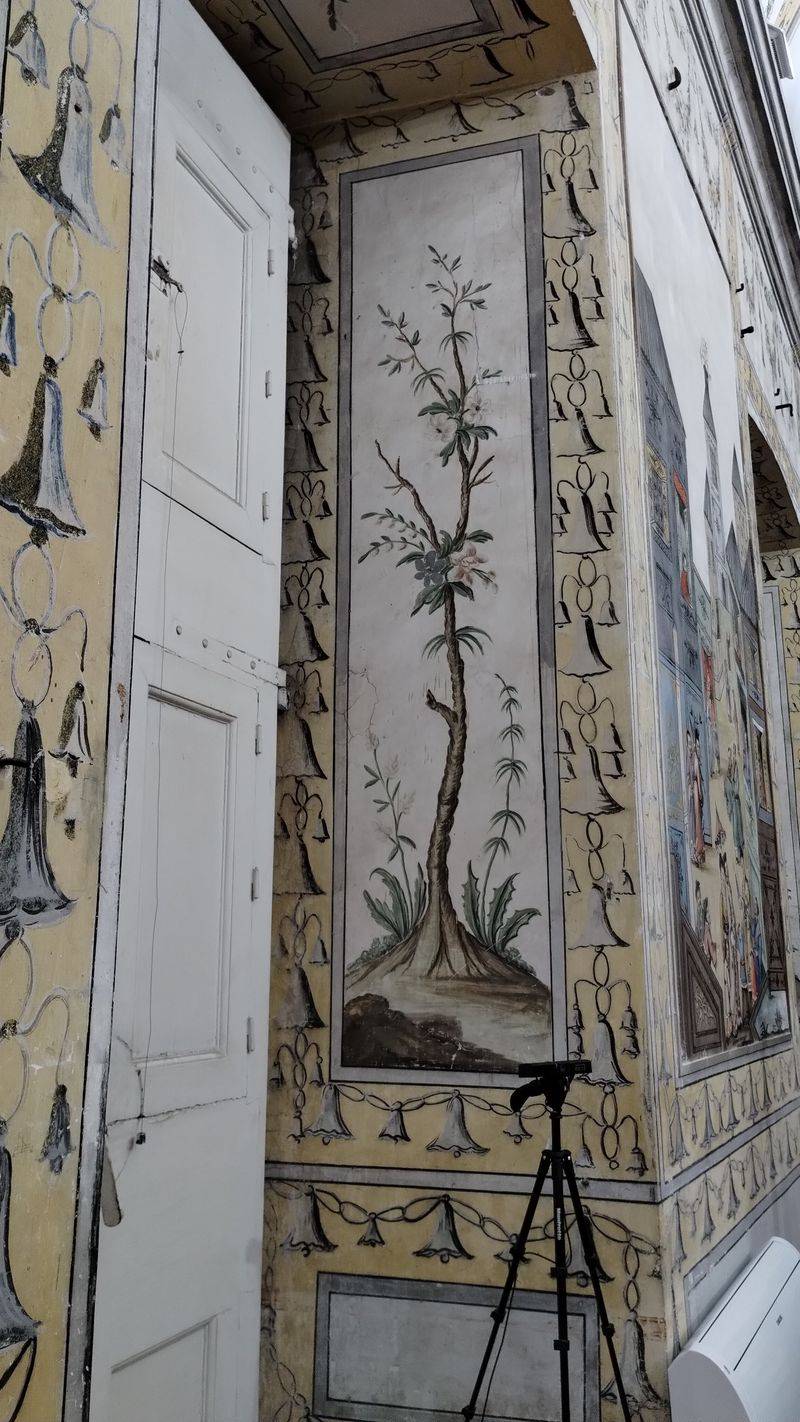
Blackened scrolls masqueraded as charcoal until curiosity intervened. Excavations at Herculaneum exposed a luxurious villa whose library was carbonized by Vesuvius, preserving hundreds of papyri.
You can sense the thrill of holding thought that survived fire.
The scrolls are stubborn, but technology coaxes letters from ash. Philosophers resurface line by line.
Marble statues and colonnades frame an owner with expensive taste and serious reading habits.
The find was essentially an accident within a larger dig, a jackpot hiding in a pile of debris. Standing above the Bay of Naples, you catch sea air and the faintest whisper of pages turning.
It feels like eavesdropping on antiquity, polite but undeniably bold.
13. The Tomb of Qin Shi Huang – Shaanxi, China
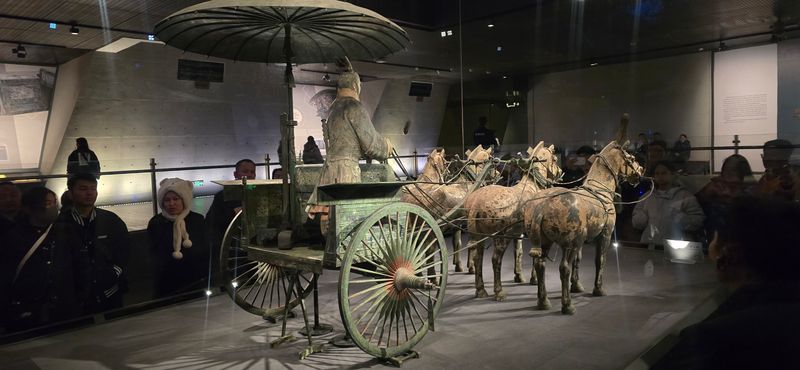
A grassy mound hides a kingdom beneath your feet. The mausoleum of China’s first emperor stretches in silent corridors, much of it still unopened.
You imagine chambers humming with lacquer, bronze, and mercury guarded by terracotta ranks.
Farmers first cracked the secret while digging, but the core tomb remains sealed for preservation. Legends speak of rivers of quicksilver and constellations on the ceiling.
Archaeologists plan carefully, knowing one rash move could erase fragile wonders.
Walking the grounds, you feel both invitation and restraint. The accident revealed enough to astonish, yet plenty waits patiently.
Respect the pause; sometimes the most responsible discovery is not to rush inside, but to learn how to listen before lifting the lid.
14. The Antikythera Mechanism – Antikythera, Greece
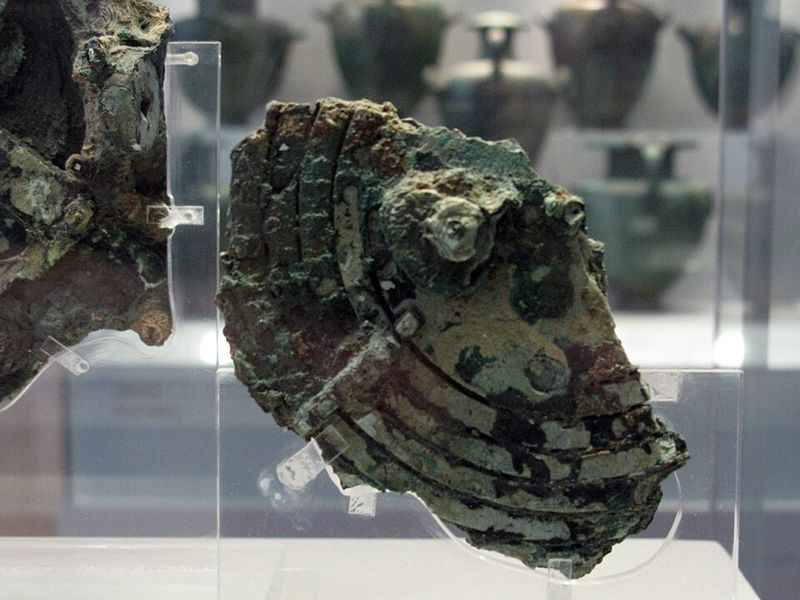
A diver surfaced clutching time in a box of bronze. In 1900, sponge divers off Antikythera found a wreck whose cargo included a corroded device with interlocking gears.
You picture the sea shrugging and handing back a blueprint for the cosmos.
Studies uncovered a machine that predicts eclipses and planetary positions. Dials, inscriptions, and astonishing precision live inside that crust.
The craftsmanship rewrites expectations of ancient engineering.
The discovery was pure chance during a working dive. Museums now display fragments and reconstructions that tick softly in your imagination.
Lean close and you will hear mathematics whispering through salt and centuries, still accurate, still elegant.
15. The Tomb of Tutankhamun – Luxor, Egypt
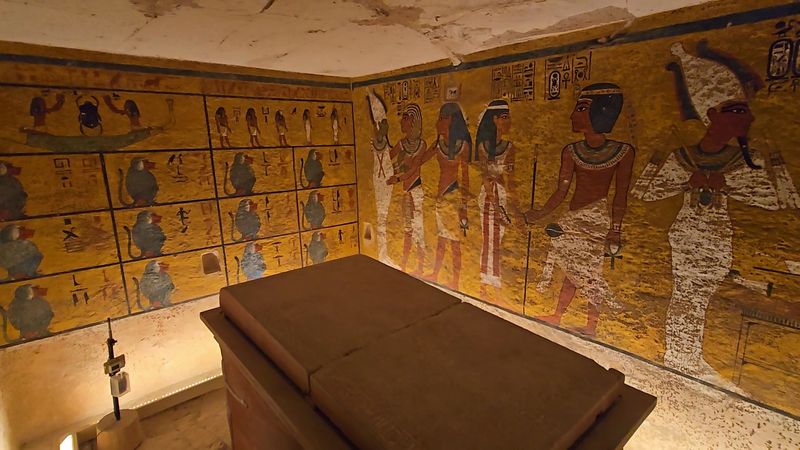
A candle flame met gold and everything stopped. In 1922, Howard Carter peered through a small breach and said he saw wonderful things, revealing the most intact pharaonic tomb ever found.
You can feel your heartbeat sync with that moment.
Gleaming shrines, a chariot, and the iconic mask crowded the chambers like a royal inventory. Each object felt freshly placed.
The air itself seemed to shimmer with ceremony.
Funding wobbles and luck played roles, but persistence met accident in the Valley of the Kings. Stand before the artifacts today and the boy king feels near enough to greet.
It is not just treasure; it is a household paused at the threshold of eternity, waiting for you to look in.
Share this story