Some places feel like they exist outside of time, where the modern world hasn’t quite caught up and the pace of life moves a little slower. Tucked into the rolling hills of northern New Jersey, there’s a small community that seems to have been lifted from the pages of a favorite childhood tale.
Narrow streets wind past century-old homes, towering trees form natural canopies overhead, and neighbors still greet each other by name. This isn’t a theme park or a historical recreation.
It’s a real place where people live, work, and gather, yet it maintains a charm that feels almost magical. The kind of spot where you half expect to see a character from a storybook rounding the corner.
If you’ve been searching for a slice of old-fashioned Americana that hasn’t been polished into something unrecognizable, you might want to keep reading.
A Hidden Corner of Morris County
Mt Tabor sits quietly in Parsippany-Troy Hills, New Jersey, a community that most people drive past without ever noticing. The village occupies a small section of Morris County, where the landscape still shows hints of the farmland and forests that once dominated the region.
What makes this place feel so removed from the typical New Jersey experience is its deliberate isolation. There are no strip malls lining the roads here, no fast-food chains competing for attention.
Instead, you’ll find tree-covered lanes that twist and turn in ways that suggest they were never planned by engineers.
I remember my first visit, when I got lost trying to find the main entrance. My GPS kept insisting I’d arrived, but all I could see were trees and a small sign pointing down a gravel path.
That sense of discovery, of stumbling onto something not meant for everyone, set the tone for everything that followed.
The village was founded in the late 1800s as a Methodist camp meeting ground, and much of that original layout remains intact today. Homes are clustered close together, creating an intimate neighborhood feel that’s rare in modern suburban developments.
Architecture That Tells Stories
Walking through Mt Tabor feels like flipping through an architectural history book. The homes here weren’t built to impress with size or modern amenities.
They were constructed as modest summer cottages, places where families could escape the heat of the city and spend time in nature.
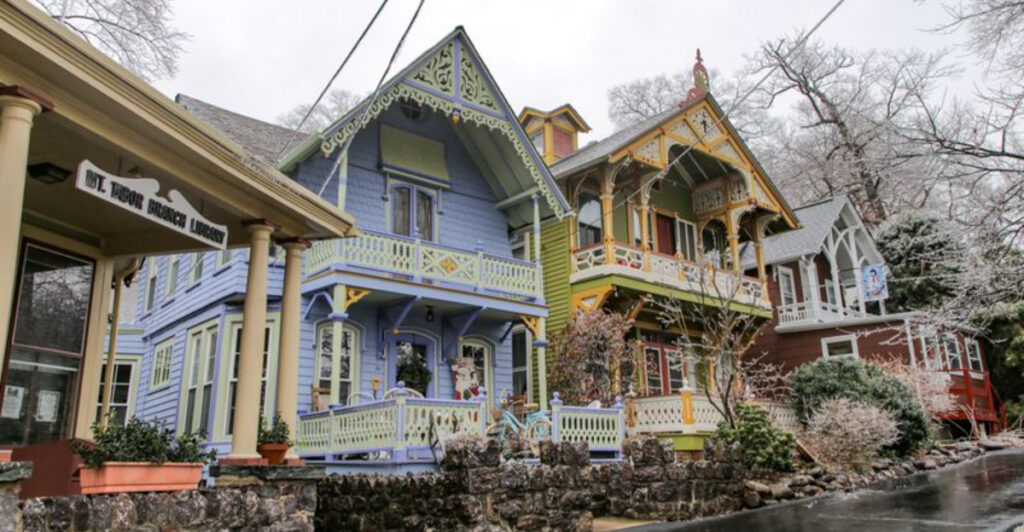
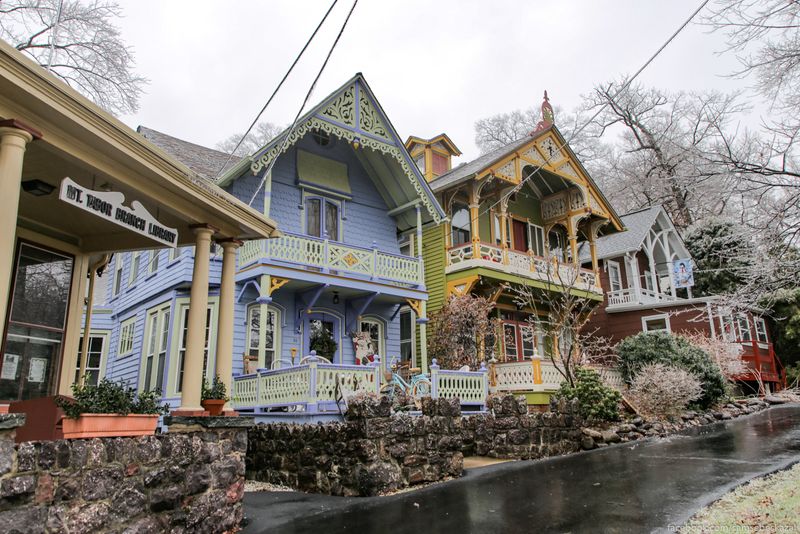
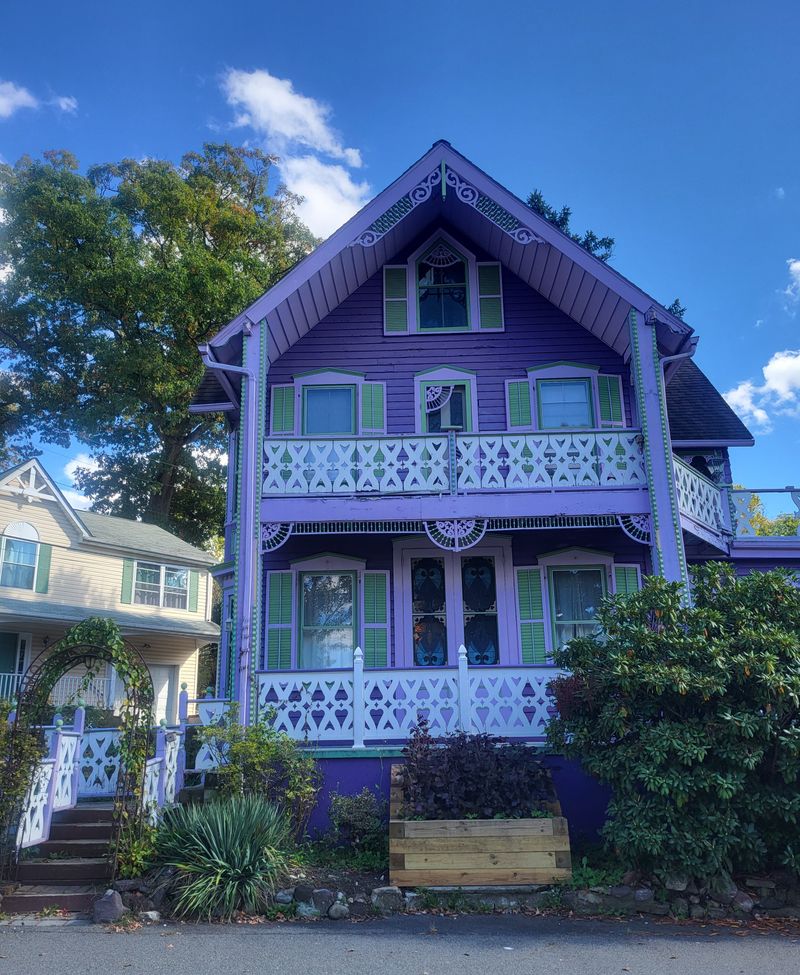
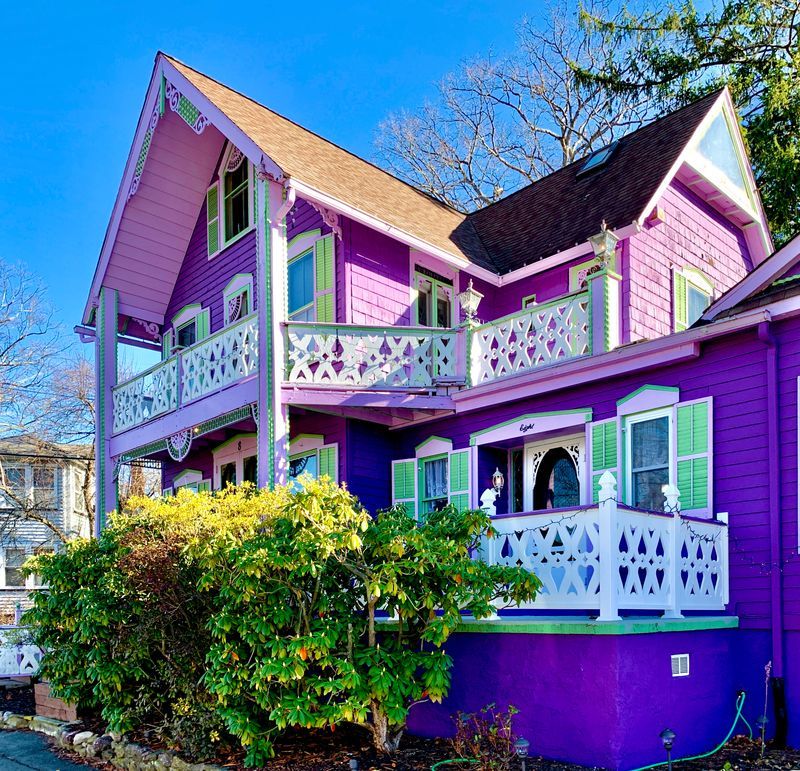
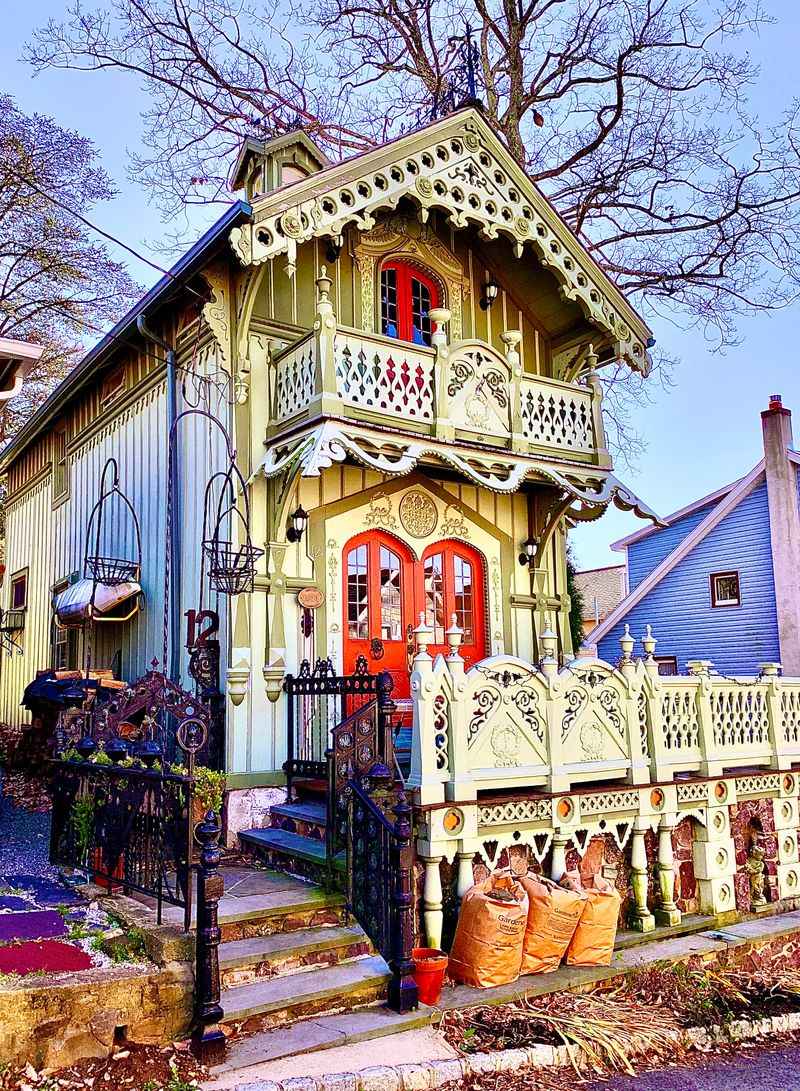
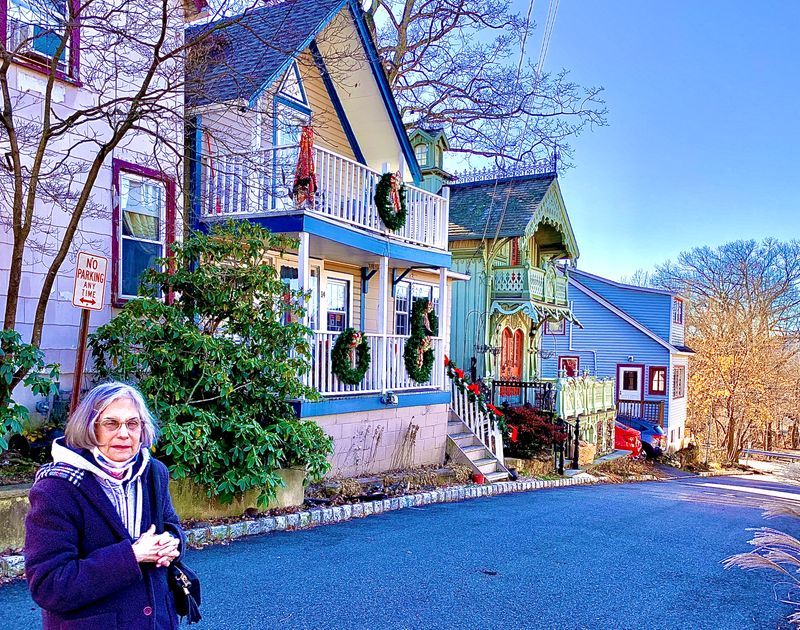
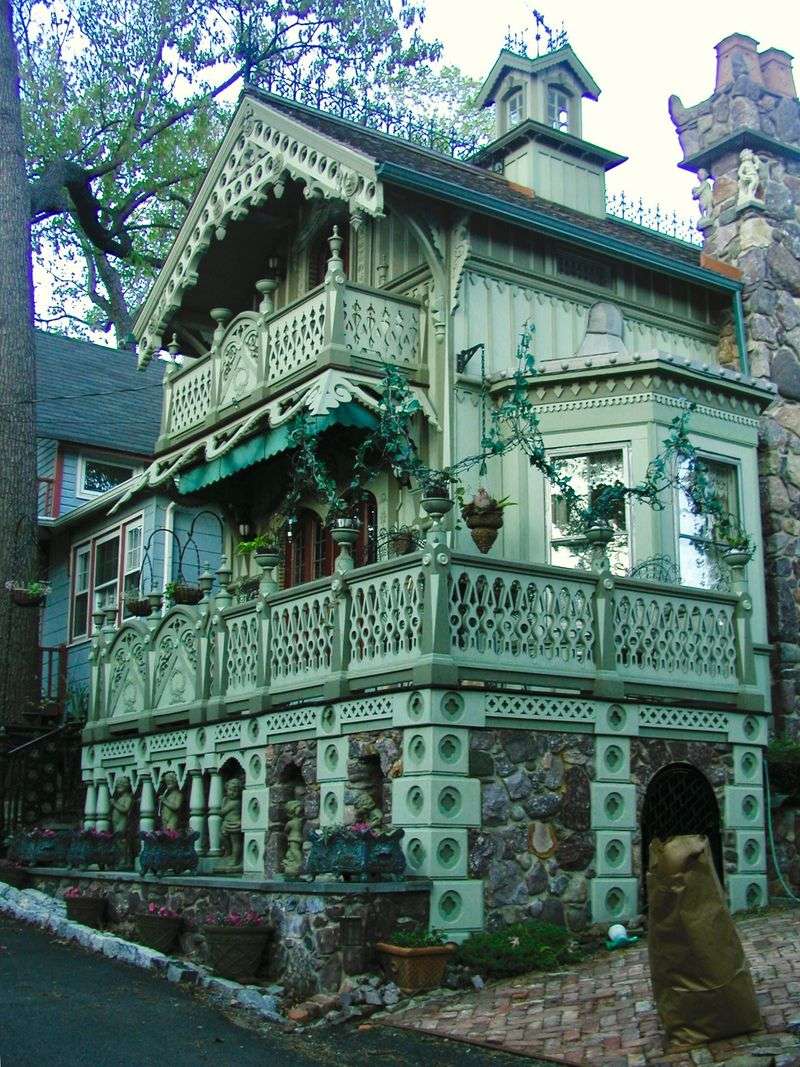
Many of these structures still stand, their wooden siding painted in cheerful colors that would look out of place in a typical subdivision. You’ll see gingerbread trim, wrap-around porches, and steep rooflines that speak to a different era of design.
Some houses are barely larger than a modern garage, yet they’re maintained with obvious pride.
The scale of everything here is smaller than what we’re used to. Streets are narrow, yards are compact, and buildings sit close to the road.
This wasn’t poor planning but rather intentional design meant to foster community interaction. When your neighbor is just a few feet away, you tend to know them better.
I spent an afternoon just wandering the lanes, admiring the details that modern construction often skips. Hand-carved porch railings, stained glass windows, and flower boxes that looked like they’d been tended for generations.
Each home seemed to have its own personality.
The Tabernacle at the Heart of It All
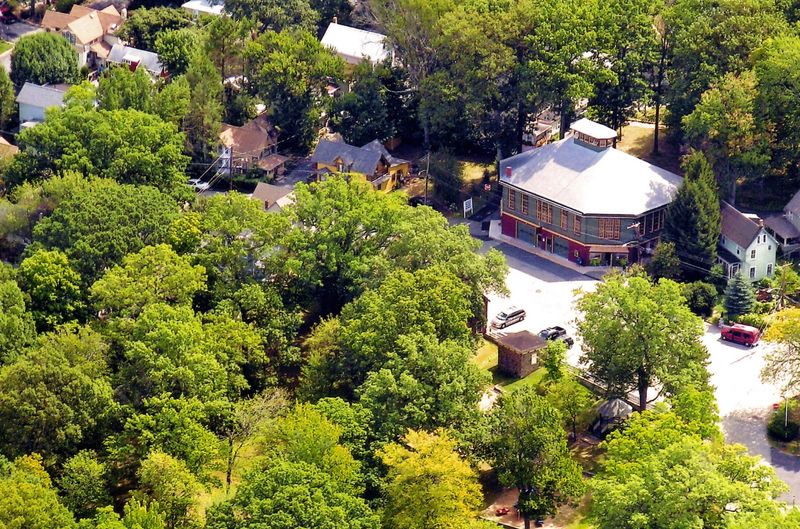
At the center of Mt Tabor stands the Tabernacle, a large open-air structure that serves as the community’s gathering place. Built in the tradition of camp meeting grounds, it’s a simple wooden pavilion with a roof but no walls, allowing air to flow freely during summer services and events.
This building represents the village’s origins more than any other structure. When Mt Tabor was established, it was meant to be a place where people could come together for worship and fellowship away from the distractions of city life.
The Tabernacle made those gatherings possible, providing shelter while keeping everyone connected to the surrounding nature.
Even if you’re not religious, there’s something peaceful about this space. Rows of wooden benches face a simple stage, and the whole structure is surrounded by mature trees that filter the sunlight into soft patterns on the ground.
I sat there one afternoon when no one else was around, listening to birds and feeling the breeze move through the space.
The Tabernacle still hosts services during the summer months, maintaining a tradition that’s more than a century old. But it’s also used for community meetings, concerts, and social events that bring residents together throughout the year.
Streets Without Names (Almost)
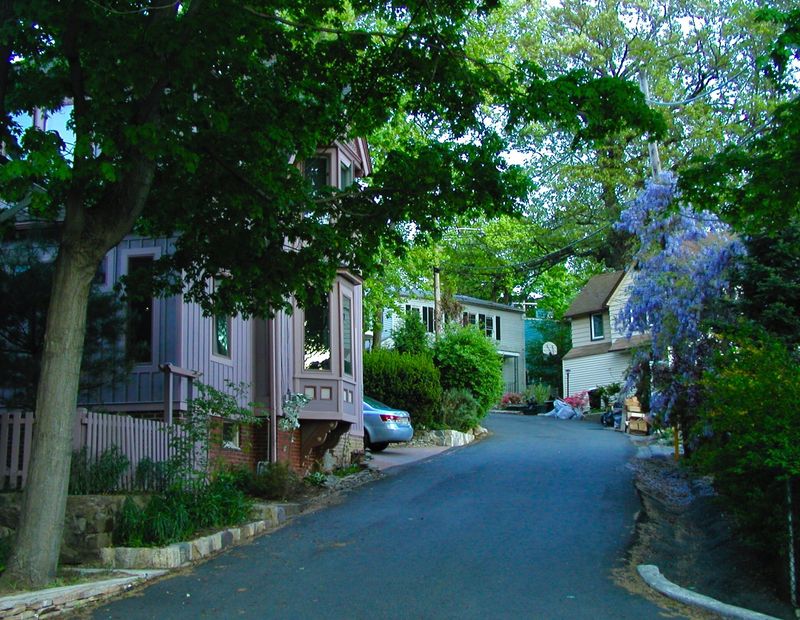
Navigation in Mt Tabor requires a different mindset than what most of us are used to. The streets here don’t follow a grid pattern, and many of them feel more like paths than proper roads.
Some are paved, others remain gravel, and a few are barely wide enough for a single car to pass through.
There are street signs, but they’re easy to miss among the foliage that crowds in from all sides. The village was laid out in concentric circles around the Tabernacle, with smaller lanes radiating outward like spokes on a wheel.
This design was common for camp meeting grounds, creating a sense of everyone being oriented toward a central point.
I found myself turning around several times, not because I was truly lost but because I kept discovering new corners I hadn’t noticed before. A tiny house tucked behind larger ones, a footpath leading into the woods, a garden that seemed to exist in its own private world.
The layout encourages exploration rather than efficient travel.
Modern GPS systems struggle here, often suggesting routes that don’t actually exist or missing streets entirely. Locals navigate by landmarks and memory, knowing that the blue house is two turns past the oak tree with the bent trunk.
It’s a system that works when everyone knows everyone.
A Community That Never Really Grew Up
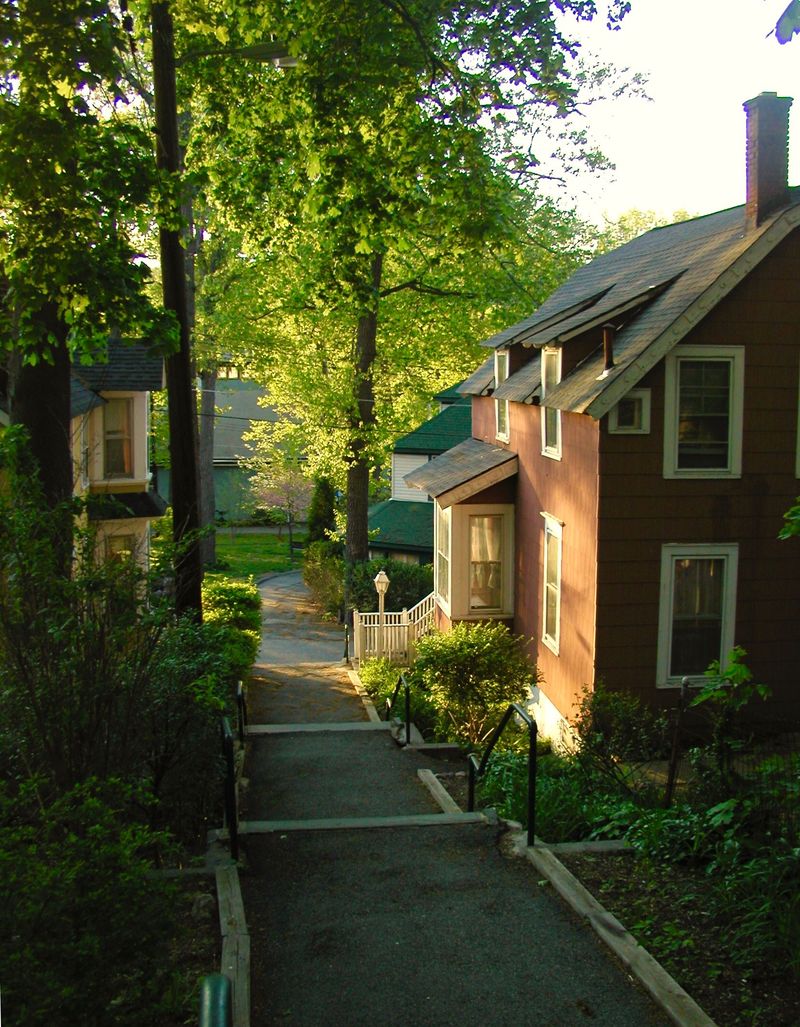
Most towns expand over time, adding new developments and modern infrastructure as populations grow. Mt Tabor made a different choice.
The community has remained essentially the same size it was when it was founded, with strict rules about what can and cannot be built within its borders.
This wasn’t an accident. Residents have actively worked to preserve the village’s character, resisting the kind of development that has transformed so much of suburban New Jersey.
There’s a homeowners association that maintains standards for everything from paint colors to fence styles, ensuring that new additions blend with the historic character.
The result is a place that feels frozen in a particular moment of American history. Not in a museum-like way, but as a living community that has chosen to prioritize preservation over growth.
People still live in those tiny cottages, updating the interiors while keeping the exteriors true to their original design.
I talked to a resident who had lived there for thirty years, and she described it as a conscious choice to live differently. Smaller homes mean less maintenance, less consumption, and more time for community involvement.
The trade-off is accepting limitations that most modern homeowners wouldn’t tolerate.
Nature as a Neighbor
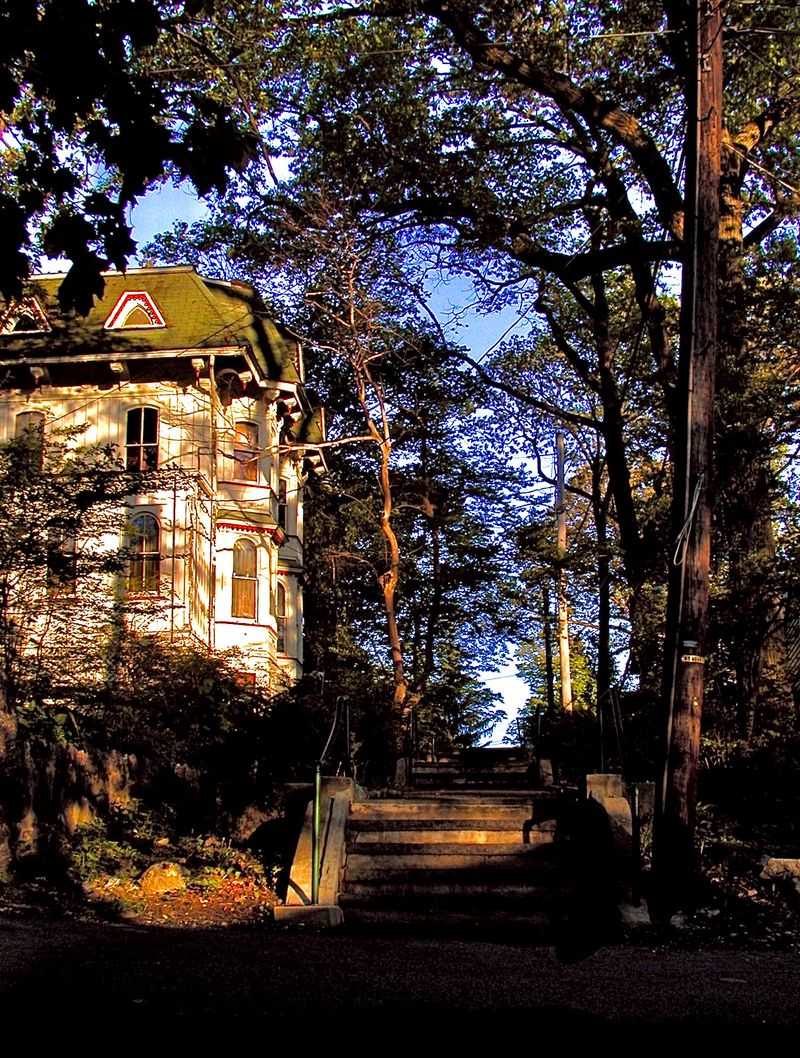
One of the most striking aspects of Mt Tabor is how thoroughly it’s embedded in the natural landscape. This isn’t a development carved out of the woods with a few decorative trees left standing.
The village exists within the forest, with homes nestled among trees that were already mature when the first structures went up.
Deer wander through yards as casually as housecats. Birds nest in eaves and fill the air with song from dawn until dusk.
Squirrels treat the narrow lanes as their personal highways, and it’s not uncommon to spot a fox or raccoon making evening rounds. The boundary between wild and domestic is pleasantly blurred.
Walking the village paths feels more like hiking than strolling through a neighborhood. Roots push up through the ground, creating natural obstacles that keep you watching where you step.
Overhead, branches form tunnels of green that shift and sway with every breeze. The air smells like earth and leaves rather than asphalt and exhaust.
This integration with nature wasn’t just aesthetic. The founders understood that the natural setting was part of what made the place special, a retreat from the increasingly industrialized cities of the late 1800s.
That philosophy has been maintained by successive generations who continue to prioritize trees over parking lots.
Summer Traditions That Endure
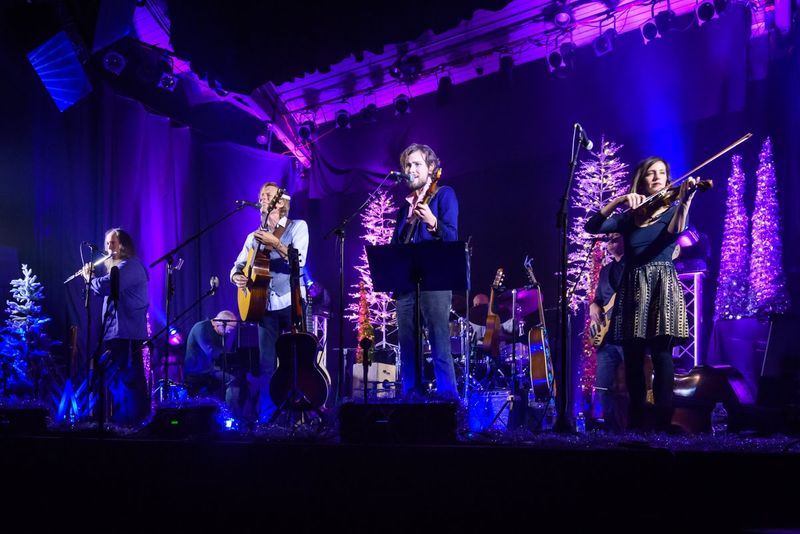
Mt Tabor comes most alive during the summer months, when the traditions that founded the community are still practiced. Weekly services at the Tabernacle draw both residents and visitors who appreciate the combination of worship and outdoor beauty.
These aren’t formal affairs but relaxed gatherings where people dress comfortably and children play quietly in the grass.
Beyond religious services, the summer calendar fills with ice cream socials, concerts, and community picnics that bring everyone together. These events have been happening for so long that they feel less like organized activities and more like natural rhythms of village life.
You show up because that’s what people do, not because you received an invitation.
I attended a Friday evening concert where local musicians played folk songs while fireflies began their evening dance. Families spread blankets on the grass, sharing food and conversation as the music drifted through the trees.
There was no admission fee, no formal seating, just people enjoying a simple pleasure together.
These traditions serve a purpose beyond entertainment. They reinforce the sense of community that makes Mt Tabor different from a typical residential area.
When you see the same faces week after week, sharing the same spaces and activities, relationships deepen in ways that don’t happen when everyone retreats to separate homes and separate lives.
A Place That Resists Time
There’s something deliberately anachronistic about Mt Tabor, a quality that goes beyond just preserving old buildings. The entire pace of life here feels slower, more intentional, as if the community has collectively decided that not all progress is worth pursuing.
You won’t find chain stores or franchise restaurants, no parking meters or traffic lights.
This resistance to modernization isn’t about rejecting technology or living in the past. Most residents have internet connections and smartphones like everyone else.
But they’ve chosen to maintain a physical environment that reflects values from an earlier era, when community connection and natural beauty were prioritized over convenience and efficiency.
Walking through the village, I noticed small details that would never survive in a more typical development. Hand-painted signs, uneven sidewalks, gardens that spill onto public paths.
These imperfections are part of the charm, evidence of human scale and individual expression rather than corporate standardization.
The challenge, of course, is maintaining this character as the surrounding area continues to develop. Parsippany-Troy Hills has grown considerably over the decades, bringing shopping centers, office parks, and housing developments that are the antithesis of Mt Tabor’s aesthetic.
Yet the village has managed to remain distinct, a pocket of difference that proves alternatives are possible.
A Living Museum Without the Ropes
What separates Mt Tabor from historical recreations or tourist attractions is that it’s a real, functioning community. These aren’t museum pieces but homes where people actually live.
The cottages have been updated with modern plumbing and electricity, kitchens have been renovated, and interiors reflect contemporary tastes even as exteriors maintain their historical appearance.
This balance between preservation and livability is delicate. The community wants to maintain its character without becoming a static display of the past.
Residents paint their homes in historically appropriate colors but choose their own furniture. Gardens follow personal preferences while respecting the overall aesthetic.
It’s a negotiation between individual expression and collective identity.
I noticed this tension in small ways during my visit. A home with solar panels discreetly installed on a rear roof slope.
A cottage with a modern addition carefully designed to match the original architecture. These compromises allow the village to remain viable while preserving what makes it special.
The result is a place that feels authentic rather than staged. You see laundry hanging on lines, cars parked on streets, and the everyday evidence of real life happening.
This isn’t a weekend destination where people play at historic living before returning to their modern homes. It’s a community that has found a way to honor its past while accommodating present needs.
Visiting Without Intruding
Mt Tabor welcomes visitors, but it’s important to remember that this is a residential community, not a tourist attraction. People live here year-round, and their privacy deserves respect.
The village is open to the public, but wandering through means being mindful of the fact that you’re walking through someone’s neighborhood.
There’s no admission fee, no guided tours, and no visitor center with maps and restrooms. You simply enter the village and explore at your own pace, staying on public paths and respecting private property.
Most residents are friendly and willing to chat if approached respectfully, but they’re not tour guides or historical interpreters. They’re people going about their daily lives.
The best time to visit is during one of the public events held at the Tabernacle during summer months. These gatherings welcome outsiders and provide a chance to experience the community’s culture without feeling intrusive.
You can attend a concert, participate in a service, or simply enjoy the atmosphere alongside residents.
If you visit outside of scheduled events, keep your exploration brief and quiet. Take photos of buildings and landscapes, but avoid photographing people without permission.
Don’t peek in windows or wander into yards. Treat it as you would want visitors to treat your own neighborhood, with courtesy and consideration for the people who call this place home.
What Mt Tabor Teaches About Community
Mt Tabor offers lessons that extend beyond its physical boundaries. In an era when many Americans report feeling isolated and disconnected, this village demonstrates that community doesn’t happen by accident.
It requires intentional design, shared values, and ongoing commitment from the people who live there.
The village’s layout facilitates interaction in ways that modern subdivisions often prevent. When homes are close together and streets are narrow, you naturally encounter neighbors more frequently.
When there’s a central gathering place and regular events, relationships form and deepen over time. When the community is small enough that everyone recognizes each other, a sense of mutual responsibility develops.
These aren’t revolutionary insights, but they’re easily forgotten in contemporary development patterns that prioritize privacy, efficiency, and automobile access over human connection. Mt Tabor reminds us that different choices lead to different outcomes, and that the physical environment shapes social relationships in profound ways.
As I left the village, driving back into the typical suburban landscape of strip malls and traffic lights, I found myself thinking about what we’ve gained and lost in our pursuit of modern convenience. Mt Tabor isn’t perfect, and its model can’t simply be replicated everywhere.
But it stands as evidence that alternatives exist, that communities built around different values can thrive if people are willing to make them work.
Share this story