New Jersey keeps its best stories in tall places, and this one comes wrapped in legend and brick. I went looking for history and found a lookout where folklore peeks around every corner, hinting at a certain hoofed visitor that once stirred whispers along the coast.
You will get the real details on climbing, hours, exhibits, and the best ways to make the most of your visit, plus a grounded take on the long shadow of the Jersey Devil tale. Keep reading and I will show you how this beacon turns a simple afternoon into a surprisingly memorable chapter of your trip.
Exact Address, Hours, and First Look
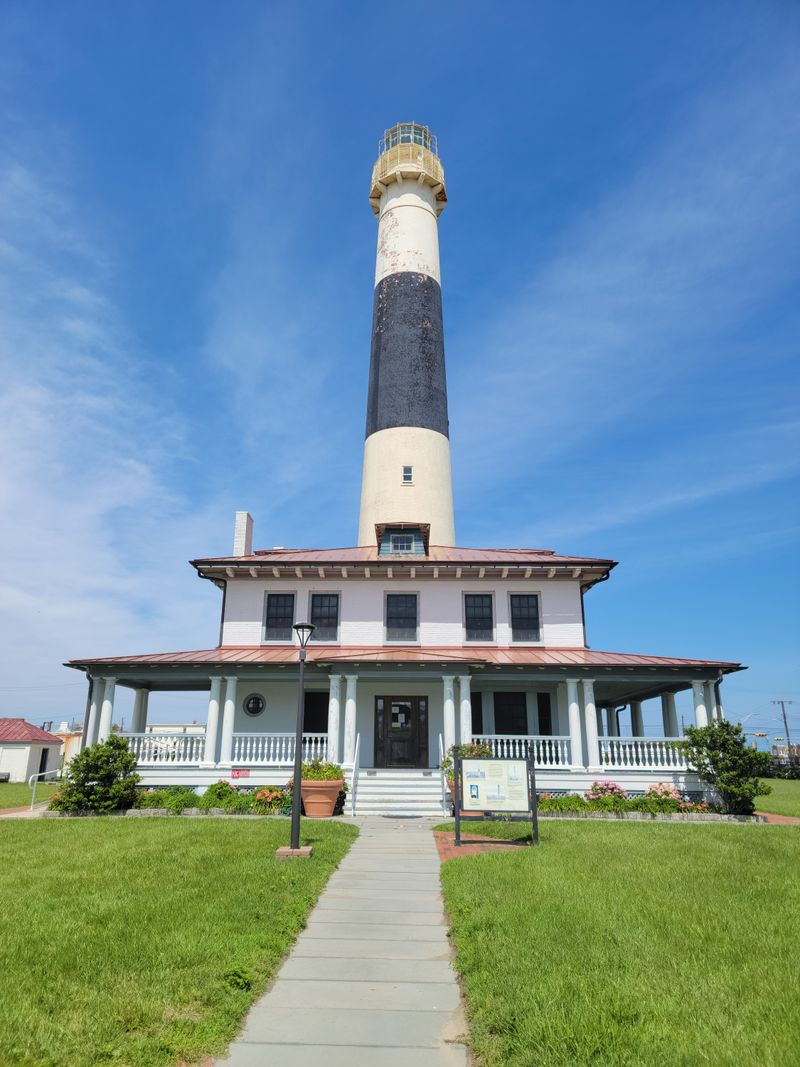
The Absecon Lighthouse stands at 31 S Rhode Island Ave, Atlantic City, NJ 08401, a short hop from the boardwalk grid and the oceanfront skyline. Hours typically run 11 AM to 4 PM Thursday through Monday, with Tuesday and Wednesday closed, and I always double check the website before setting out.
Parking is straightforward on nearby streets, and the entrance leads into a compact museum that sets the tone without stealing time from the climb. Admission is posted at the desk, and the self guided format works well if you pause at displays and read the placards.
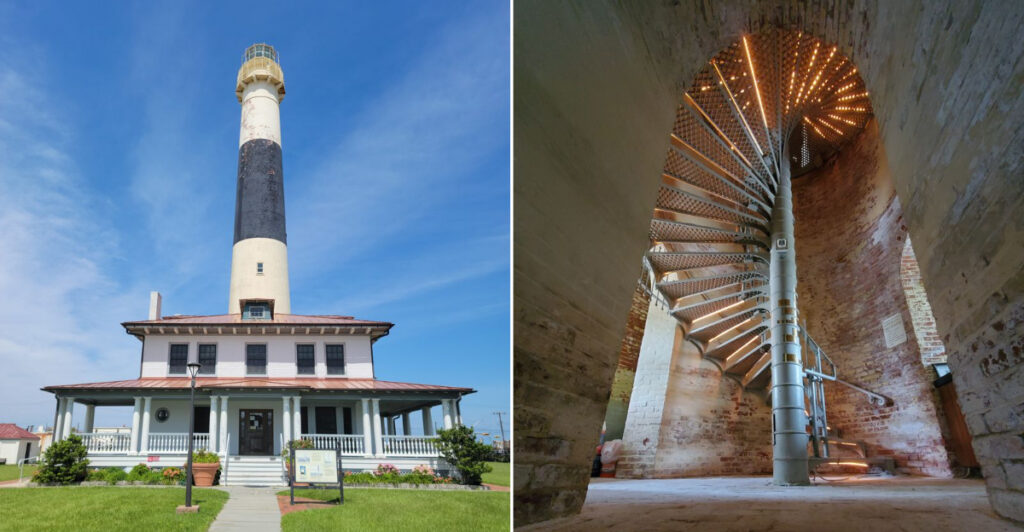
Right away, the brick base and tapered tower frame a quiet courtyard that feels like a pocket of calm in a buzzy city. You get the sense of a place that has seen hard winds, new skylines, and a thousand small visits like yours, each one stacking more character into the day.
Climbing the 228 Steps
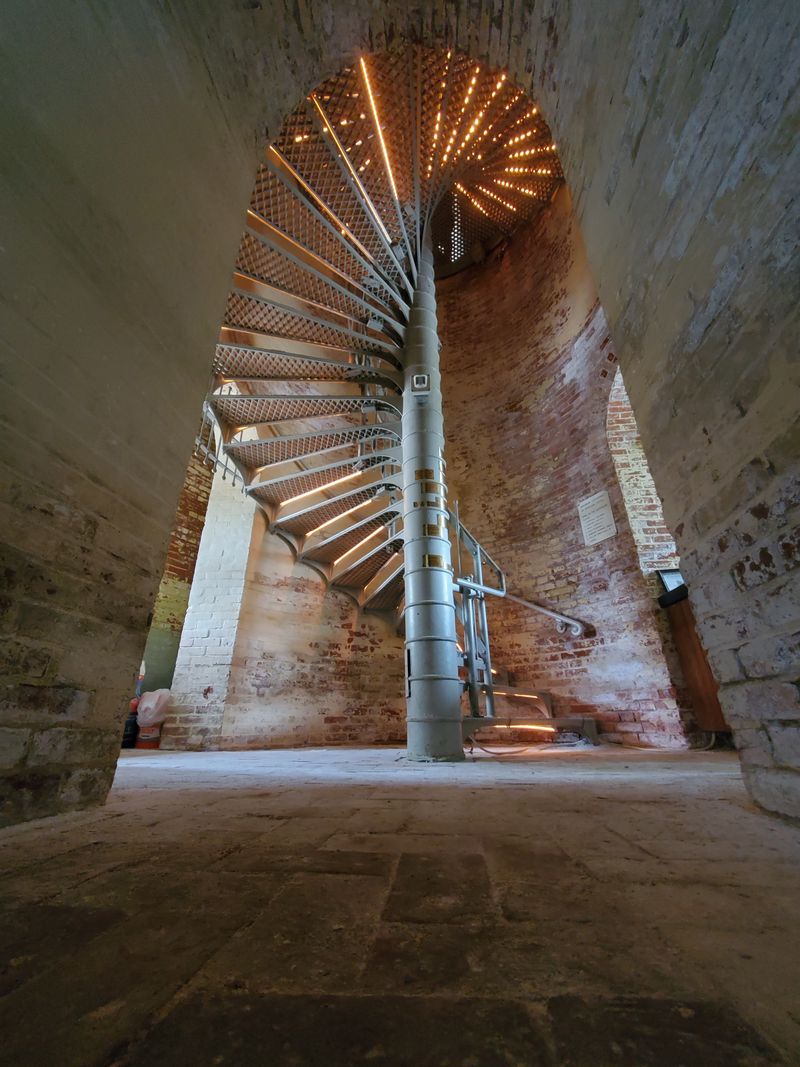
The staircase winds in a clear rhythm that rewards a steady pace, not a sprint. I paused every few landings to read the small markers and keep breathing even, then pushed on to the lantern room for the payoff.
The staff suggests pacing, and that advice proves right on the way down when your head wants a moment to reorient. Handrails are solid and well maintained, and the stairs feel secure underfoot, so the challenge is more about patience than difficulty.
At the top, windows frame the city grid, the casinos, and the ocean line with an honest, unscripted view. No gimmicks, just perspective that makes the climb feel worth the effort and the ticket.
Views of Atlantic City and Coast
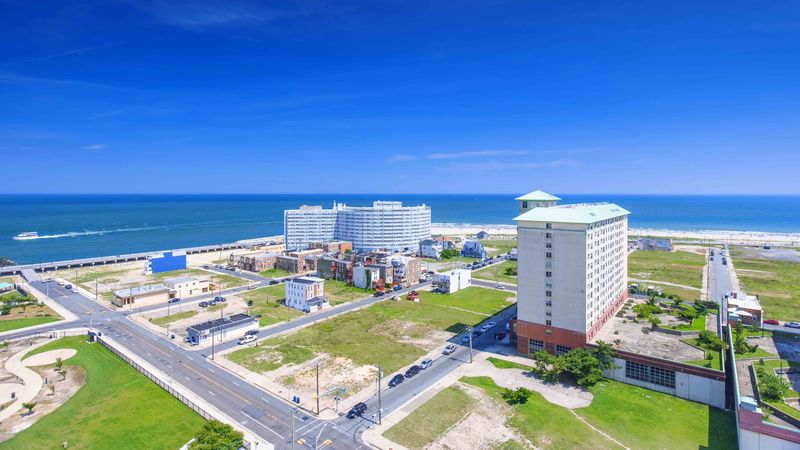
The view comes together like a clean map, with the boardwalk geometry, the surf line, and casino silhouettes rising in neat order. I traced routes I had just walked and picked out future stops, which made the city feel easier to navigate.
Clear days stretch the horizon far enough to reset your plans for the afternoon. The angle here shows both working neighborhoods and marquee towers, a reminder that Atlantic City operates on more than glitz alone.
Photography works best with reflections managed close to the glass, so I steady the lens and keep my shots quick. You will not need filters or tricks, only the patience to wait for a passing cloud to soften glare.
The Fresnel Lens Story
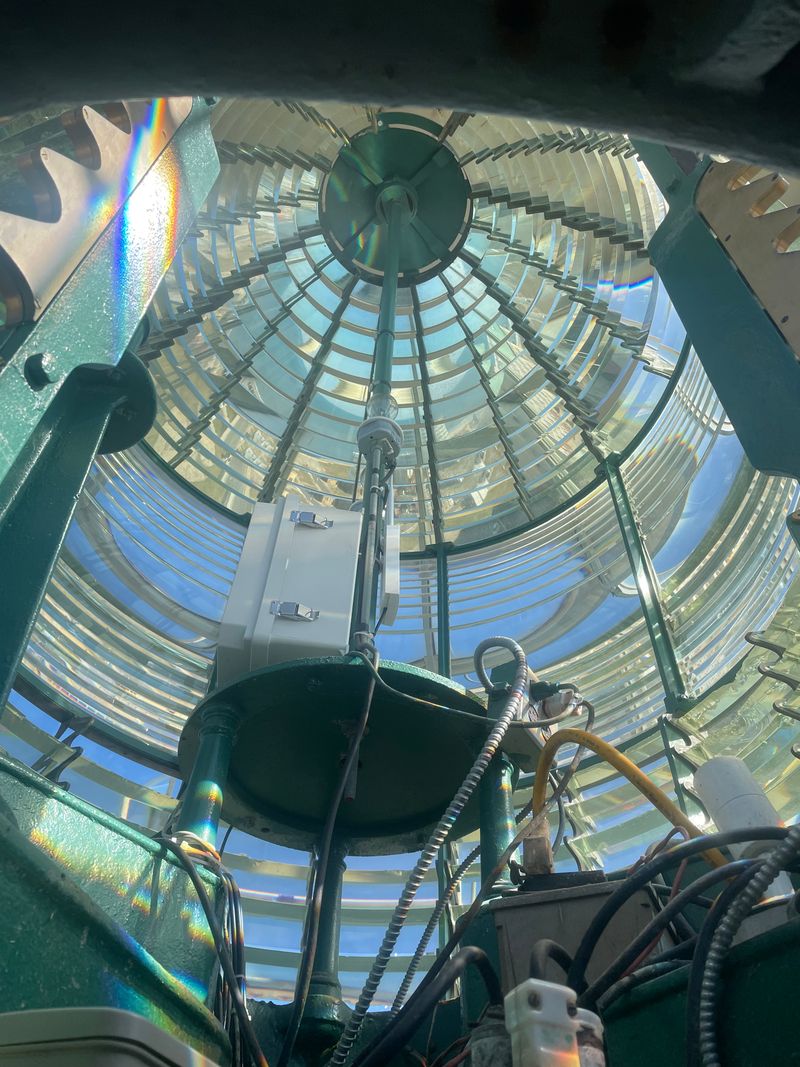
The gallery highlights the Fresnel lens, the optical heart that once pushed light far beyond expectation. I studied the glass rings and brass fittings, appreciating how compact engineering solved a big coastal problem.
Interpretive panels explain how the lens orders scale up and why this design mattered to mariners along shoal heavy waters. The logic is straightforward, and the diagrams make the technology feel approachable.
I left that room picturing nighttime beams tracing a careful path for ships aiming to avoid the inlet. It is easy to admire the elegance of a device that worked hard without a modern power grid calling the shots.
Tallest in New Jersey, Third in the Nation
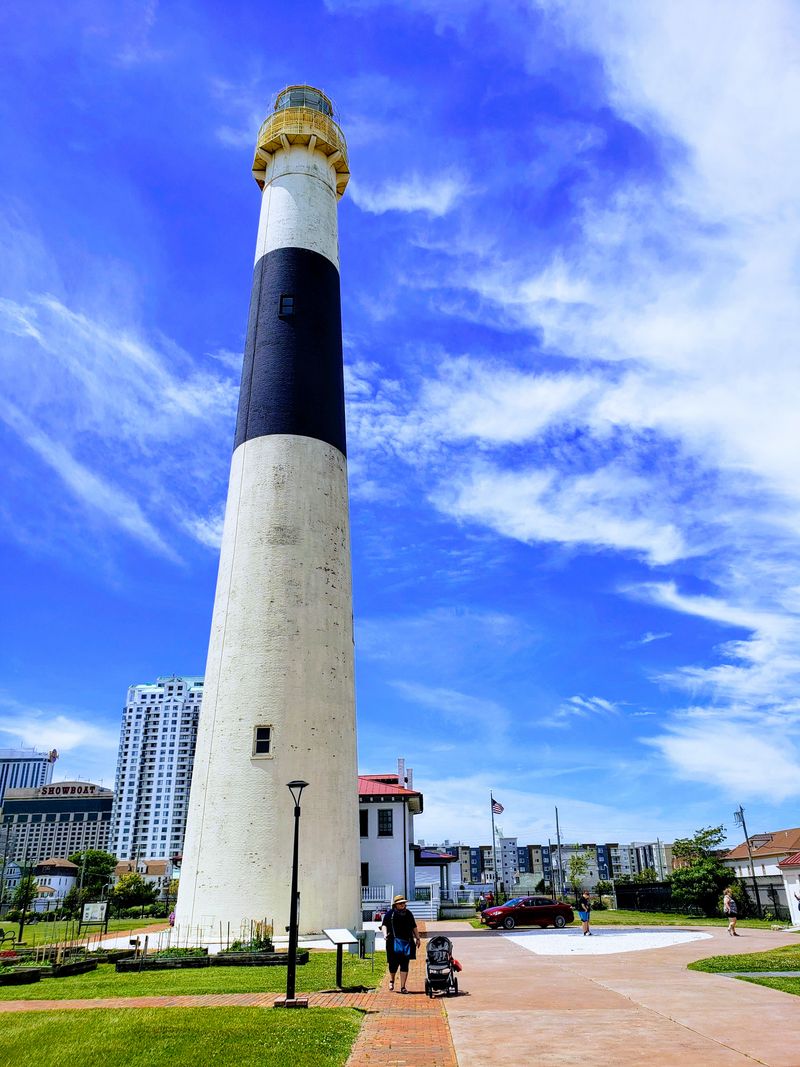
Local pride hangs on a simple fact, this is New Jersey’s tallest lighthouse and among the top tier nationally. The numbers put the climb and the upkeep into sharper focus, not as trivia but as scale.
Standing at the base, I sized up the brickwork and paint bands that make the tower instantly recognizable. Volunteers keep the facts handy and share them with a friendly rhythm that stays relaxed, not scripted.
The height sells tickets, but it also sells context. I walked away thinking about how a tall structure in a coastal city does more than signal ships, it anchors stories, directions, and a skyline that keeps changing.
Museum Rooms and Exhibits
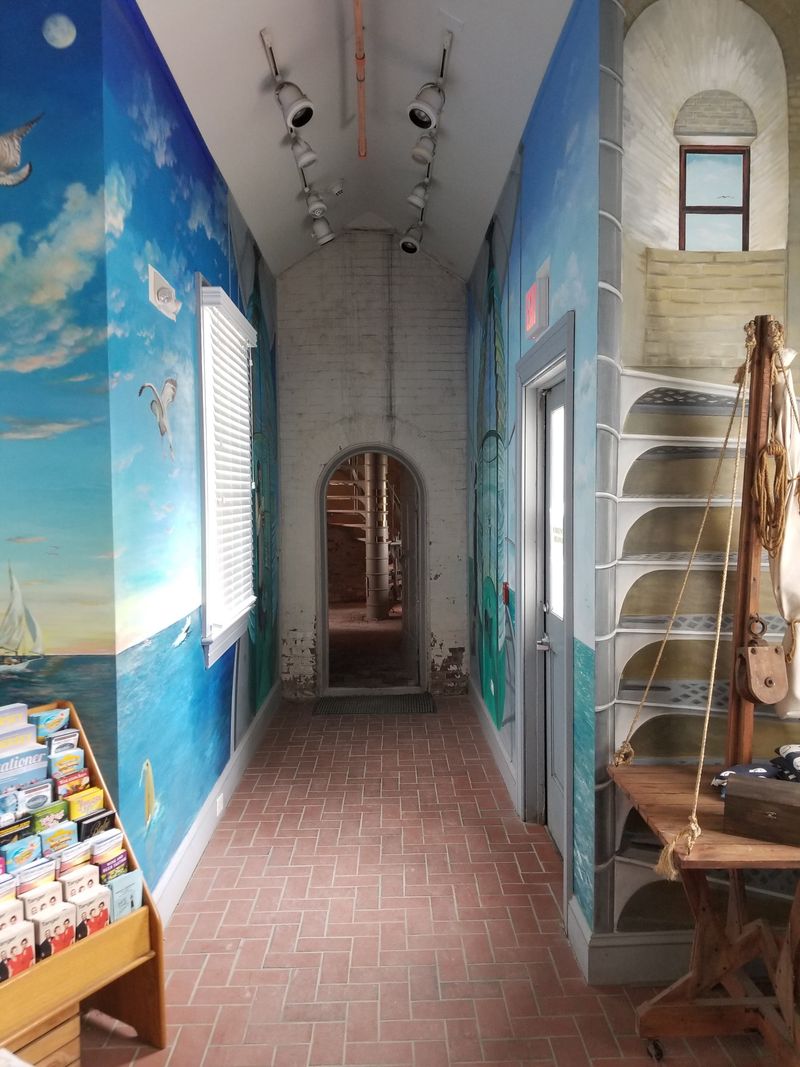
The museum leans practical, with photos of keepers, ship models, and clear timelines that chart construction, blackout periods, and restoration. I made a quick circuit first, then circled back to dig into the panels that held the most detail.
Nothing here overstays its welcome, which keeps the flow crisp before the climb. Gift shop shelves sit nearby with regional books, lighthouse pins, and a few kid friendly puzzles for the ride home.
Staff and volunteers answer questions with the confidence that comes from hearing them hundreds of times, and they still make it feel personal. These rooms work as your pre climb briefing, your rain plan, and your cool down stop on the way out.
Jersey Devil Lore, Kept in Perspective
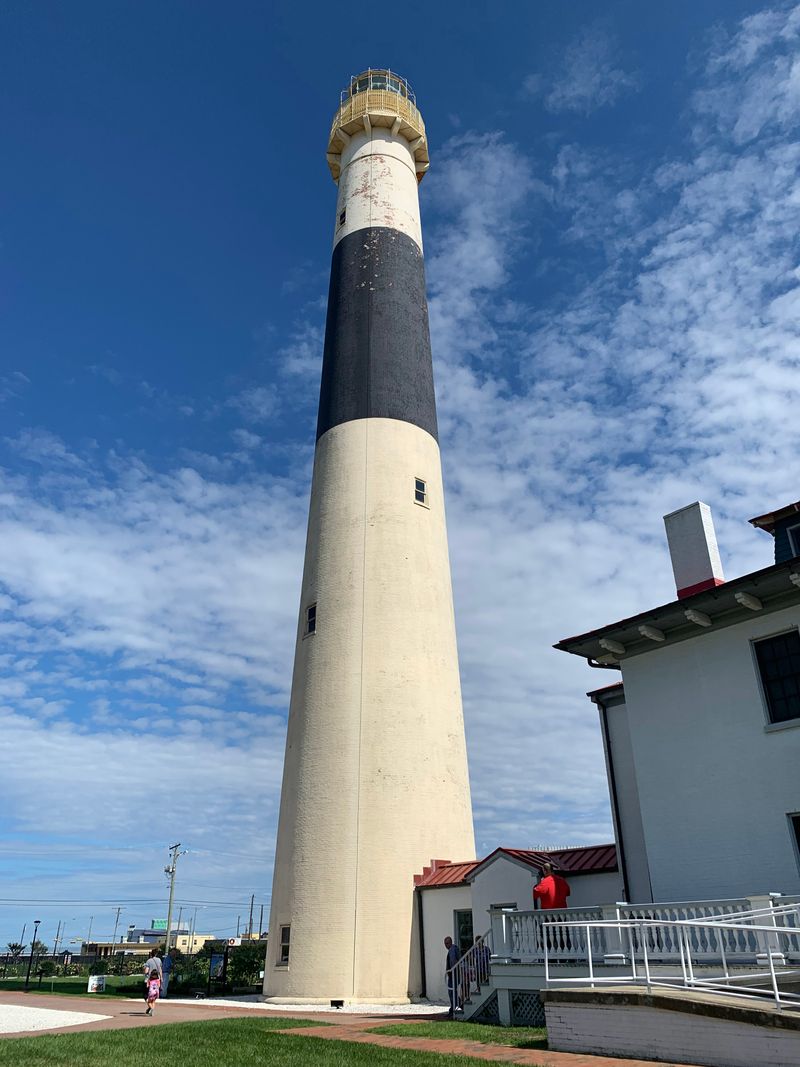
Stories about the Jersey Devil float through local talk, and this tower often gets a cameo in the tale. I heard the lore repeated with a wink, set against a steady backdrop of actual maritime history.
The staff keeps it tasteful, using the legend as an entry point rather than the main event. You can enjoy a shiver of folklore without losing sight of the engineering and civic work that truly define the site.
I like that balance, it honors community storytelling while keeping the facts front and center. You leave amused and informed, which is a reliable combination for a place that stands guard over a restless coast.
Planning Your Visit and Timing
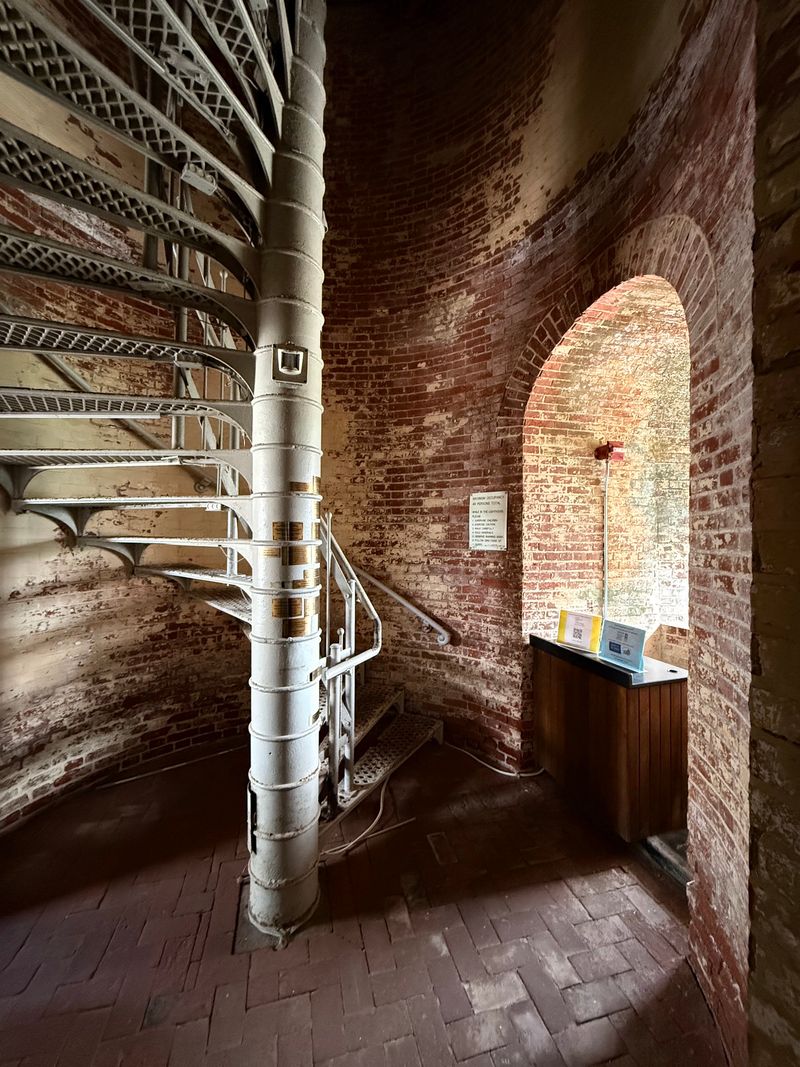
I plan around the posted 11 AM to 4 PM window and give myself at least an hour to climb, read, and take photos. Weekdays outside peak season feel calm, and mornings usually beat late day lines.
The website lists closures and special events, which can change staffing and access to the lantern room. A quick check saves headaches, especially if your schedule is tight or you are managing a group.
Comfortable shoes matter more than you think, and a small water bottle in the car pays off after the descent. With timing sorted, the visit becomes smooth and easy, like a tidy chapter in a wider Atlantic City day.
Accessibility and Visitor Tips
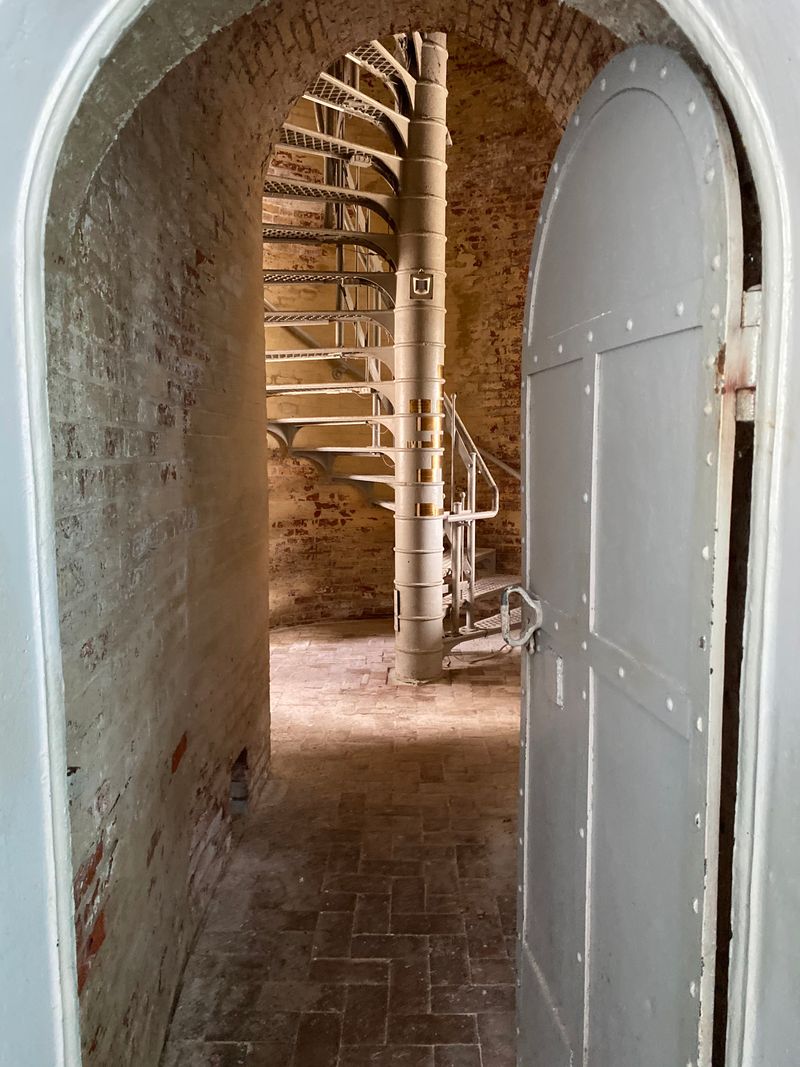
The tower itself requires stairs, so the full climb is not accessible, but the museum and grounds offer ground level history with clear displays. I appreciate that staff explains options plainly before you purchase tickets.
For families, short breaks on landings help keep kids engaged. Photos of the numbered steps can turn into a simple scavenger style game, which makes the ascent feel like progress rather than effort.
Light layers work well in changing coastal weather, and pockets with zippers keep keys and phones secure during the climb. Add a quick glance at parking rules and street signs, then your focus can stay on the lighthouse, not logistics.
Guides, Volunteers, and Local Knowledge
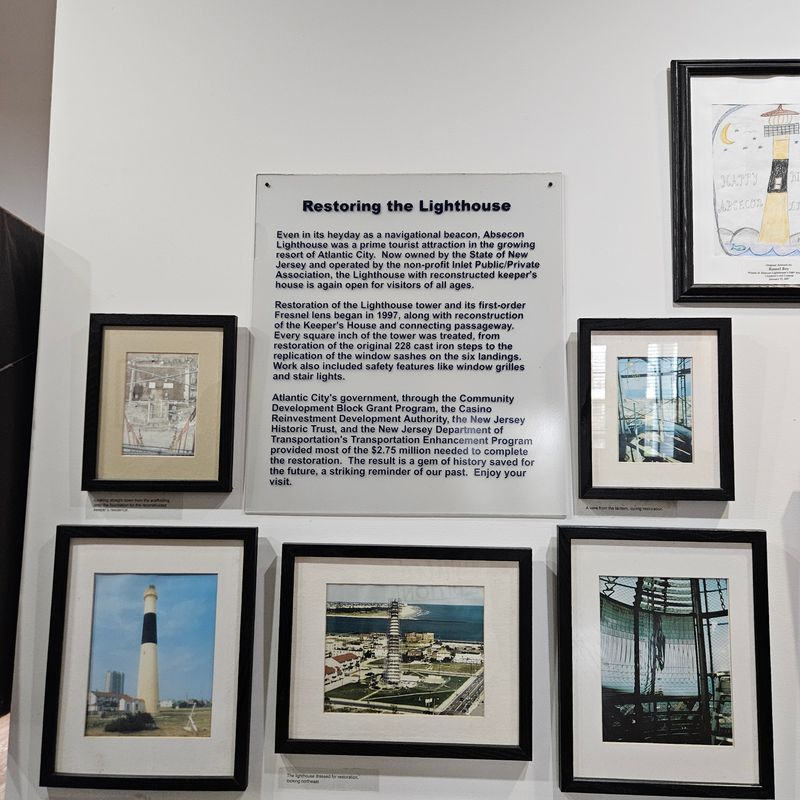
The volunteers here make the difference, answering questions with calm precision and a neighborly tone. I have gotten directions to quiet boardwalk stretches and book recommendations right alongside keeper trivia.
One attendant at the top shared details about tower maintenance that do not show up on signs, the kind of nuts and bolts talk that sticks. You feel welcomed, not rushed, which shapes the entire visit for the better.
That soft guidance turns a self guided tour into a lightly narrated one. When you step back outside, you carry a few local tips in your pocket that did not cost extra or take extra time.
Photography Without the Hassle
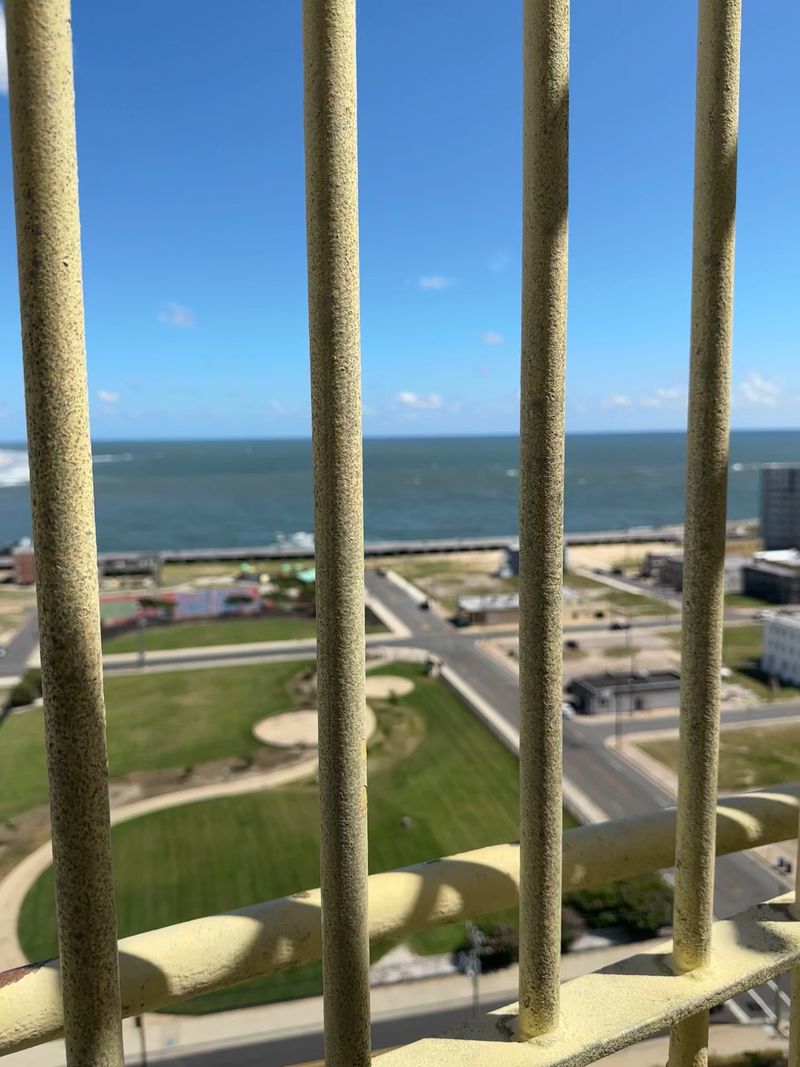
My approach to photos here is simple, keep the ISO low, brace at the window frame, and shoot in short bursts between visitor waves. Reflections fade if you angle slightly and wear darker clothing near the glass.
Outside, the best exterior angle usually comes from the courtyard where the tower stands clean against open sky. I step back far enough to avoid keystone distortion, then correct the rest later with a quick edit.
No drone needed, no fancy gear required. The subject does the heavy lifting, so your only job is patience and a steady hand.
Pairing With Nearby Stops
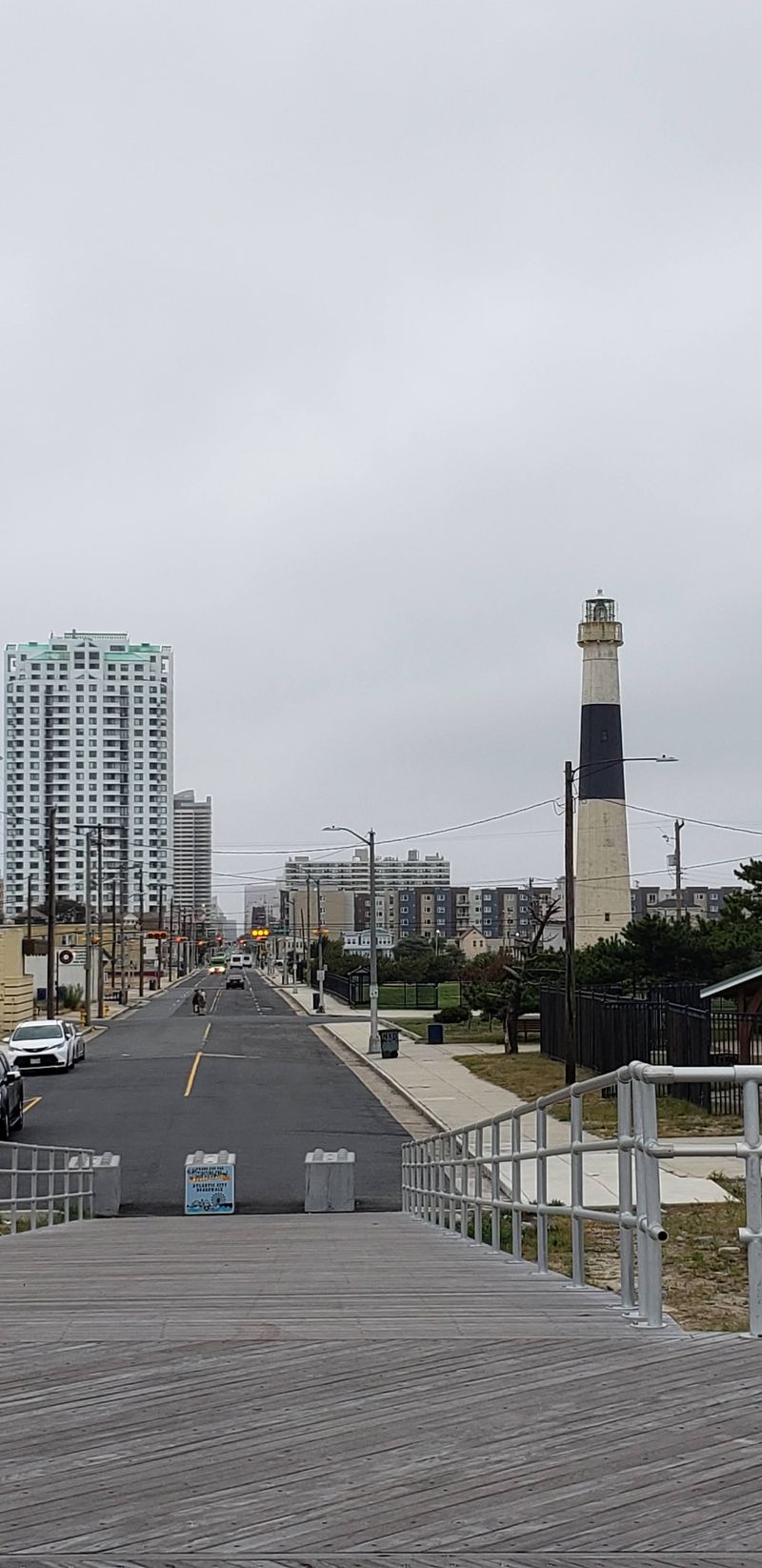
This stop pairs neatly with a stroll along the boardwalk or a quiet detour to nearby neighborhoods for murals and small bites. I like starting here, then using the view from the top to pick the next move.
Transit and rideshares are easy, and driving between sites takes minutes on calm days. A lighthouse visit gives your day a clear anchor, and everything else fills in around it like tidy notes on the margin.
You leave feeling oriented, not overscheduled. That alone is worth the climb in a city that can pull attention in a dozen directions at once.
Share this story