New Jersey hides a rail relic that feels like a forgotten chapter the map left out, and it has a way of getting under your skin in the best possible way. In Boonton, old steel and stubborn stories linger in a yard where time acts like a stubborn station master and refuses to move the schedule forward.
I went to trace the lines, learn the operations, and see why railfans whisper about it like a dare. Keep reading, because this place bends expectations and rewards anyone who loves history, logistics, and the odd charisma of retired giants.
Street Address and First Glimpse
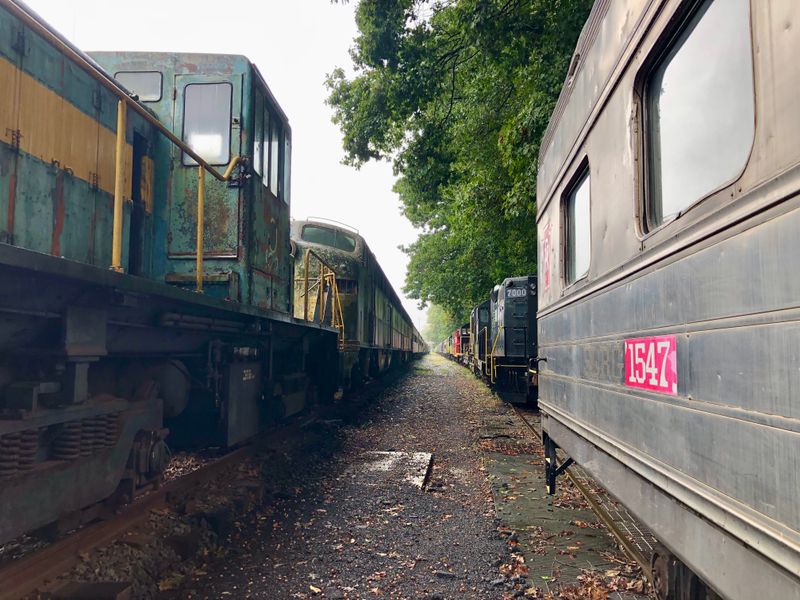
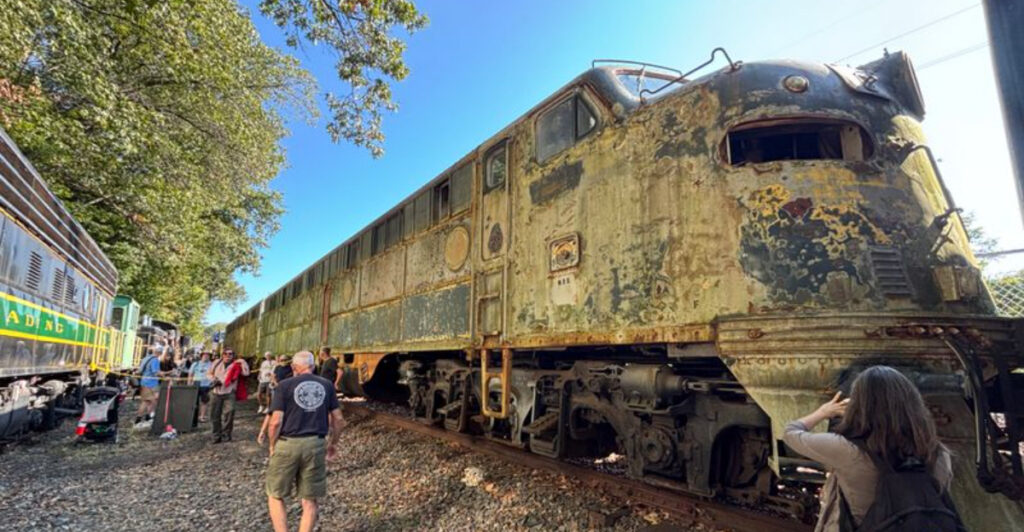
Curiosity finally took me to the United Railroad Historical Society of NJ Inc at 104 Morris Ave, Boonton, NJ 07005, deep in Morris County. The gate sat quiet, but the lines of equipment announced a proper rail sanctuary that operates as a preservation base more than a visitor attraction.
Volunteers keep watch over a collection that includes locomotives, passenger cars, and artifacts with New Jersey roots. You get the feeling of a living workshop, where projects rotate between assessment, restoration planning, and careful storage to protect scarce parts and documented histories.
Boonton’s industrial grid suits this mission, offering track access and space for heavy moves when a car needs to be shuffled. You will want to contact the group first, use the phone on their site, and confirm any access, because this is not a conventional museum with daily walk up hours.
Respect the work zones and you will be welcomed as a supporter rather than a tourist. That shift in mindset transforms an ordinary visit into a meaningful look at how rail heritage survives.
A Mission That Moves Steel and Stories
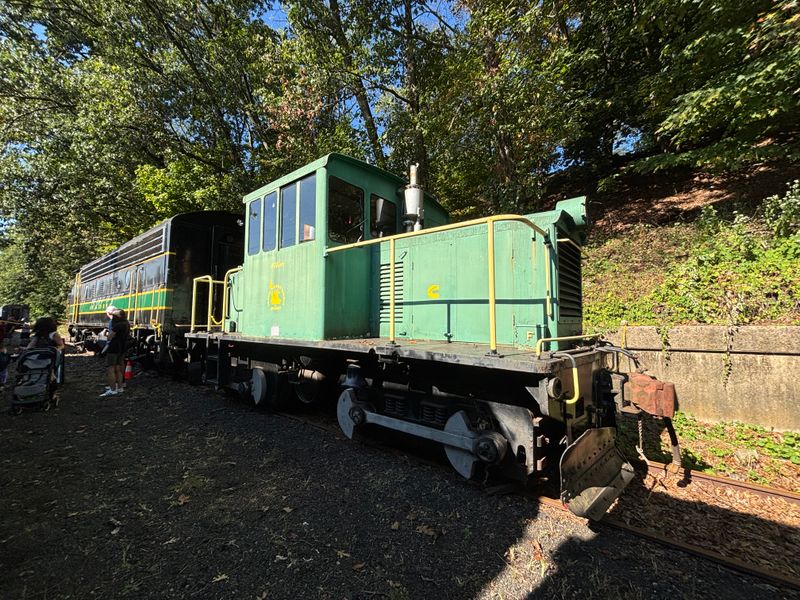
The group’s purpose runs on two tracks, and both matter equally. On one side, they preserve notable New Jersey railroad equipment with documented lineage, and on the other, they interpret those pieces so the public can understand how rail shaped towns, travel, and daily life.
I appreciated how every car is treated as a primary source. Builder plates, operating manuals, and service records are logged to keep context intact, because a polished coach without a backstory turns into a prop rather than a teaching tool.
Preservation plans tend to be pragmatic and honest about funding, material scarcity, and skilled labor. You will hear talk about corrosion mapping, air brake integrity, HVAC systems in streamlined cars, and ADA solutions that honor original design while allowing safe experiences.
That blend of scholarship and wrench work is the real draw here. You come for the trains, and stay for the methodical choices that keep history from collapsing under its own weight.
The Boonton Yard Layout
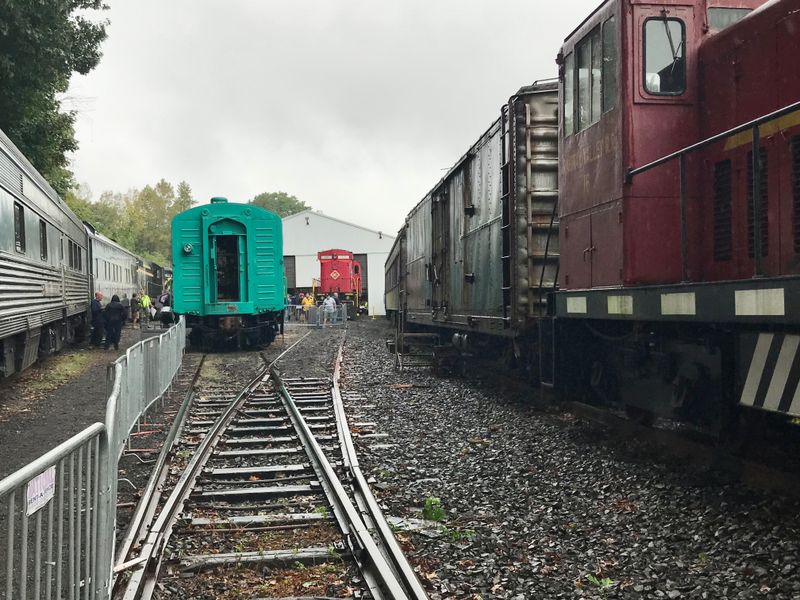
The yard itself feels like a chessboard laid out for patient players. Parallel sidings hold consists that get rearranged for inspection, cleaning, and occasional shipment to events or partner sites.
Track geometry dictates what moves where, and I learned fast that a forklift is not the star here, the switch crew is. Clearances, frog angles, and tie conditions steer decisions more than wish lists, and that practical mindset keeps the site safe and functional.
Storage lines have a logic you appreciate once someone walks you through it. Cars with active restoration plans are placed for frequent access, while long term holds sit deeper to reduce handling risks and damage potential.
Remarkably, that organization supports education for volunteers and visitors. You do not just see trains, you read a yard like a map and start spotting small but telling operations details.
Volunteers, Skills, and Shop Rhythm
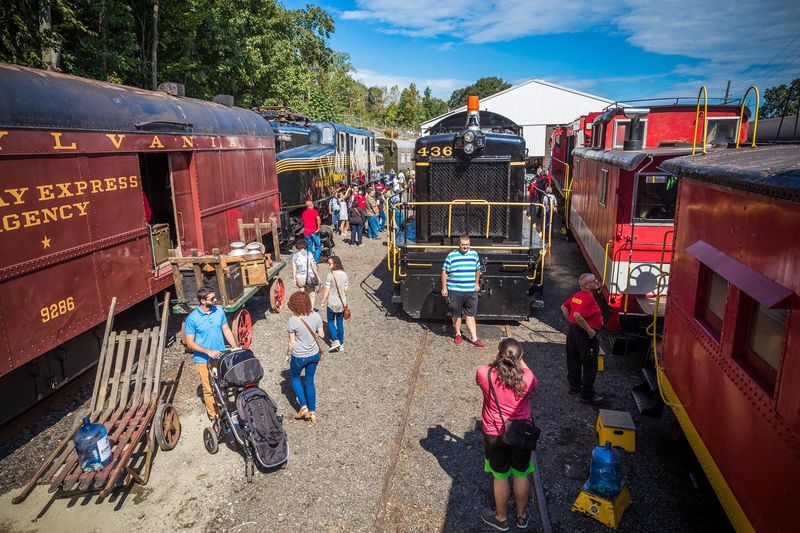
The heartbeat here comes from volunteer crews who bring trade skills and patience. I met people who speak in amperage and gasket sizes the way others talk sports, which makes every tour feel like a short course in mechanical empathy.
Electrical teams test wiring, rebuild lighting circuits, and source safe modern replacements for obsolete components without erasing period aesthetics. Mechanical leads assess couplers, draft gear, brake rigging, and wheel profiles, always balancing originality with reliability.
Documentation hovers nearby, because photos and notes guard against accidental changes during long projects. I watched a checklist grow line by line while someone referenced an original maintenance manual like a cookbook.
You can help even without a toolbox. Data entry, grant writing, photography, and archival organizing support the heavy labor, and those roles can be just as decisive when deadlines loom.
Access, Hours, and Expectations
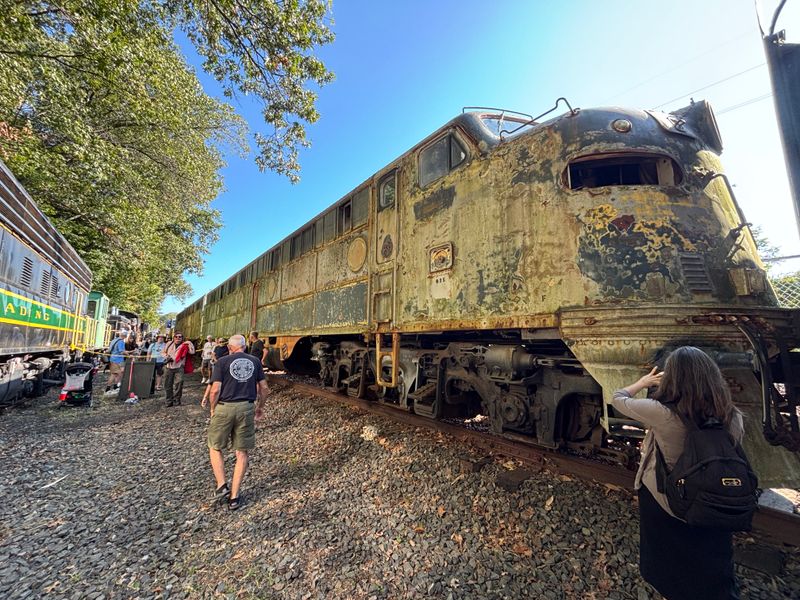
The organization lists Open 24 hours on Google, but that reflects the property’s operational status rather than a walk in museum model. I called ahead using the number on their website and confirmed the plan for a hosted visit.
Weekdays tend to be most active for behind the scenes work. Weekends can be quieter or focused on specific tasks, and occasional special events open a wider door for the public.
Good etiquette matters here. Wear sturdy shoes, follow escorts, and ask before taking close photos of ongoing projects, because surfaces and staging change often and safety procedures come first.
Think of it like entering a working yard where your curiosity is welcome. You will get far more insight by aligning to that rhythm than by expecting a polished exhibit hall with fixed tour times.
Why Railfans Call It Unsettling
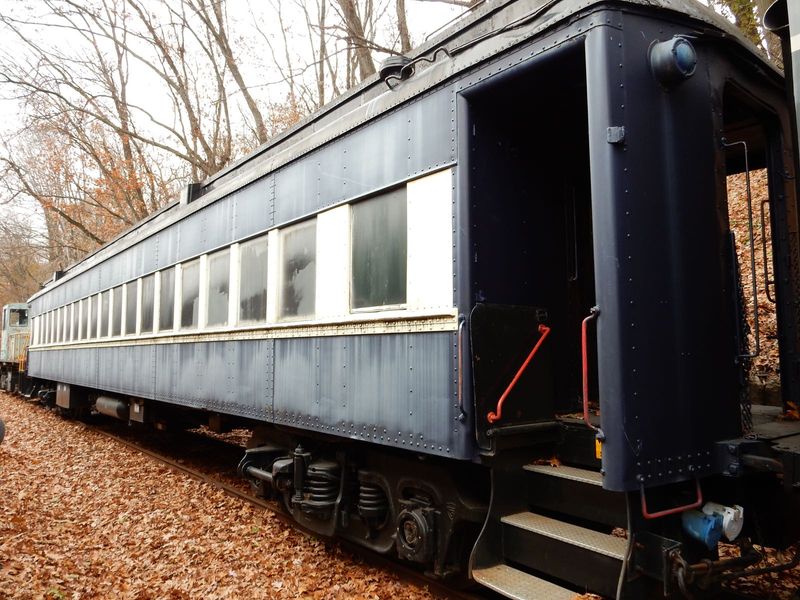
That unsettling label comes from the way silence wraps around idle equipment. Cars sit with windows dark and doors sealed, and your mind fills the gap with schedules, chatter, and destinations no timetable lists anymore.
It is not a theme park vibe. The stillness reflects real pause between funding cycles, parts sourcing, and volunteer availability, and that waiting state can look eerie if you expect constant motion.
I took it as a reminder that preservation lives in the spaces between glory moments. You stand near a coach that once raced a corridor and realize its fate depends on patient choices rather than quick applause.
For me, the mood sharpened my focus on details. Rivet lines, faded lettering, and taped notes on windows become the plot points that keep the place honest.
Signature Pieces and Rolling Stock Highlights
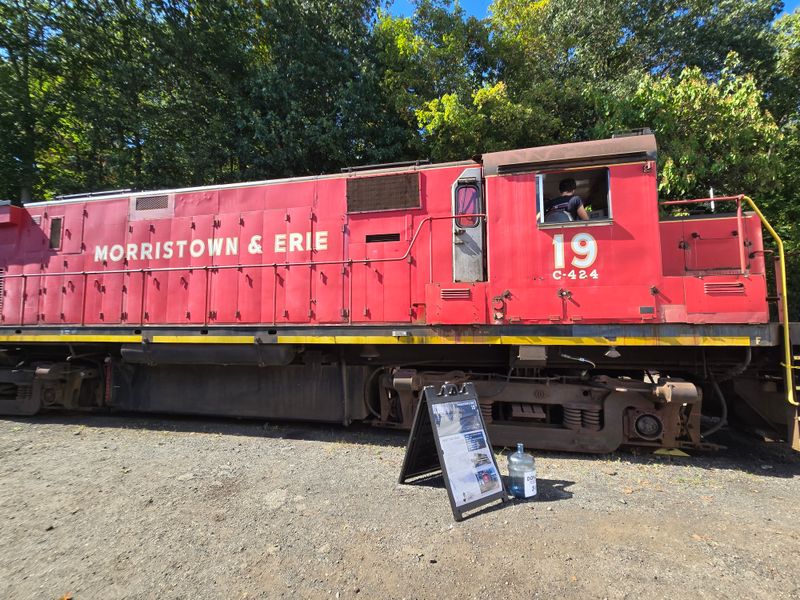
Highlights shift as equipment moves for work or events, but certain stars draw steady interest. Streamlined passenger cars with observation ends show how design once sold speed and comfort with curved glass and clean lines.
Heavyweight coaches remind me how railroads handled volume with rugged frames and practical interiors. Early diesel power represents a turning point when railroads traded steam complexity for efficient, modular service that reshaped maintenance.
You might not see every famous nameplate on a given day, and that is fine. Staff can point to current priorities and explain where pieces are headed next, or how parts hunts dictate the order of operations.
That moving target makes repeat visits worthwhile. The roster feels less like a static catalog and more like a rotating studio where history gets new assignments.
Educational Programs and Outreach
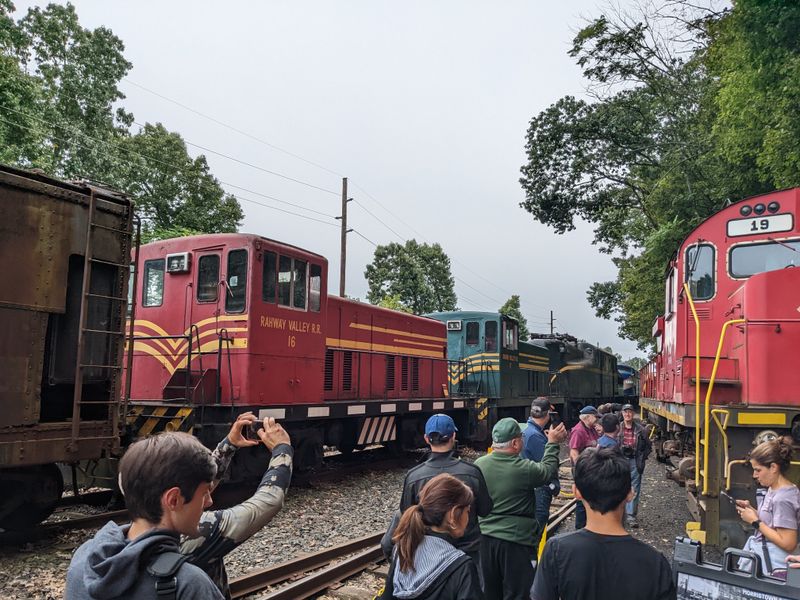
Outreach weaves through everything they do. School groups and civic organizations can arrange tours that focus on technology, New Jersey rail corridors, or restoration science that links classroom concepts to real hardware.
I have seen kids light up when a guide connects a brake diagram to a full car inspection, and adults perk up at the logistics behind moving a 70 ton artifact across a state. It is practical history with stakes you can measure in inches and volts.
Exhibits sometimes travel to public events, which expands access beyond the yard. That flexibility helps people discover the group at festivals and rail days, then plan a deeper visit later.
The result is a pipeline of new volunteers, donors, and curious neighbors. Education is not a side project here, it is a route that keeps the entire operation moving forward.
Safety First in a Working Yard
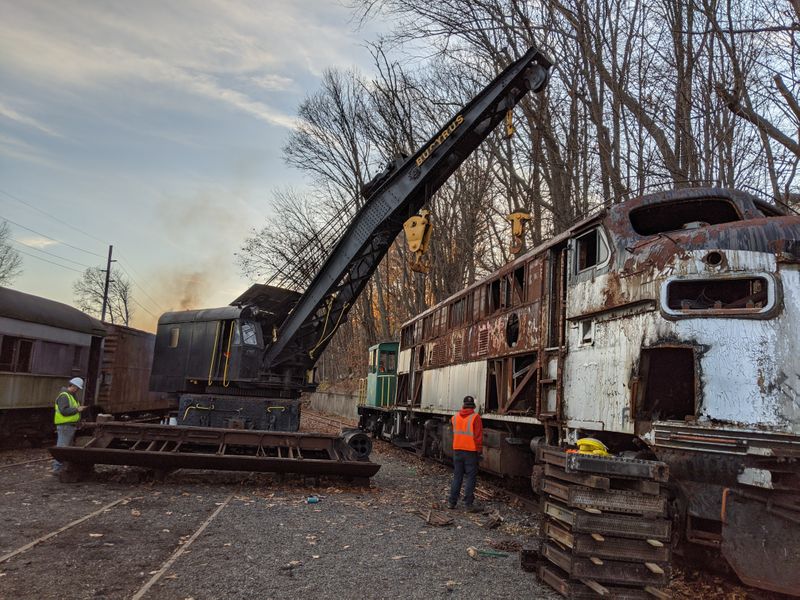
Rules protect the collection and everyone visiting. A rail yard changes minute by minute, and safe conduct turns a good day into a productive one.
Stay within marked routes, keep clear of couplers and wheel flanges, and wait for a spotter’s signal before crossing tracks. I keep my bag zipped and hands free so I am not fumbling near heavy equipment or tripping hazards.
Photography is usually fine with permission, but step back if a lift or hose line appears. The team trusts visitors to act like partners, and that trust makes access possible where other sites might say no.
You will leave with better photos and better stories if you follow the pace they set. The right cadence keeps history and humans intact.
How To Support The Work
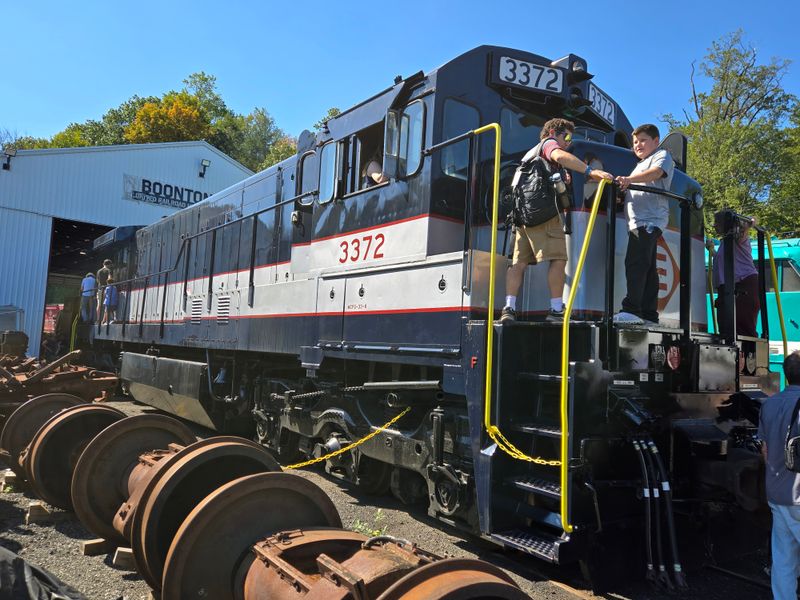
Support flows through small steps that add up quickly. Donations keep paint, brake components, and archival materials stocked, while memberships create a stable base for planning multi season projects.
Volunteering once a month still matters, and remote tasks help too. I have scanned documents, edited text for signs, and forwarded grant leads to staff who turned them into real funding.
Merchandise purchases and special event tickets channel cash toward specific restorations. You can even sponsor targeted needs like window glazing or upholstery that match period specifications.
Every dollar or hour moves a needle on a real work list. That transparency feels good, because progress shows up as a cleaner coach, a safer step, or a new interpretive panel.
Planning Your Visit
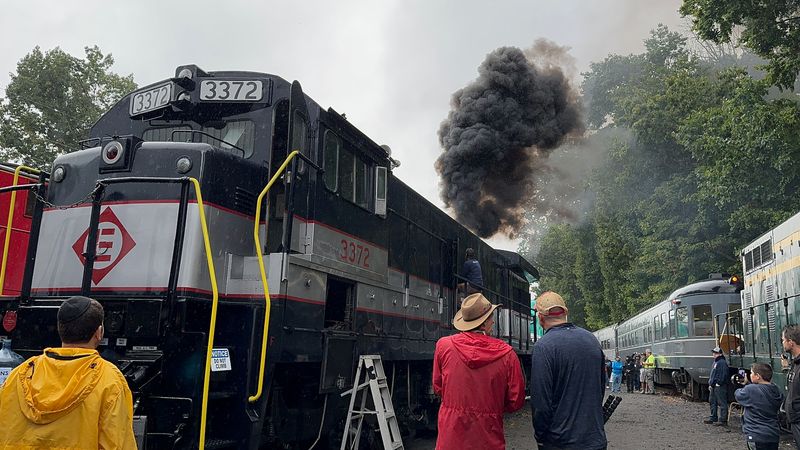
Preparation pays off at a site like this. I start by emailing the organization through their website to confirm dates, then I ask about current projects so I know what I am likely to see.
Closed toe shoes are essential and layers help for outdoor work zones. Bring water and a small snack, and keep gear minimal so your hands stay available for steady footing.
Parking is straightforward near Morris Ave, and staff will guide you toward the appropriate gate. Factor in extra time, since conversations with volunteers tend to stretch in the best way.
You will depart without feeling rushed if you build a cushion. Curiosity breathes better when the clock is not barking at you.
Events Beyond The Fence
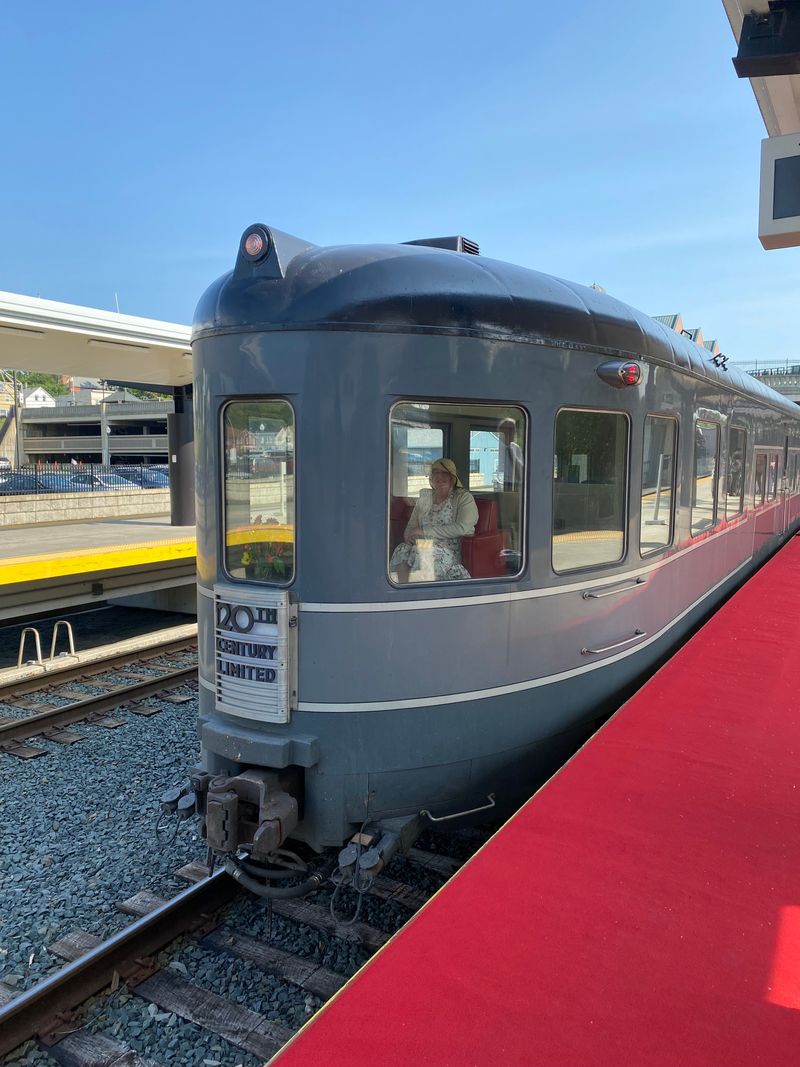
Not everything happens in Boonton. The organization partners on excursions and public displays that carry restored cars onto mainline rails or into high visibility exhibits.
These off site moments show what the work is aiming toward. A car that sat quiet in the yard may turn into a hosted lounge with seating plans, catering logistics, and interpretive talks that turn heads at a big city terminal.
Schedules change with track availability, host railroad coordination, and insurance requirements. Keep an eye on announcements through their website and social pages to catch opportunities when they surface.
Catching a piece in motion deepens your respect for the yard work. The loop feels complete when a preserved car earns miles again.
Research and Archives
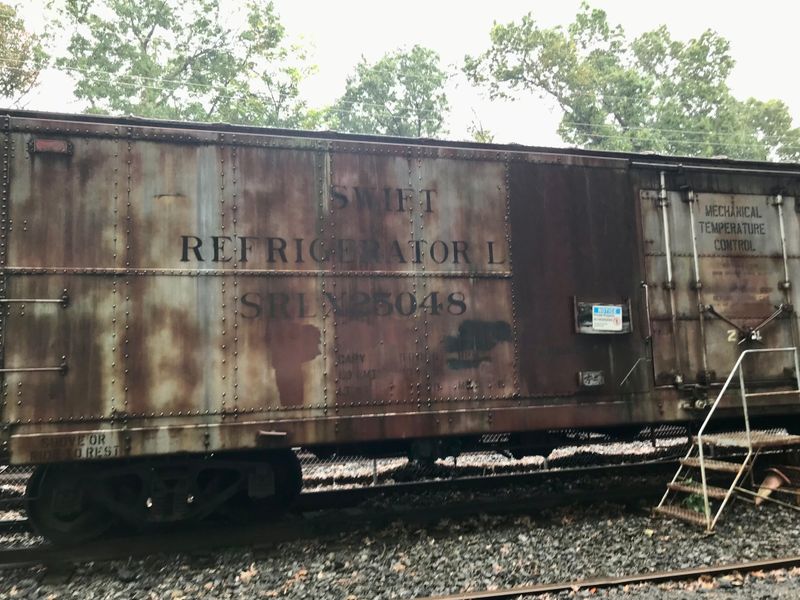
Preservation without paperwork drifts into myth. Here, archives tether metal to facts using photographs, timetables, rosters, and official correspondence that prove each car’s provenance.
I spent an afternoon cross checking a builder’s list against a faded stencil, and the satisfaction was real. That small match unlocked a clearer narrative for interpretive text that will travel with the equipment wherever it goes.
Researchers can request access for specific projects, and staff helps set boundaries that keep delicate items safe. Digital scans expand reach while protecting originals, a practical balance for limited climate control spaces.
The archive reinforces a lesson that repeats across the property. Hardware may catch the eye, but paperwork guides the hands that keep it honest.
Community Connections in Boonton
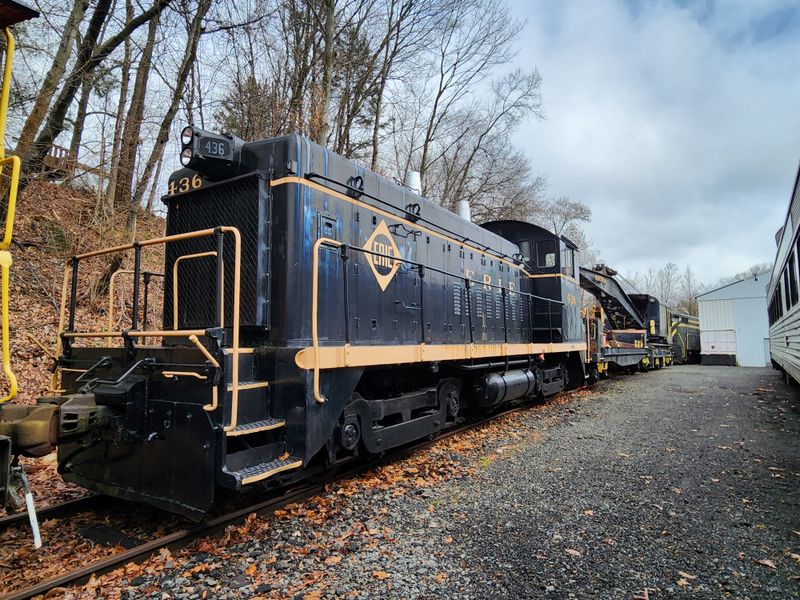
Boonton gives the yard a hometown anchor. Local suppliers, tradespeople, and civic partners make it easier to move parts, stage deliveries, and coordinate occasional open house activities.
I like to spend money nearby after a visit, because those receipts loop back into the same economy that supports preservation. The conversation even spills onto bulletin boards where a flier can recruit the next volunteer with welding skills.
Neighbors keep an eye out in a friendly way, which adds a layer of informal security. That trust builds over years, and it shows when a truck backs in and nobody panics about a new arrival.
Rail history fits this town like an old timetable fits a pocket. The rhythm feels compatible with projects that take patience and pride.
Photography Tips Without Overreach
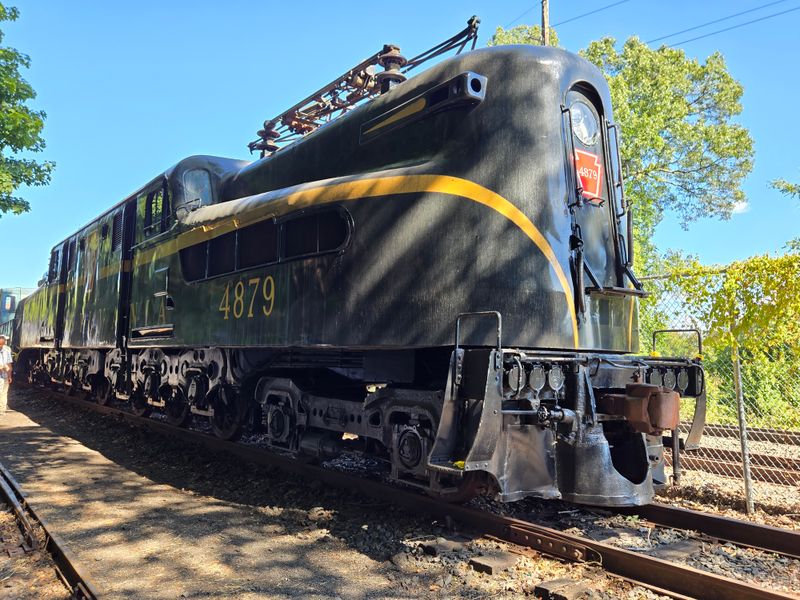
Good photos start with good boundaries. I keep my feet outside painted lines and use a longer lens rather than asking for a risky angle.
Side profiles tell strong stories here, because lettering and trim capture each car’s identity. Three quarter views work when space allows, but I avoid climbing or leaning that could stress hardware.
Detail shots help drive donations and interest online. A clear image of a restored step plate or re lettered panel communicates progress better than any caption.
Ask before posting anything that reveals sensitive storage areas. The team appreciates respect, and you will get better guidance for future shoots.
Final Thoughts and Last Track
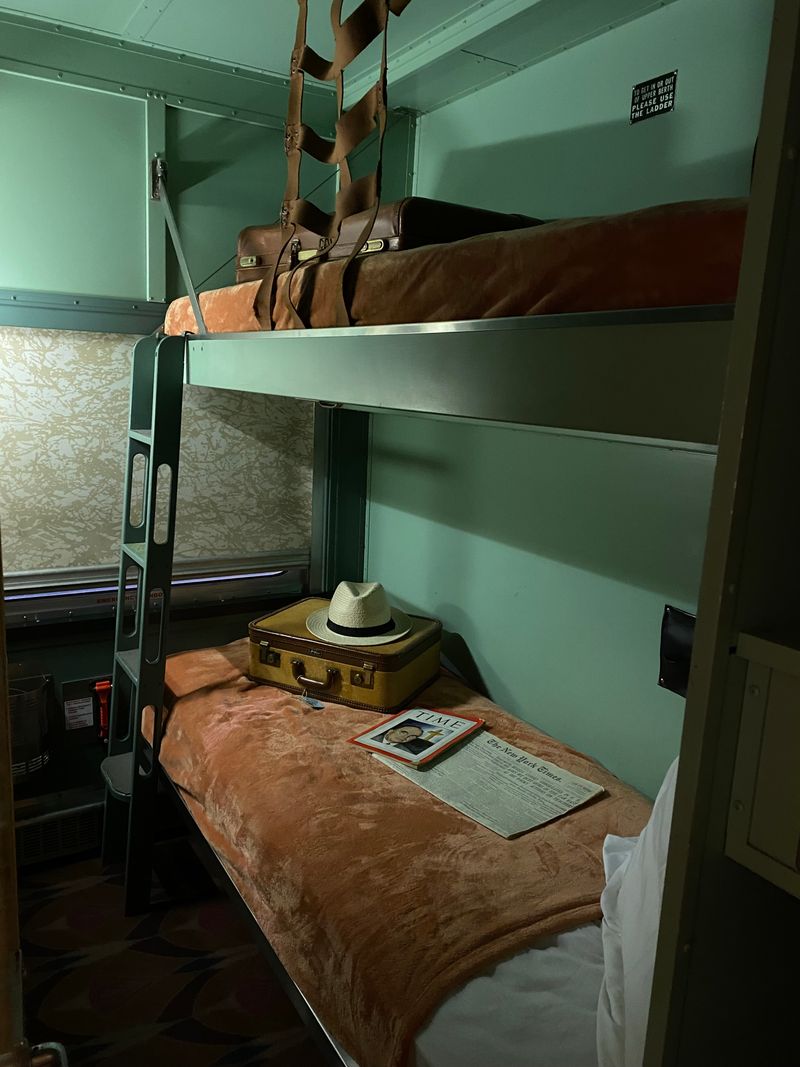
This place changed how I measure progress. A fresh coat of primer, a tested brake valve, or a filed report can be as meaningful as a ribbon cutting when the goal is long term survival.
United Railroad Historical Society of NJ Inc in Boonton shows how patient stewardship keeps history relevant. You arrive expecting spectacle and leave appreciating process, which feels like the truest kind of preservation.
I will be back with gloves or a notebook, whichever the crew needs. If you go, bring curiosity and a cooperative spirit, and you will find the yard more welcoming than its quiet nickname suggests.
History waits here, but it is not idle. The next chapter depends on whoever shows up ready to help.
Share this story