Some places hold onto their past so tightly that the stories refuse to fade away. In the heart of central Oklahoma stands a sprawling military compound where soldiers once trained, prisoners were held, and countless souls passed through during nearly a century of service.
The buildings may be weathered and the parade grounds quiet now, but visitors often report strange encounters that suggest not everyone stationed here ever truly left. From unexplained footsteps echoing through empty barracks to shadowy figures wandering the cemetery at dusk, the tales are as persistent as they are unsettling.
A Military Outpost With Deep Historical Roots
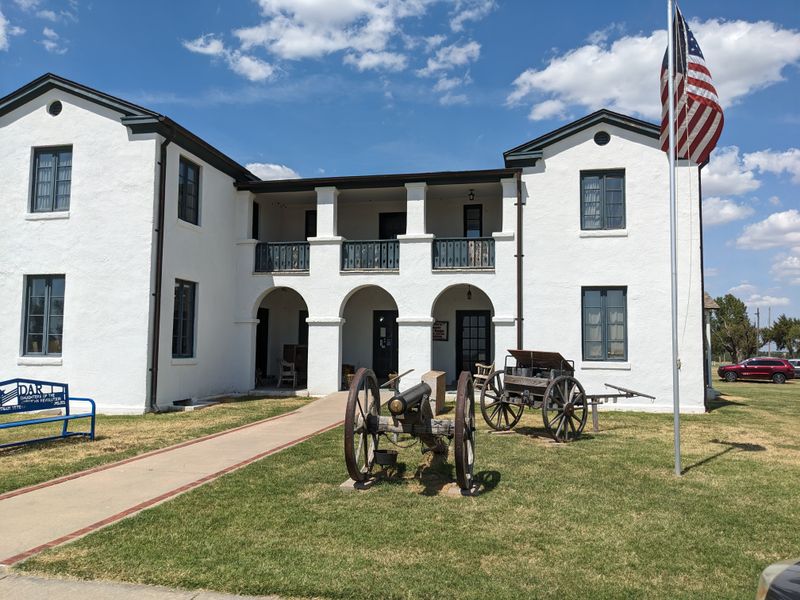
Fort Reno at 7107 West Cheyenne Street in El Reno, Oklahoma, began its life in 1874 as a frontier cavalry post during the Indian Wars. The military established this outpost to protect the Darlington Indian Agency and maintain order in the newly opened territory.
Throughout its active years, the fort served multiple purposes that shaped Oklahoma history. Cavalry units trained here before heading west, and the grounds witnessed the transition from frontier outpost to modern military installation.
During World War II, the fort transformed into a prisoner of war camp housing German and Italian soldiers. Thousands of POWs lived behind the fences, working on local farms and infrastructure projects while waiting for the war to end.
The fort officially closed as a military installation in 1949, but the buildings remained standing. Today, volunteers maintain the site as a historical museum, preserving the structures and sharing stories from each era.
Walking the grounds feels like stepping back through multiple chapters of American military history. The old cavalry barracks, officers’ quarters, and parade grounds still stand as silent witnesses to everything that happened here across 75 years of active service.
The Museum Curator Who Knows Every Story
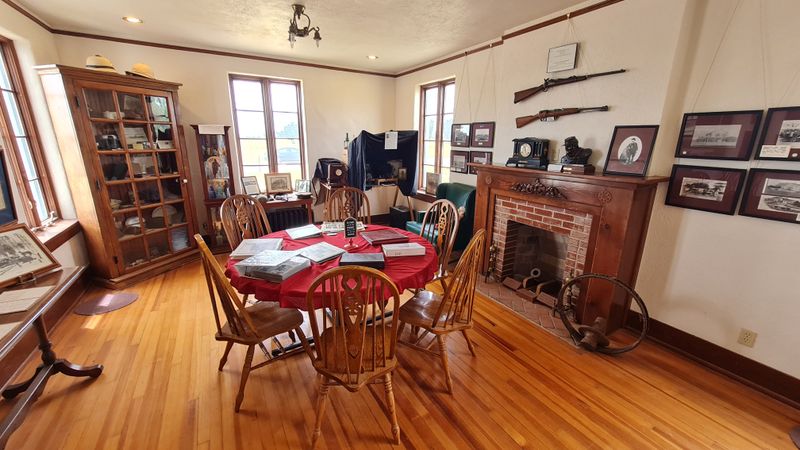
Visitors consistently mention meeting Deb, the passionate historian who runs the museum and brings Fort Reno’s past to life. Her knowledge spans from the cavalry days through the POW camp era, and she shares details you won’t find in any guidebook.
The museum operates Tuesday through Friday from 10 AM to 4 PM, staffed entirely by dedicated volunteers. Admission costs just six dollars for adults and four dollars for children, making it an affordable stop for families interested in regional history.
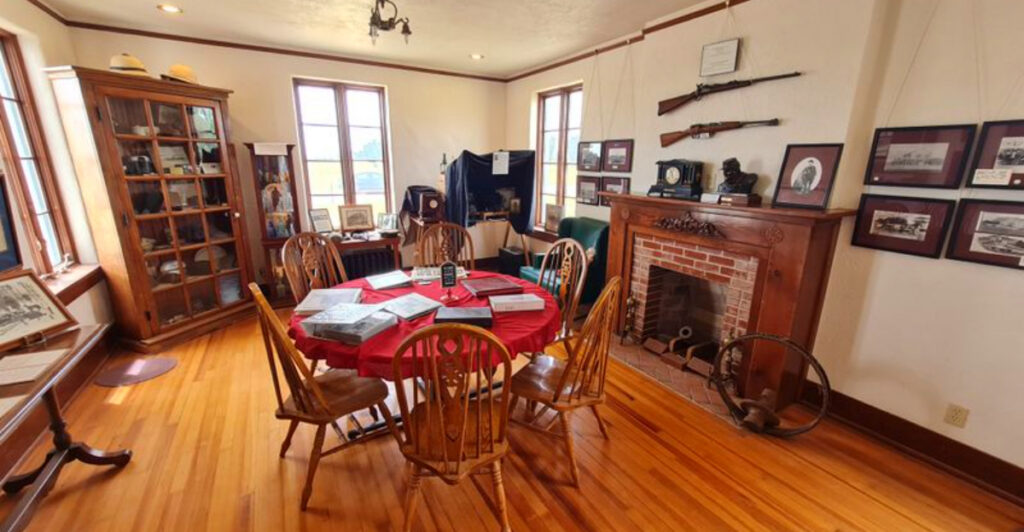
Inside the main museum building, displays showcase cavalry equipment, weapons, uniforms, and personal items from soldiers who served here. Photographs line the walls, showing the fort during different periods of operation.
Deb writes grants to keep the museum operating and works tirelessly to preserve the site. Her enthusiasm is infectious, and many visitors report spending hours talking with her about the fort’s layered history.
The museum includes artifacts from both the cavalry period and the POW camp years. Upstairs areas contain additional displays, though accessibility is limited to the ground floor for those with mobility concerns.
Meeting Deb transforms a simple museum visit into a memorable educational experience that connects you directly to the past.
Echoes From the Cavalry Era
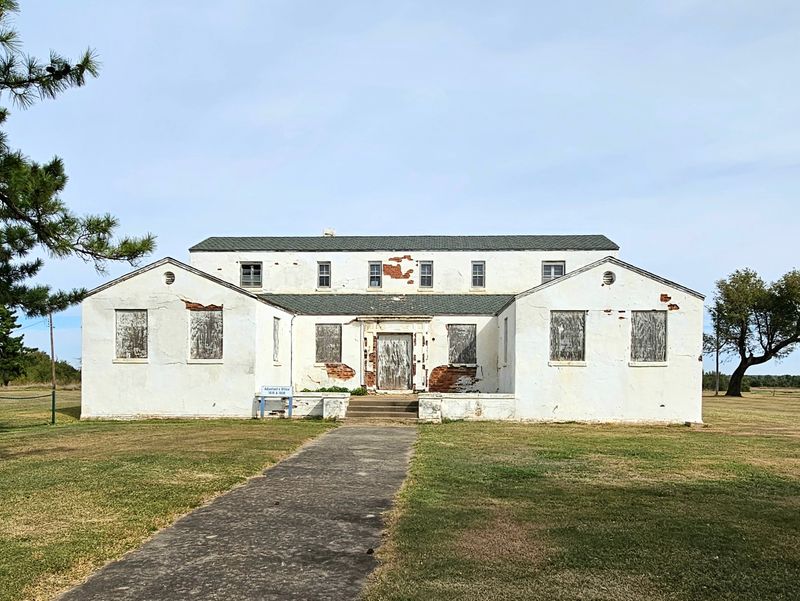
The cavalry buildings hold the oldest stories at Fort Reno, and many visitors report feeling watched while exploring these structures. Soldiers lived, trained, and prepared for dangerous assignments in these barracks during the late 1800s.
Life as a cavalry soldier was harsh and often short. Men faced brutal conditions on the frontier, dealing with extreme weather, limited supplies, and constant danger during patrols and campaigns.
Some witnesses claim to hear boots marching across wooden floors in empty buildings. Others report the faint sound of horses and the jingle of equipment when no one else is around.
The US Cavalry Association maintains a presence at Fort Reno, hosting competitions and ceremonies that honor the mounted soldiers who once called this place home. During special events, reenactors fire period weapons including cannons and pistols.
One particularly active area is the old barracks where cavalry units were housed. Visitors sometimes see movement through windows or catch glimpses of figures in period clothing that vanish when approached.
The connection to the cavalry era remains strong here. Whether through historical appreciation or something more mysterious, the presence of those 19th-century soldiers continues to make itself known throughout the grounds.
The Prisoner of War Camp That Changed Everything
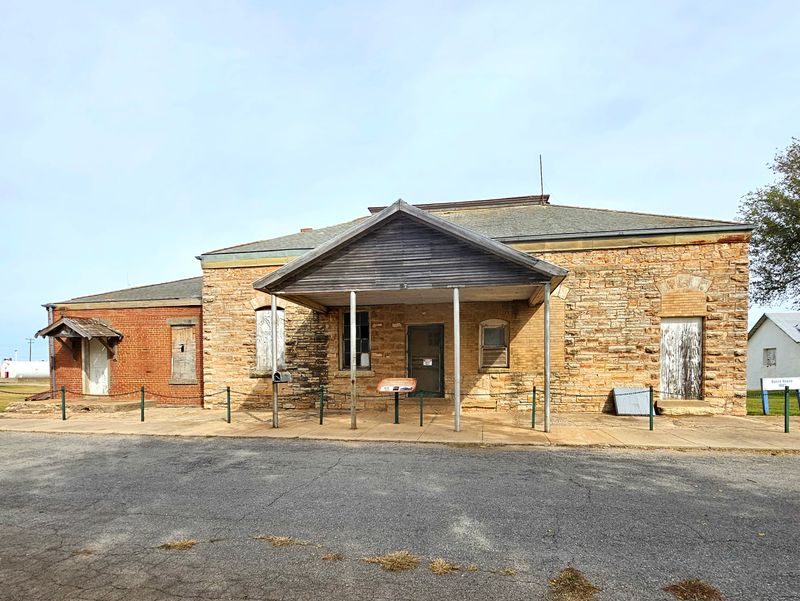
During World War II, Fort Reno became one of several POW camps across the United States. The military constructed additional buildings and fencing to house captured German and Italian soldiers far from the European battlefields.
At its peak, the camp held thousands of prisoners who worked on area farms and participated in various labor projects. The POWs received treatment according to Geneva Convention standards, with adequate food, shelter, and medical care.
Many prisoners formed friendships with local residents and chose to return to Oklahoma after the war ended. Some married local women and built new lives in the communities where they had once been held captive.
The cemetery on the hill contains graves of POWs who passed away during their internment. German and Italian soldiers rest alongside American cavalry troops from earlier eras, creating an unusual mix of former enemies sharing eternal ground.
Visitors to the POW section of the grounds sometimes report feeling profound sadness or sensing presences near the old barracks. Some hear voices speaking in German or Italian, though no living speakers are nearby.
The POW camp represents a fascinating chapter in Fort Reno’s history and adds another layer to the site’s complex spiritual atmosphere.
The Cemetery Where Past and Present Meet
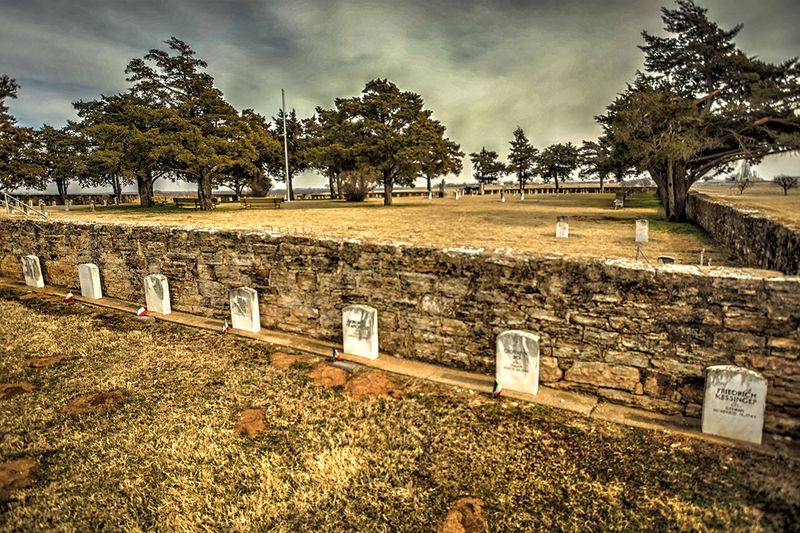
The cemetery sits on a hill overlooking the fort, accessible by a short drive or walk from the main grounds. Headstones mark the resting places of cavalry soldiers, their families, and POWs from two different nations.
German and Italian prisoners who passed during their captivity received proper burial with marked graves. Their headstones stand in neat rows, maintained by volunteers who ensure these former enemies receive respectful treatment decades after the war ended.
American soldiers from the cavalry era also rest here, some having served during the dangerous frontier period. Their graves tell stories of young men who came west to serve their country in a wild and unforgiving landscape.
Many visitors report the strongest supernatural experiences in the cemetery. Shadowy figures appear between headstones at dusk, and some people feel sudden temperature drops or sense they’re being followed while walking among the graves.
The cemetery remains accessible to the public, and photography is permitted. Respectful visitors are welcome to explore and pay their respects to the diverse group of individuals buried on this hill.
Whether you believe in spirits or simply appreciate history, the cemetery provides a peaceful place for reflection on the many lives connected to Fort Reno across its long existence.
Unexplained Footsteps in Empty Buildings
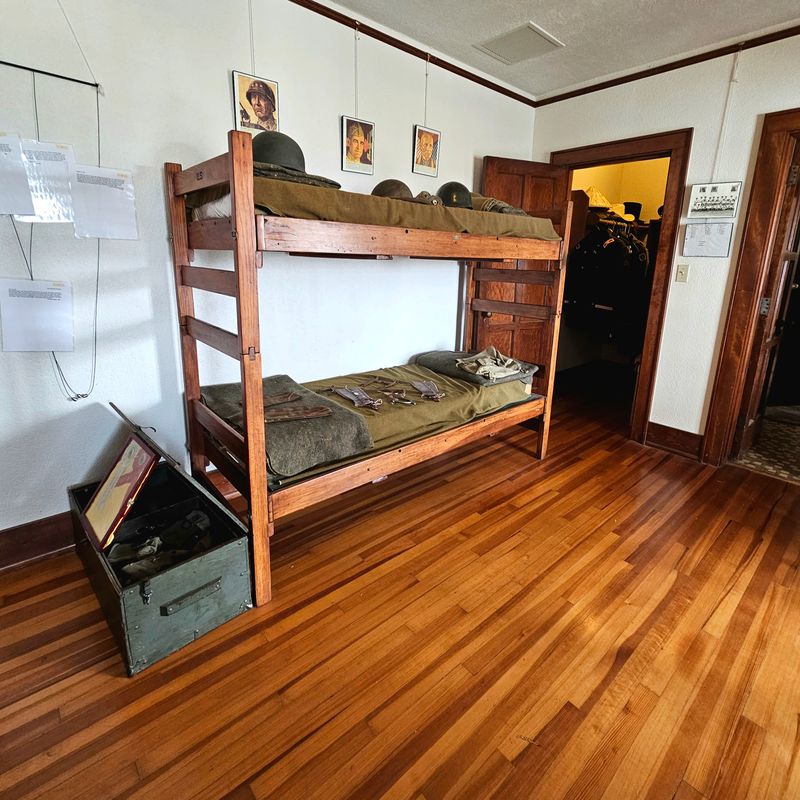
Multiple visitors and volunteers report hearing footsteps when they’re alone in the old buildings. The sounds typically echo through hallways or move across upper floors where no one else is present.
These auditory experiences happen most frequently in the cavalry barracks and officers’ quarters. The footsteps sound distinctly like military boots on wooden floors, complete with the measured pace of someone on patrol or inspection.
Some witnesses hear the sounds during museum hours while others experience them during special events or volunteer work sessions. The footsteps sometimes stop when acknowledged or when someone investigates the source.
Deb and other regular volunteers have become accustomed to these occurrences. They view them as part of Fort Reno’s character rather than something frightening, suggesting the spirits are simply continuing their duties.
Skeptics might attribute the sounds to settling buildings, wind, or small animals. However, the consistency of reports and the distinctly human quality of the footfall patterns make these explanations less satisfying for those who experience them firsthand.
The footsteps represent one of the most commonly reported phenomena at Fort Reno. Whether you encounter them yourself depends on timing, location, and perhaps the willingness of the fort’s permanent residents to make themselves known.
Shadow Figures on the Parade Grounds
The wide parade grounds where cavalry units once drilled and assembled now sit mostly empty. However, visitors sometimes spot figures moving across the open space, especially during late afternoon and early evening hours.
These shadow figures typically appear in period clothing, suggesting cavalry uniforms or even POW attire. They move with purpose across the grounds before fading from view or simply vanishing when observers try to approach.
Some witnesses describe seeing small groups of figures that seem to be marching or standing in formation. Others report solitary shapes that walk purposefully toward specific buildings before disappearing.
Photography enthusiasts visiting Fort Reno occasionally capture unusual anomalies in their images of the parade grounds. Unexplained shadows, light patterns, or vague human shapes appear in photos where nothing was visible to the naked eye during shooting.
The parade grounds remain open for visitors to explore during operating hours. The wide-open space provides excellent views of the surrounding buildings and helps visitors understand the fort’s layout during its active years.
Whether these sightings represent genuine paranormal activity or tricks of light and shadow remains debatable. The frequency and consistency of reports, however, keep the stories alive among those who know Fort Reno’s reputation.
The Christmas Gun Ceremony That Honors the Past
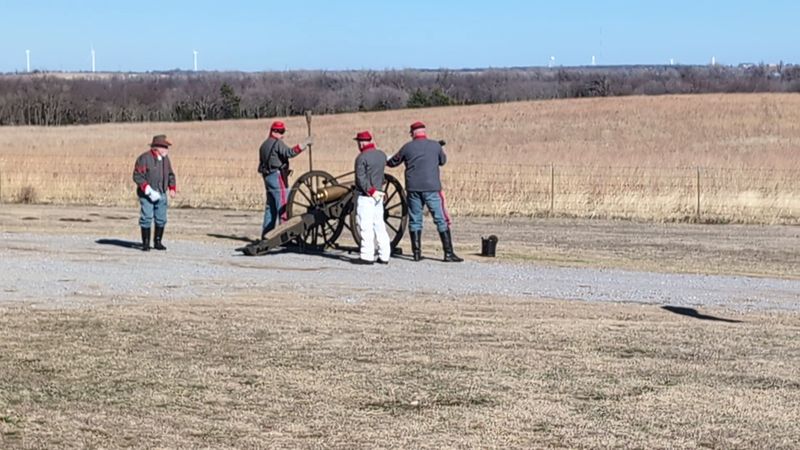
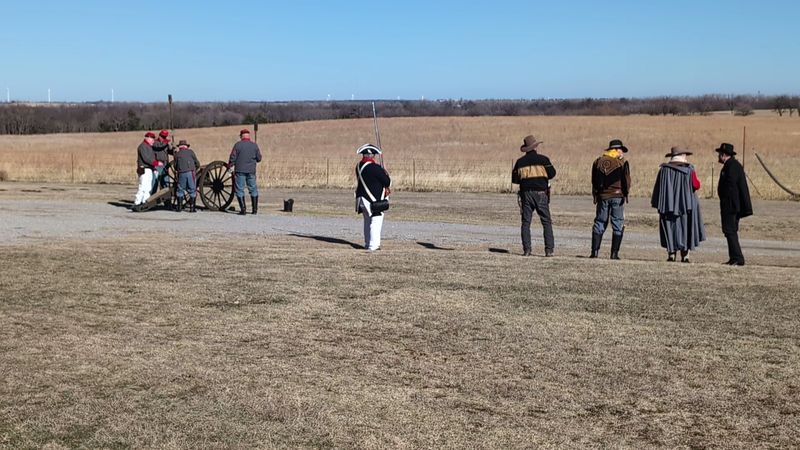
Fort Reno hosts a special Christmas gun ceremony that brings history alive through the firing of period weapons. Volunteers in period dress fire a real cannon along with cavalry pistols, creating an authentic experience of 19th-century military traditions.
The ceremony includes a wreath-laying component that honors all who served at the fort throughout its history. Families gather to watch the demonstrations and learn about cavalry traditions during the holiday season.
The sound of the cannon firing echoes across the grounds, giving modern visitors a sense of what soldiers and local residents would have experienced during the fort’s active years. The pistol demonstrations showcase cavalry sidearms and explain their use in mounted combat.
This annual event draws history enthusiasts from across Oklahoma and neighboring states. The combination of educational content, period demonstrations, and ceremonial honors creates a meaningful experience that connects past and present.
Some attendees report feeling emotional during the ceremony, sensing the presence of those being honored. The solemn nature of the wreath laying combined with the dramatic weapon demonstrations creates an atmosphere where history feels immediately present.
The Christmas gun ceremony represents Fort Reno’s ongoing commitment to preserving and sharing military history with new generations while honoring those who served here across multiple eras.
Preservation Challenges and Volunteer Dedication
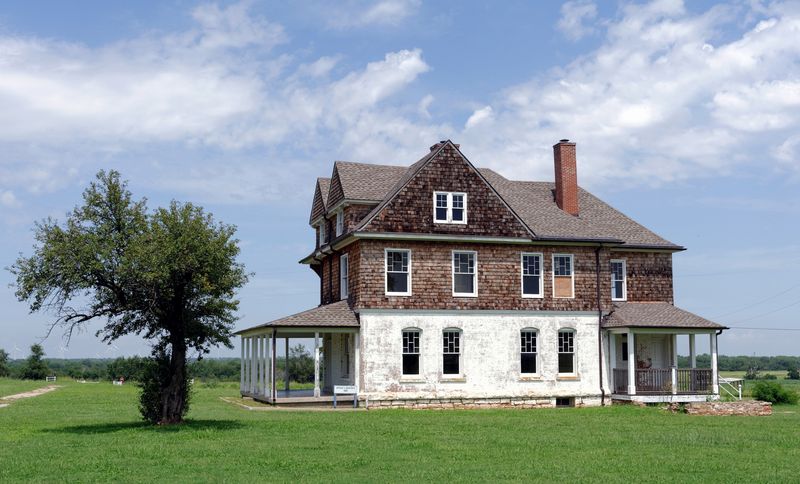
Fort Reno faces constant preservation challenges as weather and time take their toll on the historic structures. Volunteers work tirelessly to maintain the buildings, grounds, and museum displays with limited funding and resources.
Grant writing provides essential funding for ongoing preservation work. Deb and other dedicated volunteers spend countless hours researching funding sources and preparing applications to secure money for repairs and maintenance.
The site’s potential remains largely untapped. Some envision Fort Reno hosting larger events like historical reenactments, harvest festivals, farmers markets, and concerts that would bring more visitors while generating revenue for preservation.
Several buildings remain closed to the public due to safety concerns or ongoing restoration needs. Each structure requires specialized care to maintain historical accuracy while meeting modern safety standards.
Volunteers welcome visitors who share their passion for preservation. Some guests express wishes to help maintain the fort or even stay in the historic residences, recognizing the unique opportunity these buildings represent.
Without continued volunteer effort and public support, Fort Reno risks further deterioration. The dedication of people like Deb keeps this important Oklahoma historical site accessible for education and exploration despite limited resources and the constant battle against time and weather.
Planning Your Visit to Fort Reno
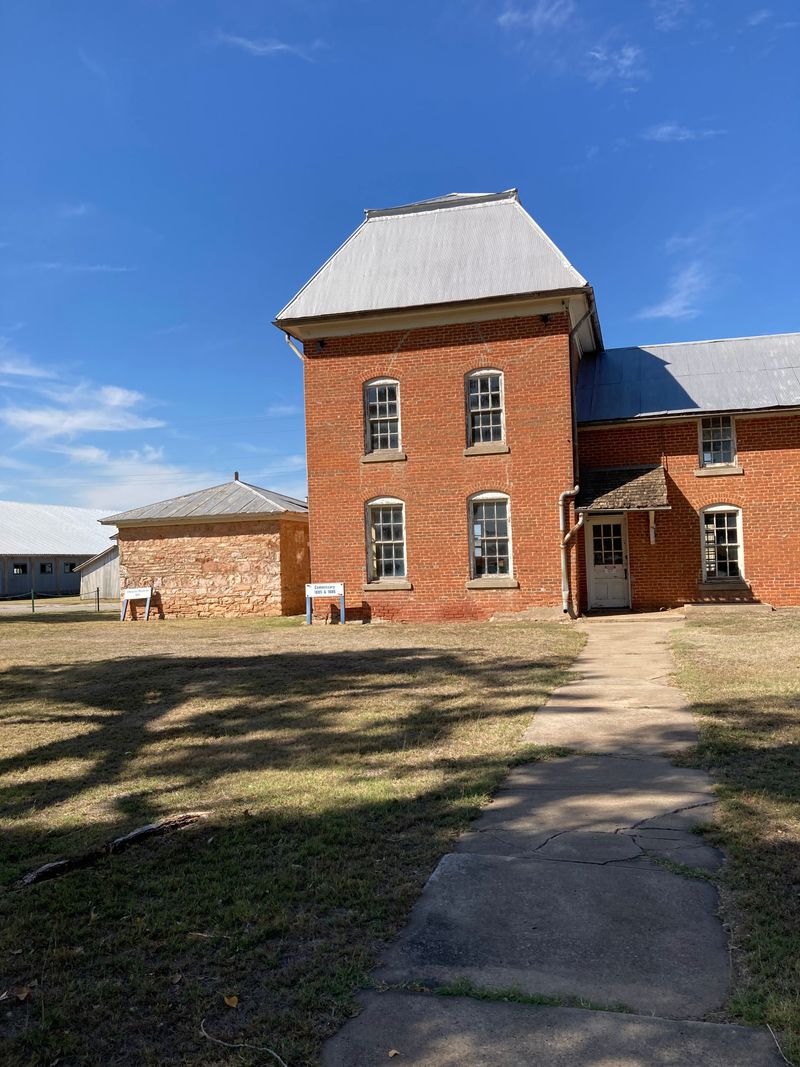
Fort Reno operates Tuesday through Friday from 10 AM to 4 PM, with weekends reserved for special events. The museum and grounds close on Saturdays and Sundays for regular visitation, so plan your trip accordingly.
Admission remains affordable at six dollars for adults and four dollars for children. The modest fee supports ongoing preservation efforts and helps keep this important historical site accessible to the public.
The grounds offer well-maintained walkways and parking right outside the main museum building. Accessibility is good on the ground floor, though some upstairs areas cannot accommodate mobility devices.
Allow at least two hours for a thorough visit, especially if you want to explore the cemetery and walk the grounds. Visitors who engage with Deb often spend much longer, captivated by the stories and historical details she shares.
Photography is welcome throughout the site, making Fort Reno popular with history enthusiasts and amateur photographers. The historic buildings and cemetery provide excellent subjects for capturing Oklahoma’s military heritage.
Before visiting, check the website or call ahead to confirm operating hours, as volunteer-run sites sometimes close unexpectedly. A note on the door will explain any temporary closures, and patient visitors understand the challenges of maintaining a historic site with limited staff.
Share this story