When you think of the Wild West, dusty trails and rugged cowboys probably come to mind. But where can you actually step into that world and feel the authentic spirit of frontier life?
Right in the heart of Oklahoma City sits a place that brings every chapter of Western history to vivid life, from Native American culture to Hollywood legends. It’s not just a collection of old saddles and spurs.
This is where art, artifacts, and immersive experiences blend together to tell the full story of the American West. Whether you grew up watching classic Westerns or you’re simply curious about how the frontier shaped our nation, this destination offers something that will surprise you at every turn.
A Museum That Captures the Frontier Spirit
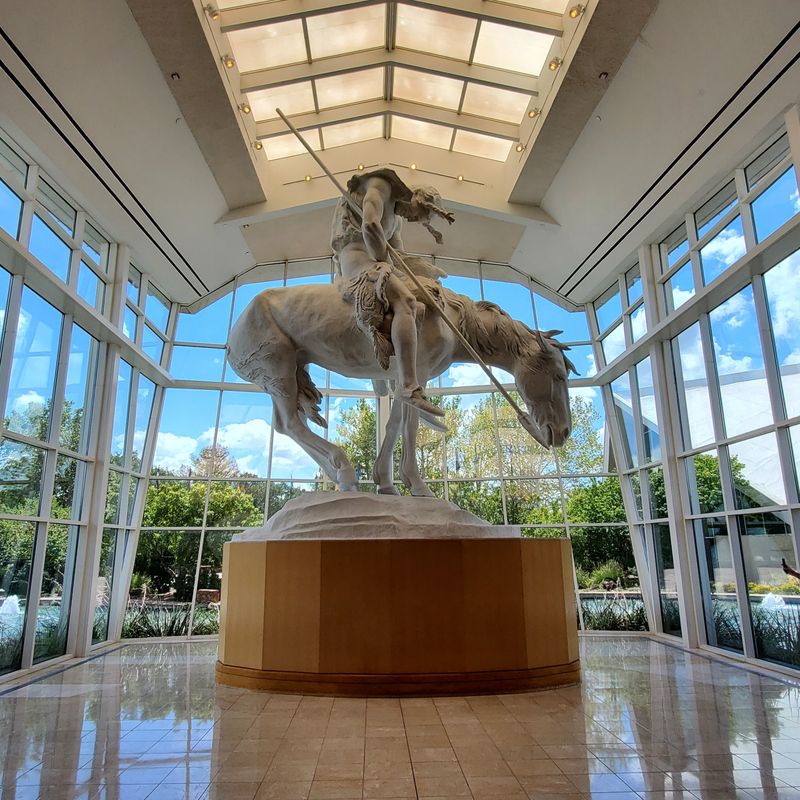
When I pulled up to 1700 NE 63rd Street in Oklahoma City, Oklahoma, I knew I was in for something special. The building of National Cowboy & Western Heritage Museum itself commands attention with its welcoming design that hints at the treasures inside.
This isn’t your typical stuffy museum where you tiptoe past roped-off displays. From the moment you walk through the doors, you’re greeted by friendly staff who genuinely want to share their passion for Western heritage.
The complex sprawls across a massive space, and I quickly realized that half a day would barely scratch the surface. Every corner reveals something new, whether it’s a stunning piece of art or a historical artifact that tells a compelling story.
What struck me most was how the museum balances education with entertainment. You’re learning about frontier life, Native American traditions, rodeo culture, and Hollywood’s version of the West all under one roof.
The facility is immaculately maintained, which shows the respect and care the staff has for preserving these important pieces of American history. Plan to spend at least three to four hours here if you want to truly appreciate what this Oklahoma treasure has to offer.
Walking Through a Real Western Town
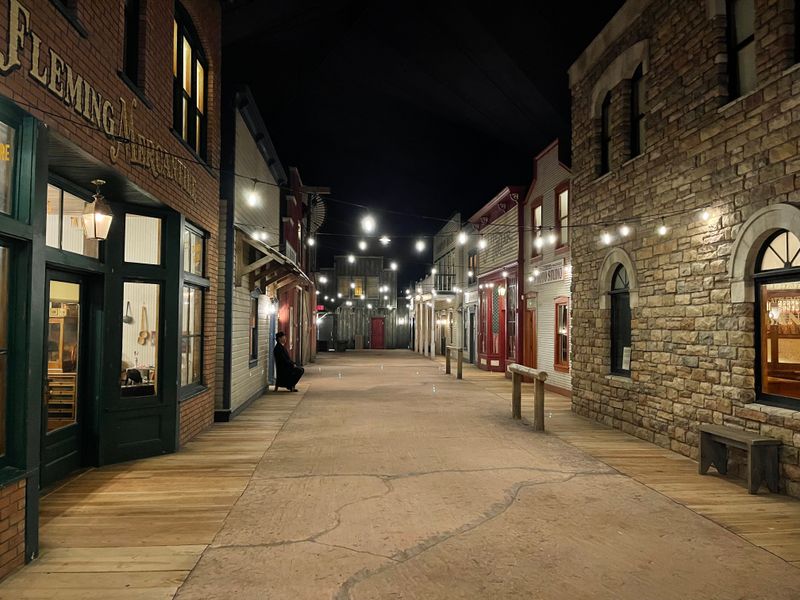
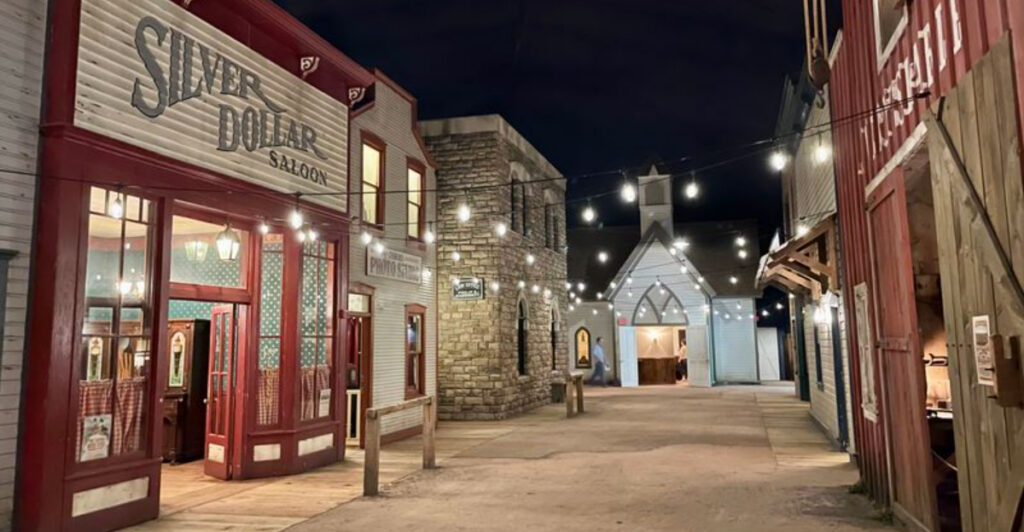
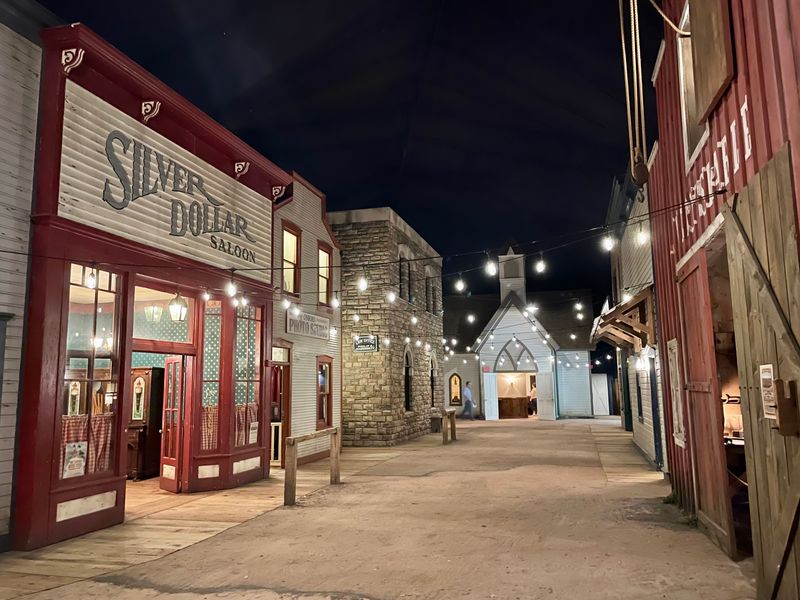
One of the most unexpected experiences was discovering an entire Western town recreated inside the museum. This isn’t just a few props thrown together.
The replica town features authentic storefronts, complete with period-appropriate details that transport you straight back to the 1800s. I found myself peering into shop windows and reading old-fashioned signs that told stories of daily frontier life.
The attention to detail is remarkable. Even the smell adds to the authenticity, with a barn-like scent that makes you feel like you’ve actually stepped onto a dusty main street from over a century ago.
Children absolutely love this section because it feels like walking through a movie set. But adults find it equally fascinating, especially when you start noticing the smaller details that bring the era to life.
I spent a good chunk of time just wandering these streets, trying to imagine what life was like for the shopkeepers, cowboys, and families who built these frontier communities. The experience gives you a genuine sense of how these towns functioned and why they were so important to westward expansion across Oklahoma and beyond.
Art That Makes the West Come Alive
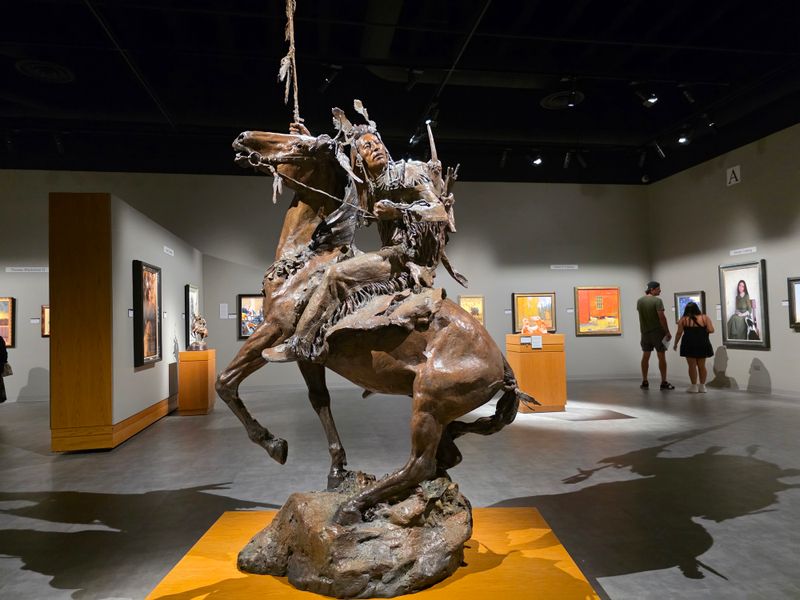
The art collection here rivals any major gallery I’ve visited. Paintings line the walls with such incredible realism that you’ll find yourself doing double-takes.
Many of these works look more like photographs than paintings. The artists captured light, shadow, and emotion so perfectly that you feel like you could step right into the scenes.
I turned left after entering and found myself in a wing dedicated entirely to Western-themed paintings. Each piece tells its own story about life on the range, Native American culture, or the dramatic landscapes that defined the frontier.
What makes this collection special is the variety. You’ll see everything from action-packed rodeo scenes to quiet moments of cowboys at rest, from sweeping vistas to intimate portraits.
The museum doesn’t just throw art on the walls and call it done. Each piece is thoughtfully displayed with information that helps you understand the artist’s perspective and the historical context.
Whether you’re an art enthusiast or just someone who appreciates beauty, these galleries will hold your attention. I found myself returning to certain paintings multiple times, discovering new details with each viewing.
Artifacts That Tell Authentic Stories
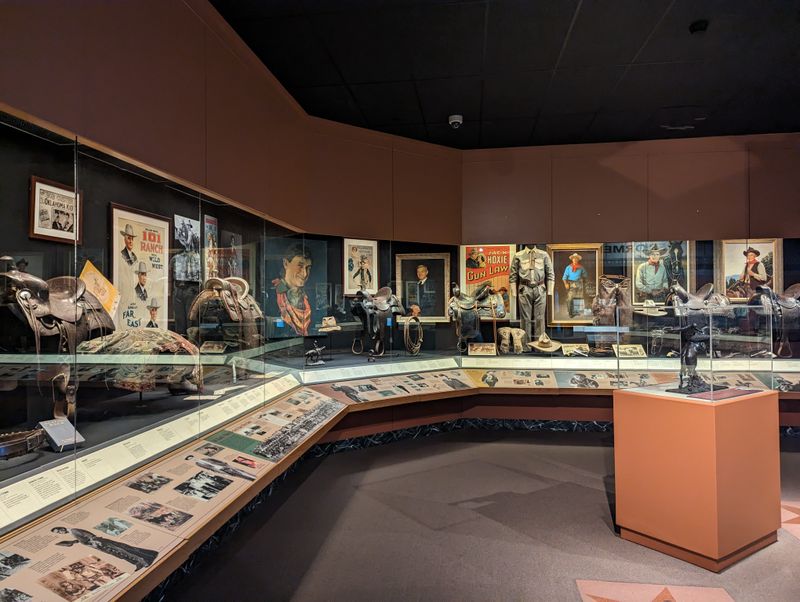
Beyond the paintings and town replica, the museum houses an incredible collection of actual items from the Old West. These aren’t reproductions or movie props.
I saw genuine cowboy boots that had walked thousands of miles, saddles that had carried riders across dangerous territory, and weapons that played roles in real frontier conflicts. Each artifact comes with its own documented history.
The firearms collection particularly impressed me, showcasing the evolution of weapons during westward expansion. You can see how technology changed and how those changes affected life on the frontier.
What I appreciated most was how the museum presents these items. Rather than just displaying objects behind glass, the exhibits explain who owned them, how they were used, and why they mattered.
There are also sections dedicated to clothing, tools, and everyday items that give you insight into the practical challenges of frontier life. You start to understand how difficult and dangerous it was to survive in the untamed West.
The collection spans multiple eras and aspects of Western life, from early exploration through the cowboy era and into modern rodeo culture, creating a comprehensive timeline of American Western heritage.
Native American Heritage Honored Properly
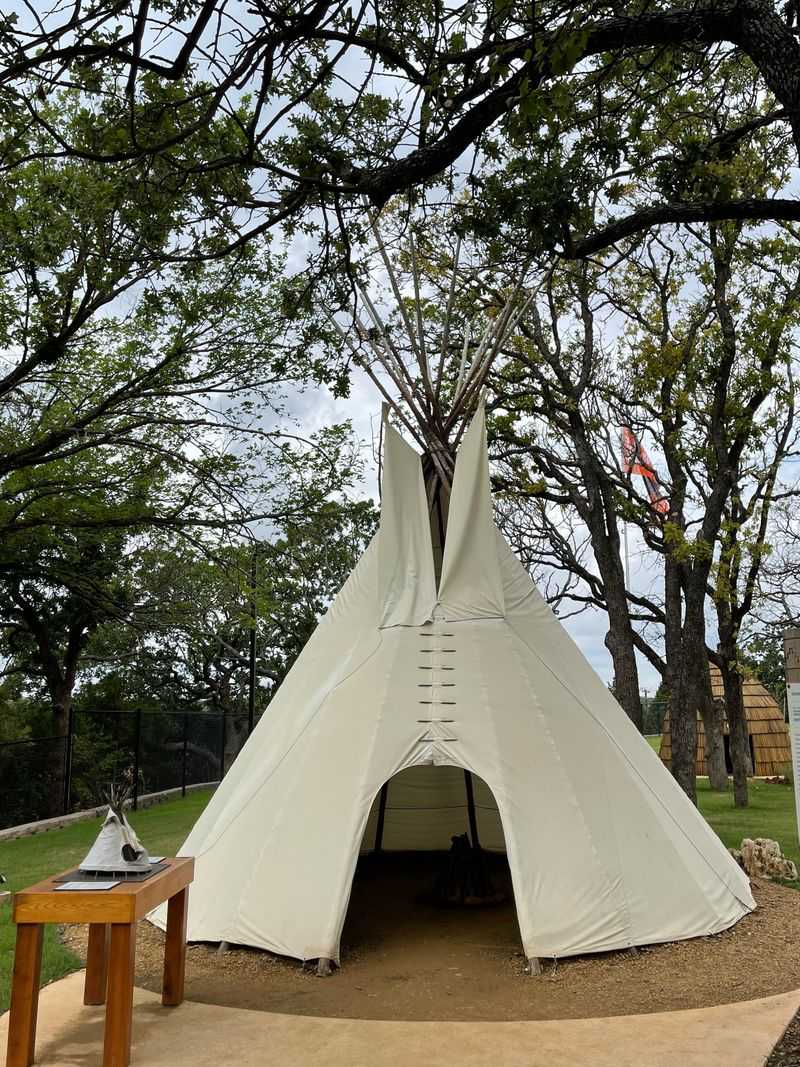
Too often, Western museums focus only on cowboys and settlers while ignoring the people who lived here first. This museum takes a different approach.
The Native American sections are extensive and treated with the respect they deserve. You’ll find beautiful examples of traditional art, clothing, and tools that showcase the sophisticated cultures that thrived long before European settlement.
I spent considerable time in these galleries, learning about different tribes and their unique contributions to the region. The displays explain how Native peoples adapted to their environments and developed complex societies.
What struck me was how the museum doesn’t shy away from difficult history. It presents both the achievements of Native cultures and the hardships they faced during westward expansion.
The artwork in these sections is breathtaking. From intricate beadwork to stunning pottery and textiles, you see the incredible skill and artistic vision of Native American craftspeople.
This balanced approach to history makes the museum feel more complete and honest. You’re getting the full story of the American West, not just the romanticized version Hollywood created.
It’s an important reminder that Oklahoma’s heritage includes many voices and perspectives that all deserve recognition.
Hollywood Meets Real History
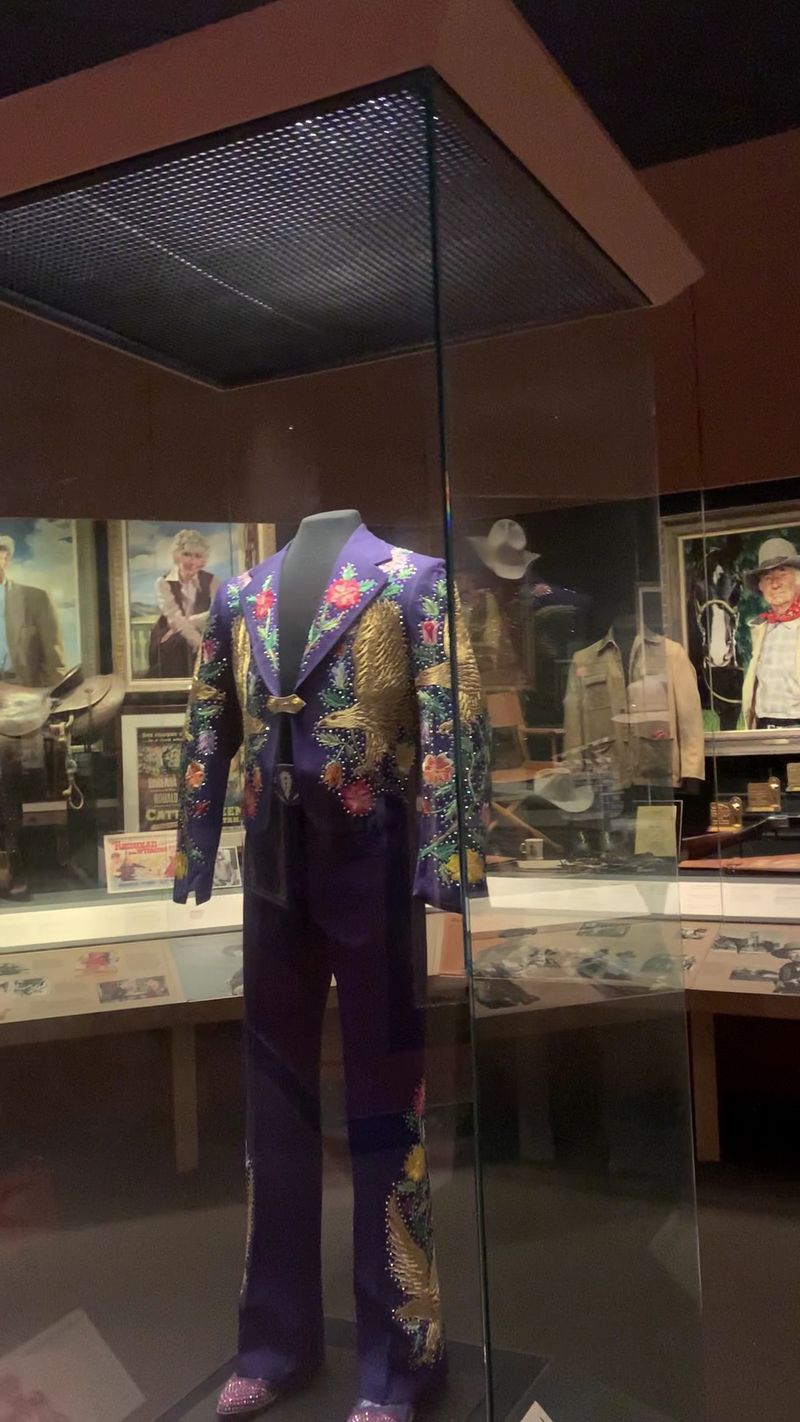
Growing up, most of us learned about the West through movies and television shows. The museum dedicates an entire section to exploring how Hollywood shaped our perception of frontier life.
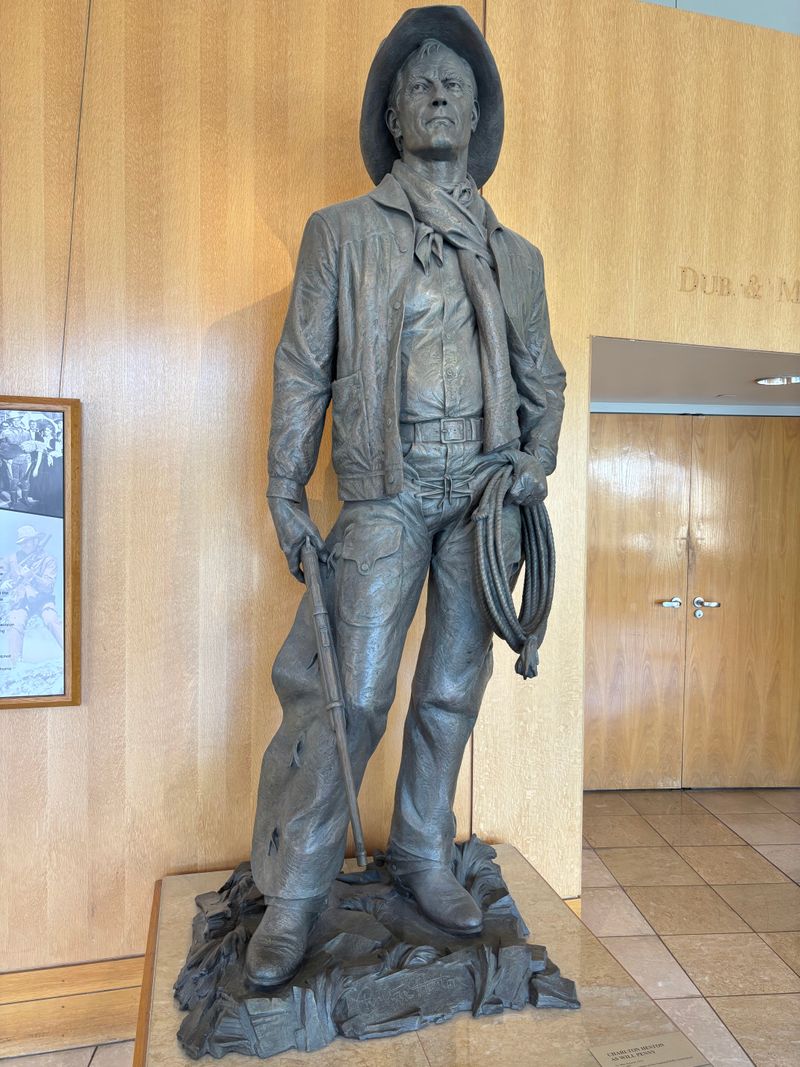
This exhibit is pure fun for anyone who grew up watching classic Westerns. You’ll see costumes worn by famous actors, props from beloved films, and displays explaining how the movie industry romanticized cowboy culture.
What makes this section educational is how it contrasts Hollywood’s version with historical reality. You start to see which parts of Western movies were accurate and which were pure fiction created for entertainment.
I found myself recognizing items from films I’d watched as a kid, which created a nostalgic connection. But the exhibit also introduced me to lesser-known Western films and the actors who helped create the genre.
The museum doesn’t criticize Hollywood for taking creative liberties. Instead, it celebrates how Western films became an important part of American culture while gently reminding visitors what real frontier life was actually like.
This balance between entertainment and education works perfectly. You can enjoy the movie memorabilia while also gaining a deeper understanding of how popular culture and history intersect in fascinating ways.
The Rodeo Hall of Fame
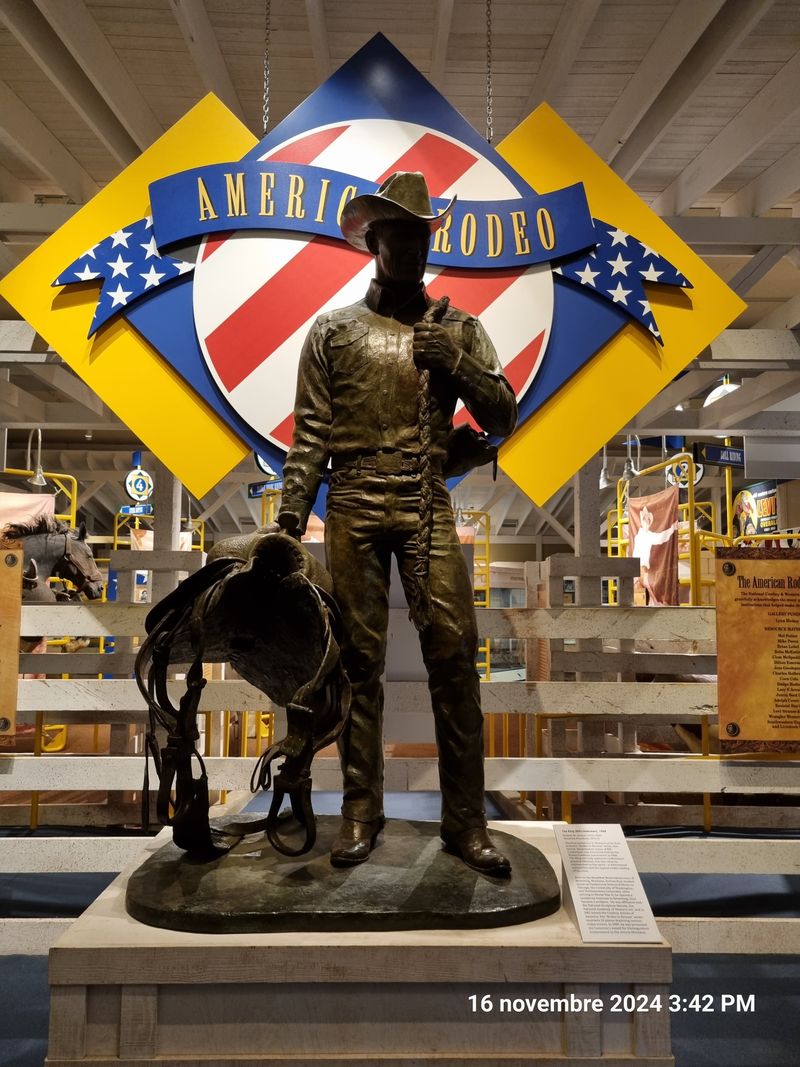
Rodeo represents the continuation of cowboy skills into the modern era, and this museum houses one of the best rodeo collections anywhere. The Professional Bull Riding exhibit alone is worth the visit.
I learned things about rodeo I never knew, from its origins as a way for cowboys to show off their skills to its evolution into a professional sport. The exhibits explain different events and what makes each one challenging.
Championship buckles, saddles used by famous riders, and photographs of legendary rodeo stars fill this section. Each item represents countless hours of practice and incredible bravery.
What surprised me was how dangerous rodeo really is. The exhibits don’t gloss over the risks these athletes take every time they compete, which gave me a newfound respect for the sport.
You’ll also find information about rodeo queens, stock contractors, and the many people who make rodeo events possible. It’s not just about the riders who get the glory.
The section feels alive with energy and excitement, capturing the spirit of competition that drives rodeo athletes. Whether you’re a rodeo fan or completely new to the sport, you’ll come away with a deeper appreciation for this uniquely American tradition.
Outdoor Sculptures and Peaceful Grounds
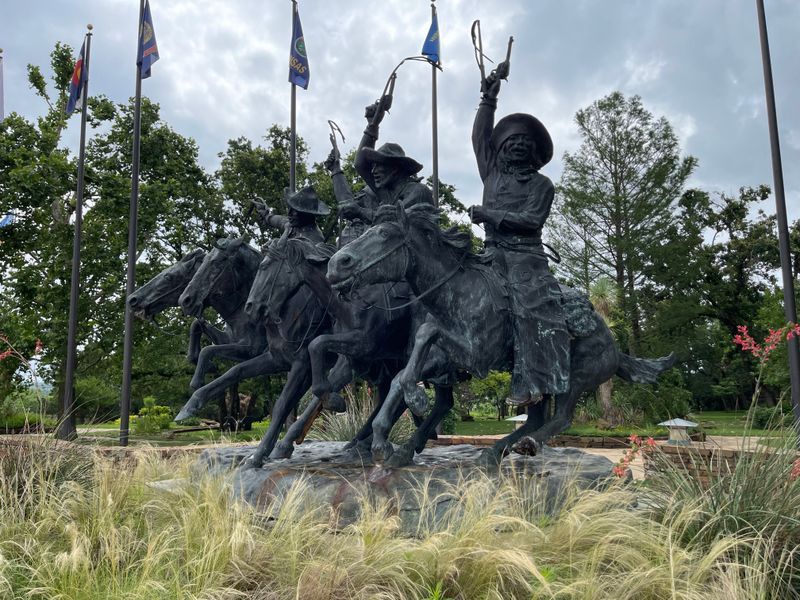
After spending hours inside, I was delighted to discover that the experience continues outdoors. The museum grounds feature impressive bronze sculptures and beautifully landscaped areas perfect for taking a break.
These aren’t small statues tucked in corners. The outdoor sculptures are massive, dramatic pieces that capture movement and emotion in bronze, showing cowboys, horses, and scenes from frontier life.
I found a playground area that’s perfect for families with young children who need to burn off some energy. The outdoor space is designed thoughtfully, blending art with functional areas for visitors to relax and reflect.
The landscaping complements the Western theme without feeling forced or artificial. Native plants and thoughtful design create an environment that feels authentic to the region.
On a nice day, the outdoor areas provide a perfect counterpoint to the indoor exhibits. You can process everything you’ve learned while enjoying fresh air and beautiful surroundings.
Several visitors I encountered mentioned that they hadn’t expected the outdoor component to be so impressive. It’s yet another example of how this museum exceeds expectations at every turn, giving you far more than you anticipated when you first arrived.
Interactive Experiences for All Ages
Modern museums understand that passive observation isn’t enough, especially for younger visitors. This place offers numerous interactive elements that make learning engaging and memorable.
The new immersive show particularly impressed me. Using modern technology, it takes you through the progression of cowboy culture in a way that feels participatory rather than just watching a screen.
Throughout the museum, you’ll find opportunities to engage directly with the material. Some exhibits let you handle replica items, while others use multimedia presentations to bring historical moments to life.
Kids have plenty of activities designed specifically for them, making this an excellent family destination. Parents consistently mention how their children stayed engaged throughout the visit, which is rare for museum experiences.
The docents and volunteer guides deserve special mention. They’re not just standing around waiting to answer questions.
They actively engage with visitors, sharing fascinating stories and details you might otherwise miss.
These knowledgeable staff members clearly love what they do, and their enthusiasm is contagious. I had several conversations with guides who provided context and background information that made the exhibits even more meaningful and helped me understand the broader significance of what I was seeing.
Practical Tips for Your Visit
The museum opens at 10 AM Tuesday through Sunday and closes at 5 PM, giving you a solid window to explore. I recommend arriving right when they open to avoid crowds and have the best experience.
Admission prices are reasonable considering the quality and quantity of what you’ll see. They offer discounts for seniors, military members, and children, with special free admission on Veterans Day for those who served.
Wear comfortable shoes because you’ll be doing a lot of walking. The complex is much larger than it appears from outside, and you’ll want to explore every corner without your feet giving out.
The Museum Grill serves food if you need a break, offering options like tortilla soup and southwest chicken wraps. The gift shop is extensive, though prices reflect typical museum markups.
Plan for at least three to four hours, though you could easily spend an entire day here if you’re truly interested in Western history. Don’t try to rush through because you’ll miss important details.
The museum is accessible and well-maintained, with clean facilities throughout. Staff members are friendly and helpful, always willing to point you toward exhibits that match your interests and ensure you have the best possible experience during your Oklahoma visit.
Share this story