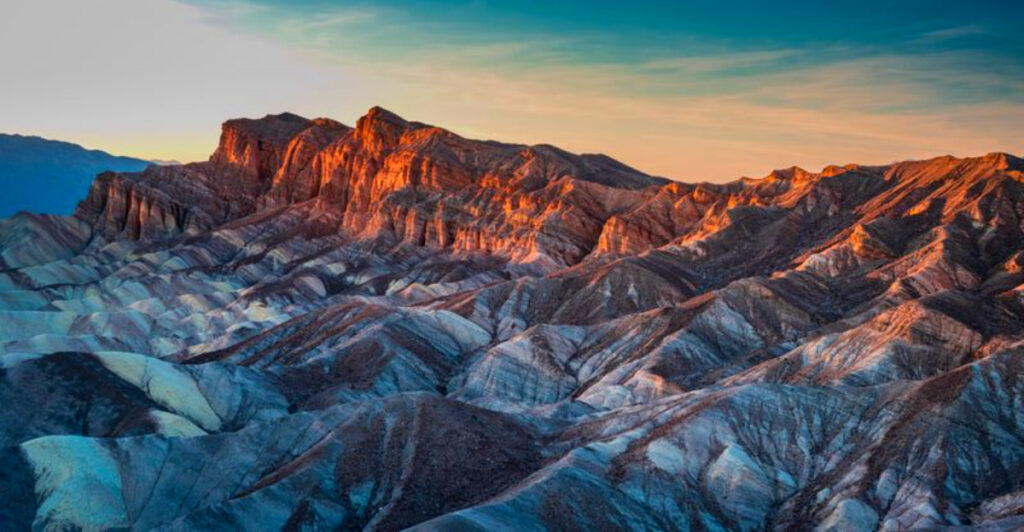
Our planet harbors places so extreme that simply being there becomes a fight for life. From scorching deserts where temperatures melt thermometers to frozen wastelands where breath freezes mid-air, these locations push human endurance past comfortable limits.
Whether through deadly heat, bone-chilling cold, toxic gases, or sheer isolation, these terrifying destinations remind us that Earth can be as hostile as it is beautiful.
Oymyakon — Russia
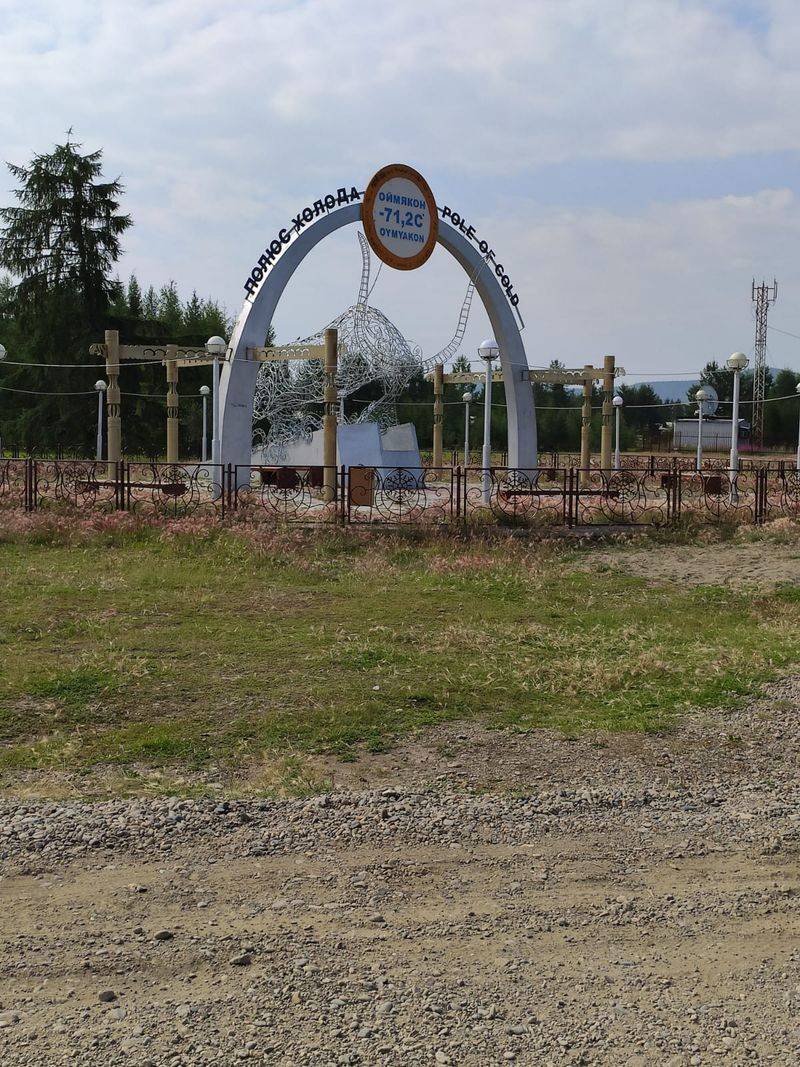
Imagine a place so cold that your eyelashes freeze together when you blink. Oymyakon holds the record for the coldest permanently inhabited settlement on Earth, with winter temperatures regularly dropping below -50°C.
Residents here have adapted to conditions most people couldn’t survive a single day in.
Daily life revolves around battling the freeze. Cars must run continuously or risk having their engines seize from frozen oil.
Buildings require specialized heating systems that work overtime just to keep indoor spaces above freezing. Even simple tasks like using an outdoor toilet become dangerous adventures requiring serious bundling up.
Exposed skin freezes in under two minutes at these temperatures. Frostbite doesn’t wait for carelessness—it attacks any patch of bare flesh with ruthless efficiency.
Locals wear multiple layers of fur and insulated clothing, knowing that proper gear makes the difference between comfort and catastrophe.
The human body wasn’t designed for such cold. Breathing frigid air can hurt your lungs, and metal objects become so cold they’ll stick to bare skin on contact.
Despite these challenges, around 500 hardy souls call Oymyakon home, proving human adaptability has remarkable limits that extend even into Siberia’s frozen heart.
North Yungas Road (Death Road) — Bolivia
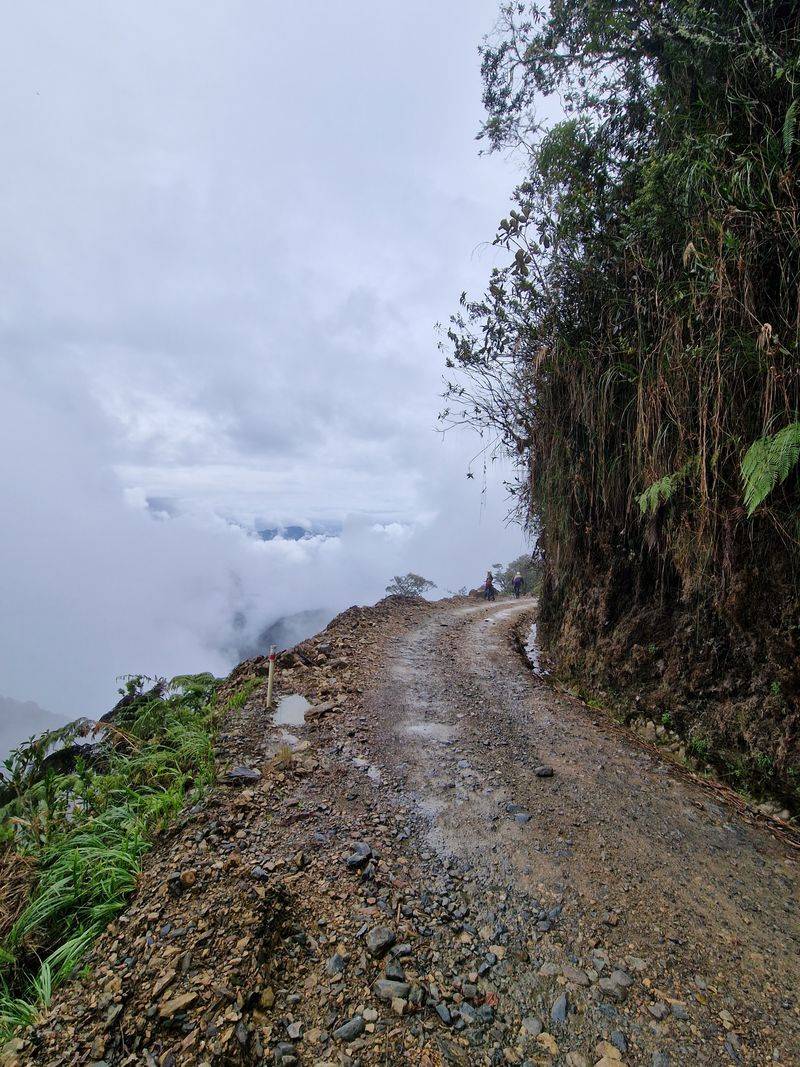
Narrow doesn’t begin to describe this Bolivian mountain passage. Vehicles share a single-lane dirt track carved into cliff faces, with drops of over 600 meters waiting just inches from tire edges.
One wrong move, one moment of distraction, and gravity takes over with fatal consequences.
Fog rolls in without warning, reducing visibility to nearly zero. Drivers navigate blind corners where oncoming traffic might appear suddenly, forcing dangerous passing maneuvers on roads barely wide enough for one vehicle.
Rain turns the surface into slick mud, while falling rocks add another layer of unpredictability to an already deadly journey.
Crosses and memorials line the route, marking spots where vehicles plunged over the edge. An estimated 200-300 people died here annually before a newer, safer road opened nearby.
Yet thrill-seeking cyclists still flock to Death Road, drawn by the adrenaline rush of pedaling alongside such dramatic drops.
Local drivers follow an unusual rule: vehicles traveling downhill must stay on the outer edge, closest to the cliff drop. This gives the uphill driver a better view when passing and theoretically improves safety.
The road remains a testament to human determination to connect remote areas, regardless of the terrible cost in lives lost.
Danakil Desert — Ethiopia
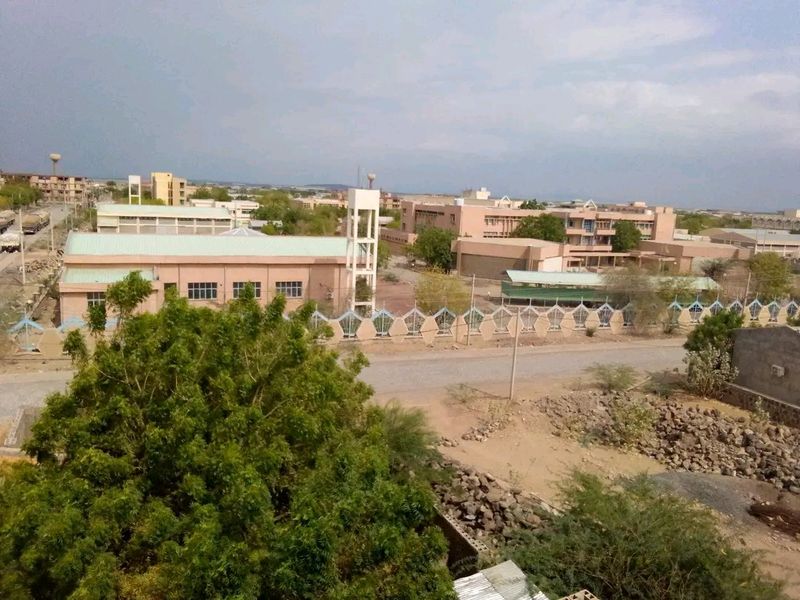
Stepping into the Danakil feels like landing on another planet. Temperatures regularly exceed 50°C, making it one of Earth’s hottest places, while volcanic activity paints the ground in surreal yellows, oranges, and greens.
The air itself seems hostile, thick with sulfurous fumes that burn your throat with each breath.
Acidic springs bubble up from underground, creating pools that can melt through clothing and sear skin on contact. The salt flats reflect sunlight with blinding intensity, forcing visitors to wear protective eyewear or risk serious eye damage.
Water becomes more valuable than gold here, as dehydration can progress from uncomfortable to deadly within hours.
Your body struggles to regulate temperature in such extreme heat. Sweat pours off constantly, yet the dry air evaporates it so quickly you might not realize how much fluid you’re losing.
Heat exhaustion sneaks up on unprepared travelers, causing confusion and weakness that can prevent them from seeking help.
Local Afar people have adapted to these conditions over generations, but visitors require serious preparation. Tours typically operate during cooler months and provide armed escorts, not just for safety from the environment but also due to regional conflicts.
The Danakil’s otherworldly beauty comes with a price measured in constant vigilance and physical endurance.
Lake Natron — Tanzania
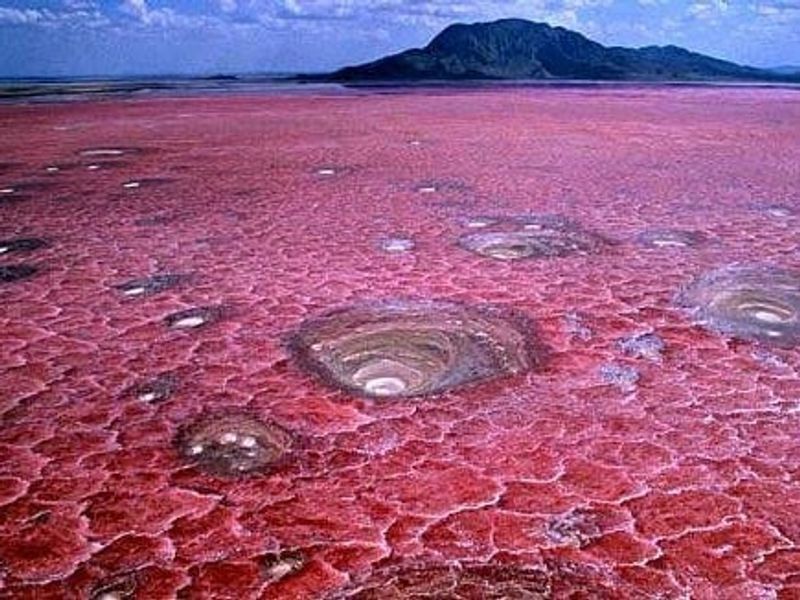
Blood-red waters shimmer under the African sun, beautiful but deadly. Lake Natron’s alkaline content reaches pH levels around 12, similar to ammonia, capable of causing severe chemical burns to unprotected skin.
The lake’s crimson color comes from microorganisms that thrive in the caustic environment, creating an otherworldly scene that photographs stunningly but punishes careless contact.
Temperatures in the lake can reach 60°C in some areas, hot enough to scald. Animals that die in or near the water sometimes become calcified, preserved in eerie stone-like states by the alkaline chemistry.
These haunting sculptures serve as warnings to other creatures, though flamingos have somehow adapted to breed here despite the harsh conditions.
Human skin exposed to the water begins burning within minutes. The alkalinity strips away protective oils and attacks tissue directly, causing painful injuries that worsen with prolonged contact.
Even splashing the water onto yourself accidentally can result in chemical burns requiring medical attention.
The lake sits in a remote region where help is far away. Visitors must exercise extreme caution, resisting any urge to wade or swim regardless of how inviting the water might appear.
The stunning landscape makes for incredible photographs, but this is strictly a look-don’t-touch destination where the water itself becomes a weapon against unprepared humans.
Snake Island (Ilha da Queimada Grande) — Brazil
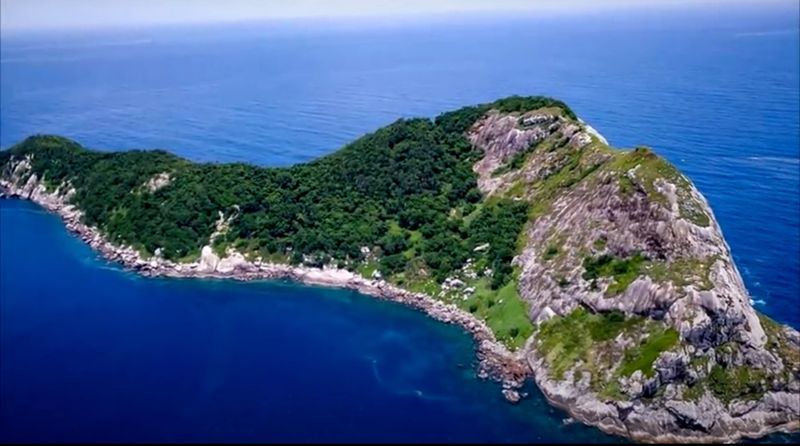
Every square meter harbors danger. Snake Island off Brazil’s coast has earned its terrifying reputation through sheer numbers—estimates suggest one deadly golden lancehead viper for every square meter of land.
These snakes possess venom so potent it can kill a human within hours, melting flesh around the bite site in a nightmarish progression.
The Brazilian government banned all civilian visits, allowing access only to authorized researchers who arrive wearing protective gear and carrying antivenom. Even then, expeditions remain incredibly risky.
The golden lancehead evolved isolated on this island, developing stronger venom to hunt birds since ground-dwelling prey is scarce.
Stories circulate about the island’s last lighthouse keeper, who supposedly died along with his family when snakes entered their home. While details remain unverified, the legend reinforces the very real danger these serpents pose.
Unlike mainland snakes that might flee from humans, island snakes show less fear due to limited previous contact.
The venom attacks blood cells and tissue simultaneously, causing internal bleeding and necrosis. Victims experience excruciating pain as the venom spreads through their system.
Without immediate medical intervention, death becomes likely. The island’s remote location means help sits hours away by boat, making any bite potentially fatal regardless of modern medicine’s capabilities in treating snake venom.
Death Valley — California, USA
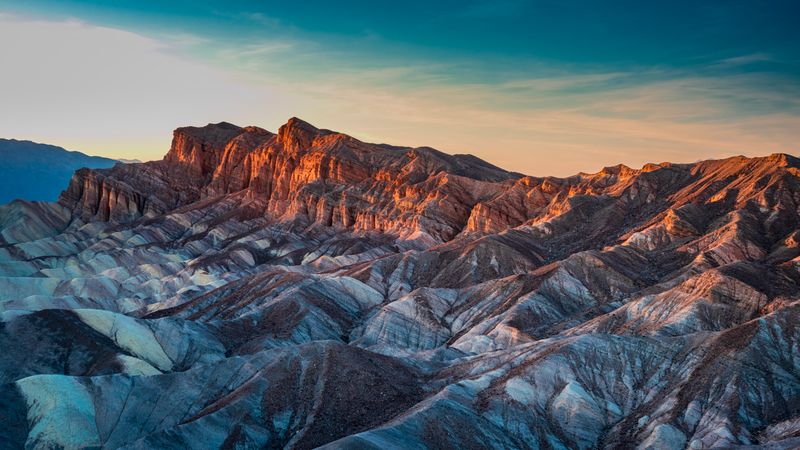
Surface temperatures here have climbed to a staggering 56.7°C, making Death Valley one of the most scorching places humans can visit. The name alone hints at the dangers lurking in this California desert, where the sun beats down relentlessly and shade becomes a precious commodity.
Visitors who underestimate the heat often face dehydration within hours.
Your body loses water faster than you realize in these conditions. Sweat evaporates almost instantly in the dry air, leaving you feeling less wet but dangerously more depleted.
Park rangers recommend carrying at least one gallon of water per person for every two hours spent outdoors, yet many tourists arrive unprepared.
Heatstroke can strike suddenly when core body temperature rises above safe levels. Early symptoms include dizziness, confusion, and rapid heartbeat—signs that demand immediate cooling and hydration.
The landscape, though hauntingly beautiful with its golden dunes and salt flats, offers little natural protection from the sun’s fury.
Even experienced desert hikers respect Death Valley’s power. The valley floor sits 282 feet below sea level, trapping heat like a natural oven.
Summer months see fewer visitors for good reason, as daytime exploration becomes genuinely life-threatening without proper planning and equipment.
Antarctic Interior (including remote bases)
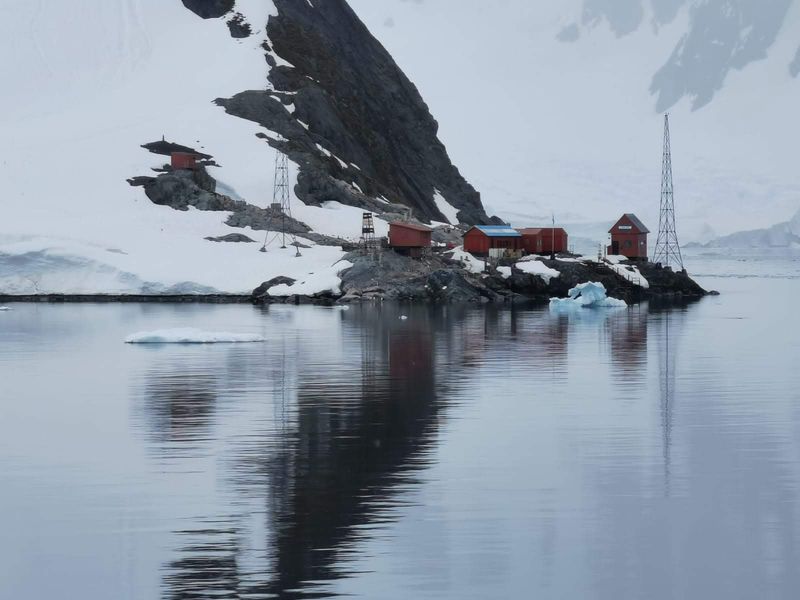
Darkness stretches for months in Antarctica’s interior. Winter temperatures plunge below -80°C, cold enough to freeze exposed flesh in under a minute and make breathing painful as frigid air sears lung tissue.
Research station crews experience isolation unlike anywhere else on Earth, cut off from resupply and evacuation for months at a time.
Hurricane-force winds regularly batter the buildings, creating whiteout conditions where you literally cannot see your hand in front of your face. Stepping outside requires being tethered to guide ropes, as people have become disoriented and lost just meters from their base.
The psychological toll of endless darkness and confinement pushes some crew members to their breaking points.
Your body fights constantly against the cold. Calories burn at accelerated rates as your metabolism works overtime to maintain core temperature.
Frostbite becomes a constant threat, attacking fingers, toes, nose, and ears with ruthless efficiency. Even with modern cold-weather gear, spending extended time outdoors remains dangerous.
Medical emergencies here can become death sentences. The nearest hospital might be thousands of miles away, unreachable during winter storms.
Station doctors must handle everything from dental emergencies to appendicitis with limited equipment. The isolation and extreme conditions make Antarctica’s interior one of Earth’s most hostile environments for sustained human presence.
Skeleton Coast — Namibia
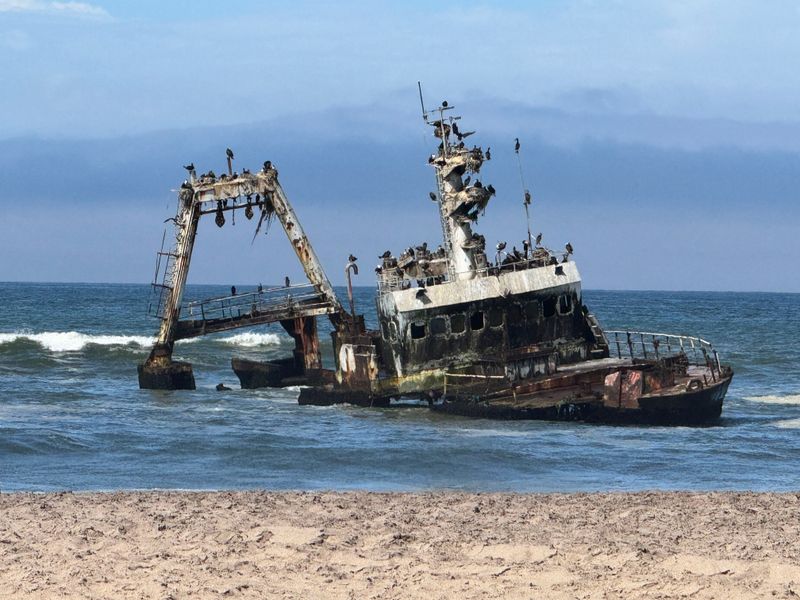
Rusted shipwrecks emerge from the sand like tombstones. Namibia’s Skeleton Coast earned its grim name through centuries of maritime disasters, where sailors who survived initial wrecks faced an even deadlier challenge: crossing miles of waterless desert to reach civilization.
Most never made it, their bones joining the landscape that claimed them.
Thick fog rolls off the Atlantic Ocean daily, reducing visibility to dangerous levels while offering no relief from the desert heat. The Benguela Current brings cold water that creates the fog but makes the ocean itself treacherous, with strong currents and dangerous surf that have claimed countless vessels.
Fresh water is virtually nonexistent along much of the coast.
Lions and other predators patrol these beaches, having adapted to coastal life in surprising ways. They hunt seals and scavenge whale carcasses, adding another layer of danger for any humans attempting to traverse the region.
The desert stretches inland for miles, offering no easy escape route for shipwreck survivors.
Modern travelers require extensive preparation and typically use 4×4 vehicles with GPS and satellite phones. Even then, breakdowns can prove fatal if help doesn’t arrive quickly.
The coast’s beauty—dramatic dunes meeting crashing waves—masks its deadly nature, making it a place where respect for the environment’s power becomes essential for survival.
Danakil Depression Volcanoes — Ethiopia
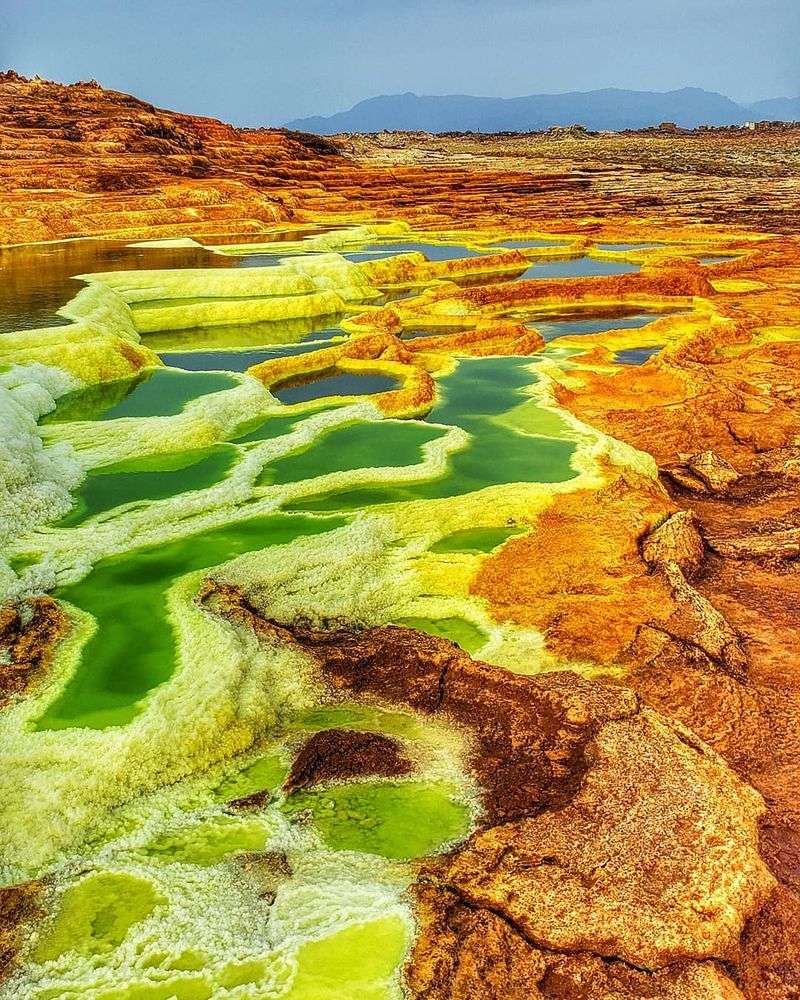
Molten earth bubbles just beneath your feet. The Danakil Depression’s volcanic areas feature lava lakes that glow red in the darkness, releasing toxic gases that can overwhelm unprepared visitors within minutes.
Sulfur dioxide and other volcanic fumes create invisible clouds of danger, attacking respiratory systems and causing severe irritation to eyes and throats.
Ground temperatures can literally cook food, with surface readings exceeding 100°C in some spots. Walking requires careful attention to where you step, as thin crusts might break through to superheated ground below.
The earth itself becomes unstable, with sudden releases of steam and gas that can cause serious burns or worse.
Gas masks become essential equipment rather than optional accessories. Even with protection, exposure time must be limited as the toxic atmosphere overwhelms filters eventually.
The volcanic activity creates stunning visuals—glowing cracks, bubbling pools, and colorful mineral deposits—but admiring them comes with significant risk.
Rescue operations here face enormous challenges. The remote location, extreme heat, and toxic atmosphere make evacuating injured people incredibly difficult.
Visitors must sign extensive liability waivers and typically travel with experienced guides who monitor conditions constantly. The volcanoes represent raw geological power at its most accessible and most dangerous, where Earth’s internal heat breaks through to the surface in spectacular and deadly fashion.
The Boiling Lake — Dominica
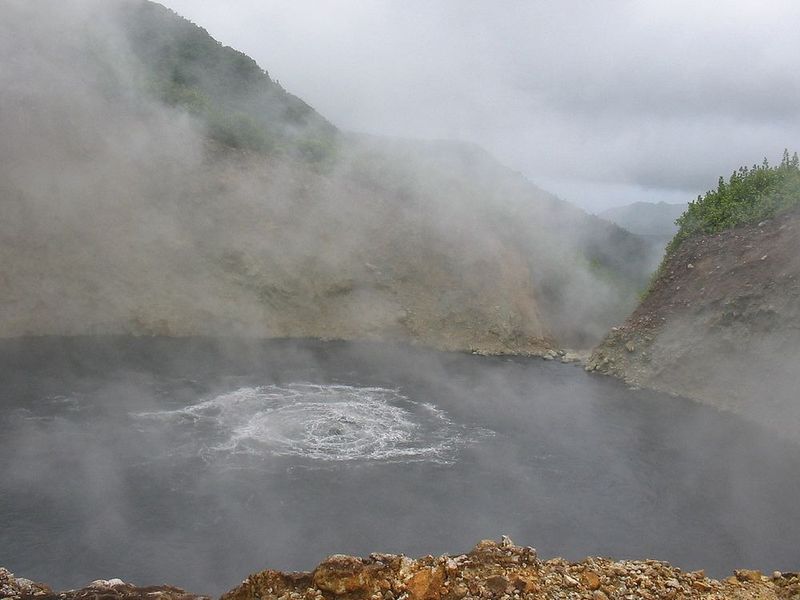
Steam rises in angry clouds from water that literally boils. Dominica’s Boiling Lake sits in a volcanic crater where geothermal heat keeps temperatures hovering around 90°C, hot enough to cause severe burns on contact.
The lake’s temperature and water level fluctuate unpredictably, sometimes dropping dramatically or surging suddenly based on underground volcanic activity.
Reaching the lake requires a challenging hike through rainforest and across unstable volcanic terrain. Sudden steam vents can open without warning, releasing superheated vapor that causes instant burns.
The ground around the lake feels warm underfoot, a reminder that volcanic forces simmer just below the surface.
Visibility often drops to nearly zero as thick steam envelops the area. This makes navigation dangerous and increases the risk of accidentally stepping too close to the water’s edge or into hot springs feeding the lake.
The sulfurous smell warns of the volcanic gases present, which can cause respiratory problems with prolonged exposure.
Several tourists have died here over the years, victims of falls, burns, or sudden changes in volcanic activity. The trail to the lake passes through an area called the Valley of Desolation, where previous volcanic events destroyed all vegetation and left a haunting moonscape.
Guides strongly recommend hiring local experts who understand the lake’s moods and can read warning signs in the landscape.
Danakil Salt Plains — Ethiopia
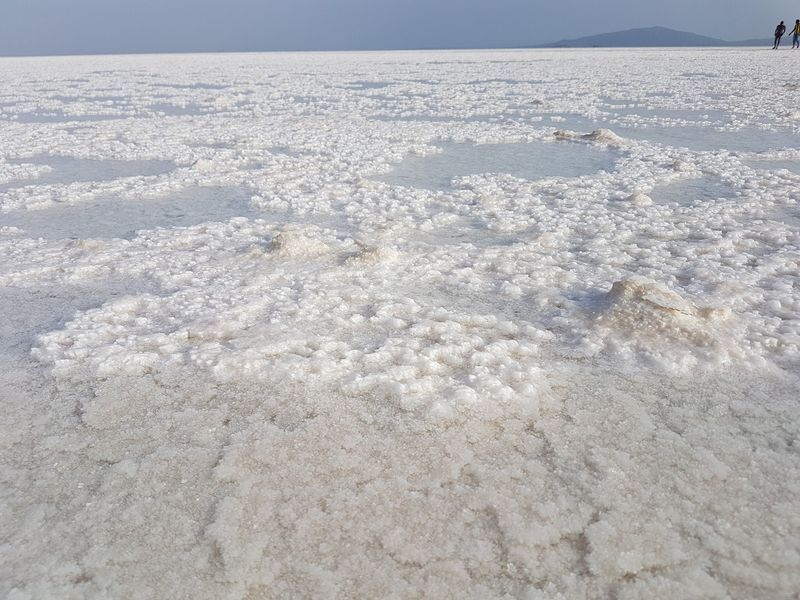
Blinding white stretches to every horizon. The Danakil salt plains reflect sunlight with such intensity that unprotected eyes can suffer serious damage within hours.
The glare creates disorientation, making navigation difficult as heat waves distort the landscape into a shimmering mirage. Temperatures regularly exceed 50°C, creating an environment where heat stress becomes inevitable.
Salt miners work these plains despite the brutal conditions, extracting salt blocks using methods unchanged for centuries. They typically labor during early morning hours, as midday heat becomes too dangerous even for those adapted to the climate.
Visitors watching the salt harvest must take frequent breaks in shade and consume water constantly to avoid heat exhaustion.
The volcanic salt contains toxic compounds that can irritate skin and respiratory systems. Dust kicked up by wind or footsteps carries these chemicals, causing coughing and eye irritation.
Breathing the air feels like inhaling from an oven, with each breath seeming to draw moisture from your lungs.
Dehydration progresses rapidly in these conditions. Your body loses fluid faster than you can comfortably replace it, leading to symptoms like dizziness, rapid heartbeat, and confusion.
The remote location means medical help sits hours away, making prevention essential. The salt plains represent one of Earth’s most inhospitable environments, where the combination of heat, glare, and toxic dust creates a perfect storm of survival challenges.
Sahara Desert — North Africa
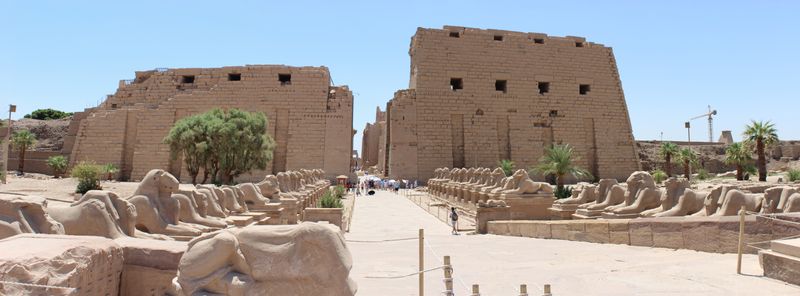
Sand stretches beyond imagination, creating the world’s largest hot desert. The Sahara spans 9 million square kilometers of North Africa, where daytime temperatures routinely exceed 50°C and nighttime readings can plunge below freezing.
This extreme temperature swing challenges human physiology in unique ways, forcing your body to constantly adjust.
Water scarcity defines survival here. Wells and oases sit hundreds of kilometers apart in many regions, meaning travelers must carry all needed water or risk dying of thirst.
Dehydration symptoms appear quickly—dry mouth, fatigue, confusion—progressing to life-threatening conditions within a day or two without water.
Sandstorms materialize with little warning, reducing visibility to zero and making breathing difficult as fine particles fill the air. These storms can last for days, trapping travelers and burying landmarks that serve as navigation points.
Getting lost in the Sahara often proves fatal, as search and rescue operations face enormous challenges in such vast, featureless terrain.
Modern technology helps, but the desert still claims lives regularly. GPS devices fail, vehicles break down, and even experienced desert travelers make fatal mistakes.
The Sahara’s beauty—golden dunes, star-filled night skies, stunning rock formations—masks its lethal nature. Respect for the desert’s power and thorough preparation remain essential for anyone venturing into this ancient landscape where human life hangs by a thread.
Share this story