Tired of crowded tourist traps and overpriced attractions? The world is full of incredible places that haven’t made it onto every travel influencer’s Instagram feed.
These hidden gems offer something better than viral photo ops—they deliver real connections with local culture, untouched natural beauty, and experiences you’ll actually remember years later. From remote islands with bizarre landscapes to medieval towns where time seems to stand still, these fifteen destinations prove that the best adventures happen off the beaten path.
Vang Vieng — Laos
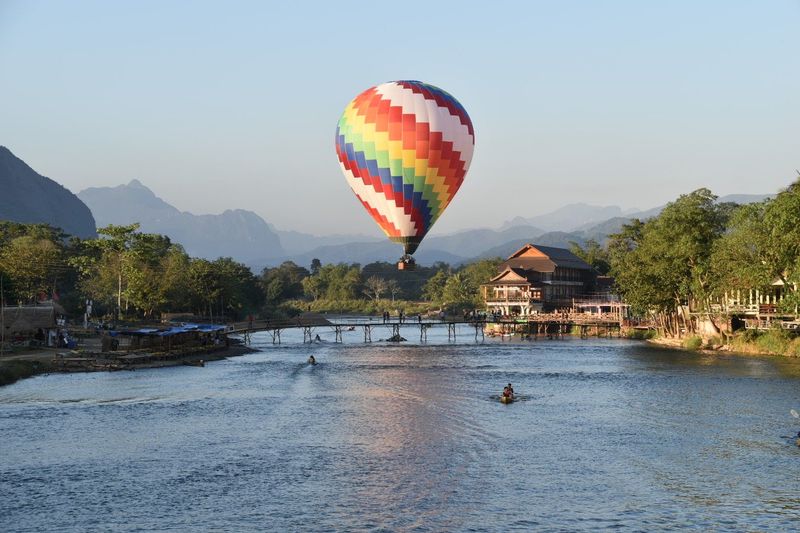
Limestone karsts shoot up from the ground like nature’s skyscrapers, framing a riverside town that moves at its own unhurried pace. Vang Vieng sits in northern Laos, where the Nam Song River winds through valleys that look like they belong in a fantasy novel.
The town shook off its party reputation years ago and now attracts travelers who’d rather kayak past water buffalo than stumble between bars.
Hot air balloons drift over the landscape at sunrise, offering views that make your stomach drop and your camera work overtime. Cave systems tunnel through those karsts, some holding Buddha statues, others just darkness and the sound of dripping water.
Local villages dot the countryside, where farmers still work rice paddies by hand and kids wave at passing cyclists.
Tubing down the river remains popular, but it’s calmer now—more floating meditation than adrenaline rush. Rock climbing routes scale the karsts for those who like their views earned through sweat and chalk dust.
The town itself serves authentic Lao food at prices that make you double-check the bill, thinking they forgot to charge you for half the meal. Vang Vieng proves that redemption stories aren’t just for people—sometimes whole towns get second chances too.
Faroe Islands — Denmark
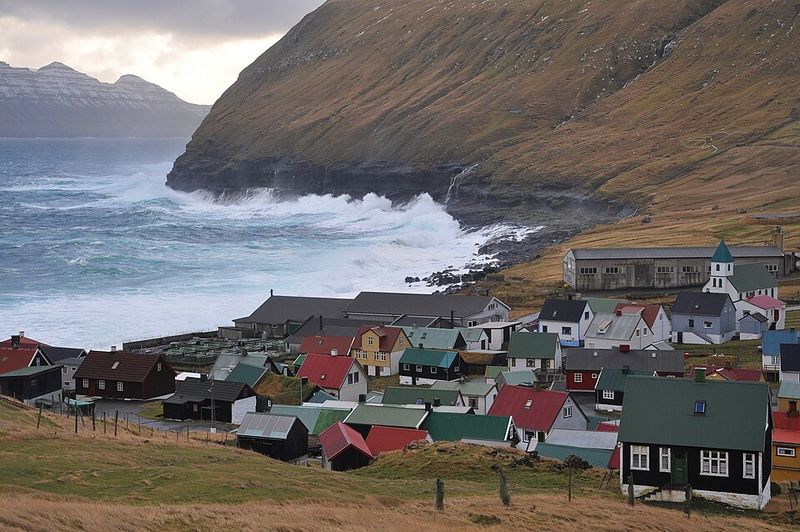
Eighteen volcanic islands rise from the North Atlantic like the earth’s rough draft—all sharp edges and dramatic gestures. The Faroe Islands sit between Iceland and Norway, where sheep outnumber people and the weather changes faster than you can zip your jacket.
Grass grows on rooftops here, not as some trendy eco-design but because that’s how islanders have insulated homes for centuries.
Waterfalls tumble off cliffs straight into the ocean, their mist mixing with sea spray in a way that keeps your rain gear earning its keep. Hiking trails crisscross islands connected by tunnels and ferries, leading to villages where maybe fifty people live year-round.
Puffins nest on cliff faces during summer, unbothered by the occasional hiker who’s climbed up to say hello.
The population barely cracks 50,000, spread across settlements that cling to coastlines and valleys with Viking-level stubbornness. Faroese culture runs deep—traditional chain dancing still happens at festivals, and the language descends directly from Old Norse.
Fog rolls in without warning, turning landscapes mysterious and slightly spooky. The islands reward visitors who don’t need constant sunshine or convenience stores on every corner, offering instead the kind of raw beauty that makes you understand why ancient explorers thought they’d reached the edge of the world.
Tomar — Portugal
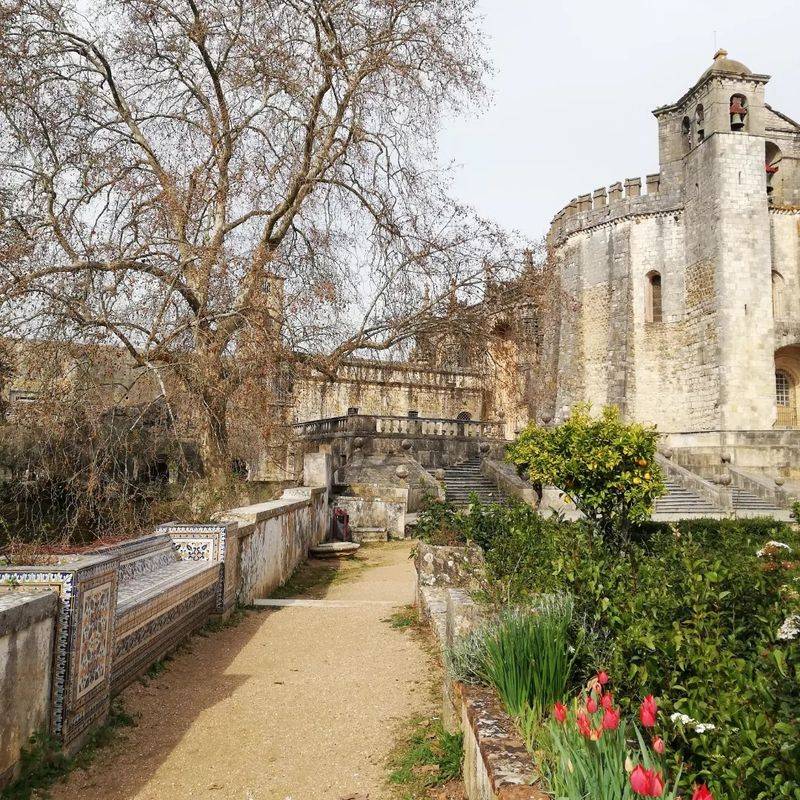
Knights Templar chose this spot in central Portugal for their headquarters back in 1160, and their architectural legacy still dominates the skyline. The Convent of Christ sits on a hill overlooking Tomar, its round Templar church and Manueline windows representing centuries of religious power and artistic ambition.
Walking these grounds feels like stepping into a history documentary, except you can actually touch the 800-year-old walls.
Every four years, the town explodes with the Festa dos Tabuleiros, where young women balance towering bread arrangements on their heads through the streets. These “tabuleiros” reach higher than the women are tall, decorated with flowers and topped with crowns—a tradition dating back centuries that nobody’s quite sure how it started.
Between festivals, Tomar maintains a peaceful rhythm that larger Portuguese cities abandoned decades ago.
Narrow streets wind through the old quarter, where locals still hang laundry from wrought-iron balconies and greet neighbors by name. The Nabão River runs through town, its banks perfect for afternoon walks when the summer heat gets intense.
Restaurants serve regional dishes without inflated tourist prices, and you’re more likely to hear Portuguese than English at the next table. Tomar offers Portugal’s history and charm without Lisbon’s cruise ship crowds or Porto’s Instagrammers fighting for the same bridge photo.
Brisighella — Italy
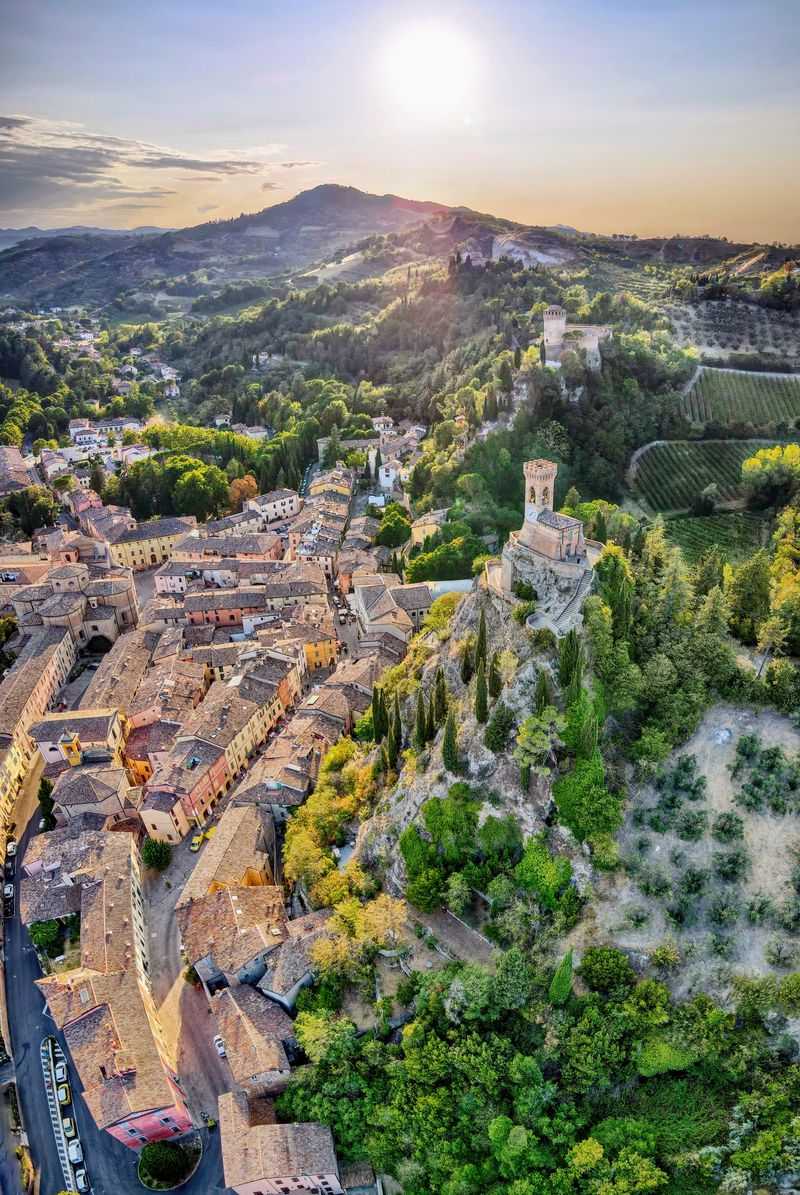
Three hills rise above this Emilia-Romagna village, each topped with something medieval—a clock tower, a fortress, and a sanctuary. Brisighella’s pastel buildings glow warm in afternoon light, their colors ranging from butter yellow to dusty rose, creating a palette that looks hand-selected by someone with excellent taste.
The Via degli Asini (Donkey Road) runs elevated through town, a covered medieval street where merchants once moved goods under shelter from weather and bandits.
Olive groves carpet the surrounding hills, producing oil that locals will tell you tastes better than anything from Tuscany. The town’s thermal springs have attracted visitors since Roman times, though nowadays you’re more likely to find Italian families than emperors soaking in the mineral-rich waters.
Restaurants here take Emilia-Romagna’s food reputation seriously—handmade pasta, aged Parmigiano-Reggiano, and wines from nearby vineyards appear on menus alongside dishes featuring local chestnuts and truffles.
Tourism exists here but hasn’t consumed the town’s soul. Locals still outnumber visitors on weekdays, going about their business in Italian that flies too fast for your phrase book.
The fortress offers panoramic views of the Lamone Valley, where vineyards and farmland stretch toward the Apennines. Brisighella proves that Italy has plenty of gorgeous medieval towns left—you just have to skip the ones that show up in every travel guide’s top ten.
Nafplio — Greece
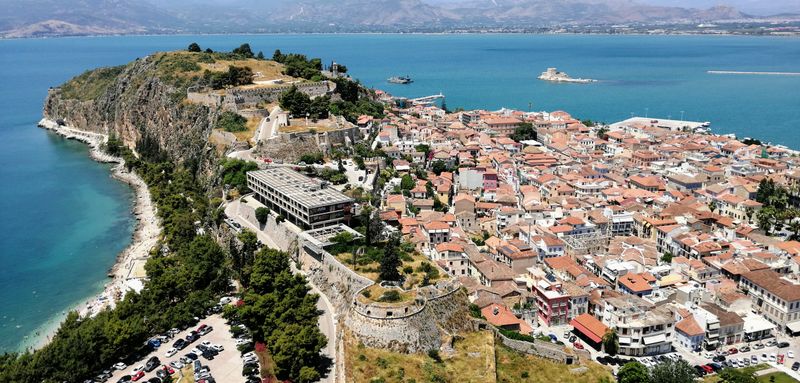
Venetian fortresses watch over this Peloponnese port town from three different hills, their walls climbing steep slopes that’ll make your calves burn. Nafplio served as Greece’s first capital after independence, which explains the grand neoclassical buildings lining streets too narrow for modern traffic.
The Palamidi fortress requires 999 steps to reach the top, though the view over the Argolic Gulf makes you forgive whoever decided stairs were a good idea.
Bourtzi, a small fortress on an island in the harbor, looks like something from a fairy tale—assuming your fairy tales involve 15th-century military architecture. The old town’s architecture mixes Venetian, Ottoman, and Byzantine influences, creating a visual mashup that somehow works beautifully.
Bougainvillea cascades from balconies, adding purple and pink splashes to already photogenic streets.
Tavernas serve fresh seafood and regional specialties without the eye-watering prices you’d pay on Santorini or Mykonos. Locals swim at Arvanitia Beach, a pebbly stretch beneath the fortress walls where the water runs so clear you can count fish from the shore.
The town moves slower than Athens, faster than a true village—a goldilocks pace that lets you explore without feeling rushed or bored. Nafplio offers Greek island charm with mainland accessibility, historic significance without museum fatigue, and authenticity that hasn’t been polished away by mass tourism.
Svaneti — Georgia
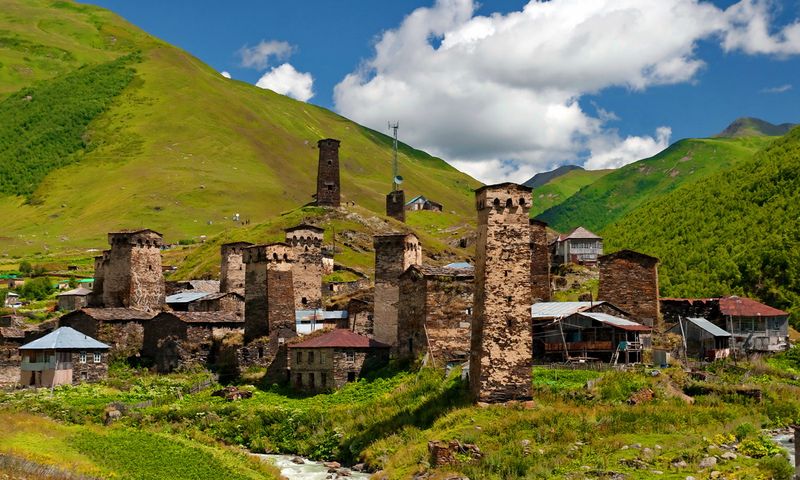
Stone towers spike upward from mountain villages, built centuries ago when families needed fortress-like homes to survive clan warfare. Svaneti occupies Georgia’s far northwest corner, pressed against the Caucasus Mountains where peaks scrape past 5,000 meters.
These defensive towers, some dating back to the 8th century, still stand alongside homes where Svan families have lived for generations, maintaining traditions that the rest of Georgia has largely forgotten.
Mountain culture runs deep here—shepherds still move flocks to high pastures in summer, and locals speak Svan, a language unrelated to Georgian that sounds like nothing else you’ll hear. The region stayed isolated for centuries, which preserved not just towers and language but also ancient Christian traditions and folk customs.
UNESCO recognized this uniqueness by protecting the area as a World Heritage site.
Hiking trails wind through alpine valleys where wildflowers bloom against backdrops of permanent snow. The town of Mestia serves as the regional hub, though “hub” is relative when you’re talking about a place with more cows than cars.
Local guesthouses offer rooms and massive Georgian feasts—khachapuri, khinkali, and enough wine to make you forget about the next day’s mountain hike. Svaneti rewards travelers who don’t mind rough roads and basic amenities, offering instead landscapes and cultural authenticity that feel genuinely untouched by modern tourism’s homogenizing force.
Ometepe Island — Nicaragua
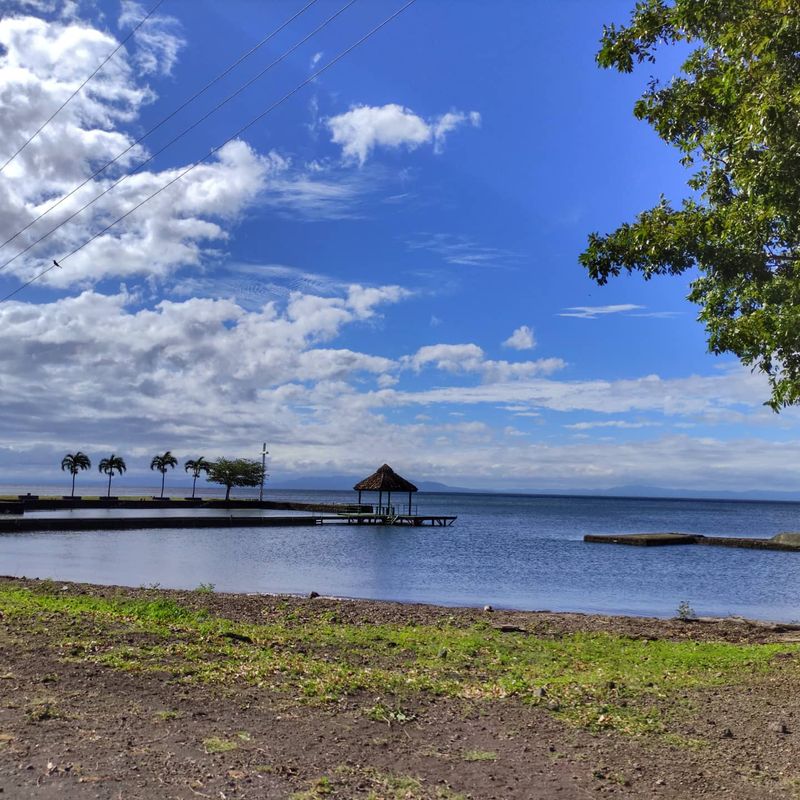
Two volcanoes rise from Central America’s largest lake, their perfect cones connected by a narrow isthmus that makes the island look like a figure-eight from above. Concepción still smokes occasionally, reminding visitors that geology here remains a work in progress.
Maderas, the dormant twin, hides a crater lake at its summit that rewards hikers willing to slog through cloud forest mud.
Indigenous Nahuatl people considered this island sacred, leaving behind petroglyphs that archaeologists are still interpreting. Modern islanders farm coffee on volcanic slopes and fish in Lake Nicaragua’s freshwater, maintaining a subsistence lifestyle that feels increasingly rare in Central America.
Howler monkeys wake you at dawn—nature’s alarm clock that nobody requested but everyone gets anyway.
The island moves slowly, both literally (chickens cross roads at their leisure) and culturally (nobody’s in a rush to modernize). Eco-lodges and hostels cluster around the main towns of Moyogalpa and Altagracia, offering basic accommodations that emphasize location over luxury.
You can rent a scooter to circle the island, though the roads turn rough on the Maderas side, testing both your driving skills and your tailbone’s durability. Ometepe attracts backpackers and travelers who value authenticity over amenities, offering volcanic hikes, waterfall swims, and a pace of life that belongs to an earlier, less connected era.
Huacachina — Peru
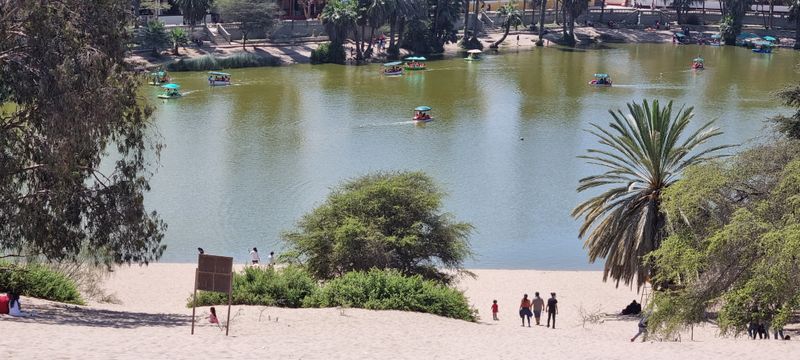
Palm trees circle a green lagoon that shouldn’t exist in the middle of Peru’s coastal desert, creating an oasis straight out of adventure stories. Huacachina sits in a natural depression where underground springs feed the water, surrounded by sand dunes that tower hundreds of feet high.
The entire village holds maybe 100 permanent residents, though that number swells with travelers who’ve come for sandboarding and dune buggy rides.
Those dunes provide natural half-pipes and slopes perfect for strapping a board to your feet and sliding down at speeds that feel both thrilling and slightly reckless. Dune buggies roar up and down the sandy mountains, their drivers treating physics like a suggestion rather than a rule.
Sunset tours time their climbs to reach dune crests as the light turns golden, revealing rippled sand patterns that stretch toward distant mountains.
The lagoon itself looks prettier from a distance—up close, it’s greener and smaller than postcards suggest, though locals claim its waters have healing properties. Hotels and hostels ring the oasis, their prices reflecting the location’s uniqueness without reaching Lima levels of expensive.
Huacachina works as a quick detour from the Nazca Lines or as a destination itself for travelers who like their adventures sandy and their accommodations quirky. This tiny village proves that sometimes the most memorable places are the ones that feel too unusual to be real.
Socotra — Yemen
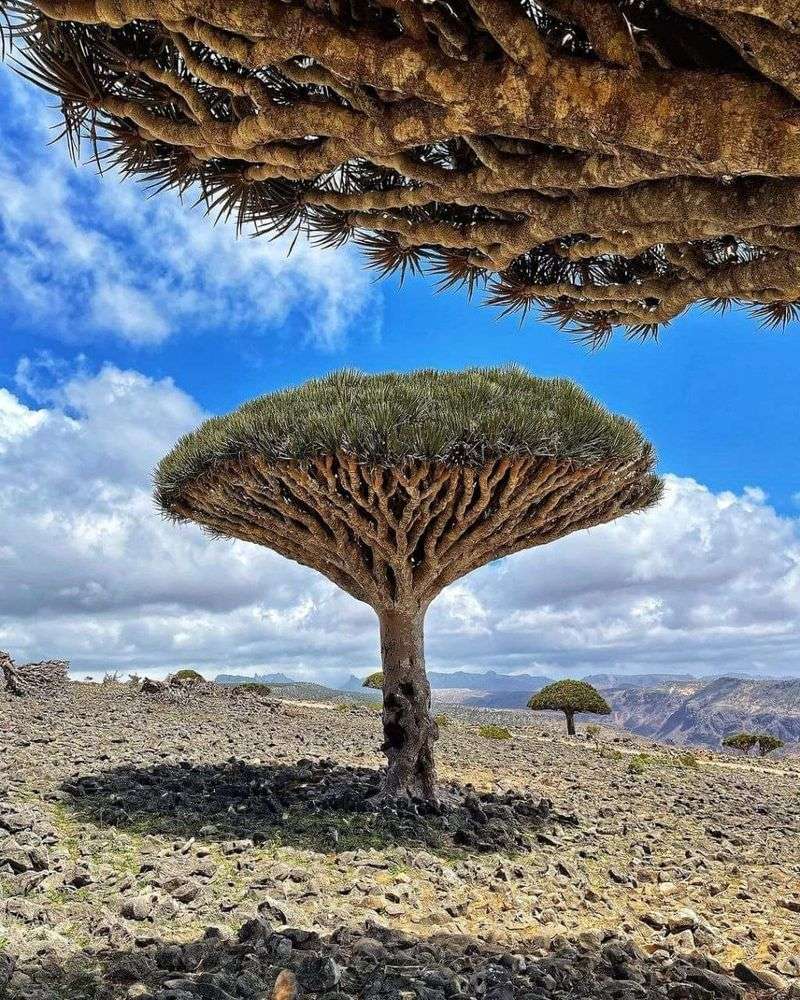
Dragon’s blood trees look like umbrellas designed by someone who’d never seen an umbrella—thick trunks supporting flat, dense canopies that seem to defy botanical logic. These bizarre trees grow only on Socotra, an island that split from mainland Africa millions of years ago and evolved its own rules about what plants should look like.
Roughly a third of Socotra’s plant species exist nowhere else on Earth, creating landscapes that feel genuinely alien.
The island sat isolated for so long that its culture developed independently too. Socotri people speak their own language, practice unique traditions, and have survived in this harsh environment through knowledge passed down across centuries.
White sand beaches stretch empty, their isolation protected by geography and Yemen’s ongoing instability, which has kept mass tourism away entirely.
Bottle trees bulge with water storage, their swollen trunks looking like nature’s experiment in surrealist sculpture. Limestone caves honeycomb the interior, some holding pools of crystal-clear water.
The island’s isolation means limited infrastructure—expect basic accommodations, unreliable electricity, and travel logistics that require patience and flexibility. Getting here involves flights from mainland Yemen and navigating a complicated security situation that changes regularly.
Socotra rewards the adventurous and slightly crazy with biodiversity found nowhere else, beaches without footprints, and the satisfaction of reaching somewhere truly remote.
Newfoundland Coast — Canada
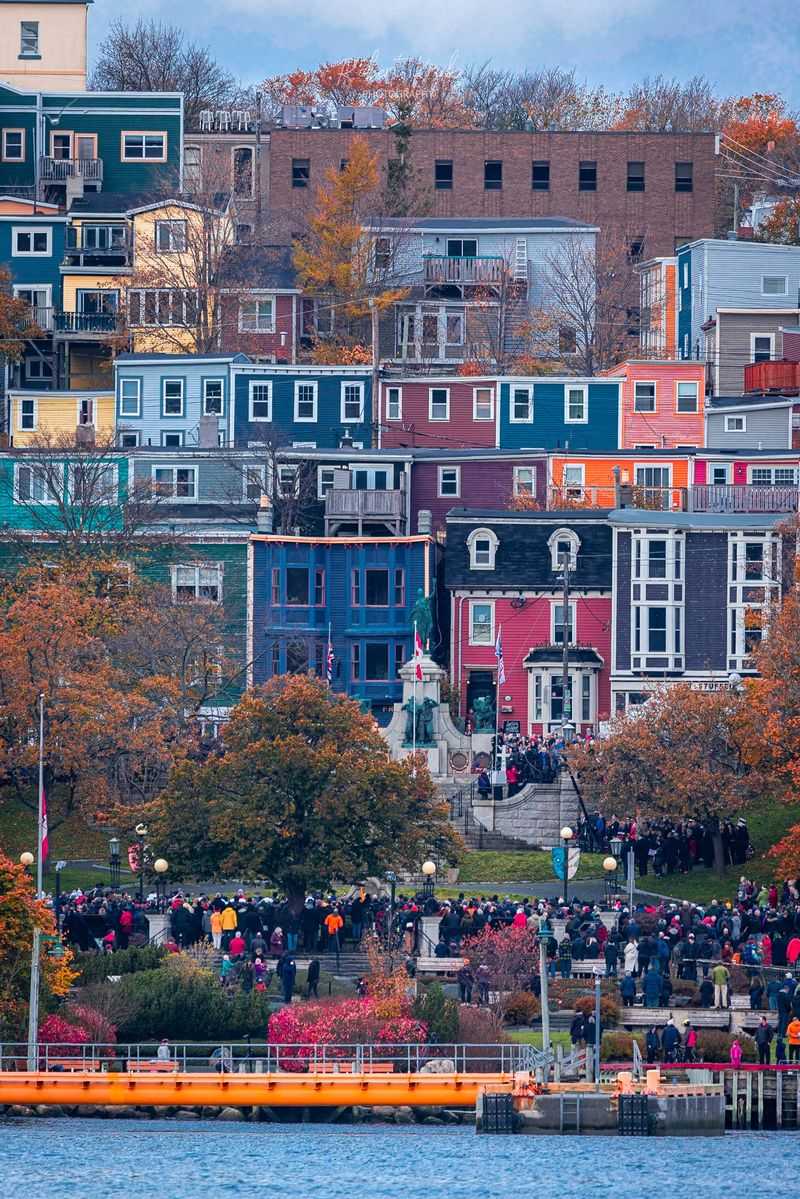
Colorful houses—reds, blues, yellows, greens—dot fishing villages along Newfoundland’s Atlantic coast like someone scattered crayons across the landscape. These settlements cling to rocky shores where the ocean has shaped both geography and culture for centuries.
Icebergs drift past in spring and early summer, calved from Greenland’s glaciers and making their slow journey south before melting into memory.
Newfoundlanders speak English with an accent that sounds Irish-influenced and uniquely their own, using phrases and expressions that baffle mainland Canadians. Traditional music thrives here—fiddles, accordions, and voices raised in songs about fishing, loss, and the sea’s harsh beauty.
Cod once drove the economy until overfishing collapsed the stocks in the 1990s, leaving communities to reinvent themselves while holding tight to maritime traditions.
Gros Morne National Park protects fjords carved by glaciers, their steep walls rising from water that reflects the sky’s changing moods. Hiking trails wind along coastal cliffs where whales breach offshore and puffins nest in burrows.
Restaurants serve fish and chips, cod tongues, and Jiggs dinner (salt beef, cabbage, and root vegetables boiled together—comfort food that tastes better than it sounds). Newfoundland moves at its own pace, welcomes visitors warmly, and offers coastal beauty without the crowds crushing more famous Canadian destinations.
The island’s remoteness keeps it authentic in ways that feel increasingly precious.
Luang Prabang — Laos
Buddhist monks in saffron robes walk barefoot through pre-dawn streets, receiving offerings of sticky rice from locals who kneel on woven mats. This alms-giving ceremony happens every morning in Luang Prabang, a tradition that’s remained unbroken for centuries despite wars, regime changes, and the arrival of tourism.
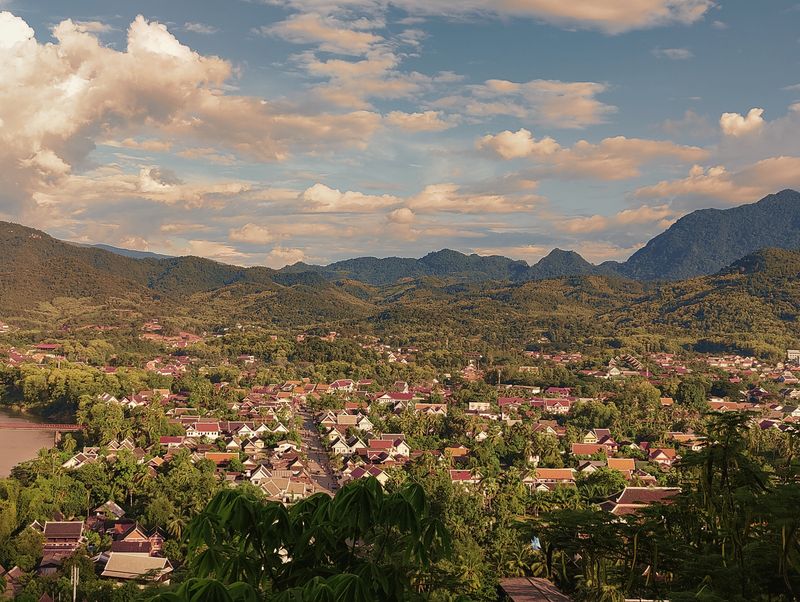
The town sits where the Mekong and Nam Khan rivers meet, its peninsula location creating natural boundaries that have helped preserve its historic character.
Thirty-three temples dot the town, their golden spires and carved wooden details representing Lao craftsmanship at its finest. Wat Xieng Thong, built in 1560, showcases the sweeping, multi-tiered roofs that define northern Lao temple architecture.
French colonial buildings add another layer to the architectural mix—baguette shops and cafes occupy structures that date from when Laos was part of French Indochina.
Kuang Si Falls cascades through the jungle outside town, its turquoise pools perfect for swimming when the heat gets oppressive. Night markets spread through the main street after sunset, selling handwoven textiles, silver jewelry, and enough elephant-themed souvenirs to outfit a small zoo.
Luang Prabang has gained popularity in recent years, yet it maintains authenticity through cultural preservation efforts and a local population that still outnumbers visitors. The town offers a gentler introduction to Southeast Asia—less chaotic than Bangkok, more developed than rural villages, and deeply rooted in Buddhist traditions that give daily life a contemplative rhythm.
Kaffrine & Sine Saloum — Senegal
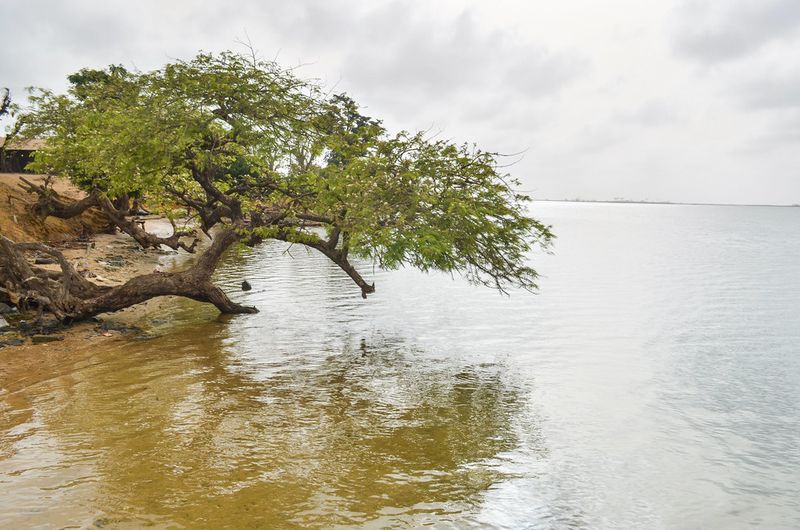
Mangrove roots twist into the water like wooden fingers, creating labyrinths where fish spawn and birds nest in numbers that turn the sky dark when they take flight. The Sine Saloum Delta spreads across Senegal’s coast, a maze of channels, islands, and mangrove forests where the Sine and Saloum rivers meet the Atlantic.
Traditional fishing villages dot the waterways, their wooden pirogues (narrow boats) tied to docks or pulled onto muddy banks.
Kaffrine, inland from the delta, offers a glimpse of rural Senegalese life away from coastal tourist zones. Markets overflow with produce, fabrics, and goods that locals actually need rather than souvenirs nobody actually wants.
The town serves as an agricultural center where peanut farming drives the economy and daily life follows rhythms dictated by seasons and rainfall rather than tourist arrivals.
Back in the delta, boat tours wind through mangrove channels where kingfishers dive and pelicans float like they own the place. Some islands hold shell middens—ancient garbage dumps where generations of shellfish consumption created hills of discarded shells now being studied by archaeologists.
Lodges built on stilts offer accommodations where falling asleep to water sounds comes standard. The region attracts birdwatchers, kayakers, and travelers interested in West African culture without the hustle of Dakar.
Sine Saloum and Kaffrine together present Senegal’s diversity—coastal ecosystems and inland traditions, natural beauty and agricultural reality, tourism infrastructure and authentic daily life existing side by side.
Ribeira Sacra — Spain
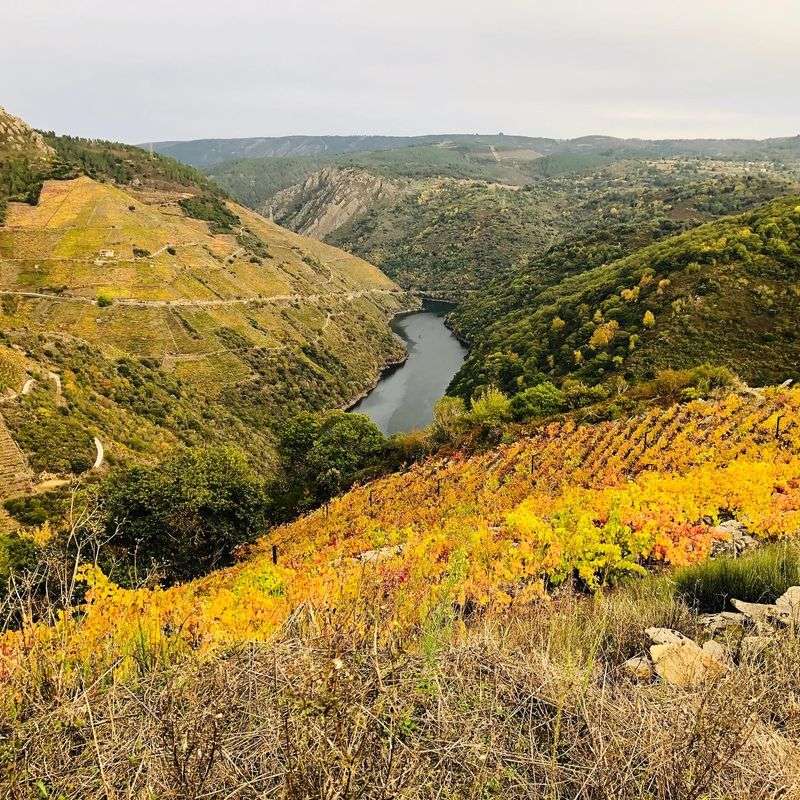
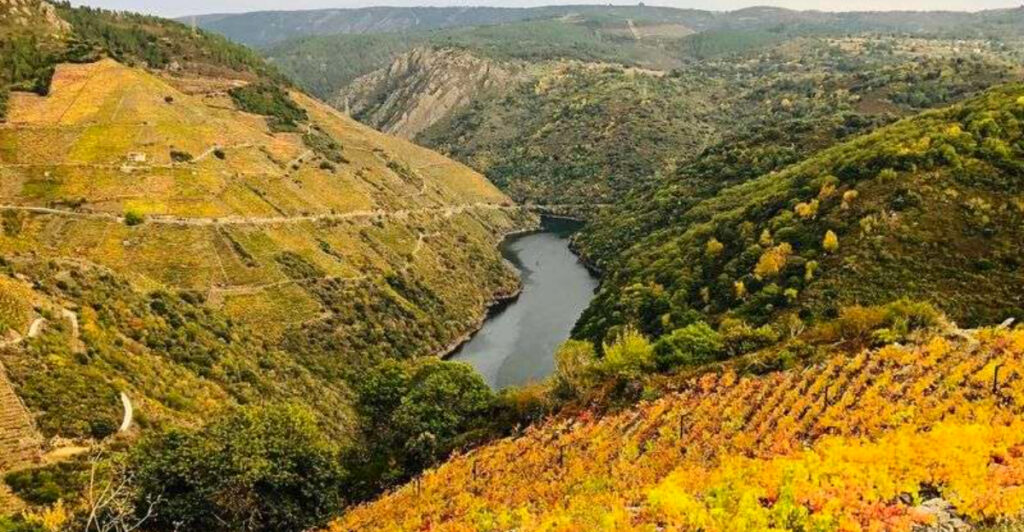
Vineyards climb canyon walls so steep that harvesting grapes requires near-acrobatic skill and a complete disregard for comfortable working conditions. Ribeira Sacra (Sacred Riverbank) occupies inland Galicia, where the Miño and Sil rivers carved gorges through granite, creating dramatic landscapes that winemakers have somehow turned productive.
These “heroic viticulture” vineyards produce wines—mainly Mencía reds and Godello whites—that taste like they’ve absorbed the region’s rugged character.
Monasteries hide in these river valleys, some dating back over a thousand years when monks sought isolation for prayer and contemplation. Romanesque churches dot hillsides, their stone walls and simple designs representing medieval architecture before Gothic elaboration took over.
Many sit abandoned or barely maintained, creating atmospheric ruins that photographers love and preservationists worry about.
Catamaran tours cruise the Sil Canyon, offering views of those impossible vineyards from water level where the engineering feat becomes even more apparent. Hiking trails connect villages and viewpoints, winding through chestnut forests and past stone wine cellars built into hillsides.
The region produces excellent food too—Galician beef, octopus, empanadas—served in family-run restaurants where menus change based on what’s available rather than tourist expectations. Ribeira Sacra remains relatively unknown outside Spain, its combination of wine culture, natural beauty, and historical sites offering everything Tuscany provides but with fewer crowds and lower prices.
The region rewards travelers who seek authenticity over amenities and don’t mind driving narrow roads to reach spectacular views.
Share this story