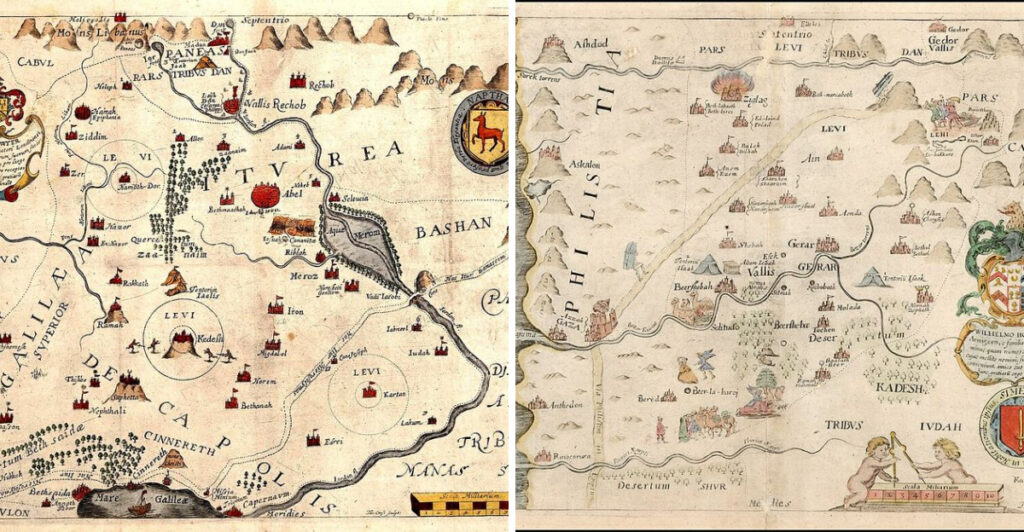
When the kingdom of Israel split after King Solomon’s death, ten tribes formed the Northern Kingdom while two remained loyal to Jerusalem. In 722 BC, the Assyrian Empire conquered the north and scattered these tribes across distant lands.
Most never returned to their homeland, and their descendants blended into other populations over centuries. Their disappearance sparked countless legends and theories that continue to fascinate historians and believers today.
1. Reuben
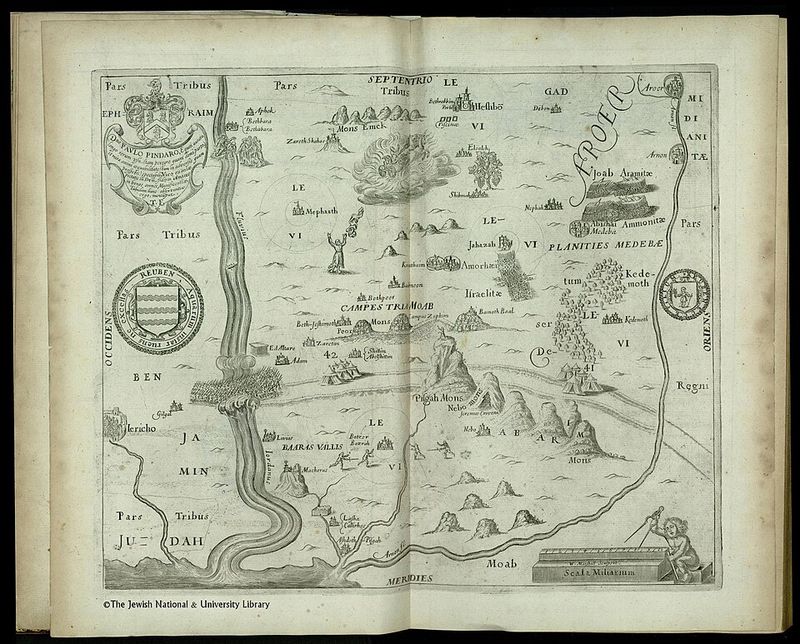
As Jacob’s firstborn, Reuben should have inherited a place of honor, but his story took a different turn. His tribe settled in fertile grazing lands east of the Jordan River, perfect for their livestock.
The territory stretched across plateaus where shepherds could watch their flocks under vast skies.
When Assyrian armies swept through the region, Reuben’s people faced the same fate as their northern neighbors. First Chronicles 5:26 records how they were forcibly removed from their ancestral lands.
The Assyrians had a policy of relocating conquered peoples to prevent rebellion.
Unlike some tribes that maintained connections to Judah, Reuben’s location made them vulnerable. Their eastern position put them directly in the path of invading forces.
After the exile, no clear records trace what happened to Reuben’s descendants, leaving their fate among history’s mysteries.
2. Gad
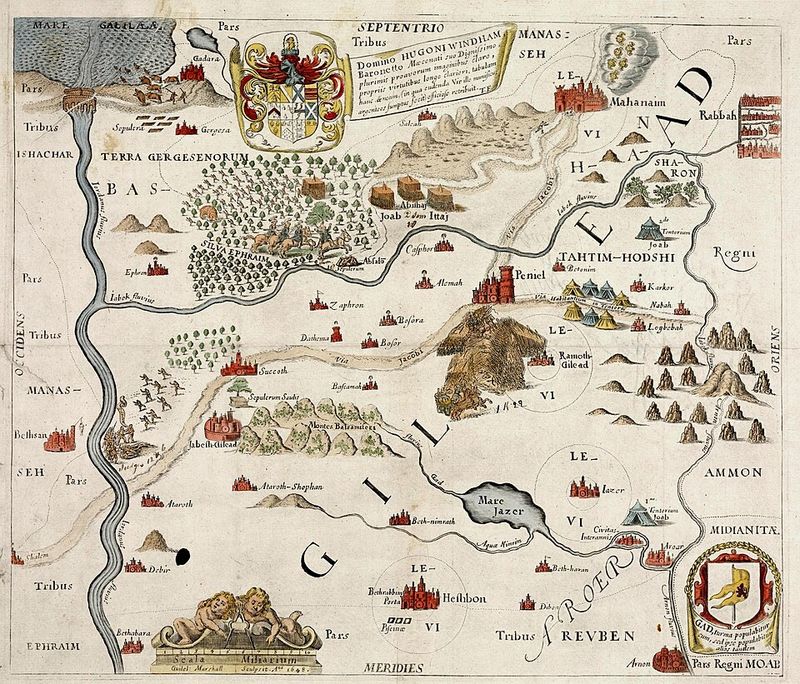
Warriors and frontiersmen, the people of Gad knew how to defend their territory. They claimed land east of the Jordan alongside Reuben, building communities in regions that required constant vigilance.
Their position made them Israel’s first line of defense against eastern threats.
The tribe produced fierce fighters who earned respect throughout Israel’s history. Their military skills couldn’t save them from the Assyrian war machine, though.
When conquest came, Gad’s warriors were overwhelmed by superior numbers and organization.
Assyrian records mention deportations from this region, confirming biblical accounts. The people were scattered to various parts of the empire, from Media to Mesopotamia.
Some scholars believe small remnants may have joined Judean communities, but Gad as a distinct tribe ceased to exist. Their story reminds us how quickly established communities can vanish when empires clash.
3. Asher
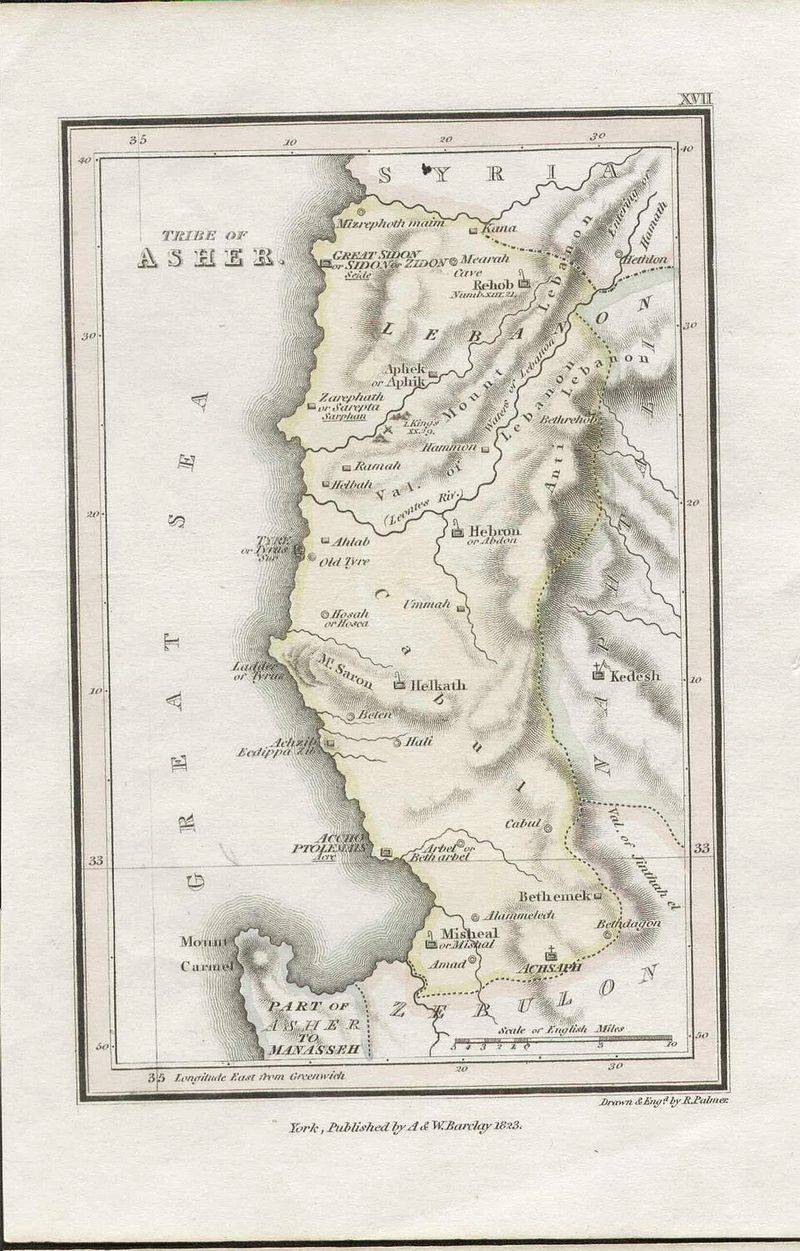
Blessed with some of the most beautiful real estate in ancient Israel, Asher’s territory hugged the Mediterranean coast. Olive trees covered hillsides, providing abundant oil that made the region prosperous.
The tribe’s name itself means “happy,” fitting for people living in such fertile lands.
Coastal access gave Asher opportunities for trade and fishing. Their ports connected Israel to Mediterranean commerce, bringing wealth but also foreign influences.
This prosperity made them a valuable target when empires expanded their territories.
After joining the Northern Kingdom, Asher shared the fate of their fellow tribes when Assyria invaded. The deportations scattered families across the empire, breaking tribal bonds forever.
No historical records track where Asher’s descendants settled or whether they maintained any group identity. The tribe that once enjoyed abundant blessings simply faded from history’s pages.
4. Naphtali
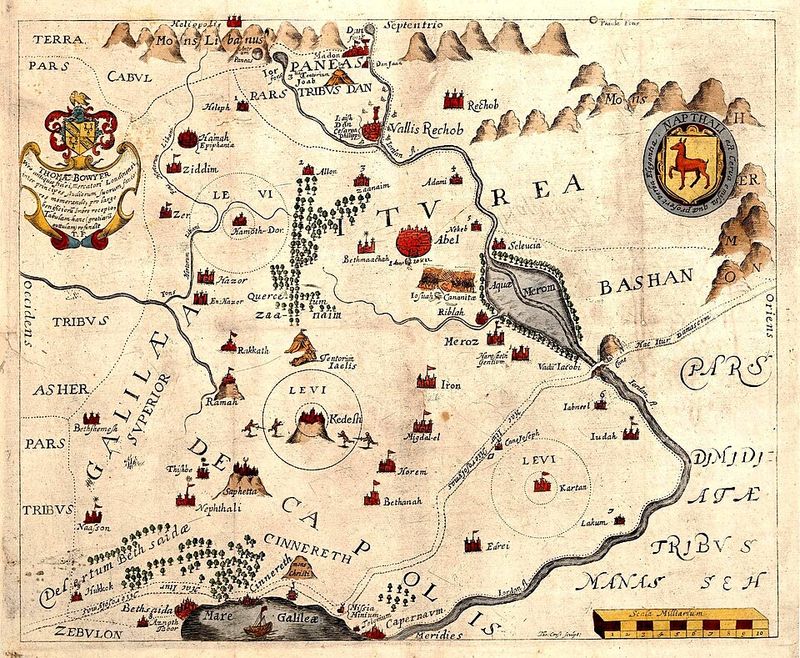
High in the Galilee hills, Naphtali built their communities among some of Israel’s most dramatic landscapes. Mountains provided natural defenses, while valleys offered farmland.
The tribe’s territory included parts of what would later become famous in Jesus’s ministry.
Geography couldn’t protect them from Assyrian aggression. Second Kings 15:29 specifically mentions Naphtali’s conquest during early Assyrian campaigns.
They were among the first to fall, their strategic location making them an early target. King Tiglath-Pileser III deported their population around 733 BC.
Being conquered nearly a decade before the final fall of Samaria meant Naphtali’s exile lasted even longer. Any hope of return faded as years turned to decades, then centuries.
The beautiful Galilee hills saw new settlers replace the exiled Israelites, erasing tribal boundaries that had existed for centuries.
5. Dan

Few tribes had a more complicated history than Dan. Originally assigned coastal territory near modern Tel Aviv, they struggled against Philistine pressure.
Rather than fight endless battles, a portion of the tribe made a bold decision to relocate entirely.
They marched north and conquered the city of Laish, renaming it Dan. This northern settlement became Israel’s northernmost city, giving rise to the phrase “from Dan to Beersheba” to describe the nation’s full extent.
The move showed initiative but also split the tribe between two regions.
When Assyria conquered the north, both Dan settlements disappeared from records. The tribe that once showed such adventurous spirit lost its identity completely.
Archaeological excavations at Tel Dan have uncovered impressive gates and structures, silent witnesses to a people who once thrived there before vanishing into exile’s fog.
6. Issachar
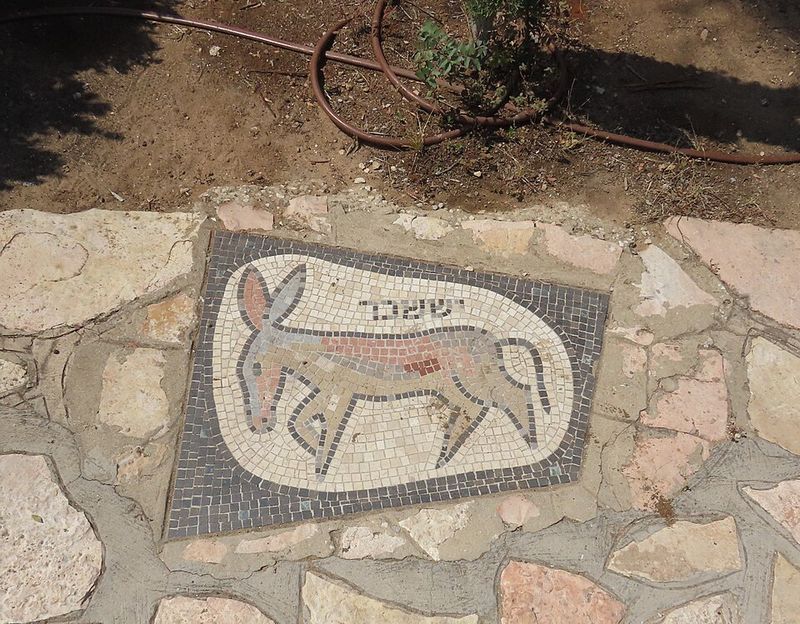
Farmers at heart, Issachar’s people worked some of Israel’s richest agricultural land. The Jezreel Valley provided black soil perfect for crops, making the tribe prosperous through honest labor.
Genesis describes Issachar as a “strong donkey,” willing to bear burdens for good land.
Their agricultural wealth meant little when Assyrian armies arrived in 722 BC. The same fertile valleys that fed them became highways for invading chariots.
Issachar fell with the Northern Kingdom, their farmers forced to leave fields their families had worked for generations.
Assyrian policy deliberately mixed deported populations to destroy national identities. Issachar’s people found themselves scattered across the empire, far from the valleys they loved.
Without their land, the tribe that had been defined by farming lost its core identity. The Jezreel Valley eventually filled with other settlers, and Issachar became just a memory.
7. Zebulun
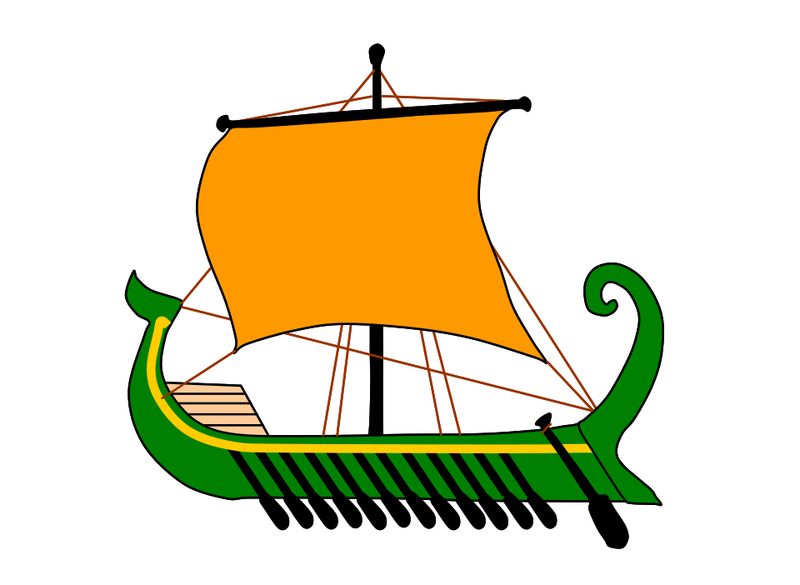
Positioned between powerful neighbors, Zebulun occupied land in lower Galilee near both Issachar and Naphtali. Jacob’s blessing predicted they would dwell by the seashore and become a haven for ships, though their actual territory sat slightly inland.
The tribe became known for commerce and trade connections.
Their central location in the north meant Zebulun experienced the full force of Assyrian conquest. When deportations began, Zebulun’s families joined the masses being herded eastward into exile.
The tribe that had facilitated trade between regions now found themselves cut off from everything familiar.
No separate historical record tracks Zebulun’s fate after exile. They merged into the larger story of northern Israel’s disappearance.
Centuries later, the prophet Isaiah would mention Zebulun’s land in prophecies about the Messiah, but by then, the tribe itself had long since vanished from the stage of history.
8. Ephraim
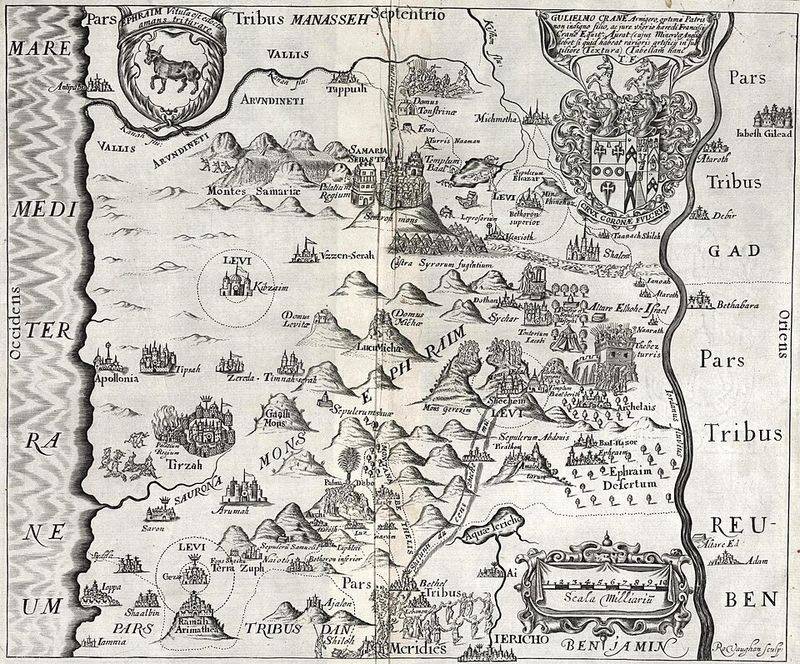
Power and influence defined Ephraim’s role in northern Israel. As descendants of Joseph’s younger son, they received a special blessing that propelled them to leadership.
The tribe grew so dominant that the entire Northern Kingdom was sometimes simply called Ephraim by prophets and historians.
Their capital, Samaria, became one of the ancient world’s impressive cities. Ephraim’s kings ruled from fortified palaces, commanding armies and making treaties with foreign powers.
This political strength made their eventual fall even more dramatic and unexpected to contemporary observers.
When Assyria finally conquered Samaria after a three-year siege, Ephraim’s leadership class was specifically targeted for deportation. The tribe that had led the north watched its power structure completely dismantled.
Archaeological evidence shows Samaria was repopulated with foreigners, confirming biblical accounts. Ephraim’s tribal identity, once so strong it named a kingdom, dissolved into the empire that conquered it.
9. Manasseh
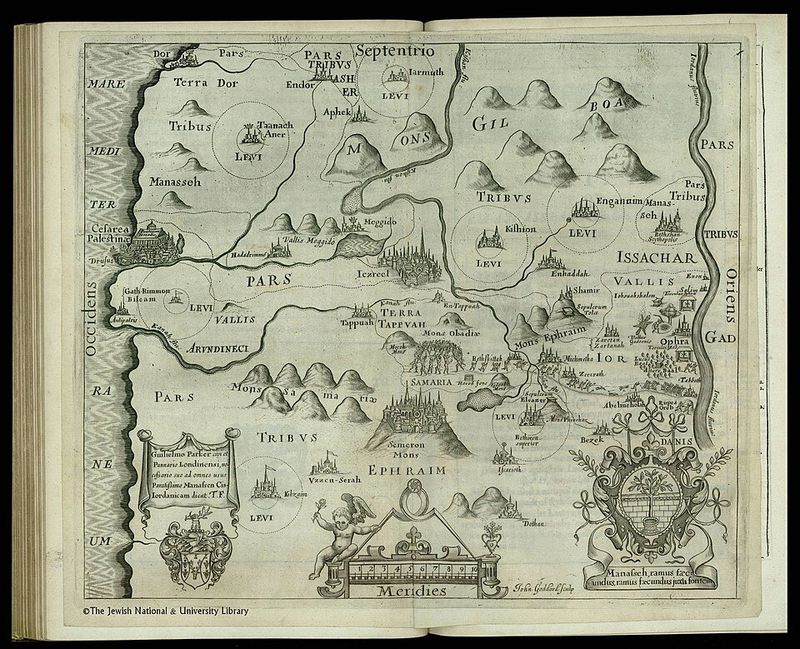
Unique among Israel’s tribes, Manasseh was literally divided in half. One portion settled west of the Jordan River in the central highlands, while the other claimed territory east of the river alongside Reuben and Gad.
This split gave them extensive land but also complicated their tribal identity.
Both halves of Manasseh fell to Assyrian conquest, though at slightly different times. The eastern half was deported along with Reuben and Gad, while the western portion fell with the final conquest of Samaria.
Being scattered from two different starting points made reunion even less likely.
As Joseph’s firstborn son, Manasseh should have held special honor. Instead, the tribe became a case study in how political divisions can fragment a people.
Some scholars believe small groups from western Manasseh may have fled south to Judah, but the tribe as a cohesive unit disappeared completely from historical records.
10. Simeon
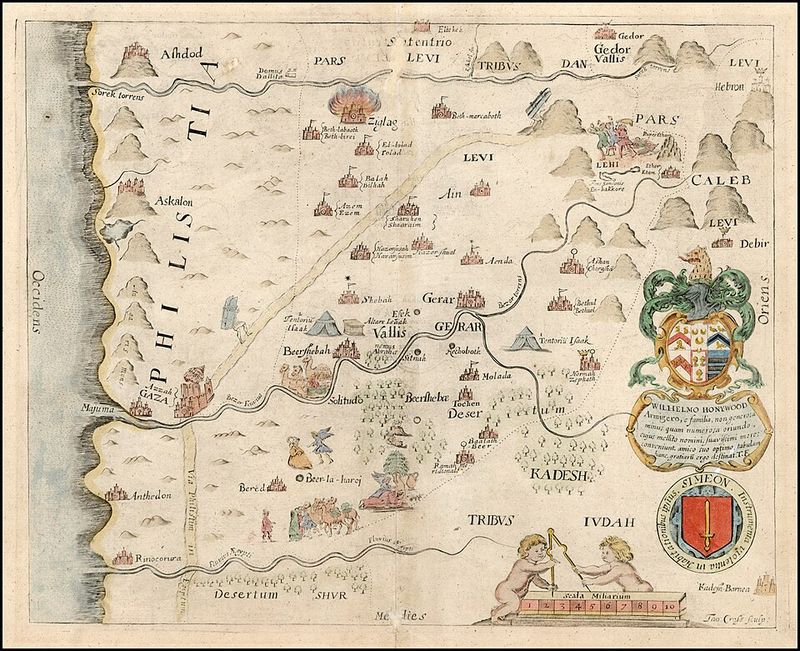
Simeon’s story differs from the other nine tribes in crucial ways. Jacob’s blessing predicted Simeon would be scattered in Israel, and that prophecy came true even before the Assyrian exile.
Joshua 19:1 explains that Simeon’s inheritance was actually carved from Judah’s territory in the south.
Over time, many of Simeon’s people simply merged with Judah, making them functionally part of the southern kingdom. When the Assyrian deportations occurred, Simeon wasn’t part of the Northern Kingdom that fell.
This is why scholars debate whether Simeon should really count among the lost tribes.
Traditional lists include Simeon to reach the number ten, but historically, they were likely absorbed into Judah before the exile. Some families may have moved north and been caught in deportations, but most remained in the south.
This makes Simeon’s status complicated, lost not to foreign conquest but to gradual assimilation with their brother tribe.
Share this story