Cities rise, fall, and reinvent themselves, and the last 50 years have been proof. Some places that once roared with factories, packed trains, and downtown parades now move at a quieter pace.
You will see familiar names here, each with a story written in steel, shipping, and suburbs. Keep reading to trace how momentum shifted and what hints of a comeback still flicker today.
1. Detroit, Michigan
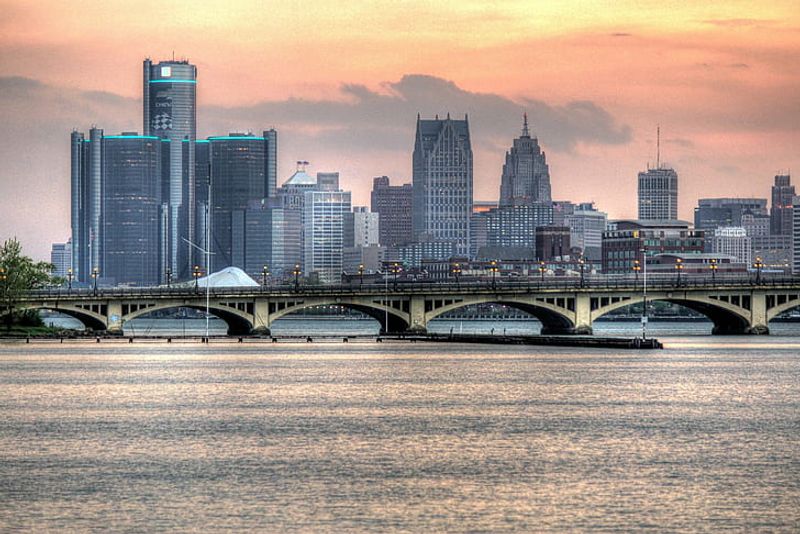
Engines once echoed across Detroit like a daily anthem. The Motor City swelled to near 1.5 million, a symbol of American industry and middle class promise.
Then automation, oil shocks, and global competition pushed plants to retrench. Residents chased jobs to suburbs, tax bases thinned, and blocks emptied.
You can still feel that scale in the broad boulevards and monumental factories.
Today, Detroit experiments with smaller, smarter growth. Murals claim blank walls, urban farms replace scrapped lots, and downtown draws new residents.
The city’s story is not neat, but it is moving. Music, design, and entrepreneurship give aging buildings a second act.
You get a city learning to rightsize without losing its soul.
2. Cleveland, Ohio
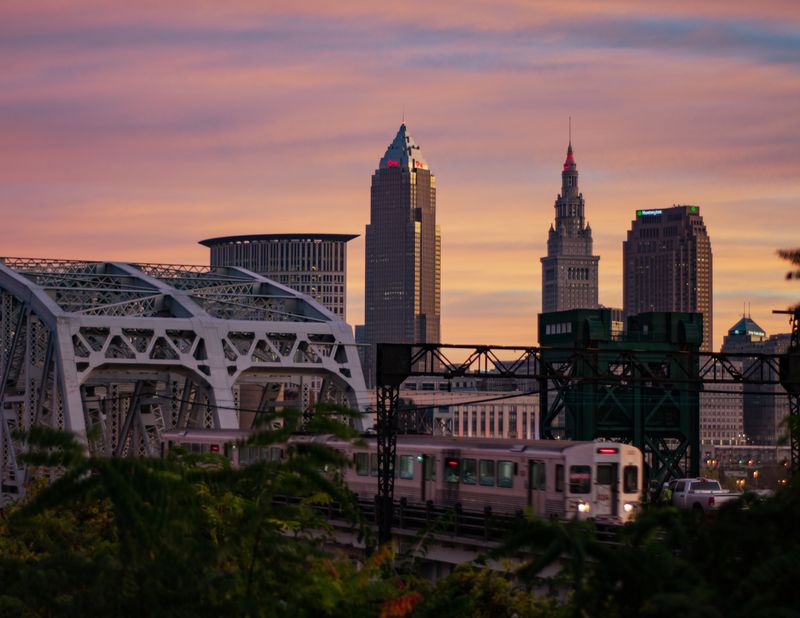
Smoke and steel once framed Cleveland’s horizon. The lakefront hummed, ships unloaded ore, and factories set the tempo.
When heavy industry faltered, the city’s population sagged and headlines fixated on decline. Yet neighborhoods kept their grit and humor.
Walk those brick streets and you hear stories of teams, unions, and big family dinners.
Revival now leans on health care, arts, and lakefront reinvestment. Playhouse Square lights flicker, new kitchens experiment, and the ballpark pulls people downtown again.
The scale is leaner, the confidence quieter. You will notice momentum living beside memory.
Cleveland shrank, but its appetite for reinvention did not.
3. St. Louis, Missouri
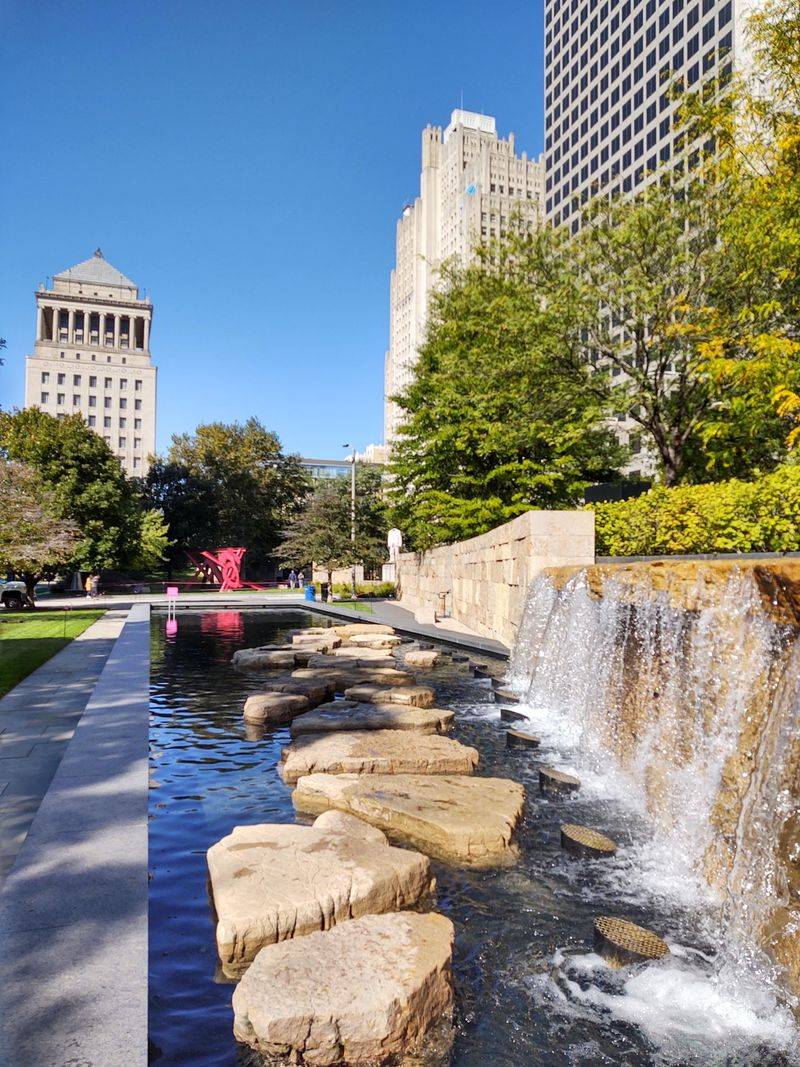
The Arch still slices the sky like a silver promise. Beneath it, St. Louis once ranked among the country’s giants, packed with warehouses, breweries, and proud rowhouses.
Suburban expansion and fragmentation pulled people outward. The city limits stayed tight while jobs and families leapfrogged the border.
You feel the old ambition in every limestone facade.
Today’s energy collects in pockets: Cortex, the Delmar Loop, a spirited food scene. Baseball binds the region even as census maps show contraction.
Growth shifted, not vanished. You will find smaller scale wins, rehabbed buildings, and local loyalty.
St. Louis is learning to stitch past and future with practical threads.
4. Pittsburgh, Pennsylvania
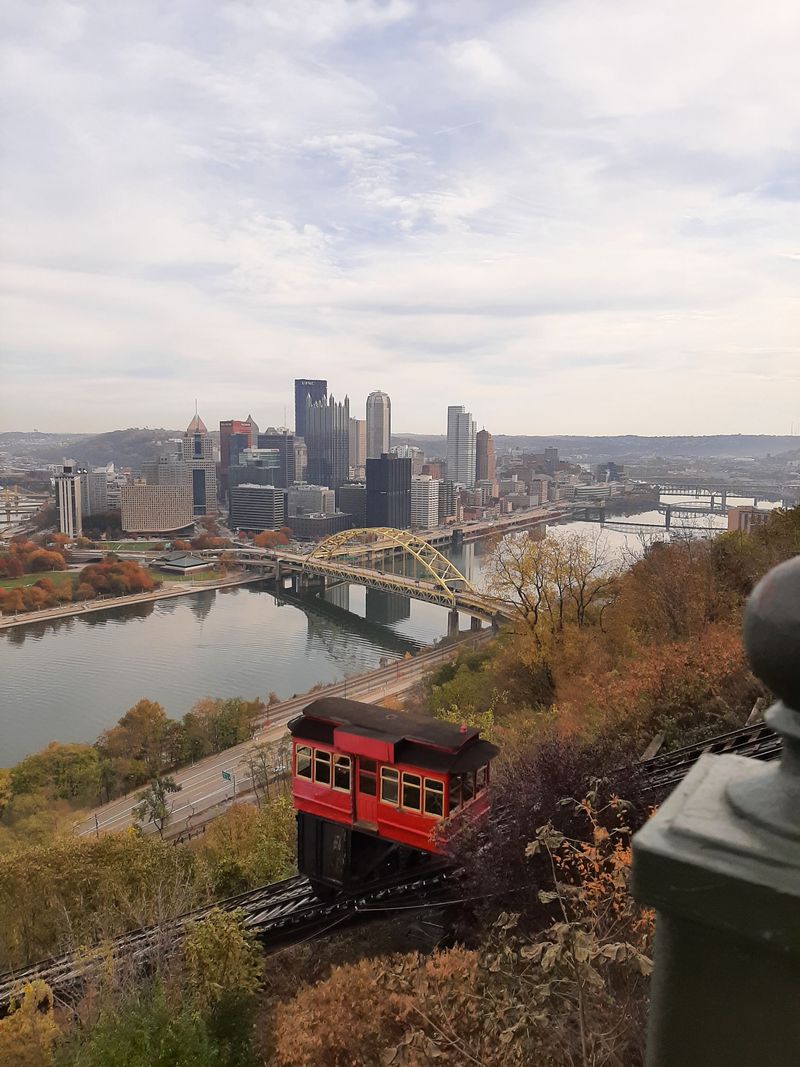
Steel once gave Pittsburgh its swagger and its soot. Mills roared, unions bargained, and shift whistles ruled the clock.
When the furnaces cooled, jobs vanished and neighborhoods thinned. The city lost people but gained clarity on what could come next.
Those hills still cradle tough, tight communities.
Reinvention arrived via meds, eds, and robotics. Old plants turned into labs, riverfronts welcomed trails, and bridges linked fresh ideas to old pride.
You can taste comeback energy in small cafes and coworking floors. It is not the same Pittsburgh, and that is the point.
Smaller, smarter, still stubbornly itself.
5. Buffalo, New York
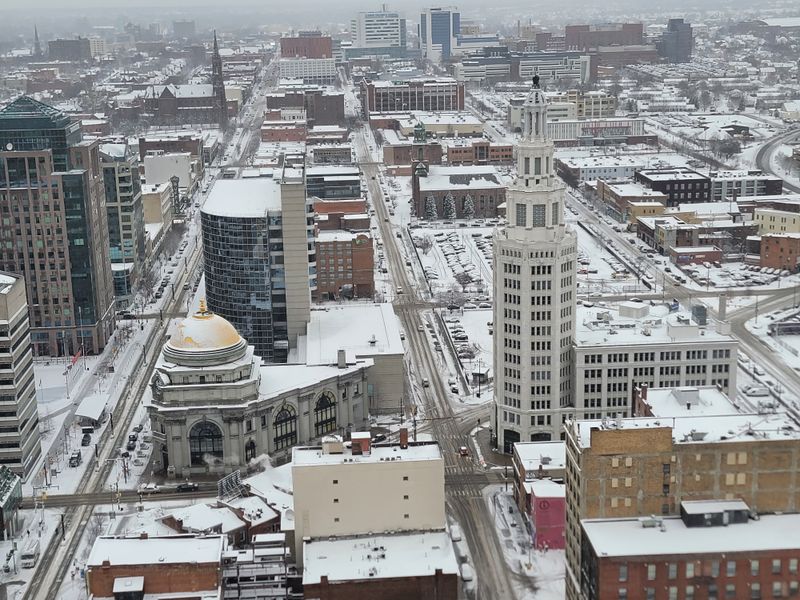
Wind off Lake Erie once carried the sound of cargo chains and whistles. Buffalo thrived on canals, grain, and factories, stacking paychecks across sturdy neighborhoods.
Global shifts rerouted freight and closed plants, pushing people out in waves. The city felt too big for its new shoes.
Yet its architecture held fast.
Now waterfront paths, restored theaters, and a rising medical campus pull attention back. Snow still flies, but so do ideas in reuse and design.
You will catch pride in corner bars and markets. Buffalo shrank, then steadied, and learned to welcome newcomers.
The city’s bones make a strong frame for what is next.
6. Baltimore, Maryland
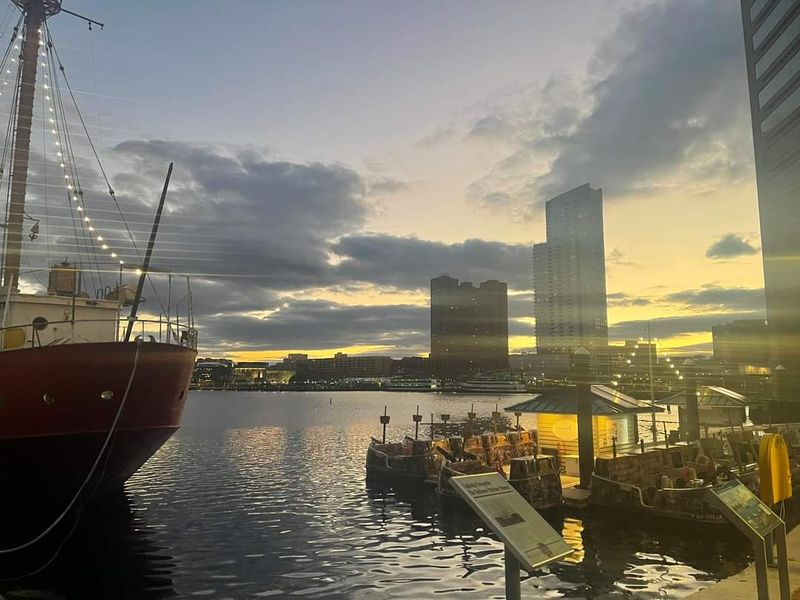
Harbor horns once set Baltimore’s rhythm. Shipyards, canneries, and warehouses kept blocks busy from dawn to dark.
As industry thinned and residents sought suburbs, the city’s count slipped year after year. Vacant rowhouses told the story in silence.
Still, you hear resilience in corner crab houses.
Inner Harbor drew visitors first, then neighborhoods like Hampden and Station North found fresh legs. Health care and logistics anchor much of the present.
You will notice blocks turning one by one rather than all at once. Baltimore moves with grit, humor, and stubborn heart.
Smaller, yes, but not short on character.
7. Newark, New Jersey
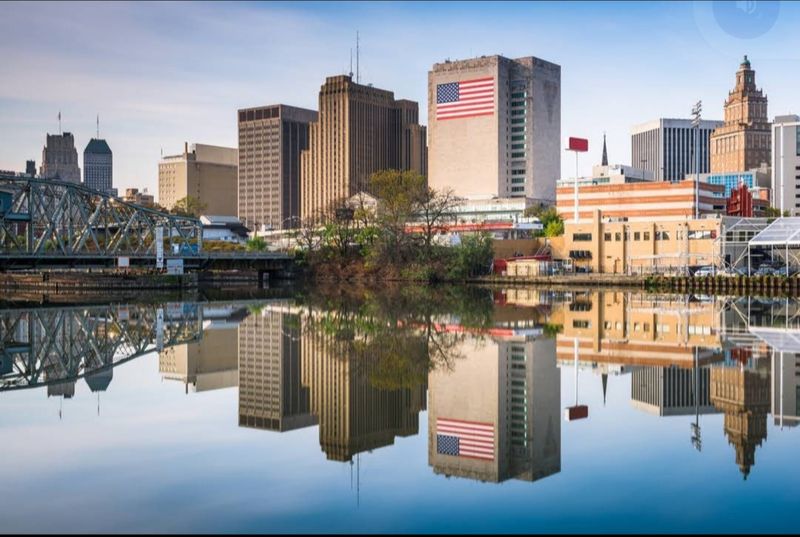
Trains, trucks, and cargo once made Newark hum. The city’s factories and warehouses fed the region’s appetite for goods.
Late 1960s unrest and fast suburbanization cut deep, pushing families and investment away. Population ebbed, leaving scars and stubborn vacancies.
Yet transit never stopped threading through.
Today, universities, tech tenants, and an airport economy offer a different engine. Murals spread, small businesses pop up, and renovated towers eye the skyline.
You can feel potential collecting near stations and campuses. Newark’s scale may be leaner, but its location remains fierce.
The comeback script is being drafted in plain sight.
8. Milwaukee, Wisconsin
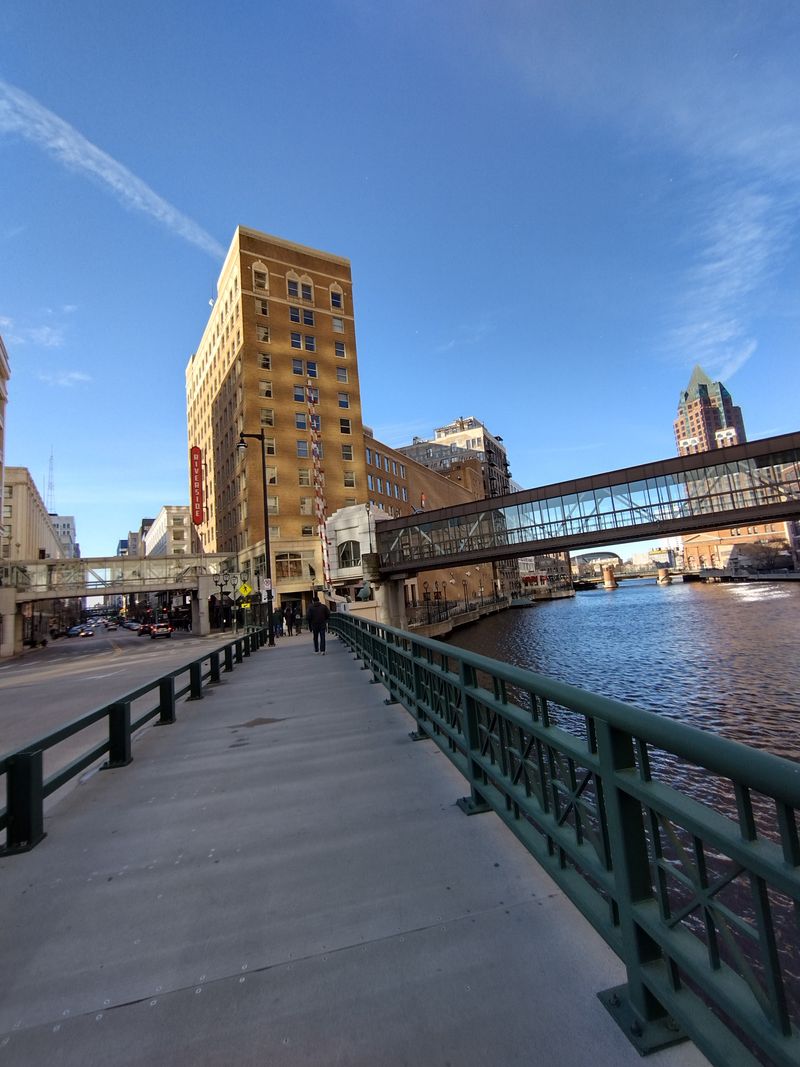
Foam and factory smoke once defined Milwaukee’s silhouette. Breweries and machine shops stacked paydays across tidy blocks.
Deindustrialization clipped those wages and nudged residents outward. The city shrank, then searched for a new recipe.
You can still smell malt on certain breezes.
Riverwalks, craft makers, and a revived food scene now set the tone. Manufacturing did not vanish, but it learned precision.
Neighborhoods coax life back into warehouses with studios and taprooms. You will find a calmer, creative Milwaukee that owns its heritage.
Smaller barrel, brighter flavor.
9. Cincinnati, Ohio
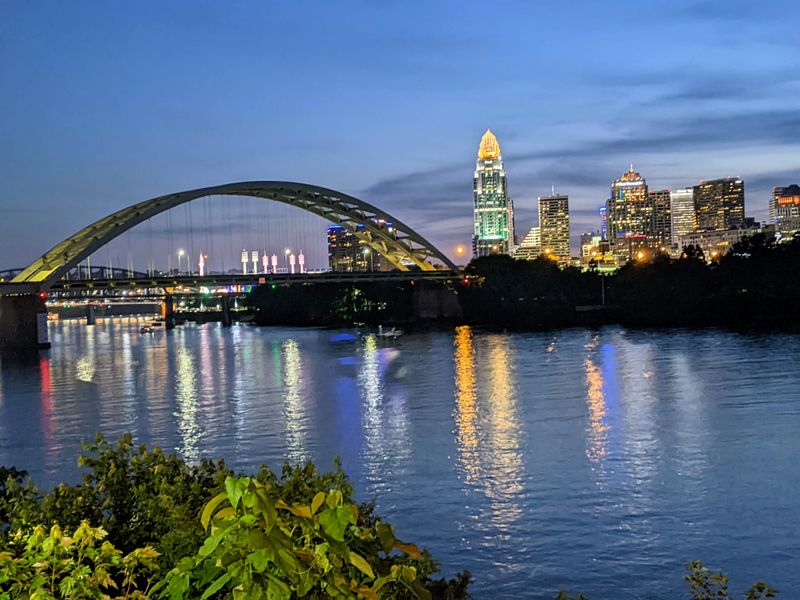
Hills cradle Cincinnati like a grand amphitheater. The city peaked mid century, then watched people trade stoops for yards outside city lines.
Population slipped while tradition held firm. You can taste it in chili parlors and see it in painted facades.
The downtown core learned to woo residents back.
Over-the-Rhine became the headline, with restored storefronts and busy patios. Corporate anchors stuck around, arts venues multiplied, and riverfront parks stitched access to the water.
The scale is cozier now, the choices wider. You will feel past and present shake hands on almost every block.
Cincinnati shrank but sharpened its style.
10. Minneapolis, Minnesota
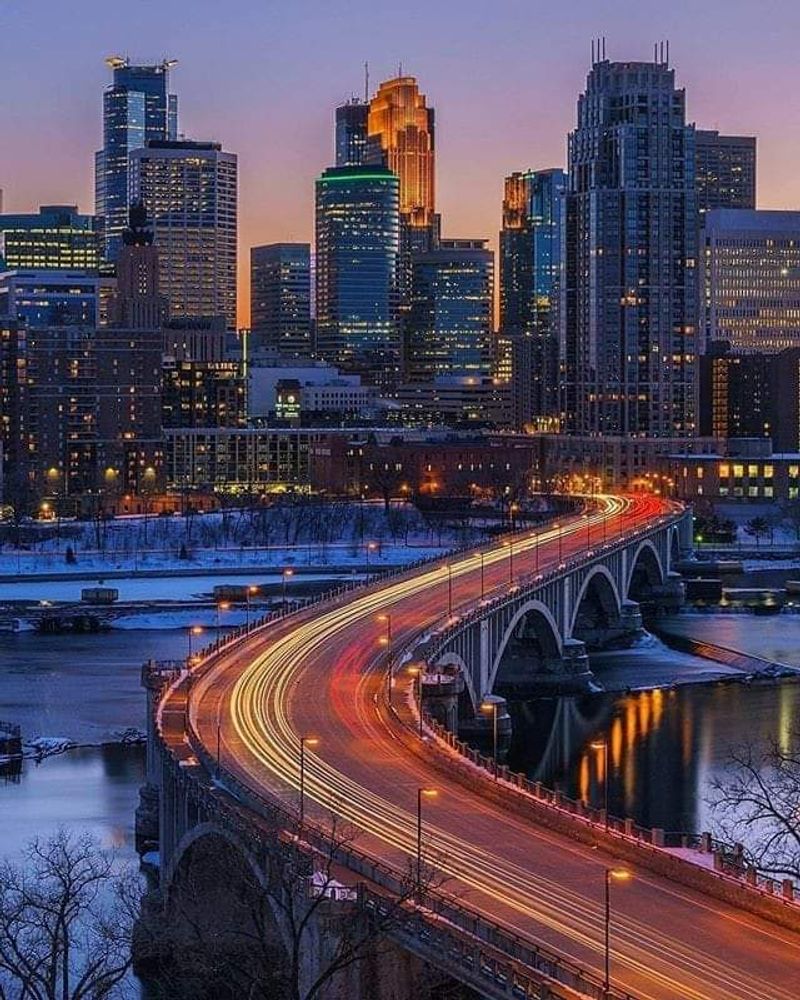
Skaters, skyways, and mills wrote Minneapolis’s playbook. During the 1970s, expansion beyond city limits thinned density within.
Families chased newer houses and fresh cul-de-sacs. The city recalibrated while keeping parks and lakes as everyday luxuries.
You still feel that perfect summer evening along the chain of lakes.
Tech, healthcare, and arts helped stabilize population later on. Neighborhood nodes thrive with bikes, coffee, and music.
Winters test resolve, but community keeps pace. You will find thoughtful planning, good transit bones, and a city comfortable resizing.
Minneapolis turned a dip into a design challenge it intends to ace.
11. Kansas City, Missouri
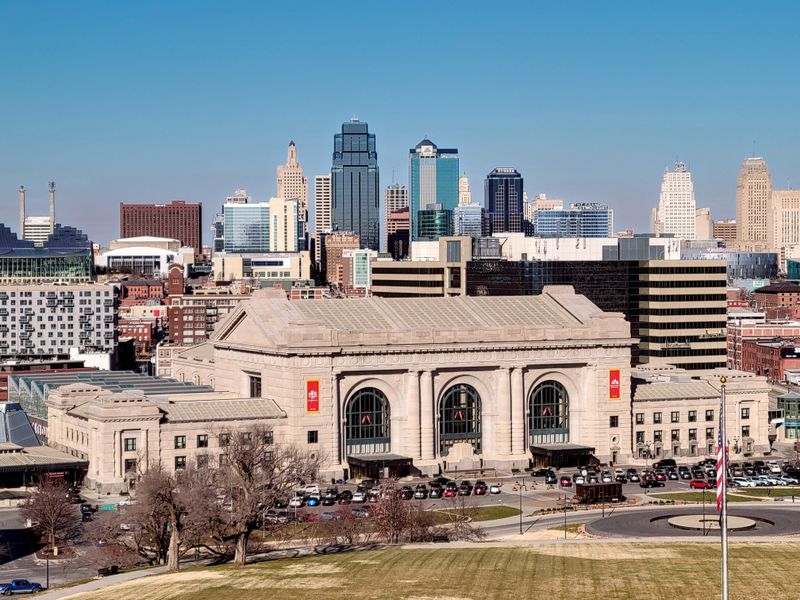
Jazz once spilled from doorways while stockyards anchored paychecks. Downtown was the unquestioned stage.
Suburban sprawl redrew the map, scattering jobs and residents across highways. The city proper lost heft, even as the region spread wide.
You can still hear brass on a breezy plaza evening.
Today, streetcars glide, the Crossroads buzzes, and barbecue unites visitors and locals. Office towers share space with lofts and murals.
The center is lighter yet livelier. You will notice pride plated with burnt ends and a side of optimism.
Kansas City downsized its footprint, not its flavor.
12. Toledo, Ohio
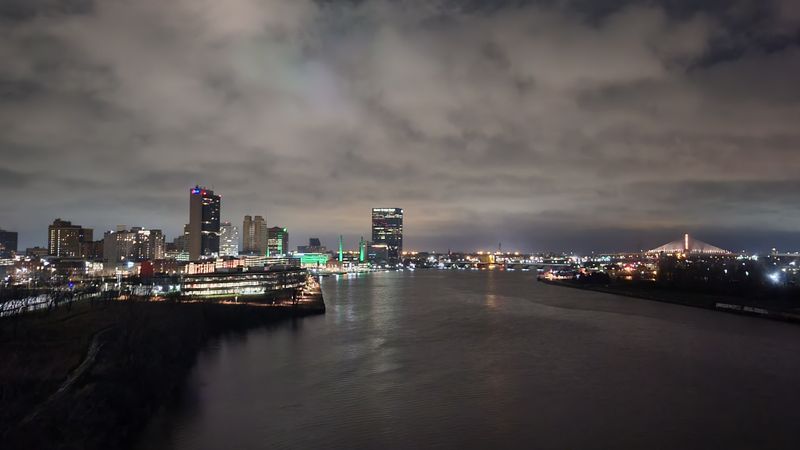
Glass and autos once made Toledo gleam. Assembly lines clicked, and families built steady lives nearby.
After 1970, industrial tremors grew into long decline. Jobs thinned, storefronts emptied, and the city scaled back.
You can still spot the craft in vintage signage and brickwork.
Renewal leans on advanced manufacturing, the riverfront, and universities. Murals brighten blocks while small venues test new sounds.
The pace is modest but determined. You will find friendly corners and a budget that stretches.
Toledo is polishing its edges, patient as glass cooling on the rack.
13. Rochester, New York
Cameras and copiers once powered Rochester’s optimism. Kodak and Xerox were careers, not just logos.
When those giants shrank, the city’s headcount followed. Houses quieted, lunch spots closed, and neighborhoods adjusted expectations.
You will still find engineering pride at every meetup.
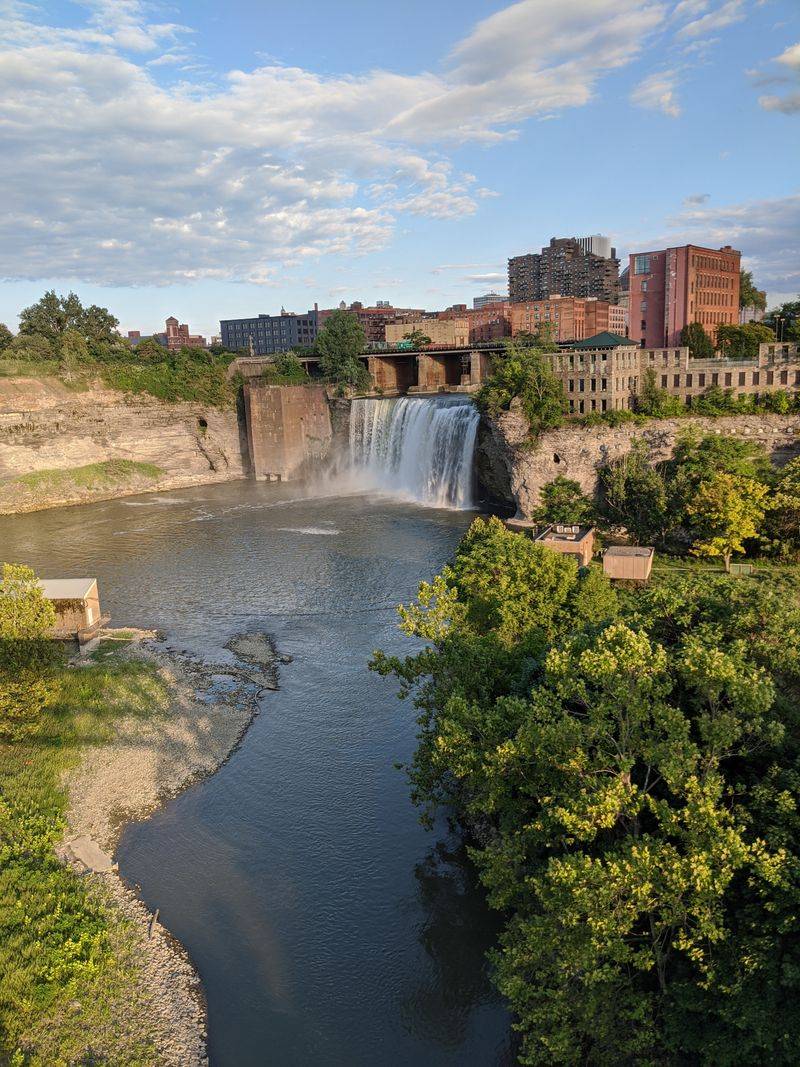
Today, small tech firms, healthcare, and universities carry the torch. High Falls draws visitors, while arts festivals stitch energy between seasons.
The city feels scrappier now, less corporate but more open. You will meet people eager to prototype their future.
Rochester zoomed out, then refocused with sharper contrast.
14. Youngstown, Ohio
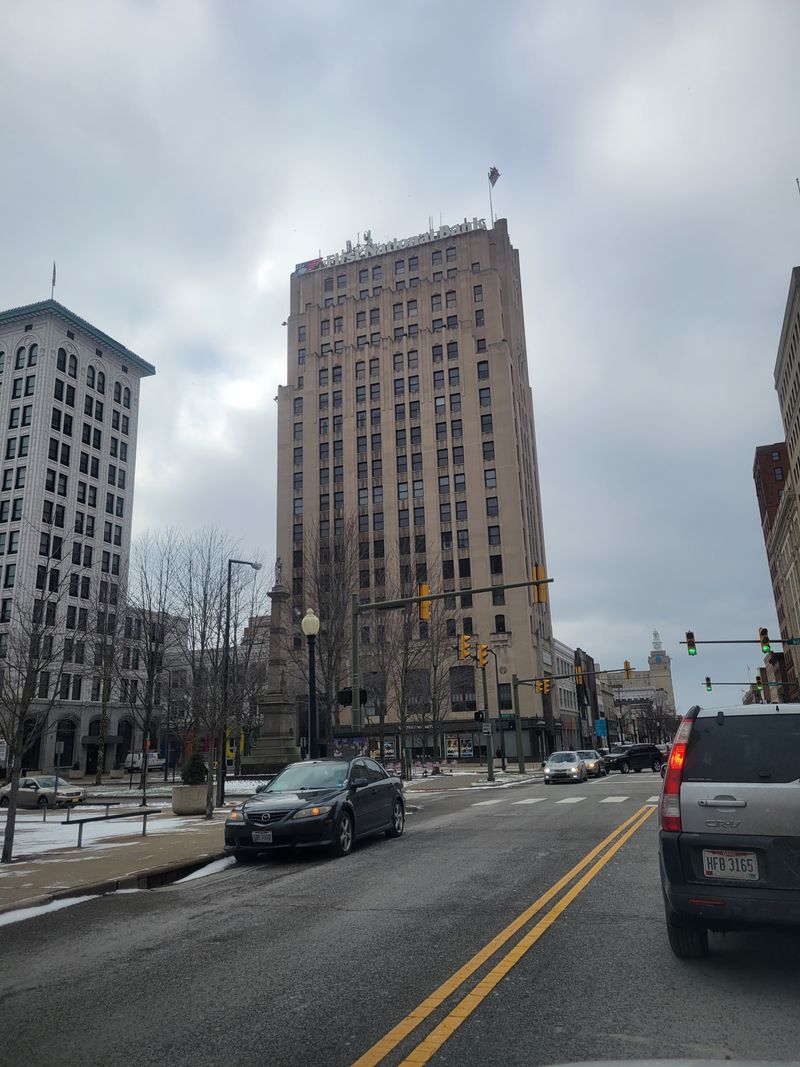
Sirens fell silent in Youngstown when the mills went dark. The shock was swift and searing, and people left as paychecks disappeared.
Population plunged, leaving gaps like missing teeth. Blocks thinned, schools consolidated, and memories did heavy lifting.
You can feel the weight in every steel beam.
Yet gardens sprouted where slag once steamed. A university presence and startups test new paths.
The city embraces right-sizing with candor and care. You will meet neighbors who know every porch on their street.
Youngstown is smaller, but its honesty feels enormous.
15. Gary, Indiana
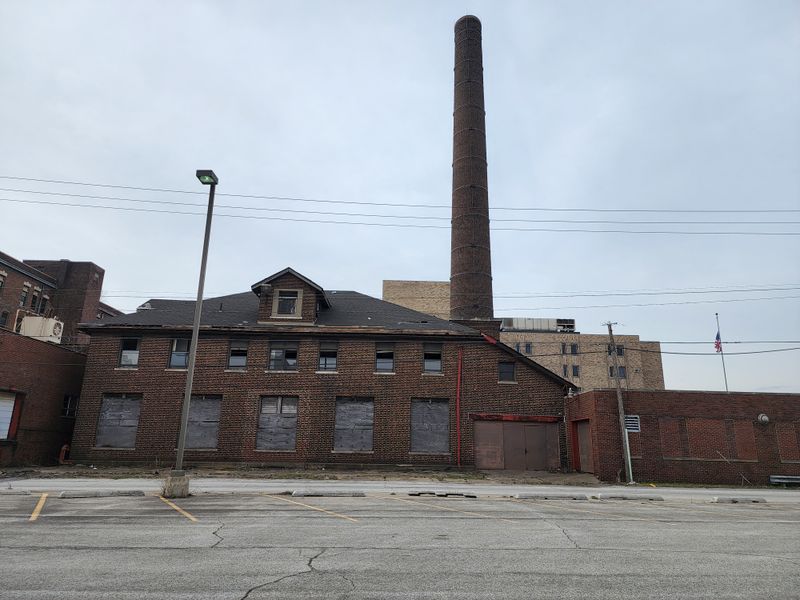
Steel built Gary fast and hard. Shifts stacked, neighborhoods filled, and sports fields buzzed.
When the plants cut deep, families scattered. Population loss here ranks among the steepest in the nation.
You can stand on a block and hear the lake more than the traffic.
Recovery is incremental, with logistics and shorefront ideas in play. Schools, safety, and housing require patient work.
Still, music and pride run through community events. You will find neighbors who greet you by name and remember your order.
Gary’s future will be measured in steady, careful steps.
16. Flint, Michigan
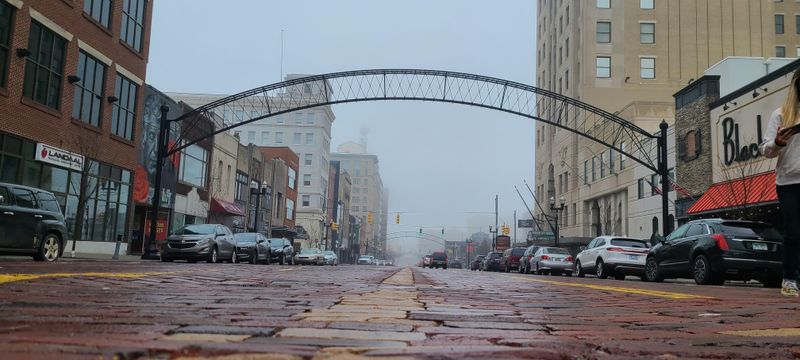
Gears turned fortunes in Flint. General Motors jobs made mortgages and weekend cookouts possible.
As factories idled and lines moved elsewhere, people followed opportunity out. Population fell, and headlines grew heavy.
You can read the story in shuttered shops and union halls.
Even so, art walks, entrepreneurs, and university programs keep pushing. Water crisis scars remain, but resilience is real.
The city works at a human scale, fixing street by street. You will meet folks who never left and newcomers ready to help.
Flint fights for its future with sleeves rolled high.
17. Camden, New Jersey
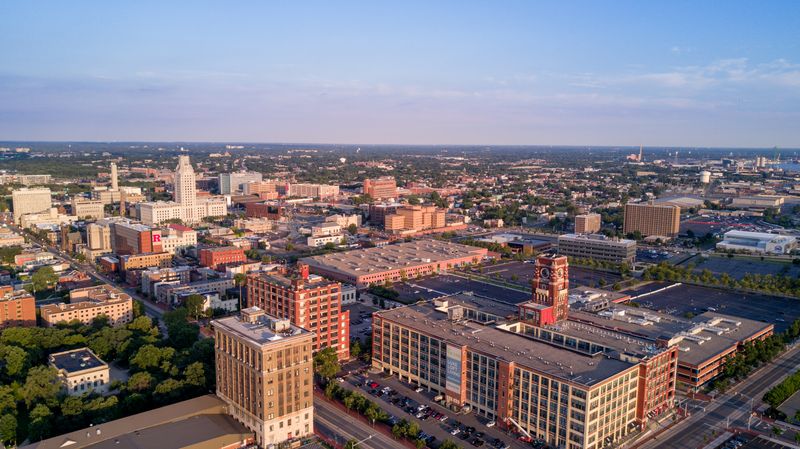
Camden once thrummed with shipbuilding and manufacturing muscle. As plants shuttered, the exodus felt relentless.
Population slid and budgets strained. Streets carried the weight of loss alongside fierce community ties.
You can see determination in every neighborhood meeting.
Today, medical anchors and waterfront attractions create fresh magnets. Schools and safety initiatives grind forward.
The city’s scale is smaller, but its will is sturdy. You will find energy where nonprofits, residents, and businesses team up.
Camden’s next chapter is being co-written block by block.
18. Dayton, Ohio
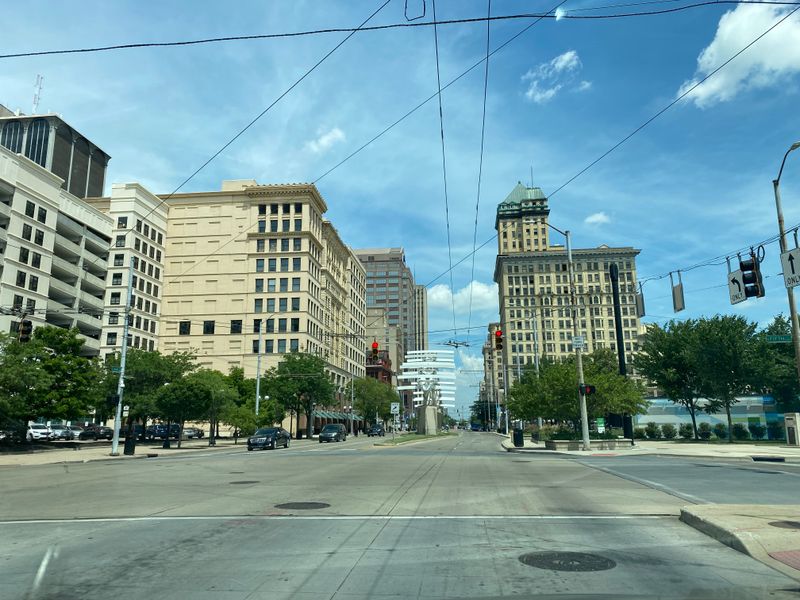
Invention is Dayton’s middle name. Manufacturing and aviation know-how once made the city a proving ground.
Late century shifts cooled the engines, and population ebbed. Plants closed, and neighborhoods slimmed.
You still catch sparks of curiosity in local workshops and labs.
Healthcare, defense contracting, and research campuses help steady the present. Downtown adds housing, trails weave along the rivers, and festivals fill the gaps.
The result is quieter but capable. You will meet tinkerers who never stopped building.
Dayton flies lower now, yet still charts bold routes.
19. Providence, Rhode Island
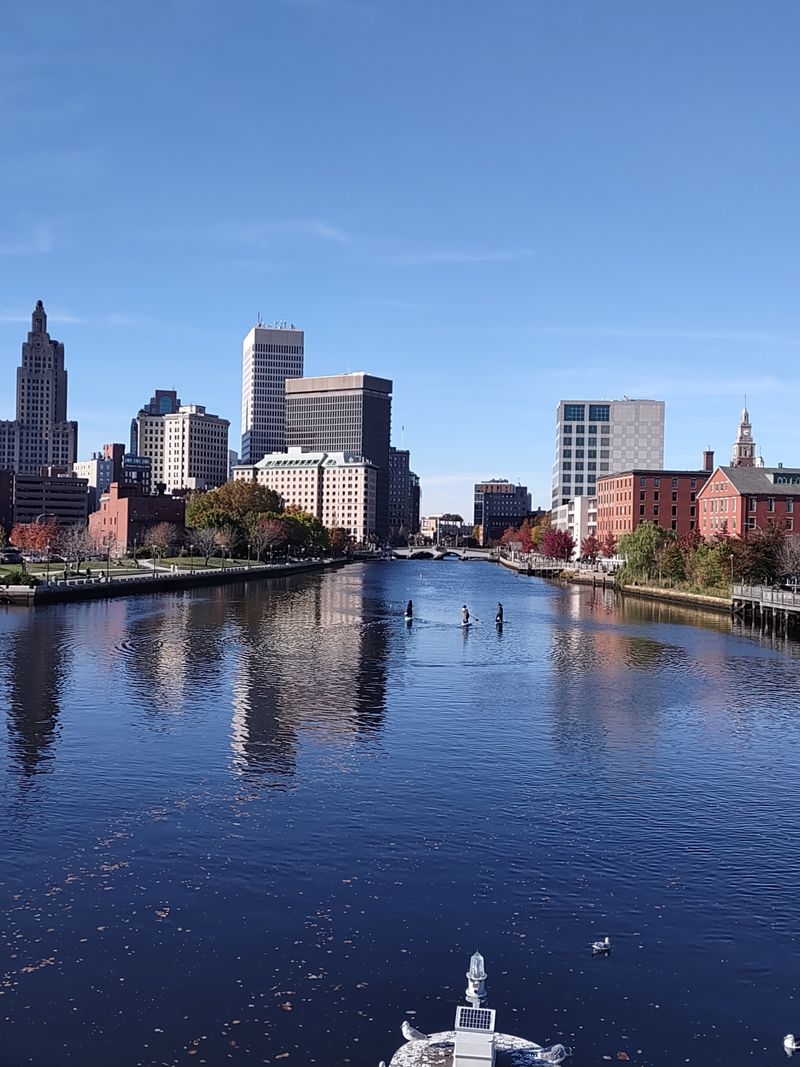
Red brick mills once set Providence’s pulse. The city worked, studied, and shipped with New England precision.
As manufacturing waned, population thinned and storefronts dulled. Then arts, universities, and waterfront projects stepped closer.
You can feel the craft in every restored cornice.
Creative districts, food markets, and river walks now anchor weekends. The scale is intimate, the ideas ambitious.
While smaller than decades past, the city wears confidence lightly. You will find design thinking in cafes and studios.
Providence traded smoke for sparkle without losing warmth.
20. Memphis, Tennessee
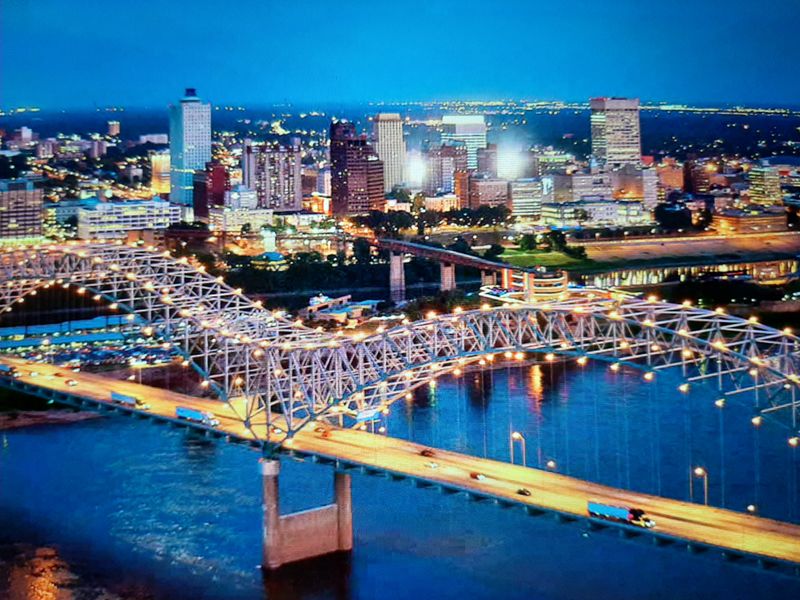
Blues, barbecue, and riverboats gave Memphis its swagger. The city peaked decades back, then watched growth spread outward.
Population inside the lines slowed as suburbs soaked up newcomers. Downtown lost offices before gaining apartments.
You can still feel the bassline under every sidewalk.
Logistics, music, and medical research now steady the beat. Beale Street draws crowds, while neighborhoods refine their rhythm.
The city works at a more compact tempo. You will find generous hospitality and late-night energy.
Memphis may be leaner, but it plays loud where it counts.
Share this story