Tucked in the quiet reaches of Cumberland County, there is a marsh country where time seems to keep a different schedule. Tides set the rhythm, birds claim the headlines, and a drive down a narrow road becomes a reset button you did not know you needed.
I went looking for an easy day outdoors and found a place that made me slow down and pay attention in the best possible way. Keep reading, because this refuge has layers of history, access tips, and low stress adventures that help you get close to nature without needing a complicated plan.
Where You Will Find It
The first thing worth knowing is the exact pin on the map. Natural Lands’ Glades Wildlife Refuge sits off Turkey Point Rd, Newport, NJ 08345, in Cumberland County, United States, with parking areas along the road near access points.
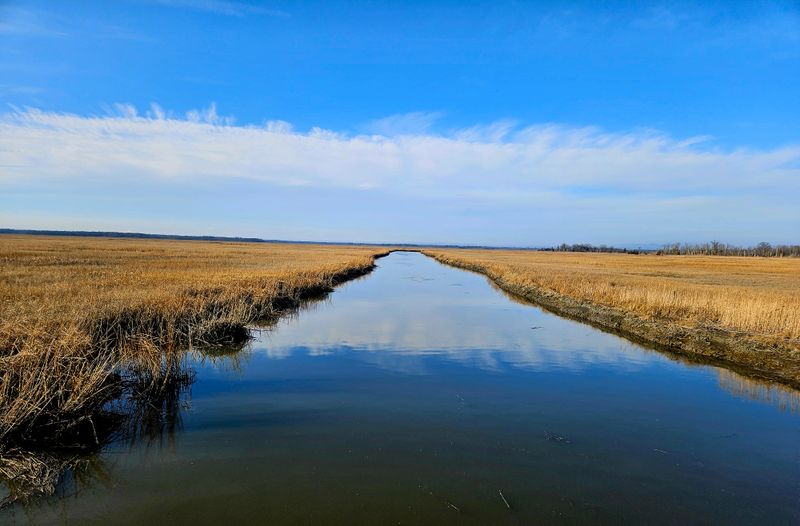
The refuge spans thousands of acres of tidal marsh, forest edges, and open water shaped by the Maurice River and Delaware Bay.
A website page from Natural Lands offers updated maps, trail notes, and seasonal notices about sensitive areas. I keep that link saved before heading out, then confirm water levels because tides influence how far I explore comfortably.
Cell service can feel spotty, so download directions in advance and carry a simple printed map. Once onsite, Turkey Point Rd acts like a linear guide, sending you toward pull-offs, trailheads, and views that reward a slow roll.
A Landscape Shaped by Tides
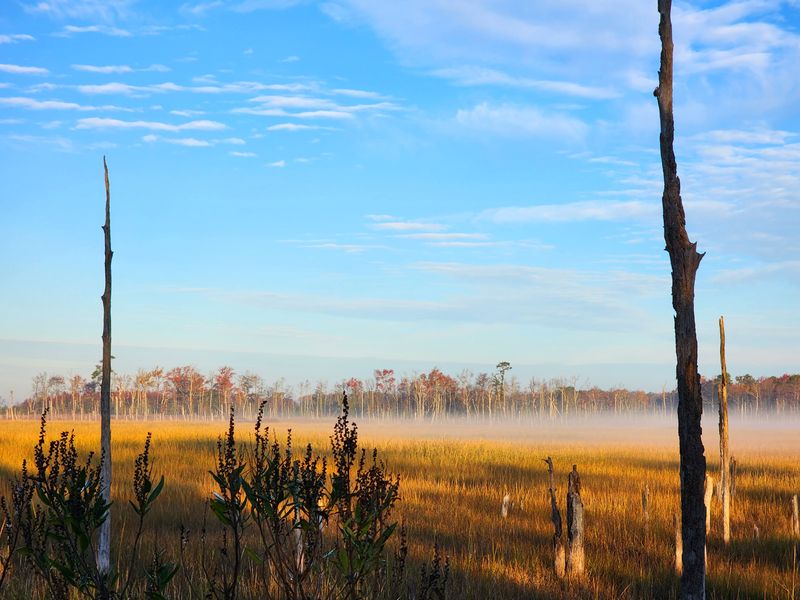
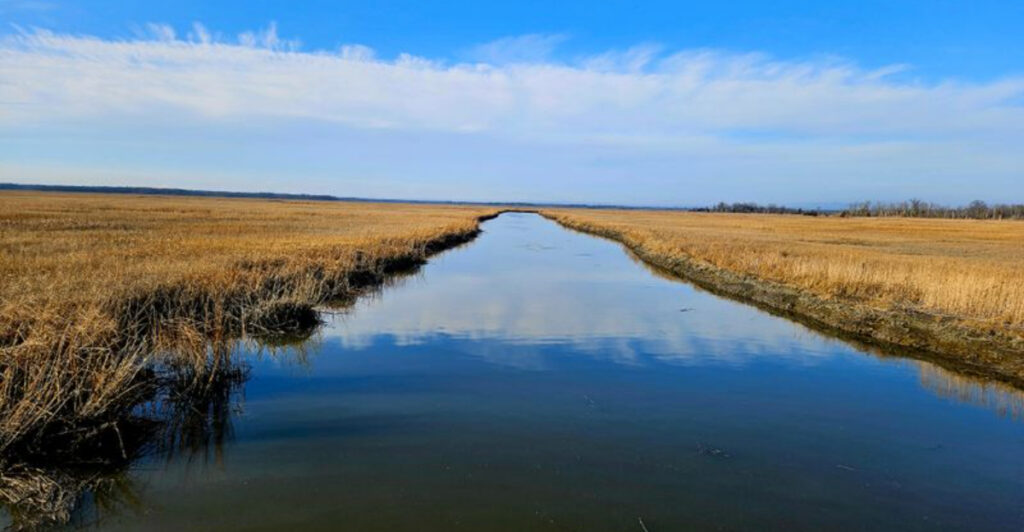
Out here, tide charts matter more than clocks. The marsh breathes twice daily, filling creeks and basins before emptying to reveal sinuous channels that look like hand-drawn lines across green and bronze grass.
This cycle defines access, wildlife behavior, and your timing for the best lookouts. I aim my visit to bracket a low tide for exposed flats and then linger into rising water to watch movement shift.
Salt marsh plants like spartina form a carpet that stabilizes the mud and supports a deep food web. Wading birds forage along the edges, raptors patrol above, and subtle patterns repeat across surprising distances.
You get context in minutes once you notice that every path and pull-off tilts toward water. The refuge feels big because the habitat repeats like verses in a long song, each turn revealing another riff on channels, pools, and quiet backwaters.
Birding Highlights
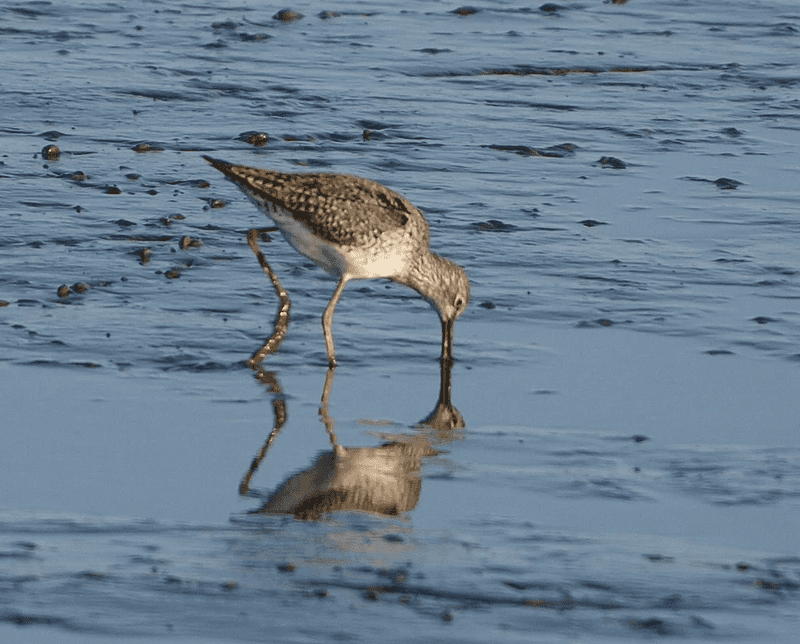
Birders treat Turkey Point as a reliable roll call of seasonal guests. Bald eagles use snags and open perches, ospreys circle in warm months, and shorebirds rotate across mudflats during migration windows.
Herons and egrets turn up with reassuring regularity, and winter can bring waterfowl in generous numbers on the bayward edges. I carry a compact scope, but many sightings happen close enough for binoculars from the roadside.
The beauty of this spot is how little choreography you need. Park safely, scan slowly, and let the landscape do the booking for you.
Patience pays, especially on transition tides when fish push into creeks. Give the area time and you might log raptors, waders, songbirds on hedgerows, and an unexpected bonus species that nudges your list higher.
Trailheads and Access Points
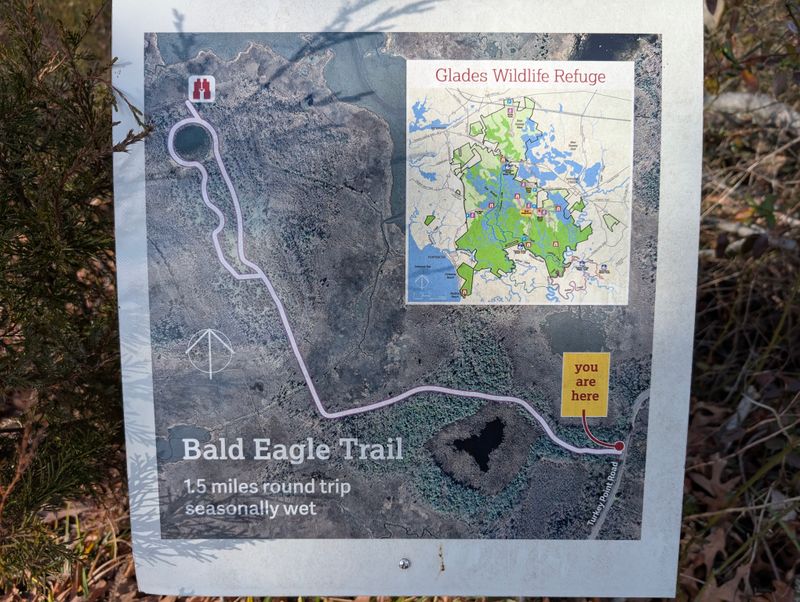
Getting around here favors simple pull-offs and short path spurs. Turkey Point Rd offers multiple parking nooks with modest space, so arrive early on fair weekends and keep your vehicle well off the travel lane.
Some paths lead along dikes or old road beds that function as practical corridors. Surfaces change with weather, and a recent rain can leave slick sections that argue for waterproof footwear.
Wayfinding is not complicated once you think like water. Linear features hug the marsh rim, so progress is steady rather than maze-like.
I keep my route flexible to match tides and wind direction, hopping between overlooks instead of pushing for distance. That style suits this refuge, which rewards station-based observation over long point-to-point marching.
Kayaks and Water Trails
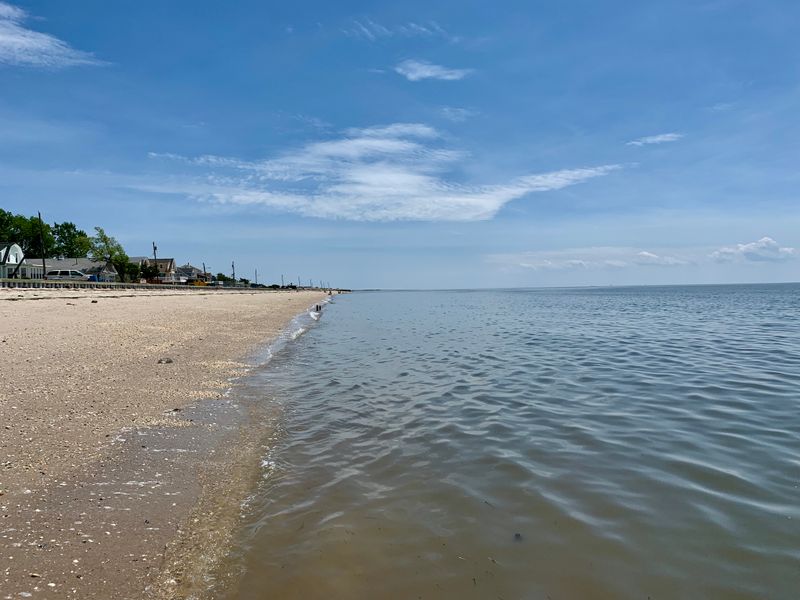
Small boats unlock another angle on these creeks. Launch options exist near public ramps in the broader Maurice River area, and paddlers sometimes stage close by where access is permitted and practical.
Tides rule the plan. An outgoing tide can push you faster than planned, and a rising tide may open side channels that were dry an hour earlier.
I prefer a short out-and-back aligned with slack water for a low stress window. Carry the usual safety gear, share routes with a partner when possible, and log a float plan with times noted in your phone or on paper.
Wildlife viewing from a kayak can be rewarding at respectful distances. Keep wide buffers around birds on flats and nest sites, and avoid cutting across resting areas so this refuge remains a safe haven for the species that define it.
Best Times to Visit
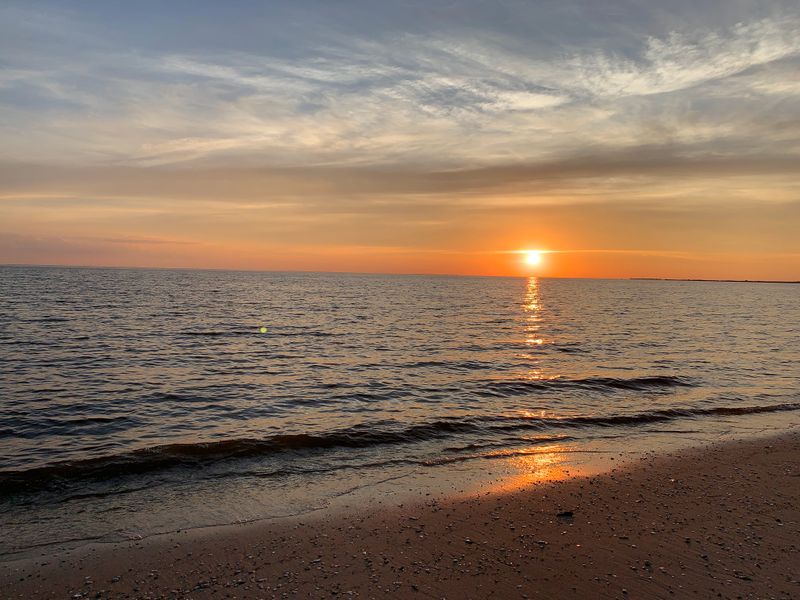
Timing shapes the feel of a day here. Spring delivers migration pulses and new growth, while summer stacks long days and active osprey platforms.
Autumn brings crisp air, shifting light angles, and moving flocks across the bayshore corridor. Winter simplifies the palette and highlights raptors and waterfowl with clean lines and fewer leaves.
Tide tables plus sunrise and sunset charts make a practical trio. I like early starts that meet a low or mid tide, then carry snacks to extend the window without rushing back to town.
Weekdays provide quieter roads and pull-offs. Holidays and mild weekends can get lively, but the landscape is big enough to absorb visitors if everyone spreads out and keeps stops efficient.
Practical Gear and Prep
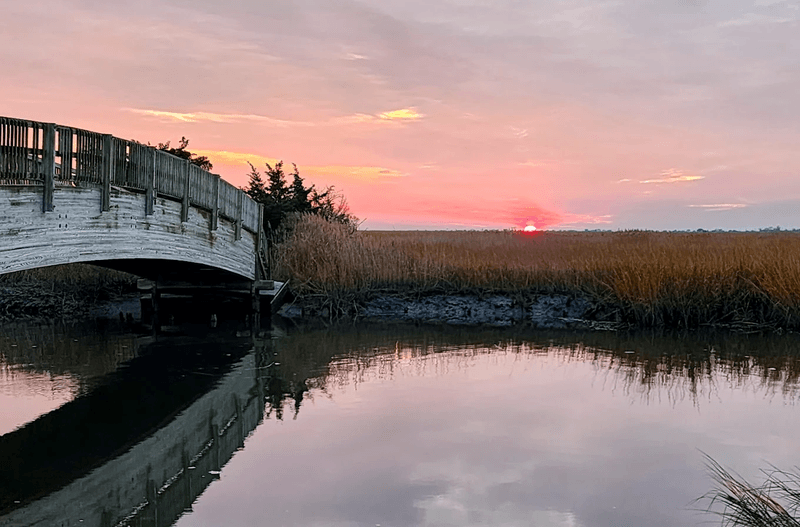
Pack like you are staying nimble. A small daypack with water, snacks, binoculars, and a lightweight layer covers most needs on a road-to-overlook itinerary.
Add a basic first aid kit, sun protection, and printed tide times. Waterproof footwear helps with puddled sections and roadside margins that hold water longer than expected.
I also keep a microfiber towel and a trash bag for muddy gear. A compact scope fits the vibe if you plan to post up and scan wide channels.
Because cell service can waver, download offline maps. Camera batteries drain faster in cold months, so stash a spare and you will not cut a session short just as things get interesting out on the flats.
Low Light and Stargazing
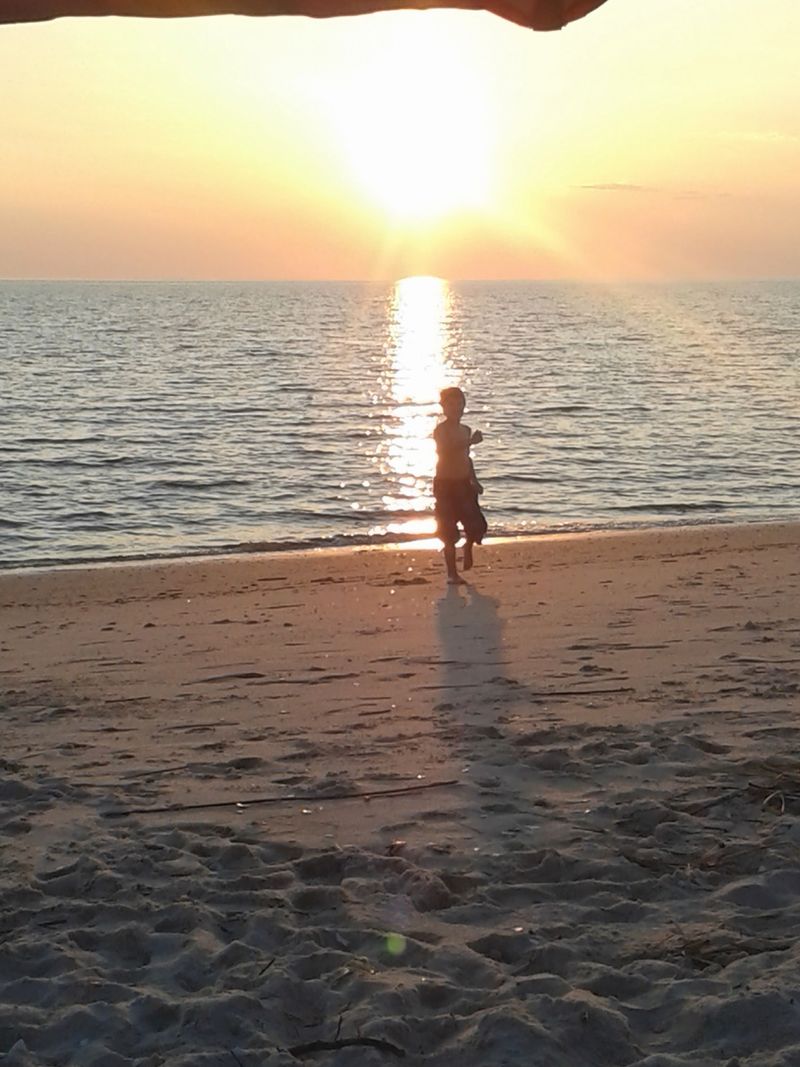
Evening at the refuge changes the pace in a memorable way. Review posted hours because gates close around 7 PM and seasons can shift timing.
Low light can reward photographers and quiet observers with a tranquil scene. Bring a tripod, headlamp with red mode, and watch footing on uneven edges near water.
On clear nights with permitted access, the limited nearby glow keeps the sky surprisingly open. I work with short exposures early and longer exposures once darkness takes over.
Safety sits first. Share your timeline with someone, keep to familiar pull-offs, and set alerts so you exit before gates close and your ride turns into an unplanned overnight comedy routine.
Respectful Wildlife Etiquette
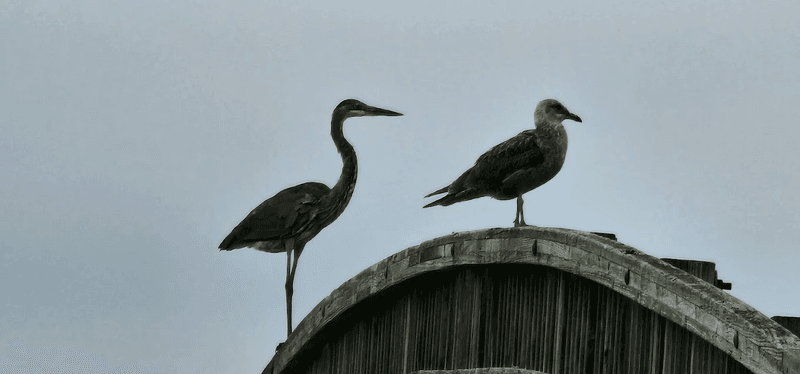
Wildlife comes first at a place designed to protect it. Distance is your friend, and a scope or telephoto lens turns restraint into better viewing.
Nesting seasons deserve extra caution. Avoid blocking narrow pull-offs, keep voices low, and give anyone actively observing a bird plenty of room so the subject stays comfortable.
Leave no trace translates neatly here. Pack out trash, skip baiting wildlife, and resist approaching young animals or roost areas that feel tempting for a closer look.
I keep a simple personal rule. If behavior changes because of me, I back off immediately and reset my approach until the animal returns to normal patterns.
Local Context and Stewardship
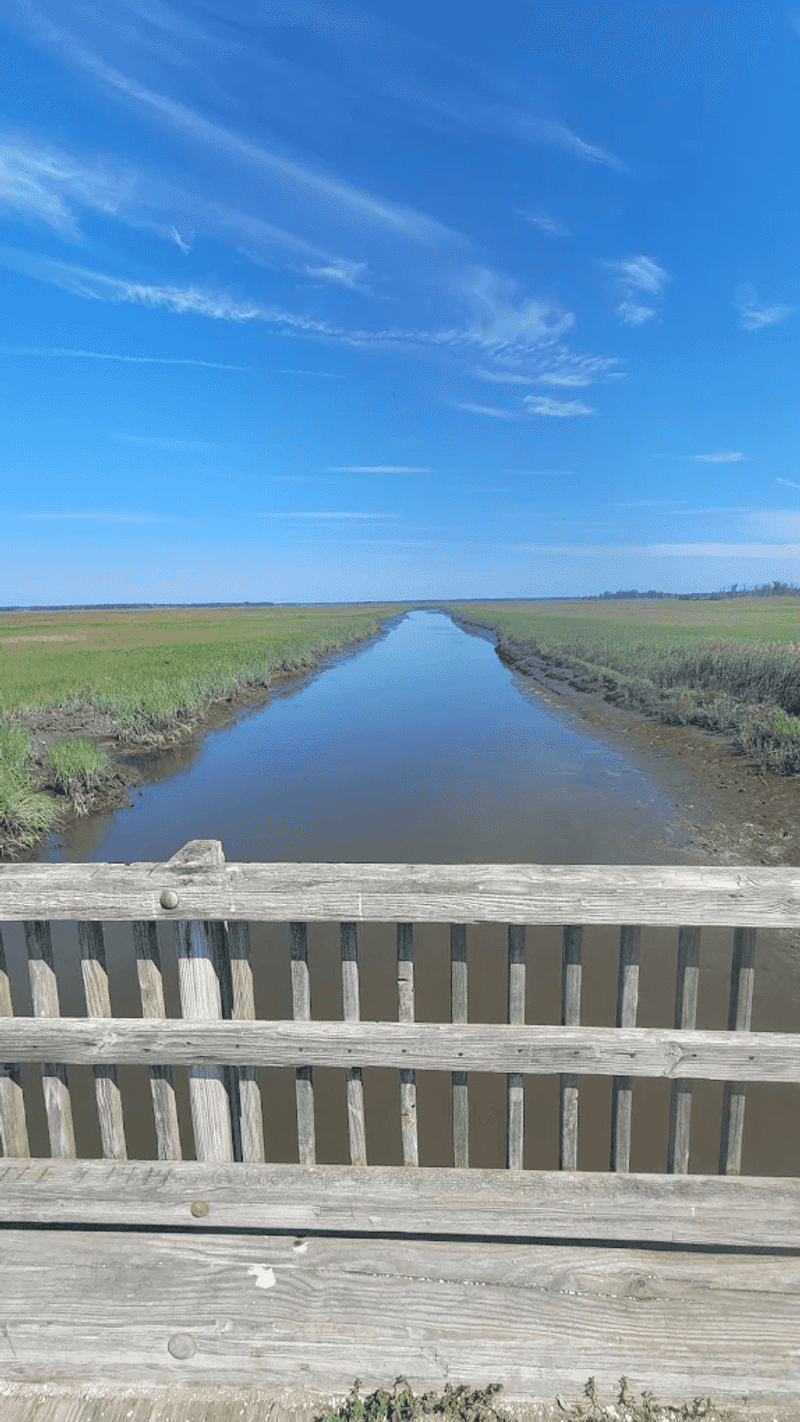
Glades Wildlife Refuge is cared for by Natural Lands, a conservation nonprofit with preserves across the region. Their site posts maps, volunteer opportunities, and updates on habitat projects that keep places like this thriving.
Memberships and donations help fund stewardship, and small gestures by visitors ripple outward. Staying on established paths, avoiding sensitive edges, and reporting issues all lighten the workload for the team.
Interpretive signs appear at select pull-offs to frame the bigger picture. Marsh restoration, invasive species control, and access maintenance take steady attention in a tidal system.
When I learn about the work behind the scenes, it changes my day in a good way. You feel connected to something larger than your checklist as you head back down Turkey Point Rd toward home.
Photography Tips
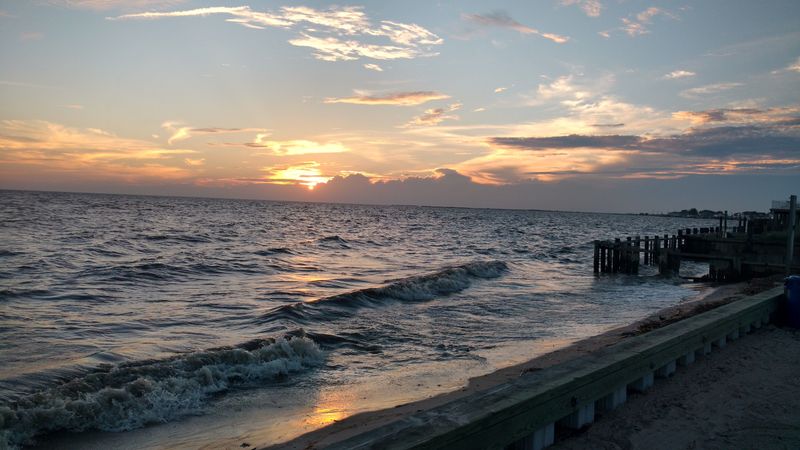
Good images here start with angles that follow the curves of creeks. Elevated dikes or slight rises near the road give lines that lead the eye without clutter.
Bring a wide lens for big context and a moderate telephoto for birds that stay cooperative. I shoot in short bursts rather than chasing a moving subject, saving energy and keeping disturbance low.
Wind direction matters because it shivers grasses and shakes longer exposures. A stable tripod and remote trigger simplify the setup, and a lens cloth is handy after salt spray or mist.
Keep your kit simple so you can relocate quickly to a better vantage. The marsh rewards patience, and the day can swing from flat to fascinating in the span of a tide shift or a passing raptor.
A Calm Day Trip Plan
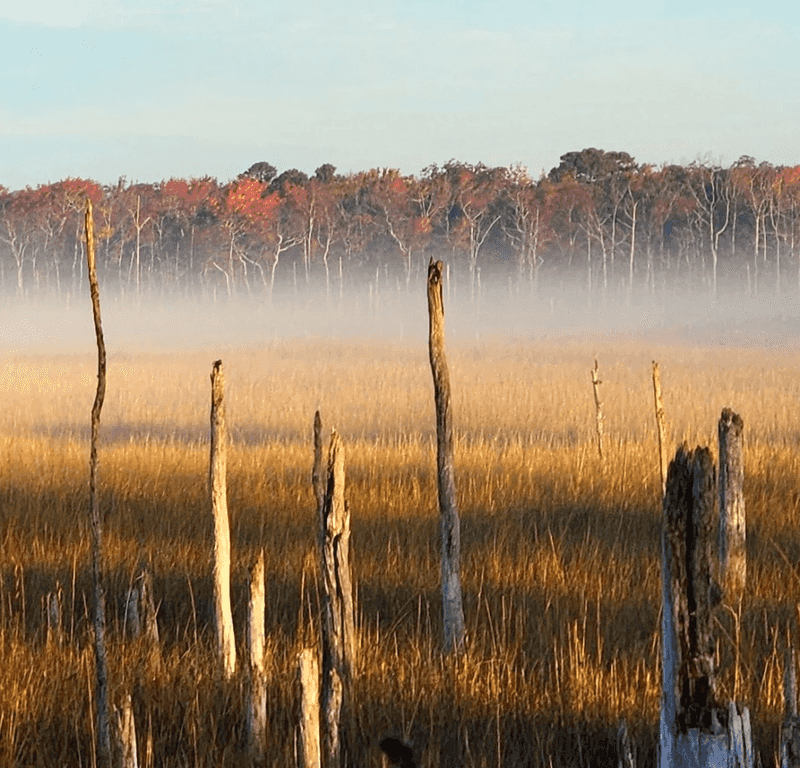
Natural Lands’ Glades Wildlife Refuge
A relaxed visit fits into a half day with room to spare. Start mid morning near low tide, stop at two or three pull-offs, and schedule a snack break at a scenic turnout.
Leave buffer time for one longer scan when activity spikes. If you plan a paddle, cut the land portion in half and let the tide window dictate your start.
Newport remains low key, so stock essentials before turning onto Turkey Point Rd. Restrooms are limited, and services sit back in town, which nudges you toward self-sufficiency for a few hours.
I cap the plan with a final slow drive back out, windows cracked for fresh air and a quick species recap. That closing lap tends to reveal a last highlight, which is the kind of encore that keeps this place high on my short list.
Share this story