Some people search for four-leaf clovers or carry rabbit’s feet, but vintage lovers in Oklahoma City have found their own kind of good fortune. Tucked away in a corner of the city, one particular shop has earned a reputation among thrift enthusiasts as the place where luck seems to follow you through the door.
Collectors and casual shoppers alike swear by their finds here, claiming that every visit brings something special. The buzz around this spot has grown so much that people now plan road trips just to see what treasures they can uncover, and the stories they share afterward only add to the mystique.
The Vintage Haven at 1618 N Gatewood Avenue
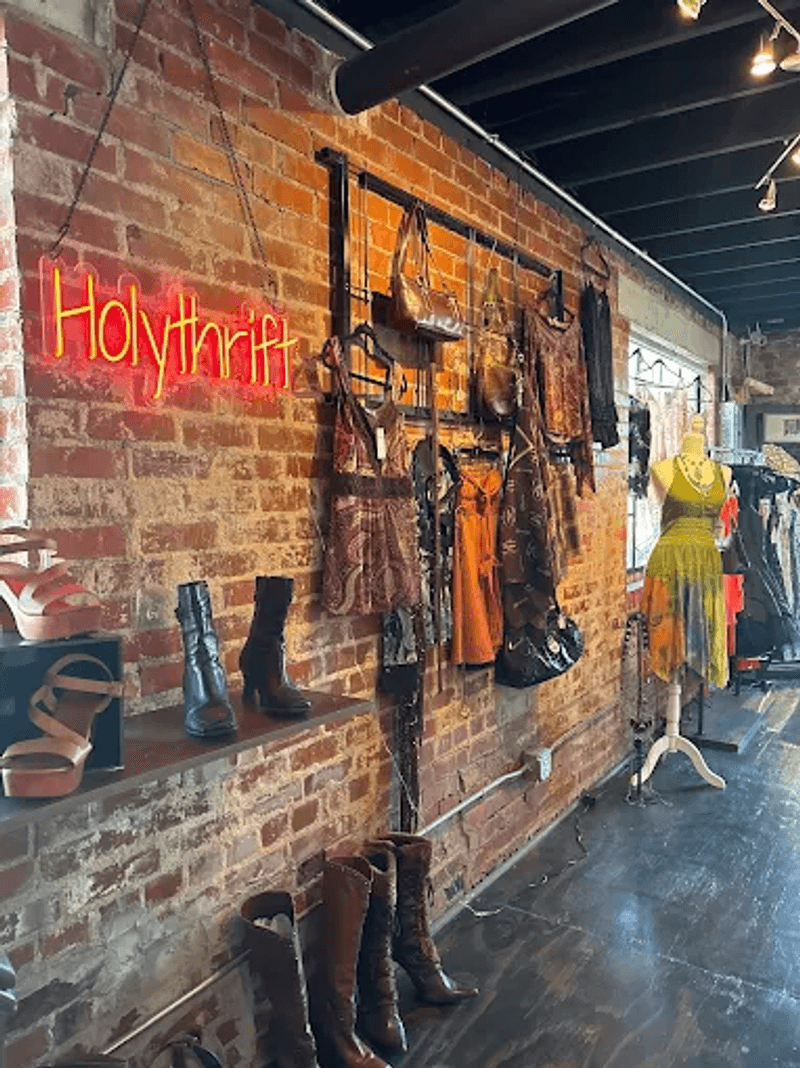
My first visit to Holy Thrift at 1618 N Gatewood Ave in Oklahoma City, Oklahoma caught me off guard in the best way. The steep staircase leading up to the entrance felt like a climb toward something special, and once I reached the top, I knew this wasn’t your average secondhand shop.
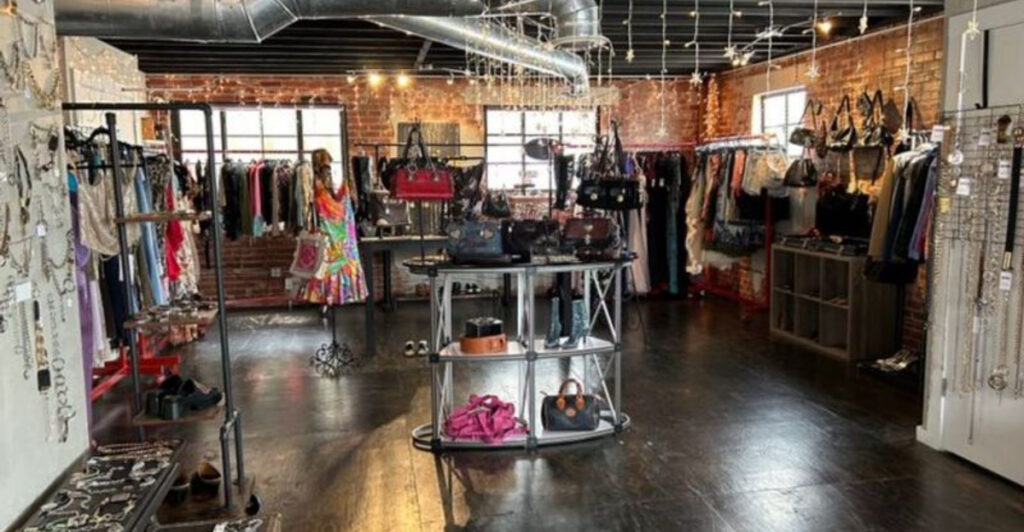
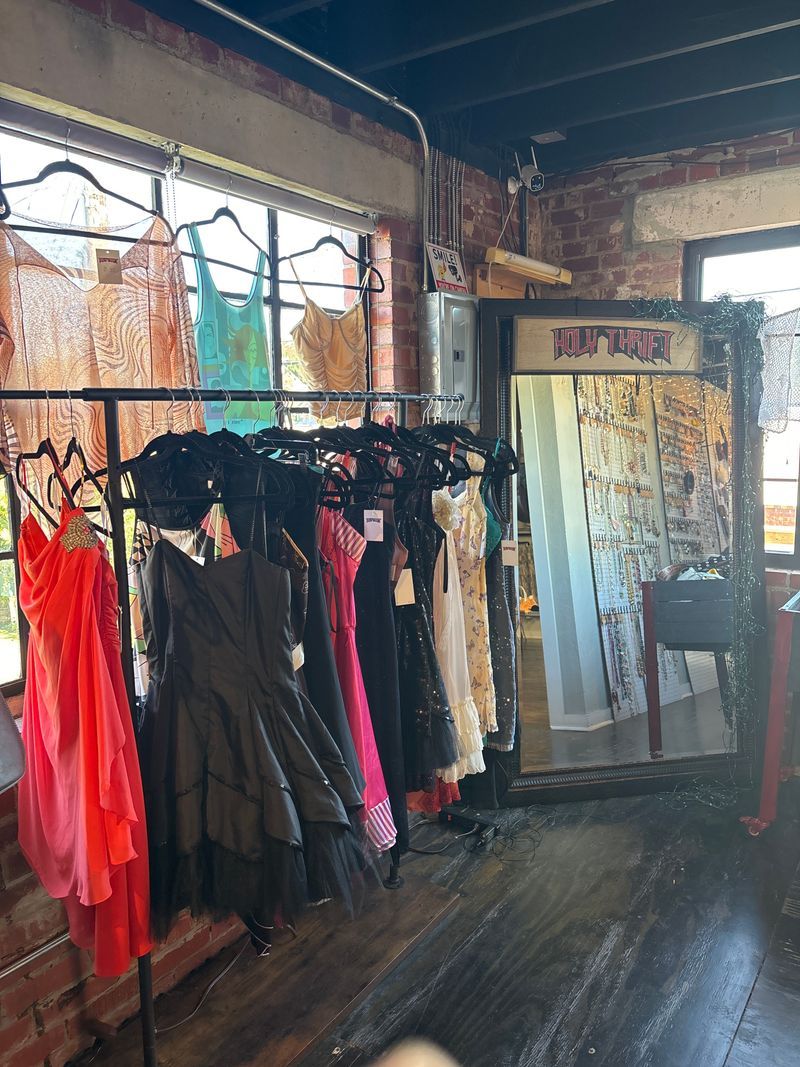
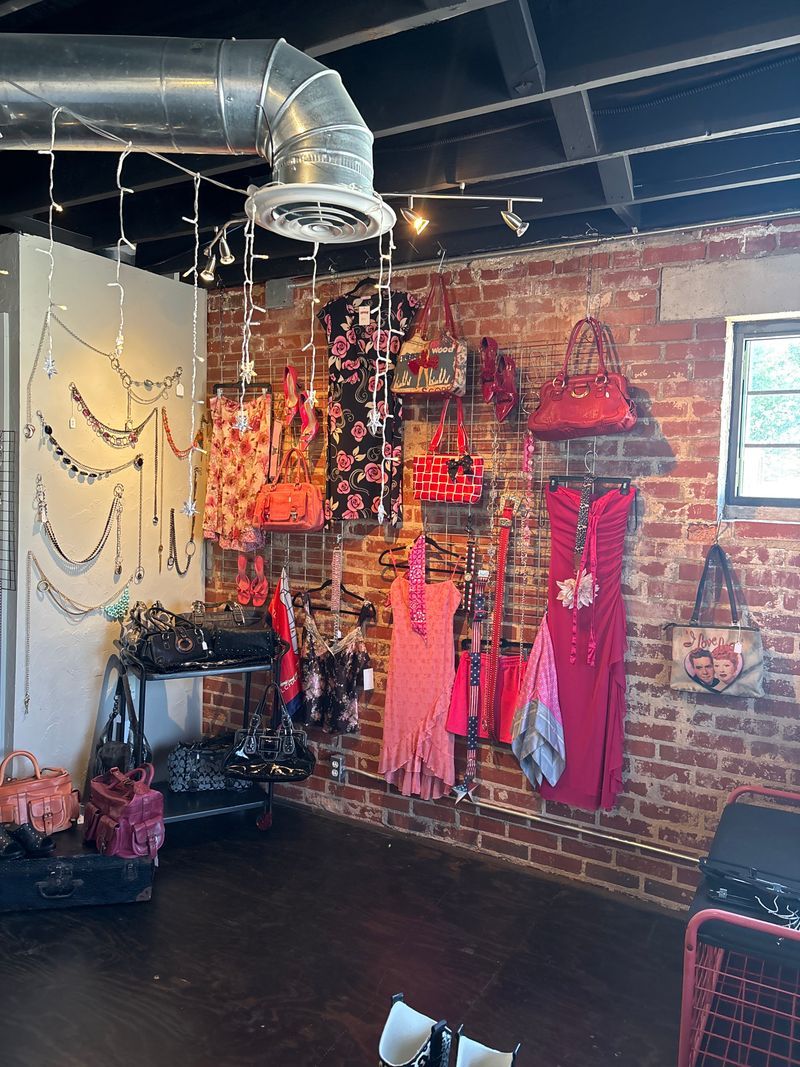
Everything inside felt intentional. Clean racks lined the walls without that overwhelming clutter you find in most thrift stores.
The space breathed with room to move, and the full-length mirror in the dressing area made trying things on actually enjoyable.
What sets this place apart is the curation. Owner Nada has an eye for pieces that tell stories from the 90s and Y2K era.
Each item seems chosen for its character rather than just filling space. The organization makes browsing feel less like work and more like a treasure hunt where you actually find treasure.
Sure, the stairs pose a challenge for some visitors, and the staff interaction can feel minimal. But the quality of what waits inside makes the climb worthwhile.
This Oklahoma gem has built its reputation on delivering exactly what vintage lovers crave without the usual thrift store chaos.
Curated Collections That Skip the Dig
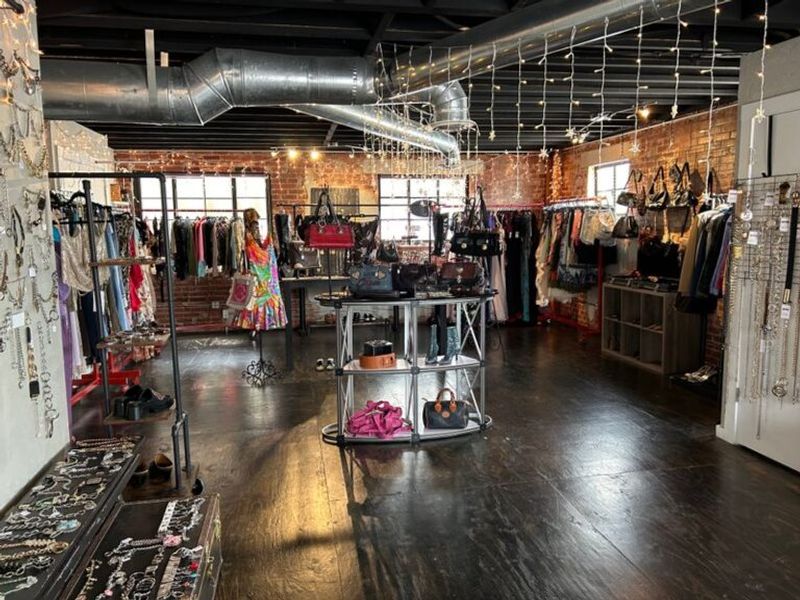
Walking through Holy Thrift feels different from other vintage shopping experiences. There’s no need to spend hours digging through bins or sorting through piles of questionable items.
Every piece on the rack has been hand-selected, which means your shopping time actually goes toward finding things you love.
The Y2K and 90s aesthetic dominates the collection. Think low-rise jeans, baby tees, and pieces that defined an era.
But this isn’t random nostalgia thrown together. Nada picks items based on style, condition, and that hard-to-define cool factor that makes certain vintage pieces stand out.
Most shoppers appreciate the intentional approach. Instead of wading through racks of outdated polyester, you’re looking at pieces that already passed a quality test.
The alternative and goth sections offer particularly strong selections for those seeking edgier styles.
Some visitors expect traditional thrift store bargains and feel surprised by the pricing. But when you consider the time saved and the quality guaranteed, the value makes sense.
You’re paying for curation, not just clothing. The back room holds sale items for budget-conscious shoppers, offering a middle ground between premium picks and bargain hunting.
Reasonable Pricing for Quality Finds
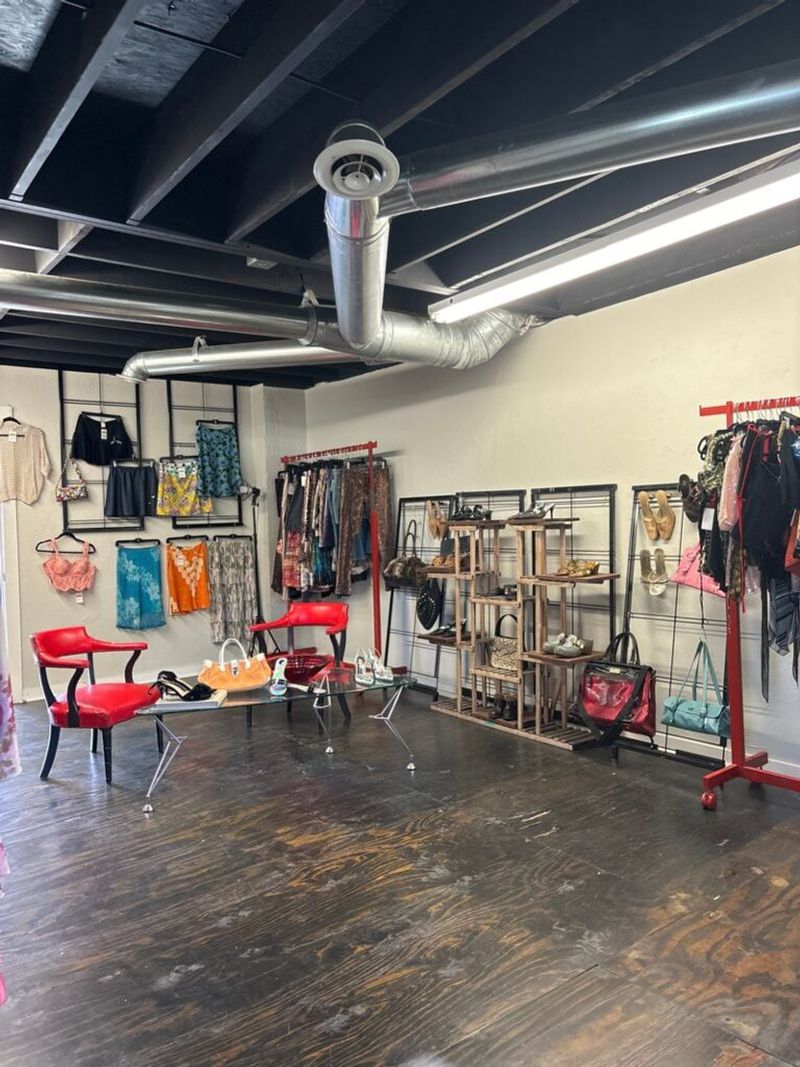
Holy Thrift operates on a different pricing model than traditional thrift stores. Pieces typically run around $25, which reflects their resale shop status rather than donation-based thrift pricing.
This distinction matters for setting expectations before you visit.
The pricing strategy focuses on appearance and trendiness. A well-preserved band tee or perfectly faded vintage denim commands higher prices than generic items.
This approach rewards the curation effort while keeping prices reasonable compared to other vintage boutiques.
Many regulars find the pricing fair for what they receive. You’re not spending hours hunting through junk, and the condition of items justifies the cost.
One shopper noted spending $25 for a piece that required no digging felt like a bargain compared to the usual thrift store experience.
For those seeking deeper discounts, the back sale room offers lower-priced options. This two-tier system lets budget shoppers still participate while maintaining the premium curation up front.
Oklahoma vintage lovers have learned to appreciate this balance, understanding they’re paying for convenience and quality assurance alongside the actual clothing.
The Owner’s Passion Shines Through
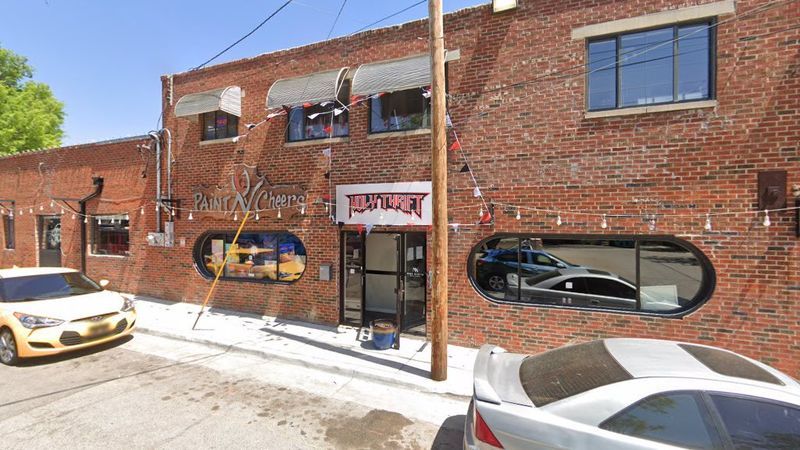
Nada’s personal touch transforms Holy Thrift from just another vintage shop into something memorable. Shoppers consistently mention her genuine passion and distinctive style.
She’s been building her eye for vintage pieces for years, first through an online store before opening this physical location.
Her curation philosophy centers on intention. Every item that makes it onto the floor reflects her understanding of what makes vintage clothing special.
She knows the difference between something old and something worth preserving, and that knowledge shows in the selection.
Regular customers appreciate her sweet demeanor and willingness to share her expertise. Though some visitors note varying levels of staff engagement, those who connect with Nada often become loyal shoppers.
Her enthusiasm for the pieces she sells creates an environment where customers feel excited about their finds.
The transition from online to physical retail demonstrates her commitment to the vintage community in Oklahoma. She created a space that mirrors her own aesthetic sensibilities, offering others access to the kinds of pieces she’d want to find herself.
That authenticity resonates with shoppers who return visit after visit, knowing they’re supporting someone who truly cares about what they do.
Alternative and Emo Style Heaven
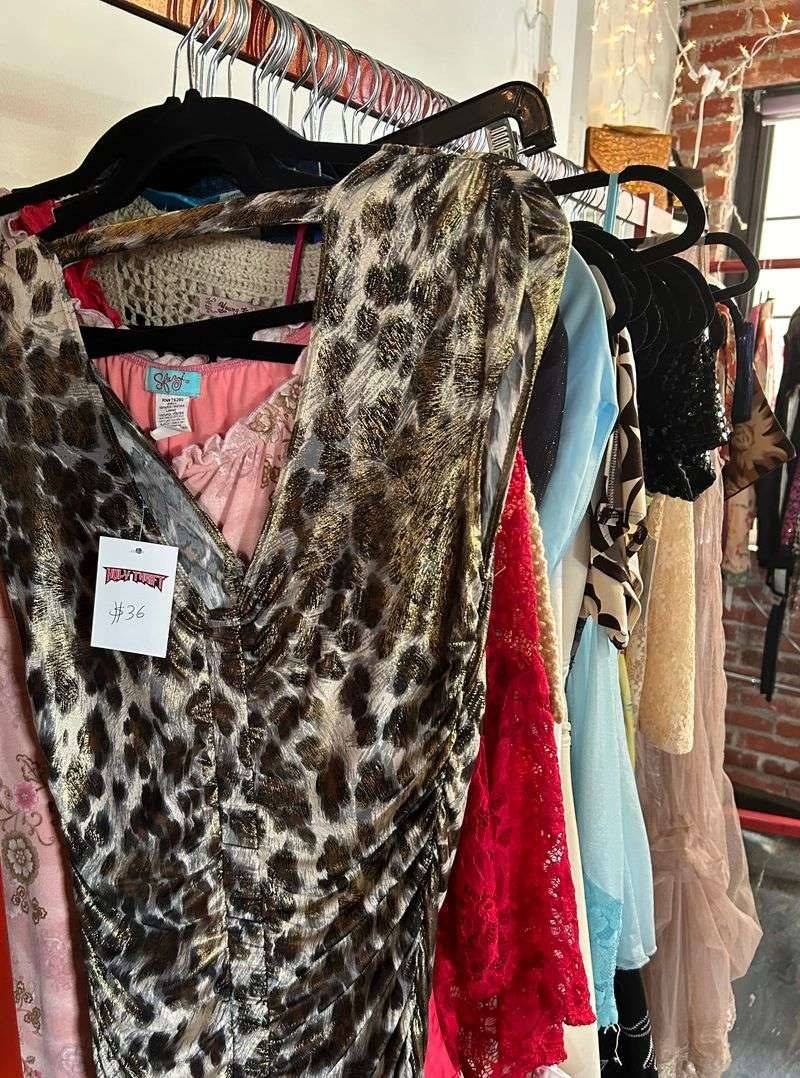
Holy Thrift has become a destination for alternative fashion lovers across Oklahoma. The selection of emo, goth, and punk-inspired pieces sets it apart from shops that stick to mainstream vintage.
Black band tees, studded accessories, and edgy silhouettes fill dedicated sections.
This focus on alternative styles fills a gap in the local market. Finding quality pieces from the emo and scene kid era of the 2000s takes serious hunting in most cities.
Nada’s curation brings these items together in one place, saving subculture enthusiasts countless hours of searching.
The clothing reflects authentic alternative fashion rather than costume-shop versions. Real band merchandise, genuine vintage chains, and pieces that actual scene kids wore back in the day make up the inventory.
This authenticity matters to shoppers who can spot the difference between real and reproduction.
Visitors seeking these specific styles consistently leave satisfied. One reviewer specifically praised the huge selection of alternative clothing, noting the pieces were genuinely cute rather than just old.
For those willing to pay slightly more than thrift store prices, having access to this concentrated collection of alternative vintage makes Holy Thrift worth the visit.
The Mystery of Varying Staff Experiences
Customer experiences with staff at Holy Thrift vary dramatically. Some shoppers rave about sweet interactions with owner Nada, while others describe visits where they felt ignored.
This inconsistency creates an unpredictable element to the shopping experience.
One detailed review described a visit where the checkout person never looked up from their phone, offering no greeting or acknowledgment throughout the entire shopping trip. This lack of engagement left a sour impression despite the quality of the merchandise and store organization.
Other customers report completely different experiences, describing helpful and friendly service. The discrepancy might relate to timing, who’s working, or simply different expectations about retail interaction.
Some shoppers prefer minimal interference while browsing, while others want active engagement.
The store’s focus clearly centers on the merchandise rather than high-touch customer service. For vintage hunters who know what they want and prefer independent browsing, this approach works fine.
Those seeking personal styling help or chatty retail experiences might feel disappointed. Understanding this dynamic before visiting helps set appropriate expectations and prevents the unfriendliness from overshadowing the quality finds waiting on the racks.
Online Store Legacy Meets Physical Space
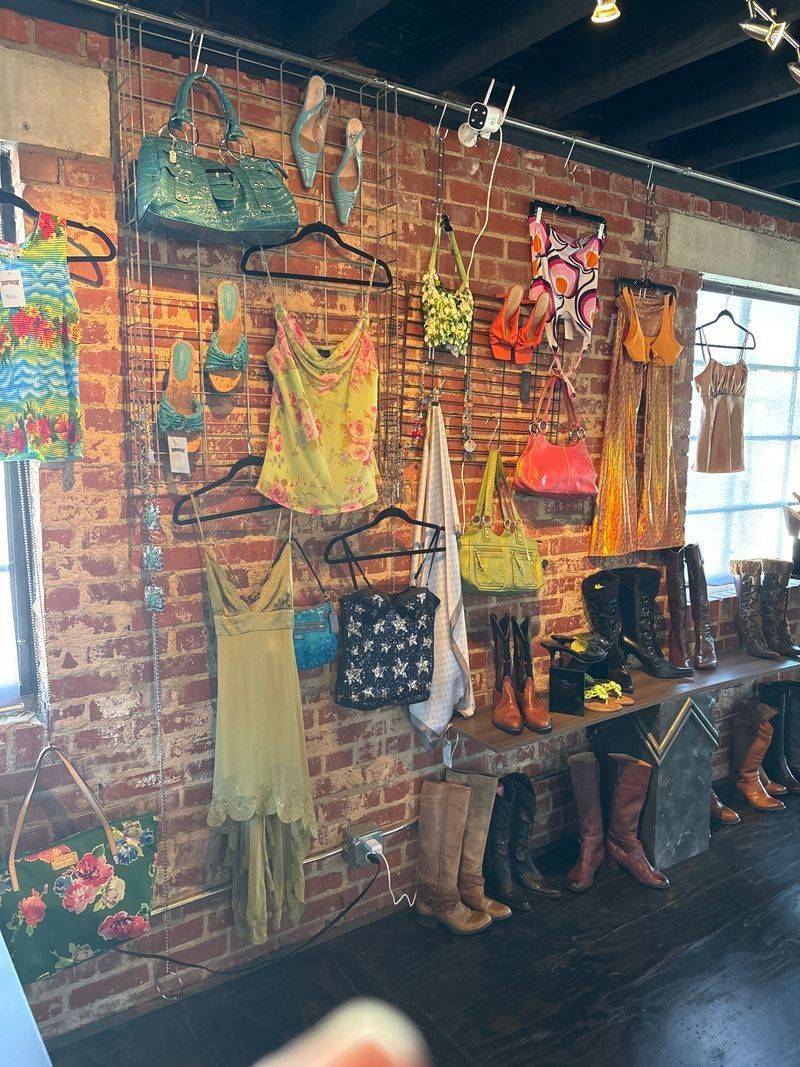
Holy Thrift’s physical location represents the evolution of a business that built its reputation online first. For years, devoted customers shopped Nada’s curated collections through her website, waiting for new drops and snagging pieces before they sold out.
The transition to brick-and-mortar gave longtime online shoppers a chance to experience the curation in person. Fans who had been shopping remotely for years expressed excitement about finally having a physical space to visit.
This loyal customer base provided a foundation for the store’s success.
The physical location offers advantages over online shopping. Customers can see fabric quality, try things on, and browse the full selection without waiting for website updates.
The large dressing room with a full-length mirror makes the experience more satisfying than ordering online and hoping things fit.
However, the online store heritage influences the physical space’s vibe. The careful curation, specific aesthetic focus, and pricing all reflect strategies that worked in digital retail.
Shoppers familiar with boutique online vintage shops will feel at home here, while those expecting traditional thrift store randomness might need adjustment time. This Oklahoma City location bridges both worlds successfully for those who appreciate the curated approach.
The Accessibility Challenge
The steep staircase leading to Holy Thrift presents a real barrier for visitors with mobility challenges. This architectural reality limits who can access the carefully curated collection inside, creating frustration for potential customers who can’t make the climb.
One reviewer noted the difficulty or impossibility of visiting with a disability, describing the long flight of steep stairs as prohibitive. This honest assessment highlights an unfortunate reality that affects the store’s accessibility and potential customer base.
No alternative entrance or elevator option exists based on available information. This means wheelchair users, people with joint problems, or anyone struggling with stairs must skip this location entirely.
The vintage treasures inside remain out of reach for a significant portion of the community.
The accessibility issue doesn’t reflect poorly on the store’s intentions but rather the limitations of the building itself. Many older Oklahoma City structures face similar challenges.
However, acknowledging this barrier helps potential visitors make informed decisions about whether they can physically access the space. For those able to manage the stairs, the climb leads to worthwhile discoveries.
But the store’s reputation as a lucky charm unfortunately doesn’t extend to everyone who might want to experience it.
Not Your Grandma’s Thrift Store
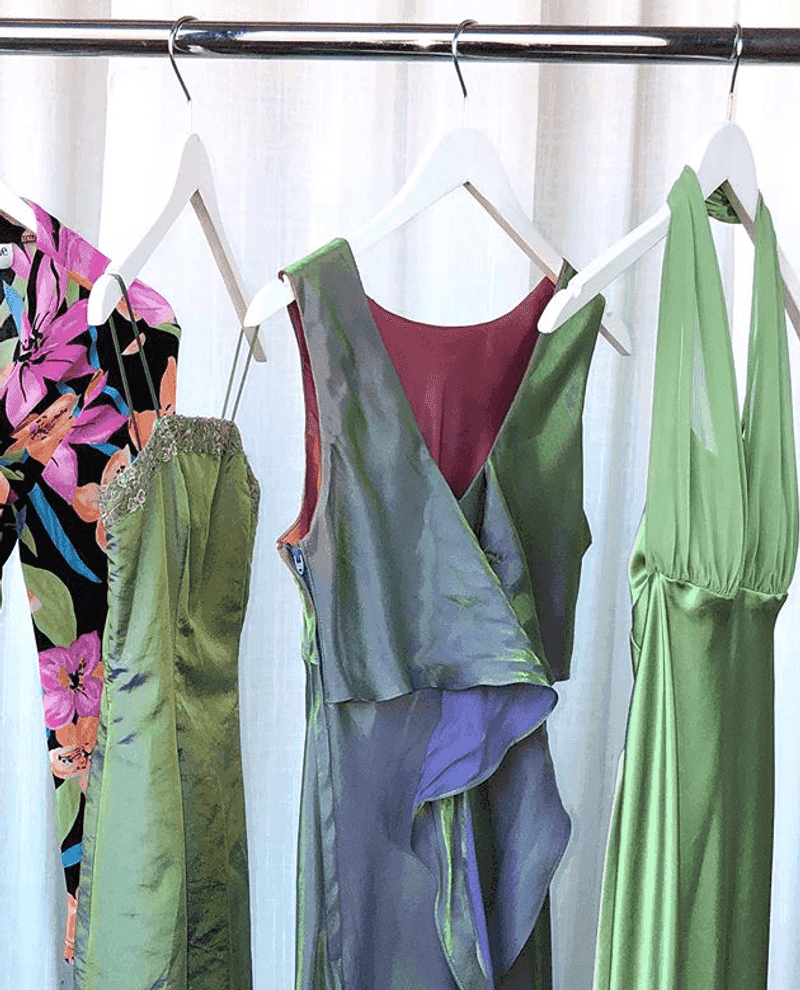
The name Holy Thrift misleads shoppers expecting traditional thrift store experiences. This isn’t where you find $2 tees or your grandmother’s donated cardigans.
Understanding this distinction prevents disappointment and helps visitors appreciate what the store actually offers.
Traditional thrift stores operate on donation models with unpredictable inventory and rock-bottom prices. Holy Thrift functions as a resale boutique with intentionally selected vintage pieces priced to reflect their curation and condition.
These are fundamentally different business models serving different purposes.
Multiple reviewers emphasized this distinction, warning that calling it a thrift store sets wrong expectations. One noted that if you go in expecting cheap bargains, you’ll feel disappointed.
But if you appreciate curated racks and pieces picked with intention, the experience delivers exactly what it promises.
The 2000s vibe dominates the inventory, creating a specific aesthetic rather than the random variety traditional thrifts offer. Everything feels lightly used and carefully selected.
For vintage enthusiasts who value their time and want quality over quantity, this approach works perfectly. But bargain hunters seeking random deals should adjust expectations or explore the back sale room where prices drop closer to traditional thrift levels.
Share this story