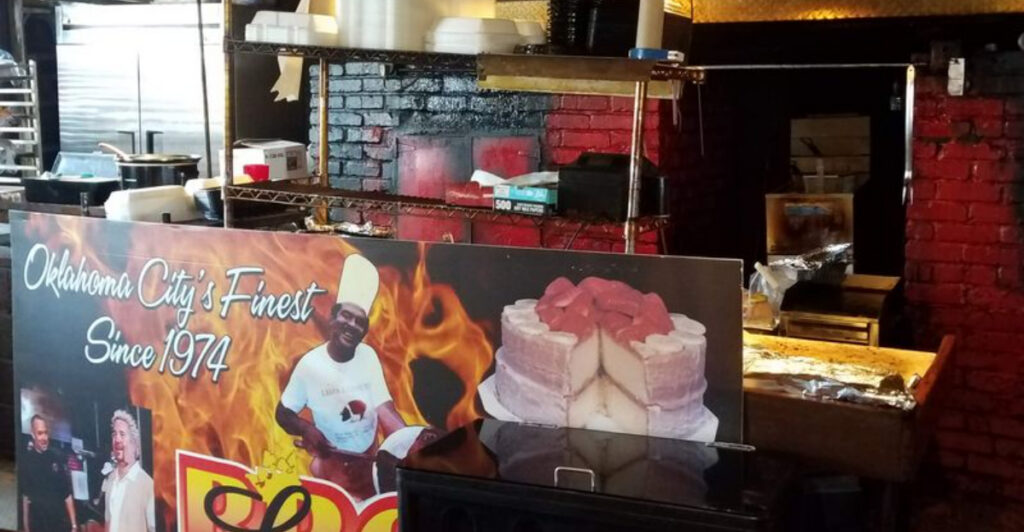
Brisket done right can make grown adults weep with joy, and there’s one unassuming spot in Oklahoma City that’s been doing exactly that since 1974. While flashy new barbecue chains pop up with their shiny signs and marketing budgets, some places just let their hickory smoke do the talking.
The kind of joint where locals line up before lunch and everything sells out by mid-afternoon isn’t trying to impress anyone with fancy decor or Instagram-worthy plating. This is about meat that’s been tended to with care, smoked low and slow until it reaches that perfect point where flavor and texture meet in harmony.
When people drive across town or make special detours off the highway just for a sandwich, you know something special is happening behind those kitchen doors.
A Family Legacy Built on Smoke and Dedication
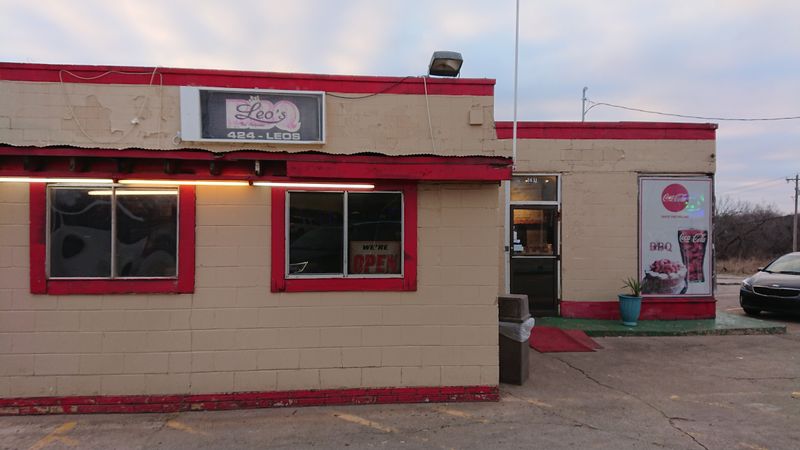
Leo’s BBQ sits at 3631 N Kelley Avenue in Oklahoma City, Oklahoma, and it doesn’t need a fancy facade to prove its worth. The building itself tells you everything about what matters here: substance over style, flavor over frills.
Since opening in 1974, this family-run establishment has built its reputation one perfectly smoked cut at a time. The current owner, Leo’s son, continues the tradition his father started nearly five decades ago.
What makes this place stand out isn’t just the food but the genuine care that goes into every interaction. Customers regularly mention conversations with the owner that stretch fifteen minutes or more, discussing everything from smoking techniques to family recipes.
The restaurant operates with a straightforward approach that old-school barbecue lovers appreciate. They open early, they smoke their meats fresh, and when they run out, they run out.
This isn’t a place chasing trends or trying to reinvent barbecue. The focus remains on doing what they’ve always done exceptionally well: hickory-smoked meats prepared with techniques perfected over generations.
That commitment to quality and consistency has created a loyal following that spans decades. People who visited as kids bring their own children now, creating new memories around the same incredible flavors their parents introduced them to years ago.
The Brisket That Disappears Before Afternoon
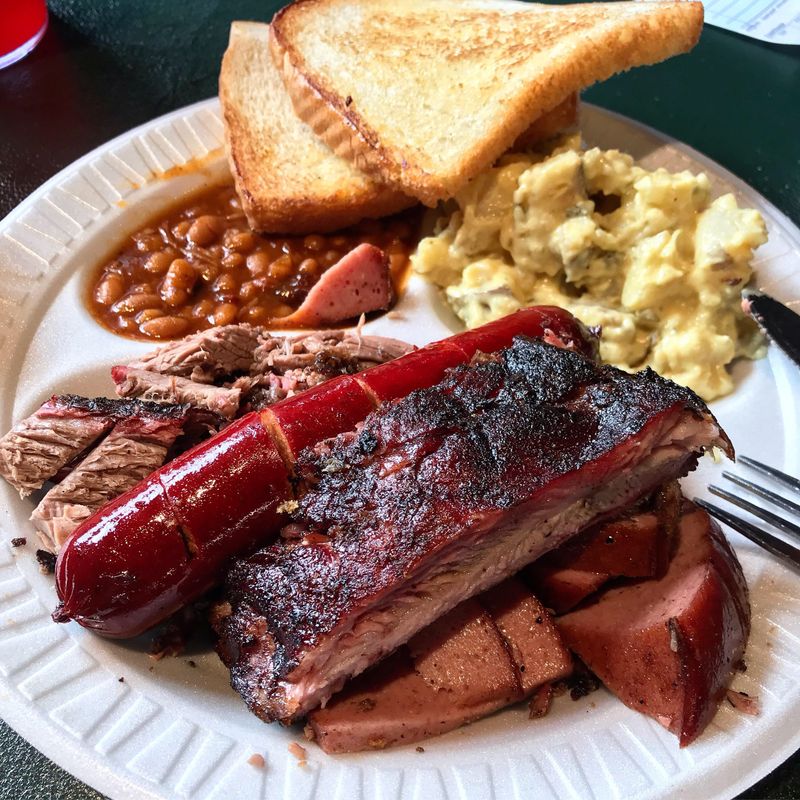
Ask anyone who’s tried to grab brisket here after 1:30 in the afternoon, and they’ll tell you the same story: too late. When a restaurant consistently sells out of its signature item by early afternoon, that’s not a supply problem.
The brisket at Leo’s develops that deep, smoky flavor that only comes from hours over hickory wood. Each slice reveals the telltale pink smoke ring that barbecue enthusiasts look for as a sign of proper smoking technique.
The meat reaches that ideal state where it’s tender enough to pull apart easily but still has enough structure to hold together on a sandwich. Fat renders down through the cooking process, keeping everything moist and adding richness to every bite.
Customers who’ve eaten barbecue across the country consistently rank this brisket among the best they’ve encountered. The flavor goes beyond surface-level smoke, penetrating deep into the meat with that characteristic hickory taste.
Smart regulars know to arrive before noon if they want their brisket fix. By mid-afternoon, the day’s batch is usually gone, sold to people who understand that good things are worth showing up early for.
Running out of food might seem like poor planning to some, but it actually demonstrates a commitment to freshness. They smoke what they can handle properly rather than cutting corners to meet demand all day long.
Ribs That Fall Off the Bone
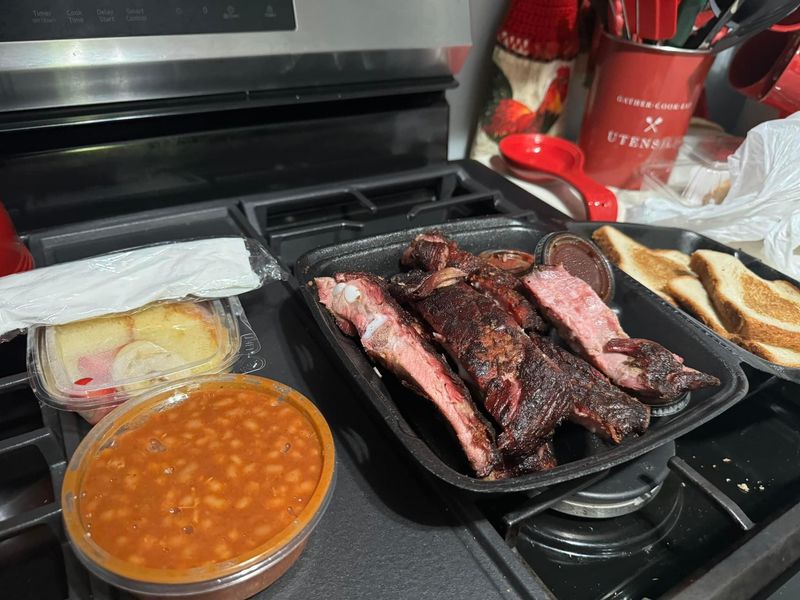
The ribs here have earned a devoted following for good reason. Cooked until the meat releases from the bone with minimal effort, they deliver on that promise of melt-in-your-mouth tenderness that every barbecue place claims but few actually achieve.
Hickory smoke works its way through the meat during the long cooking process, creating layers of flavor that build with each bite. The exterior develops a slight crust from the smoke and seasonings, providing textural contrast to the tender interior.
Many customers order the rib sandwich, which packs all that flavor into a handheld format perfect for eating on the go. The smell alone during the drive home is enough to make stomachs growl in anticipation.
Like the brisket, ribs often sell out early in the day. When you’re dealing with cooking methods that can’t be rushed, there’s only so much you can prepare in a morning.
The mild sauce option pairs beautifully with the ribs, adding a tangy sweetness that complements rather than overpowers the smoke flavor. Some prefer their ribs naked, letting the meat and smoke speak for themselves.
Whether you’re a rib purist or someone who likes a little sauce, the quality of the meat shines through. These aren’t ribs that need heavy sauce to hide poor cooking or bland flavor.
Smoked Bologna That Converts Skeptics
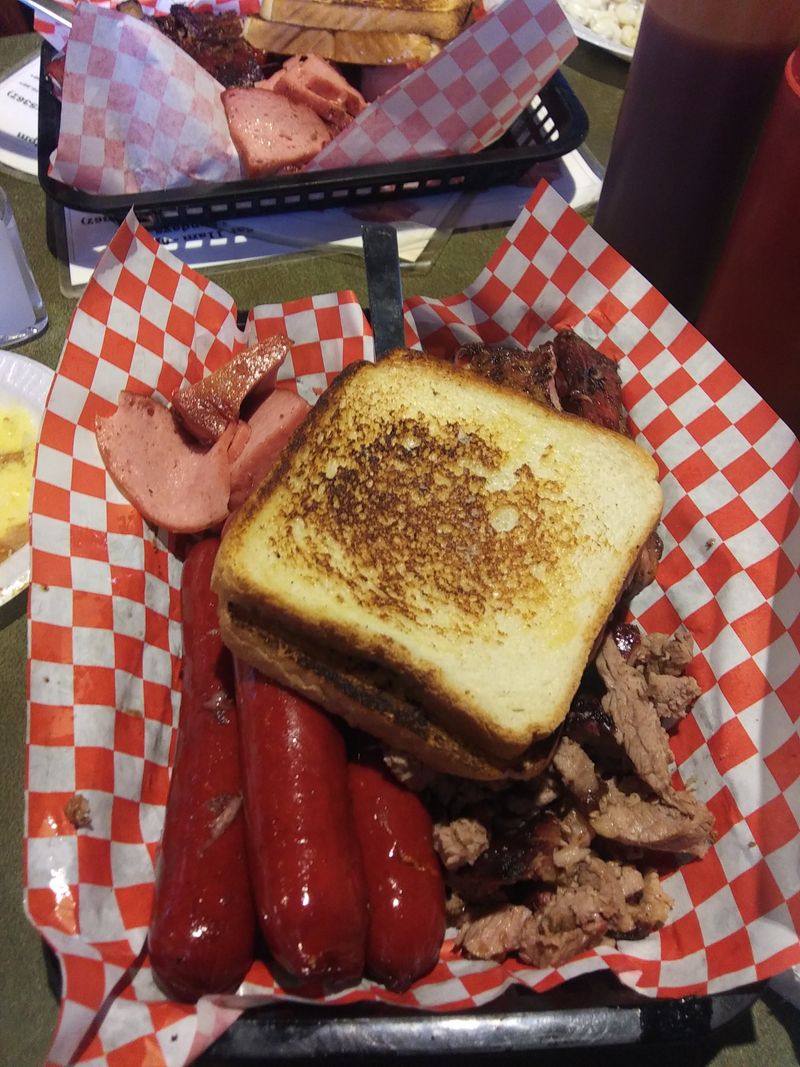
Smoked bologna might sound unusual to those unfamiliar with this Oklahoma barbecue tradition, but one bite typically converts even the most skeptical diners. This isn’t your standard lunch meat slapped on white bread.
The smoking process transforms bologna into something entirely different from its deli counter cousin. Hours over hickory wood create a firm exterior with a tender, flavorful interior that bears little resemblance to the cold cuts most people know.
When brisket and ribs sell out early, smoked bologna becomes the go-to option, and customers report being pleasantly surprised by how satisfying it is. The meat develops deep flavor from the smoke while maintaining a texture that’s both substantial and tender.
Leo’s has perfected the technique of smoking bologna to the point where it stands alongside their more traditional offerings as a legitimate barbecue option. Some regulars actually prefer it to other meats.
The bologna sandwich comes piled high with meat that’s been smoked to perfection, often still warm from the smoker. Add their homestyle sides, and you’ve got a meal that hits all the right notes.
For visitors trying it for the first time, smoked bologna represents one of those regional specialties worth seeking out. It’s the kind of thing you can’t find everywhere, making it part of what gives this place its unique character.
Homestyle Sides That Complete the Meal
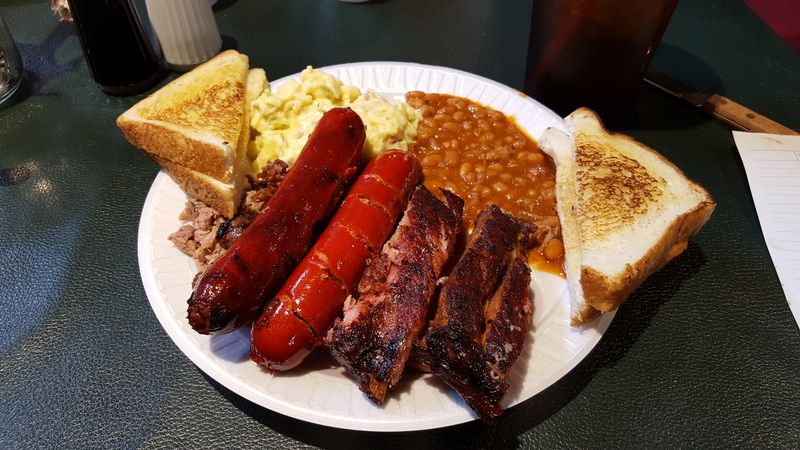
Great barbecue deserves equally good sides, and Leo’s delivers on that front with homestyle options that feel like something from a family kitchen. These aren’t afterthoughts or items pulled from industrial containers.
The baked potatoes arrive hot and properly cooked, though quality can vary depending on timing and rush periods. When done right, they provide a satisfying starch component that balances the richness of the smoked meats.
Traditional barbecue sides round out the menu, offering familiar flavors that complement rather than compete with the main attractions. Each side dish receives attention and care in preparation.
Portions tend to be generous, reflecting the old-school approach to feeding people well. This isn’t a place that skimps on sides to save a few cents per order.
The sides menu stays focused on classics rather than trying to be trendy or innovative. Sometimes the best approach is doing familiar things well rather than constantly chasing novelty.
When you’re eating smoked meats that pack serious flavor, you want sides that provide balance without overwhelming your palate. The offerings here understand that role and fill it effectively.
Combined with the meats, the sides create complete meals that satisfy without leaving you feeling overstuffed. Everything works together as part of a cohesive barbecue experience that’s been refined over decades of operation.
Cake That’s Worth Saving Room For

Dessert at a barbecue joint often gets overlooked, but multiple customers specifically mention the cake at Leo’s as something special. When people who feel completely full still recommend getting a slice for later, that says something about quality.
The cake is homemade rather than purchased from a commercial bakery, giving it that personal touch that matches the rest of the menu’s approach. It’s moist, flavorful, and substantial enough to feel like a real treat.
Smart diners order their cake at the same time as their meal, even if they don’t plan to eat it immediately. Taking a slice home means you get to extend the experience beyond lunch.
The restaurant sometimes throws in extra slices as a gesture of hospitality, particularly when they’ve run out of certain meats and need to substitute items. These small touches demonstrate the family-run nature of the operation.
After eating rich, smoky meats, a slice of sweet cake provides a satisfying contrast that rounds out the meal. It’s comfort food following comfort food, creating a complete experience.
Some customers report that the cake alone is worth the trip, which might seem like hyperbole until you try it yourself. Good dessert can elevate a meal from satisfying to memorable.
Whether you eat it immediately or save it for later, the cake represents one more way this place exceeds expectations in areas where others might cut corners.
The Drive-Through Convenience Factor
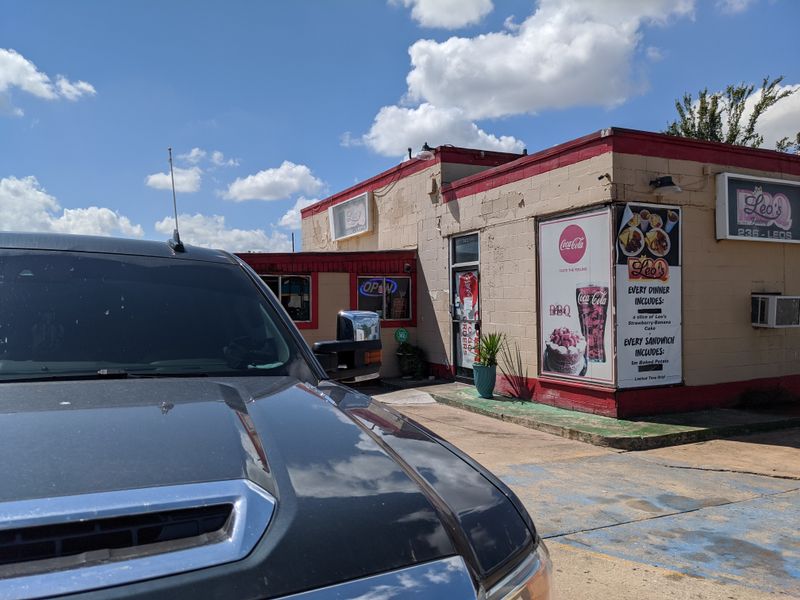
Leo’s has adapted to modern convenience by adding a drive-through option, making it easier than ever to grab quality barbecue without leaving your car. This addition came relatively recently in the restaurant’s long history.
The drive-through setup means you can pick up lunch quickly during a work break or while running errands. For barbecue this good, not having to find parking and go inside removes a barrier that might otherwise prevent a visit.
Some longtime customers miss the old walk-in experience and the ability to see the operation up close. Change always brings mixed reactions, especially at beloved establishments with decades of history.
Currently, the restaurant operates primarily through the drive-through model, which streamlines service but changes the traditional barbecue joint atmosphere some people prefer. It’s a trade-off between convenience and experience.
The drive-through does allow them to serve more customers efficiently during peak hours, which helps when demand regularly exceeds supply. Getting food to people faster means more folks can enjoy it before items sell out.
Whether you prefer the classic walk-in experience or appreciate modern convenience, the important thing remains the same: the quality of what’s coming out of that smoker. Format matters less when the food delivers.
For travelers passing through Oklahoma City, the drive-through option makes it easy to grab food without disrupting your schedule significantly.
The Early Morning Start Time
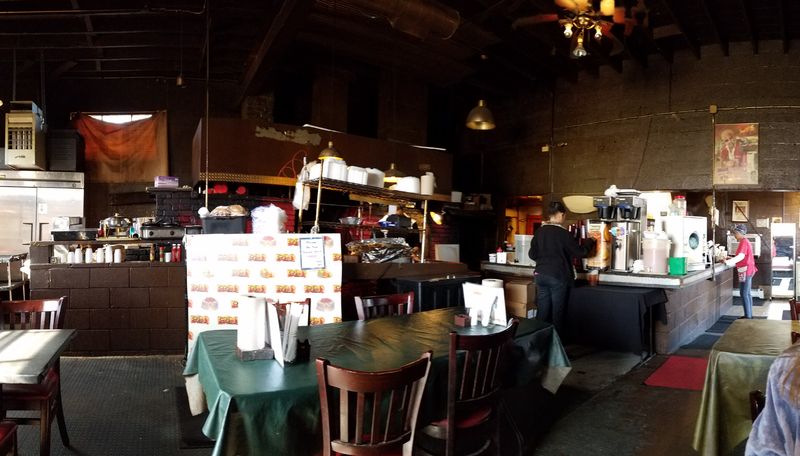
Barbecue doesn’t sleep in, and neither does Leo’s. The restaurant opens at 7 AM on operating days, which tells you something about the work that goes into preparing everything fresh.
Those early hours aren’t really about serving breakfast crowds. They’re about giving the team time to finish smoking meats that have been cooking since before dawn and to prepare for the lunch rush that’s coming.
Real barbecue requires patience and time. Brisket might spend twelve hours or more in the smoker, which means someone’s starting work in the middle of the night to have food ready by lunch.
The restaurant closes on Wednesdays, giving the family that runs it a regular day off from the demanding schedule that barbecue requires. Running a place like this isn’t a typical nine-to-five operation.
By opening early and selling until the food runs out, Leo’s operates on a rhythm dictated by the smoking process rather than arbitrary business hours. When the meat’s ready, they’re open.
When it’s gone, they’re done.
This approach might seem inconvenient to some, but it actually ensures maximum freshness. Everything sold that day was smoked that morning, not reheated from yesterday’s batch.
For serious barbecue fans, adjusting your schedule to match their hours is a small price to pay for food this authentic and well-prepared.
The Friendly Service That Makes It Personal
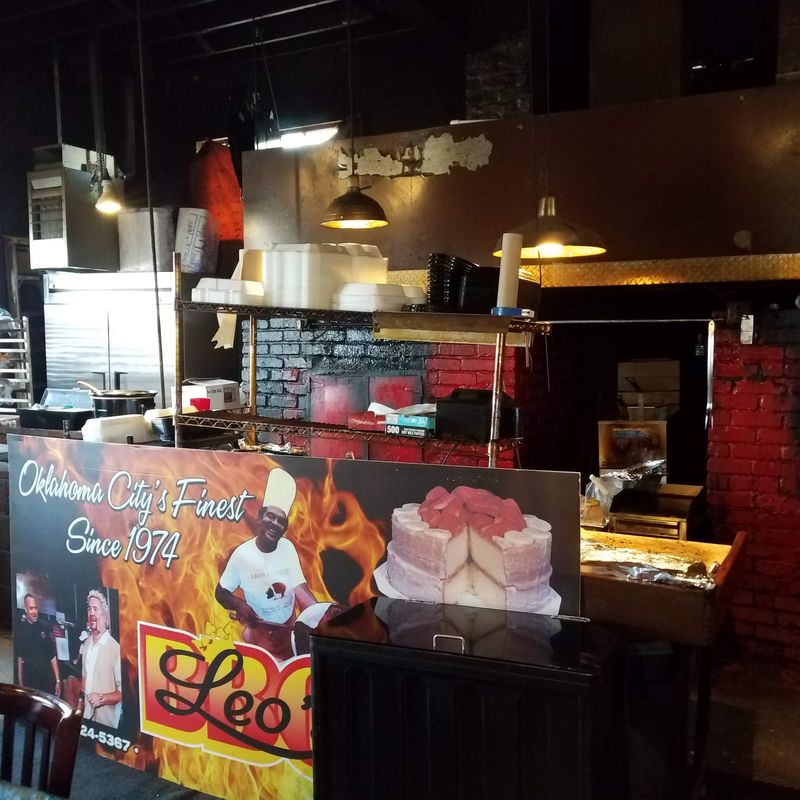
Food quality matters most at any restaurant, but the personal touch from Leo’s family elevates the experience beyond just a transaction. The owner regularly takes time to chat with customers about the food, the process, and life in general.
These conversations aren’t rushed or scripted. When someone mentions talking to the owner for fifteen minutes, that’s genuine interaction from someone who cares about what people think of their family’s work.
The staff maintains a friendly, welcoming atmosphere that makes both first-timers and regulars feel appreciated. This isn’t corporate hospitality training; it’s authentic warmth from people who take pride in what they do.
When mistakes happen or items run out, the team works to make it right with substitutions or extras. That flexibility and desire to ensure customer satisfaction reflects the family-run nature of the operation.
Regulars develop relationships with the people behind the counter over years of visits. These connections turn a good restaurant into a community gathering place where people feel genuinely welcome.
New customers often comment on how the friendly service surprised them, especially given the modest setting. You don’t need fancy decor when you’ve got genuine people serving exceptional food.
In an era of increasingly automated and impersonal dining experiences, places like this remind us that human connection still matters in how we experience food and hospitality.
Why Running Out Early Means You’re Doing It Right
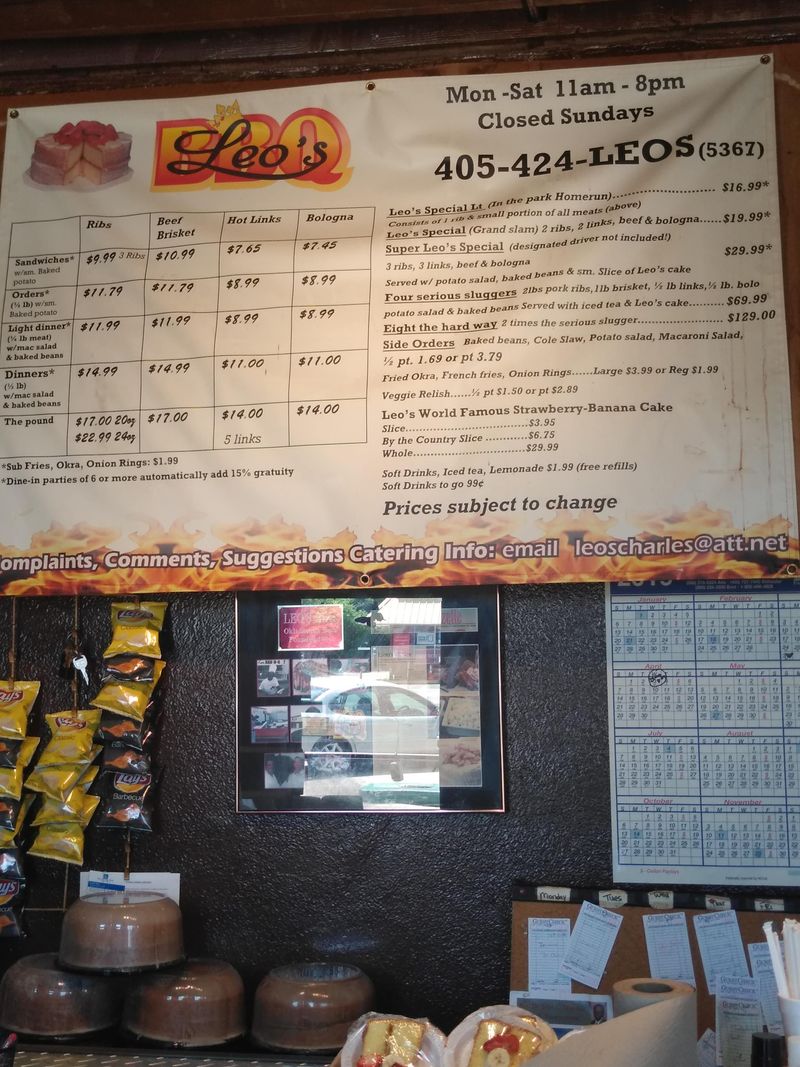
Restaurants that sell out might seem poorly managed to those unfamiliar with traditional barbecue operations, but running out of food by early afternoon actually indicates commitment to quality over quantity. Leo’s regularly faces this situation.
Smoking meat properly takes time that can’t be shortened without sacrificing results. You can’t just throw more brisket on the smoker at noon when you realize you’re running low and expect it to be ready by one o’clock.
The alternative would be smoking more meat than they can handle properly or holding cooked meat longer than ideal to ensure they never run out. Both options would compromise the quality that makes people line up in the first place.
Customers who’ve experienced the disappointment of arriving too late and missing out quickly learn to adjust their schedules. The inconvenience becomes part of the story, proof that what they’re getting is worth the effort.
When food sells out consistently, it creates a sense of urgency and exclusivity that marketing departments spend millions trying to manufacture artificially. Here it happens organically because the product genuinely deserves the demand.
This approach respects both the craft of barbecue and the customers who appreciate it. Better to serve fewer people exceptional food than to compromise quality trying to feed everyone who shows up.
The sold-out sign becomes a badge of honor rather than a failure.
Share this story