A family road trip through Michigan’s Upper Peninsula deserves a stop that is both fun and genuinely educational. This destination offers easy walking paths, close viewing areas, and engaging stories that help visitors understand and appreciate the animals that live here.
By the time you leave, you will have practical tips for planning your visit, a clear sense of the ranch’s mission, and a chance to meet some unforgettable local residents up close.
Getting There and Essential Details
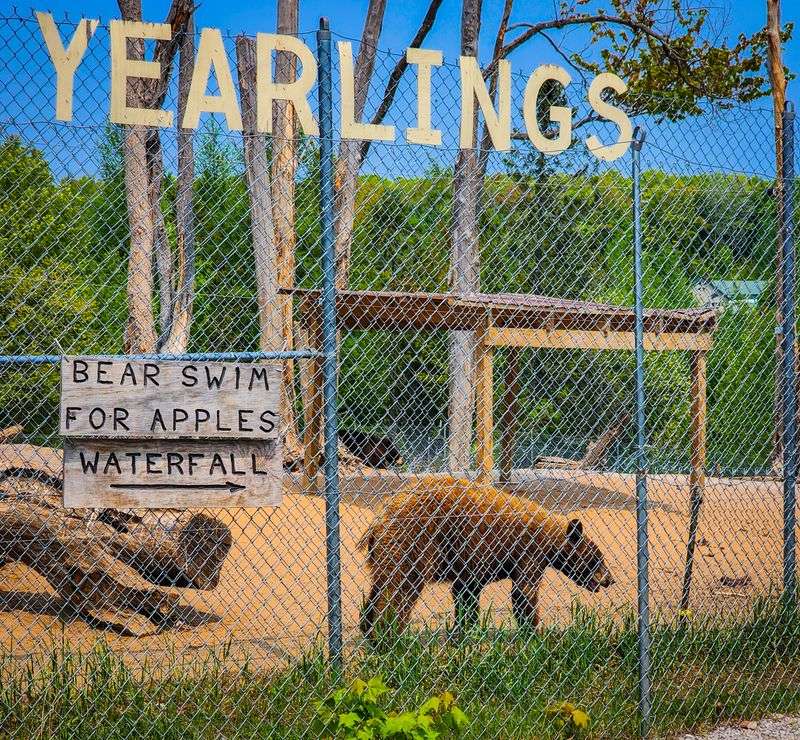
The address etched into my notes reads 13814 County Road 407 H-37, Newberry, MI 49868, and it leads straight to a place that makes the Upper Peninsula feel even wilder. The drive itself is part of the adventure, winding through tall pines and stretches of open sky that hint at how much untouched land surrounds you.
It feels remote in the best possible way – like you are heading somewhere special.
Parking is straightforward and well organized. Staff members wave vehicles in with friendly confidence, and the process feels smooth even on busier summer days.
There is no confusion about where to go, which is a relief when traveling with kids who are already bouncing in their seats with excitement.
At the entrance, a large map clearly lays out the walking path through the habitats. It is easy to understand at a glance, making it simple to plan your route.
Whether you prefer to loop quickly or take your time at each enclosure, the design makes navigation intuitive.
Hours shift with the season, so it is important to check ahead. The ranch typically operates from Memorial Day weekend through early October, generally 9:30 am to 5 pm during peak summer.
After Labor Day, hours usually shorten to 9:30 am to 4 pm. That slight change can make a difference, especially if you are driving from farther away.
Admission is charged per vehicle, which can be a pleasant surprise for families traveling together. Posted signs clearly lay out pricing, along with details about apple purchases for feeding and optional photo opportunities.
There are no hidden fees, and everything is communicated upfront.
A Rescue Story With Heart
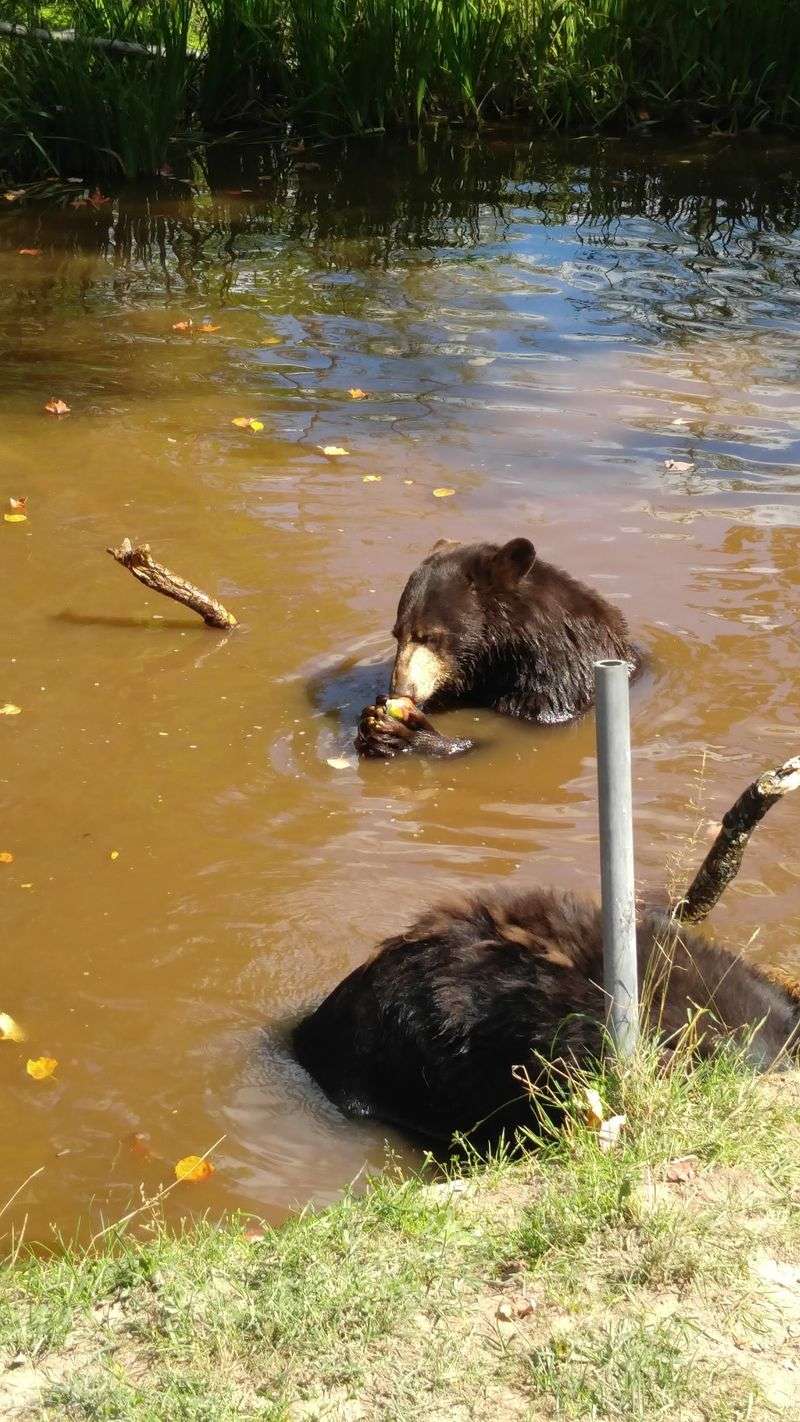
Rescue is not just a label here – it is the backbone of the ranch’s identity. Founded in 1997 by Dean and Jewel Oswald, the ranch was built with a clear purpose: to provide a safe, humane home for black bears that could not return to the wild.
Many of these bears arrived as orphans, displaced animals, or wildlife that could no longer survive independently.
Instead of small enclosures, the founders envisioned large, naturalistic habitats where bears could live with dignity and room to roam. That guiding principle still shapes the ranch today.
You can feel it in the space, in the design, and in the way staff talk about each resident.
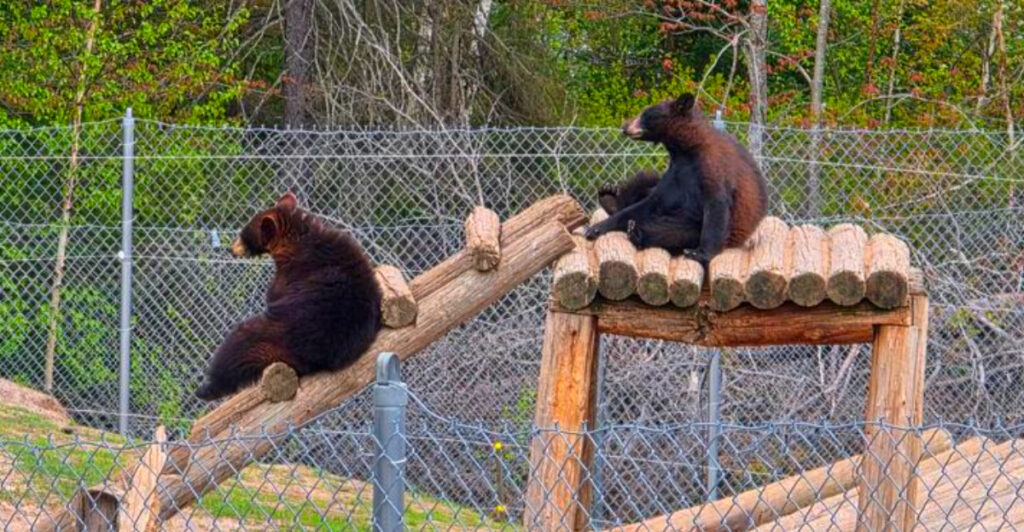
Every enclosure reflects that mission. There are water features for swimming and splashing, logs positioned for climbing and scratching, and shaded nooks where a bear can retreat from the spotlight.
The goal is not performance – it is comfort and enrichment.
Informational signs share where individual bears came from and explain why some share space while others live separately. Bears, like people, have personalities.
Some prefer solitude. Others tolerate neighbors.
The ranch respects those differences.
Listening to staff describe feeding schedules, medical care routines, and enrichment activities makes the experience feel personal. They know each bear’s habits – who naps after apples, who loves the water, who always seems to claim the best sunny rock.
Education is woven naturally into the visit. You do not feel lectured, but you do leave wiser.
By the end of the loop, you understand more about black bear rehabilitation, the challenges of wildlife management, and why a place like this matters. It is rescue with heart – and with thoughtful long-term care behind it.
The Layout and Habitats
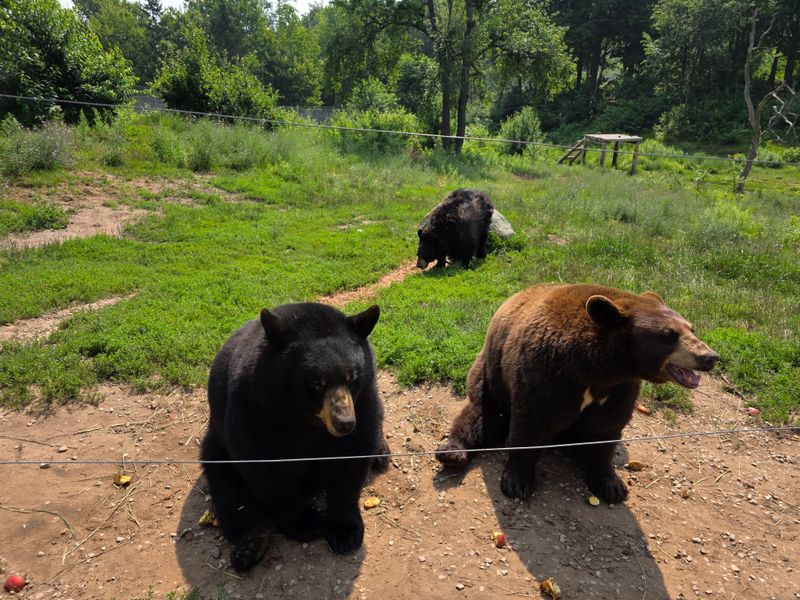
The ranch unfolds as four large habitats arranged almost like outdoor rooms, each with its own rhythm and personality. Rather than feeling like traditional zoo enclosures, they resemble wide forest clearings with carefully designed features.
Waterfalls tumble into clear pools, creating the soothing sound of moving water throughout your walk. Rock piles form natural lounging spots, and thick logs are positioned for climbing, scratching, and exploring.
The layout allows bears to engage in behaviors that mirror what they would do in the wild.
Observation platforms are raised just enough to provide excellent viewing angles without feeling intrusive. From these vantage points, you can watch bears amble, play, stretch, or settle into the shade.
The fences are secure yet unobtrusive, allowing you to focus on the animals rather than barriers.
The walking paths form easy loops, making it simple to revisit a favorite habitat. If a bear suddenly becomes active, you can circle back without retracing every step of your visit.
Families with strollers will find the paths wide and manageable.
One of the most surprising elements is the natural rhythm of the space. There are bursts of activity—playful splashing, short chases, apple-catching moments – and then stretches of calm.
Watching patiently often rewards you with unexpected interactions.
The habitats feel spacious, not crowded. That breathing room allows bears to choose how they spend their time.
You see authentic behaviors unfold, rather than constant pacing or stress. It creates a viewing experience that feels respectful and immersive.
Black Bear Behavior 101
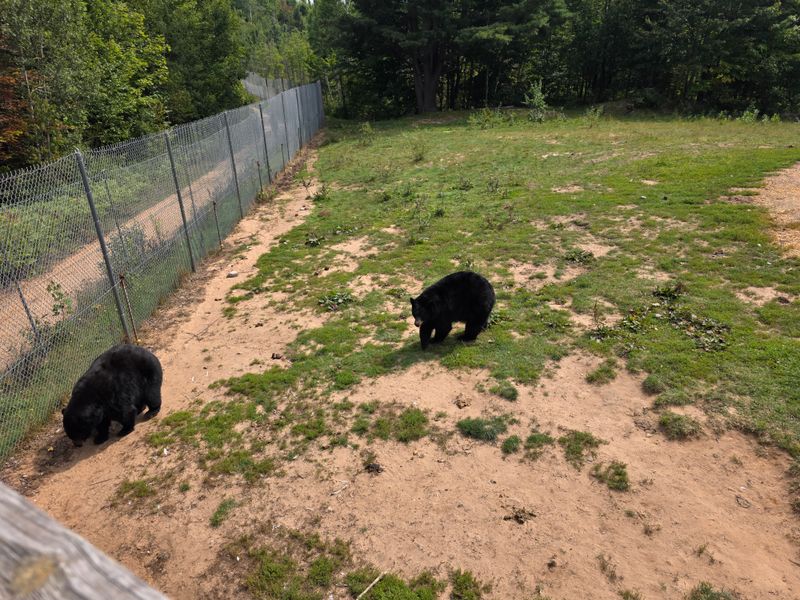
Watching a black bear sort apples by preference is a master class in problem-solving. They sniff carefully, tilt their heads slightly, and often inspect multiple pieces before selecting the one they deem worthy.
That deliberate decision-making highlights their intelligence.
Staff members frequently share quick facts about seasonal habits and dietary balance. Black bears are omnivores, and their diets shift depending on availability.
Seeing them forage for apples adds context to what you may have read in books or learned in school.
Body language becomes fascinating once you start paying attention. Ears forward signal alertness.
A relaxed posture indicates comfort. A gentle huff might communicate mild annoyance or simple curiosity.
You begin to notice differences between individuals. Some bears move with slow, steady confidence.
Others display playful bursts of energy. Observing these subtle cues transforms the visit into something more than sightseeing – it becomes learning in motion.
By the time you finish the loop, you feel better equipped to understand black bears in general. The experience builds respect for their intelligence, adaptability, and strength.
It is education delivered through observation rather than textbooks.
Feeding Apples the Right Way
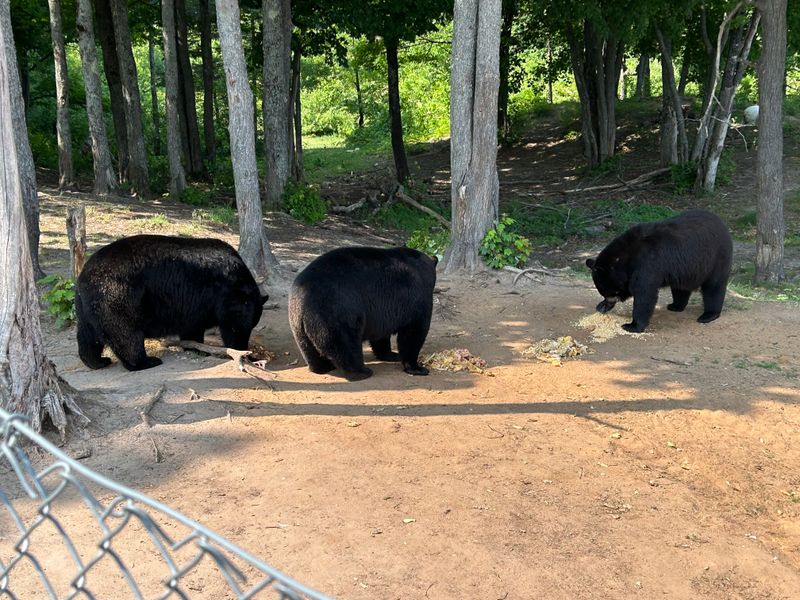
Apples are the highlight treat, and participating in feeding time adds an interactive layer to the visit. The system is simple: purchase apples at the kiosk, follow staff instructions carefully, and toss only from designated areas.
The key is learning your throwing technique. Some bears sit patiently like seasoned catchers, waiting for a well-aimed toss.
Others prefer apples rolled along the ground, turning snack time into a short scavenger hunt.
Staff emphasize clear safety rules: no hand feeding, no outside food, and always toss cleanly. These guidelines protect both visitors and bears.
Friendly reminders keep the mood light while ensuring consistency.
Children especially enjoy the challenge of aiming correctly. There is a sense of accomplishment when a bear sniffs, crunches, and clearly approves of your throw.
It creates a small but memorable connection.
Bringing small bills makes apple purchases easier, particularly during busy summer weekends. With a couple of bags in hand and a steady aim, you may find yourself cheering quietly for that perfect apple arc.
Cubs and Photo Moments
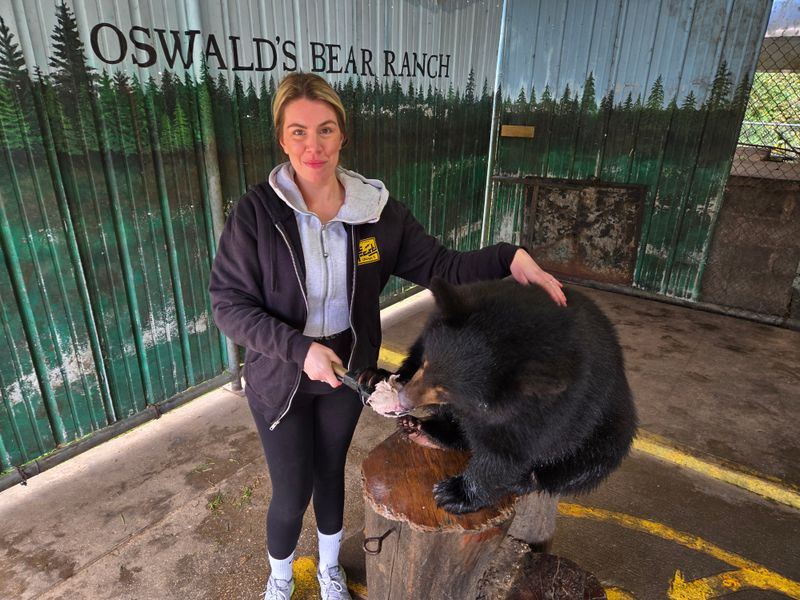
The cub photo opportunity draws excitement for good reason. Seeing a young bear up close – even briefly – is unforgettable.
Handlers provide clear instructions before each session, explaining boundaries and proper positioning.
Sanitizing stations and structured lines help the process move smoothly. Sessions are short to protect the cub’s routine and comfort.
Staff members prioritize the animal’s well-being at every step.
Photos are taken on your phone, ensuring you leave with personal keepsakes immediately. Costs are clearly posted, and cash speeds things up.
The entire process feels organized and respectful rather than rushed.
There is something uniquely charming about hearing a cub’s soft huff or feeling its tiny weight for just a moment. It is a memory that lingers long after your trip ends.
Best Times and Seasonal Rhythm
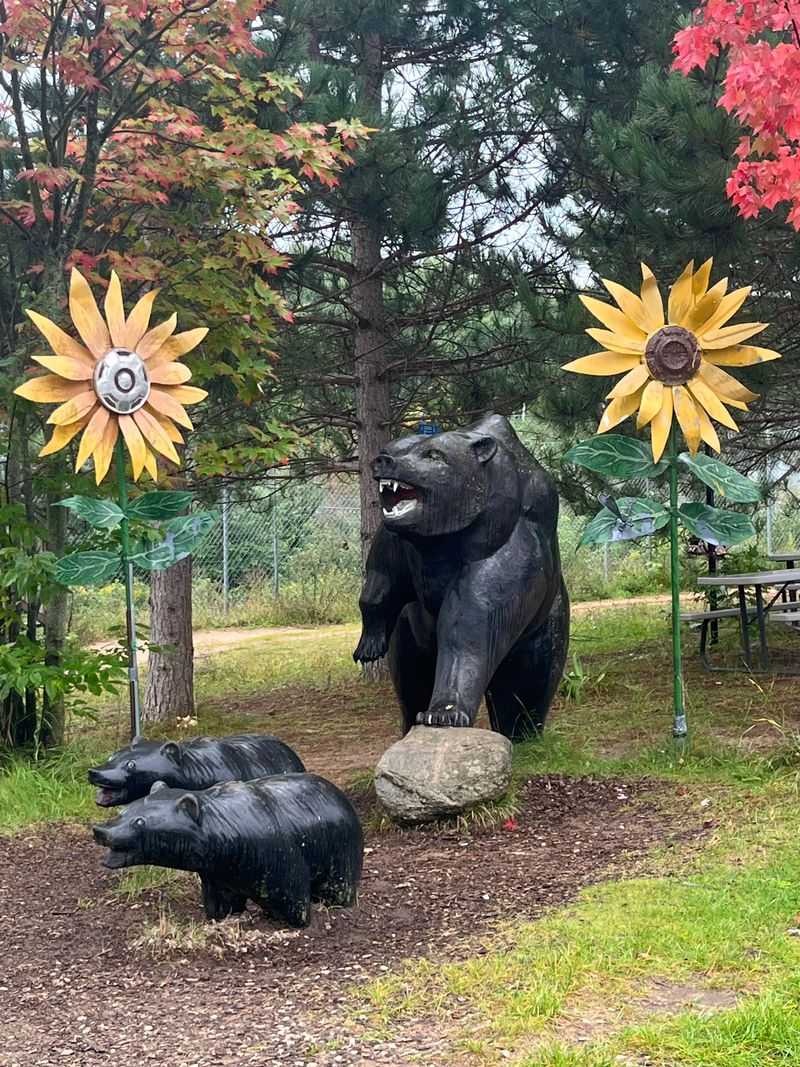
Timing can shape your experience significantly. Morning visits often bring cooler air and more visible activity.
Bears may roam more actively before settling into midday rest.
Summer delivers lively crowds and longer hours, creating a bustling but cheerful atmosphere. Early fall, however, offers crisp air and colorful foliage that elevate every photograph.
After Labor Day, slightly shorter hours encourage earlier arrivals. Weekdays tend to feel more relaxed, allowing for quieter observation and easier apple tossing.
Light rain sometimes sparks extra activity near pools, while breezy days encourage exploration in shaded corners. Seasonal closure arrives in October, so planning ahead ensures you do not miss the window.
Educator’s Corner and School Visits
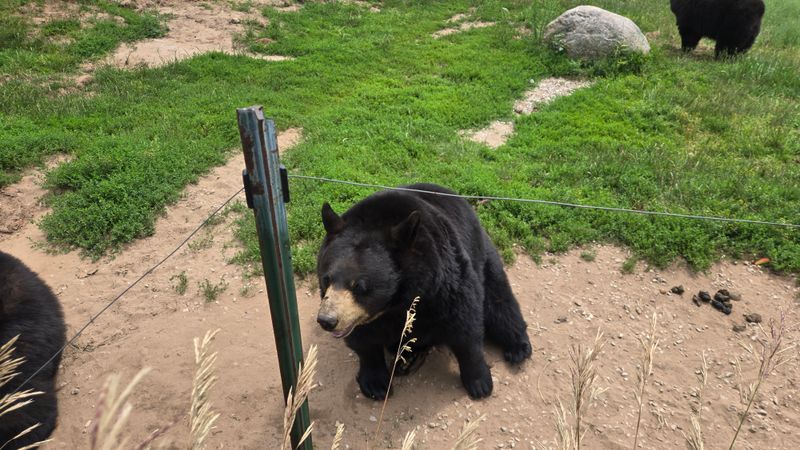
Education thrives here. School buses frequently arrive during open months, bringing students eager to see wildlife up close and experience something far beyond a classroom slideshow.
The excitement is obvious the moment they step off the bus – clipboards in hand, questions ready, and eyes scanning the tree line for their first glimpse of a bear. Being surrounded by forest instead of desks immediately shifts the energy from routine to discovery.
Guides tailor talks to different age levels, explaining conservation concepts in relatable, memorable ways. Younger students learn through storytelling and simple comparisons, while older groups dive deeper into habitat management, rescue efforts, and wildlife responsibility.
Students connect what they learn to real-time observations – watching a bear climb, splash into a pool, or carefully inspect an apple reinforces lessons instantly and makes abstract ideas tangible.
Materials emphasize safety in bear country and responsible wildlife interaction, teaching respect rather than fear. Teachers appreciate the balance between structured presentations and open exploration time, allowing students to absorb information at their own pace.
It is the kind of field trip that sparks curiosity long after the bus ride home, inspiring new questions, conversations, and maybe even future conservationists.
Accessibility and Comfort
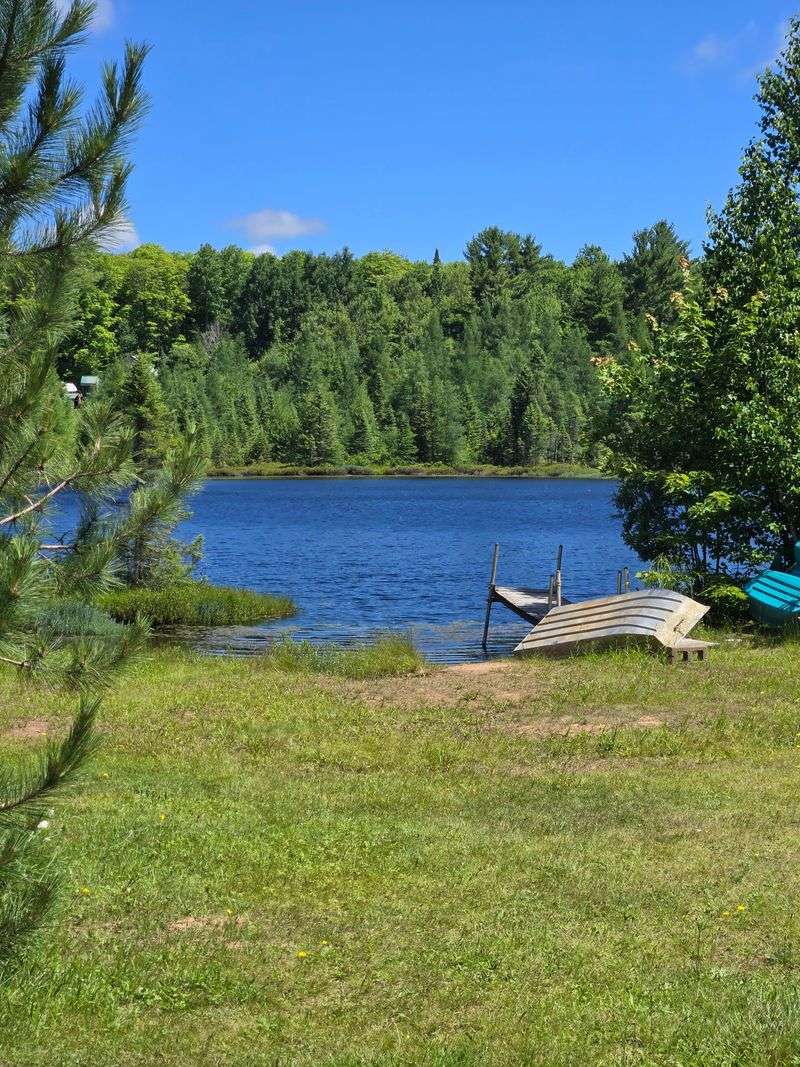
Comfort plays a major role in making the ranch enjoyable for all ages. Wide gravel paths accommodate strollers and allow for easy movement between habitats, so families never feel squeezed or rushed as they explore.
The layout flows naturally, making it simple to follow the loop without confusion or backtracking. Even on busier days, there is enough space for everyone to stop and watch without blocking the path.
Benches appear at regular intervals, providing opportunities to pause and observe longer. These resting spots often overlook prime viewing areas, which means taking a break does not mean missing the action.
Shade trees create natural cover during warmer afternoons, offering relief from the sun and making summer visits more comfortable.
Restrooms and the gift shop are conveniently located near the entrance, simplifying logistics for families with younger children. Bringing water, sunscreen, and a light jacket ensures preparedness for shifting Upper Peninsula weather, which can change quickly.
Multi-generational groups can navigate the loop at a comfortable pace. The steady rhythm of walking, observing, and resting keeps the experience engaging without becoming overwhelming or physically tiring.
Gift Shop Finds and Takeaways
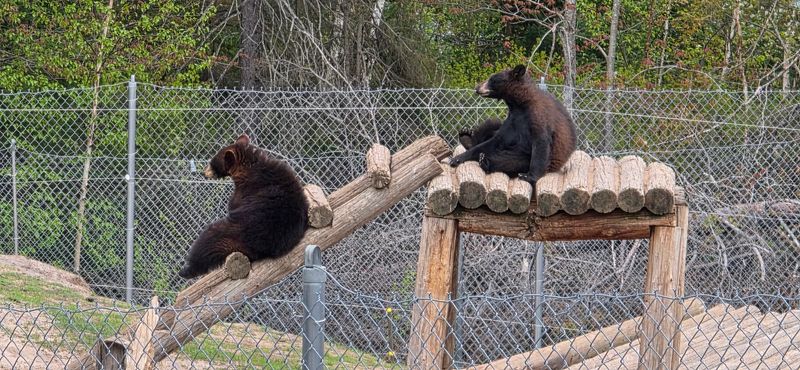
The gift shop functions as more than a souvenir stop. It acts as the final chapter of the experience, reinforcing the ranch’s mission while offering practical mementos.
Shelves feature branded apparel, plush bears in multiple sizes, hats, mugs, magnets, and stickers that appeal to both kids and adults. The selection feels curated rather than cluttered.
Prices remain reasonable, especially considering the ranch’s remote Upper Peninsula location. Card payments are accepted, which simplifies last-minute purchases.
Many visitors gravitate toward plush bears, turning them into memory markers for younger family members. Adults often choose wearable items that quietly commemorate the trip long after returning home.
Staff behind the counter frequently share additional insights about specific bears while processing purchases. These small conversations extend the educational tone of the visit.
Buying something here feels connected to the larger mission. Revenue supports the continued care and feeding of resident bears.
That context adds weight to even a small purchase.
A magnet on your refrigerator or a shirt in your drawer becomes more than a souvenir. It becomes a reminder of a place dedicated to second chances for wildlife.
The gift shop closes the loop, sending you home with something tangible tied to a meaningful story.
Share this story