Venice captivates millions with its romantic canals and historic architecture, but Europe hides countless other cities offering similar magic without the overwhelming crowds. From Belgium’s medieval waterways to Montenegro’s dramatic bay-side streets, these lesser-known destinations deliver stunning scenery, rich history, and authentic local culture.
Whether you crave alpine backdrops, Baroque squares, or tranquil lagoons, these fifteen cities prove that Venice doesn’t hold a monopoly on European charm and beauty.
Ghent, Belgium — Fairytale Canals and Medieval Grandeur
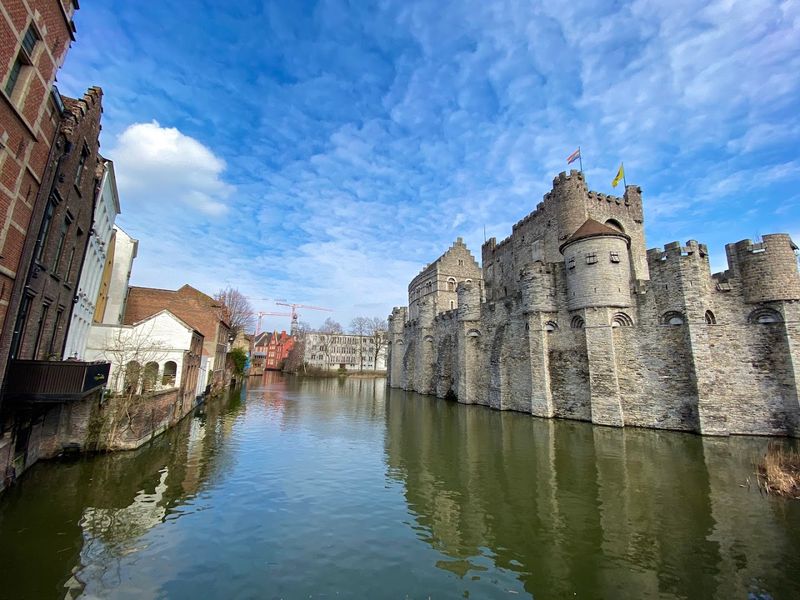
Wander along Ghent’s canals at dusk and you’ll understand why this Belgian gem deserves far more attention than it receives. Water reflects the imposing Gravensteen Castle and the soaring Belfry, creating scenes that photographers dream about but tourists often miss while rushing to Bruges.
The city’s medieval core spreads across islands connected by charming bridges, with café terraces positioned perfectly for watching boats glide past. Unlike Venice’s packed walkways, Ghent’s canal paths let you actually breathe and appreciate the architecture without dodging selfie sticks.
Local restaurants serve Belgian classics along the water’s edge, where sunset transforms stone façades into golden masterpieces.
History buffs find endless exploration in centuries-old guild houses and churches, while art lovers flock to the famous Ghent Altarpiece. The city balances university energy with old-world atmosphere, making evenings lively without feeling touristy.
Markets, festivals, and street performers add authentic Belgian character that package tours can’t manufacture.
Getting around on foot keeps things simple, and the compact layout means you’re never far from another stunning view. Ghent proves that Belgium’s canal cities offer Venice-level beauty with Belgian beer, chocolate, and hospitality as delightful bonuses worth discovering.
Aveiro, Portugal — The “Venice of Portugal” by the Atlantic
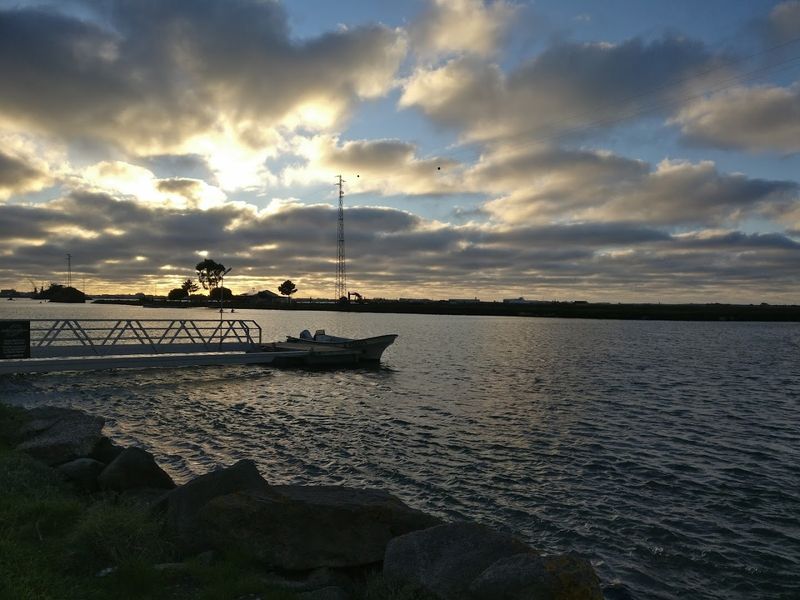
Bright moliceiro boats painted with folk art glide through Aveiro’s canals, their curved prows cutting through reflections of candy-colored buildings. This Portuguese coastal city earned its Venice comparison honestly, with waterways threading through a historic center that feels both maritime and magical.
Atlantic breezes keep the air fresh while Art Nouveau façades add unexpected elegance to the scene.
The lagoon setting gives Aveiro a different personality from inland canal cities—seabirds call overhead and salt tang mixes with the aroma of ovos moles, the local egg-yolk sweets that visitors devour by the dozen. Traditional boat tours cost a fraction of Venetian gondola rides and captains actually chat with passengers instead of treating them like cargo.
Fishermen still work the lagoon’s edges, bringing authenticity that tourist-heavy destinations lost decades ago. Tile-covered buildings showcase Portugal’s azulejo tradition, turning ordinary walls into outdoor art galleries.
The compact old town invites leisurely strolls between canal bridges, seafood restaurants, and shops selling local ceramics.
Day trips to nearby beaches add versatility that landlocked cities can’t match. Aveiro delivers maritime romance, cultural depth, and photogenic waterways without the crowds or prices that make Venice increasingly exhausting to visit.
Kuldīga, Latvia — “The Venice of Latvia” With Historic Bridges
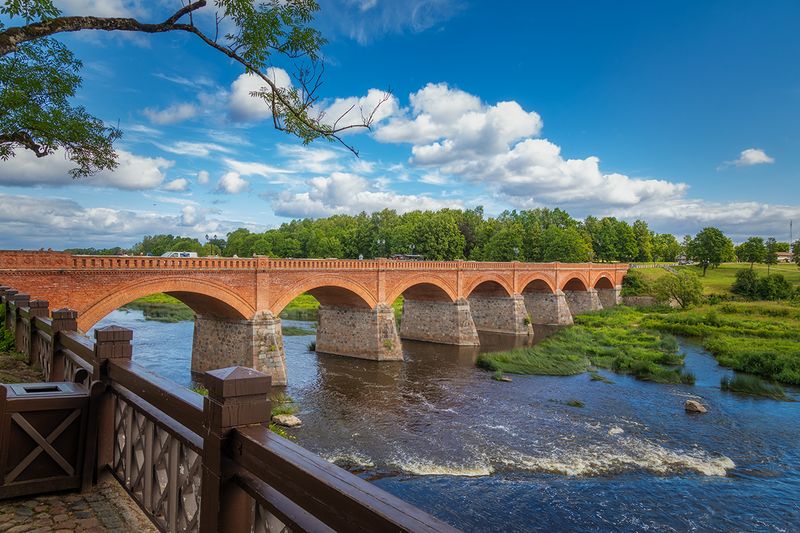
Centuries-old wooden houses lean toward the Alekšupīte River like gossips sharing secrets across the water in Kuldīga. This Latvian town moves at a pace that modern life forgot, where brick bridges arch over gentle currents and cobblestones echo with footsteps instead of traffic noise.
The scale feels intimate rather than grand, making exploration personal rather than overwhelming.
Europe’s widest waterfall, the Venta Rapid, tumbles just outside town—a natural wonder that draws photographers but somehow hasn’t brought mass tourism. Traditional festivals celebrate local heritage without becoming staged performances for visitors.
The architecture tells stories of Swedish, Polish, and Russian influences layered across Baltic history.
Walking these streets feels like stepping into a living museum where residents actually live their daily lives. Small cafés serve hearty Latvian dishes, and shop owners remember your face after one visit.
The river winds through neighborhoods where gardens spill onto walkways and cats nap on windowsills.
Summer brings long northern twilights that bathe everything in golden light, while winter transforms the town into a snow-globe scene. Kuldīga rewards travelers seeking beauty without hype, offering canal-town charm scaled to human proportions.
This hidden Baltic treasure proves that Venice-style romance doesn’t require Italian crowds or prices.
Ljubljana, Slovenia — Green Capital With Riveting Riverside Life
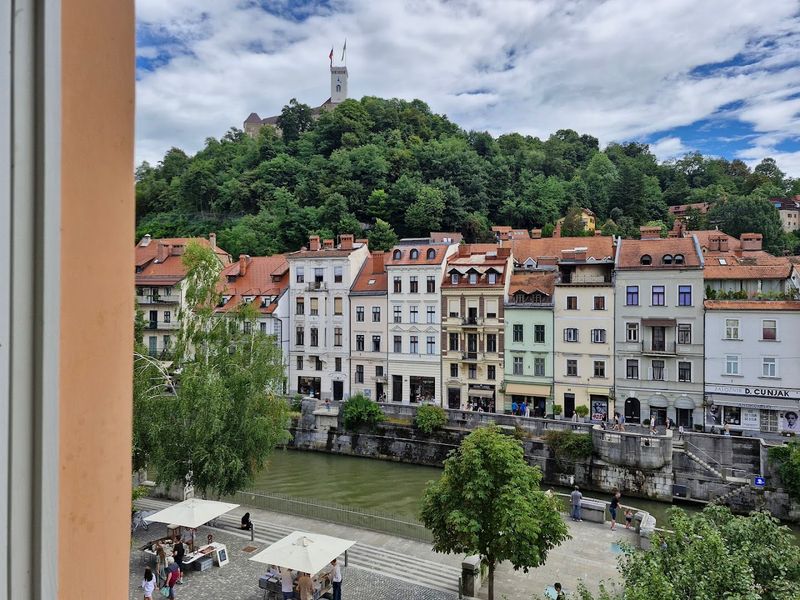
Dragons guard the bridges in Ljubljana, where Slovenia’s capital feels more like a well-kept secret than a European hub. The Ljubljanica River curves through the old town, its banks lined with cafés where locals linger over coffee for hours—a Slovenian tradition that visitors quickly adopt.
Ljubljana Castle watches from its hilltop perch while the city below buzzes with university energy and cultural events.
Traffic-free zones make exploring effortless, and the compact center means you can walk everywhere worth seeing. Architect Jože Plečnik’s distinctive bridges and colonnades add artistic flair that elevates everyday spaces into architectural moments.
Markets overflow with local produce, honey, and crafts, offering authentic interactions that scripted tourist experiences can’t replicate.
The riverside promenade transforms into an outdoor living room where street musicians play, artists sketch, and friends gather on warm evenings. Green spaces earned Ljubljana recognition as a European Green Capital, with parks and tree-lined streets tempering urban energy.
Medieval, Baroque, and Art Nouveau buildings create an architectural timeline without feeling like a museum.
Slovenian cuisine surprises visitors with influences from Italian, Austrian, and Balkan traditions. The city balances capital-city sophistication with small-town friendliness, making solo travelers feel welcome and couples find romance around every riverside bend.
Annecy, France — Alpine Canals and Fairytale Scenery
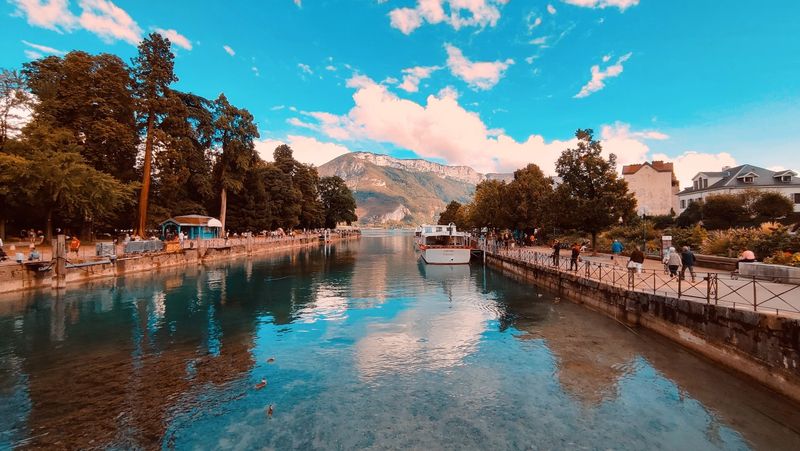
Crystal-clear water from Lake Annecy feeds the Thiou River as it winds through a French town that looks Photoshopped even in person. Snow-capped Alps provide a backdrop that Venice’s flat lagoon could never match, while pastel buildings line canals in arrangements that seem carefully curated but grew organically over centuries.
The combination of mountain air and waterside charm creates an atmosphere both invigorating and romantic.
Medieval streets spill onto canal bridges where flower boxes overflow with geraniums and locals stop to chat with neighbors. The lake itself stretches beyond the town, offering swimming, sailing, and lakeside paths that make Annecy a destination for active travelers, not just sightseers.
Markets sell mountain cheeses, local wines, and Savoyard specialties that fuel exploration.
The old town’s pedestrian zones keep things peaceful despite summer popularity—though even peak season feels manageable compared to Venice’s chaos. Cafés and restaurants spill onto cobblestones, serving tartiflette and other Alpine comfort foods alongside French classics.
Sunset paints the mountains pink while canal reflections double the beauty.
Cycling paths circle the lake, connecting Annecy to surrounding villages and beaches. This French Alpine gem delivers storybook scenery without requiring a fairy godmother’s magic, just a willingness to venture beyond France’s usual tourist circuits.
Trieste, Italy — Cosmopolitan Port City With Habsburg Flair
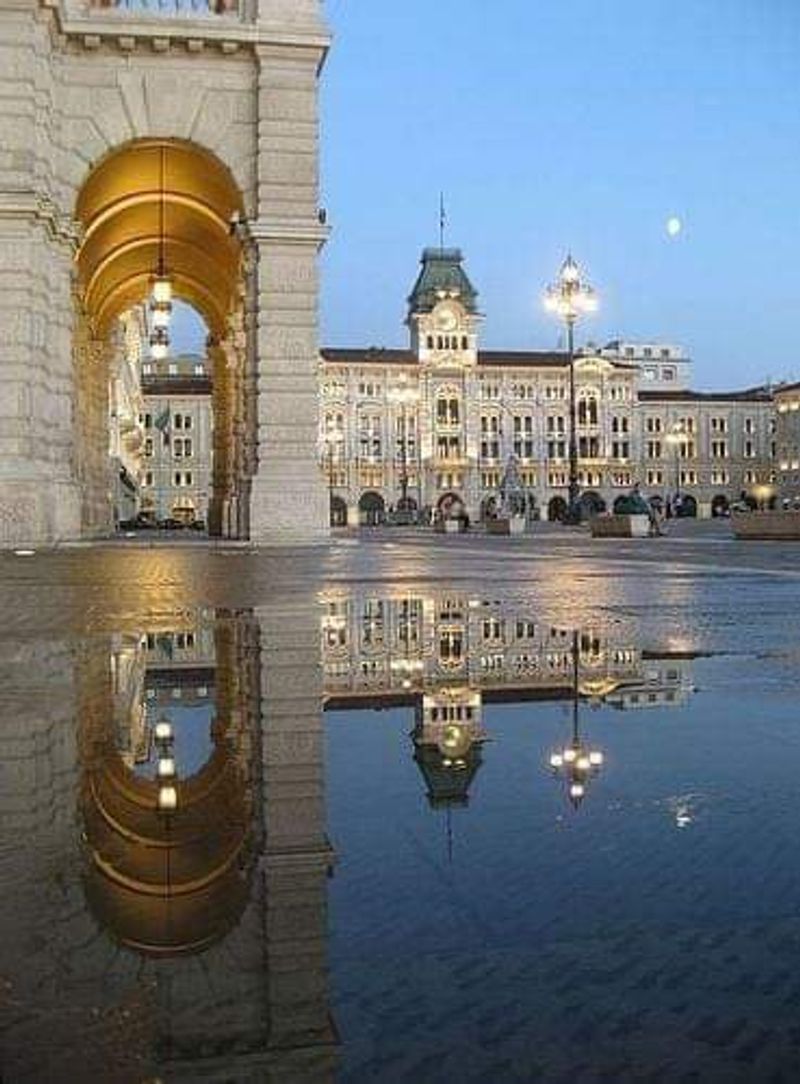
Coffee culture reaches its Italian peak in Trieste, where Habsburg elegance meets Adriatic shores in a city that feels distinctly different from the rest of Italy. The vast Piazza Unità d’Italia opens directly onto the sea, creating a theatrical setting where waves provide the soundtrack to daily life.
Grand cafés serve espresso with Viennese pastries, reflecting the city’s blended heritage.
Roman ruins hide in plain sight among Art Nouveau buildings and neoclassical palaces, each layer of history adding depth to the cityscape. The seafront promenade invites long walks with views across the gulf, while hilltop castles offer perspective on Trieste’s strategic position between cultures.
Literary pilgrims seek traces of James Joyce and Italo Svevo, who found inspiration in these cosmopolitan streets.
Local dialect mixes Italian with Slovenian and German influences, and the food follows suit—goulash shares menu space with seafood risotto. Trieste’s port identity keeps things grounded and authentic rather than precious or overly polished.
Bookshops, theaters, and cultural spaces maintain an intellectual atmosphere that universities and publishing houses have cultivated for generations.
The city rewards wandering without a fixed agenda, revealing hidden courtyards, neighborhood trattorias, and viewpoints that guidebooks miss. Trieste proves that Italian coastal beauty doesn’t require Venetian fame or Amalfi Coast prices to captivate travelers seeking substance alongside scenery.
Comacchio, Italy — Lagoon City Without the Crowds
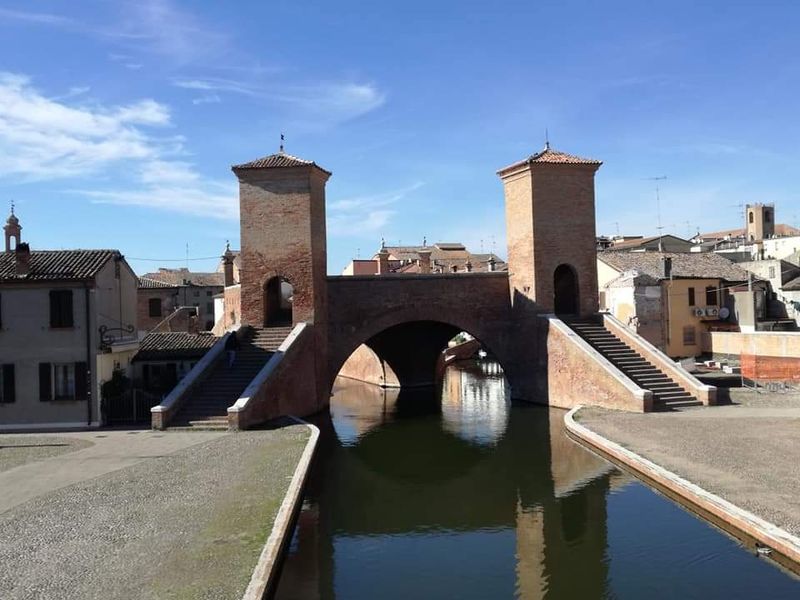
Bridges arch over canals in Comacchio like a greatest-hits collection of Venetian scenes, minus the crowds that make Venice exhausting. This Italian lagoon town spreads across islands where fishing boats still matter more than tourist gondolas, and local families have occupied the same colorful houses for generations.
The Po Delta’s wild beauty surrounds everything, bringing bird calls and marsh breezes that keep the atmosphere fresh.
Eel dishes dominate menus here—Comacchio’s fishing heritage centers on these slippery creatures that thrive in brackish waters. Traditional festivals celebrate this connection without becoming tourist shows, maintaining authenticity that disappeared from more famous destinations.
Small museums tell lagoon stories through fishing tools, boats, and photographs that capture bygone eras.
Canal reflections create photography opportunities at every turn, but you’ll actually have space to set up your shot. The pace stays relaxed even in summer, when Italians vacation here but international tourists remain blissfully unaware.
Waterside trattorias serve fresh seafood at prices that won’t drain your travel budget.
Exploring on foot or bicycle reveals neighborhood secrets—gardens hidden behind walls, elderly residents chatting from balconies, cats claiming sunny canal-side spots. Comacchio delivers the lagoon-city experience that Venice once offered before mass tourism transformed it, proving that Italy still hides gems where beauty and daily life coexist naturally.
Plovdiv, Bulgaria — Ancient Streets Meet Riverfront Charm
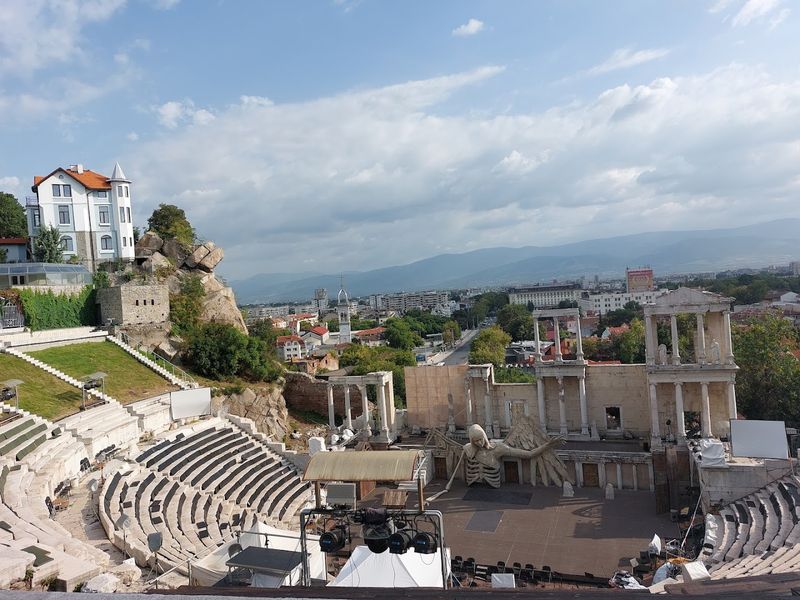
A Roman amphitheater sits casually in the middle of Plovdiv’s old town, still hosting performances after two millennia—just another day in one of Europe’s oldest continuously inhabited cities. Colorful revival-era houses lean over cobbled lanes, their overhanging upper floors creating shaded passages perfect for summer wandering.
The layers of history stack like a archaeological cake: Thracian, Roman, Byzantine, Ottoman, and Bulgarian influences blend into something uniquely beautiful.
Artists have claimed the Kapana district, transforming workshops and warehouses into galleries, studios, and cafés that pulse with creative energy. Street art covers walls with skill that elevates graffiti to genuine artistry.
The atmosphere feels young and dynamic despite ancient surroundings, as universities keep the population diverse and ideas flowing.
Climbing to the old town rewards effort with views across terracotta rooftops to distant mountains. Traditional restaurants serve shopska salad, banitsa, and other Bulgarian specialties at prices that make you check the bill twice.
Wine bars pour excellent local vintages that international markets haven’t discovered yet.
Plovdiv’s riverfront areas offer peaceful walks and parks where locals exercise, socialize, and enjoy their city. The combination of ancient history, artistic vitality, and affordable authenticity makes this Bulgarian treasure feel like Europe’s best-kept secret—a city where beauty and culture thrive without needing tourist validation or international hype.
Timișoara, Romania — Baroque Squares and Cultural Richness
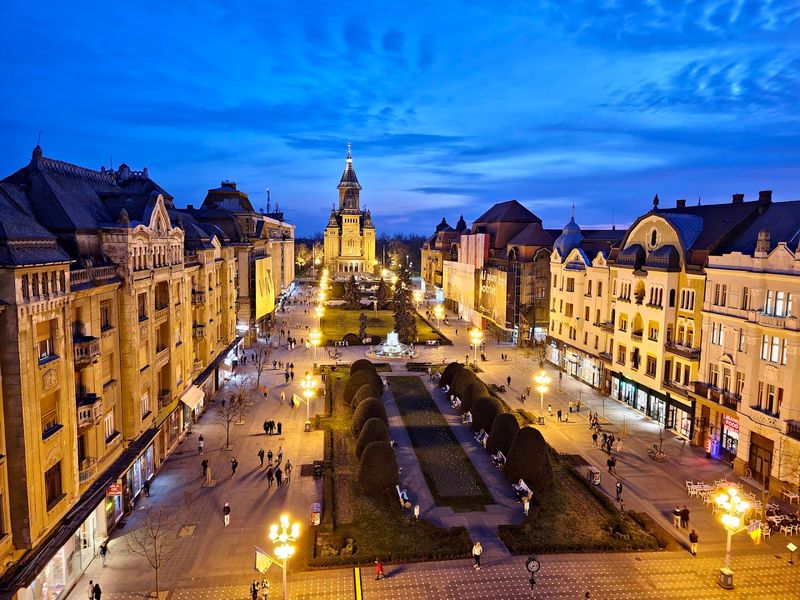
Revolution started in Timișoara’s squares in 1989, and that spirit of change still energizes Romania’s western cultural capital. Baroque buildings painted in yellows, pinks, and greens surround pedestrian plazas where café tables multiply in warm weather and music drifts from open windows.
The architecture reflects Austro-Hungarian heritage, giving Timișoara a Central European elegance that surprises travelers expecting only Eastern European aesthetics.
Three main squares—Piața Victoriei, Piața Libertății, and Piața Unirii—each offer distinct personalities and architectural styles. Orthodox, Catholic, and Serbian churches demonstrate the city’s religious diversity, their different domes and spires punctuating the skyline.
Green spaces and tree-lined boulevards earned Timișoara recognition as Romania’s first European Capital of Culture.
The Bega Canal adds waterside charm to the urban landscape, with paths popular for jogging, cycling, and evening strolls. Theaters, opera houses, and concert halls maintain an active cultural calendar that locals actually attend—not just tourist shows.
Student populations from multiple universities keep the energy youthful and the nightlife vibrant.
Romanian cuisine in Timișoara restaurants showcases both traditional dishes and modern interpretations, with prices that feel generous compared to Western Europe. The city’s understated confidence comes from genuine cultural richness rather than tourist marketing, making visits feel like discovering something valuable that others have overlooked.
Narbonne, France — Mediterranean History and Architecture
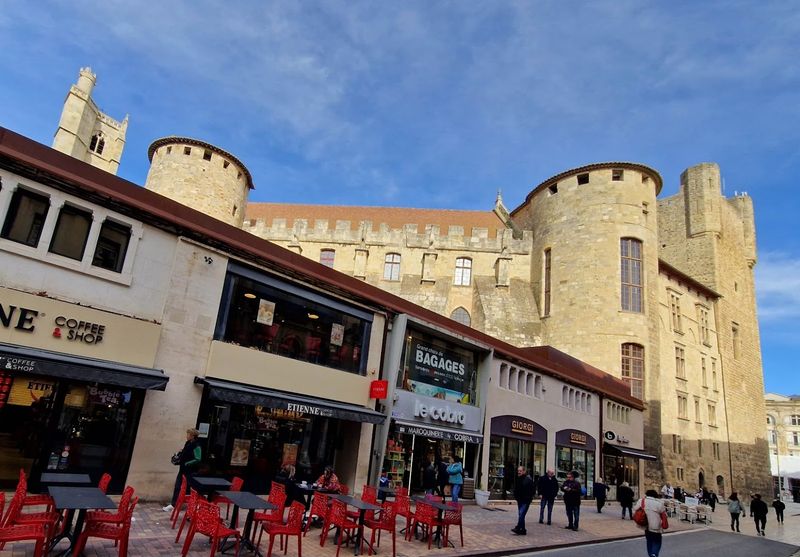
Roman stones and Gothic spires share space in Narbonne, where southern French sunshine illuminates layers of history that more famous cities would envy. The Canal de la Robine slides through town, its banks lined with plane trees and crossed by elegant bridges that frame cathedral views.
This was once a major Roman port before the sea retreated, leaving behind architectural treasures and a relaxed Mediterranean vibe.
The Archbishop’s Palace complex dominates the center, its towers and cloisters creating a medieval atmosphere that markets and festivals enhance seasonally. Roman roads lie beneath modern streets, occasionally exposed during construction projects that remind everyone of Narbonne’s ancient importance.
Wine shops and cafés reflect the surrounding vineyard culture, with Corbières and Minervois regions producing bottles that pair perfectly with local seafood.
The covered market building—Les Halles—operates daily, offering produce, cheese, olives, and prepared foods that showcase southern French gastronomy. Locals shop here seriously, discussing quality and origins with vendors who know their products intimately.
Sandy beaches lie just kilometers away, making Narbonne a base for exploring both cultural and coastal attractions.
The city’s size keeps things manageable without feeling small or limiting. Narbonne combines Roman grandeur, medieval architecture, and Mediterranean ease into a package that delivers beauty and authenticity without the crowds that plague Provence’s more publicized towns.
Sibiu, Romania — Saxon Beauty and Historic Bridges
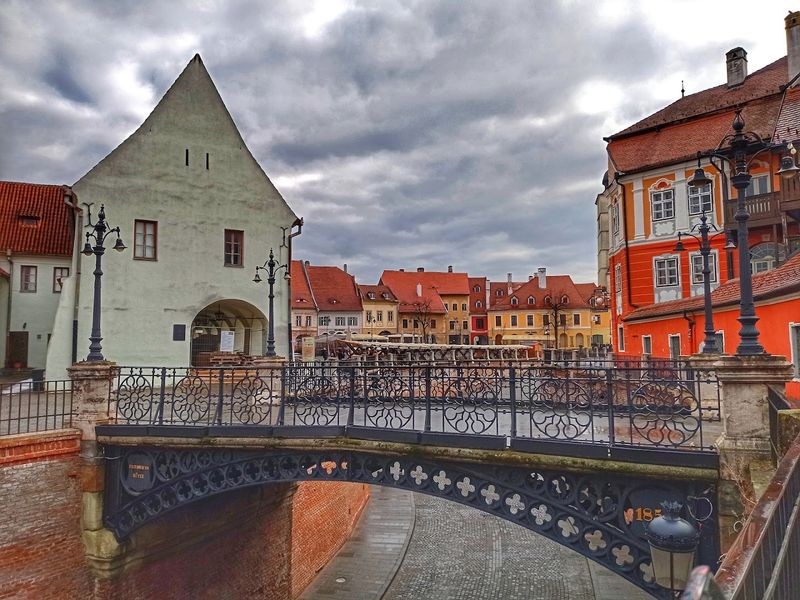
Houses watch you in Sibiu—literally, as dormer windows shaped like eyes peer from rooftops across the old town’s squares. This Transylvanian city showcases Saxon architectural traditions brought by German settlers centuries ago, creating a Central European atmosphere in the heart of Romania.
Three interconnected squares form the historic center, each surrounded by pastel buildings, outdoor cafés, and cultural venues that host year-round events.
The Bridge of Lies connects upper and lower town, carrying local legends about collapsed romances and broken promises. Medieval fortifications still encircle parts of Sibiu, their towers and walls reminding visitors of times when such defenses mattered.
Lutheran churches with their distinctive architecture stand alongside Orthodox ones, reflecting the city’s mixed heritage.
Cultural institutions punch above Sibiu’s weight class—theaters, museums, and galleries maintain programs that earned the city European Capital of Culture designation. The Carpathian Mountains provide a dramatic backdrop and weekend escape for hiking, skiing, or simply enjoying alpine scenery.
Traditional Romanian restaurants serve sarmale, mici, and other hearty dishes that fuel exploration.
Sibiu’s compact size makes walking the primary transport, and the pedestrian zones stay lively from morning markets through evening concerts. The city balances medieval preservation with contemporary energy, creating an environment where history feels alive rather than embalmed.
Romanian hospitality adds warmth that makes visitors feel welcomed rather than merely tolerated.
Brno, Czech Republic — Gothic Grandeur and Urban Calm
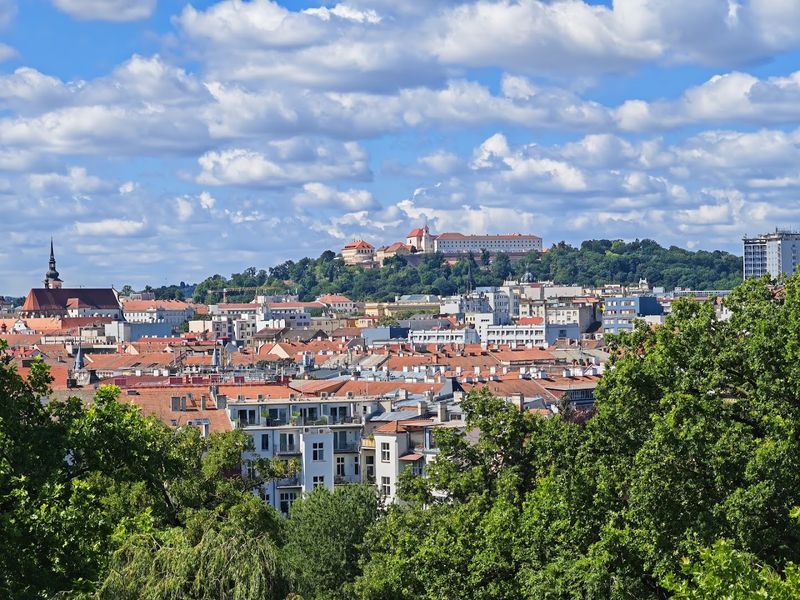
Špilberk Castle presides over Brno from its hilltop perch, a fortress-turned-museum that tells Czech history through dungeons, exhibits, and panoramic city views. Below, the Czech Republic’s second city unfolds with Gothic churches, Baroque palaces, and surprisingly modern architecture that includes Mies van der Rohe’s Villa Tugendhat.
The mix creates visual interest without Prague’s overwhelming tourist density or prices.
Cathedral of St. Peter and Paul’s twin spires define the skyline, while underground tunnels and ossuaries add mysterious depth to surface beauty. The city’s university population keeps cafés, bars, and cultural spaces buzzing with energy that feels genuine rather than manufactured for visitors.
Theaters and concert halls host performances that locals actually attend, not just tourist-targeted folklore shows.
Brno’s restaurant scene showcases Czech cuisine alongside international options, with beer culture as serious here as anywhere in the country. Traditional pubs serve pilsner and dark lagers that pair perfectly with svíčková and other national dishes.
Markets and shopping streets cater to residents rather than souvenir hunters, making browsing feel authentic.
The relaxed pace lets visitors actually absorb what they’re seeing instead of rushing between must-see attractions. Parks and green spaces provide breathing room, while the compact center keeps everything walkable.
Brno proves that Czech beauty and culture extend well beyond Prague, offering substantial rewards for travelers willing to venture beyond the obvious.
Girona, Spain — Walled Streets and Riverside Beauty
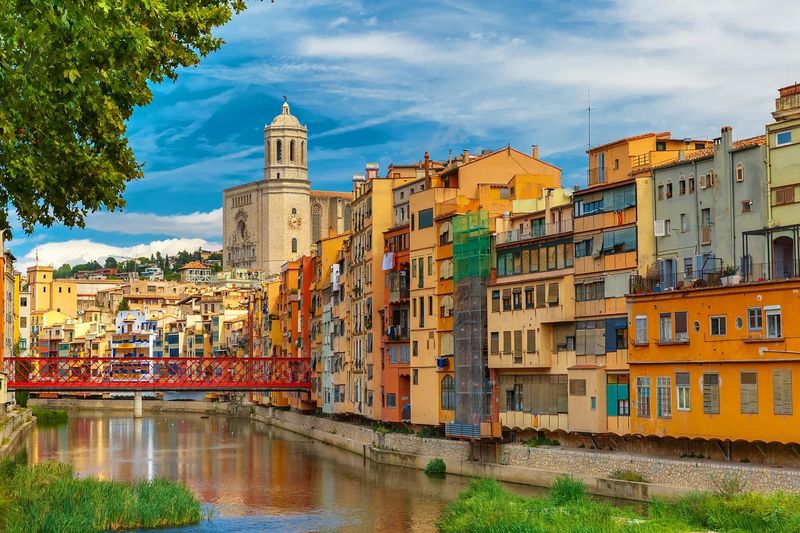
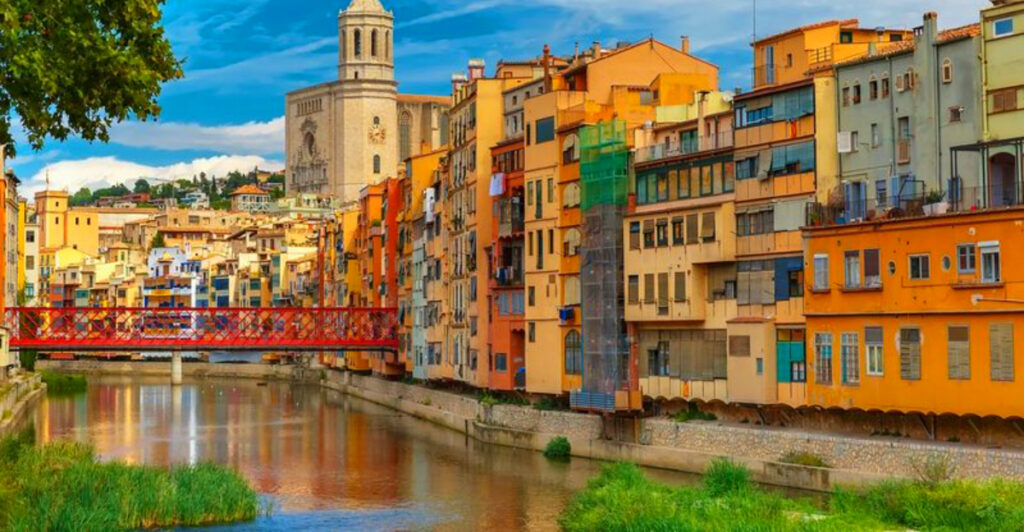
Pastel houses stacked along the Onyar River create Girona’s most photographed view, a colorful facade that hides medieval depths within the old town. Ancient city walls invite walks above the rooftops, offering perspective on how this Catalonian city defended itself through centuries of conflict.
The Jewish quarter—El Call—preserves one of Europe’s best-maintained medieval Jewish neighborhoods, its narrow lanes and stone buildings evoking centuries past.
Cathedral steps climb dramatically to a Gothic entrance, while inside, the world’s widest Gothic nave impresses with its engineering and artistry. Game of Thrones fans recognize filming locations scattered through the old town, though Girona’s beauty existed long before HBO cameras arrived.
Arab baths, monastery gardens, and archaeological sites layer history throughout walkable distances.
The food scene balances traditional Catalonian cooking with innovative approaches that earned the region culinary fame. Restaurants serve everything from simple tapas to elaborate tasting menus, often incorporating local ingredients from nearby Costa Brava fishing villages and inland farms.
Markets overflow with produce, cheese, and cured meats that make picnic assembly irresistible.
Girona’s proximity to Barcelona makes day trips easy, yet the city rewards longer stays with depth that quick visits can’t capture. The scale feels human rather than overwhelming, and tourist infrastructure exists without dominating local life.
This Catalonian gem offers medieval charm, riverside beauty, and cultural richness without requiring the crowds or costs of Spain’s more famous destinations.
Kotor, Montenegro — Bay Views and Old Town Magic
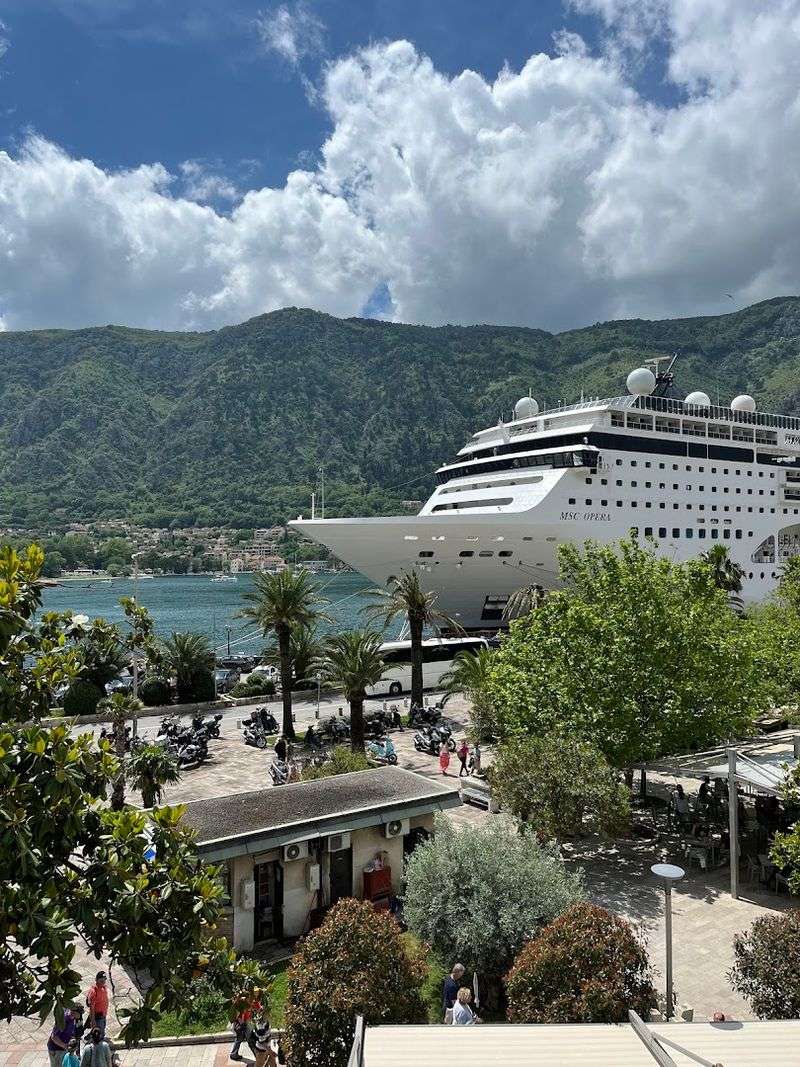
Mountains plunge into the Adriatic at Kotor, creating a fjord-like bay that ranks among Europe’s most dramatic coastal settings. The fortified old town huddles within medieval walls, its marble-paved squares and Venetian-influenced architecture earning UNESCO protection.
Climbing the fortress walls rewards effort with views that justify every steep step—the bay spreads below while red rooftops cluster within ancient fortifications.
Cats rule Kotor’s streets, pampered by residents and visitors who maintain the city’s feline-friendly reputation. Small museums, churches, and palaces fill the compact old town, offering cultural depth between café stops.
The maritime museum tells seafaring stories from when Kotor’s sailors navigated Mediterranean trade routes.
Waterfront promenades extend beyond the walls, connecting the old town to modern districts and harbors where cruise ships dock seasonally. Local restaurants serve grilled fish, Montenegrin wine, and Balkan specialties at prices that feel reasonable despite increasing tourism.
The bay’s sheltered waters stay calm enough for swimming and kayaking.
Kotor’s dramatic setting creates a sense of discovery that flatter coastal towns can’t match. The combination of mountain backdrop, medieval preservation, and Adriatic access delivers multiple types of beauty simultaneously.
While summer brings crowds, shoulder seasons reveal a quieter side where local life continues beneath the tourist surface, making Montenegro’s gem feel both spectacular and surprisingly authentic.
Annecy’s Neighbor Talloires, France — Quiet Lake Beauty
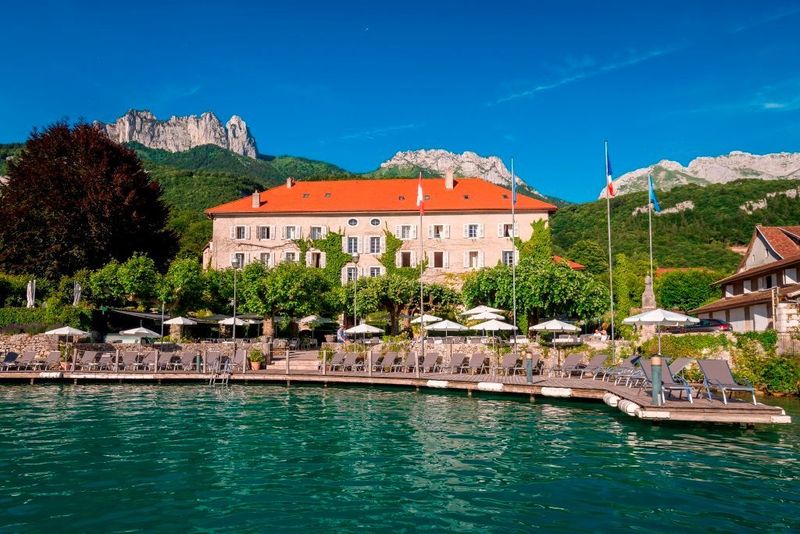
Talloires hugs Lake Annecy’s eastern shore like a secret worth keeping, a village where pastel buildings reflect in water so clear you can see the rocky bottom meters down. The setting delivers Alpine romance on a smaller, quieter scale than nearby Annecy, with fewer visitors and more opportunities to actually hear the lake lapping against ancient stone quays.
Mountain peaks frame every view, their snow-capped summits providing dramatic backdrops to peaceful village scenes.
Lakeside walks connect tiny beaches, boat launches, and viewpoints where photographers set up tripods for sunset shots. Traditional Savoyard restaurants serve local fish, mountain cheeses, and wines from nearby vineyards, often with terrace seating that maximizes lake views.
The village moves at a pace that encourages lingering over meals and conversations rather than rushing between attractions.
Historic buildings include a Benedictine abbey converted to luxury accommodations, though simpler lodging options exist for regular travelers. Water sports opportunities abound—swimming, sailing, and paddleboarding all benefit from the lake’s exceptional clarity and mountain setting.
Hiking trails climb from village level into alpine terrain where wildflowers bloom and views expand.
Talloires proves that France’s Alpine region offers Venice-level beauty in villages that guidebooks barely mention. The combination of pristine lake, mountain drama, and village charm creates a romantic European escape without the crowds, prices, or pretensions that plague more famous destinations.
Share this story