Our planet holds secrets that seem almost too incredible to be real. From salt flats that mirror the heavens to waterfalls that roar like thunder, Earth’s natural wonders continue to amaze travelers and scientists alike.
These thirteen extraordinary locations showcase nature’s power to create landscapes so unique, so breathtaking, that they exist nowhere else on the planet.
Salar de Uyuni — Bolivia’s Mirror of the Sky
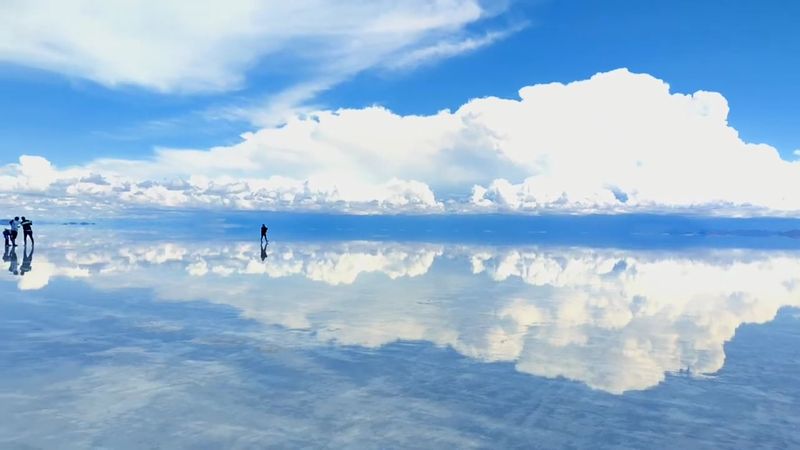
Bolivia’s Salar de Uyuni spans over 10,000 square kilometers of pure white salt crust that becomes something magical during rainy season. When water covers the surface, it transforms into Earth’s largest natural mirror, reflecting clouds and sky so perfectly that horizon lines vanish completely.
Photographers travel from every corner of the globe to capture this surreal phenomenon.
Ancient lakes dried up millions of years ago, leaving behind layers of salt several meters thick in some spots. The hexagonal patterns that form across the flat’s surface look like nature’s own tilework.
Scattered throughout are rocky outcrops called inselbergs—remnants of ancient islands that once rose above prehistoric waters.
Visitors can walk across this otherworldly expanse, experiencing the strange sensation of standing between two skies. Sunsets paint both ground and air in matching shades of orange, pink, and purple.
The experience feels less like visiting another country and more like stepping onto another planet entirely, where gravity and reality seem to follow different rules than anywhere else on Earth.
Pamukkale — Turkey’s Cotton Castle of Terraces
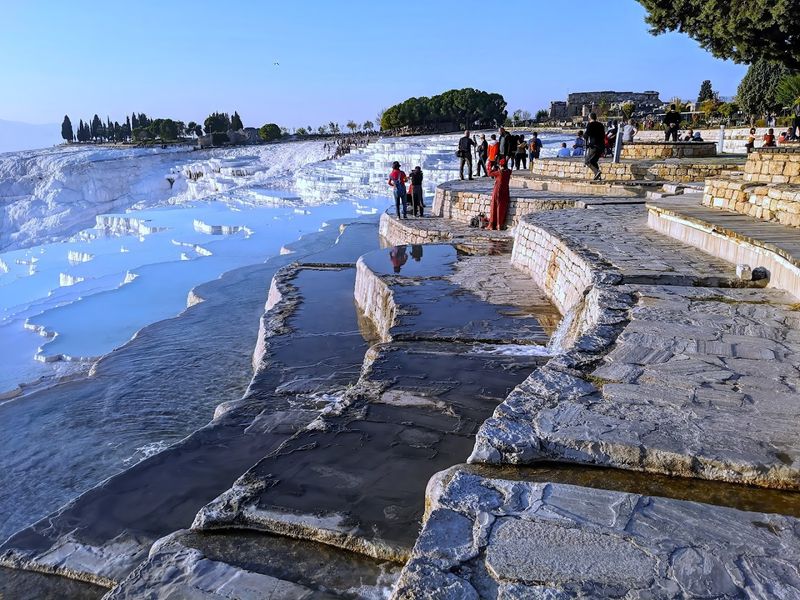
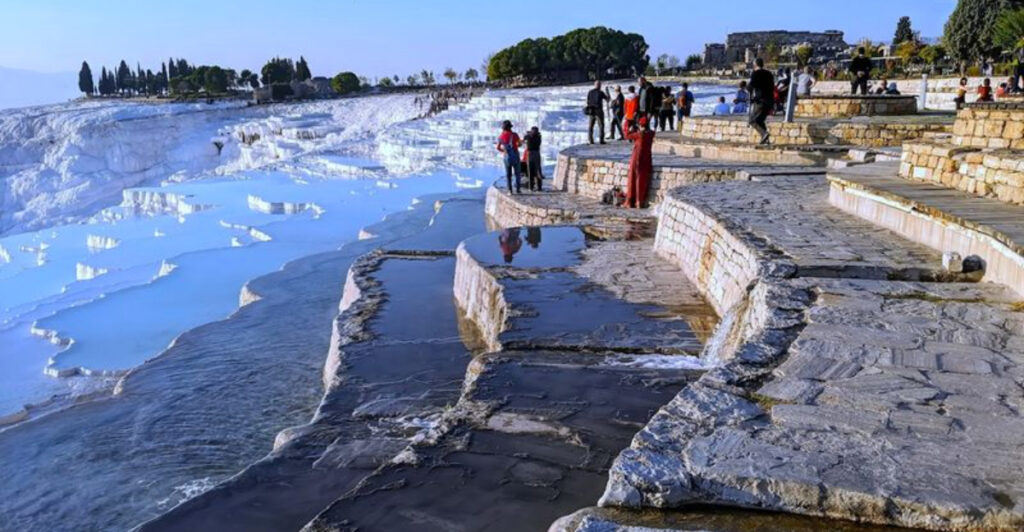
Southwestern Turkey hides a hillside that appears draped in frozen white waterfalls and fluffy clouds. Pamukkale, meaning “Cotton Castle” in Turkish, earned its name from brilliant white travertine terraces formed by calcium-rich hot springs.
Mineral-laden water cascades down the slope, depositing layers of carbonate that build up over centuries into stunning tiers and pools.
People have soaked in these warm waters since ancient times, believing they possessed healing properties. The Greco-Roman city of Hierapolis sits atop the terraces, its crumbling columns and amphitheater adding historical depth to geological wonder.
Walking barefoot across the terraces is required to protect the delicate formations, making the experience even more intimate and memorable.
The shallow thermal pools glow with brilliant turquoise hues against stark white stone. Each terrace catches and holds water like nature’s own infinity pools, creating cascading levels that seem almost too perfect to be natural.
This unique combination of specific mineral content, water temperature, and geological conditions exists nowhere else, making Pamukkale truly one of a kind.
Northern Lights — Celestial Light Shows in Polar Skies
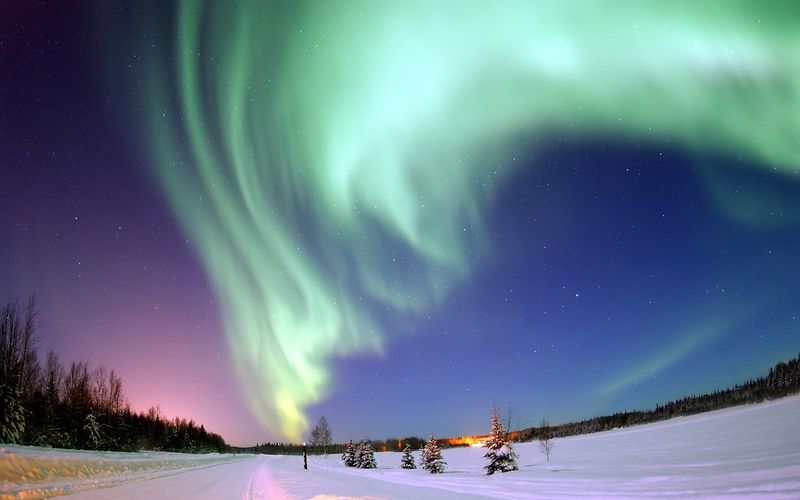
Few natural phenomena inspire as much wonder as the aurora borealis painting polar skies with ribbons of green, purple, and red light. Solar particles collide with Earth’s magnetic field and atmospheric gases, creating shimmering curtains that dance and shift across the darkness.
These cosmic light shows happen near both poles, with the northern version visible across Norway, Iceland, Finland, Canada, and Alaska.
The lights never appear the same way twice. Sometimes they hang like glowing curtains, other times they pulse and wave like living things.
Colors shift based on which atmospheric gases the solar particles strike—oxygen produces green and red, while nitrogen creates blue and purple hues.
Aurora hunters brave freezing temperatures and long dark nights for even a glimpse of this spectacle. Solar activity determines intensity and frequency, making each sighting feel like winning a celestial lottery.
Indigenous peoples across the Arctic have created countless legends to explain these mysterious lights, from dancing spirits to reflections of giant fires. Standing beneath an active aurora feels like watching the universe itself put on a private show just for you.
Pailón del Diablo — Ecuador’s “Devil’s Cauldron” Waterfall
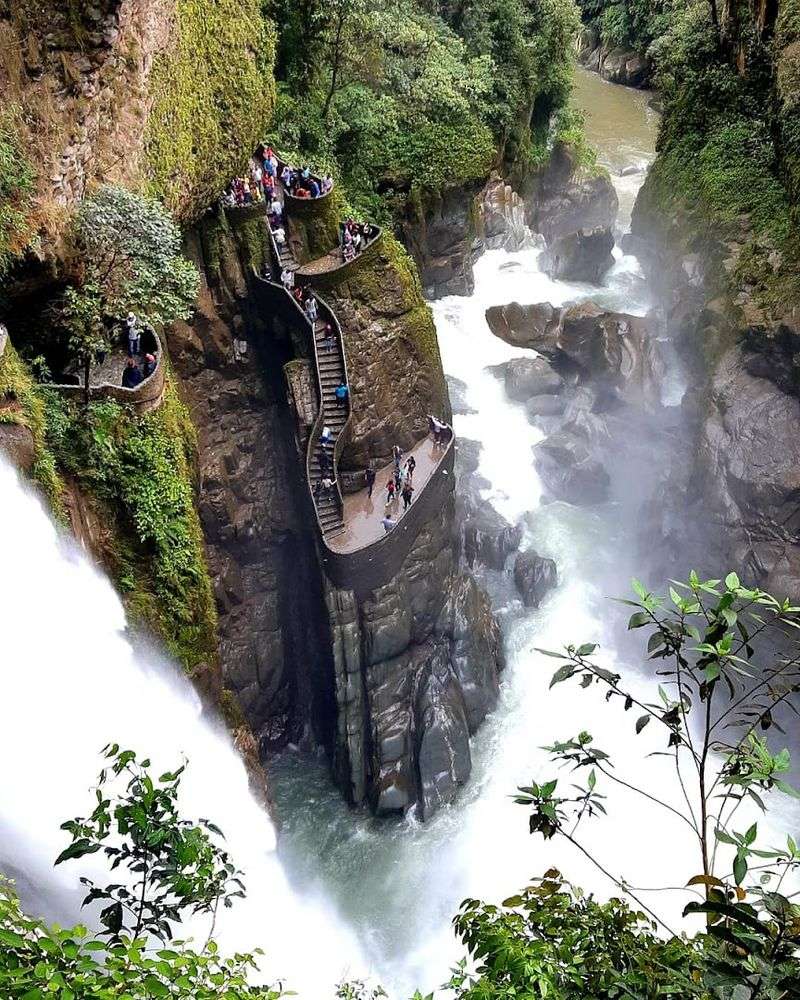
Deep within Ecuador’s cloud forests, water plunges 80 meters into a rocky basin with such violent force that early visitors named it Pailón del Diablo—the Devil’s Cauldron. The thunderous roar echoes through the gorge as water smashes against stone, sending up clouds of mist that soak everything nearby.
The name captures the raw, almost frightening power of nature on full display.
Walkways carved into cliffsides bring visitors heart-stoppingly close to the falls. You can feel the vibration of crashing water through the metal platforms beneath your feet.
Tropical rainforest wraps around the entire scene, adding layers of green vegetation, exotic birds, and the constant drip of moisture from every leaf and branch.
The combination of jungle humidity and waterfall spray creates a perpetual mist that makes the whole area feel primordial and untouched. Rainbow fragments appear and disappear in the spray as sunlight filters through the canopy.
This isn’t a gentle, contemplative waterfall—it’s nature showing off its raw strength, reminding humans that some forces remain forever wild and untamed.
Jiuzhaigou Valley — China’s Jewel of Lakes and Waterfalls
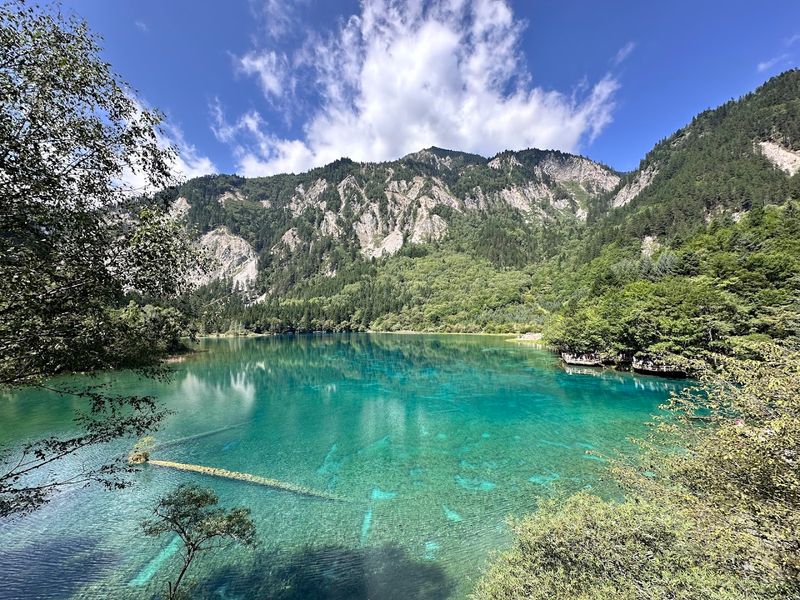
Nestled in Sichuan Province’s mountains, Jiuzhaigou Valley holds some of the most vividly colored lakes on Earth. Turquoise, sapphire, and emerald waters seem painted rather than natural, their impossible hues created by mineral deposits and unique hydrology.
UNESCO recognized this valley as both a World Heritage Site and Biosphere Reserve for its exceptional beauty and ecological importance.
Waterfalls cascade down multiple tiers like liquid staircases, feeding pools so clear you can count pebbles on the bottom. Snow-capped peaks tower above dense forests that explode with color each autumn.
The valley’s Tibetan name means “Nine Village Valley,” referring to ancient settlements once scattered throughout this remote region.
Each lake reflects surrounding mountains with mirror-like precision, doubling the visual impact of already stunning scenery. The specific combination of altitude, mineral content, and water temperature exists only here, creating colors that seem photoshopped even in person.
Wooden boardwalks wind between lakes and falls, allowing visitors to explore without disturbing the delicate ecosystems. Standing beside these jewel-toned waters feels like discovering a secret that nature kept hidden for millennia.
Pink Lakes — Australia’s Rosy Natural Pools
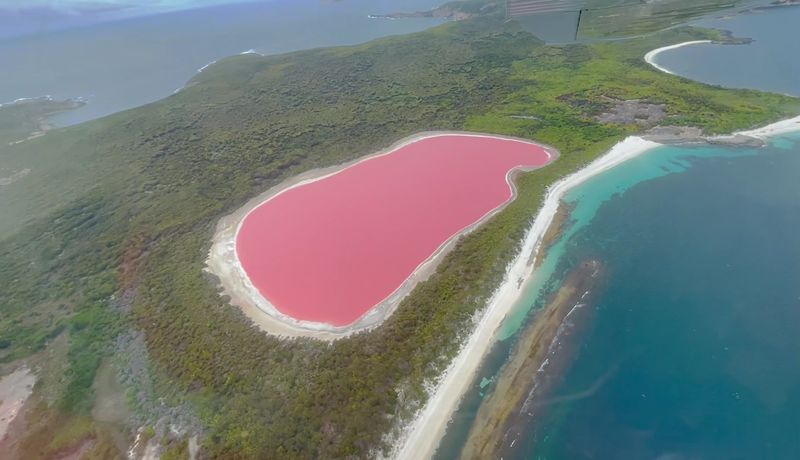
Australia hides several lakes that look like someone dumped pink paint into the water. Lake Hillier and Pink Lake display bubble-gum hues so intense they seem fake, yet the color is completely natural.
Halophilic microorganisms and algae thriving in extremely salty conditions create this surreal rosy tint, turning ordinary salt lakes into Instagram-worthy wonders.
From ground level, the effect is striking. From the air, it’s absolutely mind-blowing.
The contrast between pink water, white salt crusts, and blue sky creates a color palette that seems impossible in nature. Scientists still debate the exact mechanisms behind the most vibrant pink lakes, as the phenomenon requires precise conditions of salinity, temperature, and microorganism populations.
These lakes shift in intensity depending on season, weather, and time of day. Sunset enhances the rosy glow, making the water appear to glow from within.
The high salt content means nothing can live in these waters except the hardy microbes creating the color. Visiting feels like discovering an alien landscape without leaving Earth, proof that our planet still holds surprises that challenge everything we think we know about natural colors.
Lesvos Petrified Forest — Greece’s Fossil Time Capsule
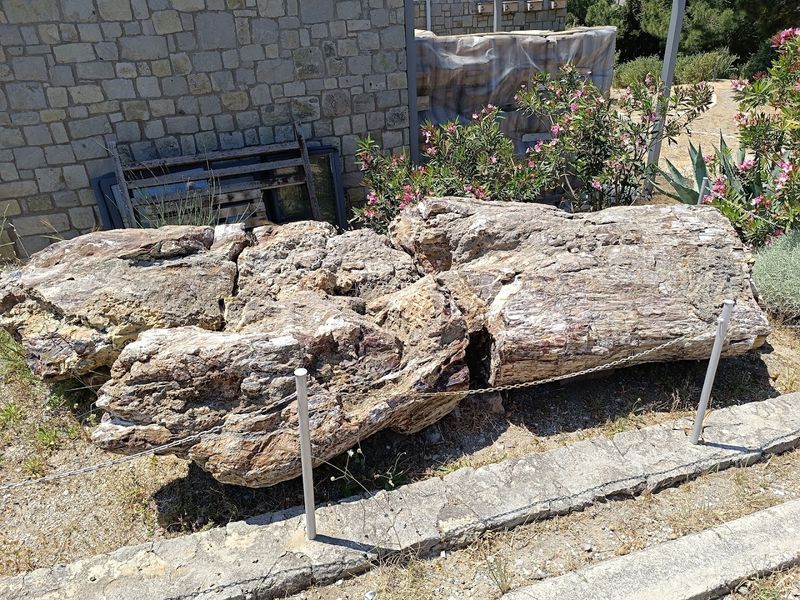
The Greek island of Lesvos harbors a forest where trees turned to stone millions of years ago. Volcanic activity buried an ancient forest, and over eons, minerals replaced organic material cell by cell, creating perfect stone replicas of trunks, branches, and roots.
Walking among these fossilized giants feels like time traveling to an era when Earth looked completely different.
Some petrified trunks stand upright exactly where they grew, while others lie fallen across the landscape. The detail preserved in stone is remarkable—you can still see bark texture, growth rings, and even evidence of ancient insects.
This sprawling fossil forest serves as a three-dimensional textbook of prehistoric climate, ecosystems, and geological processes.
Protected as a natural monument, the site lets visitors wander among Earth’s fossilized history. Each stone tree represents a moment frozen in time, a snapshot of life from an unimaginably distant past.
The forest records not just individual trees but entire ecosystems that thrived and died long before humans existed. Standing among these stone sentinels creates a profound connection to deep time, reminding us that our planet’s story spans billions of years beyond human memory.
Ever-Shifting Sand Dunes — The Sahara Desert
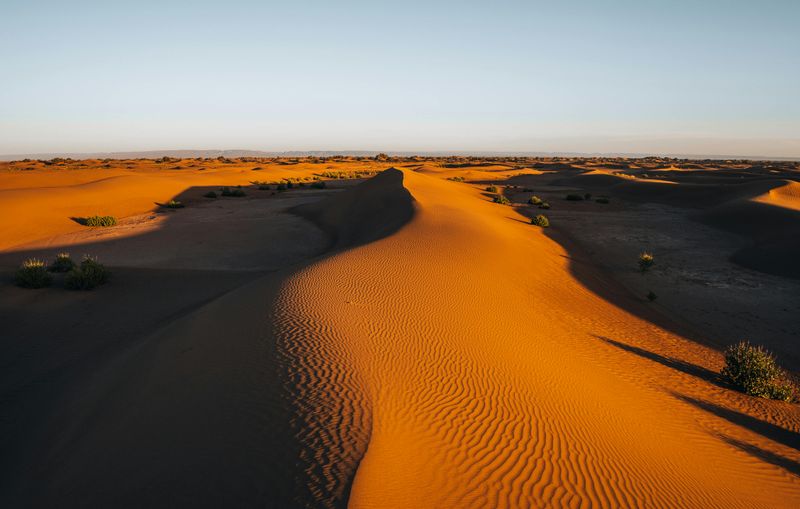
The Sahara Desert stretches across North Africa as Earth’s largest hot desert, its dunes sculpted by wind into shapes that never stay the same. Each season rearranges these massive sand formations, creating an ever-changing landscape that defies mapping.
The silence here feels absolute, broken only by wind whistling across ridges and valleys of sand.
Dawn and dusk transform the desert into a painter’s palette. Long shadows emphasize every curve and ripple while light shifts from gold to orange to deep purple.
The temperature swings are extreme—scorching days give way to surprisingly cold nights. These harsh conditions have shaped the Sahara’s stark beauty for millions of years.
Traversing these dunes challenges perception itself. Without landmarks, distances become impossible to judge.
The monotony of sand in every direction creates a meditative state, forcing travelers to exist completely in the present moment. Bedouin peoples have navigated this sea of sand for centuries, reading dune patterns and star positions like others read street signs.
The Sahara represents nature at its most elemental—just wind, sand, and sky creating a timeless world that humbles everyone who enters it.
Great Barrier Reef — Australia’s Living Underwater Kingdom
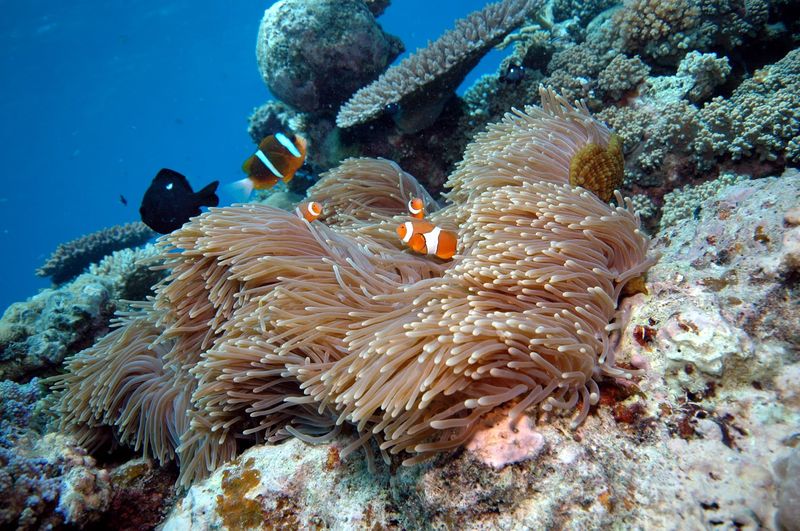
Stretching over 2,300 kilometers along Australia’s northeast coast, the Great Barrier Reef forms the largest living structure on Earth. Thousands of individual reefs and islands create ecosystems so complex and biodiverse that scientists still discover new species regularly.
From space, astronauts can see this massive reef system as a pale blue line against deeper ocean waters.
Snorkeling or diving here means entering an underwater city. Coral formations create neighborhoods where countless fish species dart between branches and fans of living polyps.
Sea turtles glide past with ancient grace. Rays undulate across sandy patches between coral bommies.
The sheer abundance of life overwhelms the senses.
The reef supports hundreds of coral species, thousands of fish species, and uncountable invertebrates in a web of interdependence millions of years in the making. Each coral polyp is a tiny animal, yet together they’ve built structures visible from orbit.
Climate change threatens this fragile ecosystem, making every visit feel precious. Floating above these gardens of living stone, watching life swirl in every direction, creates memories that last forever and respect for nature’s complexity that no textbook can match.
Milford Sound — New Zealand’s Fjord of Legends
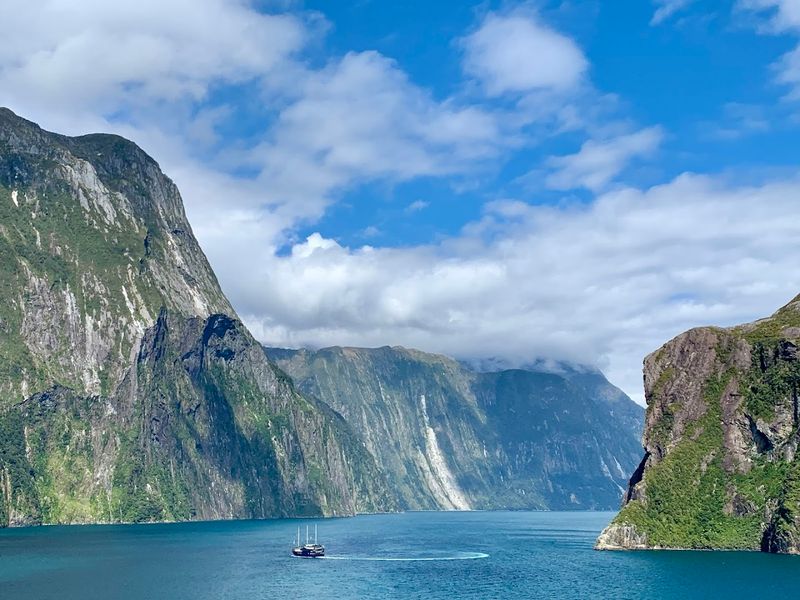
Glaciers carved Milford Sound into New Zealand’s Fiordland over millions of years, leaving behind a fjord flanked by sheer cliffs rising hundreds of meters straight from the water. Waterfalls plunge from heights that make them appear in slow motion, their white threads contrasting against dark granite faces.
Mist shrouds the sound most days, adding mystery to already dramatic scenery.
Fiordland receives enormous rainfall—over 180 days per year—keeping everything lush, green, and dripping. This constant moisture feeds countless waterfalls that appear and disappear with rainfall.
The sound’s isolation has preserved a pristine quality that makes it feel untouched by time. Rudyard Kipling called it the eighth wonder of the world, and that description still fits.
Cruising these calm waters creates an almost spiritual experience. Cliffs tower overhead, their scale dwarfing boats and humans alike.
Seals bask on rocks while dolphins sometimes play in the bow wake. The stillness between waterfall roars lets you hear your own heartbeat.
This is nature at its most majestic and humbling, a place where humans feel appropriately small before geological forces that shaped landscapes over eons. Every view seems composed by a master artist.
Victoria Falls — The Smoke That Thunders
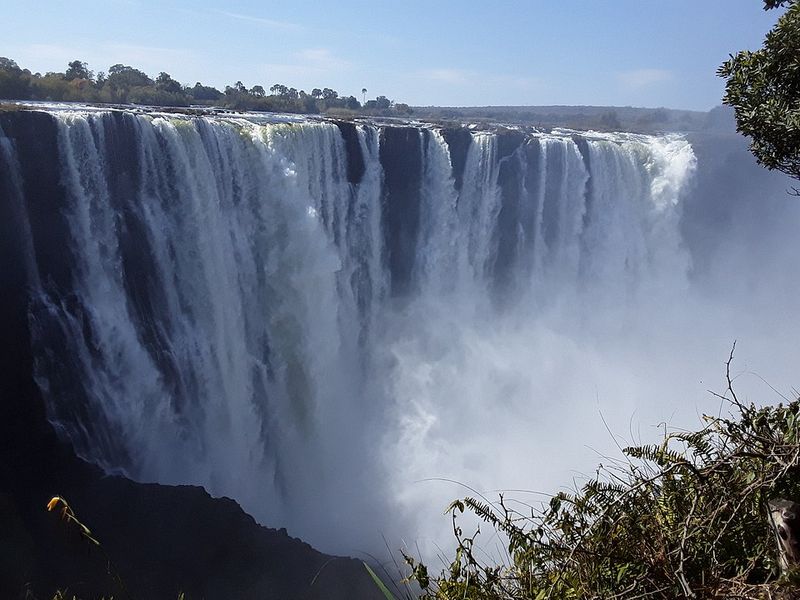
Victoria Falls announces itself from kilometers away with a cloud of mist rising hundreds of meters into the air. The Zambezi River plunges over a cliff more than a kilometer wide, creating one of the largest waterfalls on Earth by volume and width.
Local people named it Mosi-oa-Tunya—”The Smoke That Thunders”—a description far more accurate than any European name could capture.
The roar of falling water is literally deafening up close. During peak flow, over 500 million liters of water crash over the edge every minute, hitting the gorge below with force that shakes the ground.
Rainbows appear constantly in the spray, sometimes double or triple arcs painting the mist with color.
Getting close means getting soaked—the spray drenches everything within hundreds of meters. Rainforest thrives in this constant moisture, creating a lush microclimate in otherwise dry savannah.
Viewing the falls from different angles reveals new perspectives on its massive scale. From the Zambian side, you face the falls directly.
From Zimbabwe, you see their full width. Either way, the experience is overwhelming, a reminder that some natural forces remain beyond human comprehension or control, unchanged since the first humans walked this continent.
Mount Kilimanjaro — Africa’s Towering Summit
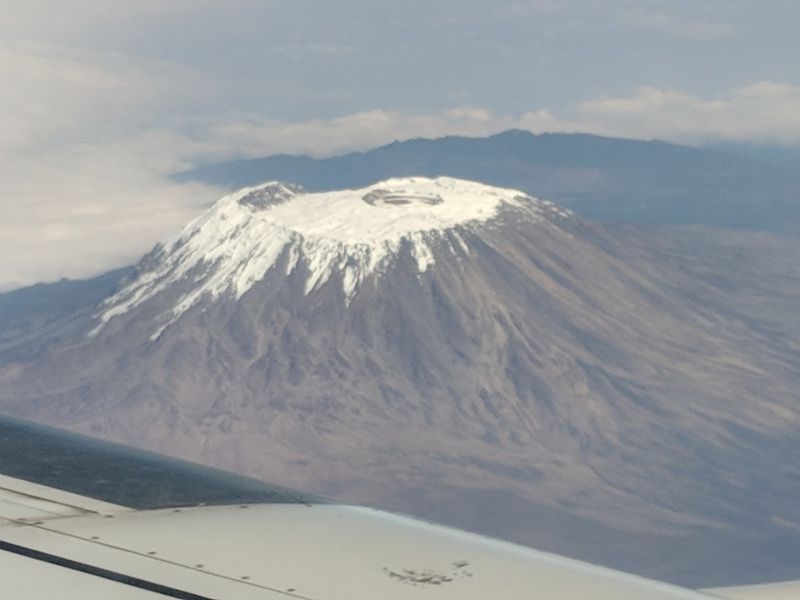
Mount Kilimanjaro rises 5,895 meters above Tanzania’s plains as Africa’s highest peak and the world’s tallest freestanding mountain. Unlike mountains in ranges that rise gradually, Kilimanjaro erupts from relatively flat surroundings, making its height even more dramatic.
Its snow-capped summit seems impossible hovering above tropical savannah and jungle—ice and snow existing almost at the equator.
Climbing Kilimanjaro means passing through five distinct climate zones in a single journey. You start in cultivated farmland, enter montane forest, cross heath and moorland, traverse alpine desert, and finally reach arctic conditions at the summit.
Each zone hosts completely different plants and animals, creating a vertical journey through ecosystems that would normally require traveling thousands of kilometers north or south.
The summit, Uhuru Peak, offers views across clouds to the curvature of Earth itself. Glaciers that have crowned Kilimanjaro for millennia are shrinking rapidly due to climate change, making each summit attempt potentially one of the last chances to see this iconic ice cap.
Standing on top of Africa, watching sunrise paint the world below in gold and orange, creates a moment of achievement and wonder that stays with climbers forever.
Share this story