Remember when a simple gesture could say everything without a word? Some once-standard courtesies quietly slipped away as life sped up and screens took over.
You still feel a spark of warmth when you see them, which makes their absence noticeable. Let’s revisit the classics you might miss and decide which ones deserve a comeback.
1. Writing Thank-You Notes by Hand
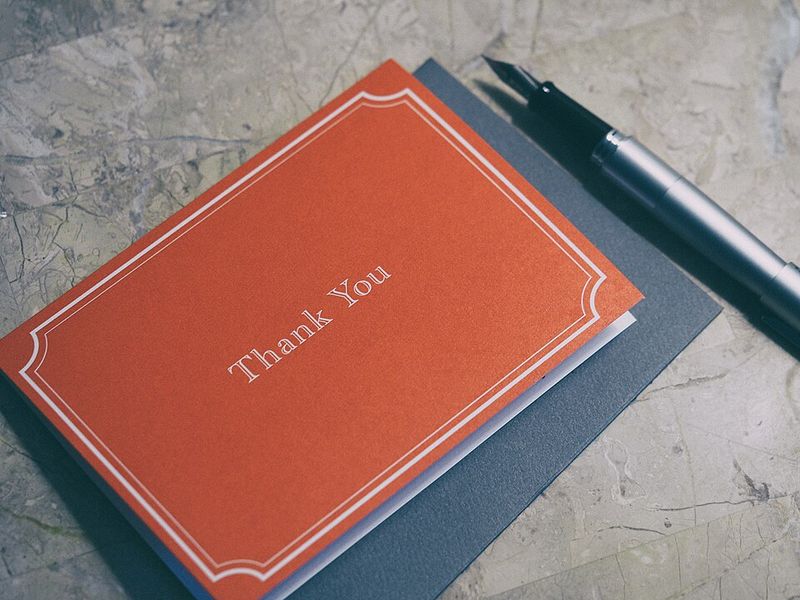
Ink on paper felt like time well spent. A handwritten thank-you note carried a little of your voice, even without hearing you speak.
The uneven loops, the crossed-out word, the flourish of a signature made gratitude feel personal and lasting. Nothing buzzed or pinged.
It simply arrived, quietly, like a thoughtful knock at the door.
Now, quick texts and emojis do the job in seconds, but they fade from memory almost as fast. You can revive the charm with a small box of cards and a simple rule: send one whenever someone goes out of their way.
Keep it short, be specific, and mail it promptly. The stamp signals effort.
The envelope invites a smile. And your thanks lingers longer than a notification.
2. Standing When Someone Enters the Room
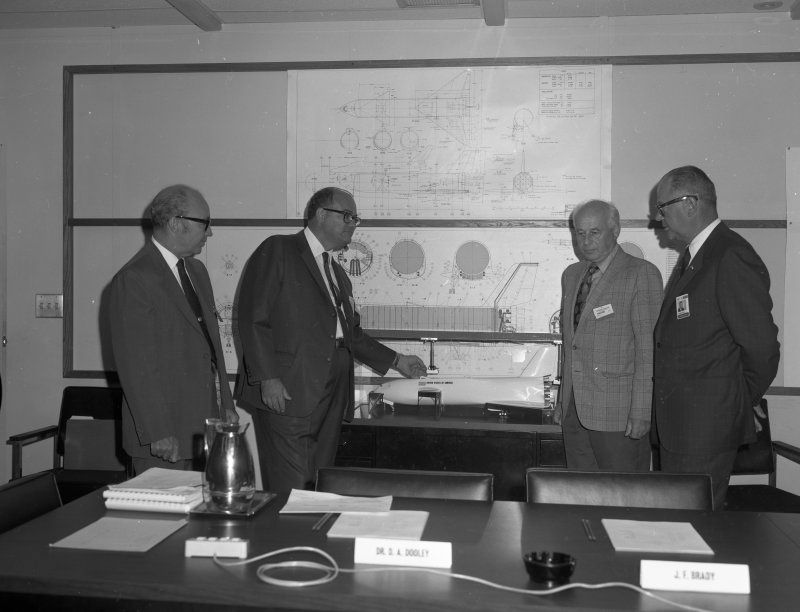
Chairs scraped softly and conversations paused. Standing when someone entered once said you noticed them and made space, literally and socially.
It was small, visible, and immediate. In offices, classrooms, and living rooms, the gesture framed arrivals with respect.
No speech required, just feet on the floor and attention offered.
Today, the habit reads formal or even theatrical in casual circles. You can still use a lighter version: uncross your arms, make eye contact, and offer a genuine greeting.
If the moment calls for it, rise. You will not look old-fashioned, only considerate.
The key is not performance, but presence. People feel welcomed when you actively shift focus toward them.
3. Offering Your Seat Without Hesitation
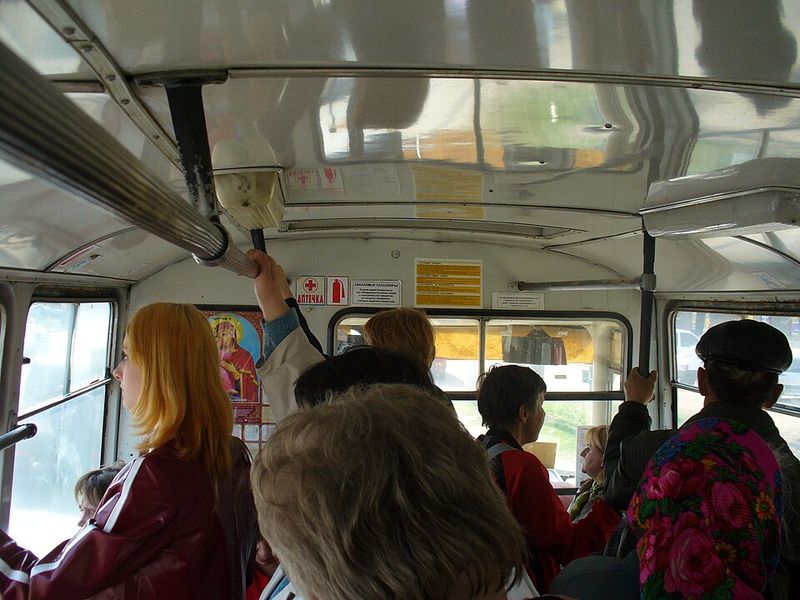
In packed trains, kindness once beat convenience. You saw a cane, a belly, a tired face, and your knees popped up before thoughts did.
There was no pause to audit guilt or calculate stops. You just moved, smiled, and nodded at the thanks that followed.
Streets felt softer for it.
Now, headphones and screens create bubble worlds. Still, the rule is clear: if someone could use the seat more, offer it.
Do not overthink who qualifies. Ask with a simple May I offer you this seat and step aside.
If they refuse, sit back down without fuss. Courtesy is not a performance.
It is a quiet, useful reflex that keeps public space human.
4. Calling Instead of Texting for Important News

Big news deserved a real voice. You could hear breath catch, laughter swell, or concern soften.
A call let silence do its own talking. Text bubbles cannot carry tone without effort, and even then, it is guesswork.
For life’s turning points, the human voice mattered.
Today, urgency blurs with convenience. You can still choose the call for engagements, losses, diagnoses, or difficult updates.
Ask Is now a good time and proceed with care. Follow with a short message only if details need to be saved.
Your voice will steady theirs better than any perfectly punctuated line. Important news should feel held, not dispatched.
5. Addressing Adults as “Mr.” or “Mrs.”
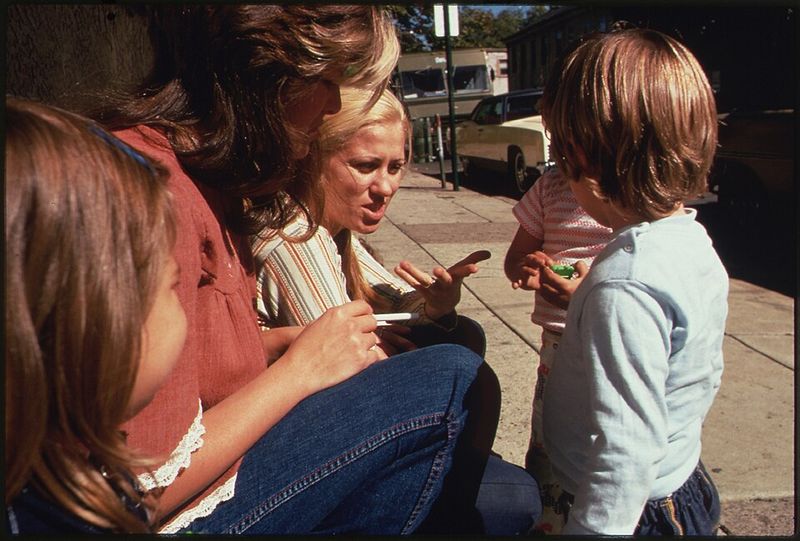
Titles once framed relationships. Mr, Mrs, and Miss created respectful distance until invitation closed the gap.
You knew where you stood, and that clarity felt safe. In communities and classrooms, it reduced awkwardness, especially across generations.
Formality did not erase friendliness. It simply set a respectful baseline.
First names now rule, which is fine when everyone is comfortable. If uncertain, start formal and let people relax it.
You can also ask What do you prefer to be called before guessing. Respect grows when you signal it early.
Titles may be less common, but the thought behind them never went out of style.
6. Waiting to Be Introduced
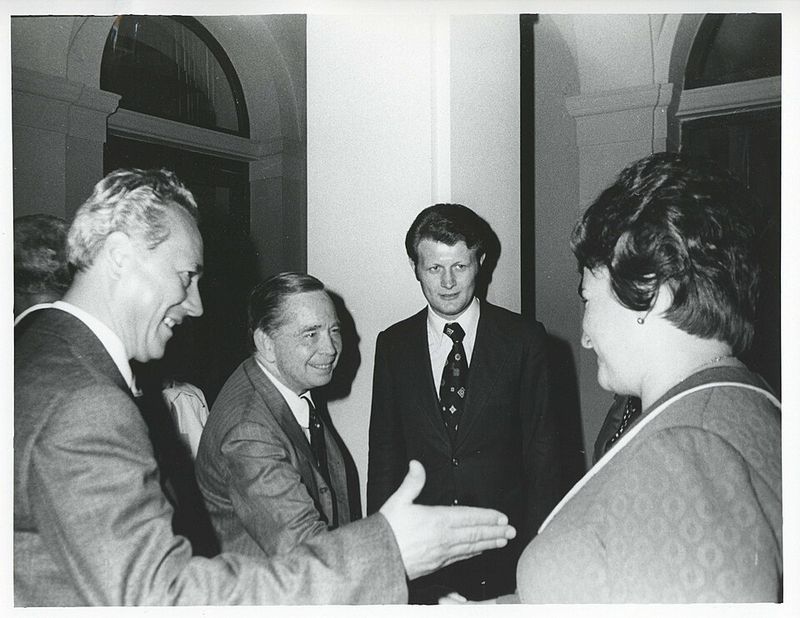
Rushing in felt rude once. You waited for a host to bridge the gap, offering names and a thread to start talking.
That pause prevented awkward misfires and gave shy people cover. The ritual slowed the room just enough for everyone to get their footing.
It made conversations easier, not colder.
Now, mingling often means self-introductions. Still, you can read the room.
If a host is guiding connections, let them. Otherwise, step up with a warm Hi, I am Sam, great to meet you and add context.
Name tags help, but tone helps more. Begin gently and people will follow your lead.
7. Removing Hats Indoors
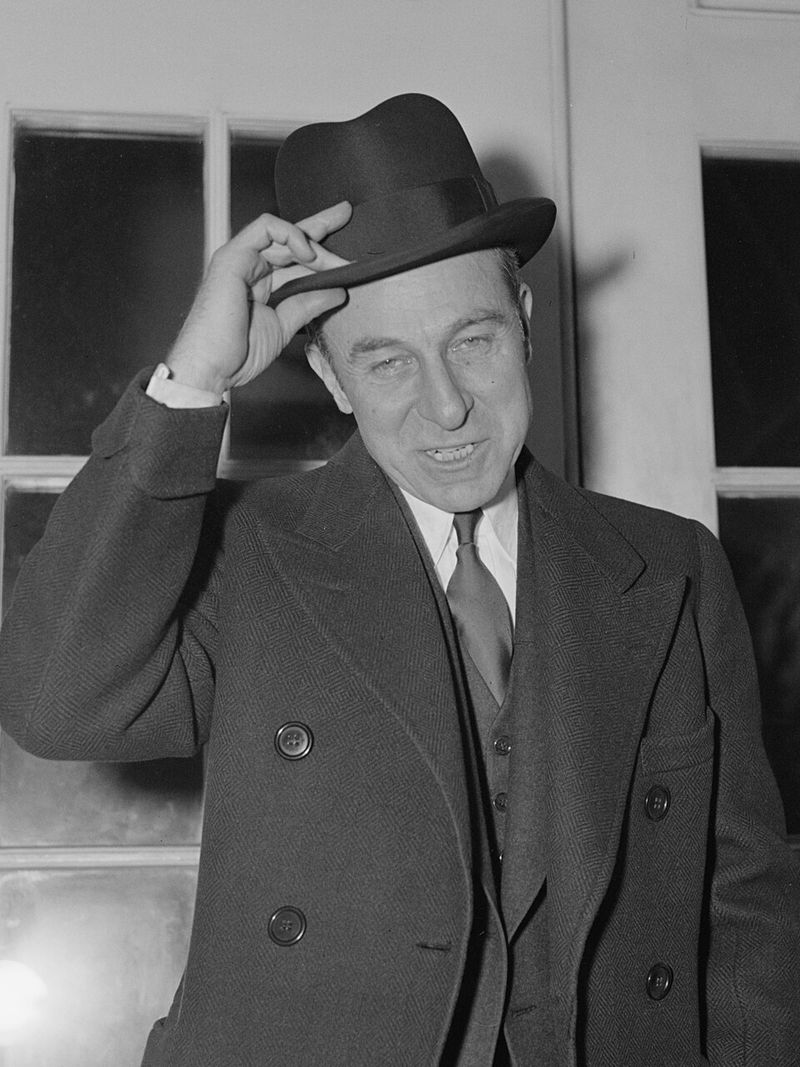
Doors closed, hats came off. The motion was automatic, like wiping your feet.
It signaled you were present, unguarded, and attentive to others. Even in noisy rooms, a bare head read as deference.
The habit needed no announcement. It was simply the done thing.
Now, fashion blurs rules and spaces feel more casual. When in doubt, remove the cap in homes, restaurants, churches, and formal settings.
No lecture attached, just a quick, quiet courtesy. If your hair is a disaster, no one will mind a moment of vulnerability.
You are among people, not weather.
8. Sending RSVPs Promptly
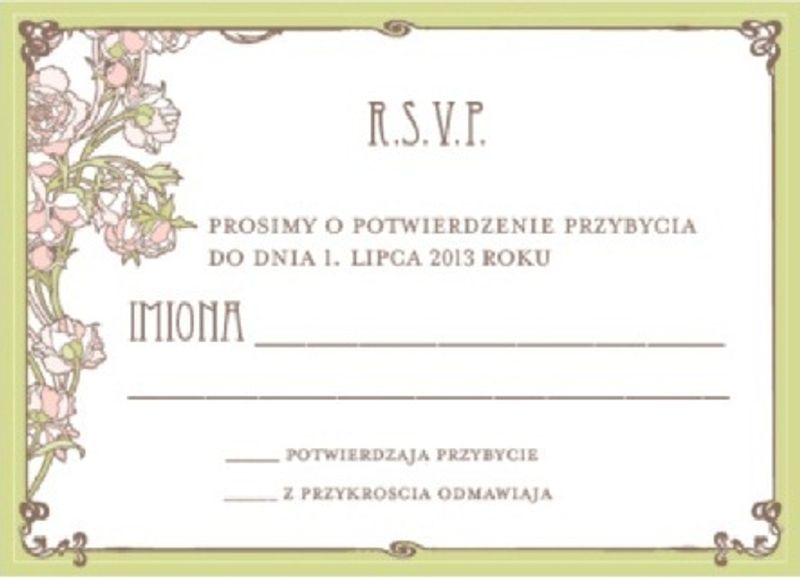
Hosts used to count chairs, not guesses. Prompt RSVPs spared waste and anxiety.
A quick yes or no meant plates, portions, and place cards could be right the first time. You did not leave people hanging.
You respected the work behind the invitation.
Today, group chats blur responsibility. Do better with one rule: respond within 48 hours, even if it is a tentative note.
If plans change, update immediately. Being decisive is a kindness, not a chore.
Your reply might be the difference between chaos and comfort for someone who welcomed you in.
9. Keeping Elbows Off the Table
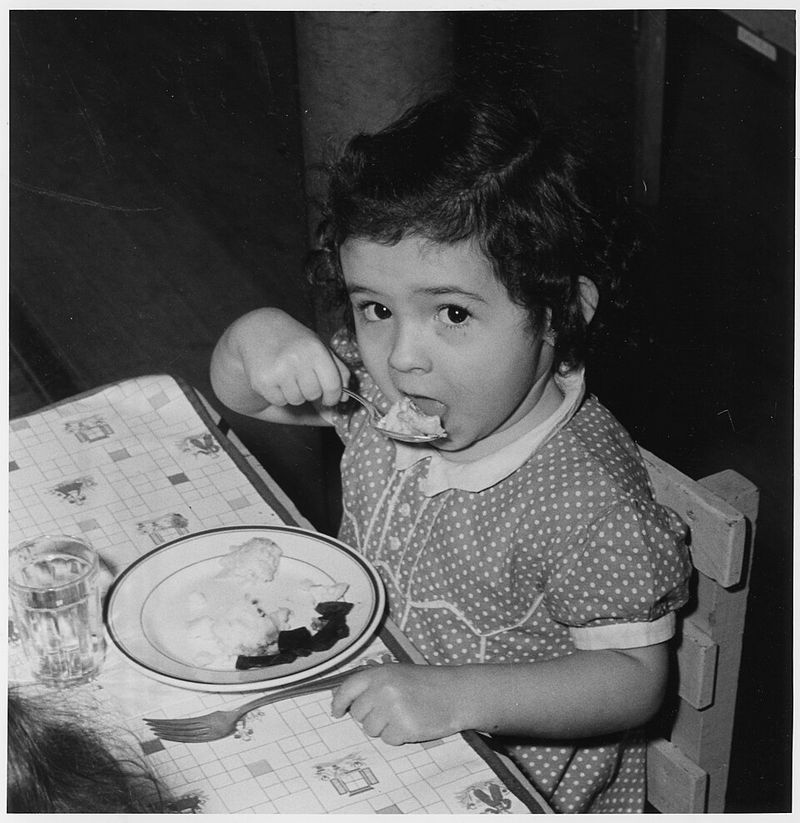
Grandmothers policed elbows like air-traffic control. The rule trained posture and kept plates from jostling.
It also created tidy lines that made conversation easier across shared dishes. Whether the origin was practical or picky, the habit shaped calm, considerate meals.
You looked engaged without sprawling.
Modern tables are looser. Still, during service, keep forearms light and leave space for everyone.
Rest elbows between courses or after plates are cleared. Think less about punishment and more about room.
The table is for food first and gestures second. Comfort and courtesy can sit together.
Good table manners are really about awareness. Notice how much space you take and adjust with ease.
When everyone feels uncramped and included, the meal flows better and the company shines.
10. Walking on the Outside of the Sidewalk
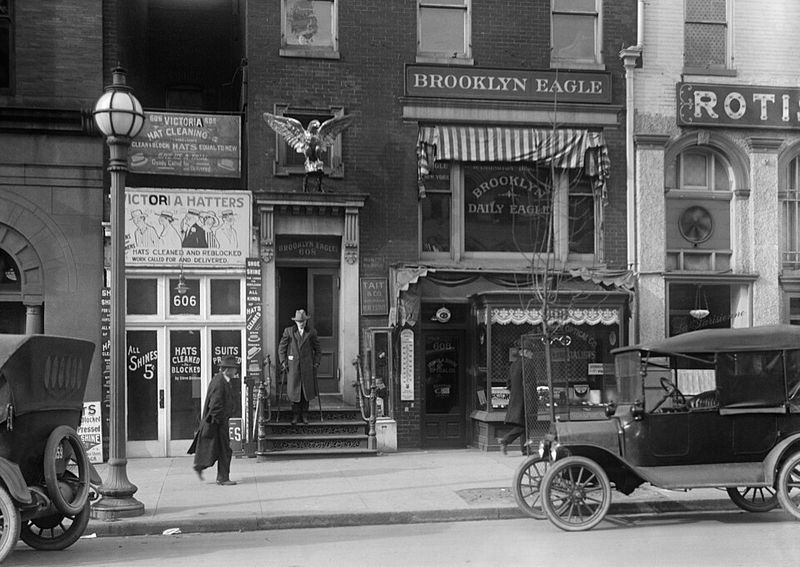
Curbs once carried mud, horses, and splashes. Walking nearest the street served as a small shield from grime and surprise.
The meaning evolved into a quiet sign of care. It never needed a speech, just a gentle side-step and a little awareness.
People noticed and often smiled.
Today, traffic is different, but signals still matter. If you are able, take the curb side on busy blocks or near puddles.
Swap sides for wheelchairs, strollers, or uneven pavement. Protection is flexible, not possessive.
The point is to think ahead and move with someone else in mind.
It is not about outdated rules. It is about attentiveness.
Small adjustments in shared spaces show consideration without saying a word. Thoughtfulness, even in motion, still stands out.
11. Waiting for Everyone to Be Served
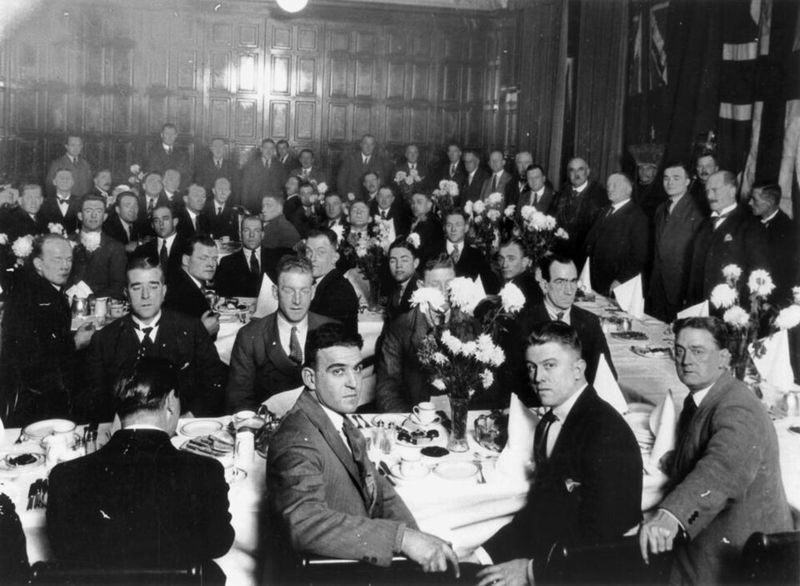
Forks hovered, not landed. Waiting until all plates were down honored the cook and the group.
The pause created a shared starting line that made meals feel communal. No one watched another eat alone.
That small synchronization turned dinner into an experience, not a race.
Today, delivery windows and kids’ schedules stretch patience. Set a simple rule: if plates are hot, invite people to begin, otherwise hold for a moment.
Hosts can say Please start while it is warm to remove pressure. Courtesy should warm the room, not let food go cold.
Togetherness tastes better when it begins together.
12. Keeping Personal Conversations Private
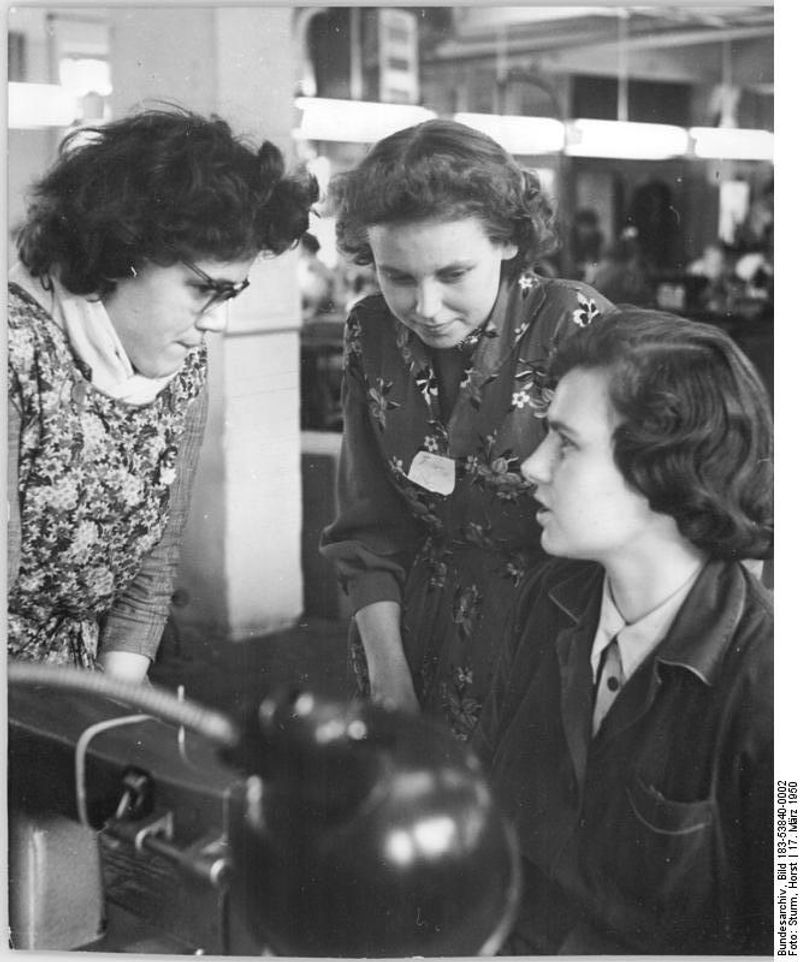
Sensitive talk used to stay behind closed doors. You picked quiet corners, lowered your voice, and spared bystanders the details.
Privacy was not secrecy. It was respect for everyone’s comfort.
The room breathed easier when drama was dialed down.
Speakers and open plans tempt oversharing now. Choose discretion instead.
Save tough topics for private spaces. Text less when emotions run hot.
Ask Is this a good time to talk and step outside if needed. People nearby will thank you silently, and the conversation will be clearer without an audience.
Protecting privacy also protects relationships. When conversations are handled thoughtfully, trust deepens instead of frays.
Not everything needs a stage, and some moments are stronger when shared quietly.
13. Introducing Yourself with a Firm Handshake
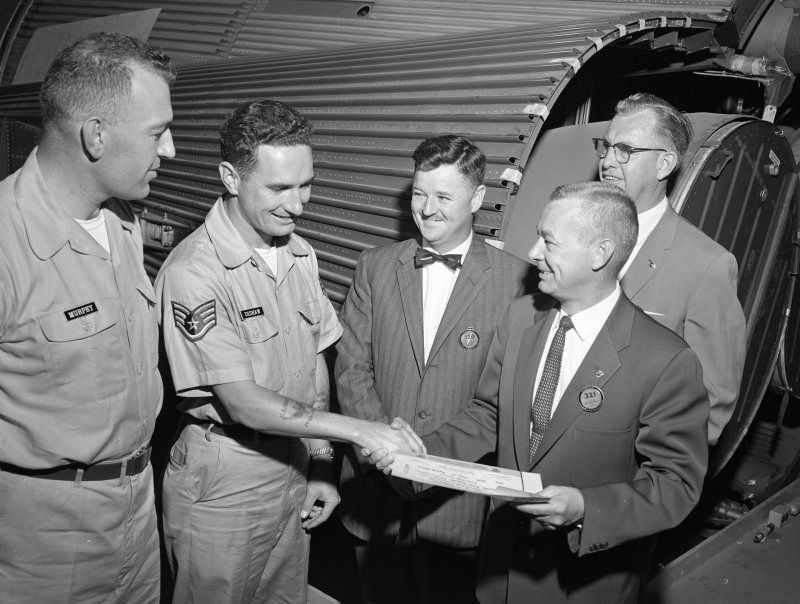
Palm to palm used to seal the moment. A firm, dry, two-pump handshake conveyed presence without theater.
You met someone and literally met them halfway. Eye contact did the rest.
That brief connection set a respectful tone faster than any bio could.
Now, cultural comfort varies, and some prefer fist bumps or a nod. Adapt graciously.
If offered a hand, return with steady pressure and a smile. If not, match their cue with warmth.
Introductions are about reassurance, not grip strength. Keep it clean, brief, and confident.
What matters most is the signal you send. Be present, say your name clearly, and focus on the other person for those first few seconds.
First impressions may be quick, but they linger longer than we think.
14. Offering to Help Without Being Asked
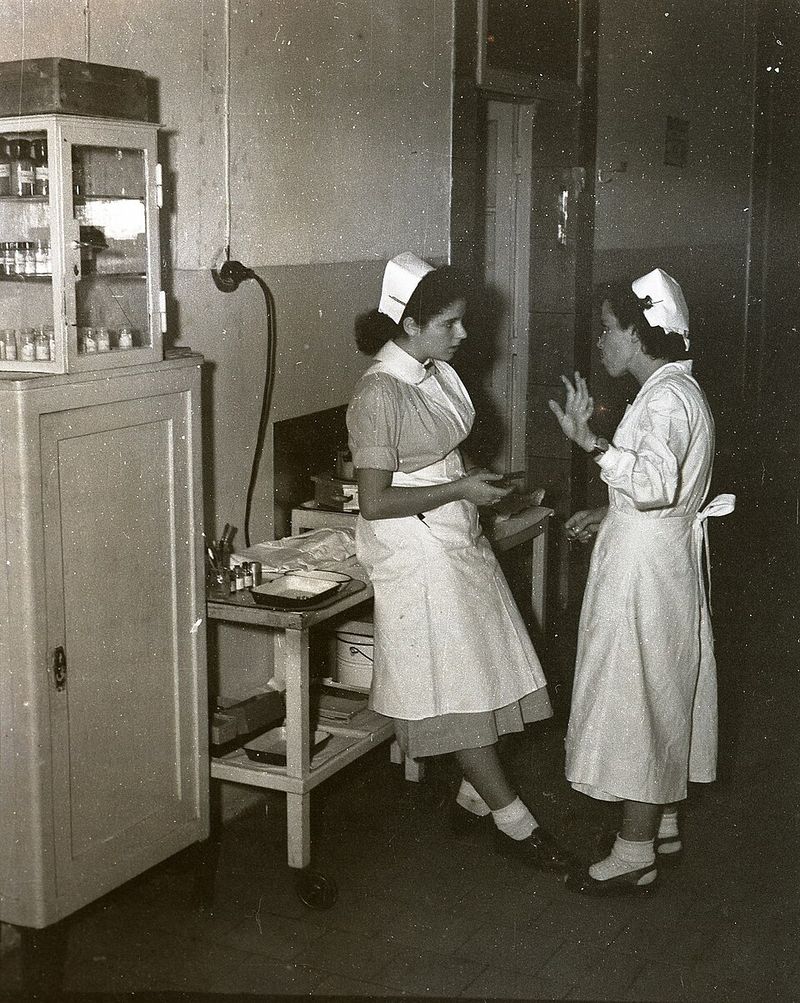
Dinner ended and sleeves rose. Guests stacked plates, ran water, and asked where the towels lived.
It was not performative. It was teamwork in a home.
Hosts felt seen, and goodbyes felt lighter because the mess was halved.
These days, many say Sit, I have got it. Offer anyway.
Ask What can I knock out in five minutes. If they decline, respect it, but handle something tiny like taking trash out.
Help should ease, not awkward. Your host will remember the gesture long after the last glass dries.
Small acts signal shared responsibility. They turn a gathering into a shared experience rather than a service.
And the next time you host, that kindness often finds its way back to you.
15. Listening Without Interrupting
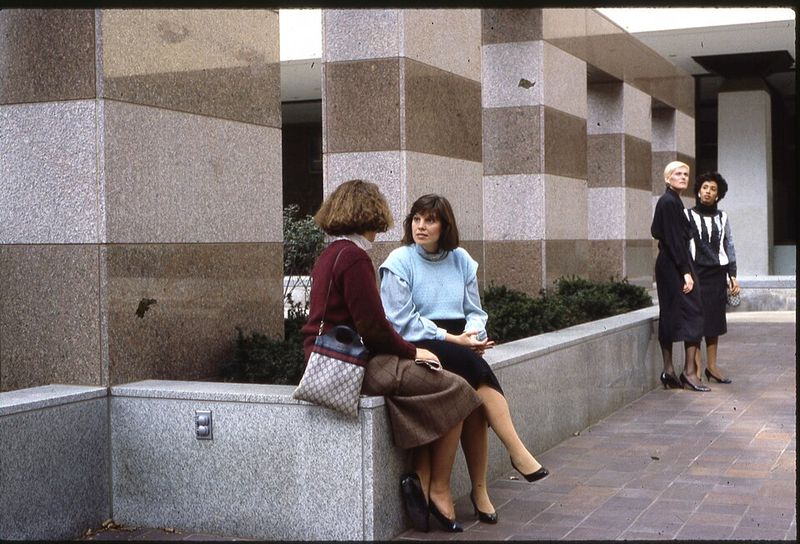
Quiet once felt powerful. You let stories land before launching yours.
Pauses were not empty, they were generous. People opened up because they felt safe to finish a thought.
Trust grows best in that kind of silence.
Now, fast chats reward quick cuts. Try resisting the impulse.
Count to two after they stop. Reflect back one key point before adding yours.
If excitement bubbles up, say Hold that thought for me and return the floor. Good listeners make better friends, partners, and leaders.
The room always notices.
You’ll also notice conversations go deeper when no one feels rushed. Misunderstandings shrink because you actually hear what was said.
In a world that competes to be loud, calm attention stands out.
Share this story