Place names are more than dots on a map, they are snapshots of moments, motives, and sometimes mischief. From radio show dares to internet-age stunts, towns have gambled on identity and won attention.
You will meet places that swapped labels for pride, politics, and playful marketing. Keep reading and see which changes still echo today.
1. Truth or Consequences, New Mexico
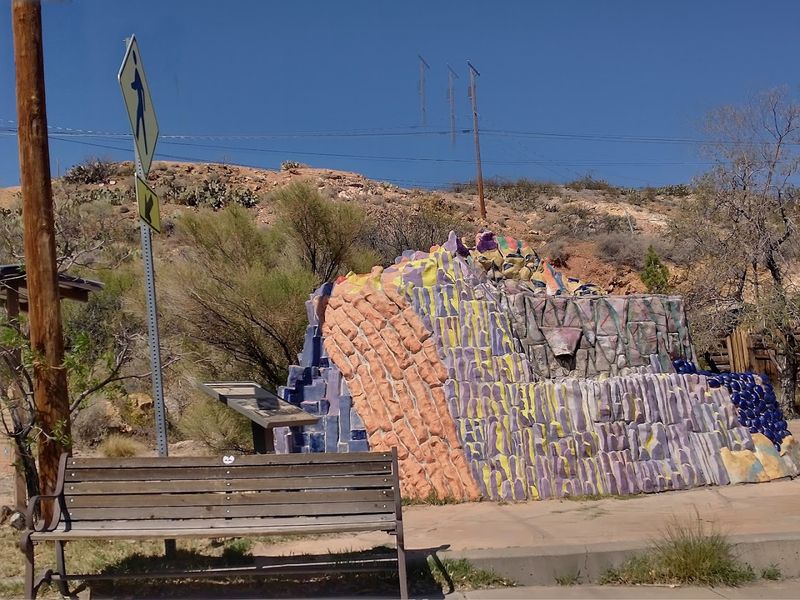
In 1950, Hot Springs said yes to a bold challenge from the hit program Truth or Consequences. The promise was simple: rename the town and host a national broadcast.
Residents voted, the signposts changed, and the microphones arrived. You can still sense the showbiz sparkle in the annual fiesta that honors the moment.
It was a marketing move with staying power, not just a one-day stunt.
What makes the change sing is how it bridged entertainment and place. The decision delivered attention when small towns fought to be seen.
Decades later, the name reads like a dare that paid off. It shows how identity can flex without losing soul.
You are reminded that maps can evolve as quickly as culture does.
2. DISH, Texas
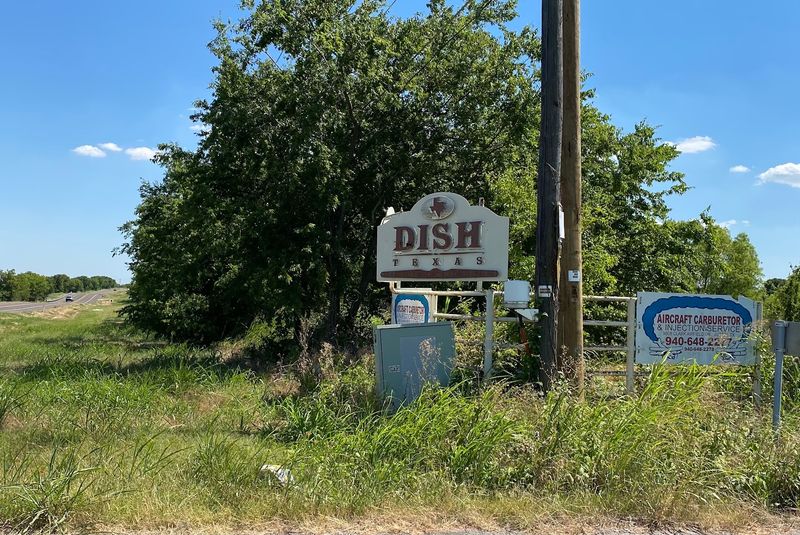
In 2005, Clark struck a deal with a satellite TV provider and officially became DISH. The bargain brought free service for residents for ten years.
For a community of modest size, that translated into real household savings. The new name looked blunt on the map, but the math penciled out.
People still debate whether branding traded too much, yet the benefits were tangible.
After the perk period ended, the name remained, a souvenir of a calculated leap. Some residents liked the clean modern ring; others missed Clark.
You can understand both views. Still, the experiment proved that even place names can become currency.
In DISH, the signal was clear: sometimes a title pays the bills.
3. Santa Claus, Indiana
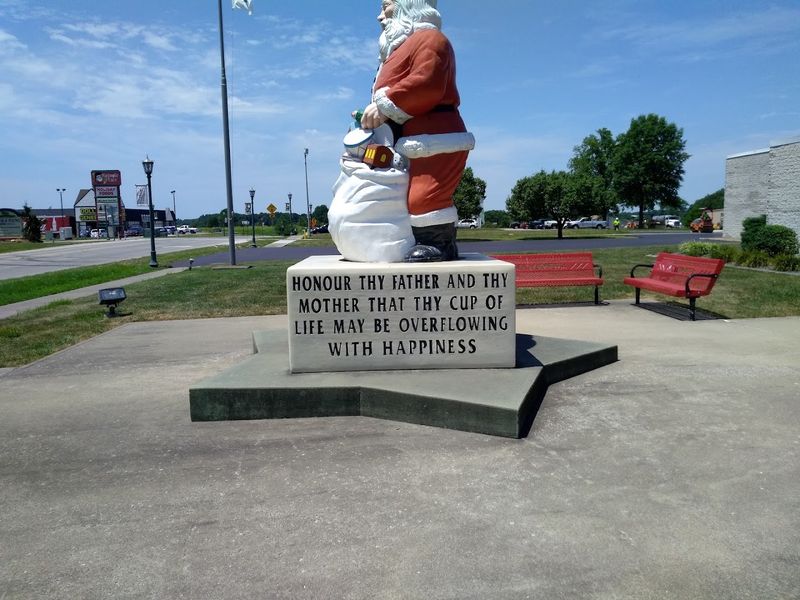
Originally Santa Fe, the community had to rethink after postal officials flagged duplicates in 1856. Residents chose Santa Claus, swinging for unforgettable.
The post office became a magnet every December as children’s letters poured in. Volunteers answered notes, and traditions snowballed.
Streets, shops, and a theme park later wrapped the brand in lights.
The choice also solved a practical problem with style. Rather than pick another ordinary name, residents embraced myth with both hands.
It was bold, a little mischievous, and very effective. If you are sending a holiday card, you know where to postmark it.
Santa Claus turned a bureaucratic snag into a year-round calling card.
4. Berlin, Michigan (Now Marne)

During World War I, anti-German sentiment grew fierce across the United States. In 1919, Berlin chose a new name: Marne, saluting a pivotal battle fought in France.
The change aimed to affirm loyalty and distance the community from suspicion. Residents repainted signs and letterheads, turning a page under pressure.
It was a head and heart decision, complicated and sincere.
Over time, Marne built its own story. The new name anchored civic events and school pride.
While Berlin faded into archives, memories persisted in family lore. Today, visitors find a quiet place shaped by global currents.
The lesson feels timeless: even small towns are not immune to history’s tides, and names can serve as flags.
5. Topeka, Kansas (Briefly “Google”)
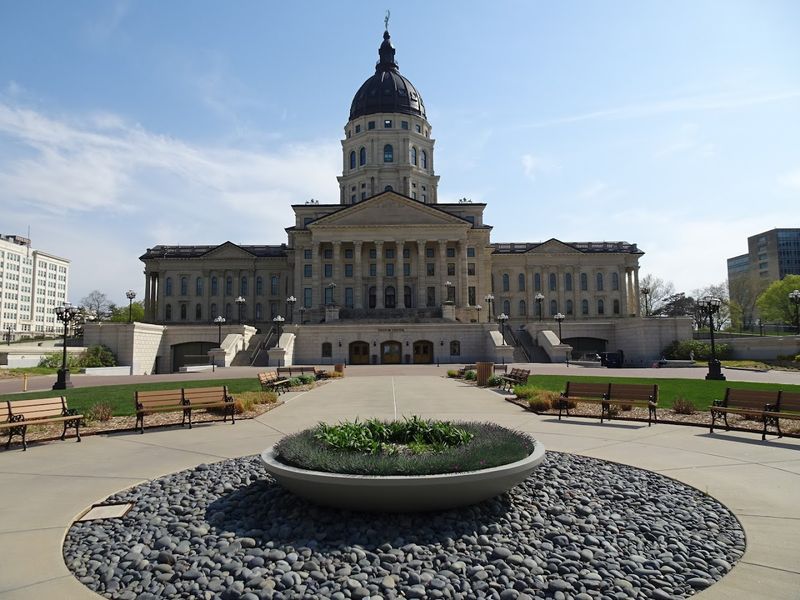
In March 2010, Topeka symbolically rebranded as Google for one month, courting the company’s fiber project. The proclamation was ceremonial, yet splashy enough to make national headlines.
Billboards, buttons, and jokes multiplied. People debated whether the stunt felt clever or cringey, but the city earned priceless attention.
Even Google joined the fun by flipping its own name for a day.
The episode underscores how modern infrastructure is also a narrative. Cities compete not just with plans but with personality.
Topeka played the game with humor and speed. For residents, it was a moment of shared mischief.
If you chase big dreams, sometimes you try on a new name, just to see what sparks.
6. Jim Thorpe, Pennsylvania
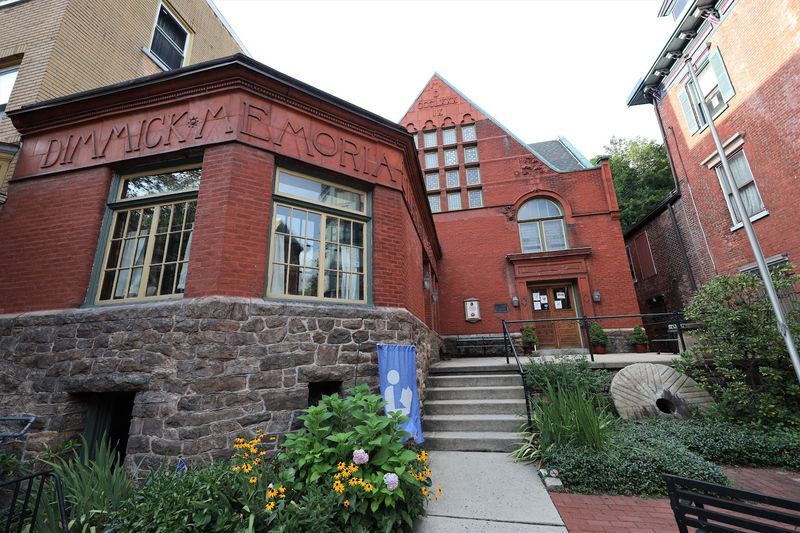
In 1954, Mauch Chunk and East Mauch Chunk became Jim Thorpe, honoring the Olympic legend. The agreement included interring his remains and building tourism around his story.
It was part tribute, part strategy, and fully memorable. The downtown’s ornate facades suddenly had a new headline.
Visitors arrived for sports history and stayed for mountain scenery.
Over decades, the brand matured beyond the initial bargain. Festivals, races, and museums wove the athlete’s legacy into civic life.
The town prospered as a weekend escape with a clear story. You come for a name, you leave with a whole place in your pocket.
That is effective renaming, equal parts reverence and reinvention.
7. Boring, Oregon
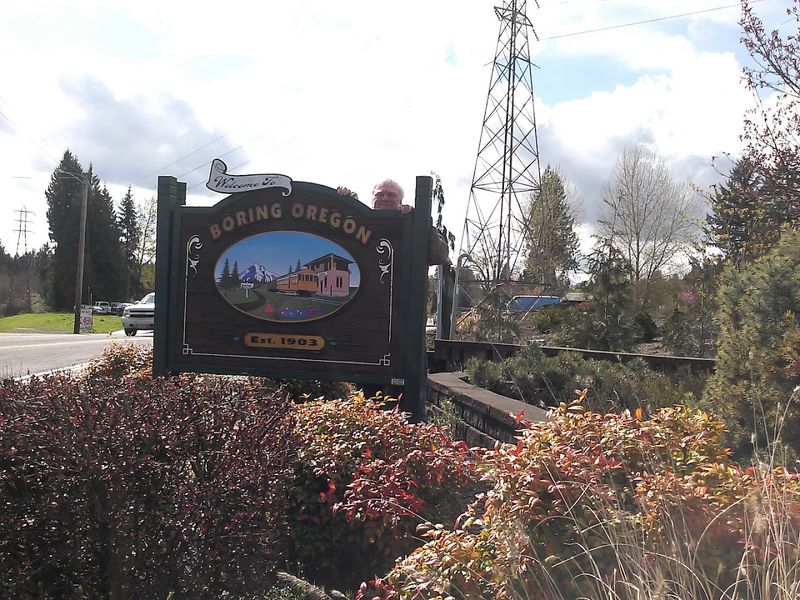
Named for settler William H. Boring, the town did not change to be funny.
Instead, it embraced the coincidence and partnered with Dull, Scotland, and Bland, Australia. The trio leaned into self-awareness and brewed lighthearted tourism.
Visitors stop for the photo op, then discover trails, farms, and cider stands. The humor opens the door; the landscape keeps it open.
The lesson is simple: embrace what you cannot change. By owning the joke, Boring controls the narrative.
It shows that authenticity beats forced reinvention. People remember a town that laughs with them, not at itself.
And yes, the visit is anything but dull.
8. Buffalo, New York
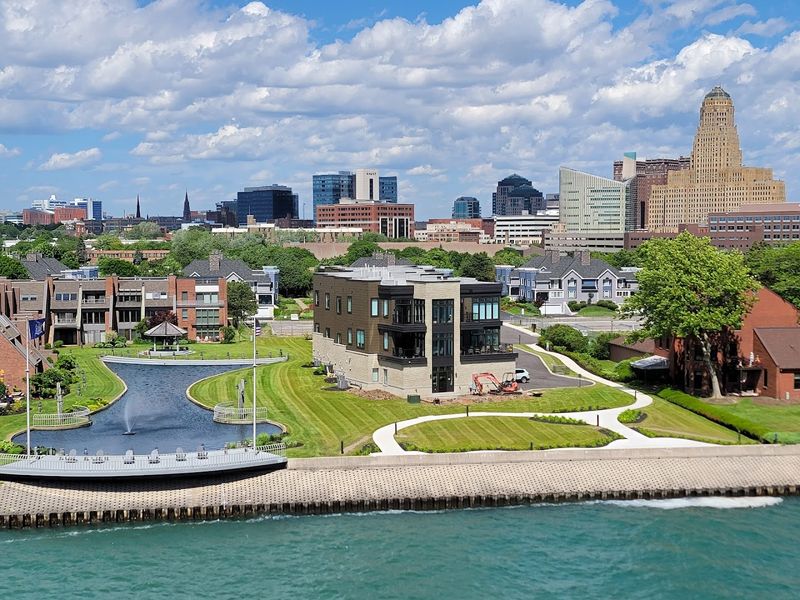
Early settlers called the area New Amsterdam, but by the 1800s, Buffalo took hold, likely from Buffalo Creek. The new name fit the frontier sound and stuck as canals, commerce, and grain elevators rose.
It felt American, punchy, and easy to say. As trade boomed, the brand traveled with ships and railcars.
Soon, Buffalo meant more than geography; it meant industry.
The shift illustrates organic renaming rather than a single vote. Usage crept across maps and into law.
Communities often settle where speech naturally lands. Buffalo’s rise shows how commerce and convenience can outpace tradition.
Sometimes a creek chooses the name for you.
9. Rogers, Arkansas (Originally Osage)
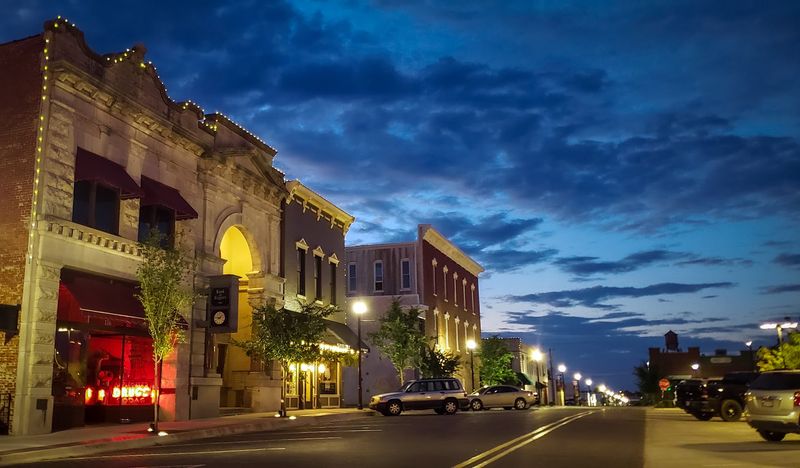
Once called Osage, the settlement shifted to Rogers in 1881 to honor a railroad leader tied to its development. The new name signaled alignment with progress and schedules.
Freight rolled, passengers arrived, and commerce followed. Station agents stamped tickets with a sharper brand.
For a young community, that mattered.
Over time, Rogers stood on its own. Schools, parks, and companies adopted the name until it simply felt inevitable.
The earlier title faded into history lessons and tribal acknowledgments. You walk the blocks today and see a tidy blend of heritage and hustle.
A practical rename became a durable identity.
10. Halfway, Oregon (Briefly “Half.com”)
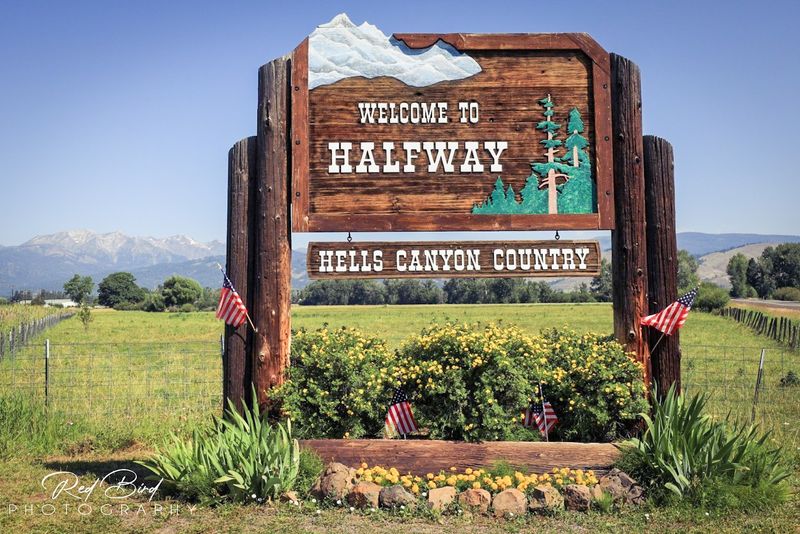
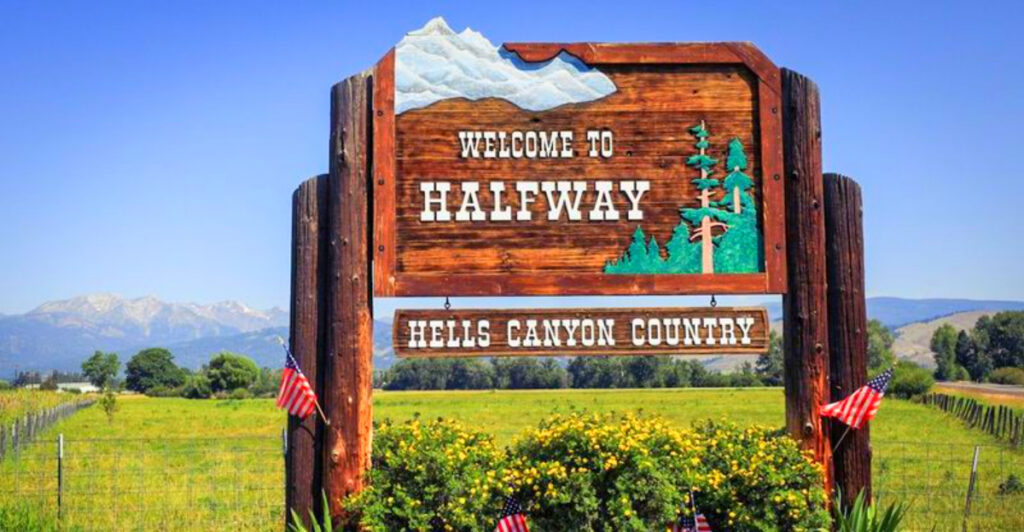
In 2000, Halfway traded its name for Half.com, agreeing to a one-year rebrand. The arrangement delivered cash, computers for students, and a headline that sprinted across the internet.
Locals weighed pride against possibility and chose to experiment. For a place with limited resources, it was a bet on visibility.
When the year ended, the original name returned, but the story stuck.
What lingers is the sense of agency. No one forced this; residents negotiated terms and deadlines.
The town tried a costume, then hung it back up. You may smile at the novelty, yet the experiment feels smart.
In a media-saturated world, even tiny places can hack the system, if only for a season.
11. Jupiter, Florida (Originally Hobe)
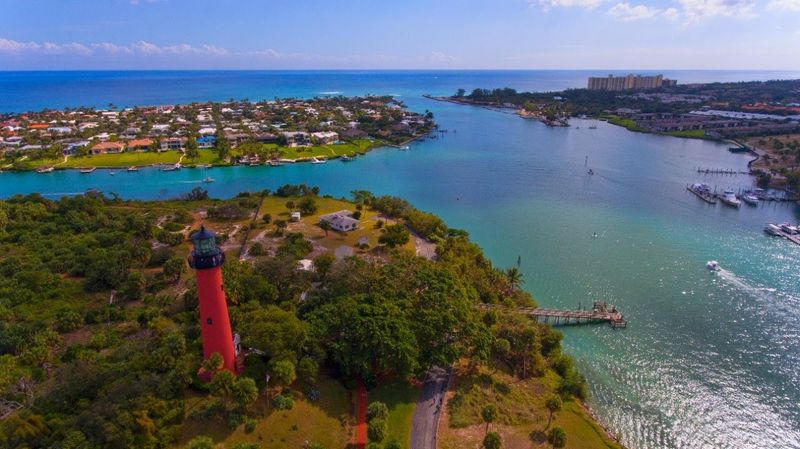
The area, once Hobe after a Native group, slid into Jove on Spanish maps and then Jupiter in English. The classical ring delighted settlers and stuck.
A lighthouse later crowned the inlet, and the name felt perfectly bright. Tourism and boating wore it well.
You almost expect constellations to appear over the marina.
Still, the older root lingers in local history. Museums and markers nod to Hobe and early inhabitants.
A name can widen while memory holds depth. When you watch the lighthouse at dusk, the layers settle together.
Jupiter feels aspirational yet anchored to shore.
12. Aquinnah, Massachusetts (Formerly Gay Head)
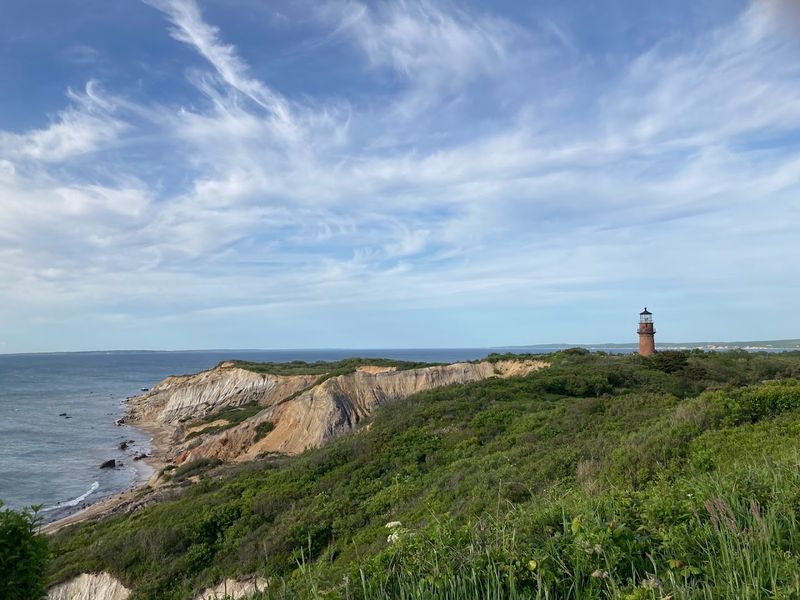
In 1997, residents voted to retire Gay Head and reclaim Aquinnah, the Wampanoag name. The decision centered pride, language, and self-definition.
Cliffs still glow red and gold, but the identity now speaks in a Native tongue. It feels respectful and rooted.
Tourists learn to pronounce it, and that small effort builds understanding.
Local governance and cultural programs reinforced the shift. Signs, brochures, and school lessons aligned.
The lighthouse remained a sentinel while the name changed the narrative. You can sense relief in telling one’s story without translation.
Heritage sits at the front of the ferry now.
For visitors, the change becomes a gentle invitation. Listen, ask, and enjoy the view with context.
The place feels more itself, not less accessible. You leave with photos and a sharper vocabulary.
Aquinnah proves renaming can be reclamation, not reinvention.
13. Lake Station, Indiana (Briefly “East Gary”)
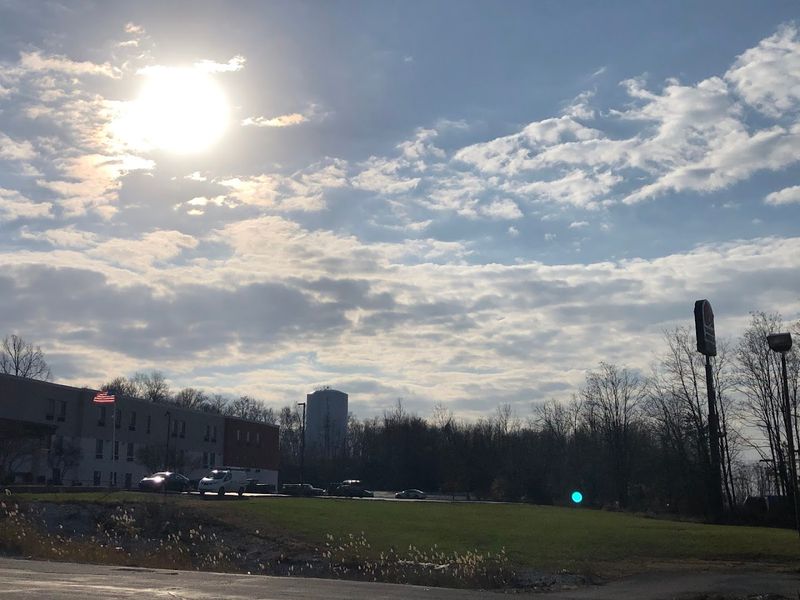
In 1908, the town took the name East Gary to affiliate with booming Gary next door. Industry cast a long shadow, and alignment promised prosperity.
Decades later, the glow dimmed. In 1977, residents voted to restore Lake Station, seeking a cleaner slate and independent character.
Fresh signage rose while nostalgia wrestled with practicality.
Walkers along the river hear old-timers swap both names. Papers and yearbooks carry the dual history.
The return felt like reclaiming a quieter voice after years of echo. City branding shifted to lakes and neighborhoods rather than factories.
You can feel the relief in the pacing.
Renaming is sometimes subtraction, not addition. By dropping East Gary, the town reduced confusion and asserted boundaries.
Small places thrive when they define themselves, not their neighbors. The lesson travels well.
Home is easier to sell when it speaks in its own accent.
14. Sleepy Hollow, New York (Formerly North Tarrytown)
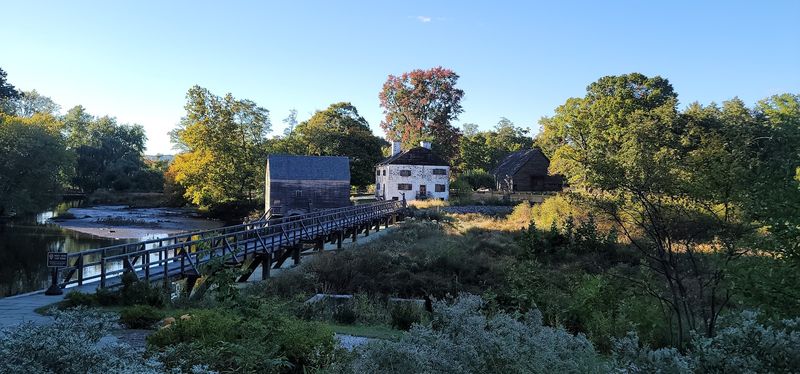
In 1996, North Tarrytown adopted Sleepy Hollow, leaning into Washington Irving’s enduring tale. The auto plant had closed, and the community needed a fresh draw.
Storybook branding fit the river’s mood. Lantern tours, costumed events, and careful signage followed.
Tourists arrived ready for a shiver and a selfie.
Streets did not turn into a theme park, though. Residents balanced atmosphere with everyday life.
Cafes buzz, schools hum, and the Headless Horseman shows up mainly on posters. You can stroll the Old Dutch Church and feel both history and playfulness.
The name amplifies what was already in the air.
Smart renames reveal latent identity. This one pulled folklore from the margins to the marquee.
The result is economic resilience with local charm intact. You get goosebumps, then a good meal.
That is a win in any book.
15. Utqiagvik, Alaska (Formerly Barrow)
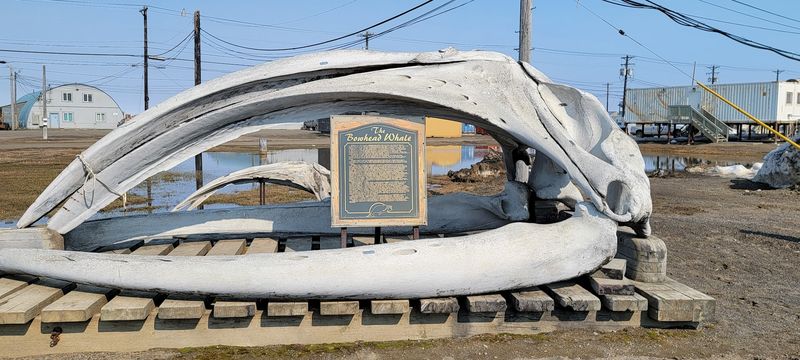
In 2016, residents voted to restore Utqiagvik, retiring Barrow in favor of the Iñupiat original. The change honored language, place-based meaning, and cultural continuity.
Signs, maps, and headlines updated, sometimes slowly. But the sound of the word settled in.
It felt like home reclaiming itself.
Daily life did not freeze for paperwork. Hunters, students, and elders kept moving, now beneath letters that fit their stories.
The switch sparked broader conversations about indigenous names across Alaska. Travelers learned new pronunciations and why they matter.
Respect begins with getting the word right.
This was not a marketing play. It was an affirmation that identity precedes colonization and outlasts it.
The Arctic sky makes that truth vivid. You leave with the northern lights in your eyes and a name that carries weight.
Utqiagvik says who lives here, in their own language.
Share this story