The 1970s produced stars who did more than entertain. They shaped fashion, language, soundtracks, and the way screens felt at home and in theaters.
Here is a clear look at 12 figures who defined the decade and still influence culture today. Every entry is grounded in well documented credits and milestones you can verify.
1. John Travolta
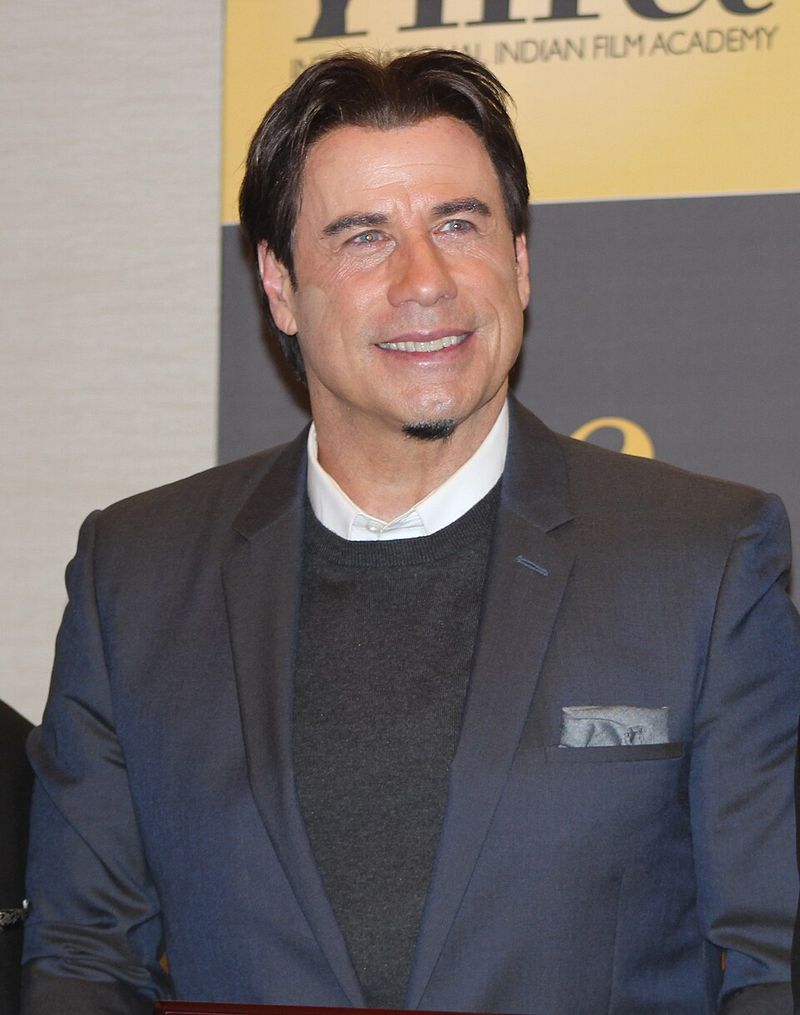
John Travolta became a late 1970s phenomenon through Saturday Night Fever in 1977 and Grease in 1978. Saturday Night Fever captured the disco era with a Queens setting, chart-topping soundtrack by the Bee Gees, and Travolta’s Oscar-nominated performance.
Grease followed with record box office, radio-dominating singles, and a lasting high school musical template that remains widely staged and quoted.
These roles built on earlier visibility from Welcome Back, Kotter, which began in 1975 and turned him into a teen favorite. Reviews, box office tallies, and soundtrack sales confirm the scale of his reach during the period.
Saturday Night Fever’s double LP sold in enormous numbers and Grease became one of the highest grossing movie musicals of all time.
His dance-floor image, hairstyle, and confident physicality became visual shorthand for the era. The films also helped export American pop culture worldwide at decade’s end.
While Travolta’s career later shifted through highs and lulls, the late 1970s remains a distinct peak supported by award nominations, major receipts, and enduring rotation on television and streaming.
2. Farrah Fawcett

Farrah Fawcett’s impact accelerated with Charlie’s Angels, which premiered in 1976 and instantly became a prime-time sensation. Her feathered hairstyle and California athletic style influenced fashion and advertising.
A 1976 swimsuit poster sold in the millions, becoming one of the best-selling posters on record and fixing her image as a global pop reference.
Though she left the show after its first season, legal and contract headlines kept her in conversation, and she returned for guest spots. She pursued film and stage projects, seeking roles that expanded beyond her television persona.
Ratings data, merchandising figures, and press archives document both the show’s popularity and her unique star power.
In the decade, she symbolized the visibility of women in mainstream network action dramas. Later work in The Burning Bed demonstrated her range, but the 1970s remain the foundation of her fame.
The poster’s reach, the series’ footprint, and sustained coverage in magazines and talk shows confirm why her name still evokes that specific moment in American television culture.
3. Al Pacino
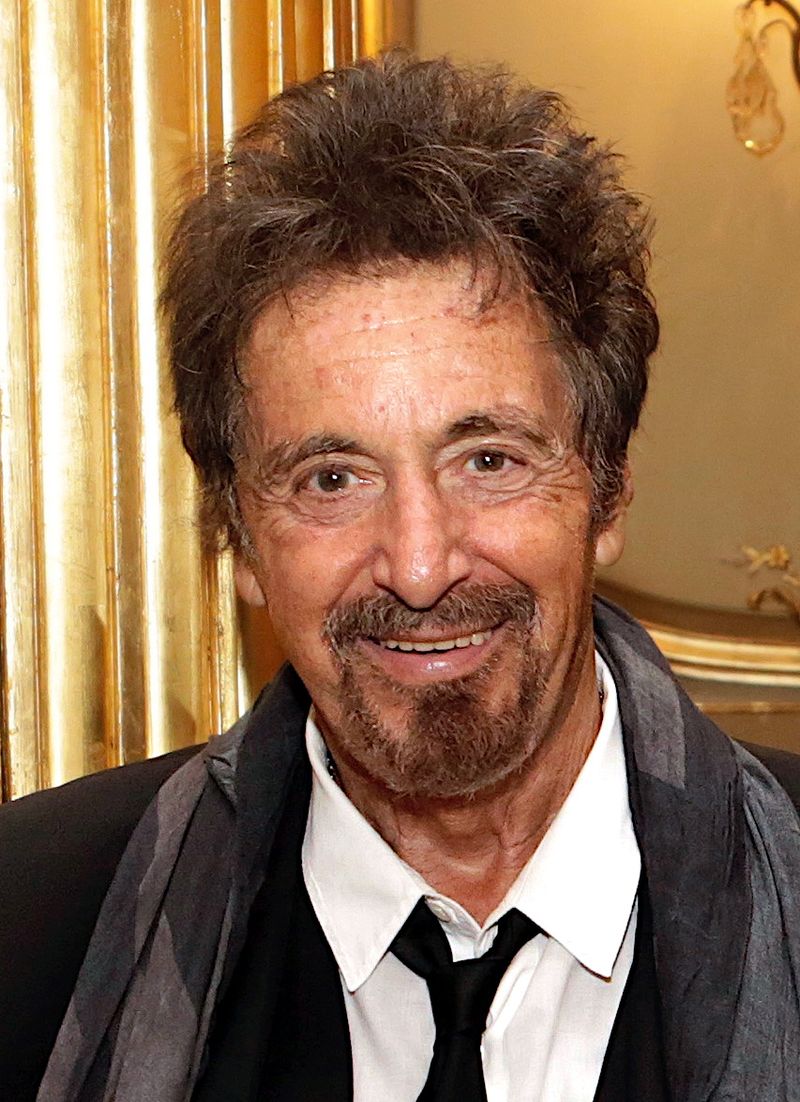
Al Pacino defined 1970s screen acting with The Godfather in 1972 and The Godfather Part II in 1974, delivering layered performances as Michael Corleone. These films shaped the gangster genre and placed him among the decade’s leading dramatic figures.
His intensity, restraint, and slow transformation on screen remain central to acting discussions and film studies syllabi.
Pacino’s range in Serpico in 1973 and Dog Day Afternoon in 1975 reinforced his authority. Both drew from real events, used location shooting, and captured New York’s textures alongside questions of identity, corruption, and public perception.
Awards recognition and critics’ lists from the period support his stature as a consistent, risk-taking lead.
Across these projects, Pacino balanced stillness with sudden force, helping define the 1970s antihero. Box office results, Academy Award nominations, and film scholarship document the scope of his influence.
The roles continue to circulate widely, ensuring new viewers meet a performance standard set half a century ago and still referenced in contemporary cinema.
4. Robert De Niro
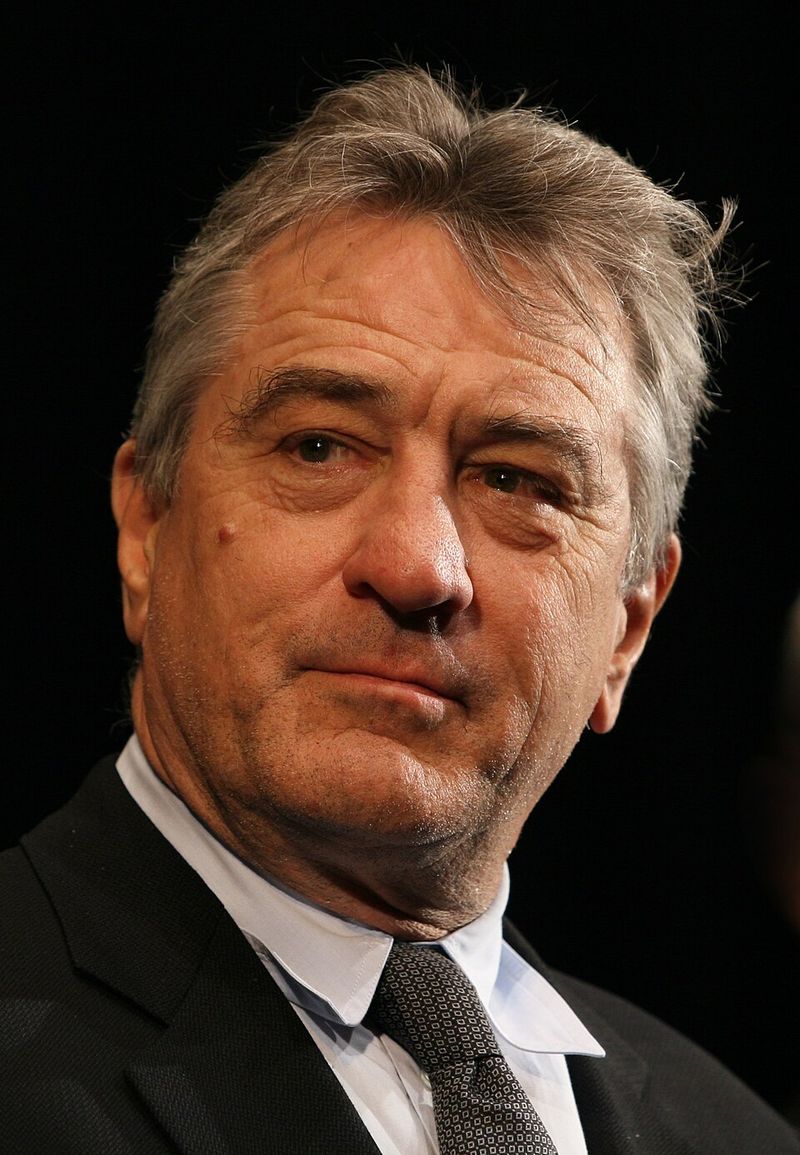
Robert De Niro emerged as a dominant force through Mean Streets in 1973, Taxi Driver in 1976, and The Deer Hunter in 1978. He won the Academy Award for Best Supporting Actor for The Godfather Part II in 1974.
His collaborations with Martin Scorsese shaped the decade’s raw, psychological approach to character and place.
Taxi Driver’s Travis Bickle became a cultural shorthand for urban alienation, captured through Bernard Herrmann’s score and New York’s mid-decade streets. De Niro’s preparation methods, including physical training and research, became legend.
Reviews and award records from the period confirm his reliable excellence across demanding roles.
The Deer Hunter’s ensemble further showcased his restraint and presence in a story about war’s aftermath. Box office data and subsequent preservation in registries underscore the films’ durability.
De Niro’s 1970s work continues to anchor film curricula and actor training, illustrating how commitment to detail, collaboration, and risk made him a defining star of the era.
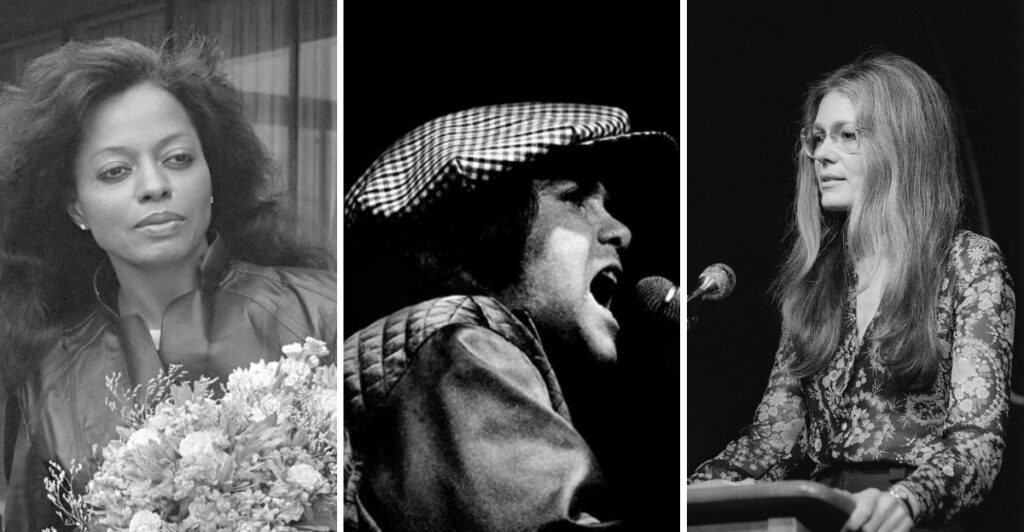
5. Diana Ross
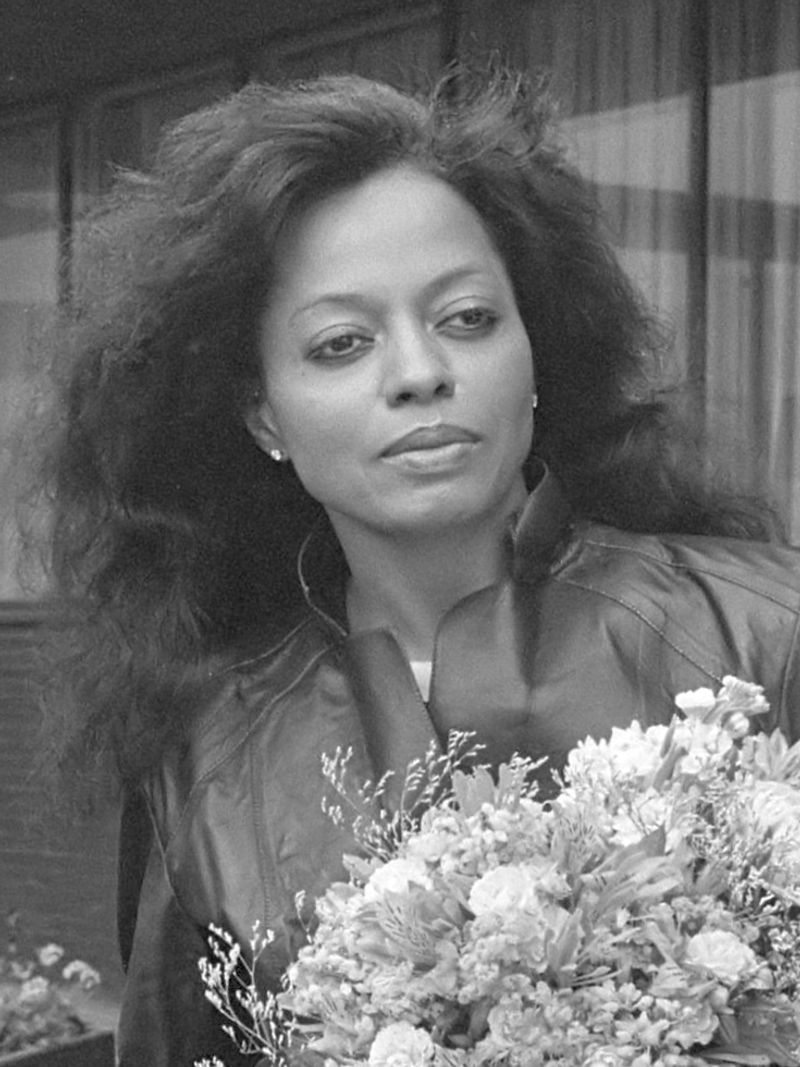
Diana Ross entered the 1970s transitioning from Motown group success to solo superstar. She left The Supremes in 1970 and quickly built a solo catalog with charting singles, sold-out tours, and television specials.
Lady Sings the Blues in 1972 earned her an Academy Award nomination, confirming credibility as both singer and actor.
Ross’s stagecraft emphasized couture gowns, precise arrangements, and audience rapport. She balanced pop, soul, and disco elements, aligning with radio’s evolving formats.
Trade publications, chart histories, and awards databases document her consistent presence and influence in the decade’s mainstream music.
Her image set a high bar for live production quality and star presentation. Appearances on programs like The Tonight Show and network concert specials expanded her reach.
The combination of Motown roots, Hollywood recognition, and touring discipline made Ross a clear 1970s icon whose work remains part of standard playlists and historical retrospectives.
6. Elton John
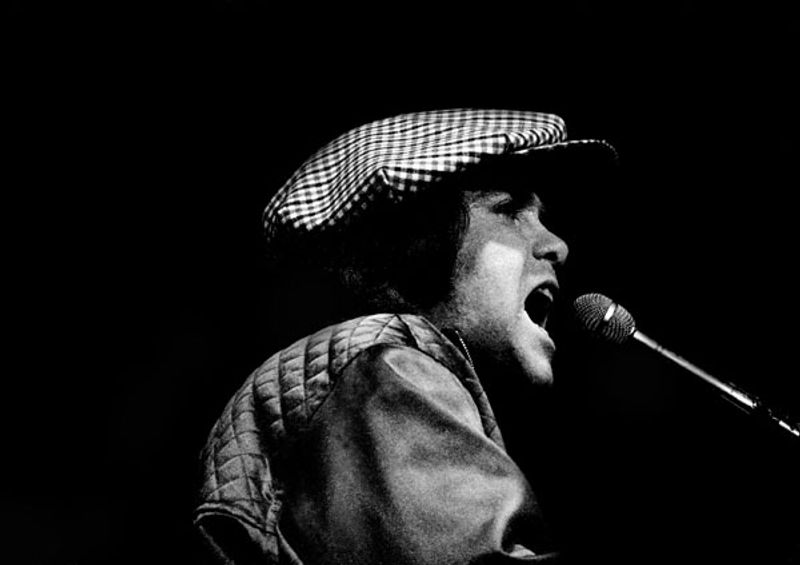
Elton John became one of the decade’s most visible and best-selling artists, touring heavily and releasing a steady run of hit albums. Goodbye Yellow Brick Road in 1973 delivered multiple singles and showcased the partnership with lyricist Bernie Taupin.
His costumes, glasses, and piano-centered shows turned arena stages into colorful pop spectacles.
Chart histories confirm repeated number ones and top tens throughout the 1970s. Live recordings and television appearances expanded his reach beyond record stores.
He navigated piano rock, ballads, and uptempo pop with equal ease, which kept him in rotation across diverse radio formats and markets.
The combination of songwriting craft, studio polish, and theatrical presentation made Elton John a reliable headliner. Sales certifications and tour grosses from the period document sustained demand.
His 1970s catalog continues to anchor playlists, film syncs, and sports arenas, keeping those songs active for new audiences well after their initial release.
7. David Bowie
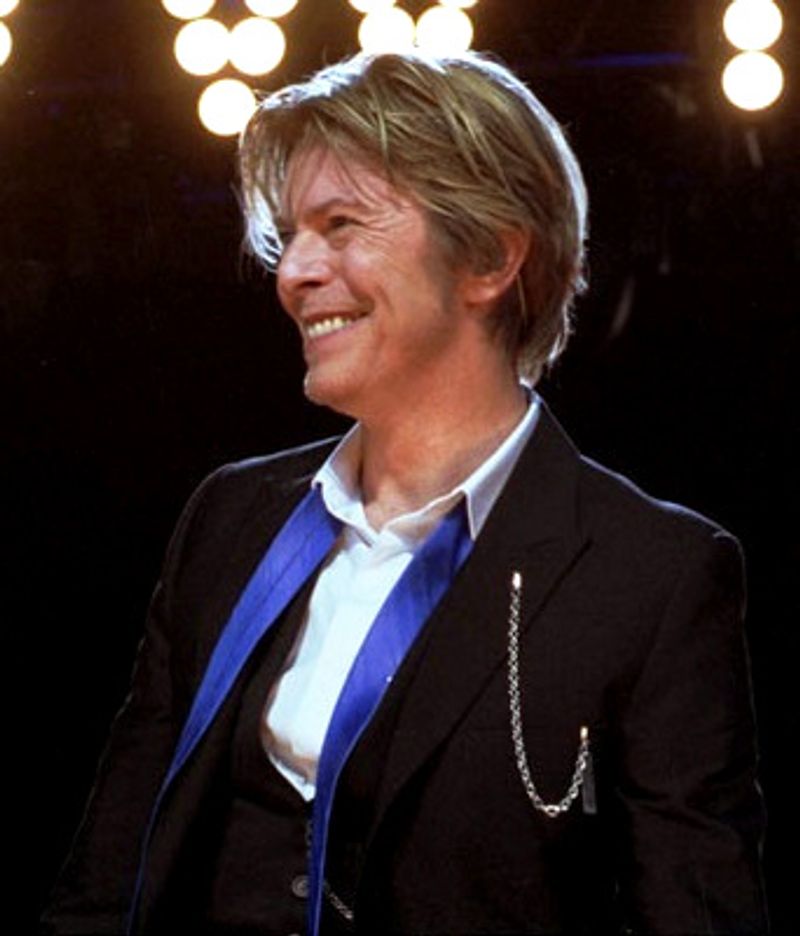
David Bowie redefined pop identity through transformation, beginning the decade with The Rise and Fall of Ziggy Stardust and the Spiders from Mars in 1972. The Ziggy persona fused science fiction styling with glam textures, challenging conventions of gender and performance.
His music, visuals, and interviews created a holistic approach to stardom.
Frequent reinvention followed, from Aladdin Sane to the soul-inflected Young Americans and the experimental Berlin period. Bowie made visual art central to promotion through videos, costumes, and album design.
Chart data and contemporary reviews confirm consistent attention and debate, a sign of cultural pull rather than a single fad.
His collaborations with producers and musicians across continents reinforced a restless creative method. The 1970s body of work influenced fashion, stagecraft, and music marketing long after the decade.
Documented releases, tours, and media appearances establish Bowie as a model for the larger-than-life star built on curiosity, risk, and reinvention.
8. Cher
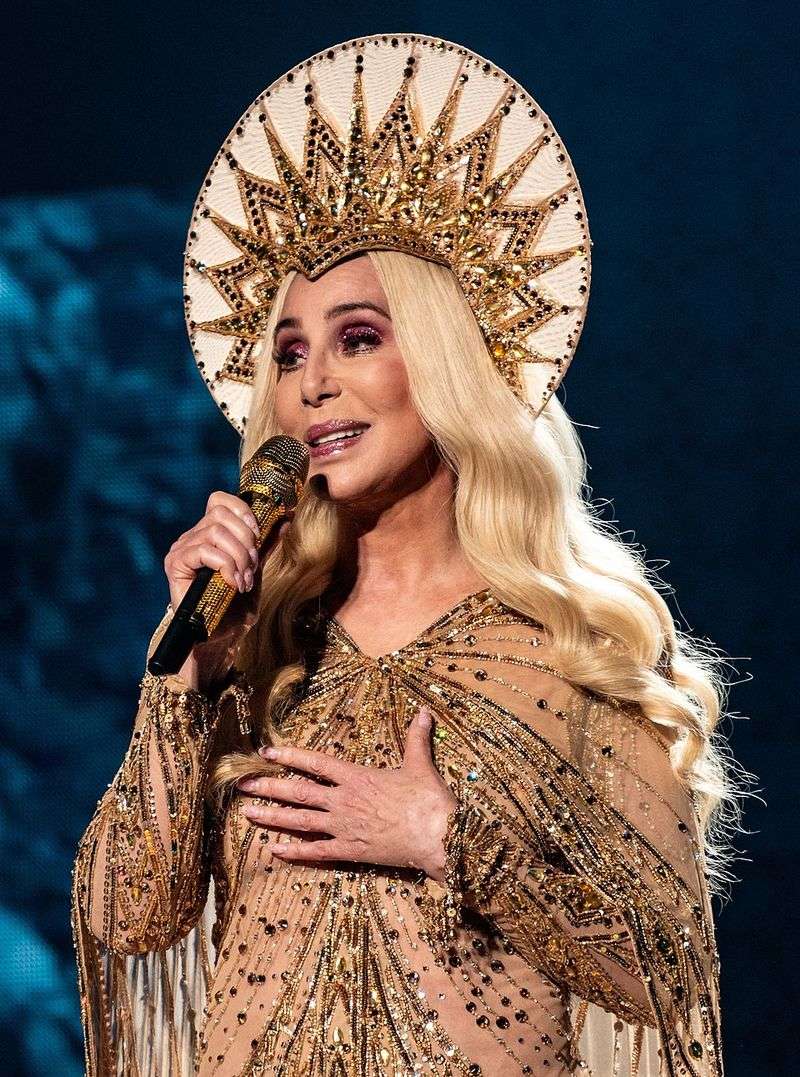
Cher remained a constant presence through music, television, and fashion during the 1970s. The Sonny & Cher Comedy Hour drew large audiences in the early part of the decade, blending sketches, duets, and celebrity guests.
Her solo recordings kept pace with radio trends and expanded her identity beyond duo branding.
Costume design on television specials helped define her image, with collaborations that made sequins, daring silhouettes, and headpieces part of weekly viewing. Trade press and ratings reports document the show’s strong performance.
Cher’s adaptability across comedy bits, ballads, and uptempo numbers widened her appeal to varied age groups.
As the decade progressed, she navigated personal and professional shifts under constant media attention. The throughline was a reliable command of the stage and an instinct for reinvention.
Syndication, chart placements, and magazine archives verify her reach, securing her place among the 1970s’ most recognizable and durable entertainers.
9. Clint Eastwood
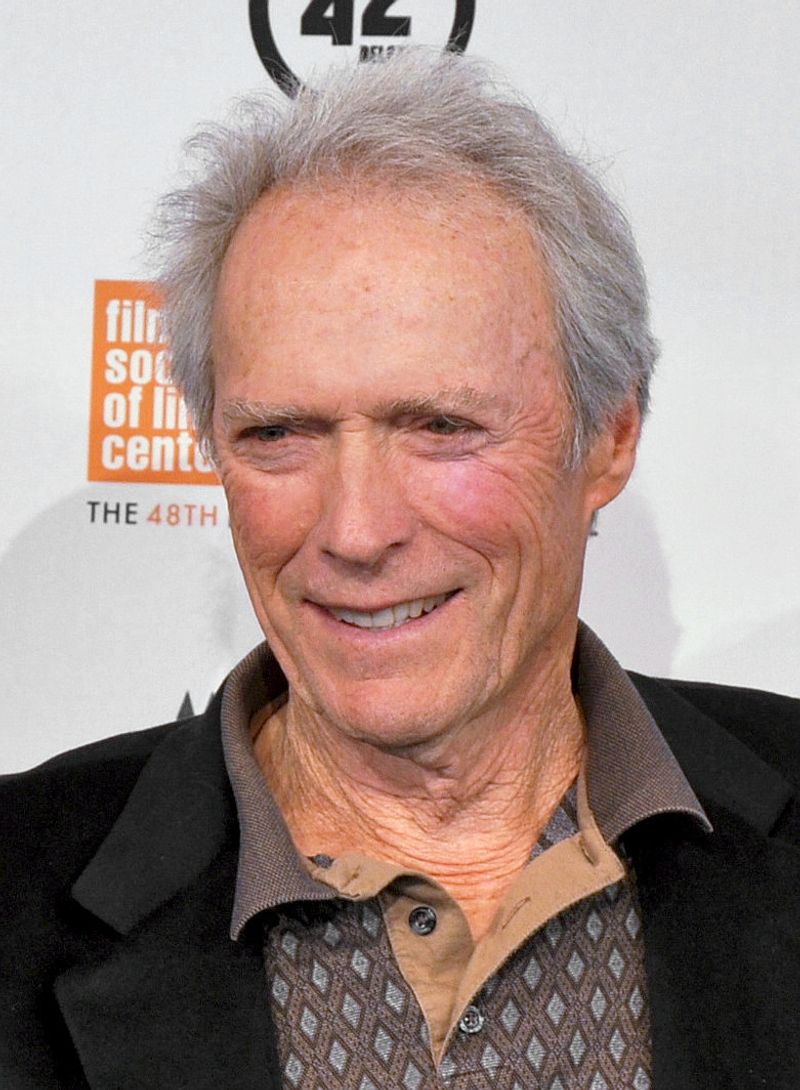
Clint Eastwood dominated 1970s box offices with roles that shaped the image of the American tough-guy lead. Dirty Harry in 1971 introduced Inspector Harry Callahan and a series that continued through the decade.
The character’s catchphrases, city setting, and moral ambiguity became fixtures in crime cinema discourse and public debate.
Eastwood also directed and diversified genres, moving from western roots to thrillers and dramas. His star image connected stoicism to decisive action, a blend audiences recognized immediately on posters and trailers.
Box office charts and sequel production confirm sustained audience interest and cultural footprint.
Critical responses often engaged with questions of law, order, and cinematic responsibility, giving the films ongoing relevance. The combination of commercial success and conversation kept Eastwood central to 1970s moviegoing.
Archival interviews, trades, and award records help establish a factual picture of how his career defined much of the decade’s mainstream film energy.
10. Jack Nicholson

Jack Nicholson personified the 1970s screen antihero with an offbeat mix of charm and defiance. Five Easy Pieces in 1970 set the tone, tracking a character drifting between classes and responsibilities.
Chinatown in 1974 offered a modern noir lead defined by wit, vulnerability, and moral conflict.
One Flew Over the Cuckoo’s Nest in 1975 cemented his standing, earning him the Academy Award for Best Actor. The film’s ensemble work, location, and themes turned Nicholson’s performance into a reference point for cinematic rebellion.
Contemporary reviews and awards records show how consistently he delivered memorable roles across genres.
Beyond marquee parts, his public persona fed the larger narrative of 1970s Hollywood independence. He navigated studio and auteur systems while maintaining bargaining power and distinct choices.
The films remain widely available and discussed, ensuring new audiences continue to meet Nicholson through the decade that most clearly framed his legend.
11. Bruce Lee
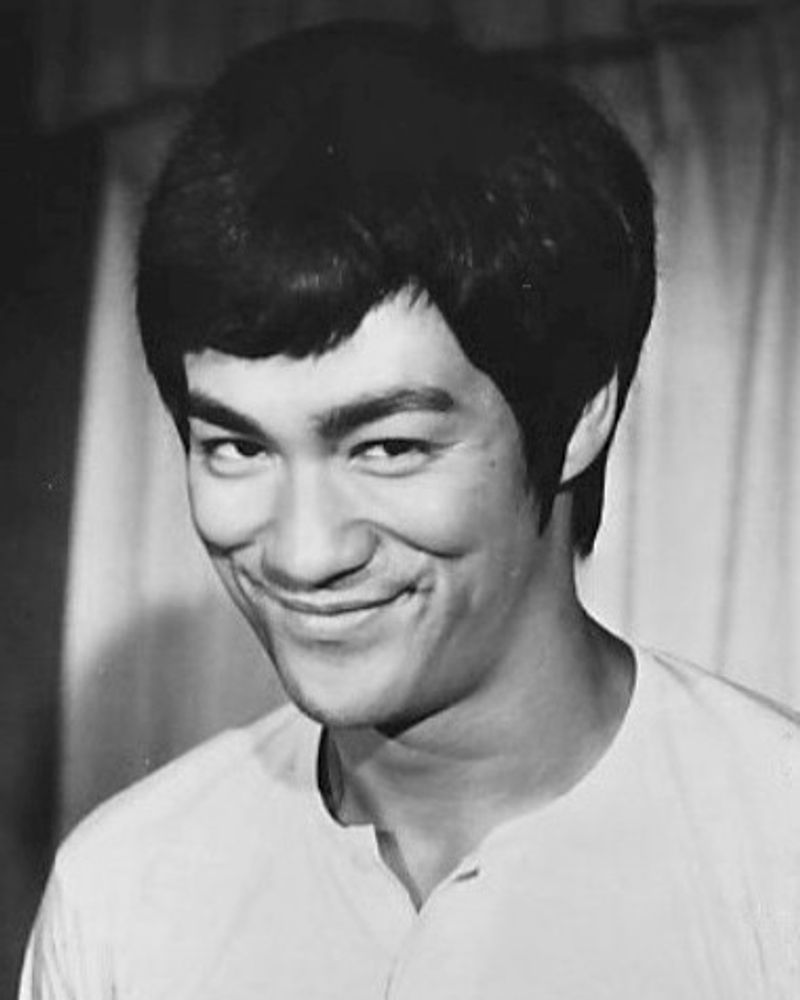
Bruce Lee’s influence reached far beyond martial arts circles, reshaping global action cinema in the early 1970s. He died in 1973, the same year Enter the Dragon premiered and became a landmark release.
The film’s international distribution, choreography, and star charisma set templates that action movies continue to follow.
Lee’s training philosophy and writings emphasized efficiency, adaptability, and cross-disciplinary learning. His on-screen speed and precision, captured with careful framing and editing, made technique readable to general audiences.
Documentation from studios and trade papers confirms the film’s broad reach and ongoing revenue through reissues and home formats.
Even with a short filmography, the iconography of his image remains instantly legible. Posters, interviews, and archival footage keep the era alive for new viewers.
The 1970s mark the emergence of a modern action language, with Lee as a central author whose ideas and performances still inform actors, coaches, and filmmakers worldwide.
12. Gloria Steinem
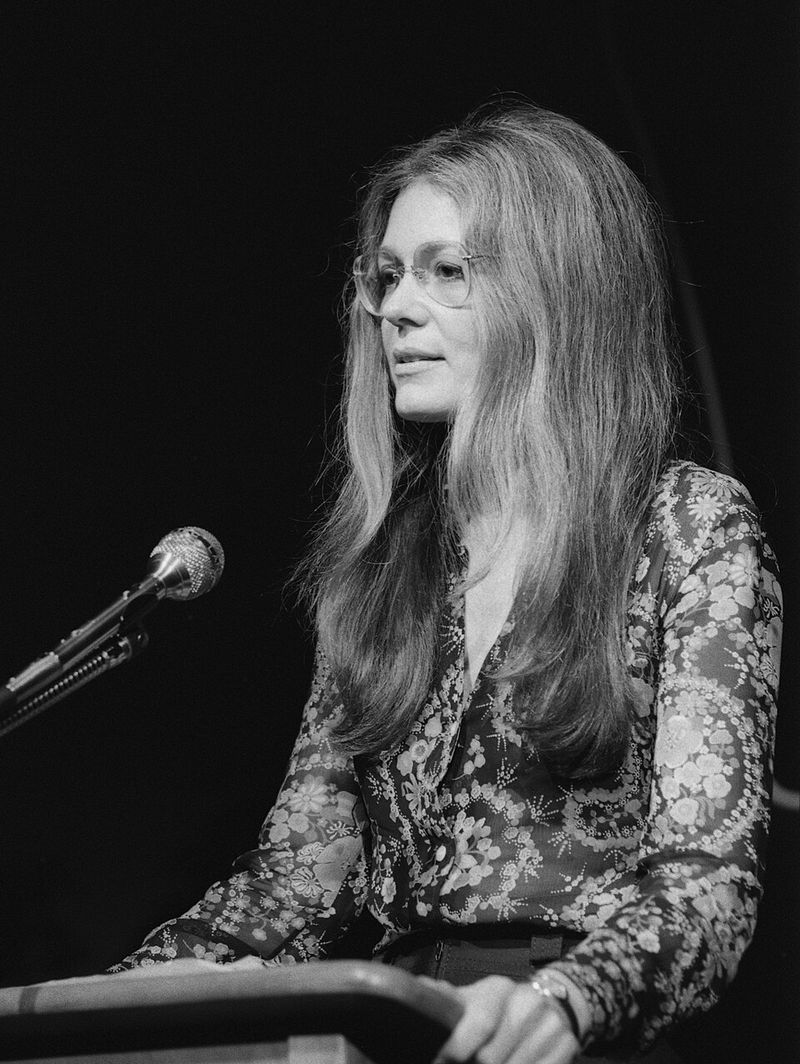
Gloria Steinem became a leading public voice of 1970s feminism through journalism, organizing, and speaking. She co-founded Ms. magazine, whose first issue arrived in 1972, giving the movement a national platform in mainstream media.
Her essays and interviews connected policy debates to everyday experiences, broadening the audience for feminist ideas.
Television appearances and campus talks helped translate activism into accessible conversation. Archival issues of Ms., newspaper databases, and broadcast transcripts provide a factual record of sustained engagement.
She worked alongside many advocates, emphasizing coalition building and practical campaigns around work, health, and legal rights.
While not a Hollywood performer, Steinem was unmistakably a star in the decade’s public square. Her image in aviator glasses and long hair became widely reproduced in magazines and documentaries.
The visibility, publications, and event calendars from the period show why her name belongs on any serious list of 1970s culture shapers.
Share this story