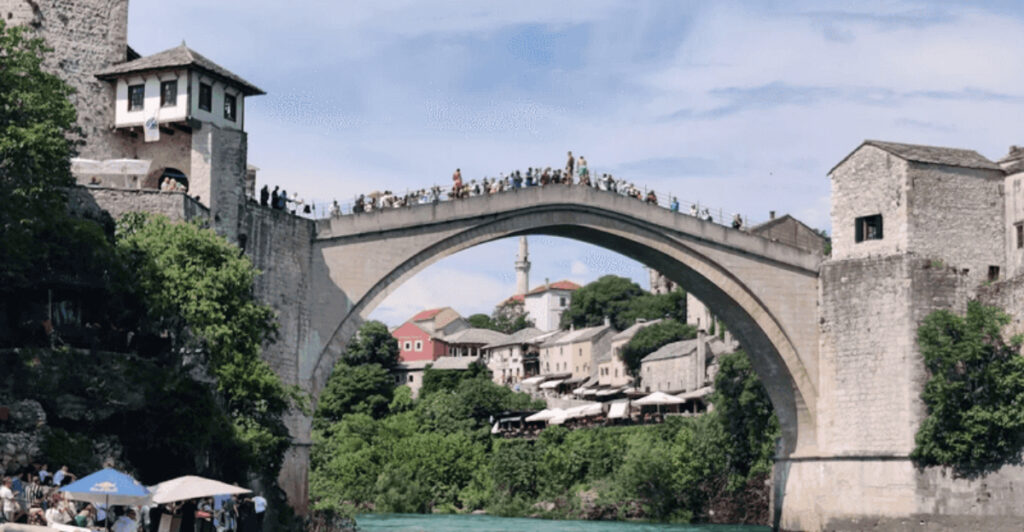
Time Out just crowned Stari Most in Mostar as the world’s most beautiful bridge, and honestly, one look at that graceful stone arch soaring over the turquoise Neretva River will convince you they’re right. But here’s the best part: this isn’t just a bridge you photograph and leave.
Mostar is packed with Ottoman-era lanes, dramatic viewpoints, traditional houses, and day trips that’ll make your camera roll look like a travel magazine. Whether you’re watching daredevil divers leap from the bridge or wandering through ancient bazaars, this small Balkan gem delivers big.
Stari Most: Go Twice for Different Magic
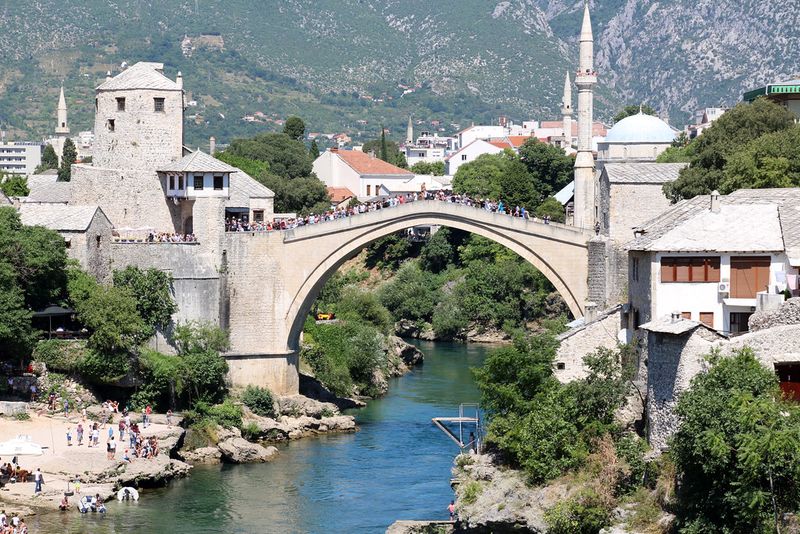
Stari Most isn’t just beautiful, it’s loaded with history and emotion. Built in 1566 during the Ottoman Empire, it stood for over four centuries before being destroyed in 1993 during the Bosnian War.
The bridge was painstakingly rebuilt using original techniques and reopened in 2004, making it both an architectural marvel and a powerful symbol of reconciliation.
I recommend visiting twice if you can. Early morning offers calm, glassy reflections on the river and fewer tourists blocking your shot.
The light is soft, the air is cool, and you’ll actually hear the water below.
Then come back at golden hour. That’s when the limestone glows warm and honey-colored, and the entire old town transforms into something out of a movie.
The cafés fill up, the buzz picks up, and suddenly you’re not just looking at a bridge, you’re part of the scene.
Both visits matter. One gives you peace, the other gives you energy.
Together, they show you why this bridge earned its title.
Watch the Divers and the Ritual Behind the Jump
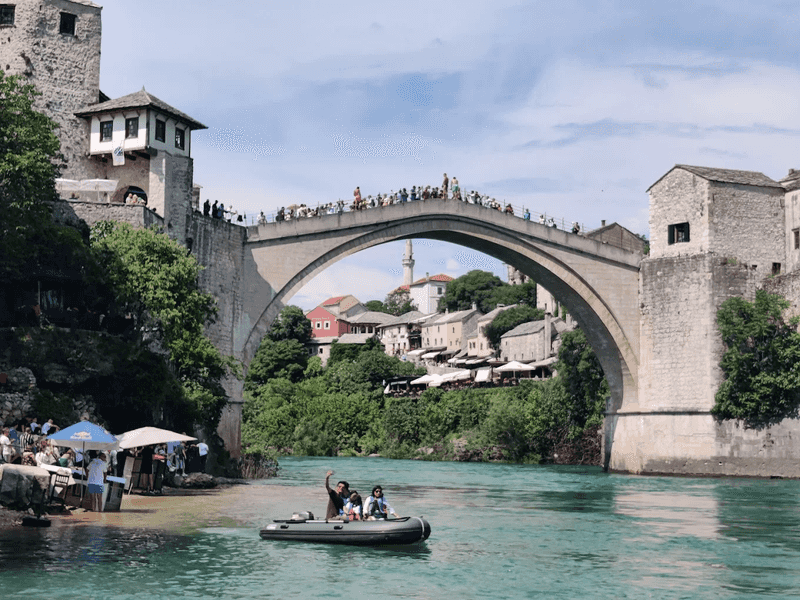
Mostar’s bridge divers aren’t just showing off. This tradition goes back generations, rooted in courage, skill, and local pride.
Stari Most sits roughly 20 to 24 meters above the river depending on water levels, which means this isn’t a casual splash, it’s a serious dive that requires training and guts.
Even if you don’t catch an actual jump, you’ll feel the buildup. Divers work the crowd, collecting tips and hyping up the tension.
Then comes the silence, the leap, the collective gasp, and finally the roar of applause when they surface safely.
I watched one diver spend nearly ten minutes psyching himself up, stretching, talking to friends. It wasn’t theatre—it was real nerves.
That’s what makes it compelling.
If you want to see a jump, hang around midday or early afternoon when tour groups arrive and the tip jar fills up. But even without a dive, the energy around the bridge is infectious.
You’re witnessing a living tradition, not a tourist stunt.
Wander the UNESCO Old Bridge Area Without a Map
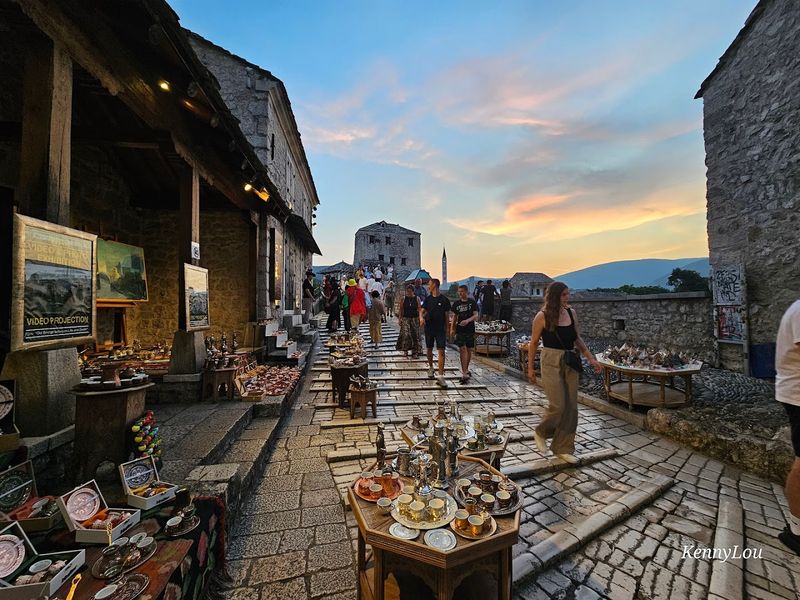
Mostar’s historic core around Stari Most earned UNESCO World Heritage status in 2005, and it’s easy to see why. Stone houses lean into narrow lanes, minarets punctuate the skyline, and the whole area hums with life, not the frozen-in-time museum vibe you get in some heritage sites.
My advice? Put your phone away and just wander.
Give yourself 30 minutes with no destination. Let the smell of grilled ćevapi pull you left, or follow the sound of hammering copper into a workshop courtyard.
You’ll stumble onto hidden cafés, tiny galleries, and viewpoints you’d never find on Google Maps. The streets twist and climb, so wear decent shoes.
But that’s part of the charm—you feel like you’re discovering something, not just ticking off a list.
This area isn’t precious or fragile. People live here, work here, hang laundry here.
That’s what makes it feel real. You’re not observing history, you’re walking through it while it’s still happening.
Kujundžiluk: Souvenir Street Done Right
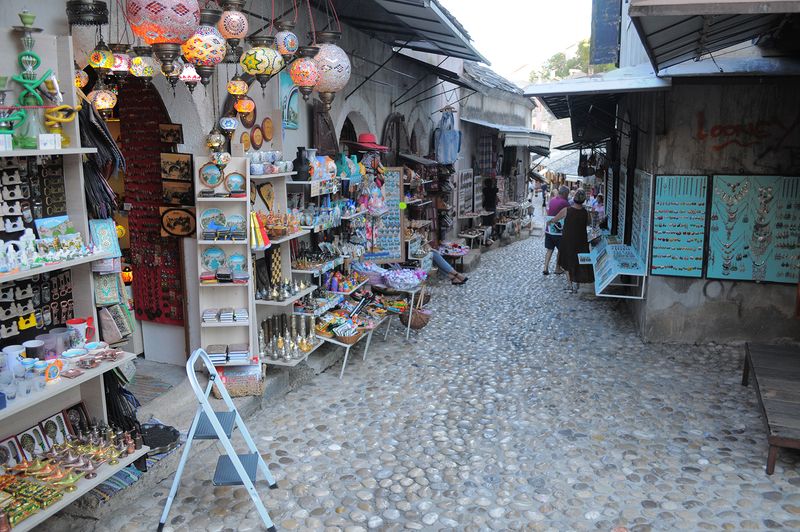
Kujundžiluk is the postcard lane everyone pictures when they think of Mostar. Copper workshops line the cobblestones, artisans hammer out trays and coffee sets, and little cafés spill onto the street with low tables and cushions.
It’s touristy, sure, but it’s also genuinely atmospheric. The key is treating it like a stroll, not a shopping mission.
Pause for a Bosnian coffee, watch someone work copper by hand, then browse without pressure.
I picked up a small engraved tray here, not because I needed it, but because watching the shopkeeper explain the family technique made it feel meaningful. That’s the vibe here.
It’s not pushy or fake, just lively and welcoming.
Go early if you want photos without crowds, or go midday when the energy peaks and the whole lane buzzes with conversation and clattering tools. Either way, take your time.
This isn’t a place to rush through, it’s a place to soak in.
Koski Mehmed Pasha Mosque: Climb for the Classic Shot
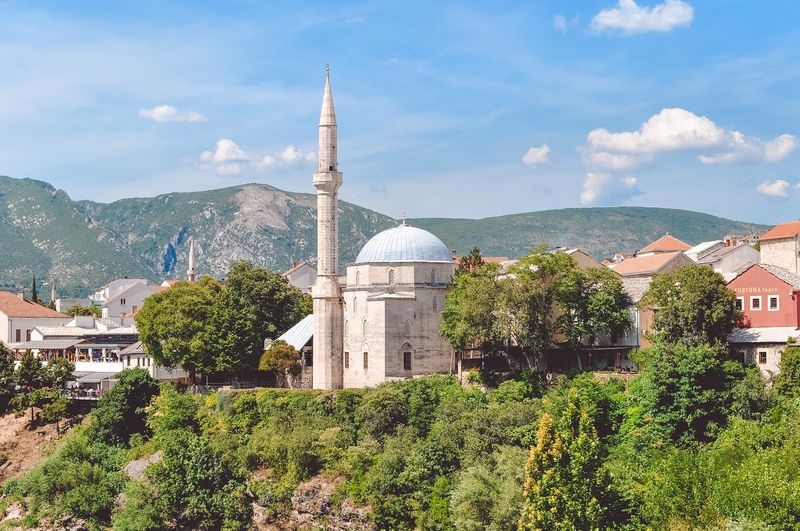
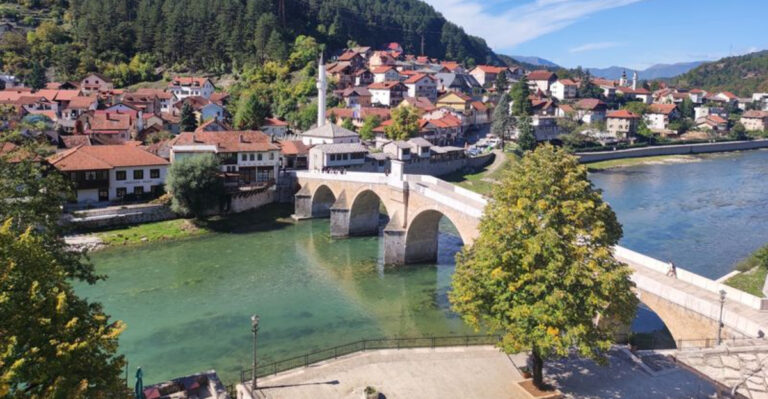
If you want that iconic Mostar shot, the one with Stari Most perfectly framed by red roofs and river curves, Koski Mehmed Pasha Mosque is your spot. Built in 1618, the mosque sits dramatically above the Neretva, and its minaret offers one of the best viewpoints in the city.
Check if the minaret is open when you visit. If it is, climb the narrow spiral stairs.
It’s tight, it’s steep, and you’ll meet people coming down while you’re going up, but the payoff is worth the squeeze.
From the top, Mostar spreads out below you in every direction. The bridge looks small but perfect, the river glows green, and the mountains frame everything.
It’s the kind of view that makes you stop talking and just stare.
Even if you don’t climb, the mosque itself is beautiful – simple, elegant, and peaceful. Respectful visitors are welcome, so dress modestly and remove your shoes.
It’s a working place of worship, not just a tourist stop.
Karađoz-beg Mosque: History Without the Crowds
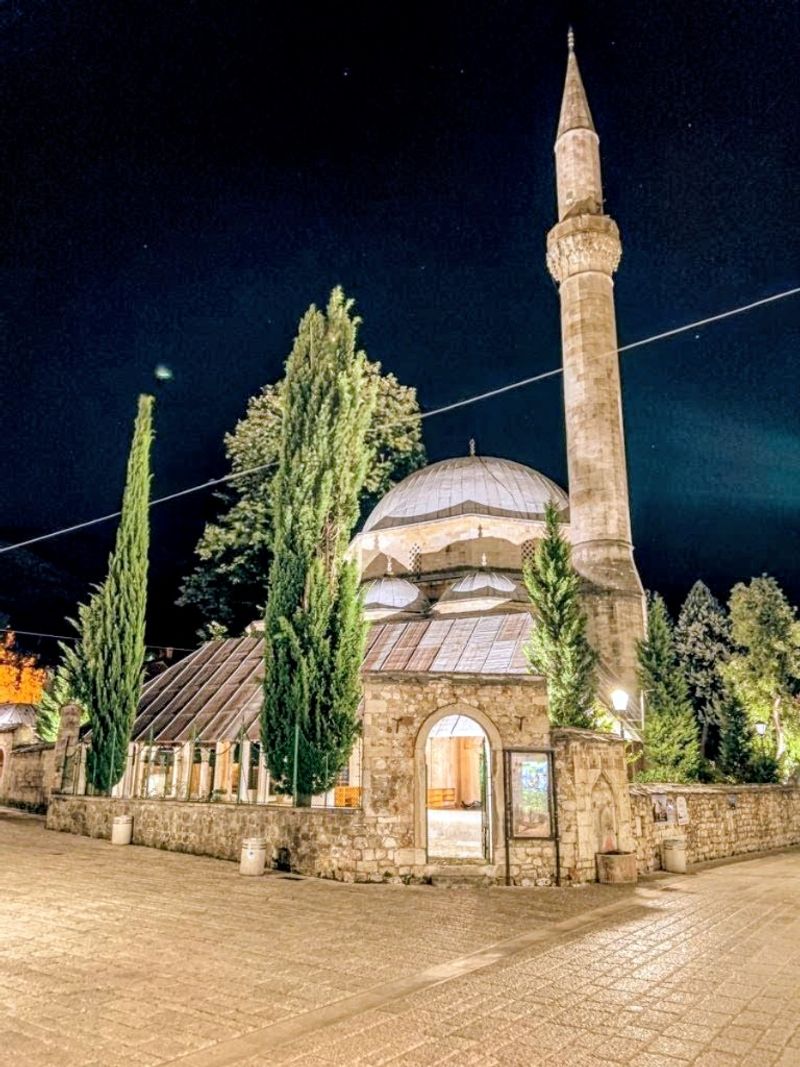
A short walk from the main old-town hustle, Karađoz-beg Mosque is one of Mostar’s most significant Ottoman monuments. Built around 1557 or 1558, it predates Stari Most and carries serious historical weight.
What I loved most? The quiet.
While tourists pack around the bridge and bazaar, this mosque sits slightly off the beaten path, giving you space to breathe and reflect. The courtyard is peaceful, the architecture is elegant, and the atmosphere feels genuinely sacred.
It’s a great reminder that Mostar isn’t just about the bridge. The city has layers of history, and taking time to explore beyond the main strip rewards you with deeper understanding and more meaningful moments.
If you’re feeling overstimulated by crowds and selfie sticks, this is your reset button. Respectful visitors are welcome – just dress modestly, remove your shoes, and keep your voice low.
It’s a small detour that adds real depth to your Mostar experience.
Kriva Ćuprija: The Crooked Bridge Prototype
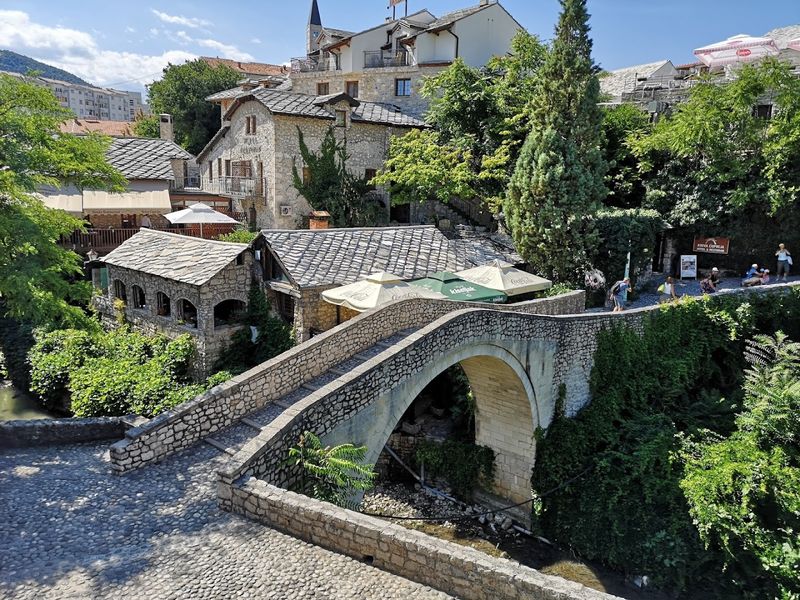
Just a few minutes from Stari Most, Kriva Ćuprija – the Crooked Bridge – arches gracefully over the smaller Radobolja stream. Commonly dated to 1558, it’s often described as an Ottoman-era prototype or practice run for the bigger, more famous bridge.
The nickname fits. The bridge has a charming, slightly asymmetrical look, and the setting is quieter and greener than the main bridge area.
It’s a great spot for photos without battling crowds or waiting for strangers to move out of your frame.
I came here on my second day in Mostar, looking for a calmer vibe, and ended up sitting by the water for twenty minutes just listening to the stream. It felt like a secret, even though it’s marked on every map.
If you’re overwhelmed by the energy around Stari Most, this is your palate cleanser. It’s still beautiful, still historic, but lower-key and more intimate.
Bring a coffee, find a shady spot, and enjoy the slower pace.
Bišćevića Kuća: Step Inside an Ottoman Home
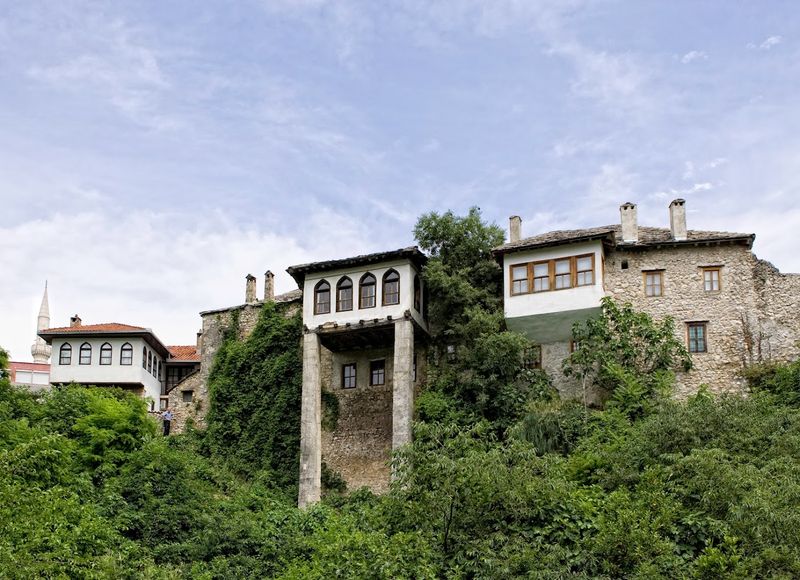
Monuments and bridges are great, but if you want to understand how people actually lived in Ottoman Mostar, visit Bišćevića Kuća. This traditional house museum dates back to the 17th century and offers a genuine peek into domestic life, architecture, and daily routines from centuries past.
The layout is fascinating. Rooms wrap around a central courtyard, with separate spaces for men and women, intricate woodwork, and period furnishings that feel surprisingly cozy.
You’ll see traditional textiles, copper kitchenware, and carved wooden ceilings that showcase serious craftsmanship.
What struck me most was how livable it still felt. This wasn’t a palace or fortress, it was a family home, and walking through it made history feel personal and real.
The house is small, so your visit won’t take long—maybe 20 to 30 minutes. But it adds context to everything else you’re seeing in Mostar.
After this, you’ll look at the old town differently, noticing details you’d have missed before.
Muslibegović House: Heritage You Can Actually Sleep In
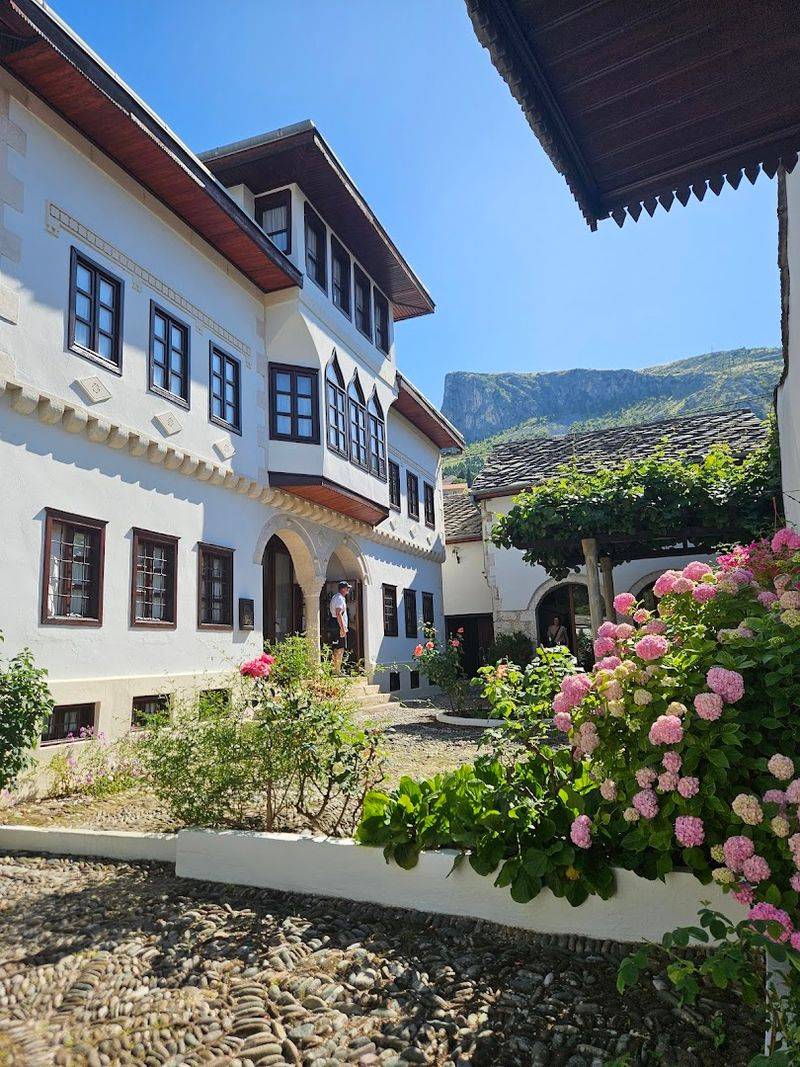
Muslibegović House is one of those rare places where history isn’t roped off behind velvet. This beautifully preserved residential complex dates to the second half of the 18th century and functions as both a museum and a boutique guesthouse.
Even if you don’t stay overnight, it’s worth touring. The interiors showcase Ottoman-era craftsmanship at its finest – carved wood, painted ceilings, traditional textiles, and period furniture that transport you back in time.
The courtyard is especially lovely, with a fountain and shaded seating that invites you to linger.
I didn’t stay here, but I did tour it, and honestly, I left wishing I’d booked a room. Staying in a place like this would make Mostar feel even more immersive and special.
If you do spend the night, you’ll wake up in a 250-year-old house, drink Turkish coffee in a historic courtyard, and walk to Stari Most in five minutes. That’s a travel story worth telling.
Fortica: The Ultimate Wow Viewpoint Over Mostar
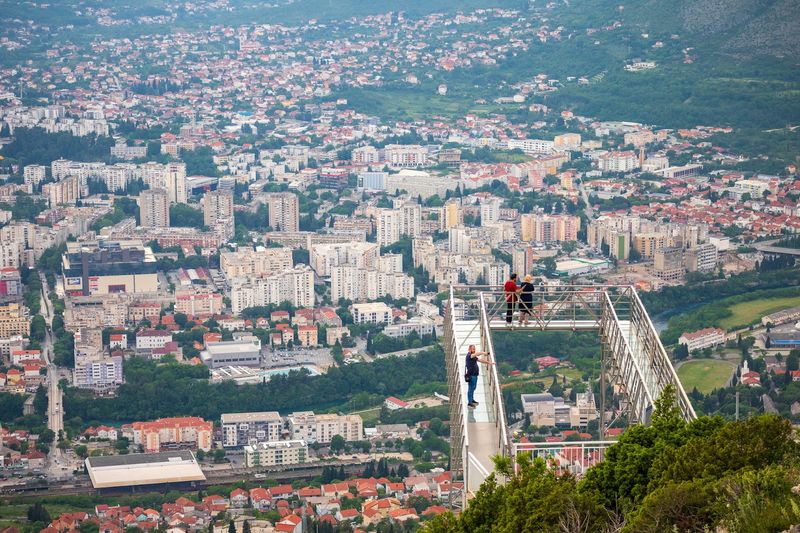
Fortica is where you go when you want Mostar spread out beneath you like a map. Perched on a hill above the old town, this viewpoint delivers the full picture – bridge, river curve, red roofs, minarets, and mountains all in one sweeping frame.
The area has been developed for adventure tourism, so you’ll also find a glass Skywalk terrace and a zipline if you’re feeling bold. But honestly, the view alone is worth the climb.
Getting up there takes about 20 to 30 minutes on foot, mostly uphill on uneven paths. Wear good shoes, bring water, and go in the late afternoon when the light is golden and the heat has eased.
I visited at sunset, and watching the city glow orange while the call to prayer echoed up from below was one of those travel moments that sticks with you. It’s touristy, yes, but it’s touristy for a reason, it works.
Blagaj Tekke: The Most Magical Half-Day Trip
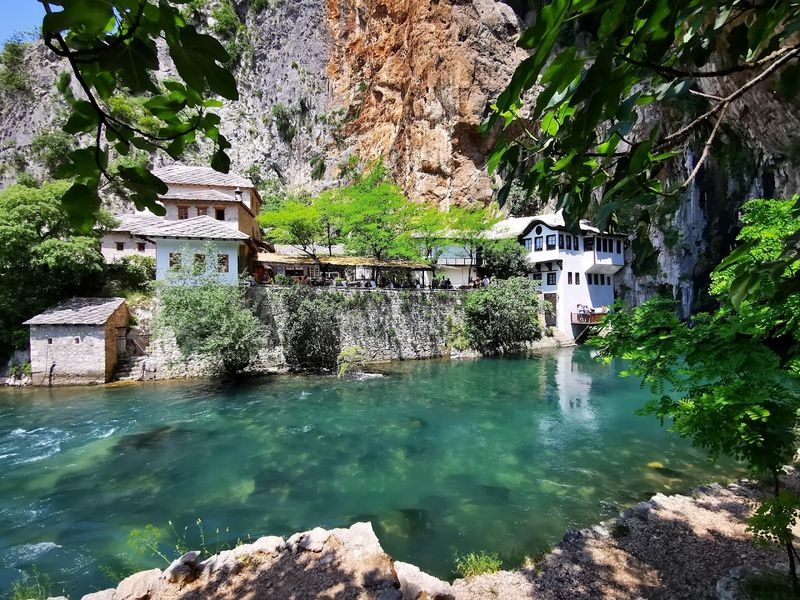
A short drive from Mostar, Blagaj Tekke sits at the base of a towering cliff where the Buna River bursts from the rock in a powerful, blue-green spring. The setting is almost surreal – half nature spectacle, half spiritual retreat.
The tekke (Sufi monastery) dates to the Ottoman period, often cited around the 16th century, and clings to the cliff in a way that feels both precarious and peaceful. You can tour the interior, though the real magic is outside by the water.
I had lunch at one of the riverside restaurants, feet dangling over the spring, watching trout dart through impossibly clear water. It was one of those meals where the setting matters more than the menu.
After eating, take a slow walk along the spring. The water is cold, the air is cool even in summer, and the whole place radiates calm.
If Mostar feels too busy, Blagaj is your antidote. Go slow, breathe deep, and let the place work its magic.
Počitelj: A Fortified Village Frozen in Time
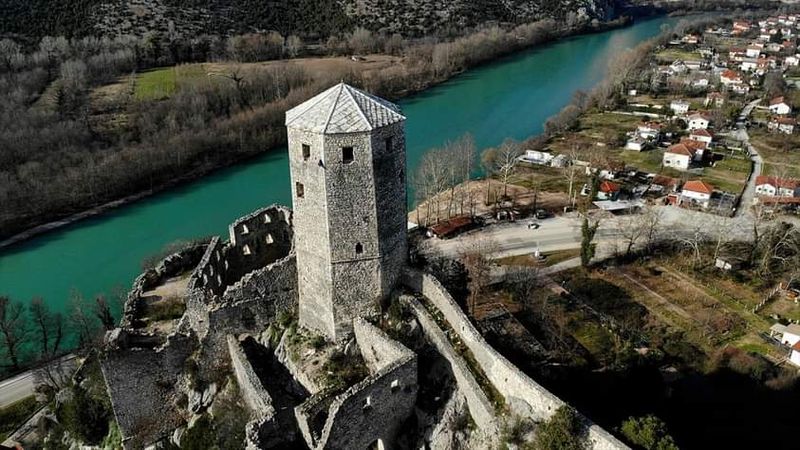
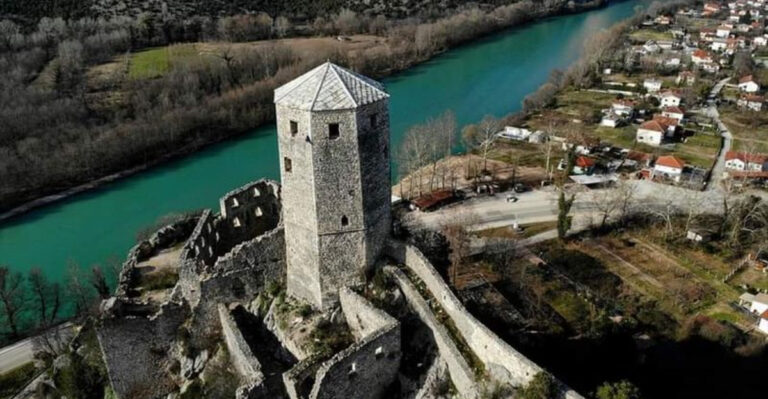
Počitelj is a fortified village clinging to a hillside along the Neretva River corridor. It’s often called an open-air museum, and the name fits, this place looks like it was plucked from the 16th century and left untouched.
The entire settlement is a protected architectural ensemble and sits on UNESCO’s Tentative List. Stone houses stack up the slope, a minaret rises from the center, and a fortress crowns the top, offering sweeping views over the valley.
Wear good shoes. The charm here is all in the climbs – narrow stone steps, steep paths, and lookout points that reward your effort with stunning vistas.
The higher you go, the better it gets.
I loved how quiet it was. A few artists work in studios here, and a handful of cafés serve cold drinks, but mostly it’s just you, the stones, and the history.
It’s a quick stop from Mostar, but it feels like stepping into another century.
Kravica Waterfalls: Swim and Sun in Season
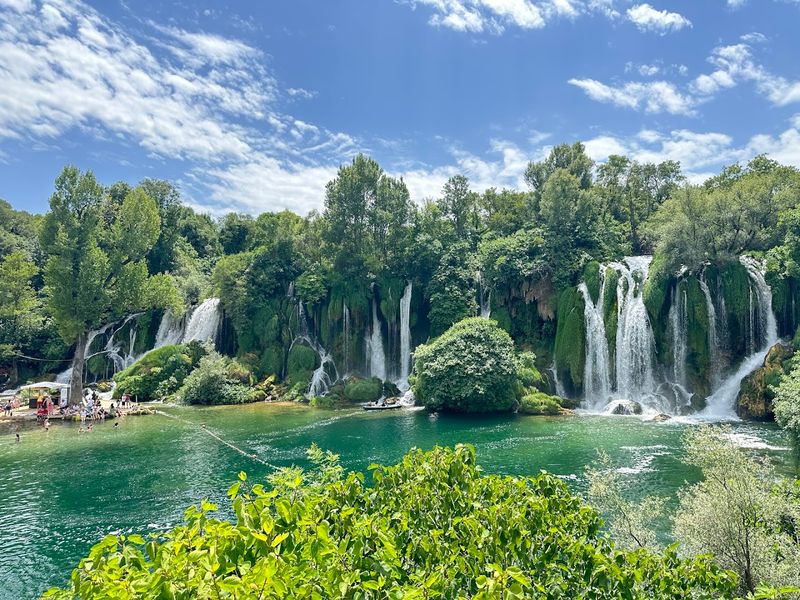
Kravica is Herzegovina’s answer to a tropical lagoon, minus the palm trees. These wide, cascading waterfalls on the Trebižat River near Ljubuški create a natural swimming spot that’s perfect for hot summer days.
The falls are dramatic, the water is refreshingly cold, and the setting feels like a secret oasis even though it’s a popular day trip. Arrive early to claim a good spot, especially on weekends when locals and tourists alike pack the lagoon.
I visited in late June, and the water was high and powerful, which made the falls even more impressive. By late summer, the flow can slow down, so timing matters if you want the full experience.
Bring a towel, sunscreen, and snacks, there are vendors and cafés nearby, but having your own supplies makes it easier to settle in for a few hours. It’s a fun, low-key break from cultural sightseeing, and kids especially love it.
Radimlja: Medieval Stone Poetry Near Stolac
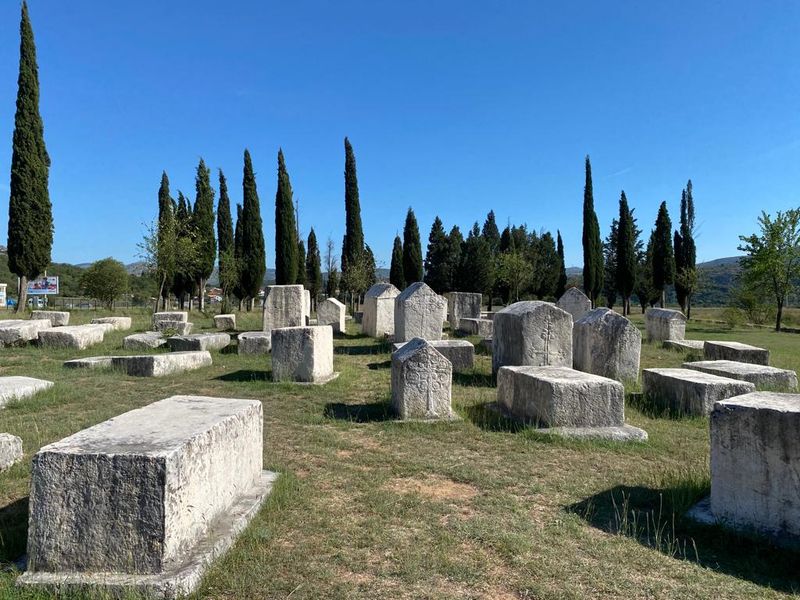
Radimlja is one of the best-known stećci necropolises, fields of medieval tombstones carved with intricate symbols, human figures, and mysterious inscriptions. These stones are part of a UNESCO World Heritage serial property inscribed in 2016, and they’re hauntingly beautiful.
The site sits near Stolac, about 40 minutes from Mostar, and it’s worth the detour. The tombstones date from the 12th to 16th centuries, and each one tells a story – knights on horseback, hunting scenes, celestial symbols, and phrases in old Bosnian script.
What struck me most was how personal they felt. These weren’t generic markers, they were custom-carved tributes, and you can sense the care and artistry that went into them.
The site is open-air and peaceful, with mountains framing the horizon. It’s the kind of place that stays in your head long after you leave, not because it’s flashy, but because it’s quietly profound.
Bring curiosity and a little time, you’ll want to read the plaques and really look at the carvings.
Međugorje: A Pilgrimage Stop with a Modern Story
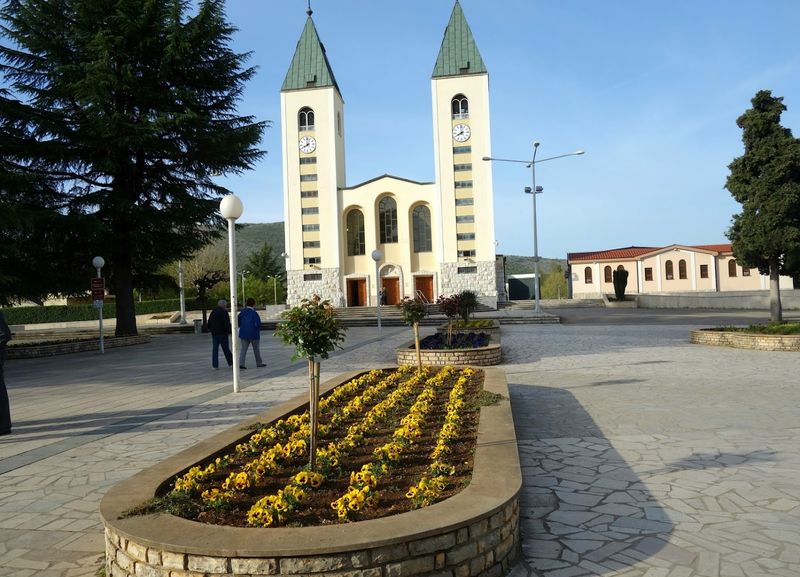
Međugorje is one of the region’s most famous pilgrimage destinations, linked to reported Marian apparitions that began in 1981. Since then, millions of pilgrims from around the world have visited, making it a major spiritual and cultural site.
Even if you’re not traveling for religious reasons, Međugorje offers an interesting contrast to Mostar’s Ottoman heritage. The churches are modern, the atmosphere is reverent, and the town is built entirely around pilgrimage tourism.
You can climb Apparition Hill or Cross Mountain if you’re up for a hike, or simply visit the Church of St. James and observe the crowds of faithful visitors. The energy is unique – quiet, contemplative, and deeply personal for many.
I visited out of curiosity more than faith, and what struck me was the sheer scale of devotion. This place means something profound to a lot of people, and that alone makes it worth understanding.
It’s a short drive from Mostar and adds a completely different dimension to your trip.
Share this story