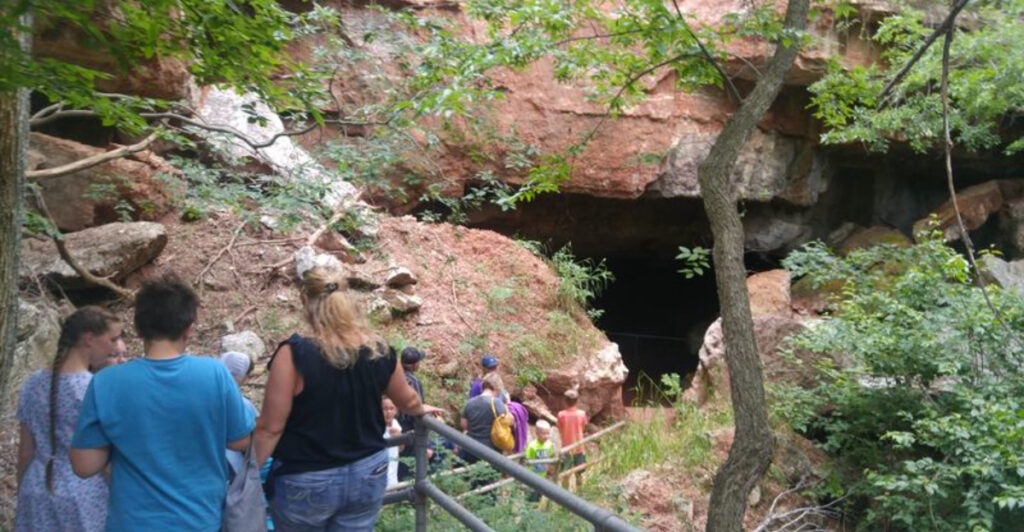
Oklahoma might be famous for its wide-open prairies and red dirt roads, but beneath the surface lies a completely different world that most people never expect to find here. Hidden underground are stunning cave systems that stay naturally cool year-round, offering a refreshing escape from the scorching summer heat.
These subterranean wonders feature formations that have taken thousands of years to create, along with unique wildlife that calls the darkness home. One cave system in particular stands out as a rare geological treasure that draws visitors from across the country.
A Natural Wonder in Northwestern Oklahoma
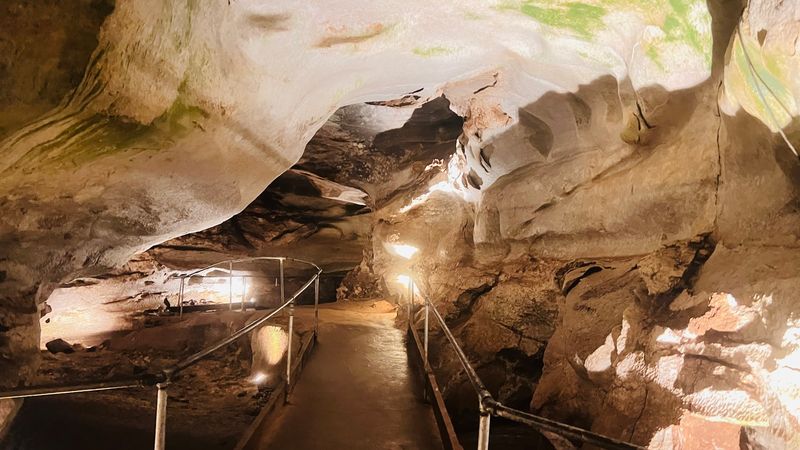
The address is 217036 State Hwy 50A in Freedom, Oklahoma, and this destination represents one of the most remarkable geological sites in the entire state. When you arrive at Alabaster Caverns State Park, you quickly realize that the flat landscape above ground hides something truly spectacular below.
The park sits in the northwestern corner of Oklahoma, far from the usual tourist routes that most people follow. That remoteness actually adds to the appeal because you feel like you’re discovering something special that not everyone knows about.
I visited on a warm spring morning, and the contrast between the sunny parking area and what waited underground was striking. The park itself is compact and well-maintained, with clear signage directing you to the visitor center where tours begin.
What makes this location particularly special is that it contains one of the largest natural gypsum caves in the world that’s open to the public. The formations inside are unlike anything you’d typically associate with Oklahoma.
Staff members at the entrance were welcoming and eager to share information about what makes this cave system unique. Their enthusiasm was contagious and set the tone for an educational adventure underground.
The Rare Black Alabaster Discovery
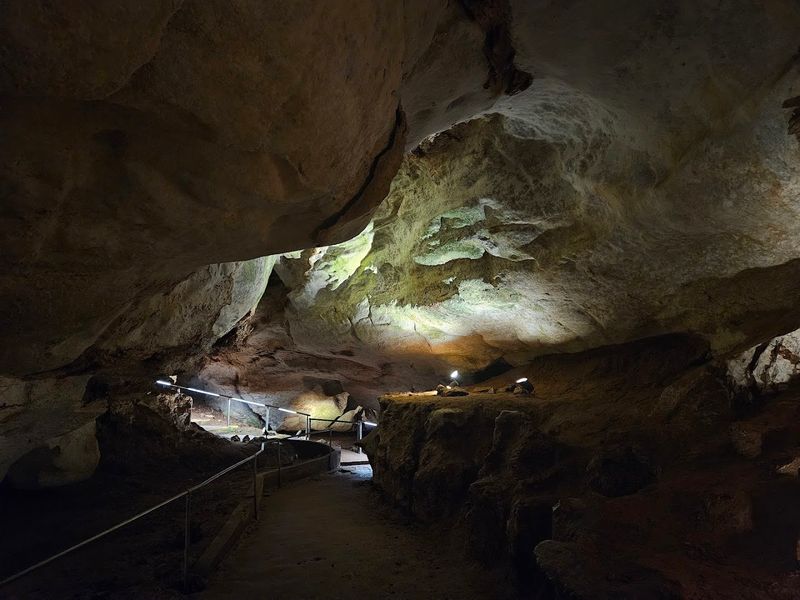
One of the most extraordinary features here is the presence of rare black alabaster, which exists in only a handful of locations across the entire United States. This mineral isn’t something you can find just anywhere, making each glimpse of it during the tour feel like witnessing something truly precious.
The black alabaster contrasts beautifully with the pink and white gypsum that dominates most of the cave walls. When light hits these dark formations, they seem to absorb it in a way that creates an almost mystical atmosphere.
Our guide explained that this type of alabaster formed under very specific geological conditions over millions of years. The combination of minerals, water flow, and pressure had to be just right to create these dark deposits.
I found myself stopping frequently to examine the texture and color variations in the rock. Photography inside the cave is allowed, though capturing the true depth of color proves challenging without professional equipment.
Scientists and geology enthusiasts travel considerable distances specifically to see these formations. The educational value alone makes this cave worth protecting and sharing with future generations who want to understand Earth’s natural processes.
Living With Bats Underground
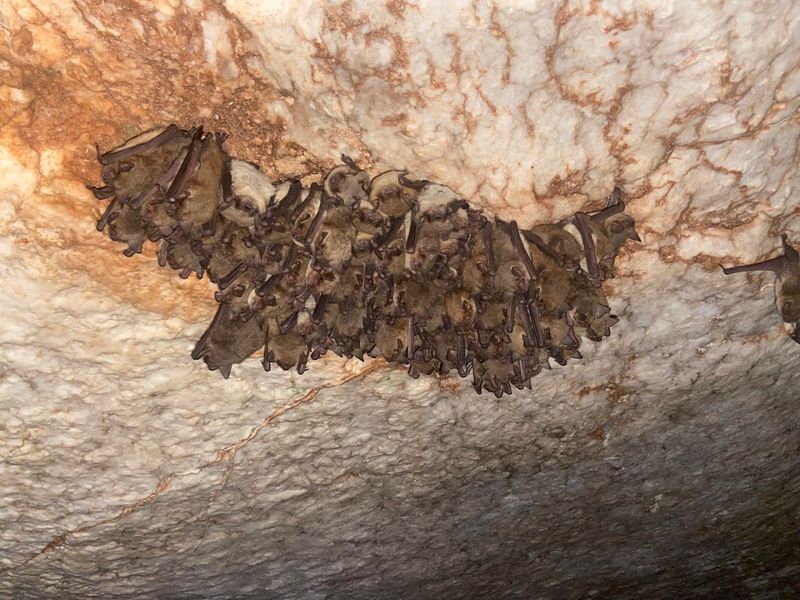
Between November and March, the cave becomes home to hundreds of hibernating bats that cluster together on the ceiling in tight groups. Seeing these creatures up close in their natural habitat was genuinely thrilling because most caves restrict access to areas where bats live.
Here, you walk directly beneath them as they sleep through the winter months. The tour guide emphasized the importance of staying quiet and avoiding sudden movements that might disturb their hibernation.
I watched several bats hanging motionless, their tiny bodies barely visible in the dim light. Occasionally, one would shift position or flutter its wings briefly before settling back into sleep.
The guides are knowledgeable about bat behavior and conservation, answering questions about why these animals matter to the ecosystem. They explained how bats control insect populations and pollinate plants, making them essential to environmental health.
For children especially, this close encounter with wildlife creates lasting memories and often sparks interest in biology and conservation. Some visitors return specifically during bat season because the experience is so different from summer tours when the bats have migrated elsewhere.
The Constant Cool Temperature Below
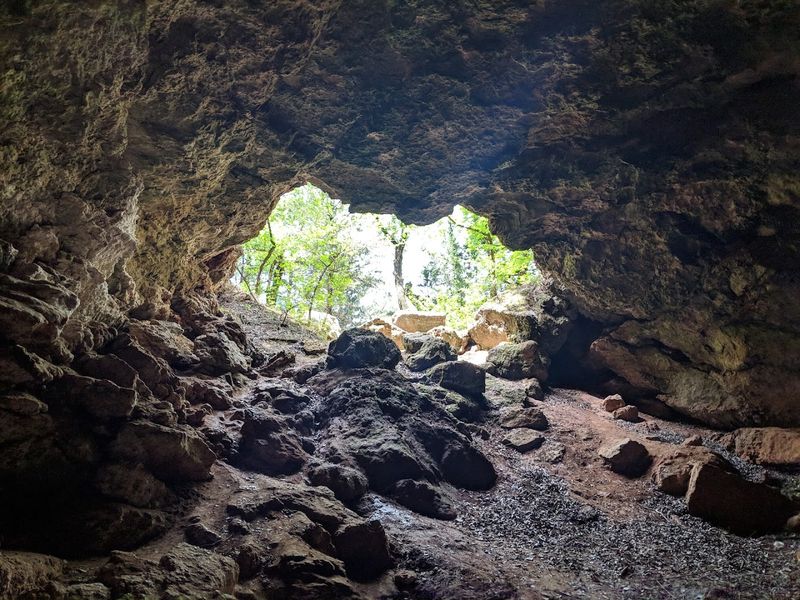
No matter what the weather does above ground, the cave maintains a steady temperature between 55 and 62 degrees Fahrenheit year-round. This natural climate control makes it a perfect escape during Oklahoma’s brutal summer heat waves.
I visited during a period when outdoor temperatures soared into the high 90s, and descending into the cave felt like stepping into natural air conditioning. The relief was immediate and welcome.
That coolness comes from the earth’s insulating properties and the depth of the cave system. The rock surrounding the passages stays at a relatively constant temperature regardless of seasonal changes above.
Visitors should definitely bring a light jacket or sweatshirt, even if it’s sweltering outside. The temperature difference can feel quite dramatic, especially if you’ve been hiking around the park before your tour.
This consistent cool environment also helps preserve the cave formations and provides ideal conditions for the bats and other creatures that live there. The moisture in the air adds to the chill, so wearing layers that you can adjust makes the tour more comfortable throughout.
Guided Tours Every Hour
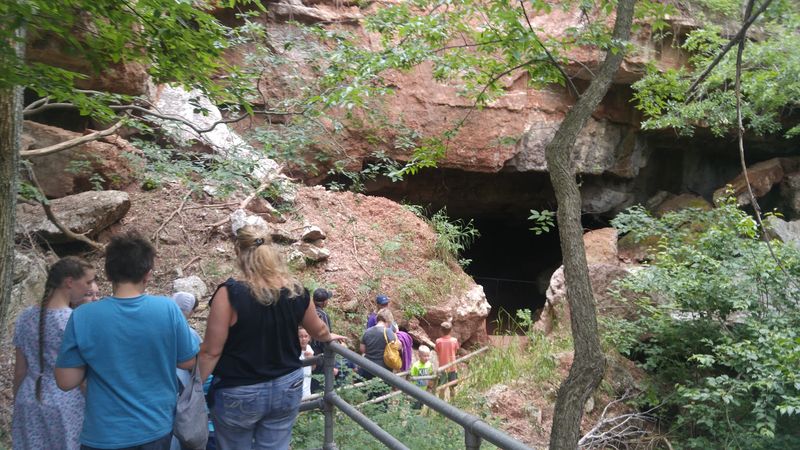
Tours depart at the top of every hour during operating times, which run from 8 AM to 4:30 PM on most days. This regular schedule makes planning your visit straightforward without needing advance reservations for standard tours.
Each tour lasts approximately 25 to 30 minutes, covering the accessible portions of the main cave. The guides are trained park staff who know the geology, history, and ecology of the cave system thoroughly.
I joined a tour with only four other people, which allowed for plenty of questions and personalized attention from our guide named Jennifer. She paced the tour well, giving everyone time to observe formations and take photos.
The path through the cave is well-maintained with handrails in key areas, though you do need to watch your footing on the hardened mud floor. Some sections require ducking slightly to avoid low-hanging rock formations.
Tour prices are remarkably affordable, with family rates making it accessible for most budgets. The value you receive for the cost is exceptional compared to many other tourist caves.
The Earthquake That Changed Everything
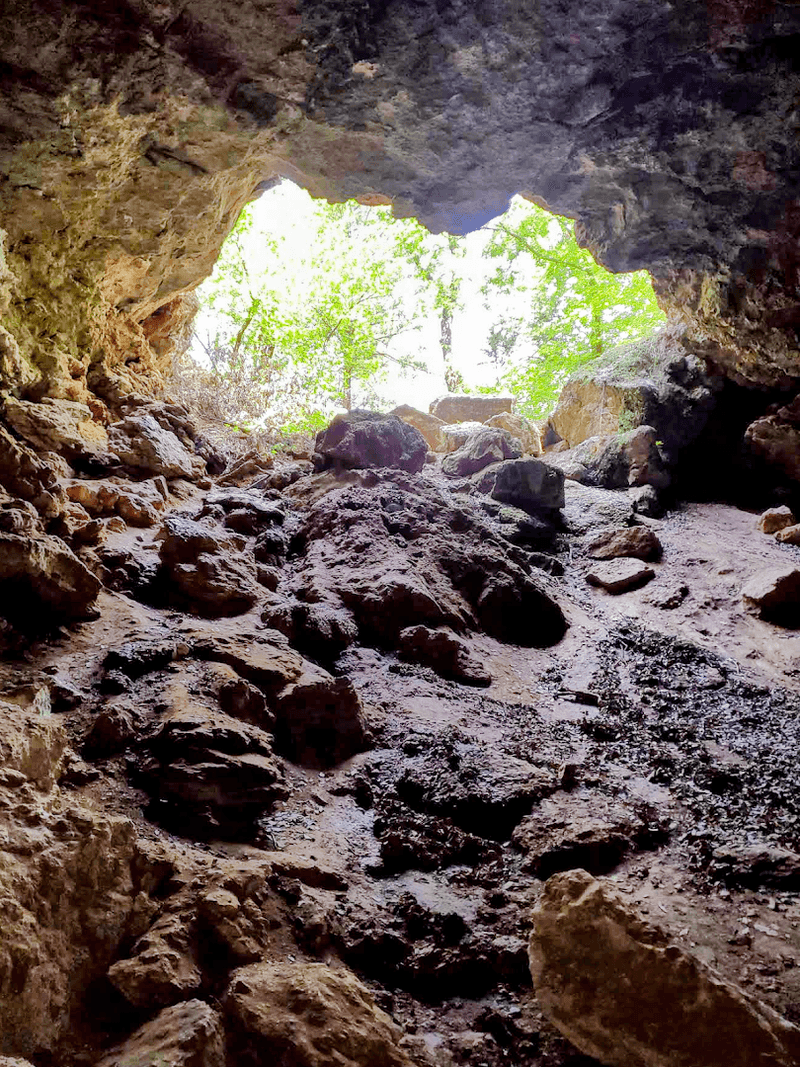
Several years ago, an earthquake caused a significant collapse inside the cave that permanently altered the tour route. What was once a complete walk-through passage now requires entering from the back entrance and turning around before reaching the collapse zone.
Our guide pointed out the area where the ceiling came down, explaining how geological forces are still actively shaping this underground environment. The blocked section remains closed until funding becomes available for proper stabilization and clearing.
While some visitors expressed disappointment about not seeing the full cave, I found the current route still offered plenty to experience and appreciate. The accessible portions contain most of the major formations and all of the bat viewing areas.
The earthquake damage actually provides an educational opportunity to discuss how caves are dynamic environments that continue changing. Nothing underground is truly permanent, even formations that seem solid and ancient.
Park officials hope future funding will allow them to reopen the closed section safely. Until then, the abbreviated tour still delivers an excellent introduction to this unique geological wonder beneath the Oklahoma prairie.
A Cold War Fallout Shelter
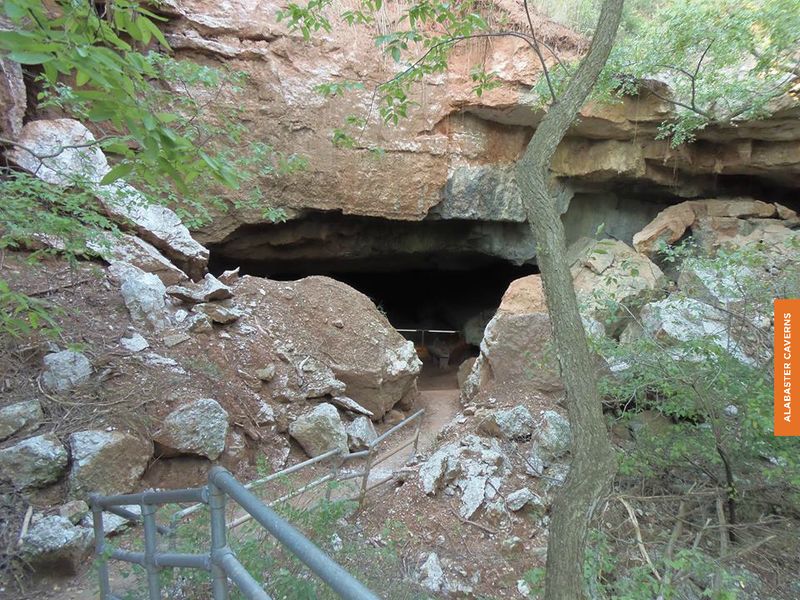
During the Cold War era, this cave was designated as a potential fallout shelter capable of protecting up to 3,000 people in case of nuclear attack. That historical detail adds an unexpected layer of significance beyond the natural beauty.
Tour guides point out a large barrel that once contained emergency food rations stored for such a scenario. Seeing this artifact serves as a sobering reminder of the anxieties that defined that period in American history.
The cave’s natural insulation and stable environment made it an ideal candidate for emergency shelter purposes. The depth and rock composition would have provided protection from radiation fallout.
Fortunately, the shelter was never needed for its intended purpose. Today it stands as a historical curiosity that sparks conversations about how communities prepared for worst-case scenarios.
I found this aspect of the cave’s story particularly fascinating because it connects natural history with human history. The same geological features that create beauty also offered potential safety during uncertain times, showing how humans have always sought refuge in the earth itself.
Camping Under the Stars
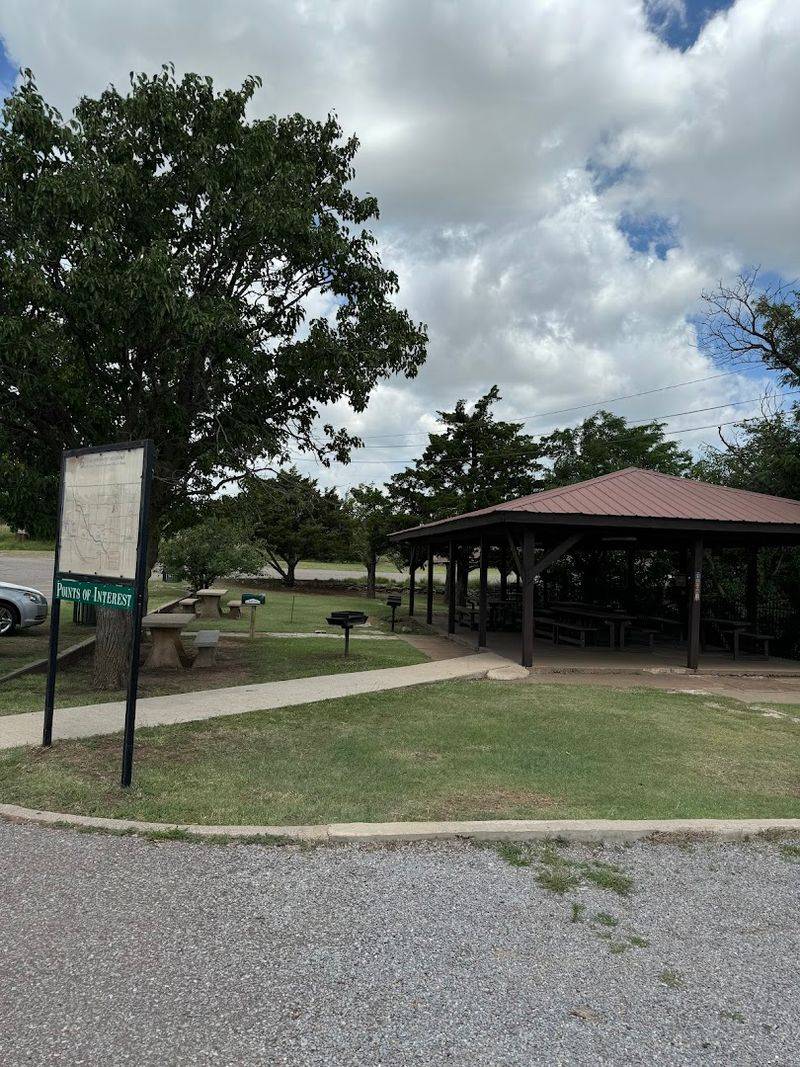
The park offers excellent camping facilities with both RV sites and tent areas, all maintained to high cleanliness standards. Sites come equipped with electrical and water hookups, making extended stays comfortable for campers of all experience levels.
I spoke with several campers who had spent multiple nights at the park, and they all praised the level spots and convenient amenities. The dump station near the entrance makes RV camping particularly practical.
Bathrooms and shower facilities are clean and well-maintained according to visitor reviews. Having these conveniences available makes the camping experience more enjoyable, especially for families with children.
The park also features numerous pavilions and picnic tables scattered throughout the grounds. These covered areas provide perfect spots for outdoor meals and relaxation between cave tours and hiking.
Camping here allows you to experience the park at different times of day, including beautiful sunrises and sunsets over the unique landscape. The quiet setting offers a peaceful retreat from busier tourist destinations, and the affordable camping fees make it accessible for budget-conscious travelers looking to explore this corner of Oklahoma.
Hiking the Canyon Trails
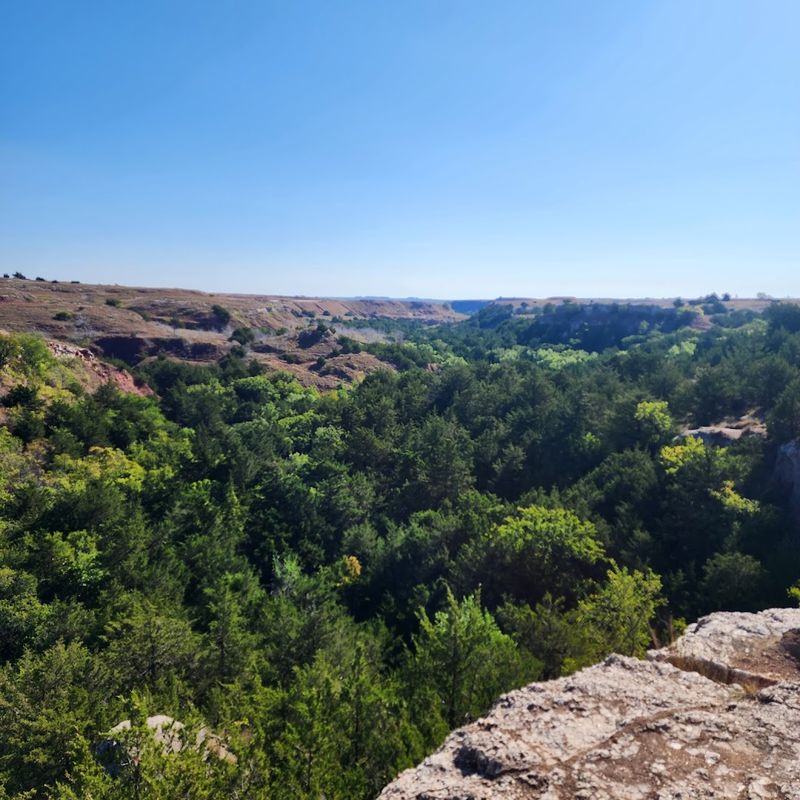
Beyond the cave itself, the park offers hiking trails that wind through a beautiful canyon landscape showcasing a different side of Oklahoma’s natural diversity. These paths let you explore the surface geology and see how water has carved the land over time.
The canyon trails provide excellent opportunities for photography and wildlife observation. I spotted several bird species and interesting plant life adapted to the rocky terrain.
Trail difficulty ranges from easy walks to more challenging routes, giving visitors options based on their fitness levels and available time. Signage clearly marks the trails and warns against entering any unmarked cave openings you might encounter.
During certain times of year, wildflowers add splashes of color to the landscape. The contrast between the green vegetation and red rock creates striking visual compositions.
One reviewer mentioned encountering a Western diamondback rattlesnake near the road, which serves as a good reminder to watch where you step and stay alert. The trails offer a chance to stretch your legs and see the above-ground environment that complements the underground wonders, making a complete visit to the park more than just the cave tour itself.
Special Spelunking Permits
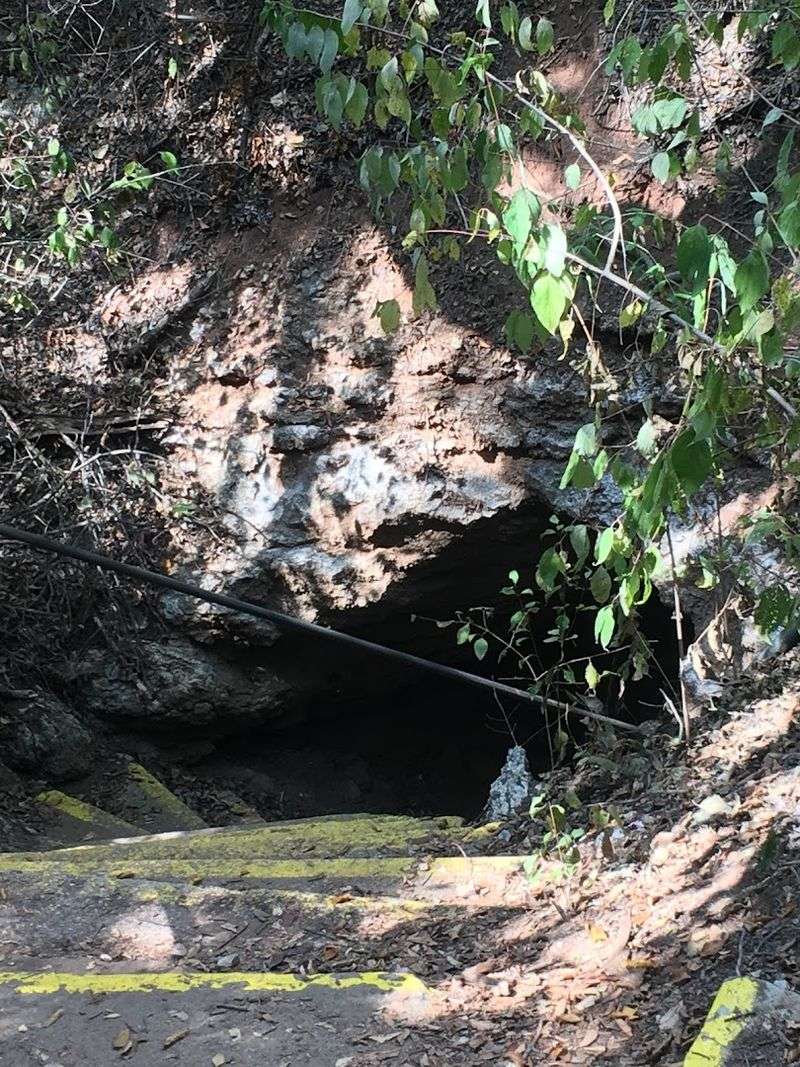
For adventurous visitors seeking a more intense underground experience, the park offers special permits for independent cave exploration from May through October. This program allows experienced spelunkers to venture into four or five undeveloped caves on the property.
These wild caves don’t have paved paths, lighting, or handrails like the main tour cave. You’re responsible for your own safety and must bring proper equipment including helmets, lights, and appropriate clothing.
The permit system ensures that only prepared individuals enter these areas while protecting the caves from damage or overcrowding. Park staff can provide information about what to expect and safety guidelines to follow.
I didn’t attempt the wild caving during my visit, but speaking with staff about the program made me want to return with proper gear and experience. The opportunity to explore beyond the standard tour appeals to anyone with a sense of adventure.
This option makes the park attractive to serious cavers and geology enthusiasts who want more than a casual tourist experience. It shows how public lands can serve different types of visitors with varying interests and skill levels while maintaining safety and conservation standards.
Share this story